

With the continuous advancement of global infrastructure development, the volume of recycling asphalt pavement (RAP) generated from road maintenance and rehabilitation has been increasing year by year. In traditional road construction, RAP was primarily disposed of through landfilling or abandonment. This practice not only resulted in significant waste of high-quality aggregates and asphalt resources but also caused environmental pollution. Concurrently, rising construction material costs and stricter environmental regulations have compelled the road construction industry to transition toward “sustainable, low-cost, and low-emission” practices. This shift has spurred the emergence and rapid development of asphalt pavement recycling technology.
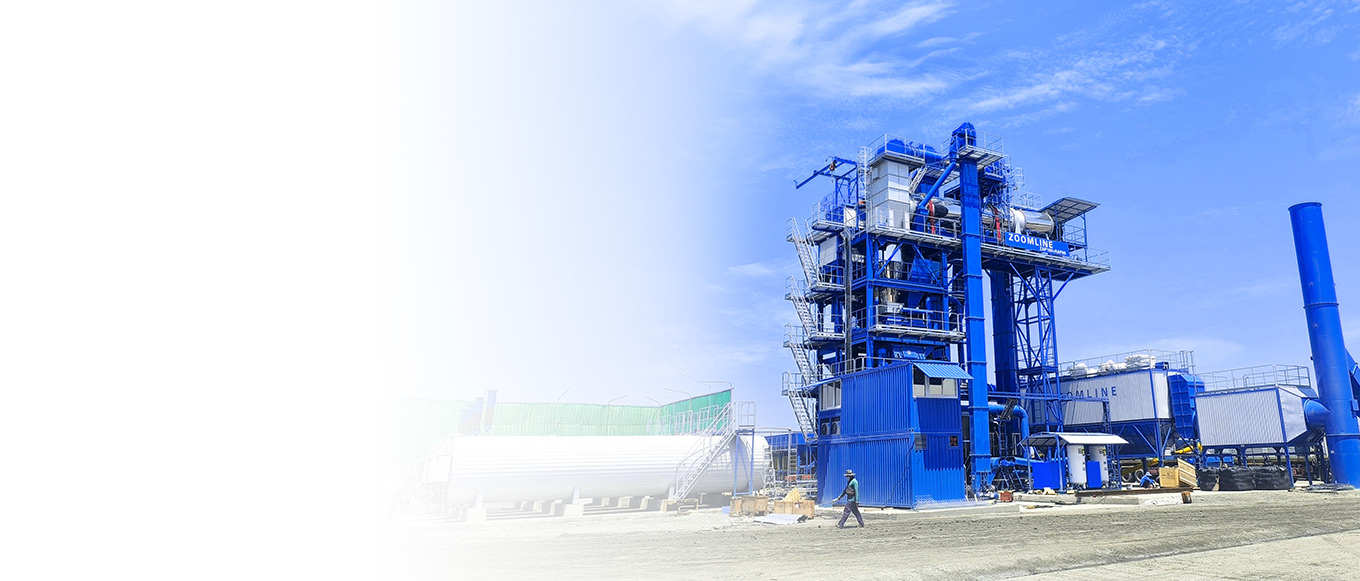
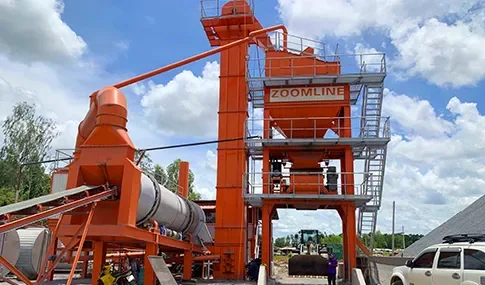
Plant-mixed asphalt pavement recycling technology, a core technique in asphalt recycling, involves transporting recovered waste asphalt mixture to an asphalt mixing plant. There, it undergoes crushing, screening, heating, and mix design adjustment before being blended with new aggregates, fresh asphalt binder, and rejuvenators to produce asphalt mixture meeting road performance requirements. This technology breaks the traditional “resource consumption-waste disposal” model in road construction, enabling the circular utilization of RAP resources. In modern infrastructure projects, it serves as both a key means to reduce costs and increase efficiency, and an important pathway to practice green construction concepts. It holds significant importance for promoting high-quality development in the road construction industry.
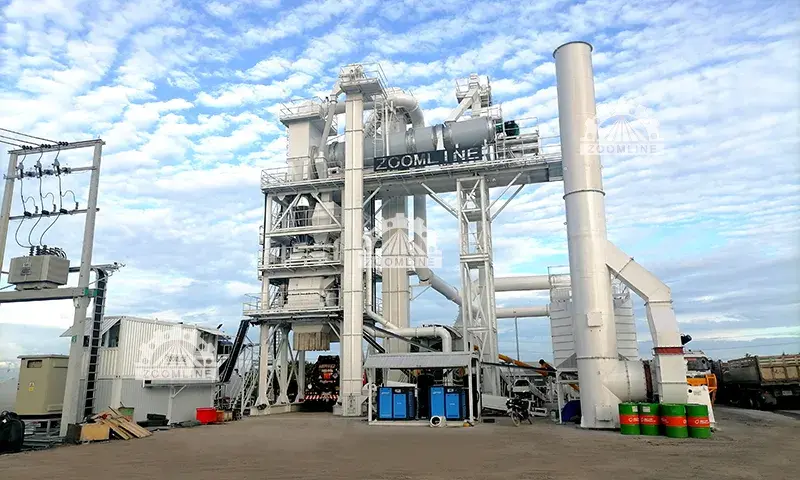
Plant-mixed asphalt pavement recycling technology is a centralized asphalt mixture recycling process. Its core lies in utilizing asphalt mixing plants to achieve resource recovery of RAP and production of recycled mixtures. Its core logic involves scientifically designed processes to reactivate the properties of aged asphalt in RAP, reuse its high-quality aggregates, and ultimately produce recycled asphalt mix that meets performance standards and offers stable quality. This recycled mix is then used for paving or maintaining road surfaces and bases.
Asphalt pavement recycling technology primarily falls into two categories: plant-mixed recycling and in-place recycling. Significant differences exist between them in terms of process scenarios and quality control:
Plant-mixed recycling requires transporting RAP to a fixed mixing plant for centralized processing, with the recycled mixture transportable for use elsewhere. In-place recycling directly mills, heats, and mixes the old pavement at the construction site, eliminating the need to transport RAP and making it suitable for small-scale pavement repairs.
Plant-mixed recycling leverages standardized equipment and precise batching systems at mixing plants to achieve fine-grained control over RAP screening, heating temperatures, and mix proportions, resulting in higher quality stability of recycled materials. In-place recycling faces limitations from site conditions and equipment precision, leading to greater quality variability.
Plant-mixed recycling is suitable for large-scale RAP processing and high-grade road construction; in-place recycling is more appropriate for localized pavement defect repairs and low-grade road maintenance.
Plant-mixed asphalt pavement recycling technology is applicable to various asphalt pavement rehabilitation and maintenance projects, including high-grade highway expansion, urban arterial road renewal, airport runway maintenance, and industrial park road repairs. Its advantages are particularly pronounced in projects with substantial RAP volumes and stringent pavement performance requirements.
RAP processing forms the foundation of plant-mixed recycling and directly impacts the performance of the recycled mixture. Its core processes include:
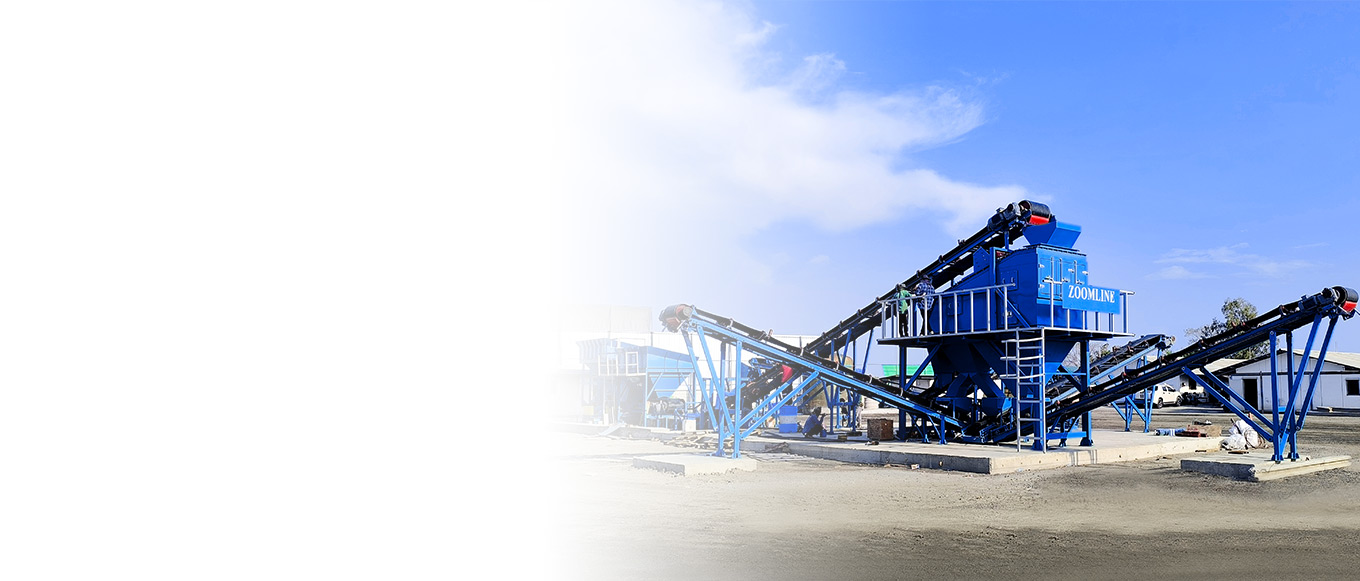
Milling machines recover the old pavement surface, which is then crushed to the required particle size using crushers. Finally, vibrating screens grade and separate the material, removing impurities and oversized particles to ensure uniformity of the RAP aggregate.
Screened RAP is stored in dedicated silos equipped with ventilation and heating systems to maintain moisture content within acceptable limits (typically ≤3%). This prevents excessive moisture from compromising subsequent heating and mixing quality.
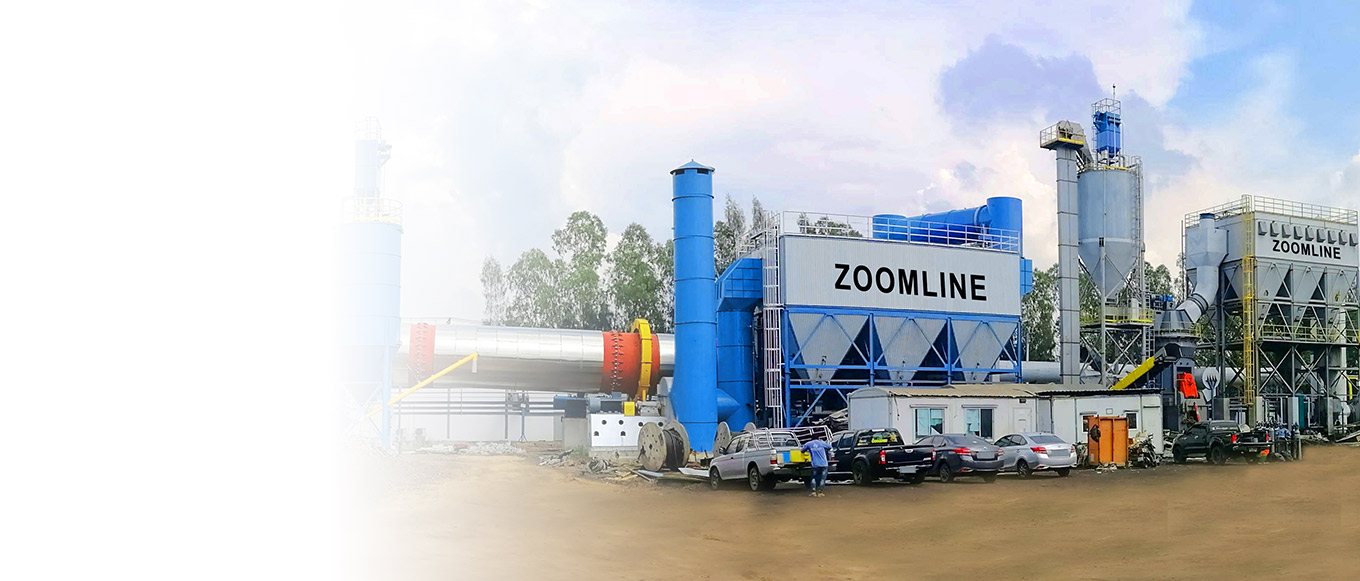
Plant-mixed recycling requires targeted modifications to conventional asphalt mixing plants. Core configurations include:
Options include batch plants and continuous drum plants. Batch plants suit small-batch, multi-specification recycled mix production with high mix-design accuracy; continuous drum plants excel at high-volume continuous production, offering greater efficiency and enabling simultaneous heating of RAP and fresh aggregates.
Based on RAP heating methods, options include cold RAP feeding, hot RAP feeding, and parallel drum feeding. Cold RAP feeding requires preheating RAP to specified temperatures before feeding into the mixing drum. Parallel drum feeding heats and mixes RAP with new aggregates within the same drum, offering a simpler process with lower energy consumption.
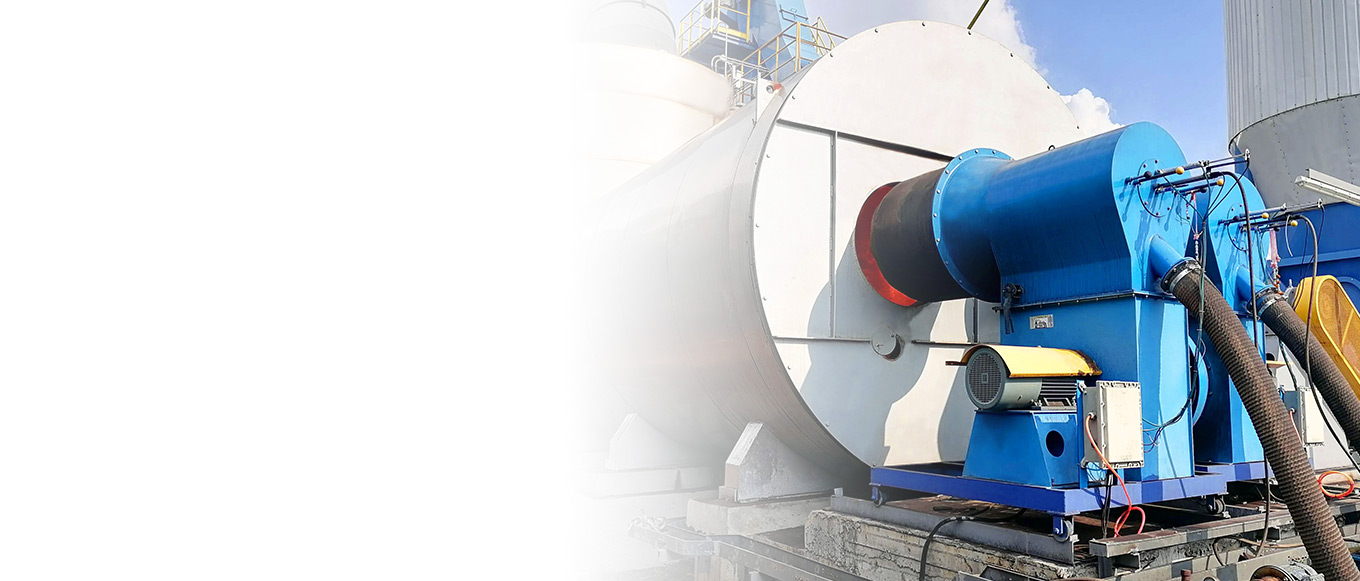
High-efficiency, energy-saving burners must be selected to ensure uniform and stable heating temperatures (typically controlled between 130-160°C), while minimizing fuel consumption and exhaust emissions. Drying drums require optimized internal blade structures to enhance heat exchange efficiency between RAP and hot airflow, preventing localized overheating or insufficient heating.
Asphalt in RAP undergoes aging and brittleness due to prolonged exposure to natural environments. Regeneration and revitalization technologies restore its properties:
Rejuvenators penetrate aged asphalt to replenish lost light components, reduce viscosity, and restore flexibility and adhesion. Modifiers (e.g., SBS, SBR) enhance the high-temperature stability and low-temperature crack resistance of rejuvenated asphalt, meeting performance requirements for high-grade roads.
Through precise proportioning, aged asphalt is mixed with new asphalt binder at a specific ratio. Combined with the action of rejuvenators, this process ensures the blended asphalt binder meets specification requirements while balancing cost-effectiveness and road performance.
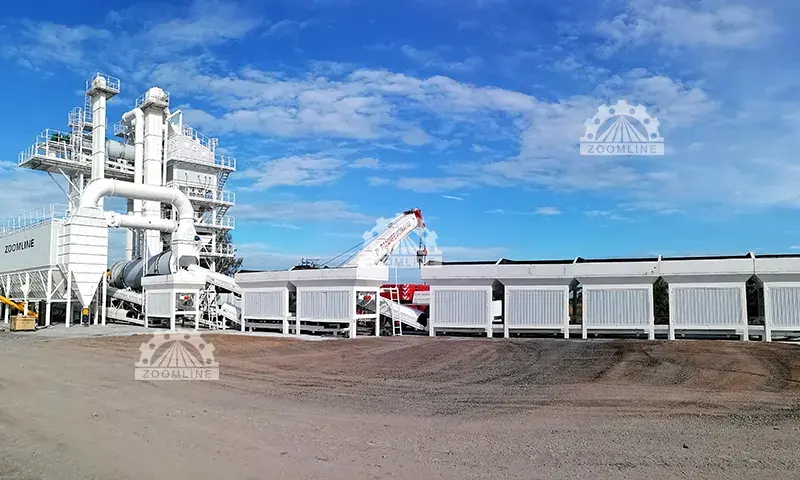
At the road reconstruction site, milling machines are used to mill the old asphalt pavement, recovering RAP material. The RAP is transported to the mixing plant, where it undergoes crushing, screening, and dust removal to eliminate impurities and non-compliant particles. The processed material is then stored in hoppers for later use.
Prepare new aggregates, new asphalt binder, rejuvenators, modifiers, and other raw materials. Test material properties per specifications to ensure compliance with production standards.
Heat RAP and new aggregates separately to specified temperatures. Precisely proportion RAP, new aggregates, asphalt binder, rejuvenators, etc., via an intelligent control system based on the performance requirements of the recycled mix.
Feed all materials into the mixing drum and blend for the specified duration (typically 30-60 seconds) to ensure uniformity. Conduct sampling tests on the recycled mixture for Marshall stability, flow value, void ratio, and other indicators. Only release the material upon passing inspection.
Load the qualified recycled mixture into insulated transport vehicles and deliver it to the construction site. Pave and compact using conventional asphalt mixture paving procedures to complete the pavement construction.
RAP heating temperature must be strictly maintained between 130–160°C. Excessive temperatures cause asphalt re-aging, while insufficient temperatures impair mixing uniformity and adhesion. Heat new aggregates 10–20°C higher than RAP to ensure overall mixture temperature compliance.
RAP content must be determined based on its aging degree, aggregate quality, and pavement performance requirements, typically ranging from 20% to 50%. Regenerator dosage requires experimental determination, generally 3%–8% of aged asphalt mass, to ensure full revitalization of aged asphalt.
Real-time monitoring of mix temperature, mixing duration, and mix ratio accuracy is required during production. Each batch must undergo sampling tests for Marshall index, high-temperature stability, and low-temperature crack resistance to ensure compliance with pavement performance requirements.
Hot-mix plant recycling is the most widely used plant-based recycling method. Its core process involves heating RAP and new aggregates to 130–160°C, then mixing them with hot asphalt binder and rejuvenator to produce recycled mix. Typically incorporating 20%-50% RAP, this technology yields reclaimed mixes with high-temperature stability and adhesion comparable to virgin asphalt mixes, suitable for surface courses on high-grade highways. Its advantages include mature technology, stable performance, and broad applicability. Disadvantages include relatively high energy consumption and the need for strict control of exhaust emissions.
Warm-mix plant-recycled technology is an energy-saving advancement of hot-mix recycling. By adding warm-mix agents, the mixing temperature is reduced to 100-120°C, achieving 15%-30% energy savings compared to hot-mix recycling. Its core advantages include: significantly reduced fuel consumption and lower emissions of CO₂, NOₓ, and other exhaust gases; decreased asphalt aging, enhancing the low-temperature crack resistance of recycled mix; and producing less fumes during construction, thereby improving the construction site environment. Its RAP content is comparable to hot-mix recycling, making it suitable for projects with high environmental requirements such as urban roads and airport runways.
Cold-mix plant recycling technology does not require heating raw materials. It directly mixes RAP with new aggregates, emulsified asphalt, and rejuvenators at ambient temperatures to produce recycled mix. Its advantages include extremely low energy consumption, strong environmental friendliness, and convenient construction, making it suitable for small-scale pavement repairs and base course construction on low-grade roads. Its disadvantages are slower strength development in the recycled mixture, poorer high-temperature stability, a typical RAP content not exceeding 40%, and unsuitability for surface courses on high-grade roads.
RAP contains substantial quantities of high-quality aggregate and asphalt. Plant-mixed recycling enables over 80% reuse of RAP resources, significantly reducing the consumption of new aggregate and asphalt while cutting raw material procurement costs by 30%-50%. Simultaneously, it minimizes disposal costs associated with landfilling or discarding RAP, prevents resource wastage, and achieves “turning waste into treasure.”
Traditional asphalt mix production consumes substantial fuel to heat aggregates and asphalt. Plant-mixed recycling utilizes existing RAP aggregates and asphalt, reducing heating energy consumption. The application of warm-mix recycling technology further lowers energy use. Moreover, recycling RAP resources minimizes carbon emissions from aggregate quarrying and asphalt refining, reducing ecological damage and aligning with carbon neutrality goals.
Factory-recycled asphalt relies on standardized equipment and intelligent control systems within asphalt mixing plants, enabling precise control over raw material ratios, heating temperatures, and mixing times. This results in significantly higher quality stability for recycled mixes compared to in-place recycling techniques. With proper design and quality control, recycled asphalt mixtures can achieve high-temperature stability, low-temperature crack resistance, and fatigue durability comparable to virgin mixes, meeting the requirements for high-grade road applications.
Plant-mixed recycling technology is compatible with various asphalt mixing plant types (batch-type, continuous-type), can process RAP materials with different degrees of aging, and produces recycled mixes of diverse specifications. It is suitable for paving and maintenance projects including high-grade highways, urban roads, airport runways, and industrial park roads, demonstrating exceptional versatility.
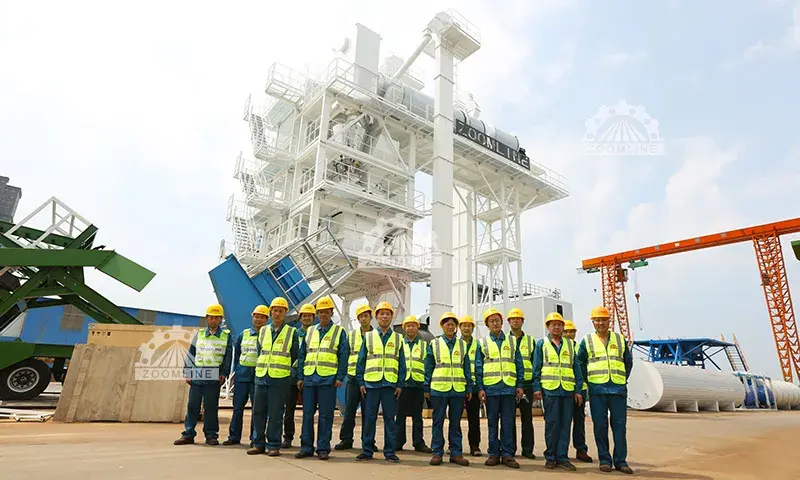
The RAP content is a critical factor influencing the performance and cost-effectiveness of recycled mixes. Based on industry standards and engineering practice, the recommended RAP content for hot-mix plant-recycling ranges from 20% to 50%: – Below 20%, the resource reuse benefit is negligible. – Above 50%, increased rejuvenator usage is required, and restoring the properties of aged asphalt becomes more challenging, potentially compromising mix durability. The RAP content for warm-mix plant-recycled materials may follow hot-mix recycling guidelines, while cold-mix plant-recycled materials generally should not exceed 40% RAP. Specific content must be determined experimentally based on RAP aging degree, aggregate quality, and pavement performance requirements.
A reasonable RAP content does not degrade pavement performance; instead, it can optimize asphalt binder properties through the action of rejuvenators. However, excessive RAP content may lead to: – Excessive aging of asphalt binder, reducing mixture cohesion and increasing susceptibility to rutting and cracking; – Unreasonable aggregate gradation, affecting mixture density and strength; – Reduced fatigue durability and shortened service life. Therefore, RAP and rejuvenator dosages must be optimized through testing to ensure recycled mixture performance meets standards.
Quality control for plant-mixed recycled mixes must comply with standards such as the Technical Specifications for Asphalt Pavement Recycling on Highways (JTG/T 5521-2019), focusing on testing indicators like Marshall stability, flow value, void ratio, aggregate gradation, and asphalt content. Common production challenges include excessive fluctuations in RAP moisture content, uneven heating temperatures, inaccurate regenerator dosage control, and inconsistent mixture blending. Corresponding solutions involve optimizing RAP storage and pretreatment processes, implementing precise temperature monitoring and control systems, utilizing intelligent proportioning systems to regulate regenerator dosage, extending mixing time, and refining mixing techniques.
Plant-mixed asphalt pavement recycling technology, with its core advantages of “resource circulation, cost reduction and efficiency enhancement, environmental sustainability, and quality stability,” has become a pivotal technology for the transformation and development of the road construction industry. This technology not only effectively addresses the environmental treatment of waste asphalt mixtures but also significantly reduces road construction costs, minimizes energy consumption and carbon emissions, aligning with the “dual carbon” goals and green construction principles.
With increasingly stringent environmental policies, continuous upgrades in intelligent equipment, and the growing maturity of recycling technologies, the application scope of plant-mixed asphalt pavement recycling will expand further. The proportion of RAP (Recycled Asphalt Pavement) will gradually increase, while advanced techniques like warm-mix recycling and intelligent recycling will become mainstream. In the future, this technology will serve as a core process for road construction and maintenance, driving the industry’s transformation toward a “resource-circulating, energy-saving, and low-carbon” model.
For road construction enterprises and investors, deploying plant-mixed asphalt pavement recycling technology is a crucial step to align with industry trends. Enterprises are advised to increase investments in equipment upgrades and technological R&D to enhance the quality and performance of recycled mixes. Investors should focus on niche sectors such as recycling equipment manufacturing and rejuvenator production to capture industry growth opportunities, collectively advancing the sustainable development of the road construction sector.