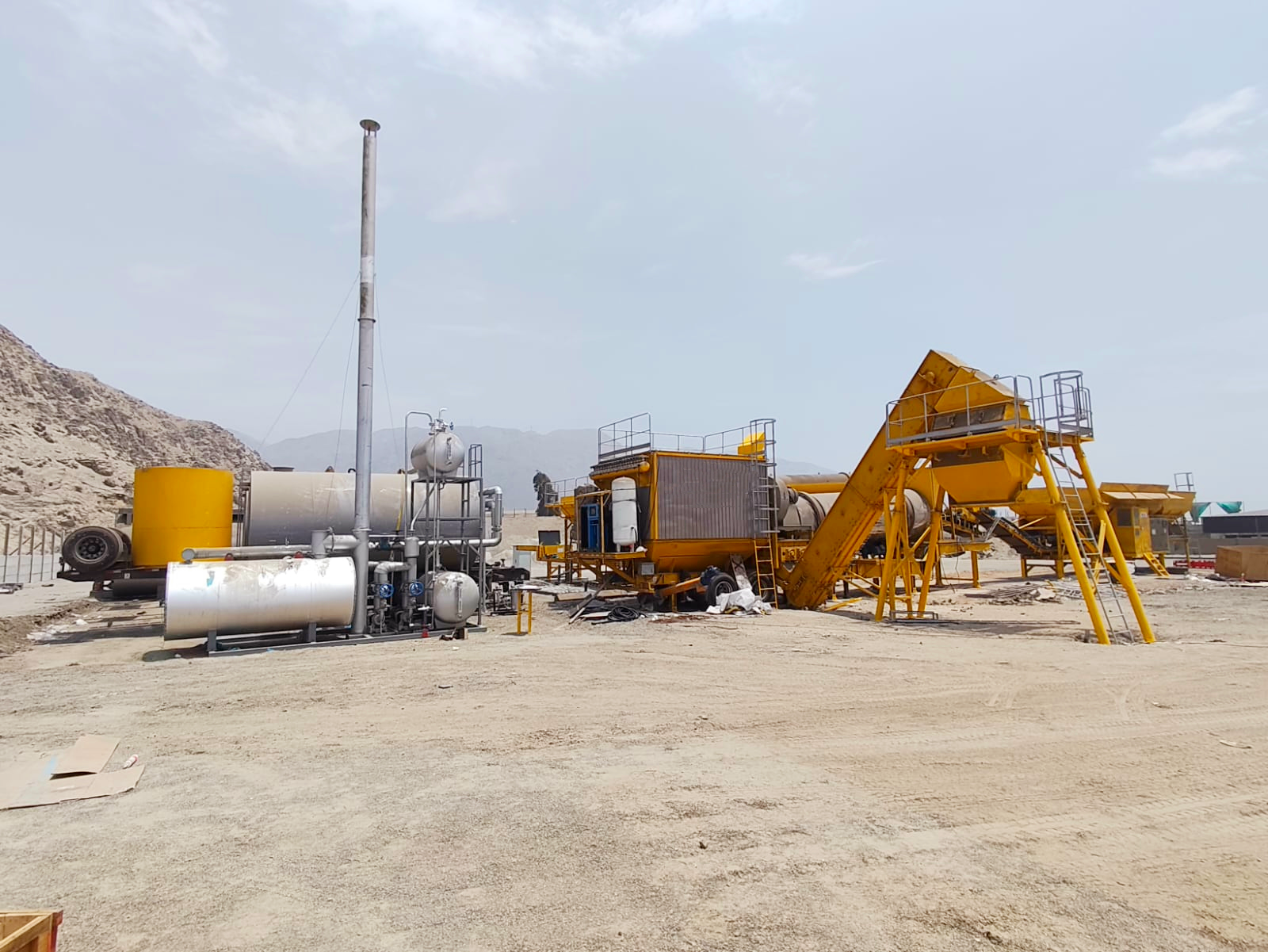


As the core equipment for road construction, the operational efficiency and stability of asphalt mixing plants directly determine project progress and pavement quality. Equipment accessories, serving as the critical components that ensure core functions are executed, function like the “nerve endings” and “joints” of the machinery. They play an irreplaceable role throughout the entire production process—from aggregate conveying and drying/heating to dust removal/purification, asphalt delivery, and metering control. Whether it’s precision-measuring sensors or filter bags ensuring environmentally compliant emissions, the proper operation of every accessory directly impacts the overall performance of the asphalt mixing plant.
However, in actual production, problems stemming from inadequate cleaning and maintenance of components are commonplace: material buildup on aggregate conveyor belts leads to uneven feeding, causing gradation deviations in asphalt mixtures; clogged burner nozzles result in incomplete combustion, increasing fuel consumption while reducing drying efficiency; and blocked dust filter bags cause insufficient negative pressure, disrupting production continuity and potentially violating environmental regulations. These issues ultimately translate into hidden and visible losses such as extended production downtime, soaring repair costs, and substandard mix quality.
Conversely, scientifically standardized component cleaning and maintenance can effectively reduce equipment failure rates, minimize unplanned downtime, extend the service life of components and core equipment, while ensuring stable asphalt mix quality—fundamentally lowering long-term operational costs. This article systematically categorizes core components of asphalt mixing plants, providing targeted cleaning methods, full-cycle maintenance strategies, safety precautions, and pitfall avoidance guidelines. It assists practitioners in establishing comprehensive maintenance systems to achieve long-term, high-efficiency equipment operation.
Within the comprehensive production system of asphalt mixing plants, “accessories” specifically refer to key auxiliary components and systems that integrate with primary equipment (such as mixing hosts and aggregate drying drums) to form a closed-loop production process. Their core value lies in providing end-to-end support for the primary equipment’s core processing tasks, covering critical aspects like material conveyance, energy conversion, environmental compliance, and precision control. They serve as the foundational support for ensuring smooth production flows, stable mix quality, and compliant enterprise operations. Compared to main equipment, accessories exhibit distinct characteristics: widespread distribution, diverse specifications, and susceptibility to operational wear. Consequently, they require frequent cleaning and maintenance protocols. Notably, accessory performance directly impacts production capacity utilization and operational cost control. Failure of any critical accessory can trigger complete production line shutdowns, resulting in irreversible production losses.
Among numerous components, five core systems decisively influence output capacity and mix quality. These systems span all critical nodes of asphalt production, representing not only high-failure zones but also core areas with urgent maintenance needs and exceptionally high maintenance ROI. To help practitioners focus precisely on key areas and enhance maintenance efficiency, this article provides professional, actionable cleaning and maintenance guidance for the following five systems:
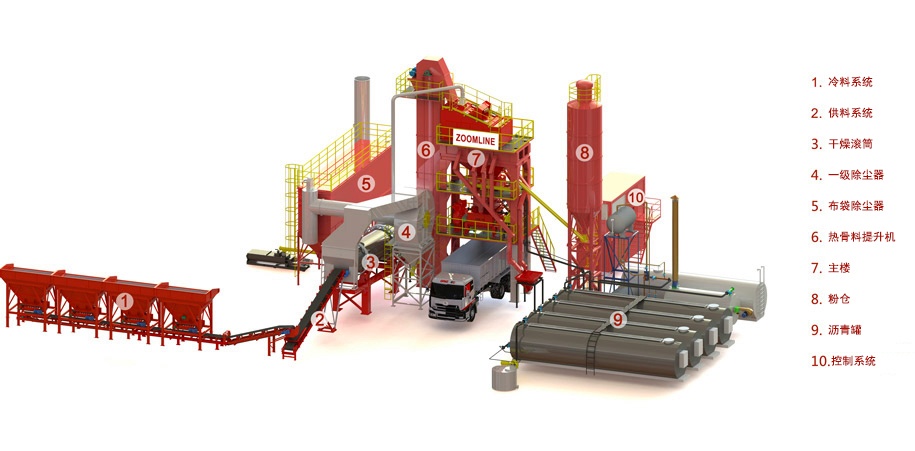
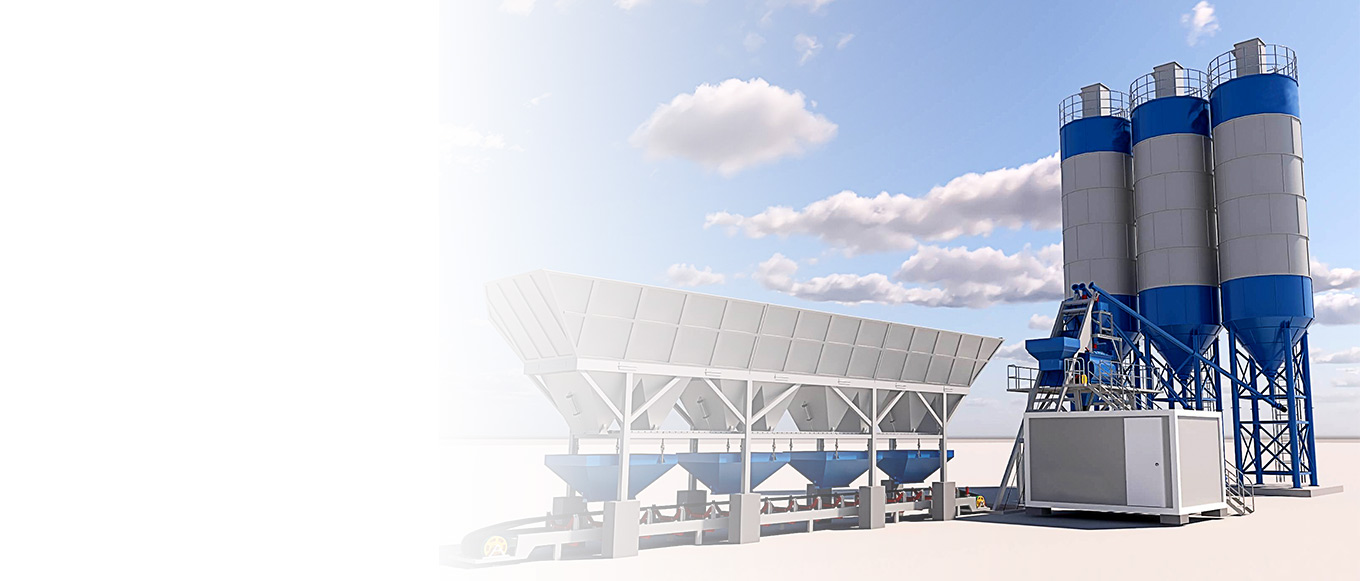
The aggregate feeding system serves as the “first station” in asphalt production, with its stability directly determining the continuity of subsequent processes. Core components include cold aggregate feeders, conveyor belts, and idlers.
Cold Aggregate Feeders: Regularly remove dust, residual stone, and material clumps from the feeder to prevent blockages at the discharge port that could compromise feeding accuracy. Focus inspections on wear of the feeder liner plates, gates, and adjustment mechanisms. Replace severely worn liner plates promptly to prevent direct material erosion of the equipment body. Ensure the adjustment mechanism operates smoothly without binding. Apply grease periodically to guarantee precise and controllable feed rate regulation.
Conveyor Belts and Rollers: After each production cycle, promptly remove residual aggregate from the belt to prevent material from hardening into clumps. Long-term accumulation can cause uneven stress distribution, belt misalignment, or even tearing. Daily inspections should focus on belt misalignment and tension. Adjust roller positions immediately upon detecting misalignment, and tighten the belt promptly if tension is insufficient. Regularly check roller rotational flexibility; replace any rollers exhibiting binding, severe wear, or complete lockup to prevent belt damage or increased power consumption.
Maintenance Value: The core value of standardized cleaning and maintenance for aggregate conveying system components lies in ensuring continuous and stable aggregate supply. On one hand, it completely prevents feed interruptions caused by issues like feeder blockages, belt misalignment/tearing, or jammed rollers, guaranteeing smooth operation throughout the production line and reducing the risk of schedule delays due to unplanned downtime. On the other hand, it enables precise control of aggregate feed volume and conveying stability. This prevents asphalt mixture gradation deviations from design standards caused by uneven feeding, ensuring mixture quality compliance at the source. It reduces additional costs from rework and waste disposal due to quality issues, laying a solid foundation for subsequent road construction quality.
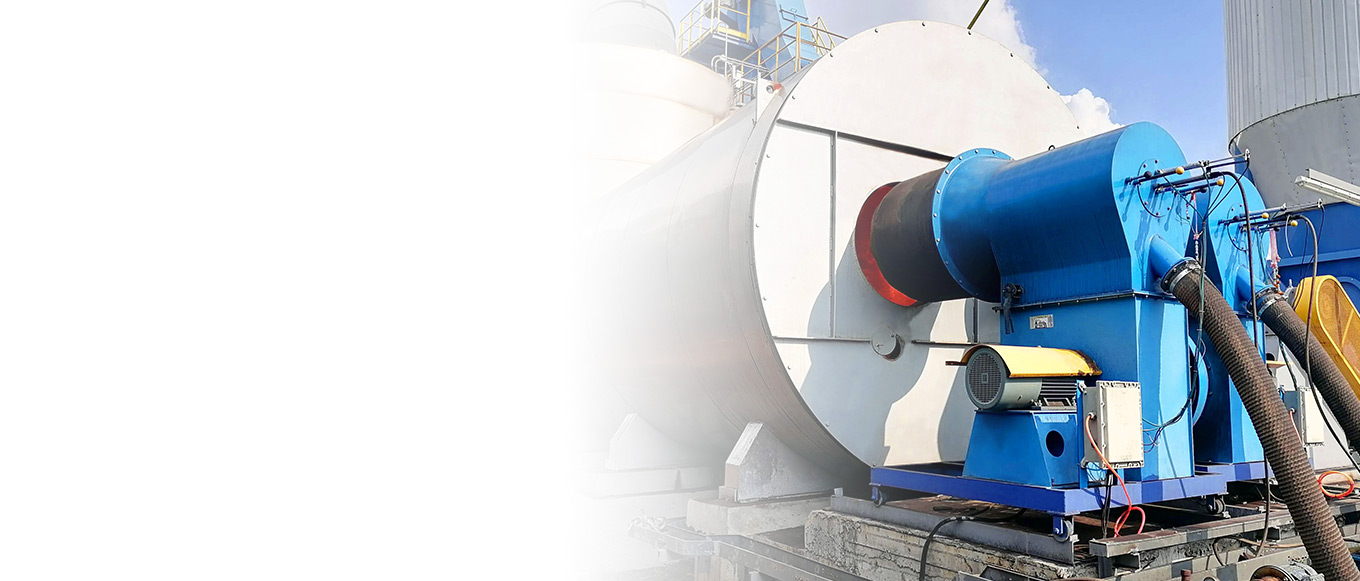
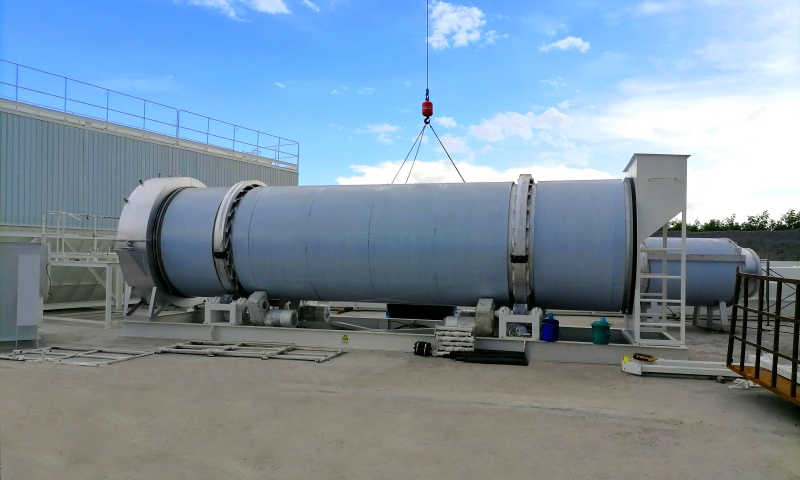
The dryer drum and burner system form the core component for aggregate drying and heating in asphalt production. Its operational efficiency directly determines energy consumption levels and aggregate drying quality—substandard drying directly impacts subsequent mixture mixing uniformity and strength properties. Core components of this system primarily include internal functional parts (e.g., scrapers, seals) and burner core assemblies. Their coordinated operation is crucial for ensuring efficient and stable drying.
Dryer Drum Accessories
– Regularly clean internal scrapers to prevent aggregate adhesion and clumping, which impedes material tumbling and heat transfer efficiency. Inspect the drum seals (e.g., end cover seals, drum body seals). Leaky seals cause significant heat loss and increased fuel consumption; promptly replace or repair them. Regularly check the wear on the drum inner wall and flight plates. Weld or replace severely worn components to prevent compromised drying performance.
Burner System Components:
Regularly clean fuel nozzles, air inlets, and filters. Clogged nozzles cause poor fuel atomization and incomplete combustion, increasing energy consumption and potentially generating carbon deposits that destabilize combustion. Inspect ignition devices and flame monitoring systems to ensure reliable ignition and sensitive flame detection, preventing fuel leakage risks from ignition failure or flame extinction. Adjust burner fuel supply and air ratio based on aggregate moisture and production load to maintain efficient combustion.
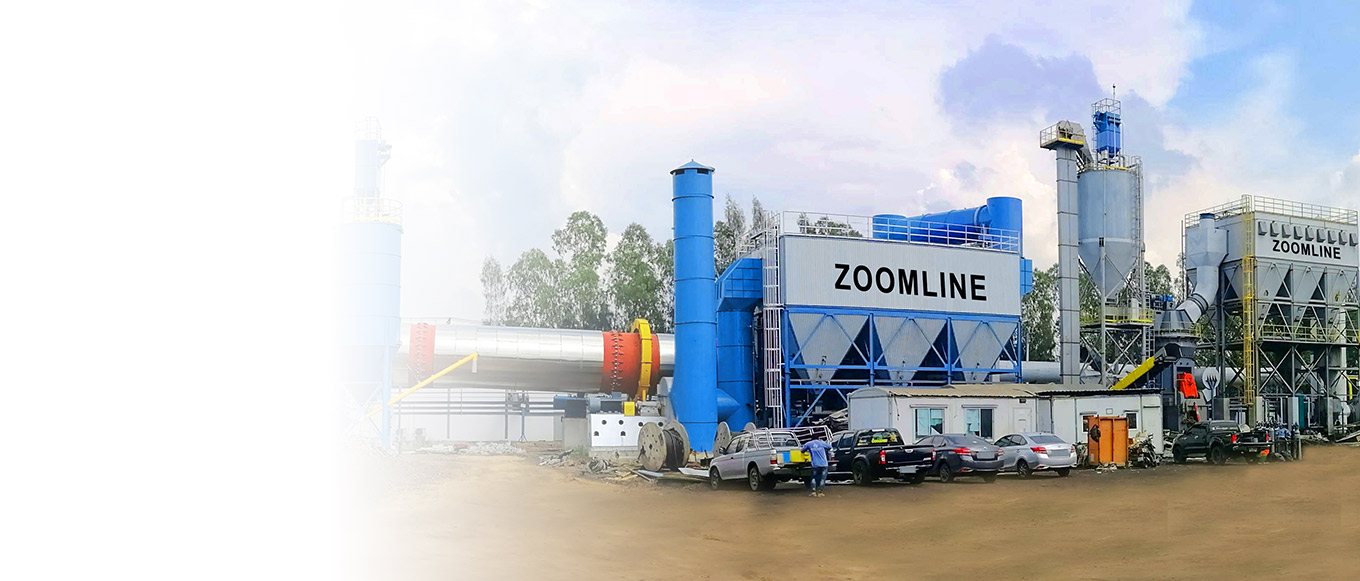
The dust collection system is an indispensable core auxiliary system for asphalt mixing plants. It serves as both a critical barrier ensuring compliance with national environmental emission regulations and a vital foundation for maintaining dynamic airflow equilibrium within the equipment, thereby guaranteeing efficient and stable production operations. During asphalt production, significant dust is generated during aggregate crushing, drying, and mix blending. Without effective dust collection system treatment, this dust not only causes severe air pollution and potential penalties for violating environmental regulations but may also infiltrate equipment components, leading to additional malfunctions. Simultaneously, the stable operation of the dust collection system ensures the formation of appropriate negative pressure within the equipment. This guarantees smooth airflow during aggregate conveying and drying processes, preventing production efficiency declines caused by airflow imbalances. The core components of this system primarily include the baghouse (also known as a bag filter, the core filtration unit), the filter bags serving as the filtration core, the induced draft fan providing negative pressure power, and the ductwork conveying dust. These components work together to form a complete dust collection closed-loop system.
Baghouse and Filter Bags: Regularly clean dust deposits and inspect filter bag condition. Promptly replace any damaged, clogged, or aged filter bags to prevent reduced dust collection efficiency, excessive dust emissions, and increased equipment operating resistance. Ensure the pulse-jet cleaning system functions properly by checking the condition of the blow pipes and solenoid valves to avoid filter bag blockages caused by incomplete cleaning.
Induced Draft Fan and Ducts: Regularly remove dust accumulation from ducts and fan housings. Excessive buildup restricts airflow, compromising dust removal effectiveness and stable negative pressure. Inspect fan blade wear and balance. Worn or unbalanced blades cause increased vibration, noise, and potential bearing damage—repair or replace promptly.
Maintenance Value: Proper cleaning and maintenance of dust collection system components deliver multiple core benefits. First, it ensures core components like baghouse dust collectors and filter bags maintain high filtration efficiency, strictly complying with national and local environmental regulations on dust emission concentrations. This effectively mitigates environmental penalty risks and supports green, compliant production. Second, it maintains dynamic airflow equilibrium within the equipment, ensuring stable power output from induced draft fans and unobstructed duct airflow. This prevents negative pressure deficiencies caused by filter bag clogging or duct dust accumulation, thereby safeguarding airflow coordination in upstream processes like aggregate conveying and drying, and preventing production interruptions due to airflow imbalance. Third, it reduces dust adhesion and wear on moving components (such as bearings and transmission mechanisms), lowering overall equipment failure rates. This indirectly extends the service life of core equipment, further reducing long-term operational costs.
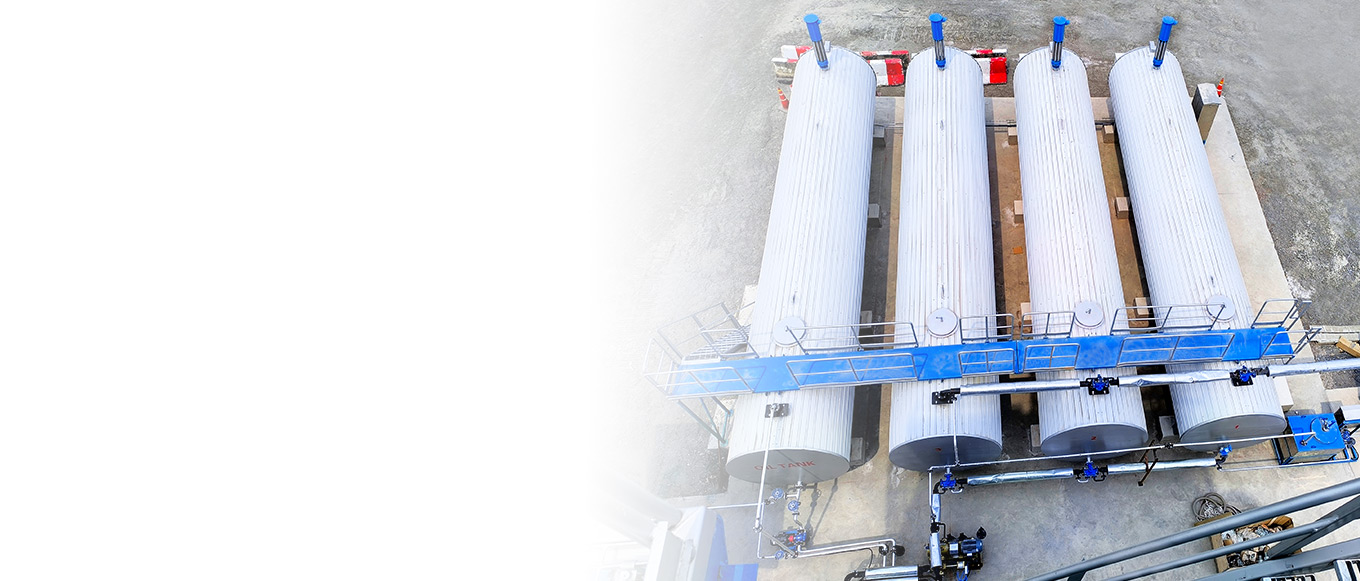
The asphalt pump and pipeline system is central to asphalt delivery, directly impacting supply precision and asphalt content in the mix. System components are prone to failure due to asphalt solidification, necessitating rigorous cleaning and insulation.
After production concludes, promptly clean asphalt pipelines to prevent residual asphalt from cooling, hardening, and causing blockages. Use hot asphalt circulation or specialized cleaning agents for flushing. Ensure insulation layers on asphalt pumps, valves, and pipelines remain intact to avoid insufficient insulation causing asphalt temperature drops, reduced flowability, and increased pumping resistance. Regularly inspect the seals and bearings of the asphalt pump. Seal leakage leads to asphalt waste and environmental pollution, while bearing wear affects pump operational stability. Replace damaged components promptly. During routine inspections, focus on checking pipeline joints, valves, and other critical areas to prevent asphalt leakage and pipeline blockages.
Common Risk: The most critical common risk in asphalt pump and pipeline systems is asphalt solidification caused by incomplete cleaning after production. Given asphalt’s tendency to solidify when cooled, residual asphalt in pipelines or pump bodies—if not thoroughly removed via hot asphalt circulation or specialized cleaning agents—will gradually harden and form clumps after equipment shutdown and cooling. This can completely block pipeline passages and pump chambers. This issue not only directly causes complete shutdown of subsequent production—requiring the piping and pump body to be reheated and warmed to soften and remove the solidified asphalt before resuming operations—but also carries multiple derivative hazards: On one hand, the cleaning process is extremely difficult, consuming significant amounts of thermal energy, cleaning agents, and labor costs, with the cleaning cycle typically being lengthy, severely delaying project progress; On the other hand, solidified asphalt causes abrasive wear on pipeline inner walls, asphalt pump impellers, seals, and other components. Long-term accumulation may lead to permanent damage of parts, further increasing equipment maintenance and replacement costs, creating a dual burden of “downtime losses + repair expenses.”
The weighing and control system serves as the “core brain” ensuring asphalt mixture quality. Its measurement accuracy and operational stability directly determine the mixture’s gradation precision, asphalt content ratio, and ultimate road performance. Core components include weighing sensors, load cells, and other measurement elements, alongside control system components supporting automation. Together, they form the precise quality control barrier for the mixture.
Weighing Sensors and Load Cells: Regularly clean dust and residual materials from sensors and weighing platforms to prevent foreign objects from affecting detection accuracy. Calibrate sensors at specified intervals to ensure measurement precision; calibration frequency may be adjusted based on production intensity and equipment environment, but should occur at least quarterly. Inspect sensor mounting structures to avoid measurement deviations caused by loosening or deformation.
Control System Components: Inspect control system cables, connectors, and control cabinets to ensure secure cable connections and prevent connector loosening or oxidation. Maintain dry, clean conditions inside control cabinets to block dust and moisture ingress, preventing electrical component short circuits or aging failures. Regularly monitor software and hardware operational status, promptly updating system programs (if necessary) to ensure seamless automated control processes.
Maintenance Value: The core value of standardized maintenance for metering and control system components lies in ensuring precise mixture metering and stable automated production. On one hand, it ensures strict adherence to design standards for raw material ratios such as aggregates and asphalt, controlling mix quality at the core process. On the other hand, it maintains the smooth operation of automated production, effectively avoiding issues like substandard mix quality and project rework caused by measurement deviations, thereby laying a solid foundation for efficient and high-quality production.
The core principles of asphalt mixing plant component maintenance lie in “routine execution” and “predictive prevention.” Establishing a scientific, cycle-based maintenance system enables early identification and mitigation of potential failure risks, effectively slowing component aging and extending service life. Below are targeted cycle-based maintenance implementation recommendations to assist enterprises in implementing standardized maintenance management:
Daily Cleaning and Visual Inspection Checklist: After daily production concludes, clean material-prone areas such as conveyor belts, feeders, and dryer inlet ports. Visually inspect the external condition of all components—check for belt damage, pipeline leaks, or abnormal emissions from dust collectors. Verify operational parameters across systems, including burner flame status, induced draft fan current, and metering system data.
Weekly Lubrication and Functional Checks: Lubricate moving components like feeder adjustment mechanisms, conveyor belt idlers, and induced draft fan bearings. Verify burner ignition functionality and pulse-jet cleaning system operation. Test weighing sensor sensitivity to ensure metering system integrity.
Seasonal or Shutdown Maintenance Planning: Before the rainy season, enhance moisture-proof inspections of control systems and improve equipment sealing. Before winter, inspect insulation and heating systems for asphalt pipelines and pumps to ensure normal asphalt flow in low-temperature environments. Before extended equipment shutdowns (e.g., during project intervals), thoroughly clean all components, inspect and replace aging parts, depressurize and drain all systems, and implement equipment protection measures.
Spare Parts Replacement Strategy: Maintain adequate inventory of high-wear components (e.g., filter bags, seals, idlers) to prevent extended downtime due to part shortages during failures. Develop proactive replacement schedules based on component lifecycles—e.g., replace filter bags every 6-12 months (adjust per operating conditions)—to avert cascading failures caused by component degradation.
Maintenance operations on asphalt mixing plant components involve significant hazards, including high-temperature components (e.g., drying drums, burners, hot asphalt pipelines), high-pressure systems (e.g., hydraulic lines, compressed air lines), and high-speed moving parts (e.g., conveyor belts, induced draft fan impellers). Operational oversights at any stage may lead to safety incidents such as burns, mechanical injuries, electric shocks, or fires. Therefore, before commencing any maintenance work, a rigorous safety control process must be established. All personnel must strictly adhere to safety operating procedures, implementing protective measures in every operational detail to fundamentally prevent accidents:
Lockout and Tagout Procedures: Lockout/tagout serves as the primary safety barrier for maintenance work and must be strictly enforced as a mandatory process. Before any maintenance work commences, all power and material supply sources—including the main power supply, fuel supply lines, asphalt delivery lines, and compressed air lines—must be completely disconnected. Corresponding switches and valves must be locked out (e.g., using dedicated locking devices), and warning signs stating “Under Maintenance. Do Not Close/Open” must be displayed. Lockout/tagout operations must be verified and completed by the responsible supervisor. Only after maintenance is fully completed and verified through inspection may the same supervisor unlock and remove the tags. Unauthorized unlocking by others is strictly prohibited to prevent accidental equipment startup and personnel injury at the source.
High-temperature and moving-part hazards: High-temperature components and moving parts pose the most significant injury risks during maintenance operations, requiring focused risk control. For high-temperature components such as drying drums, burners, and hot asphalt pipelines, maintenance work may only commence after they have cooled completely to a safe temperature (typically not exceeding 40°C). Direct contact or disassembly while components are hot is strictly prohibited to prevent scalding accidents. For moving components like conveyor belts, induced draft fan impellers, and feeder drive mechanisms, power must be disconnected and lockout/tagout procedures implemented. Additionally, wait until components have completely stopped rotating (verifiable by manual testing). If necessary, install temporary blocking devices to prevent unexpected movement, ensuring absolute static safety throughout maintenance.
Use of proper PPE and tools: Properly wearing personal protective equipment (PPE) is the direct barrier safeguarding maintenance personnel’s safety. Simultaneously, ensure the safety and suitability of operational tools. Maintenance personnel must wear appropriate protective gear based on the work scenario: wear safety helmets when entering work areas; wear heat-resistant, cut-resistant gloves when handling high-temperature components; wear safety goggles during dust removal or disassembly tasks; wear gas masks or dust masks when working in confined spaces. Tools used must comply with national safety standards. Regularly inspect tools for integrity—wrenches, screwdrivers, etc., must be free of cracks or damage. Power tools must have leakage protection. The use of substandard or expired tools is strictly prohibited to prevent accidents caused by tool failure.
Safe cleaning under hot asphalt conditions: For cleaning tasks involving high-temperature asphalt (e.g., hot asphalt pipelines, asphalt pump cleaning), implement specialized safety measures to prevent burns and chemical hazards. Throughout the cleaning process, wear heat-resistant gloves, safety goggles, and heat-resistant aprons to prevent direct contact with hot asphalt or high-temperature pipeline surfaces. When using organic solvents or other cleaning agents, thoroughly understand their physical and chemical properties beforehand to confirm any flammable, toxic, or hazardous characteristics. Ensure the work area is well-ventilated, prohibit smoking or open flames, and equip the site with appropriate firefighting equipment and emergency supplies (such as emergency shower stations). If cleaning agents accidentally contact skin or eyes, immediately take emergency measures like flushing and seek medical attention promptly.
In the maintenance of asphalt mixing plant components, many practitioners fall into various pitfalls due to misconceptions or operational oversights. These seemingly minor lapses can significantly undermine maintenance effectiveness, accelerate component aging and damage, or even trigger chain failures, leading to unnecessary operational losses. The following four major pitfalls warrant particular vigilance and strict avoidance:
Ignoring early signs of accessory wear: Component wear typically progresses gradually, with early indicators often manifesting as subtle anomalies easily overlooked—such as fine cracks on conveyor belts, minor fluctuations in load cell readings, slight leaks at pipe joints, or faint abnormal noises during roller rotation. Many practitioners dismiss these early signals as “minor issues that don’t affect normal production.” In reality, these signs are early warnings of declining accessory performance. If not promptly investigated and addressed, wear will continue to worsen—small cracks in belts will gradually expand into tears, sensor deviations will accumulate into severe measurement errors, and minor leaks will develop into large-scale seepage, ultimately leading to complete failure. This not only substantially increases repair complexity and replacement costs but also risks unplanned production line shutdowns, causing project delays and lost output.
Delaying cleaning of asphalt pipelines: Asphalt’s physical properties cause it to solidify rapidly when cooled. This necessitates “timely and thorough” pipeline cleaning, yet postponing this task is a common and critical industry mistake. Some practitioners, seeking to save immediate cleaning time, fail to promptly flush and clean asphalt pipelines and pumps after production ends, allowing residual asphalt to cool and solidify inside the pipes. This practice causes residual asphalt to gradually harden into solidified deposits that firmly adhere to pipeline walls and pump interiors. Subsequent cleaning requires substantial thermal energy, specialized cleaning agents, and labor costs, while significantly extending the cleaning cycle and severely delaying the next production run. More critically, solidified asphalt causes abrasive scraping against pipe walls, inflicting irreversible wear on precision components like pump impellers and seals. This can render core parts unusable, creating a dual burden of “downtime losses + repair/replacement costs.”
Using improper cleaning methods or tools: The core principle of component cleaning is “effective yet non-damaging.” However, some practitioners blindly adopt inappropriate methods and tools in pursuit of efficiency, inadvertently causing secondary damage to components. For instance, to rapidly remove stubborn material buildup on conveyor belts, some directly strike the belt with hard tools like hammers or steel scrapers. This practice severely scratches the belt’s wear-resistant surface layer, compromises structural integrity, drastically shortens service life, and may even cause sudden belt failure during subsequent operation. When cleaning precision electronic components like load cells and control system connectors, using highly corrosive or unsuitable cleaning agents can corrode electronic component pins and damage insulation layers, leading to sensor failure and control system malfunctions. Additionally, practices such as directly flushing control cabinet interiors with high-pressure water jets or cleaning filter bags with stiff brushes can cause electrical short circuits and filter bag damage, respectively.
Neglecting weighing system calibration: Measurement accuracy is central to ensuring asphalt mixture quality, and the precision of load cells relies on regular calibration. Neglecting calibration is a critical oversight leading to uncontrolled mixture quality. Some practitioners mistakenly believe that “sensors can be used long-term once installed,” neglecting calibration for extended periods. However, in actual production, sensors are affected by factors such as vibration, temperature fluctuations, dust accumulation, and minor structural deformation, causing measurement accuracy to gradually drift. Without timely calibration, these deviations accumulate and amplify, causing severe deviations in the mix ratio of aggregates, asphalt, and other raw materials from design specifications. This can result in issues like excessive asphalt content leading to oil bleeding on the pavement surface, or imbalanced aggregate ratios causing insufficient pavement strength. These quality hazards not only increase scrap disposal and rework costs but also compromise the service life and safety of road projects, triggering significant engineering quality liability risks.
In asphalt mixing plant operations, many enterprises fall into the misconception of “prioritizing production over maintenance,” simplistically equating accessory maintenance investment with “extra expenses.” In reality, scientific accessory maintenance is not a cost burden but a strategic investment that precisely translates into benefits—and a core driver for enhancing equipment ROI. High-quality accessory maintenance creates a closed-loop benefit system across four dimensions—production capacity assurance, lifespan extension, quality enhancement, and cost control—comprehensively amplifying equipment operational value. This manifests in the following four aspects:
Reduced downtime and emergency repairs: Unplanned downtime is a major “black hole” devouring operational efficiency. A single production line interruption caused by accessory failure often leads to multiple losses, including project delays, idle labor, and order breaches. Routine component maintenance proactively identifies and eliminates potential hazards—such as preventing pipeline blockages through regular cleaning or avoiding moving-part jams via scheduled lubrication—thereby eliminating unplanned downtime at its source. This not only ensures continuous production flow and stable output capacity but also drastically reduces costs associated with emergency repairs, spare-part procurement, and lost labor hours, keeping production rhythms firmly within manageable parameters.
Extended service life of key components: Wear on core components (e.g., asphalt pumps, load cells, filter bags) and main equipment (e.g., mixing units, drying drums) in asphalt mixing plants largely stems from inadequate routine maintenance. Proper cleaning prevents material residue from causing corrosive wear, standardized lubrication reduces friction loss in moving parts, and regular inspections with timely replacements prevent aging components from causing cascading damage to others. These maintenance measures effectively slow the aging process of both components and main equipment, significantly extending their service life. This approach lowers the substantial investment required for equipment replacement, allowing the initial investment to generate sustained value over a longer operational cycle.
Improved asphalt mix quality and consistency: Mix quality is the core lifeline of road engineering, and its stability directly depends on the precise operation of components. Regular calibration and cleaning of metering system components ensure strict adherence to design standards for the ratio of raw materials like aggregates and asphalt. Maintenance of feeding and combustion system components guarantees stable material supply and complete combustion, enhancing mixture homogeneity and strength properties. Consistently compliant mix quality eliminates costs associated with scrap disposal and project rework due to substandard materials. This also elevates the company’s project reputation and market competitiveness, laying the groundwork for future business expansion.
Lower long-term operating costs: Scientific component maintenance enables precise operational cost control across multiple dimensions, creating sustained cost advantages. On one hand, it reduces frequent emergency repair expenditures and prevents extensive maintenance costs caused by component failures. On the other hand, by ensuring efficient burner combustion and unobstructed pipeline flow, it reduces energy consumption of fuel oil and electricity while minimizing material waste from asphalt leakage and aggregate residue. Furthermore, stable production processes and quality control decrease management and labor costs associated with malfunctions or quality issues, keeping operational expenses consistently low and controllable, thereby expanding the company’s profit margins.
The long-term stability and efficient operation of asphalt mixing equipment hinge fundamentally on meticulous cleaning and standardized maintenance of its components. This article systematically categorizes core components, provides highly targeted practical maintenance methods, and establishes a full-cycle maintenance framework. It also clarifies safety protocols for maintenance operations and key points for avoiding common pitfalls, ultimately anchoring in the core maintenance principle of “prevention first, combined with treatment.” Compared to reactive repairs after failures occur, routine proactive maintenance more effectively controls operational costs, ensures stable production output, and fortifies the quality defense line for mixes.
We recommend that practitioners fully integrate component maintenance into daily production management systems and strictly implement phased maintenance plans. Additionally, prioritize professional asphalt mixing equipment suppliers for technical support and high-quality spare parts to ensure maintenance professionalism and effectiveness. Only through scientific and systematic maintenance management can asphalt mixing equipment consistently deliver stable value, safeguarding the efficient advancement and quality assurance of road construction projects.