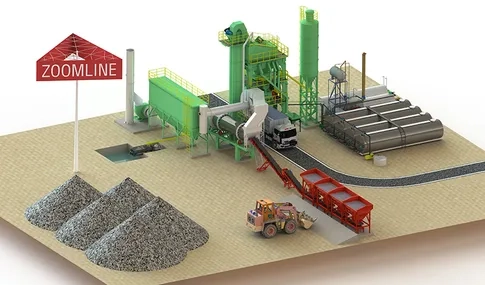
Introduction to Asphalt Mixing Plants
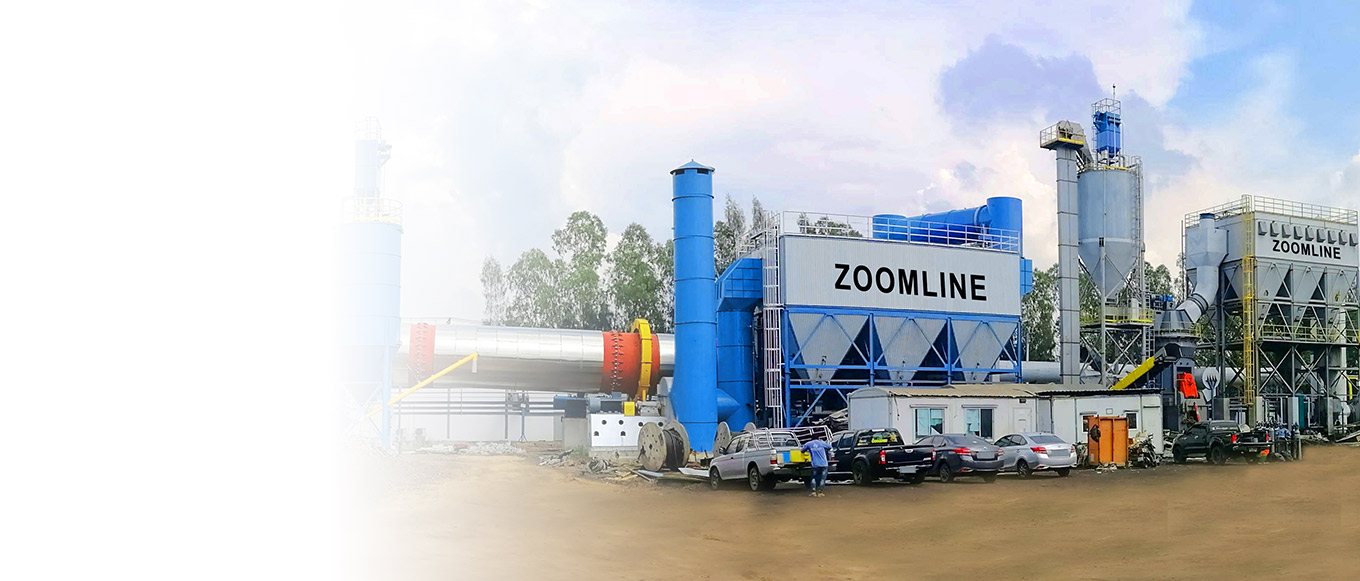
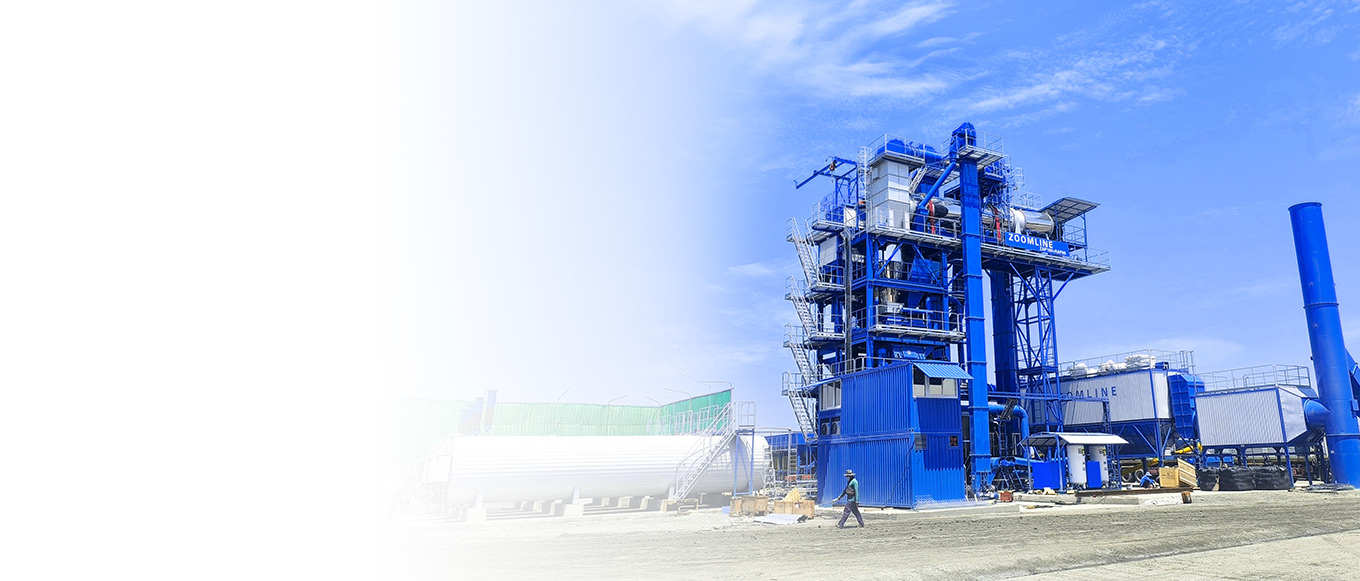
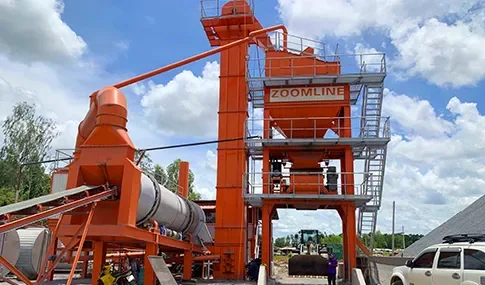
Asphalt mixing plants serve as the “heart” of road construction and maintenance projects. Through a series of precise processes—including aggregate drying, heating, proportioning, and mixing—they produce asphalt mixtures that meet paving standards, directly determining a road’s strength, smoothness, and service life. Whether for highways, urban thoroughfares, or rural roads, high-quality asphalt mixing plants are crucial for ensuring project quality and construction efficiency.
Meeting the fundamental requirements for asphalt mixing plants is far from an optional “add-on”:
– Efficiency-wise, compliant equipment ensures stable output of mixes meeting production demands, preventing construction delays.
– Quality-wise, precise batching and mixing processes eliminate issues like segregation and insufficient bonding in the mix.
– From a safety and environmental perspective, compliant equipment effectively controls dust emissions, reduces energy consumption, and mitigates environmental penalties and safety incidents.
Core Functions of Asphalt Mixing Plants
The core function of asphalt mixing plants is to transform raw materials—including aggregate, asphalt binder, and mineral powder—into uniform, stable asphalt mix through standardised processes. Key production stages encompass six core operations:
- Aggregate Drying: Removes moisture from aggregates to prepare them for subsequent heating and mixing processes.
- Heating and Temperature Rise: Heats dried aggregates to the optimal temperature range of 140-180°C to ensure thorough bonding with asphalt binder;
- Precise Proportioning: Accurately controls the ratio of aggregates, asphalt, and mineral powder according to engineering design standards;
- Mixing and Blending: Achieving thorough mixing of all raw materials through high-speed rotation of blades within the mixing drum to prevent segregation.
- Dust Collection: Utilising specialised equipment to capture dust generated during production, effectively preventing environmental pollution;
- Finished Product Storage: Temporarily storing the mixed material in insulated silos to ensure continuity during the construction process.
Currently, asphalt mixing equipment primarily falls into two categories:
- Batch Mixing Plants: Employing a batch production model, these offer high mix ratio precision and consistent material quality, suitable for quality-critical applications like highways and major infrastructure projects.
- Continuous mixing plants: Employ continuous feeding and mixing, offering high production efficiency and lower energy consumption. Suitable for large-scale projects with relatively lower batch precision requirements, such as road maintenance or secondary road construction.
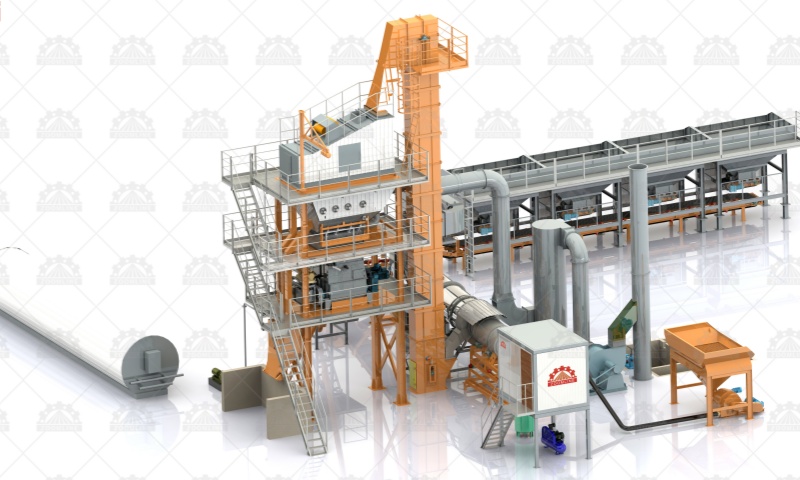
Fundamental Requirements for Asphalt Mixing Equipment
Production Capacity Requirements
Equipment capacity planning must adhere to the principle of “precise matching with flexible redundancy,” using hourly tonnage output as the core metric to establish a dynamic adaptation mechanism aligned with project scale. For small-scale maintenance projects, 50-100 t/h capacity equipment—with its compact footprint and low energy consumption—satisfies limited-scale operations like localised road repairs and rural highway construction while enabling rapid relocation through modular design. For large-scale expressway projects, high-capacity equipment (150-400 t/h) employs technical configurations like dual-drum parallel heating systems and multi-bin aggregate storage units. This ensures a stable supply of finished material during intensive construction phases exceeding 20 kilometres of daily paving.
Notably, modern asphalt mixing plants require dynamic capacity adjustment systems. Equipment should incorporate intelligent control systems supporting pre-planning functions based on construction schedules. Under normal conditions, operating at 70%-80% of rated capacity ensures economic efficiency. When facing unexpected situations like compressed schedules or reduced construction windows due to adverse weather, a one-touch switch to “Emergency Mode” can rapidly boost capacity to 110%-120%. This is coordinated with the transport fleet management system to enable immediate delivery of finished materials, preventing schedule delays caused by material backlogs or supply interruptions. Additionally, incorporating variable frequency drive technology and waste heat recovery systems keeps energy consumption fluctuations caused by production variations within 5%, balancing production efficiency and operational costs.
Material Handling and Storage Requirements
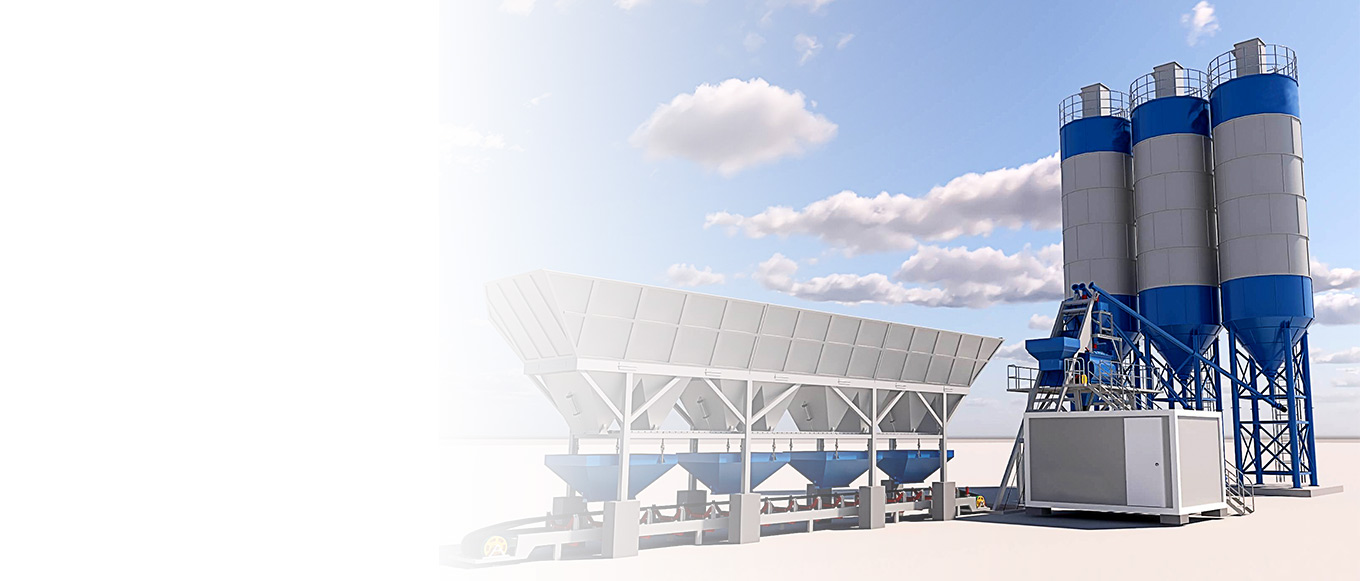
- Aggregate Storage and Feeding: Aggregate silo design must strictly adhere to project requirements, typically planning capacity at 1.5 times the daily consumption. This standard effectively avoids production interruptions caused by frequent replenishment, significantly improving equipment operational efficiency. The cold feed system employs a technical solution combining variable-frequency speed control motors with high-precision load cells. For different material specifications—such as coarse aggregate (particle size >4.75mm) and fine aggregate (particle size ≤4.75mm)—dynamic ratio adjustment is achieved through a PLC intelligent control system, ensuring conveying accuracy meets the industry’s high standard of ±1%. Additionally, vibrating arch-breaking devices at the aggregate bin bottoms prevent material bridging and clumping from accumulating, ensuring continuous and stable feeding.
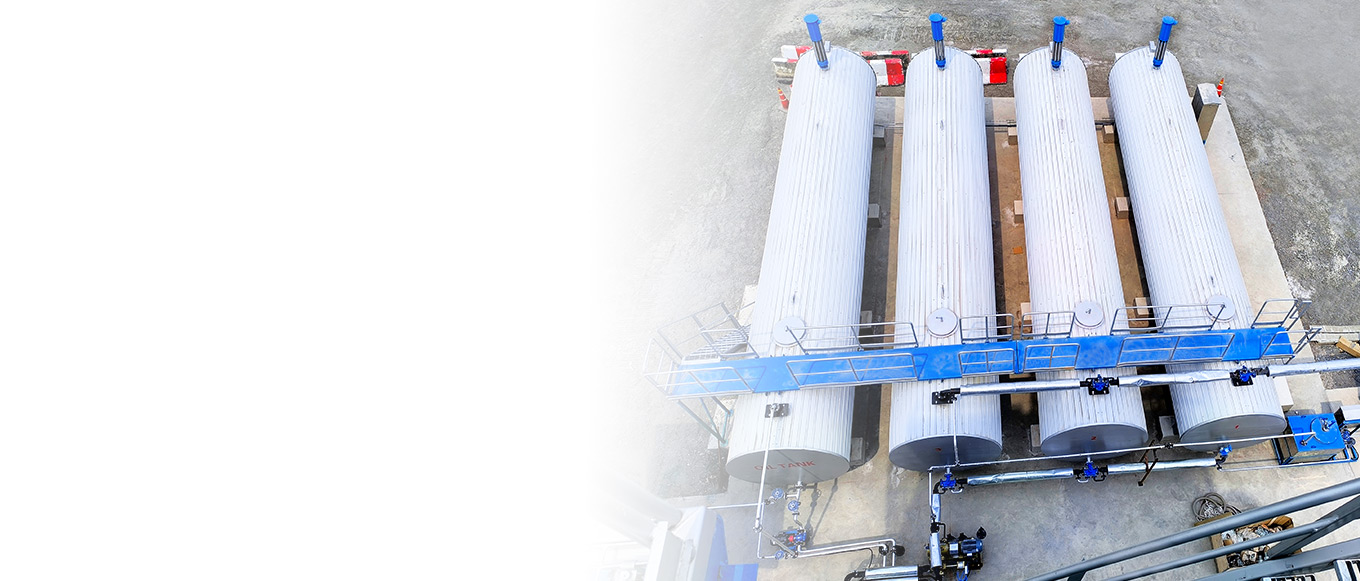
- BitumenStorage: The bitumen tank features a double-walled structure with a corrosion-resistant stainless steel inner layer. The outer layer is wrapped in a 100mm-thick polyurethane insulation layer, combined with an internal heating coil to form an efficient insulation system. This ensures the bitumen temperature is consistently maintained within the ideal operating range of 130-160°C. The integrated intelligent temperature control system combines sensors with PID regulation modules. When bitumen temperature falls below set values, it automatically activates electric heating or thermal oil circulation heating. Upon exceeding upper limits, it triggers alarms and activates cooling devices, fundamentally preventing bitumen solidification or ageing due to temperature anomalies, thereby safeguarding its physical and chemical properties.
- Mineral Powder Storage: The mineral powder silo features a fully enclosed vertical structure with specially treated corrosion-resistant surfaces. Combined with silicone sealing strips and a double-layer butterfly valve design, it forms a tight moisture barrier, effectively preventing moisture absorption and caking. An internal level monitoring device provides real-time stock feedback, facilitating advanced replenishment planning. The conveying system employs a large-pitch, variable-diameter screw conveyor paired with an anti-jamming drive system, ensuring leak-free and bridging-free transport of mineral powder. A pulse-jet roof dust collector is integrated, automatically activating during unloading to maintain a clean operating environment and safeguard mineral powder quality from contamination.
Drying and Heating Requirements
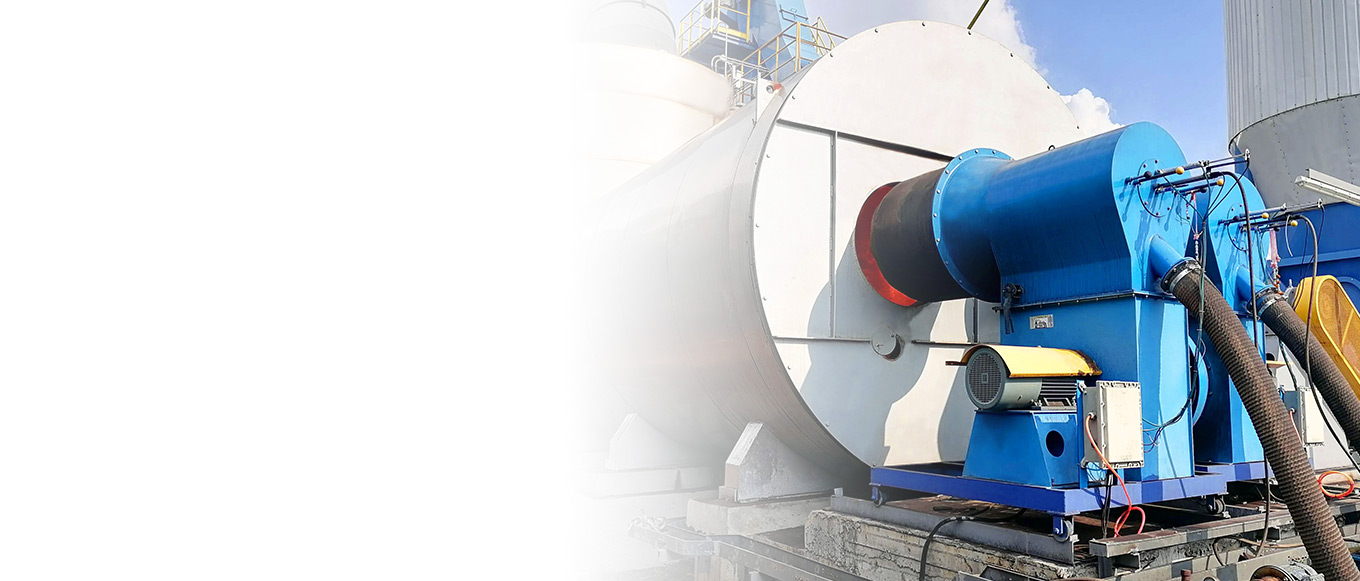
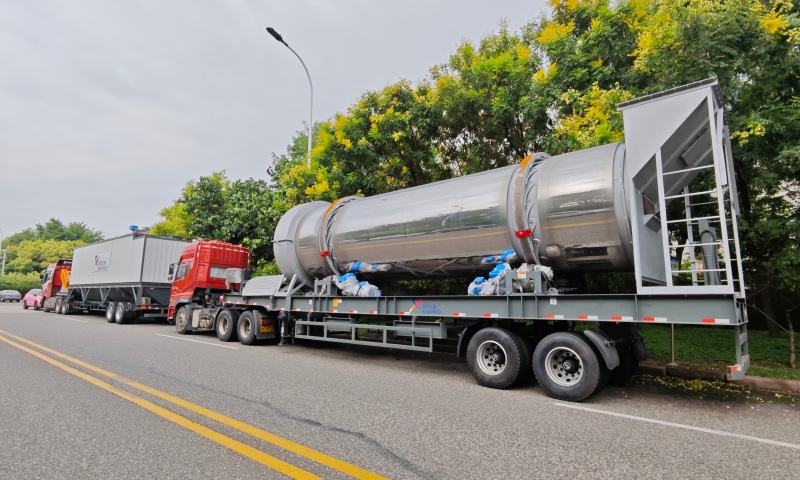
As the core component of asphalt mixing equipment, the drying drum’s performance directly impacts aggregate drying efficiency and energy consumption. A 3-5° inclined design with scraper plates is recommended to maximise aggregate-hot-air contact, achieving **≥95% drying efficiency** and ensuring final aggregate moisture content is controlled at **≤0.5%**.
Burner selection must align closely with project requirements:
- Oil-fired burners: Suitable for sites without a natural gas supply, requiring automatic ignition and flame monitoring for safe, stable operation.
- Gas-fired burners: Offer significant environmental and energy advantages with lower NOx emissions, ideal for construction sites with established natural gas pipelines.
- Oil and Gas Dual-fuel burners: Combine the advantages of both fuel oil and gas, offering flexibility to adapt to complex and variable operating conditions.
Additionally, the combustion system should integrate energy recovery functionality, strictly controlling fuel oil consumption to the industry-leading level of **≤6kg/ton of mixture**. Simultaneously, ensure aggregate heating temperature uniformity error is controlled within **≤±5℃** to guarantee the production quality of asphalt mixtures.
Mixing Performance Requirements
The batching system employs high-precision weighing sensors (accuracy ±0.1%) for dynamic continuous weighing of aggregates, asphalt, and mineral powder. Built-in intelligent compensation algorithms correct errors caused by temperature and humidity fluctuations in real time, ensuring strict compliance with design specifications. Mixing drum design must adhere to scientific and standardised principles:
- Precise Volume Matching: Mixing drum capacity must align with production capacity planning. Batch volume forms a closed-loop interaction with the weighing system, achieving automatic calibration via PLC control to optimise the balance between measurement accuracy and production efficiency.
- Innovative Blade Design: Mixing blades utilise high-chromium wear-resistant alloy material with a tungsten carbide coating, enhancing wear resistance by 40%. The unique staggered spiral layout, combined with baffle plate structures, creates three-dimensional turbulent flow within the tank, effectively eliminating mixing dead zones.
- Intelligent Mixing Control: Mixing speed is infinitely adjustable between 30-40 rpm. The built-in variable frequency drive system automatically optimises speed curves based on material properties. Single-batch mixing duration is set at 60-90 seconds, with real-time monitoring of mixture homogeneity via laser particle size analyser to ensure aggregate segregation rate remains stably controlled at ≤5%.
Dust Removal and Environmental Requirements
The dust removal system employs a **two-stage purification process: cyclone dust collector + pulse-jet baghouse filter**:
- Cyclone Dust Collector: As primary treatment equipment, it prioritises the separation of coarse particulate matter with a removal rate of no less than 80%.
- Pulse Jet Baghouse: Serving as the secondary precision filtration unit, it performs deep processing of fine particulate matter with filtration precision below 1μm and a comprehensive dust removal efficiency of≥99.9%.
System emission indicators strictly comply with national and local environmental regulations.
Additionally, the equipment incorporates multiple noise reduction components:
- Soundproof enclosures block sound propagation, while vibration dampers reduce mechanical noise, ensuring a sound pressure level ≤85dB at 1 meter from the equipment.
- Dedicated exhaust recovery units at asphalt storage points effectively adsorb volatile odours, comprehensively meeting environmental standards.
Automation and Control System Requirements
The equipment must incorporate a PLC/SCADA intelligent control system to achieve full-process automation:
- Real-time Monitoring: Utilises high-precision sensors and smart instruments for 24/7 continuous monitoring of critical parameters, including production capacity, temperature, mix ratios, energy consumption, and dust removal efficiency. Data synchronises to central monitoring screens and mobile apps, visualized through dynamic curves and bar charts for intuitive operator oversight. Customizable threshold alerts trigger audible/visual alarms when parameters deviate from preset ranges.
- Fault Diagnosis: An AI-based fault diagnosis module employs machine learning algorithms to automatically identify equipment anomalies. Whether addressing sensor signal loss, motor overload, abnormal temperature fluctuations, conveyor belt slippage, or agitator shaft jamming, the system pinpoints issues within 30 seconds while generating detailed fault codes and solutions. Alarms are simultaneously pushed to maintenance personnel’s mobile devices, accompanied by 3D diagrams of the affected area and troubleshooting flowcharts, significantly boosting repair efficiency.
- Data Analysis: Based on historical production data, the system automatically generates multi-dimensional production reports covering daily output statistics, energy consumption trend analysis, and raw material consumption details. Through big data mining technology, it deeply analyses the relationship between equipment operational efficiency and energy consumption, intelligently recommending optimal production parameter combinations. Reports can be exported to Excel or PDF formats, facilitating cost accounting and performance evaluation for management, and providing data support for production optimisation and decision-making.
- Remote Collaboration: Leveraging 5G and IoT technologies, the system enables remote equipment operation, parameter adjustment, and maintenance guidance. Maintenance engineers can securely log into the equipment control system via encrypted channels to adjust mixing speeds, modify temperature curves, and perform other operations. Remote video consultations are supported, allowing experts to guide on-site personnel in troubleshooting and repairs in real-time through built-in cameras and AR technology, effectively reducing on-site maintenance pressure and minimising downtime.
Safety and Reliability Requirements
Safety protection systems must be comprehensive:
- Thermal insulation: High-temperature components like drying drums and mixing tanks are fitted with high-efficiency insulation layers, keeping outer surface temperatures within safe limits to prevent accidental burns to operators.
- Emergency response: Prominent emergency stop buttons are installed at critical locations such as feed ports, discharge ports, and electrical cabinets, ensuring one-touch shutdown during emergencies to reduce accident risks.
- Safety Protection System: Incorporate multiple safeguards, including overload protection and leakage protection modules. Strategically position fire extinguishers, hydrants, and other firefighting equipment around the facility to establish a comprehensive fire safety defence.
Equipment structure must exhibit exceptional strength and stability: Frames utilise premium H-section steel formed through high-precision welding techniques. Post-fabrication, comprehensive non-destructive testing ensures flawless weld integrity. Critical components such as mixing blades, liner plates, and conveyor belts are manufactured from high-hardness wear-resistant alloy materials. These materials exhibit outstanding impact resistance and wear resistance, with a proven service life exceeding 8,000 hours through rigorous testing. Furthermore, the equipment is certified by internationally recognised authorities and strictly adheres to globally accepted standards, ensuring industry-leading performance and quality.
How to Ensure Equipment Meets Fundamental Requirements
When selecting equipment, prioritise evaluating the manufacturer’s three core competencies:
- Industry Experience: Prioritise manufacturers with over 10 years of deep industry expertise and proven track records in major projects such as key expressways and municipal engineering. These companies have typically undergone multiple rounds of technological iteration and market validation, ensuring their equipment designs not only meet industry standards but also offer targeted optimisations based on actual project requirements. For instance, manufacturers involved in national-level highway expansion projects demonstrate superior capability in critical technical metrics like high-temperature stability control and dust recovery efficiency, ensuring their technology and practical skills are market-proven.
- Comprehensive Qualifications: Thoroughly verify key certifications, including production licenses, ISO quality management system certification, and environmental compliance certifications. A production license serves as the fundamental threshold for legal equipment manufacturing; ISO 9001 certification ensures strict quality control processes from raw material procurement to finished product shipment; environmental compliance certifications (e.g., China Environmental Labelling Product Certification) verify adherence to green production standards in dust emissions, noise control, and energy consumption, comprehensively safeguarding production compliance and quality stability.
- After-Sales Support System: Verify the manufacturer offers comprehensive installation and commissioning guidance, including on-site equipment layout planning, parameter tuning, and operator training. Additionally, assess the coverage of their spare parts supply network, prioritising manufacturers with local spare parts warehouses—this can reduce equipment downtime by over 60% during malfunctions. Furthermore, the equipment warranty period should be no less than one year, with complimentary fault diagnosis and component replacement services provided during this period to safeguard long-term stable operation.
Standardised Installation and Commissioning
Site planning must precede installation: First, rationally lay out equipment based on the asphalt mixing plant’s production process to ensure smooth and efficient material transportation and operational workflows. Foundation construction is critical. Strictly follow the manufacturer’s foundation drawings and conduct geological surveys to ensure the foundation’s bearing capacity meets operational requirements, preventing equipment instability or damage due to foundation issues. Electrical wiring must comply with relevant electrical safety standards, incorporating insulation and grounding measures. Fuel/gas pipeline installation must meet pressure pipeline standards, ensuring sealing integrity and safety to prevent leaks that could cause accidents.

Following installation, comprehensive commissioning must be performed by qualified technicians:
- Component Connection Inspection: Utilise specialised tools to meticulously examine all connection points across the equipment, including bolt and nut tightness, weld integrity, etc. Promptly reinforce any loose or non-compliant joints to ensure stable and reliable operation of all components, preventing vibration, noise, or component detachment due to loose connections.
- System performance testing: Conduct multiple weighing tests using standard weights across different load ranges. Record error data and calibrate parameters to maintain weighing accuracy within specified tolerances. Perform repeated mixing cycles with varying material ratios, then analyse samples to assess mixing uniformity. Adjust parameters such as agitator blade angle or rotational speed if mixing is uneven. • Dust Detection: Employ specialised dust detection instruments to measure dust concentrations at the air inlet and outlet during the dust removal system’s operation. Calculate dust removal efficiency. If efficiency falls below standards, inspect for damaged dust collection bags or inadequate fan airflow, and promptly repair or adjust.
- Simulated Production Run: Conduct a 24-hour simulated production run following standard procedures. Closely monitor all operational parameters (temperature, pressure, RPM, etc.) during this period. Observe equipment performance for abnormal vibrations, unusual noises, or other irregularities. Assign personnel to document any issues encountered. Conduct in-depth analysis of potential failure risks and promptly address identified problems. Only proceed with formal commissioning once all equipment metrics meet design specifications.
Daily Operations & Regular Maintenance
Establish a preventive maintenance checklist and perform the following tasks periodically:
Wipe equipment surfaces with specialised cleaners to remove adhered asphalt residue and dust, preventing material corrosion.
Check lubricant levels at all lubrication points to ensure they remain within marked ranges, avoiding mechanical wear from insufficient lubrication. Clean the dust collector hopper to maintain unobstructed ash discharge and prevent hopper blockage that could impair dust removal efficiency. Conduct comprehensive checks on temperature and pressure sensors, monitor displayed data for anomalies, and promptly calibrate any deviations to ensure accurate monitoring of operational parameters.
- Weekly Maintenance: Perform zero-point and full-scale calibration on the weighing system using standard weights to test weighing accuracy, with error controlled within ±0.5%; Dismantle mixing blades to inspect wear, measure blade thickness, and replace if wear exceeds one-third of original thickness; use torque wrenches to tighten all connections to specified torque, focusing on critical areas like vibrating screens and drying drums; conduct simulated trigger tests on safety devices (e.g., emergency stop buttons, limit switches) to verify responsiveness and reliability.
- Monthly Maintenance: Circulate high-pressure hot water with specialised detergent through the asphalt tank to remove scale buildup on tank walls, while inspecting insulation integrity. Adjust flame shape and intensity through the burner’s flame observation port to ensure a stable blue flame without yellow flames. Replace filter bags based on dust collector differential pressure gauge readings (when differential pressure exceeds the set threshold of 1.5 kPa), simultaneously inspecting the operational status of the pulse cleaning system. Measure conveyor belt tension using a tension gauge and adjust it to within ±5% of the design value to prevent slippage or deviation.
- Annual Maintenance: Disassemble the drying drum to inspect the wear and deformation of internal material-lifting plates, repairing or replace damaged components. Conduct comprehensive flaw detection on the mixing tank liners and replace severely worn liners; Systematically inspect components such as contactors and relays within the electrical control cabinet, replacing aged or poorly contacting electrical parts; Perform equipment performance tests under no-load and full-load conditions per national standards, recording core metrics like productivity and fuel consumption rate, and issuing a detailed performance evaluation report.
Regular Quality Inspection
Establish a scientific and comprehensive mix quality inspection mechanism to ensure production quality from multiple dimensions:
- Real-time Dynamic Monitoring: Utilise intelligent detection equipment to track and inspect each batch of mix throughout the entire process. Strictly control core indicators: Temperature deviation must be maintained within ±5°C to ensure optimal asphalt blending with aggregates; Gradation must precisely match the design curve to guarantee mix structural stability; Asphalt content deviation is controlled within ±0.3% to maintain material bonding properties. An integrated data management system records and analyses inspection data in real time, triggering immediate alerts upon detecting anomalies for rapid issue resolution.
- Third-Party Authoritative Sampling: Representative mix samples are periodically selected for in-depth testing by qualified third-party laboratories. Key performance indicators such as Marshall stability and flow value are prioritised, as these parameters directly reflect the mixture’s high-temperature stability and deformation resistance. Testing frequency is reasonably set based on production scale and project requirements, ensuring inspection results effectively evaluate product compliance with industry norms and design standards, thereby providing reliable assurance for project quality.
- In-depth Equipment Performance Evaluation: A systematic equipment performance testing plan is established, conducting comprehensive quarterly “check-ups” on asphalt mixing equipment. Actual operation tests verify production capacity compliance, energy consumption data analysis optimises energy efficiency, and dust collection system inspections ensure environmental emissions meet requirements. Test results are compared against industry benchmarks and initial equipment parameters. Deviations prompt timely adjustments to operational settings and replacement of worn components, maintaining high efficiency, stable equipment performance to establish a robust foundation for quality production.
Common Issues When Requirements Are Not Met
Failure of asphalt mixing equipment to meet fundamental requirements triggers a chain reaction of problems:
- Mix Quality Defects: Inadequate mix proportions and insufficient mixing cause segregation and reduced bonding strength. This ultimately leads to pavement defects like cracks and potholes after laying, significantly increasing project rework rates.
- Excessive Energy Consumption: Inefficient drying drums and improper burner calibration can increase fuel consumption by 15%-30% above standard values, substantially raising construction costs.
- Environmental Compliance Risks: Failed dust collection systems cause severe dust emission violations, exposing companies to hefty environmental fines (up to millions of yuan) and potential shutdowns for rectification.
- Declining Equipment Reliability: Frequent issues like abnormal bearing wear, blade fractures, and electrical failures significantly shorten Mean Time Between Failures (MTBF), resulting in capacity utilisation rates below 60%.
- Safety Hazards: Lack of thermal insulation measures and malfunctioning emergency stop devices increase risks of burns, mechanical injuries, and other accidents.
Best Practices for Long-Term Compliance and Performance Optimisation
- Strengthen Personnel Skill Development: Establish a systematic training mechanism, regularly conducting specialised training on equipment principles, standardised operating procedures, and emergency fault handling. Require operators to pass assessments and obtain certification before working, ensuring operational standardisation and professionalism.
- Advance Intelligent Upgrades: Implement automation upgrades for ageing equipment by integrating smart sensor networks and remote monitoring systems. Achieve real-time monitoring of equipment status and precise data collection, significantly enhancing operational convenience and production data reliability.
- Deepen Energy Conservation, Carbon Reduction, and Environmental Upgrades: Install low-nitrogen high-efficiency burners and configure waste heat recovery systems to effectively reduce energy consumption. Upgrade dust collection systems using high-precision filter materials like PTFE-coated filter bags, elevating dust capture efficiency to industry-leading levels and fully meeting environmental emission requirements.
- Strictly Controlling Spare Parts Quality Standards: Prioritising manufacturer-certified original spare parts or high-performance consumables from renowned industry brands—such as tungsten carbide wear blades and high-temperature silicone rubber seals—eliminates equipment failure risks caused by defective spare parts at the source.
Conclusion
Meeting the fundamental requirements for asphalt mixing equipment is essential for ensuring project quality, controlling costs, and mitigating risks. As the core production unit in modern road construction and maintenance, the operational status of asphalt mixing plants directly determines the quality and stability of asphalt mixtures. Failure to meet basic requirements at any stage—from precise raw material metering to finished product temperature control—can lead to premature pavement deterioration and significantly increase long-term maintenance costs. Whether selecting equipment for new projects—where models must be chosen based on project scale, construction timeline, and environmental standards—or upgrading existing equipment through measures like sensor calibration and mixing parameter optimisation, prioritising compliance and performance stability is paramount. This not only ensures smooth project acceptance but also mitigates potential risks such as schedule delays and safety incidents caused by equipment failures.