


Why You Should Buy Your Own Asphalt Plant
Contents
- 1 Global Asphalt Mixing Equipment Market Size and Growth Prospects
- 2 The Importance of Site Selection: How to Choose the Best Factory Site
- 3 Long-term cost analysis: Owning vs. purchasing asphalt
- 4 The core features of modern asphalt mixing plants
- 5 Efficient Operations: Say Goodbye to Old Technologies and Enhance Competitiveness
- 6 Environmental Protection: The Responsibility and Advantages of Sustainable Development
- 7 Safety First: Multiple Built-in Protections
- 8 Higher precision: Reduce waste and improve quality
- 9 High-quality end products: customer satisfaction and business growth
- 10 Expected Return on Investment (ROI) Analysis
- 11 When to consider expanding or upgrading equipment
- 12 Take action and invest in your own asphalt mixing plant.
In today’s rapidly developing infrastructure construction sector, asphalt plays a crucial role as a core building material. For companies engaged in road construction, municipal engineering, or large-scale project contracting, choosing between purchasing their own asphalt mixing plant or continuing to outsource asphalt purchases is a strategic decision concerning the company’s long-term development. Although the initial investment may seem substantial, in the long run, owning one’s own mixing plant brings significant cost advantages, quality control, and market competitiveness. This article will analyze in detail from multiple perspectives why owning one’s own asphalt mixing plant is a wise move.
Global Asphalt Mixing Equipment Market Size and Growth Prospects
Market Size Overview by 2025
The global asphalt mixing plant market has maintained steady growth, driven by continued infrastructure investment. By 2025, the market size has reached a significant level, reflecting the ongoing global demand for road construction and maintenance.
Growth Forecasts and Infrastructure Drivers for the Next Few Years
The global asphalt mixing plant market is expected to continue expanding in the coming years, driven primarily by government emphasis on upgrading transportation networks, constructing new highways, repairing bridges, and improving urban infrastructure. Particularly in emerging economies, accelerated infrastructure development will further stimulate market demand.
Opportunities in China and the Asian Market
Asia, led by China, is the main growth engine of the global asphalt mixing plant market. China’s ongoing “new infrastructure” and rural revitalization investments have created huge demand for high-quality asphalt mixtures, directly driving the adoption of advanced asphalt mixing plants. Furthermore, Southeast Asian countries are accelerating infrastructure development, providing lucrative regional market opportunities for companies investing in and building asphalt mixing plants.
The Importance of Site Selection: How to Choose the Best Factory Site
To reduce transportation costs by being located close to the construction site.
Locating the mixing plant near major construction projects can minimize the transportation costs of finished asphalt mixtures. Asphalt has strict temperature requirements during transportation; shorter transportation distances reduce heat loss, ensure product quality, and lower fuel and logistics costs.
Proximity to aggregate sources (such as quarries)
Aggregates (such as crushed stone and sand) are the main raw materials for asphalt production. Proximity to quarries or aggregate suppliers can reduce material transportation costs and ensure a stable supply chain.
Considering environmental regulations and permit requirements
Asphalt production involves emissions and noise, therefore site selection must comply with local environmental regulations. It should be located away from residential areas, water sources, and ecological protection zones, and equipped with necessary pollution control facilities to successfully obtain relevant permits.
Fixed vs. Mobile Site Selection
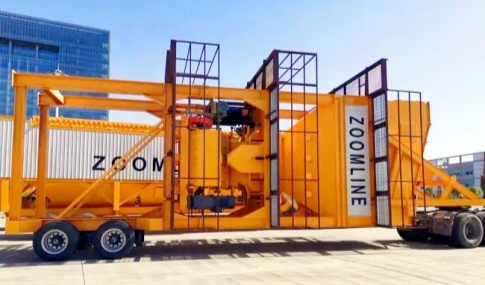
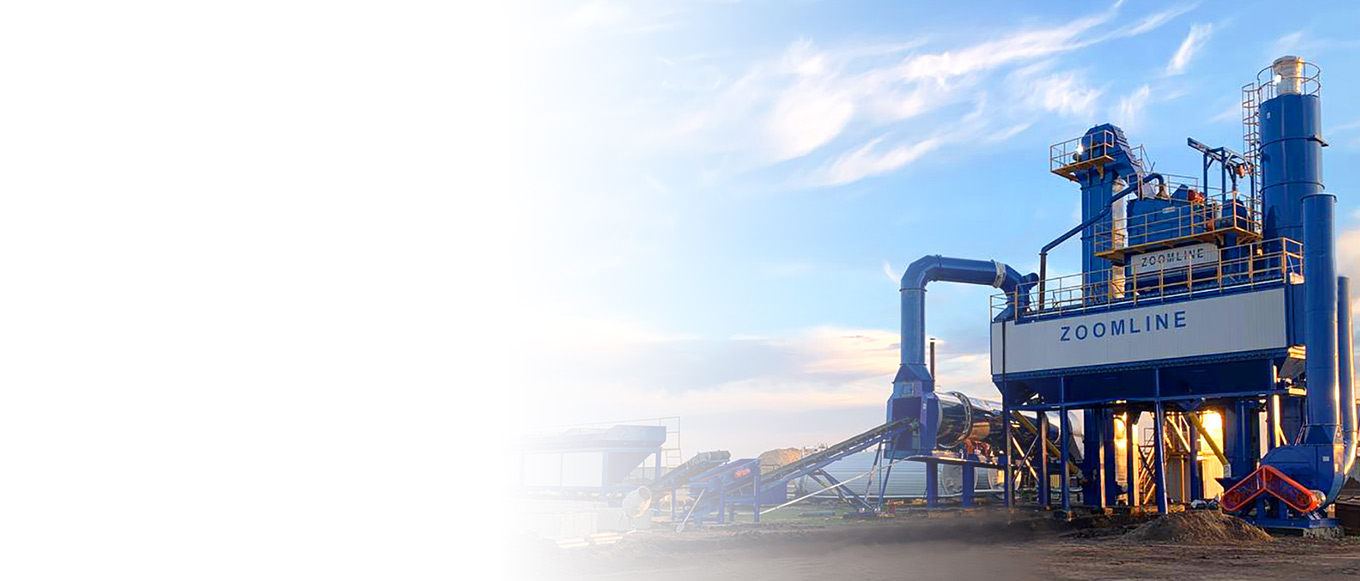
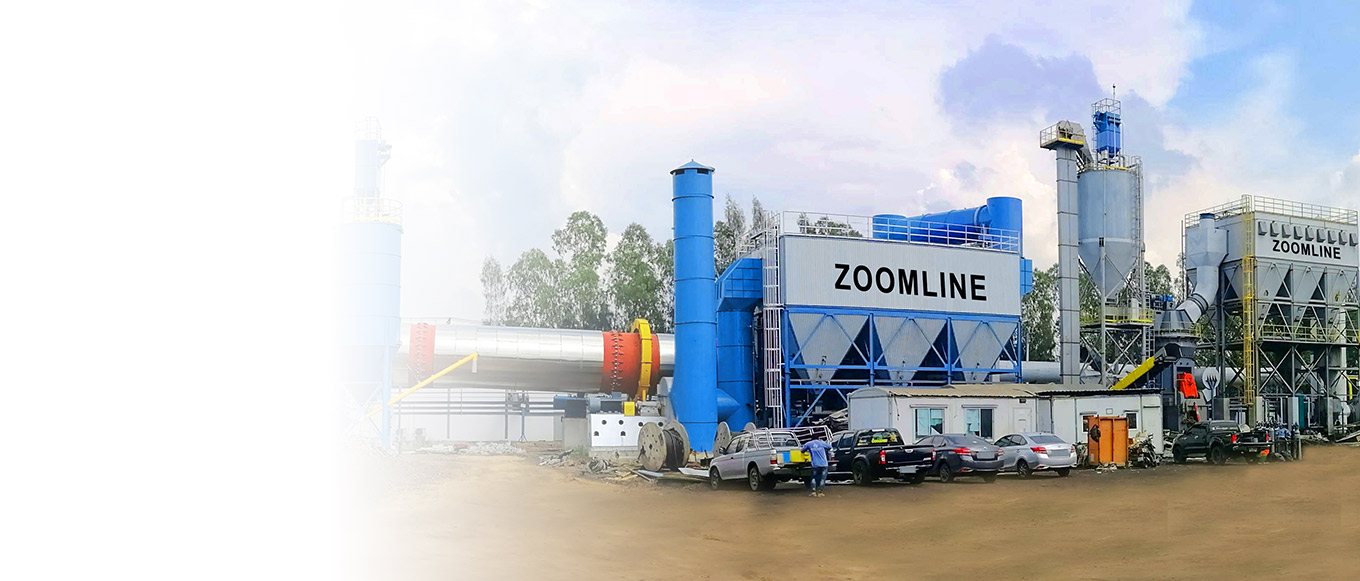
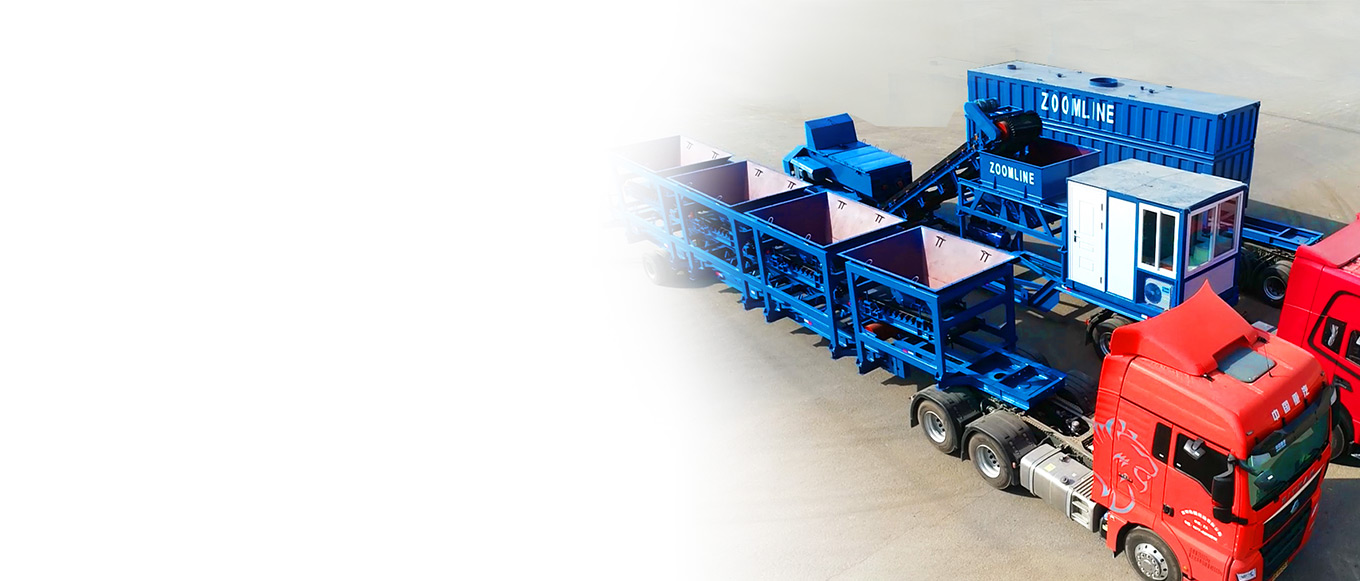
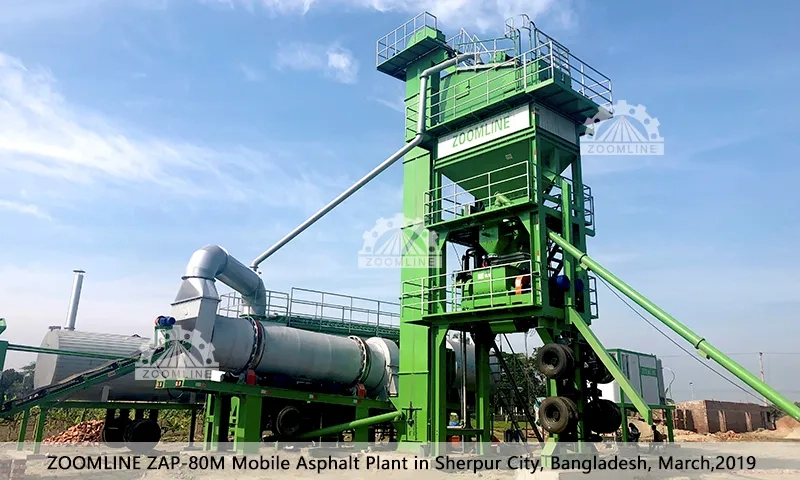
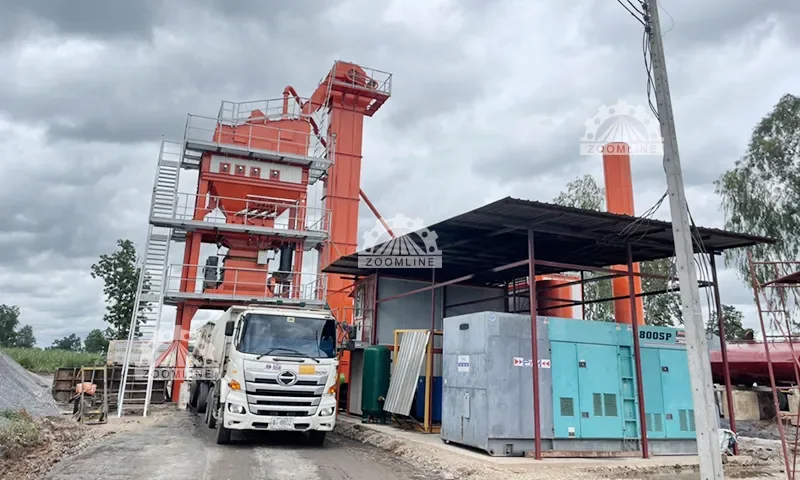
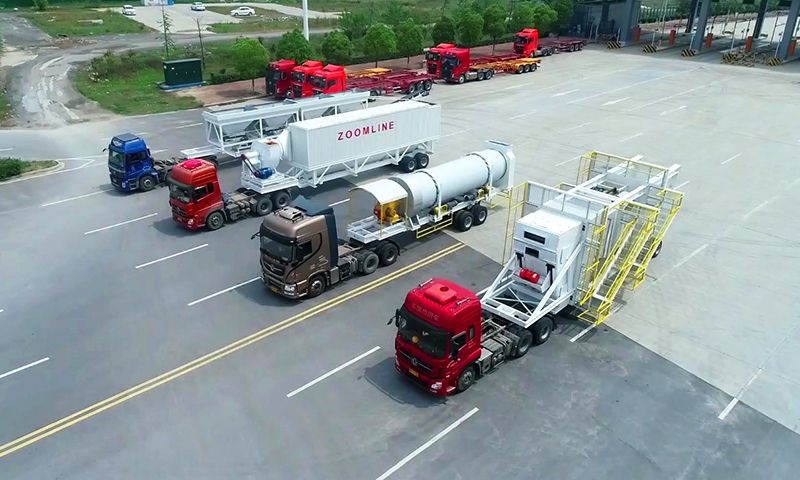
Stationary batching plants are suitable for long-term, large-scale projects in stable areas, offering higher capacity and efficiency. Mobile batching plants, on the other hand, are suitable for short-term projects or areas with dispersed construction needs, and can be flexibly relocated according to project progress.
Long-term cost analysis: Owning vs. purchasing asphalt
Detailed Explanation of Initial Investment Costs
Initial investment includes purchasing a mixing plant (ranging from hundreds of thousands to millions depending on capacity and technology), site construction, equipment installation, and obtaining licenses. Although the investment is substantial, it is a one-time commitment with long-term returns.
Operation, maintenance and energy consumption costs
Operating costs include energy consumption (fuel or electricity required for heating and mixing), regular maintenance, and replacement of wear parts. Modern asphalt mixing plants are designed with energy efficiency in mind, which reduces long-term operating costs.
Labor and management cost savings
Purchasing asphalt externally requires coordinating with suppliers, managing delivery schedules, and handling potential delays. Owning your own mixing plant allows for internal management, reduces communication costs, and improves efficiency.
Long-term total cost of ownership (TCO) comparison
In the long run, the total cost of owning a batching plant is significantly lower than purchasing it externally. Purchase costs are affected by fluctuations in asphalt market prices, while owning a batching plant allows you to lock in production costs and avoid the risk of price increases.
To avoid the risk of price fluctuations in purchased asphalt
Commercial asphalt prices are affected by raw material costs, market supply and demand, and policy changes. Owning a mixing plant allows for on-demand asphalt production, protecting businesses from external price fluctuations and ensuring stable project budgets.
The core features of modern asphalt mixing plants
Automated control system
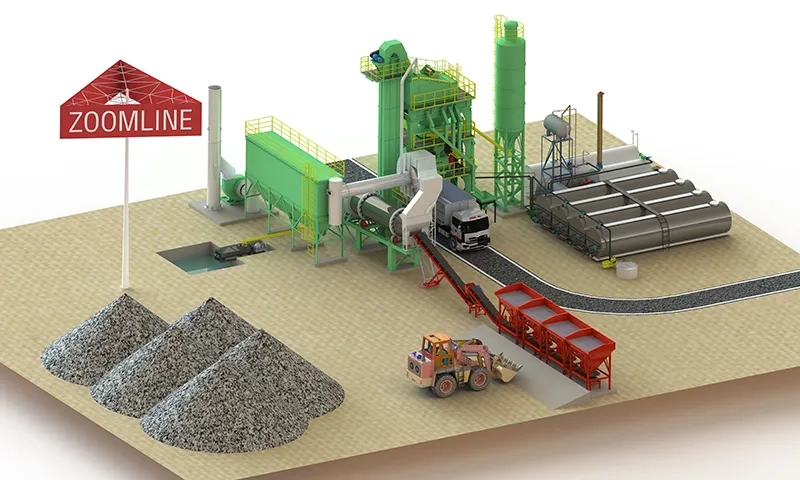
An advanced PLC control system enables fully automated operation from raw material feeding and mixing to finished product discharge. This reduces human intervention, minimizes errors, and improves production consistency.
High-precision metering and proportioning technology
Precise metering of aggregates, asphalt, and additives ensures the quality of asphalt mixtures. Accurate proportioning also reduces material waste and optimizes product performance.
Recycled Asphalt (RAP) Utilization Function
With increasing emphasis on sustainable development, modern mixing plants are equipped with the capability to process recycled asphalt pavement. This not only reduces reliance on virgin materials but also lowers environmental impact and production costs.
High-efficiency drying and heating system
Energy-efficient drying drums and heating burners reduce fuel consumption while ensuring rapid and uniform drying of aggregates, thus improving production efficiency.
Storage silo and insulation design
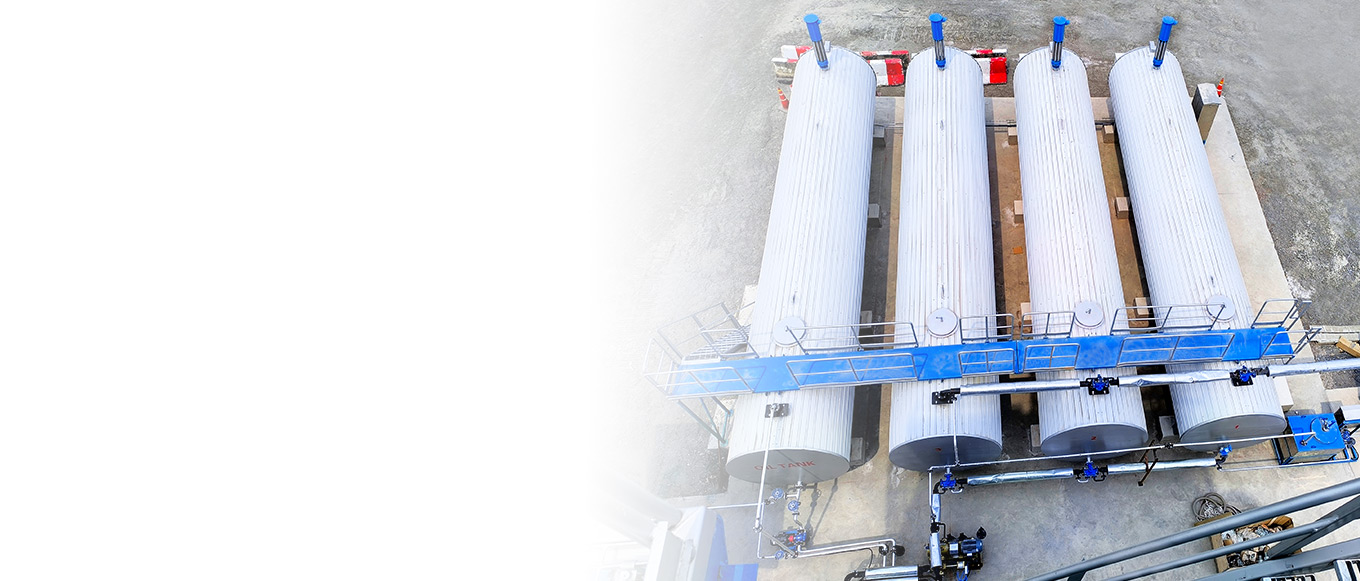
Insulated storage silos maintain the temperature of finished asphalt mixtures, preventing cooling and ensuring availability. Multiple silos can store different types of mixtures to meet diverse project needs.
Modular and easy-to-install design
Modular structures simplify transportation and installation, reduce downtime, and enable businesses to start production quickly. This is particularly beneficial for companies that need to start production rapidly.
Efficient Operations: Say Goodbye to Old Technologies and Enhance Competitiveness
The pain points of inefficiency in old technologies
Using outdated technologies to produce hot-mix asphalt is inefficient and cannot meet the demands of modern construction. Old asphalt mixing plants suffer from low production efficiency, high energy consumption, poor product consistency, and require more manual labor, leading to high error rates and low competitiveness.
Automation reduces human intervention and errors
Automated production processes minimize the need for manual operation, reducing human errors such as incorrect ingredient mixing or uneven stirring. This improves product quality and production stability.
Customizable production enhances flexibility.
Modern batching plants can be customized to produce different types, grades, and specifications of asphalt mixtures according to project requirements. This flexibility enables companies to meet the specific needs of diverse projects and expand their business scope.
Reduce reliance on labor and solve recruitment challenges
In the construction industry, recruiting and managing skilled workers is a challenge. Automation reduces the need for a large workforce, lowers labor costs, and solves the recruitment problem.
Competitive advantage brought about by overall efficiency improvement
Higher production efficiency, consistent product quality, and lower operating costs enable businesses to offer more competitive prices and delivery times, helping them stand out in the market.
Environmental Protection: The Responsibility and Advantages of Sustainable Development
Baghouse dust collector and pollution control system
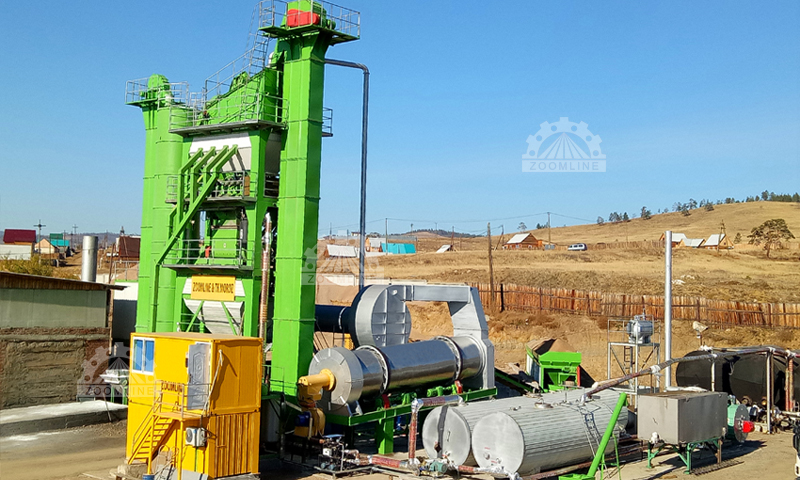
Intermittent mixing plants are equipped with high-efficiency bag filters to capture dust and particulate matter generated during production, reducing air pollution. Advanced exhaust gas treatment systems further purify emissions, meeting stringent environmental standards.
Reduce emissions and protect air quality
Low-emission burners and optimized combustion processes reduce the release of harmful gases such as sulfur dioxide and nitrogen oxides, improving air quality around the mixing plant and contributing to environmental protection.
Resource conservation and recycling
The ability to utilize recycled asphalt pavement (RAP) reduces the consumption of virgin aggregates and asphalt, conserving natural resources. Furthermore, efficient energy use minimizes fuel and electricity waste.
Compliant with increasingly stringent environmental regulations
Governments worldwide are implementing stricter environmental regulations for industrial production. Owning a modern, environmentally friendly asphalt mixing plant ensures compliance and avoids fines and reputational damage resulting from non-compliance.
Safety First: Multiple Built-in Protections
Necessary safety features and accident prevention
Modern asphalt mixing plants are equipped with multiple safety protection devices, including emergency stop buttons, temperature and pressure monitoring systems, and fire prevention equipment. These features minimize the risk of accidents such as fires, explosions, or equipment malfunctions.
Low emissions improve working environment
The reduction in dust and harmful gas emissions creates a healthier working environment for employees and reduces the risk of respiratory diseases and other health problems.
Long-term investment in employee health and safety
Prioritizing safety not only protects employees but also boosts morale and retention. It’s a long-term investment in employee well-being and the company’s sustainable development.
Higher precision: Reduce waste and improve quality
The direct benefits of precise proportioning
Precise measurement of raw materials ensures that asphalt mixtures meet design specifications, improving their strength, durability, and anti-skid properties.
Material waste reduction and fuel conservation
Precise proportioning minimizes waste of expensive asphalt and aggregates. The efficient heating and mixing system also reduces fuel consumption and lowers production costs.
Better quality control and indirect profit growth
Consistent product quality reduces the need for rework and repairs, saving time and resources. High-quality asphalt mixtures can also enhance a company’s reputation, leading to more business opportunities and profit growth.
High-quality end products: customer satisfaction and business growth
The core value of high-quality asphalt mixture
High-quality asphalt mixtures ensure the durability and performance of roads and infrastructure, reduce customer maintenance costs, and improve customer satisfaction.
Reduce customer complaints and rework
Consistent quality minimizes the risk of customer complaints and rework, saves costs, and maintains good customer relationships.
Improve reputation, increase revenue and profits
A reputation for providing high-quality asphalt mixtures attracted more customers, leading to repeat business. This drove revenue growth and improved profit margins over time.
Employee and customer satisfaction
Producing high-quality products enhances employee pride and job satisfaction, while meeting customer expectations fosters loyalty and trust. This dual satisfaction creates a positive business cycle.
Expected Return on Investment (ROI) Analysis
Typical payback period and profit model
The payback period for an asphalt mixing plant typically ranges from 2 to 5 years, depending on capacity, utilization rate, and market conditions. Companies with an annual output exceeding 50,000 tons can achieve a faster return on investment due to economies of scale.
Annual production threshold (e.g., 50,000 tons or more)
An annual production capacity of 50,000 tons or more is generally considered the threshold for profitable operation. Exceeding this production capacity spreads the fixed costs of the mixing plant across more units, reducing the cost per ton of asphalt.
Cost savings and additional revenue streams
Owning a batching plant can save on external procurement costs and avoid price fluctuations. Furthermore, when a company has excess capacity from its own projects, it can generate additional revenue by supplying asphalt to other construction companies.
Long-term profit potential assessment
With the continued growth of infrastructure projects, the demand for asphalt remains stable. Owning an asphalt mixing plant provides a long-term, sustainable source of income, and profits will continue to grow as the plant is fully utilized and operating costs are optimized.
When to consider expanding or upgrading equipment
Signals of market demand growth
When a company receives more orders and expands its business scope, it may need to consider expanding or upgrading its equipment to meet market demand.
Current equipment capacity bottleneck identification
If existing equipment is frequently running at full capacity and unable to meet order demands, or if production cycles are extended, it indicates a potential capacity bottleneck that requires expansion or upgrades.
Upgrade with modern features (such as a higher rap ratio).
With increasing environmental requirements and technological advancements, upgrading equipment to support a higher proportion of RAP utilization or introducing more advanced control systems may become necessary.
Criteria for determining the timing of capacity expansion
The decision to expand capacity should be based on market demand forecasts, return on investment analysis, technological development trends, and the company’s long-term strategic plan. Generally, when the utilization rate of existing equipment consistently exceeds 80%, it is a suitable time to consider expansion.
Take action and invest in your own asphalt mixing plant.
Owning your own asphalt mixing plant is a strategic investment. Although the initial cost is high, it can bring significant competitive advantages to a company in the long run. By controlling the production process, ensuring product quality, reducing operating costs, and improving market responsiveness, asphalt mixing plants become an important asset for a company’s sustainable development.
Against the backdrop of continuous infrastructure development, owning one’s own asphalt mixing plant is not only a cost-effective choice, but also a wise move for enterprises to enhance their core competitiveness and achieve long-term development. Now is the best time to act; invest in building your own asphalt mixing plant and lay a solid foundation for your company’s future.