


The Ultimate Guide to Buying an Asphalt Mixing Plant
Contents
- 1 What is an asphalt mixing plant, and why is it worth the investment?
- 2 Key Selection Criteria: 3 Major Categories + Key Comparisons—Find the Right Type for You
- 3 Key Procurement Considerations: 6 Factors to Avoid 90% of Procurement Pitfalls
- 3.1 Capacity Matching: Don’t Blindly Chase Higher Capacity; Aligning with Project Needs Is Key
- 3.2 Reference for common capacity-to-scenario mappings:
- 3.3 Core Components: Determining Equipment Lifespan and O&M Costs
- 3.4 Environmental Compliance: Avoiding Post-Installation Remedial Measures and Reducing Policy Risks
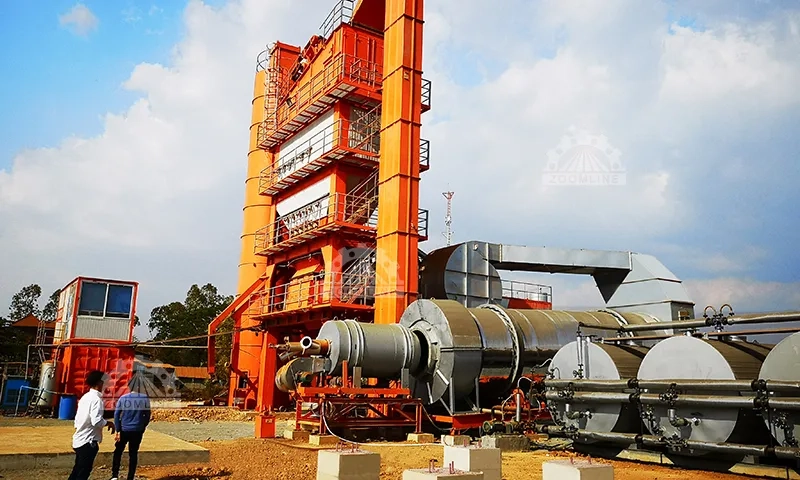
- 4 New vs. Used: New Equipment vs. Used Equipment—Each Has Its Pros and Cons
- 5 Budget Management: Look Beyond Equipment Price to Total Life Cycle Cost
- 6 After-Sales Support: The guarantee for long-term, stable equipment operation
- 7 Essential Steps Before Purchasing: 3 Steps to Clarify Your Needs and Avoid Hasty Decisions
- 8 Procurement Guide: 5 Common Mistakes to Avoid
- 9 Summary
For companies in sectors such as road construction, municipal engineering, and airport runway development, purchasing a suitable asphalt mixing plant is not only a significant capital investment but also a key factor in determining project efficiency, construction quality, and long-term profitability. Many companies tend to fall into the trap of “focusing solely on price” or “blindly pursuing production capacity” during the procurement process, which ultimately leads to equipment idling, soaring operational and maintenance costs, and even delays in project delivery.
What is an asphalt mixing plant, and why is it worth the investment?
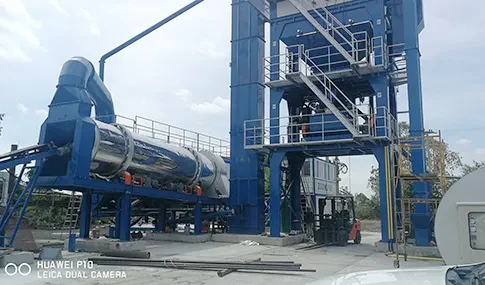
The core function of an asphalt mixing plant is to combine aggregates, asphalt binder, and other additives through processes such as heating, screening, metering, and mixing to produce hot-mix asphalt that meets engineering standards. It is widely used in various paving projects, including highways, municipal roads, parking lots, and airport runways.
Many companies struggle with the decision of “whether to build their own mixing plant.” In reality, the answer is simple: if your projects are long-term and stable, and your annual consumption of asphalt mix exceeds 50,000 tons, building your own mixing plant is far more cost-effective than relying on third-party suppliers. Industry data shows that operating an in-house mixing plant can reduce paving costs by approximately 20%. It also prevents project delays caused by supplier delivery delays or substandard mix quality, and allows for the sale of excess capacity to external markets, opening up new revenue streams.
Specifically, the core advantages of investing in an in-house asphalt mixing plant are reflected in three key areas:
Cost Control: Eliminates supplier markups and long-distance transportation costs, saving 10%–20% per ton of mix, resulting in significant long-term savings;
Quality Control: Allows for flexible adjustment of mix designs based on project requirements, precise control of temperature and aggregate ratios, avoids quality fluctuations from third-party suppliers, and enhances project reputation;
Efficiency Control: Production is on-demand, eliminating the need to wait in line for supplies and shortening project timelines, making it particularly suitable for the scheduling needs of multi-site and decentralized projects.
Of course, investment comes with responsibilities: costs related to equipment operation and maintenance, staff training, and environmental compliance must be borne, and equipment utilization must reach over 80% to break even—a critical factor that must be carefully considered before making a purchase decision.
Key Selection Criteria: 3 Major Categories + Key Comparisons—Find the Right Type for You
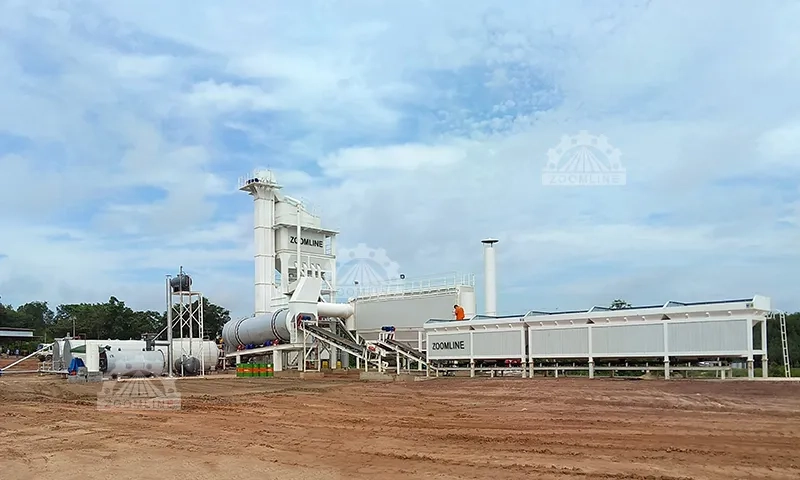
When selecting an asphalt mixing plant, the key is to match it to your specific project needs—different types of equipment vary significantly in terms of production capacity, flexibility, quality control, and cost. Blindly choosing a model will only result in either “overkill” or “underperformance.” Below are the three most commonly used categories in the industry, combined with practical application scenarios to help you quickly find the right fit.
By Production Method: Batch Mix vs. Drum Mix
This is the most fundamental classification, directly determining the equipment’s suitability for specific scenarios and its quality control capabilities. The core differences between the two are as follows:
| Comparison Dimensions | Batch Mix Plant | Drum mix Plant |
| Production Method | Batch production with precise measurement and mixing per batch; flexible recipe switching | Continuous feeding and mixing with no batch intervals; high production efficiency |
| Quality Control | High precision; allows separate measurement of aggregates and asphalt per batch; suitable for high-standard projects (e.g., airports, highways) | Relies on the quality of the aggregate source; no secondary screening; slightly lower precision; suitable for single-recipe, large-scale production |
| Applicable Scenarios | Municipal roads, airport runways, and special engineering projects requiring frequent changes in mix designs | Long-distance highways and large-scale industrial park paving requiring continuous production of a single mix design |
| Advantages and Disadvantages | Advantages: Controllable quality, high flexibility; Disadvantages: Limited production capacity, slightly higher operating and maintenance costs | Advantages: High production capacity, low operating costs; Disadvantages: Low flexibility in mix designs, high requirements for aggregate quality |
By Mobility: Stationary vs. Mobile
The choice of mobility depends primarily on your project layout—whether you plan to operate long-term at a fixed location or need to move frequently between multiple job sites.
Stationary Asphalt Mixing Plants
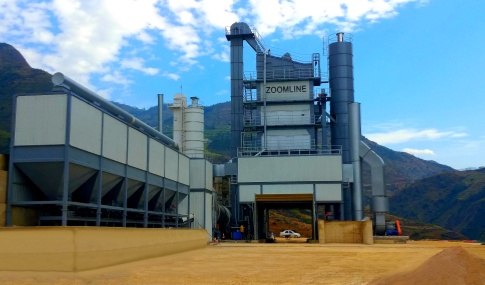
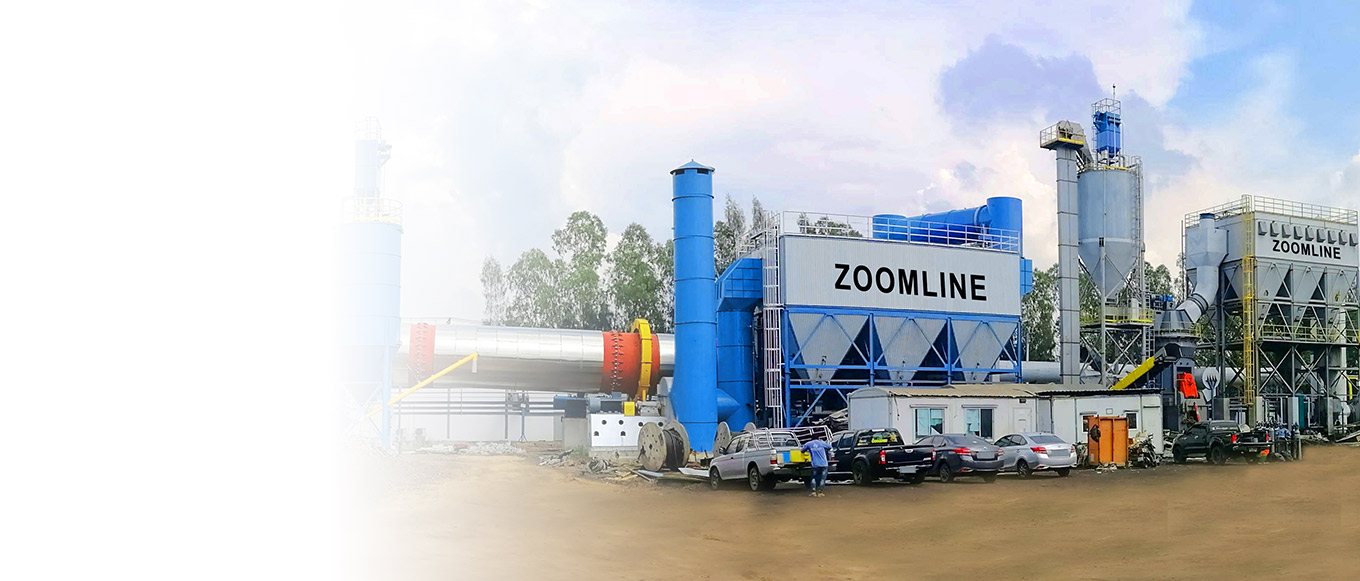
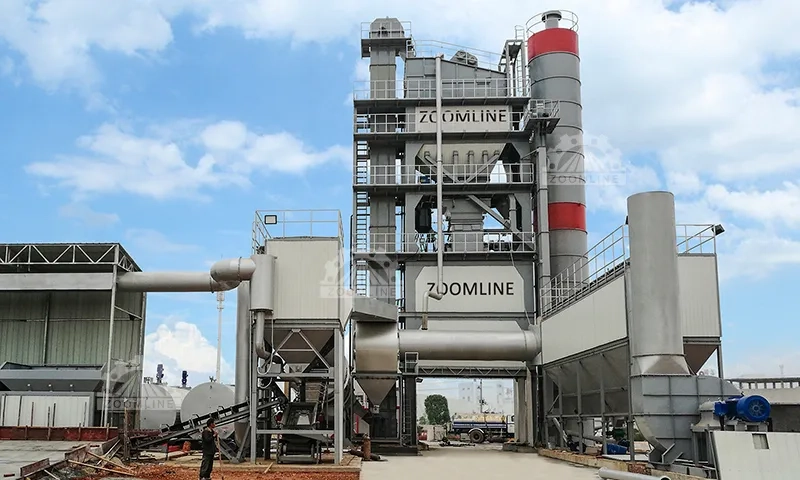
Suitable for long-term production at a fixed location (such as when multiple projects are concentrated within a region). They offer high production capacity (typically 100 t/h or more) and excellent stability. They can be equipped with large aggregate storage and environmental treatment systems, resulting in lower long-term operating costs. However, they require significant upfront investment in site preparation and foundation construction, cannot be moved, and are best suited for enterprises with an annual production capacity of 50,000 tons or more that require long-term, stable operations.
Mobile Asphalt Mixing Plants
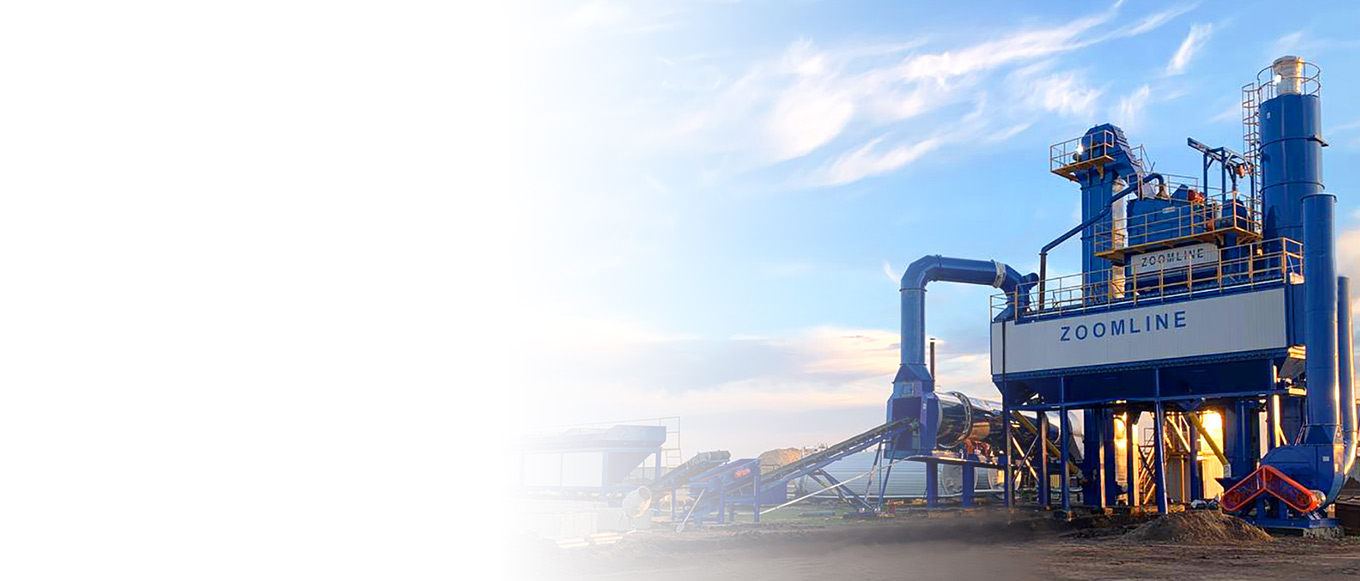
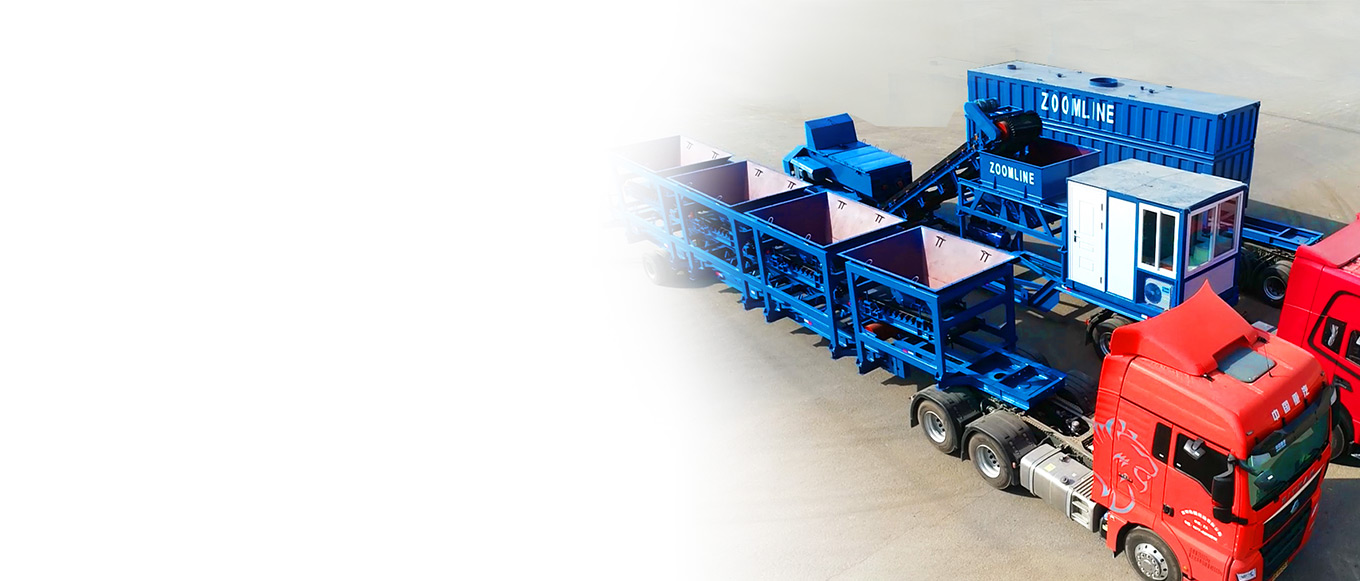
Their core advantage is flexibility. The mobile asphalt plant can be disassembled, transported, and quickly installed and commissioned (typically ready for production within 1–3 days) without the need for complex foundation work. They are suitable for remote construction sites and scattered small-scale projects (such as rural roads and residential area paving). However, production capacity is relatively limited (typically 40–80 t/h), and the initial investment is 10%–20% higher than that of a fixed-type plant with the same capacity. Additionally, frequent relocation over the long term increases transportation and wear-and-tear costs.
Note: There are also semi-fixed mixing plants, which fall between the two categories. They can be disassembled but are moved less frequently, making them suitable for medium-term projects (1–3 years). They balance stability and flexibility, serving as a compromise choice for many medium-sized enterprises.
Key Procurement Considerations: 6 Factors to Avoid 90% of Procurement Pitfalls
Once the model has been selected, there are still many details in the procurement process that determine the equipment’s cost-effectiveness and long-term operational costs. The following six factors are “must-consider items” summarized by industry veterans—none of which can be overlooked.
Capacity Matching: Don’t Blindly Chase Higher Capacity; Aligning with Project Needs Is Key
Capacity is a core metric during procurement, but “bigger is not necessarily better.” Many companies blindly purchase high-capacity equipment, only to end up with idle machinery due to underutilized projects, wasting monthly maintenance costs. Others underestimate capacity, leading to project delays.
The correct method for calculating capacity: Combine your average annual project volume, individual project duration, and average daily output, then add a 10%–20% buffer (to handle unexpected orders). For example: With an average annual consumption of 80,000 tons of asphalt mix and 200 working days per year, the daily production requirement is 400 tons. This corresponds to an 80 t/h machine (which can meet demand by operating just 5 hours per day), ensuring neither underutilization nor overburdening.
Reference for common capacity-to-scenario mappings:
40–60 t/h: Small enterprises, rural roads, residential area paving; average annual capacity of 20,000–40,000 tons;
80–120 t/h: Medium-sized enterprises, municipal roads, county-level highways; annual production capacity of 50,000–100,000 tons;
150 t/h and above: Large enterprises, expressways, airport projects; annual production capacity exceeding 100,000 tons.
Core Components: Determining Equipment Lifespan and O&M Costs
The core components of an asphalt mixing plant directly impact the equipment’s stability and service life. When purchasing, pay close attention to the following three key components:
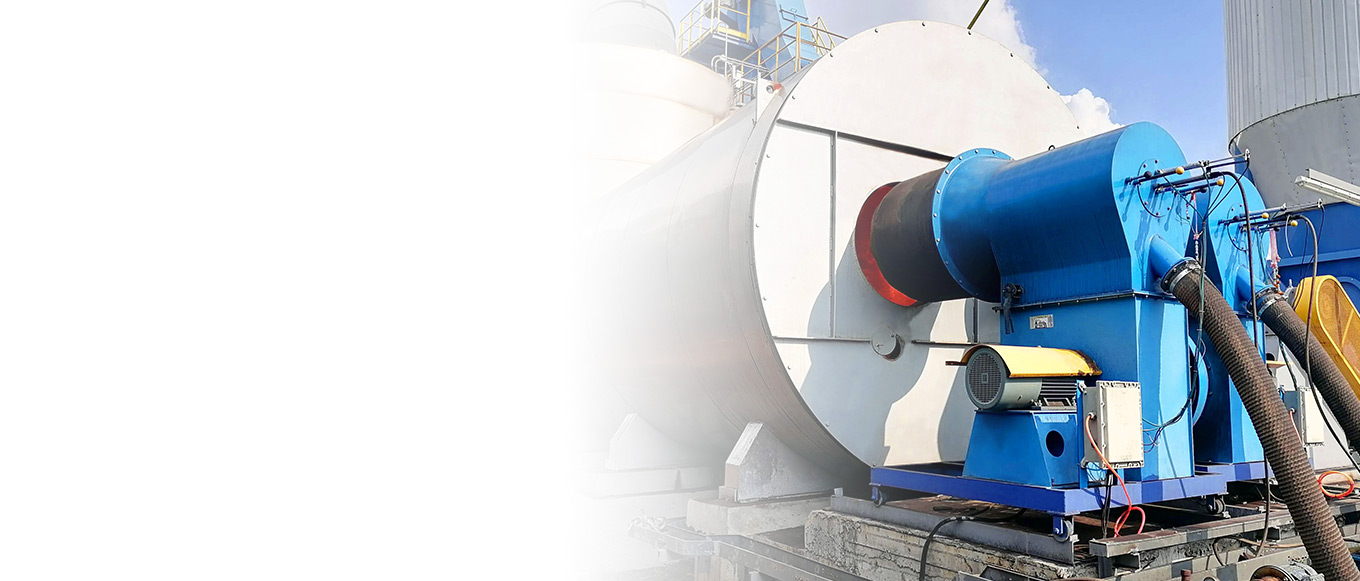
Burner: Select an energy-efficient burner that supports switching between multiple fuels such as diesel and natural gas. Thermal efficiency must reach 85% or higher to significantly reduce fuel costs. It must also comply with local environmental standards to avoid future compliance issues.
Mixer (Pugmill Mixer): Prioritize wear-resistant materials (such as high-manganese steel). A mixer with high mixing uniformity and no dead zones reduces segregation of the mixture, extends service life, and lowers the cost of replacing wear parts.
Control System: Adopt a PLC-based fully automated control system that supports recipe storage, real-time monitoring, and fault alarms. This system is simple to operate, reduces human error, facilitates remote operation and maintenance, and is suitable for novice operators.
Additionally, the dust collection system (primarily baghouse filters) is a key consideration—it must comply with local dust emission standards to avoid shutdowns and corrective actions due to environmental non-compliance. A high-quality dust collection system can also recycle collected dust, reducing raw material waste.
Environmental Compliance: Avoiding Post-Installation Remedial Measures and Reducing Policy Risks
As environmental policies become increasingly stringent, the environmental performance of asphalt mixing plants has become a “mandatory requirement” for procurement. Non-compliant equipment cannot be put into operation, and the costs of remedial measures later on are extremely high. When procuring, focus on the following three points:
Dust Control: The emission concentration of baghouse dust collectors must be below 20 mg/Nm³ to prevent dust pollution;
Flue Gas Treatment: Equip the plant with a flue gas purification system to reduce harmful gas emissions and comply with local air pollution control standards;
Noise Control: Equipment operating noise must be below 75 decibels, particularly for sites near residential areas, to avoid complaints.
It is recommended to request environmental testing reports from manufacturers during procurement to clarify environmental performance metrics and avoid relying on verbal commitments.
New vs. Used: New Equipment vs. Used Equipment—Each Has Its Pros and Cons
Many companies struggle with the decision of “buying new or used.” The key factors to consider are budget, project timeline, and operational capabilities. The main differences between the two are as follows:
New Equipment: Suitable for long-term, stable operations and those prioritizing reliability
Advantages: Utilizes the latest technology; energy-efficient, environmentally friendly, and highly precise; comes with a full warranty (typically 1–2 years); manufacturers provide installation, training, and after-sales support; No hidden defects, long service life (typically 10–15 years); can be customized to meet specific project requirements.
Disadvantages: High initial investment, with prices ranging from $500,000 to $5 million (depending on capacity and configuration); long delivery lead times (typically 3–6 months), requiring advance planning.
Suitable for: Companies with sufficient capital, long-term stable projects, and a focus on low O&M costs, especially those requiring high-standard mixed materials.
Used Equipment: Suitable for limited budgets and short-term projects
Advantages: Low cost, typically 40%–60% of new equipment prices; can be put into operation quickly; suitable for short-term projects (1–3 years) or startups with tight budgets;
Disadvantages: No comprehensive warranty; may have hidden defects (e.g., drum wear, aging circuitry); Outdated technology; energy efficiency and environmental performance may not meet standards; high operational and maintenance costs, with frequent replacement of wear-and-tear parts required; no manufacturer customization support, potentially making it unsuitable for specific project requirements.
Considerations when purchasing used equipment: It is essential to have industry experts conduct on-site inspections, focusing on the wear and tear of core components, and require the seller to provide equipment operation logs and maintenance records; simultaneously, verify that the equipment complies with local environmental standards to avoid production delays.
Budget Management: Look Beyond Equipment Price to Total Life Cycle Cost
Many companies focus solely on equipment quotes during procurement, overlooking the “total life cycle cost” (equipment price + installation costs + O&M costs + energy consumption costs + environmental compliance costs), which ultimately leads to actual expenditures far exceeding the budget.
Budget Allocation Guidelines:
Equipment Price: Accounts for 60%–70% of the total budget. Prioritize manufacturers with high cost-effectiveness and a good reputation; avoid low-cost, low-quality equipment;
Installation and Commissioning: Accounts for 10%-15% of the total budget, covering foundation work, equipment installation, and commissioning. It is recommended that the manufacturer handle this to ensure installation quality;
Operating and Maintenance Costs: Account for 5%-10% of the equipment price annually, including replacement of wear-and-tear parts, maintenance, and personnel wages;
Energy Consumption Costs: Calculated based on production capacity and fuel type. Energy-efficient equipment can save 10%-15% in annual energy costs;
Environmental Protection Costs: These include maintenance of dust removal and flue gas treatment equipment, as well as environmental testing fees, and should not be overlooked.
After-Sales Support: The guarantee for long-term, stable equipment operation
Asphalt mixing plants are large-scale facilities, and their long-term operation and maintenance rely heavily on manufacturer support. When purchasing, focus on confirming the following three points:
After-Sales Response: Require the manufacturer to provide 24/7 after-sales support, with a response time to malfunctions not exceeding 24 hours, to avoid project downtime caused by equipment failures;
Spare Parts Supply: The manufacturer must maintain a local spare parts warehouse to ensure timely supply of wear-prone components (such as mixing arms, liners, and dust collector bags), preventing equipment downtime due to parts shortages;
Training Services: The manufacturer must provide free operation and maintenance training to ensure operators are proficient in using the equipment, thereby reducing operational errors and equipment wear and tear.
Essential Steps Before Purchasing: 3 Steps to Clarify Your Needs and Avoid Hasty Decisions
Pre-purchase preparation directly determines the accuracy of your purchasing decisions. We recommend following these three steps to clarify your needs before contacting manufacturers for quotes:
Step 1: Define Project Requirements
Project Type: Is it a highway, municipal road, airport, or rural road? Different projects have varying quality requirements for asphalt mixtures;
Mix Type: Do you need to produce standard hot-mix asphalt (HMA), warm-mix asphalt (WMA), or specialty asphalt? Is recycled asphalt pavement (RAP) required?
Project Layout: Will production take place at a fixed site, or will it be distributed across multiple job sites? This determines the required mobility of the equipment.
Step 2: Determine Capacity and Configuration
Calculate average annual and daily production capacity to determine the appropriate equipment specifications;
Define core configuration requirements: such as burner type, control system, dust collection system, and storage silo capacity;
Confirm environmental standards: in accordance with local environmental policies, clarify emission requirements for dust, flue gas, and noise.
Step 3: Establish Budget and Schedule
Define the total budget and allocate budget proportions for equipment, installation, and O&M;
Determine the timeline for equipment delivery, installation, and commissioning to ensure alignment with the project start date.
Procurement Guide: 5 Common Mistakes to Avoid
Mistake 1: Focusing solely on price while neglecting quality and after-sales service. Low-cost equipment often features substandard core components, resulting in extremely high long-term O&M costs—or even failure to meet standards and commence production—making it a losing proposition;
Mistake 2: Blindly pursuing high capacity. Excessive capacity leads to equipment idling, wasting significant monthly O&M and energy costs; aligning with actual needs is key;
Misconception 3: Neglecting environmental compliance. Non-compliant equipment cannot be put into operation, and the cost of retrofitting later far exceeds the price difference between compliant and non-compliant equipment. Be sure to verify environmental compliance metrics before purchasing;
Misconception 4: Focusing only on price when purchasing used equipment without conducting inspections. Many used machines have hidden defects, and repair costs later on may exceed the purchase price of the equipment itself;
Misconception 5: Ignoring total cost of ownership. Focusing solely on the equipment quote while overlooking long-term costs such as energy consumption, maintenance, and environmental compliance leads to actual expenses far exceeding the budget.
Summary
Purchasing an asphalt mixing plant is never about “the more expensive, the better” or “the bigger, the better,” but rather “the better the match”—matching your project requirements, matching your budget, matching environmental standards, and matching long-term operational plans.
Remember: A well-suited asphalt mixing plant not only reduces project costs and improves efficiency but also becomes a core competitive advantage for your business, helping you gain an edge in the fiercely competitive industry; conversely, a poor procurement decision will only become a burden on your company, impacting project delivery and profitability.
If you’re still unsure about which model to choose, or if you need a customized procurement plan tailored to your specific project, contact ZOOMLINE professional consultants. We’ll provide one-on-one selection advice based on your specific needs, budget, and project layout, helping you avoid all procurement pitfalls and maximize your return on investment.