



Tips For Buying Asphalt Plants From China
Contents
- 1 Why Has China Become the Top Choice for Global Asphalt Mixing Plant Procurement?
- 2 Precise Targeting: Fully Understand Your Project Needs and Avoid Blind Purchasing
- 3 Supplier Screening: Identify Reliable Manufacturers and Avoid Middleman Pitfalls
- 4 Equipment Verification: Focus on Core Configuration and Technology; Reject Substandard Components
- 5 Balancing Value for Money: Avoid the Low-Price Trap and Calculate Total Lifecycle Costs
- 6 Compliance Checks: Verify International Certifications and Local Standards to Eliminate Compliance Risks
- 7 After-Sales Considerations: Evaluating After-Sales Capabilities to Ensure Long-Term Equipment Operation
- 8 Logistics and Customs Clearance: Streamline the transportation process to ensure safe delivery of equipment
- 9 Payment Risk Control: Standardize Payment Terms to Avoid Procurement Scams
- 10 On-Site Implementation: Prepare for Installation to Facilitate Rapid Commissioning
- 11 Factory Audits: On-site/Video Audits to Ensure Quality at the Source
- 12 Case Studies: Drawing on Successful Overseas Projects to Build Procurement Confidence
- 13 Conclusion
Why Has China Become the Top Choice for Global Asphalt Mixing Plant Procurement?
Today, China has firmly established itself as a global hub for asphalt mixing plant manufacturing. With its mature industrial chain, cost-effective products, and robust production capacity, it has become the primary choice for overseas road construction and infrastructure projects seeking to procure asphalt mixing equipment. Whether for small-to-medium-sized infrastructure projects in Africa and Southeast Asia or high-standard engineering projects in the Middle East, Europe, and the Americas, Chinese-made asphalt mixing plants have captured a significant share of the overseas market thanks to their superior quality and adaptability.
However, for overseas buyers, cross-border procurement of asphalt mixing plants is no easy task: challenges such as difficulty in verifying supplier credentials, pitfalls in equipment selection, hidden price tricks, unreliable after-sales logistics, and unclear compliance certifications are all major concerns throughout the procurement process.
Precise Targeting: Fully Understand Your Project Needs and Avoid Blind Purchasing
The first step in procuring an asphalt mixing plant is not to compare prices or select a manufacturer, but to precisely match the equipment to your project’s requirements. Only equipment that aligns with the project’s actual needs can balance production efficiency with cost control, thereby avoiding issues such as rework and equipment idling later on.
Define Capacity and Production Type Requirements
The key is to determine the equipment’s hourly production capacity (TPH). Calculate this based on the project timeline, scope of work, and average daily construction intensity. The capacity should meet peak production demands without unnecessarily pursuing excessively high capacity that leads to waste. Additionally, distinguish the production type—whether it involves hot-mix asphalt, cold-mix asphalt, or modified asphalt production. Different types require vastly different equipment configurations, combustion systems, and mixing processes, so these must be clarified in advance.
Classification of Stationary, Mobile, and Trommel Batching Plants
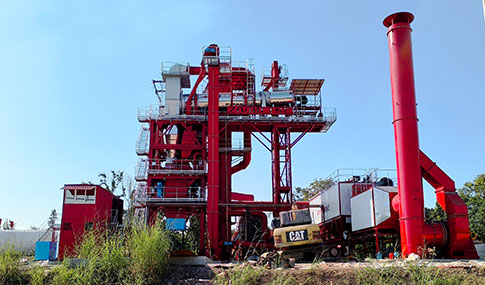
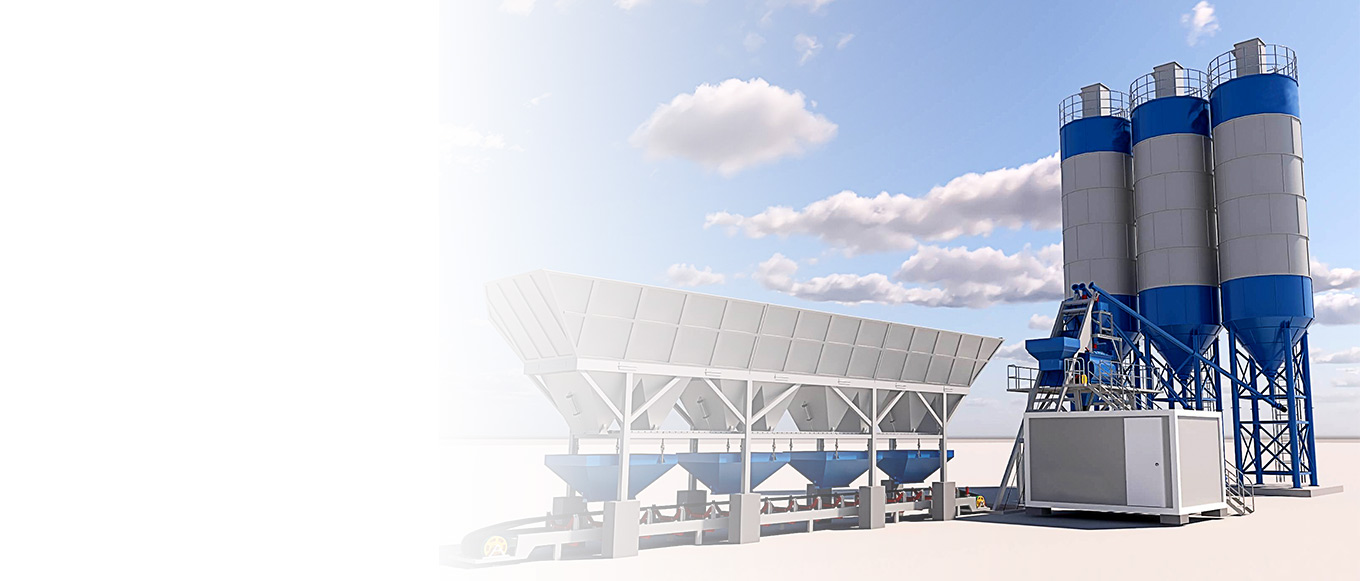
Stationary-type asphalt mixing plants are suitable for long-term, fixed construction sites and large-scale infrastructure projects, offering stable production capacity, a long service life, and low operation and maintenance costs; mobile asphalt mixing plants emphasize flexible relocation and are suitable for dispersed small-scale projects and rural road construction, featuring easy assembly and disassembly and rapid deployment; drum-type mixing plants have a simple structure and lower construction costs, making them suitable for projects with moderate asphalt quality requirements and limited budgets. Buyers should select the optimal option based on site mobility and project scale.
Selecting Between Batch-Type and Continuous-Type Production Processes
Batch-type mixing plants offer precise measurement and high-quality asphalt mixtures, making them suitable for high-standard projects such as highways and airport runways. They allow for flexible adjustment of mix ratios to meet diverse construction needs; continuous-type mixing plants feature high production efficiency and relatively low energy consumption, making them suitable for general road projects requiring a single mix ratio and large-scale continuous production. They offer advantages in terms of both capital and operational costs.
Adapting to Local Climate and Environmental Standards
Regional climate variations can affect equipment operation. In high-temperature areas, enhanced cooling and insulation configurations are required, while in cold regions, anti-freeze and heating systems must be optimized. Additionally, strict compliance with local environmental regulations is essential. Standards for dust emissions, noise control, and waste disposal must be confirmed in advance to prevent equipment from being barred from use due to non-compliance.
Supplier Screening: Identify Reliable Manufacturers and Avoid Middleman Pitfalls
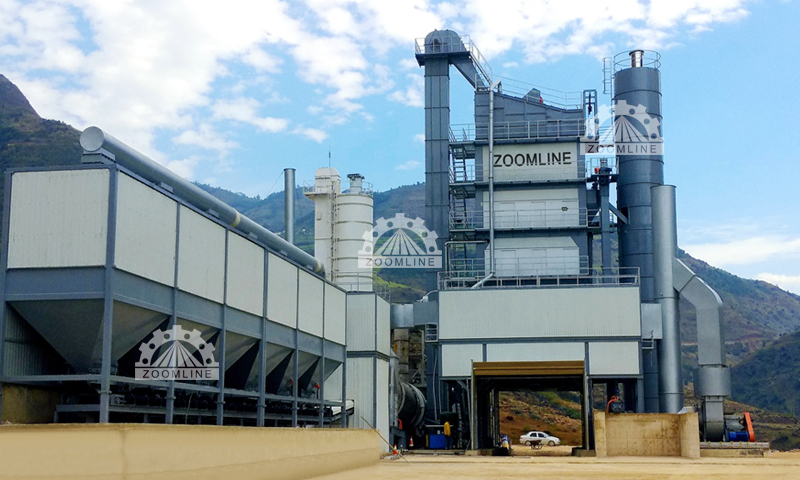
In cross-border procurement, a supplier’s qualifications directly determine equipment quality, delivery timelines, and after-sales support. Identifying reliable manufacturers is a critical step in mitigating risks. Do not be swayed by low-cost middlemen; prioritize sourcing directly from original equipment manufacturers (OEMs).
Prioritize Experienced Original Manufacturers
Experienced manufacturers possess mature production processes and rigorous quality control systems. They can customize equipment to meet overseas requirements and have a comprehensive export service chain. In contrast, pure trading companies lack independent production capabilities and merely resell products to earn markups. Not only can they not control equipment quality, but they also offer no after-sales guarantees. Buyers are advised to avoid them at all costs.
Verify the Manufacturer’s Scale, Export Track Record, and Compliance Certifications
Assess the manufacturer’s production facility size, production capacity, and R&D team composition. Simultaneously, review their overseas export cases, focusing on whether they have experience supplying similar projects in the same region. Request core industry certifications such as ISO and CE, as well as export-related qualifications. Manufacturers with complete certifications offer greater assurance of product quality and compliance.
Verify the Manufacturer’s Authenticity Through Practical Measures
When on-site visits are not feasible due to geographical constraints, request real-time factory videos, actual footage of production workshops, and videos of the equipment production process. If conditions permit, commission a third-party agency to conduct a factory audit or perform a video factory inspection to verify the manufacturer’s business license and production qualifications, thereby eliminating fake factories and shell companies.
Equipment Verification: Focus on Core Configuration and Technology; Reject Substandard Components
The core performance of an asphalt mixing plant depends on its key components and technical configuration. When purchasing, do not focus solely on appearance; instead, verify the quality of each critical component, the level of automation, and environmental compliance to ensure the equipment is durable, efficient, and compliant.
Thorough Inspection of Core Components
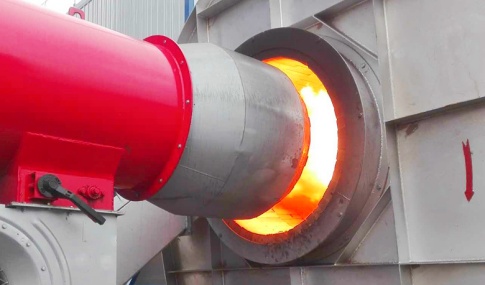
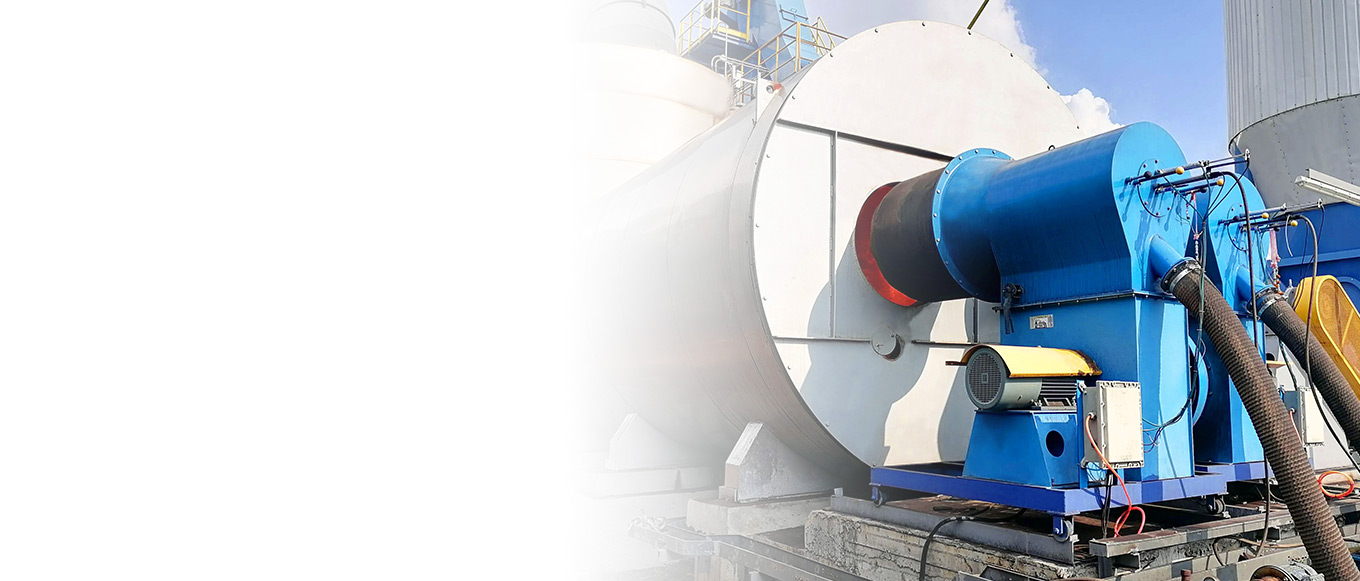
The drying drum, mixing unit, burner, and control system are the four core components of the equipment. For the drying drum, focus on material thickness and thermal insulation performance; for the mixing unit, prioritize mixing uniformity and wear resistance; for the burner, select branded products compatible with local fuels (diesel, natural gas, pulverized coal, etc.) that are energy-efficient and stable; the control system directly impacts operational convenience and requires thorough verification.
Focus on PLC Automation and Intelligence Levels
A high-spec PLC control system enables fully automated production, real-time data monitoring, and automatic fault alerts, reducing human operational errors and boosting production efficiency. It is recommended to select an intelligent control system that supports multi-language switching and is simple and intuitive to operate, adapting to the usage habits of overseas operators.
Enhance Environmental Protection, Dust Removal, and Recycling Capabilities
Environmental protection is a mandatory requirement for cross-border procurement. It is necessary to verify the purification efficiency of dust removal systems, such as baghouse dust collectors and cyclone separators, to ensure emissions meet regulatory standards. Additionally, focus on the compatibility with recycled asphalt pavement (RAP) materials. Equipment that supports the recycling of old asphalt pavement materials can significantly reduce project costs, improve project benefits, and align with current green infrastructure trends.
Balancing Value for Money: Avoid the Low-Price Trap and Calculate Total Lifecycle Costs
Many overseas buyers blindly pursue low prices, only to end up with substandard equipment that breaks down frequently and drives up maintenance costs—ultimately making the purchase a losing proposition. When purchasing Chinese asphalt mixing plants, compare value rather than just price, and calculate the total lifecycle costs.
Beware of the Risks Behind Ultra-Low Prices
Equipment priced far below the market average often uses substandard components and simplified manufacturing processes, resulting in short service life and high failure rates. Subsequent repair and replacement costs can be extremely high, potentially even affecting project schedules. “You get what you pay for” is an ironclad rule of cross-border procurement—do not let small savings lead to significant losses.
Break Down the Full Procurement Cost
Cost calculations must go beyond the equipment’s base price and include expenses for the equipment itself, international logistics, customs clearance, on-site installation, commissioning, and operation and maintenance. Additionally, set aside budgets for spare parts, staff training, and long-term maintenance to avoid exceeding the budget due to hidden costs, which could disrupt project funding plans.
Avoiding Hidden Costs
Beyond explicit expenses, consider hidden costs such as local tariffs, value-added tax (VAT), equipment consumables, spare parts, and remote technical service fees. Confirm with the manufacturer in advance who will bear these costs and include this in the contract terms to prevent price hikes later on.
Compliance Checks: Verify International Certifications and Local Standards to Eliminate Compliance Risks
Compliance is the bottom line for cross-border equipment procurement. Equipment that fails to meet international standards and local regulations will not only be unable to clear customs but also cannot be put into use; therefore, certification verification must be conducted in advance.
Verify Core International Certifications
Prioritize verifying industry-standard certifications such as CE, ISO, SGS, BV, and TUV. These certifications serve as core evidence of equipment quality, safety, and environmental compliance and are recognized in most regions, including Europe, the Middle East, and Southeast Asia. Equipment lacking these certifications must not be procured.
Aligning with Local Electrical and Regulatory Requirements
Confirm equipment voltage, frequency, and grounding standards in advance to ensure compatibility with the local power grid. Simultaneously, verify the equipment’s operating language, safety warning specifications, and local infrastructure access regulations to ensure smooth customs clearance and compliant installation.
After-Sales Considerations: Evaluating After-Sales Capabilities to Ensure Long-Term Equipment Operation
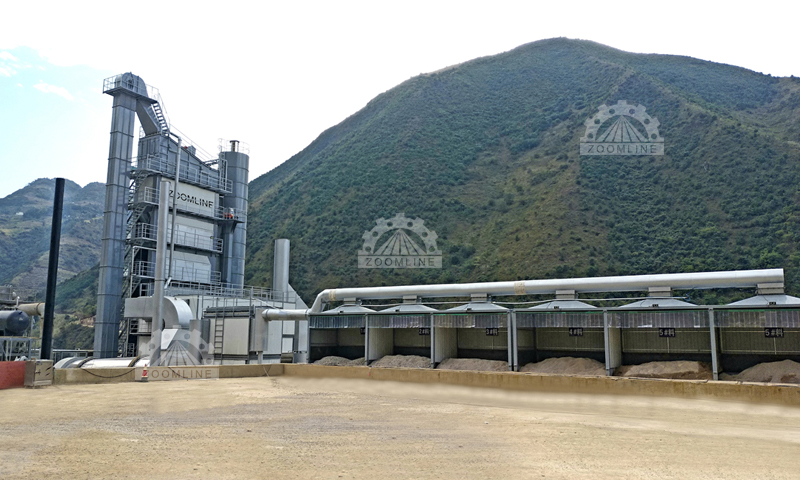
Asphalt mixing plants are large-scale heavy-duty equipment, making post-installation setup, commissioning, and maintenance critical. Reliable after-sales support eliminates concerns about equipment operation, making the manufacturer’s after-sales capabilities a core evaluation criterion during procurement.
Confirm Installation, Commissioning, and Technical Support
High-quality manufacturers provide on-site installation, commissioning, and trial operation services, or offer full-process remote guidance; They also provide 24/7 remote technical support to respond quickly to equipment failures, preventing project delays caused by downtime.
Ensuring Spare Parts Availability
Verify whether the manufacturer has overseas spare parts warehouses or can quickly ship wear-and-tear parts and spares to ensure timely replacements during equipment failures and minimize downtime; simultaneously confirm that spare parts pricing is transparent to prevent overpricing.
Implementing Staff Training Services
The manufacturer must provide professional training for the buyer’s operators and maintenance personnel, covering equipment operation, daily maintenance, and troubleshooting, to enable operators to become proficient quickly and reduce equipment damage caused by human error.
Logistics and Customs Clearance: Streamline the transportation process to ensure safe delivery of equipment
Cross-border logistics involve complex procedures; factors such as transportation methods, packaging, trade terms, and delivery cycles all affect the timeliness and integrity of equipment arrival. Advance planning and clear delineation of responsibilities are essential.
Selecting the Appropriate Mode of Transport
Small equipment can be transported via container shipping, which offers high safety and convenient loading/unloading; large stationary mixing plants, due to their substantial size, are best suited for bulk carrier transport. Communicate with the manufacturer and logistics providers in advance to select a cost-effective transport solution with reliable delivery times.
Standardized Packaging to Prevent Damage
Require the manufacturer to use professional packaging that is moisture-proof, impact-resistant, and rust-proof. Precision components should be individually sealed and protected to prevent moisture damage or impact damage during ocean transport. Additionally, ensure proper cargo labeling to facilitate customs clearance and verification during loading and unloading.
Clarify Trade Terms and Delivery Timelines
Common trade terms include EXW (Ex Works), FOB (Free On Board), CIF (Cost, Insurance, and Freight), and DDP (Delivered Duty Paid). Responsibilities and costs vary significantly across these terms, so they must be negotiated and confirmed in advance. Additionally, clearly define production cycles, shipping dates, and estimated arrival times, and include these details in the contract to prevent manufacturers from delaying delivery.
Payment Risk Control: Standardize Payment Terms to Avoid Procurement Scams
Cross-border payments carry high risks, so it is essential to develop reasonable payment plans, refine contract terms, safeguard the security of funds, and eliminate risks such as fraud and embezzlement.
Choose Secure Payment Methods
The mainstream secure payment methods include T/T (Telegraphic Transfer), L/C (Letter of Credit), and third-party escrow payments. Direct full cash transfers are not recommended, especially for unfamiliar manufacturers. Letters of credit can significantly reduce transaction risks for both buyers and sellers.
Adopt Milestone-Based Payments
Follow the “down payment + progress payment + final payment” model. For example, pay a 30% down payment upon signing the contract, a 30–40% progress payment after production completion and inspection, and the final payment upon shipment or arrival and acceptance. Staged payments help ensure the manufacturer fulfills its obligations and protect the buyer’s rights.
Include Comprehensive Contractual Safeguards
Clearly define equipment specifications, configurations, certifications, delivery timelines, after-sales responsibilities, breach of contract penalties, and dispute resolution methods in the contract; reject vague terms. Be wary of transactions without a written contract or based solely on verbal commitments, and resolutely avoid scams involving full payment before shipment.
On-Site Implementation: Prepare for Installation to Facilitate Rapid Commissioning
Once equipment arrives, preparation for on-site installation directly impacts the speed of commissioning. Plan in advance and coordinate with the manufacturer to complete installation and commissioning, ensuring rapid startup.
Select an Installation Model
You may choose to have the manufacturer’s engineers perform on-site installation, which is suitable for large, complex equipment; or you may opt for self-installation under the manufacturer’s remote guidance to save on installation costs. Regardless of the model chosen, you must coordinate with the manufacturer in advance to clarify the installation process and requirements.
Complete Infrastructure Preparation in Advance
Based on the drawings provided by the manufacturer, complete the equipment foundation construction in advance to ensure the foundation meets load-bearing and levelness standards. Simultaneously, prepare power, water, and fuel supplies that meet the requirements to avoid installation delays caused by inadequate infrastructure or supporting facilities.
Factory Audits: On-site/Video Audits to Ensure Quality at the Source
Factory audits are the most direct way to verify a manufacturer’s capabilities and the quality of their equipment. Even when an on-site visit is not possible, verification must be conducted through video audits to prevent false advertising.
Key Audit Checkpoints
During on-site or video factory inspections, focus on examining production workshops, production line operations, raw material storage, quality control testing processes, and finished product inventory. Simultaneously, verify the manufacturer’s certifications, export track record, and customer feedback to comprehensively assess their capabilities.
Case Studies: Drawing on Successful Overseas Projects to Build Procurement Confidence
Chinese asphalt mixing plants have been exported worldwide, accumulating a vast number of successful overseas case studies. Referencing projects in the same region allows for a more intuitive assessment of equipment suitability.
Africa: Focuses on mobile and small-to-medium-sized mixing plants, suitable for rural roads and small-scale infrastructure projects. These plants feature strong weather resistance, simple operation, and a fast return on investment. Southeast Asia: Offers both mobile and stationary options, suitable for rainy and humid climates. With environmentally compliant configurations, they support urban road and highway network construction. Middle East: Primarily high-standard stationary plants, suitable for high-temperature, arid environments; supports modified asphalt production to meet high-end infrastructure demands. Feedback from numerous projects indicates that Chinese asphalt mixing plants offer exceptional value for money, with low operating and maintenance costs and a substantial return on investment, allowing for cost recovery within 1–3 years.
Conclusion
When sourcing Chinese asphalt mixing plants internationally, the key lies in mastering five critical factors: precise model selection, identifying qualified manufacturers, strict quality control, standardized risk management, and guaranteed after-sales service. Low price should never be the top priority; reliable quality, comprehensive service, and long-term partnership guarantees are the core demands of overseas buyers.
On your procurement journey, do not focus solely on the equipment transaction; instead, choose partners capable of long-term mutual success. High-quality Chinese manufacturers not only provide highly compatible asphalt mixing plants but also provide comprehensive support throughout the entire process—from procurement and logistics to installation and after-sales service—helping buyers achieve smooth production, efficient profitability, and the steady advancement of infrastructure projects.