





Root and Classification of Wastes on Asphalt Mixing Plant
As core equipment for road construction and municipal engineering, asphalt mixing plants directly impact infrastructure project progress and durability through their production efficiency and mix quality. However, throughout the entire process of heating, batching, mixing, and discharging asphalt mix, various waste materials inevitably arise. These wastes not only cause raw material wastage and inflate production costs but may also trigger environmental compliance risks, hindering the sustainable operation of mixing plants.
Accurately identifying the root causes and classifications of waste materials at asphalt mixing plants is crucial for implementing scientific management, reducing operational costs, and advancing green production. This article will delve into the five core causes of waste generation, systematically outline five classification systems, and provide practical optimization solutions to help asphalt mixing plant operators achieve dual goals of efficient operations and environmental compliance.
Definition and Management Value of Waste Materials at Asphalt Mixing Plants
1. Definition of Waste
Within the comprehensive production system of asphalt mixing plants, waste encompasses all discarded materials resulting from core factors such as raw material quality defects, equipment malfunctions, operational deviations, and environmental parameter fluctuations. This includes asphalt mixtures failing to meet engineering quality standards, losing their usability, and various byproducts generated during production and maintenance. These materials manifest in diverse forms, encompassing five major categories: solid waste, liquid pollutants, volatile gases, energy losses, and process resource wastage.
2. Core Value of Waste Management
- Cost Reduction & Efficiency Enhancement: Significantly boost corporate profitability by precisely controlling raw material losses and optimizing waste treatment processes.
- Energy Conservation & Consumption Reduction: Minimize ineffective energy consumption and comprehensively improve energy utilization efficiency.
- Equipment Maintenance: Effectively reduces wear on equipment caused by waste, extends equipment lifespan, and substantially lowers downtime and repair costs;
- Compliance Operations: Strictly adheres to environmental regulations, effectively manages solid waste, exhaust gas, and wastewater discharge, mitigating risks of non-compliance penalties;
- Quality Enhancement: While reducing waste generation, it comprehensively improves the stability of asphalt mixtures and product qualification rates.
Five Primary Sources of Waste Generation in Asphalt Mixing Plants
1. Raw Material-Related Causes (Source Waste)
Raw materials are the core source of waste generation, with their quality and control directly determining waste rates:
- Substandard Aggregate Quality
◦ Excessive Moisture Content: If natural aggregates are not sufficiently dried after extraction, moisture content often exceeds 5%. This requires additional fuel consumption during heating to raise temperatures. A northern mixing plant’s actual measurements show that for every 1% increase in aggregate moisture content, energy consumption per ton of mix increases by approximately 3kg of standard coal. Simultaneously, excessive moisture reduces asphalt adhesion, leading to segregation during transportation and ultimately resulting in scrap due to non-compliance.
◦ Particle Gradation Fluctuations: Screen wear during crushing and uneven feedstock can cause aggregate particle sizes to deviate from asphalt pavement construction specifications. For instance, a pass rate fluctuation exceeding 5% on the 4.75mm screen mesh leads to uncontrolled mix void content, resulting in approximately 8% non-compliant material for the project.
◦ Excessive clay content/impurities: Aggregates from quarries often contain foreign objects like rocks and weeds. Clay content exceeding 2% adsorbs asphalt, reducing bonding strength.
- Improper storage/handling of binder (asphalt)
◦ Seal failure issues: Blocked breather valves on asphalt tanks or aged tank welds allow rainwater infiltration. One southern mixing plant suffered 50 tons of asphalt emulsion deterioration due to poor tank sealing during the rainy season, resulting in direct economic losses exceeding 200,000 yuan.
◦ Conveying System Losses:
When pipeline heating temperatures fall below asphalt softening points (e.g., below 130°C), asphalt gradually solidifies. Statistics indicate that mixing plants without automatic insulation systems waste approximately 0.8%-1.2% of total monthly asphalt usage due to residual material in pipelines.
- Excessive Powder Content in Aggregates
◦ Production Process Malfunctions: Over-crushing by impact crushers or inefficient dust removal equipment can cause the 0.075mm sieve pass rate to exceed 7%. Excessive fines not only dilute asphalt binder viscosity but also form “dust clumps” during mixing, reducing Marshall stability by over 30%.
2. Equipment-Related Causes (Mechanical Waste)
Equipment condition is critical for production stability; malfunctioning or inefficient machinery often triggers waste surges:
- Core equipment wear/failure:
◦ Caking on dryer drum walls: Prolonged high-temperature operation causes asphalt-mineral powder mixtures to adhere to drum surfaces, forming stubborn deposits. This impairs heat transfer efficiency, leads to uneven mix heating, increases operational resistance, and accelerates mechanical wear.
◦ Poor burner atomization: Clogged burner nozzles or unstable gas pressure prevent fuel from atomizing fully, causing frequent incomplete combustion. Resulting localized high- or low-temperature zones lead to incomplete aggregate dehydration or asphalt aging, directly degrading mix quality.
◦ Agitator blade wear: Prolonged high-intensity mixing gradually thins and deforms blades, resulting in inadequate material turnover during mixing. This causes uneven asphalt coating, ultimately producing a severely segregated, substandard mix.
- Inaccurate metering/dosing systems:
◦ Calibration failure of load cells: Sensors may be disrupted by dust, vibration, or experience precision degradation over time, causing discrepancies between actual and set values for aggregates, asphalt, and mineral powder. Even minor ratio errors accumulate into substantial waste during large-scale production.
◦ Stuck Dosing Valves: Dosing valves may fail to open or close properly due to mineral powder clumping or mechanical failures, causing uncontrolled material discharge. For instance, excess asphalt makes the mix overly viscous and unpavable, while excessive aggregate reduces bonding strength, compromising pavement durability.
- Inefficient Dust Collection Equipment:
◦ Clogged Pulse-Jet Filter Bags: Heavy dust accumulation on filter surfaces, combined with malfunctioning pulse-jet cleaning systems or improper cleaning cycles, drastically reduces filter permeability and dust capture efficiency. Uncollected dust escapes with exhaust gases, wasting mineral resources and polluting the surrounding atmosphere.
◦ Duct air leakage: Inadequate sealing at duct connections or damage from external forces reduces system negative pressure, allowing untreated dust-laden air to escape directly. Leaks also diminish the dust collector’s capture efficiency, increasing subsequent cleaning and maintenance costs.
3. Operational Causes (Process Waste)
The standardization of production operations directly impacts waste generation:
- Unreasonable production planning: In actual production, the absence of scientific batch scheduling and precise production planning often leads to chaotic batch sequencing. Improper planning of production sequences for different mix specifications causes frequent equipment parameter adjustments, increasing idle time. Simultaneously, if raw material supply fails to align closely with production rhythms, it results in production interruptions or prolonged accumulation of mix in storage silos.
- Improper Temperature Control: Aggregate heating is critical in asphalt mix production, where temperature precision directly determines product quality. Excessive heating causes asphalt to over-oxidize, significantly increasing viscosity and compromising bonding properties. Insufficient heating prevents adequate asphalt coating on aggregate surfaces, leading to mix segregation and insufficient strength.
- Disrupted material flow coordination: The asphalt mixing plant’s production process is interconnected. Issues in any stage—feeding, mixing, or discharging—trigger chain reactions. Excessive feeding speed not only causes silo overflow and raw material waste but may also damage conveying equipment. Discharging delays prolong the residence time of the finished mix in the mixing drum, causing rapid temperature drop and resulting in clumping and hardening.
4. Human Factors (Management-Related Waste)
Personnel capabilities and management systems constitute hidden influencing factors:
- Inadequate Operator Training: New hires lack systematic pre-job training, resulting in an unclear understanding of critical parameters like temperature control and mixing duration for core asphalt plant equipment. Veteran staff fail to undergo regular skill updates, struggling to adapt to new environmentally friendly equipment and process requirements. This lack of expertise leads to frequent operational issues like imbalanced aggregate ratios and asphalt heating temperature deviations, directly compromising product quality and generating substantial nonconforming material.
- Absence of standardized procedures: Production lacks unified operational standards and quality control protocols. Variations occur at every step—from raw material loading sequence to finished product inspection. Unclear equipment maintenance schedules accelerate wear, causing measurement errors; Quality inspection relies solely on experience-based judgment without quantitative metrics, allowing non-conforming products to flow into subsequent stages and ultimately accumulate as waste.
- Poor interdepartmental communication: The procurement department fails to promptly share supplier raw material quality fluctuations with production, leading to abnormal gradation due to substandard aggregates used in production. When the quality inspection department detects excessive needle and flake particles in finished products, it does not coordinate with production to adjust crushing parameters, resulting in continuous waste generation in subsequent batches. Severe information silos across departments prevent the establishment of an effective, rapid response mechanism for quality issues.
5. Environmental and External Factors (Objective Waste)
Fluctuations in external conditions readily trigger scrap generation:
- Weather impact: Extreme meteorological conditions pose significant challenges to the production stability of asphalt mixing plants. During prolonged rainfall, moisture content in open-stacked aggregates can surge from the standard 3%-5% to over 15% within 24 hours. This causes a 30% drop in dryer drum heat exchange efficiency and leads to wet material clumping that blocks conveying pipelines. High humidity also accelerates the deliquescence failure of powdered additives, drastically reducing the bonding properties of asphalt mixtures.
- Transportation Delays: Asphalt mixtures exhibit strict temperature sensitivity, requiring paving completion within 1.5 hours after discharge. Unexpected events like traffic restrictions or vehicle breakdowns cause a 25% reduction in mixture flowability for every 10°C temperature drop. Exceeding the permissible temperature range leads to severe segregation. Statistics indicate that transportation delays account for 12%-18% of waste material, with aggregates and asphalt in segregated waste being difficult to separate and reuse.
- Impact of Regulatory Policy Adjustments: Taking volatile organic compound (VOC) emission standards as an example, each standard upgrade requires enterprises to simultaneously upgrade catalytic combustion equipment and systematically optimize thermal recycling process parameters. During transition periods between old and new standards, technical adaptation and management coordination delays frequently trigger compliance issues such as dust emission exceedances and failure to meet smoke opacity requirements. Authoritative industry research indicates that during each environmental regulation upgrade, asphalt mixing plants generate an average of 200-500 tons of compliance waste, accounting for approximately 3%-5% of total production during the same period.
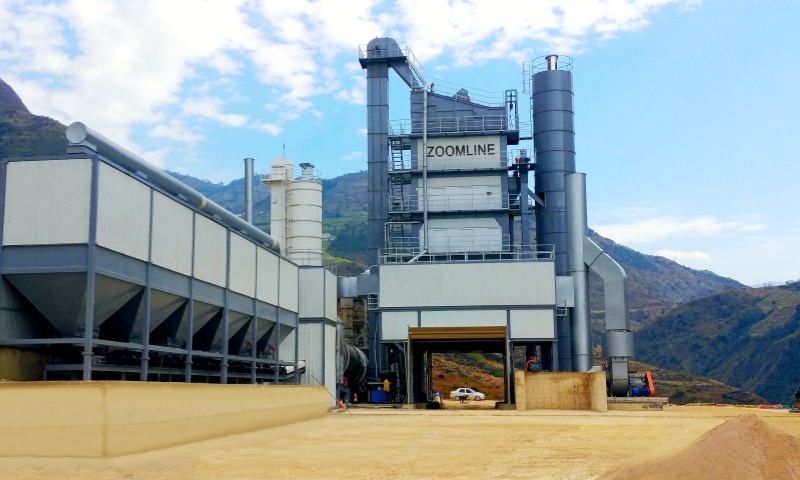
Five Major Categories of Waste from Asphalt Mixing Plants
1. Solid Waste (Highest Proportion, Easily Recyclable)
Solid waste constitutes the primary waste type generated during asphalt mixing plant operations, accounting for approximately 60%-70% of total waste volume. It holds high recycling value, and through scientific processing, can effectively reduce production costs and environmental pressure. Specific classifications and characteristics are as follows:
- Dust Collection Residues: Mineral powder and dust captured by pulse baghouse or cyclone dust collectors, primarily composed of fine particles from aggregate crushing and asphalt volatiles condensed into gummy substances. Typically ranging in particle size from 0.1 to 100μm, this waste material can be reintroduced into mineral powder at a ratio ≤30% if it meets asphalt pavement construction specifications. Used as filler in asphalt mixtures, it reduces raw material costs while minimizing dust emissions.
- Non-conforming Aggregate: Stone materials rejected by the screening system due to non-compliant particle size distribution, excessive moisture content (>3%, affecting asphalt adhesion), or excessive impurity levels (clay content >1%). This waste can be reprocessed through secondary crushing and washing, or downgraded for use in base or subbase materials, such as cement-stabilized crushed stone base production.
- Equipment waste: Includes worn high-chromium alloy mixing blades (service life approx. 600-800 hours) from the mixing plant, aged polyurethane seals, and mechanical components like conveyor belt idlers and bearings. Discarded metal components can be mechanically dismantled to recover metals like iron, chromium, and nickel. Non-metallic seals must be sent to specialized facilities for non-hazardous disposal to prevent harmful substances from rubber decomposition.
- Waste asphalt mixture: Material separated due to oil-to-aggregate ratio deviation (exceeding ±0.3% of design value), improper temperature control, or leftover from laboratory mix design tests. This waste can be recycled via thermal regeneration technology by blending with rejuvenator and new material at specified ratios. It is suitable for low-grade road surface or base layer construction, achieving resource circulation.
2. Liquid Waste (Requires Specialized Environmental Treatment)
Due to their high fluidity and rapid pollution dispersion, liquid wastes can cause irreversible contamination of soil and water bodies if improperly handled, necessitating specialized environmental disposal procedures. Specific examples include:
- Waste asphalt: Residual asphalt generated during periodic tank cleaning and pipeline flushing. Its complex composition includes toxic substances like polycyclic aromatic hydrocarbons (PAHs). Direct discharge can infiltrate soil and disrupt ecological balance.
- Wastewater: Equipment cleaning wastewater contains asphalt residues and oil contaminants, while site-flushing wastewater carries sand particles and asphalt debris. Such oily wastewater exhibits high suspended solids concentration and excessive chemical oxygen demand (COD), leading to water eutrophication if discharged untreated.
- Leaked oils: Fuel oil leaks from burners, failed storage tank seals, and hydraulic system pipe ruptures result in fuel and lubricant spills. Beyond energy waste, the mineral oil components form impermeable layers in soil that inhibit plant root respiration. When infiltrating groundwater, they contaminate drinking water sources.
3. Gaseous Waste (Environmental Control Priority)
Due to their high dispersibility and treatment challenges, gaseous wastes have become the core focus of environmental oversight at asphalt mixing plants. Specific categories include:
- Combustion Fumes: Generated by high-temperature combustion of heavy oil, natural gas, and other fuels in burners. Primary pollutants include sulfur dioxide (SO₂), nitrogen oxides (NOx), and particulate matter (PM). Among these, sulfur dioxide is a major contributor to acid rain formation; nitrogen oxides not only participate in photochemical smog reactions but also convert into secondary particulate matter in the atmosphere, exerting long-term impacts on regional air quality.
- Volatile Organic Compounds (VOCs): During asphalt heating and mixing, organic components such as benzene compounds and polycyclic aromatic hydrocarbons (PAHs) remaining from crude oil refining volatilize when heated. These substances emit pungent odors, and certain components like benzo[a]pyrene are classified as Group 1 carcinogens by the International Agency for Research on Cancer. Furthermore, the synergistic interaction between VOCs and nitrogen oxides readily triggers ozone pollution, exacerbating the formation of summertime photochemical smog.
- Dust Emissions: During aggregate loading/unloading, crushing/screening, and feeding processes, unorganized dust emissions occur due to material drop heights and wind turbulence. Inhalable particulate matter (PM10), smaller than 10 micron,s and fine particulate matter (PM2.5), smaller than 2.5 micron,s can penetrate the respiratory tract barrier into the alveoli. Long-term exposure may cause respiratory diseases. Simultaneously, dust dispersion leads to soil compaction and vegetation degradation in surrounding areas, adversely affecting the ecological environment.
4. Energy Waste (Hidden Yet Critical)
Energy waste represents a critical factor in asphalt mixing plant operations that is often overlooked yet significantly impacts costs and environmental performance. In actual production, energy losses primarily manifest in the following aspects:
- Excessive fuel consumption: As the core energy-consuming equipment, the drying drum’s operational efficiency directly determines fuel usage. When internal heat exchange is inefficient, temperature control systems respond slowly, or aggregate moisture content estimates are inaccurate, the equipment often requires fuel consumption far exceeding standard levels to reach set temperatures.
- Heat loss: During asphalt and aggregate transportation and storage, the insulation performance of pipelines and storage tanks is critical. If insulation layers deteriorate or seals fail, heat from high-temperature materials rapidly escapes through conduction and convection. Research indicates that uninsulated pipelines can experience a temperature drop of 5-8°C per 100 meters of length. This necessitates secondary heating in subsequent production stages, resulting in redundant fuel consumption.
- Equipment Idling: Poor production scheduling and lax equipment start/stop management often cause idling at mixing plants. Loaders, conveyors, and main mixers continue consuming electricity and fuel during material waiting or changeover periods. Statistics indicate that a single hour of idling consumes an extra 30-50 kWh of electricity for the main mixer alone, accumulating into significant energy waste over time.
5. Time and Process Waste (Lean Production Perspective)
Within lean production systems, time and process waste represent core managerial factors driving waste generation at asphalt mixing plants. This waste constitutes non-value-added consumption of production resources. Such inefficiencies not only inflate production costs but also directly impact waste volume and disposal pressures, manifesting as:
- Waiting Waste: Equipment downtime due to malfunctions and delays in raw material supply poses dual threats. Industry data indicates that a single equipment failure at a mixing plant can cause an average downtime of 3-5 hours. During this period, the fuel and electricity costs already invested in heating are directly converted into ineffective consumption. Delays in raw material supply (such as sand, gravel, and asphalt) cause preheated aggregates to cool while waiting for mixing. Reheating not only increases energy consumption but may also compromise mix quality due to temperature fluctuations, ultimately producing substandard waste.
- Overproduction: Mismatched production plans and market demand are key drivers. Some plants overproduce mix beyond order requirements to maximize equipment utilization. This practice easily leads to inventory buildup, where asphalt mixes segregate and harden during prolonged storage, ultimately failing construction standards and becoming scrap.
- Repetitive Work: Secondary processing issues stemming from inadequate quality control demand attention. When mixing parameters (e.g., temperature, mix ratio) fail to meet standards, produced mix requires reprocessing. This not only consumes extra energy and labor costs but also causes asphalt aging and performance degradation through repeated heating, ultimately creating waste material difficult to reuse. Statistics indicate that rework due to substandard quality increases energy consumption per unit by 15%-20% and boosts waste generation by 8%-12%.
- Layout Inefficiencies: Poor site planning significantly reduces production efficiency. Dispersed layouts for raw material storage, mixing equipment, and finished product discharge zones necessitate frequent vehicle trips, prolonging aggregate and product transport times. For instance, for every 100-meter increase in the average transport distance from the storage area to the mixer, single-trip energy consumption rises by approximately 8%. Additionally, vibrations during transport can cause aggregate segregation, increasing the risk of producing non-compliant materials.
The Core Impact of Waste Materials on Asphalt Mixing Plant Operations
- Soaring Production Costs: In terms of raw material losses, foundational materials like asphalt and aggregates suffer direct losses of 1%-3% during loading, unloading, weighing, and mixing due to inadequate equipment sealing and measurement inaccuracies. Waste disposal fees incur costs of 200-500 yuan per ton for solid waste removal, while hazardous waste treatment expenses escalate exponentially. Additional energy consumption arises from frequent equipment start-stops caused by waste accumulation, increasing monthly electricity costs by approximately 8%-12% and directly compressing corporate profit margins.
- Product Quality Deterioration: Waste generation often stems from process anomalies like fluctuating aggregate moisture content or uncontrolled asphalt heating temperatures. When aggregate drying temperatures fall 15°C below standard values, mixture adhesion decreases, causing finished product pass rates to plummet from 98% to 85%. Material overflow from powder silos can trigger mix ratio imbalances, potentially causing asphalt concrete Marshall stability to fail compliance standards and directly compromising road paving quality.
- Heightened Environmental Risks: Open-air storage of solid waste can cause soil heavy metal contamination, while excessive dust emissions may increase surrounding PM2.5 concentrations by 40%. If emissions of asphalt fumes, benzo[a]pyrene, and other pollutants exceed comprehensive atmospheric emission standards, single violations may incur fines ranging from 100,000 to 1,000,000 yuan. Severe cases may result in production suspension for rectification or even revocation of the pollution discharge permit.
- Reduced Equipment Lifespan: Sharp dust generated during aggregate crushing enters mixer bearings, accelerating wear rates by three times compared to normal conditions; Waste oil leaks infiltrate precision components like conveyor belts and motors, increasing lubrication system failure risk by 60%. Long-term accumulation of waste material clogs thermal recycling systems, shortening major equipment overhaul cycles from 5 to 3 years, with single repair costs exceeding 1 million yuan.
- Reduced production efficiency: Waste material cleanup requires 4-6 hours of downtime per instance, cumulatively impacting over 30 hours of monthly production time; Equipment repairs average 12 hours, with associated order delays causing approximately 5%-8% capacity loss; quality-related rework extends each production batch by 20%-30%, severely constraining delivery capabilities.
Five Optimization Strategies for Waste Management in Asphalt Mixing Plants
1. Raw Material Quality Control: Reducing Waste at the Source
- Establish a dynamic moisture content monitoring system: Deploy high-precision infrared moisture analyzers and implement real-time data feedback mechanisms. Automatically adjust heating temperatures based on aggregate moisture fluctuations to ensure precise moisture content control.
- Optimize storage management standards: Construct fully enclosed, rainproof, and moisture-proof material sheds. Implement visual compartmentalized storage management. Utilize RFID tags for precise location tracking and retrieval of different graded aggregates, eliminating cross-contamination risks.
- Strictly enforce incoming inspection protocols: Implement a “double random, single public” sampling model for critical materials like aggregates and asphalt. Establish rapid response channels for non-conforming products to block substandard materials from entering production lines at the source
2. Equipment Optimization: Ensuring Production Stability
Stable equipment operation is crucial for minimizing waste generation. Systematic optimization must address three areas: preventive maintenance, precise metering, and environmental upgrades:
- Implement routine maintenance plans: Establish a full lifecycle management system for equipment, implementing a three-tier maintenance protocol. Tier 1 daily inspections involve operators checking drying drum temperature curves and burner flame patterns daily, promptly removing asphalt buildup from drum walls. • Conduct quarterly Level 2 deep maintenance to clean carbon deposits from burner nozzles, test ignition performance, and replace worn mixing blades exceeding wear limits to ensure uniform material blending. Preventive maintenance reduces equipment failure rates by over 40%, significantly minimizing waste caused by operational anomalies.
- Regularly calibrate the metering system: Establish a dual mechanism of “dynamic calibration + intelligent monitoring.” Perform monthly static calibration of batching scales using standard weights. During production, the PLC system continuously compares set values with actual weighing data, immediately adjusting the zero point and range of load cells with deviations exceeding ±0.5%. For wear-prone batching valves, laser distance measurement technology monitors valve core opening/closing positions to establish wear curve models. This enables predictive replacement scheduling, ensuring aggregate, asphalt, and other raw material ratios remain within industry-standard tolerances.
- Upgraded Environmental Equipment: Developed an intelligent environmental treatment system integrating high-efficiency pulse dust collectors and VOC catalytic combustion units. The pulse dust collectors utilize membrane filter bag technology with 99.9% filtration efficiency. Combined with PLC-controlled high-frequency pulse cleaning systems, they achieve dust emission concentrations below 10mg/m³. The VOCs treatment unit employs Regenerative Thermal Oxidation (RTO) technology, elevating the decomposition efficiency of volatile organic compounds in asphalt fumes to over 98%. Simultaneously, a heat recovery system recycles thermal energy generated during processing back into the drying drum, forming an energy-circulating system that reduces waste emissions while lowering production energy consumption.
3. Operational Efficiency Enhancement: Precision Production Process Control
- Precision Temperature Control Technology: Incorporates a PLC-based intelligent closed-loop control system. Real-time data from temperature sensor arrays at critical points in the drying drum and mixing tank is collected. PID algorithms dynamically adjust fuel supply and fan speed, maintaining temperature fluctuations within ±2°C. The system also features adaptive learning capabilities, optimizing temperature control curves based on production batch data to effectively prevent asphalt aging or aggregate clumping caused by temperature anomalies.
- Optimized Mixing Parameters: A raw material database integrates density, water absorption rates, and asphalt softening points for aggregates from various origins. Neural network algorithms dynamically match optimal mixing schemes. For high-hardness aggregates like basalt, mixing time automatically extends to 180 seconds with speed increased to 80 rpm; for low-hardness materials like limestone, time shortens to 120 seconds with speed reduced to 60 rpm, ensuring uniform mixture quality while lowering energy consumption.
- Automated Monitoring: Deployed an Industrial Internet of Things (IIoT) monitoring network with smart sensors installed on critical equipment like batching scales, conveyors, and finished product silos. This enables millisecond-level collection of over 30 production metrics, including aggregate moisture content, powder mix ratios, and asphalt flow rates. The system incorporates built-in anomaly diagnosis models. When ratio deviations exceed ±0.5% or temperature fluctuations surpass thresholds, it immediately triggers audible and visual alarms while generating electronic work orders containing anomaly causes, historical data comparisons, and solutions. These are pushed to the mobile devices of relevant responsible personnel.
4. Personnel Training and Standardization: Reducing Human Error
- Develop Detailed Operation Manuals: Establish standardized operating procedures specifying equipment model parameters, production workflows, quality inspection standards, and maintenance schedules. Include illustrated equipment flowcharts, troubleshooting guides, and FAQ solutions accessible via QR codes for on-demand operator reference.
- Implement tiered, categorized specialized training: Develop differentiated training plans for new and existing employees. New hires must complete mandatory courses on basic equipment operation, safety protocols, and environmental regulations. Experienced staff focus on advanced topics like new technology applications, environmental process upgrades, and emergency incident response. Enhance professional skills and environmental awareness through diverse methods including theoretical instruction, simulated operations, and on-site practical assessments.
- Establish a dynamic assessment and incentive system: Set quantifiable metrics including waste generation rate, product qualification rate, and energy consumption indicators. Link assessment outcomes directly to performance bonuses and promotion opportunities. Award material incentives and honors to teams consistently meeting or exceeding targets, while providing targeted coaching for underperforming teams. Strengthen accountability through positive incentives and negative constraints.
5. Environmental Compliance and Recycling: Achieving Green Production
- Promoting recycling technologies: Introduce advanced Recycled Asphalt Pavement (RAP) crushing and screening systems. Through multi-stage crushing and precise screening, classify recycled asphalt materials by particle size. In new mix production, scientifically adjust RAP blending ratios (typically controlled at 20%-40%) based on asphalt content and aging indicators. Combined with warm-mix asphalt technology to reduce construction temperatures, this approach effectively utilizes waste materials while minimizing new aggregate extraction and asphalt consumption. This reduces production costs and achieves resource recycling.
- Waste Material Recycling:
◦ Dust reuse: Optimizing dust collector performance through a multi-stage process combining pulse baghouse and cyclone dust removal ensures high collection efficiency. Dust meeting asphalt pavement construction specifications is utilized as mineral filler to partially replace virgin mineral powder in asphalt mix production. Each ton of reused dust saves approximately 50 yuan in production costs.
◦ Waste Asphalt Processing: Establish dedicated storage tanks for waste asphalt. Employ solvent extraction and vacuum distillation to separate and recover valuable components. The reprocessed asphalt can be used for low-grade road paving or asphalt-stabilized subbase construction, reducing landfill disposal of hundreds of tons of waste asphalt annually.
- Standardize hazardous waste disposal: Establish comprehensive hazardous waste management ledgers, implementing full-process digital oversight for waste oil and oily wastewater covering “generation – temporary storage – transfer – disposal.” Enter into agreements with licensed hazardous waste disposal entities, regularly transferring hazardous waste using leak-proof specialized transport vehicles. For instance, waste oil can be regenerated into base oil through processes like distillation and hydroprocessing, while oily wastewater undergoes oil separation, flotation, and biological treatment to meet discharge standards, eliminating environmental pollution risks.
- Energy-efficient equipment adoption:
◦ Combustion system upgrade: Installed low-NOx burners utilizing staged combustion and flue gas recirculation technology, boosting combustion efficiency from 85% to over 95% while reducing NOx emissions by more than 30%. Integrated with an intelligent combustion control system that automatically adjusts fuel supply based on production load, lowering fuel oil or gas consumption.
◦ Insulation System Retrofit: Key equipment like drying cylinders and hot material silos are insulated with composite silicate materials, with stainless steel protective panels added externally. This reduces surface temperatures from 80°C to below 40°C, minimizing heat loss. Annual natural gas consumption is cut by 15%-20%, significantly lowering energy costs.
Conclusion
The generation of waste materials at asphalt mixing plants is not attributable to a single factor, but rather the result of multiple intertwined factors including fluctuations in raw material quality, equipment aging and wear, deviations in operational procedures, inadequate personnel skills, and changes in environmental conditions. By precisely identifying the five root causes of waste generation and establishing a five-category waste classification system, a closed-loop management model integrating “source prevention – process control – end-of-pipe recycling” can be constructed. This approach not only significantly reduces waste output rates and enables refined cost control but also meets increasingly stringent environmental regulations, building a differentiated competitive advantage for mixing plants.
Managers of asphalt mixing plants must break free from the entrenched mindset of “prioritizing output over management” and adopt a systematic approach to build a digital waste management system. Only through comprehensive lifecycle control can operational efficiency be enhanced while achieving synergistic growth in economic and environmental benefits, injecting new momentum into the green and sustainable development of the infrastructure construction industry.