



Nepal Asphalt Plant and Road Construction Industry: Current Status, Challenges, and Future Opportunities Introduction
Contents
- 1 Introduction
- 2 Nepal Economy and Infrastructure Investment 2025
- 3 Local environment and geographical factors affecting asphalt road construction
- 4 Current State of Asphalt Industry and Road Paving in Nepal
- 5 Recent Developments and Opportunities in Nepal Asphalt Sector
- 6 Modern Mobile Asphalt Plants: Advantages and Suitability for Nepal’s Terrain and Economy
- 6.1 Ultimate Mobility: No foundation required, quick to start production
- 6.2 Efficient and Low Consumption: Suitable for developing economies’ budgets
- 6.3 Environmental Protection and Compliance: Meet the requirements of ecologically sensitive areas
- 6.4 Stable and Durable: Against complex road conditions and climates
- 7 Asphalt Plant Selection Guide and Practical Tips for Nepal Projects
- 8 Future Outlook and Conclusion
- 9 Conclusion
Introduction
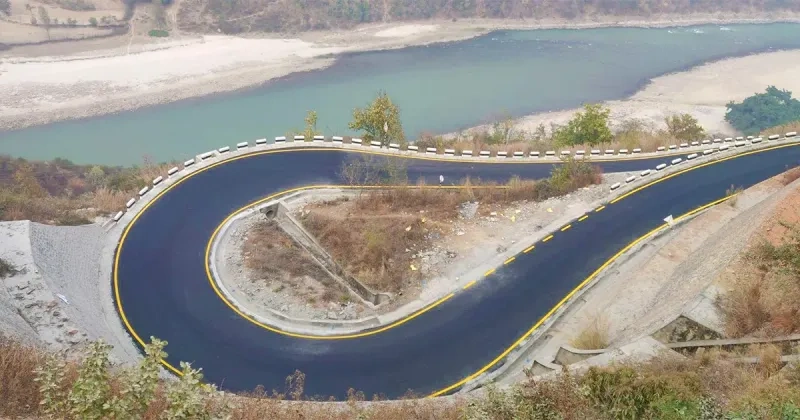
Nepal is advancing with the national strategy of “From Landlocked to Land-linked,” fully promoting the upgrade of road infrastructure to break the dual shackles of geography and transportation. According to the latest statistics of the Nepal Road Department (DoR), the total length of national roads constructed has reached 36,132 kilometers, of which 19,163 kilometers are black-top asphalt roads, accounting for about 53%. However, high-quality asphalt paving roads are still concentrated in urban areas and main corridors, and the coverage in mountainous and remote areas is seriously insufficient.
The asphalt plant is the core equipment for modern road construction, directly determining construction efficiency, road quality, and project cycle. The latest report from the World Bank in March 2026 frankly states that at the current level of funding and execution efficiency, it will take 41 years to complete all 17 “National Pride Projects” in Nepal, and infrastructure delivery efficiency has become one of the biggest bottlenecks to economic growth.
This article is based on authoritative data from the World Bank, the Asian Development Bank (ADB), the Nepal Road Department (DoR), and others, combining Nepal’s topography and climate, economic level, recent infrastructure policies, and cross-border cooperation trends, systematically presents the current situation of the Nepal asphalt industry and road construction, analyzes the pain points, and provides equipment selection and solutions adapted to the local situation, providing a feasible reference for practitioners, investors, and project parties.[1]
Nepal Economy and Infrastructure Investment 2025
Macroeconomic and Infrastructure Boost
The World Bank’s “Nepal Development Update (2025)” shows that Nepal’s GDP growth is expected to be 4.5% in the fiscal year 2025, with the construction industry growing by 9.1% year-on-year in the second quarter, becoming the third-largest growth engine after manufacturing and hydropower. The federal government’s capital expenditure as a percentage of GDP has decreased from 5.3% in the fiscal year 2021 to 3.4% in the fiscal year 2024, but external aid and PPP projects continue to fill the gap, showing strong resilience in infrastructure investment.[2]
Road Network Scale and Structure
- The Strategic Road Network (SRN) totals 14,913 kilometers, managed by the DoR, serving as the main artery of national transportation.[3]
- In the road surface structure, 88.45%is simple surface treatment layer (STGB), with only a few main arteries using asphalt material granular subgrade (AMGB), resulting in generally low road strength, durability, and disaster resistance.
- Over the next three years, the plan is to build or upgrade 3,029 kilometers of expressways, focusing on cross-border corridors, tourist routes, and rural connectivity roads, with the demand for asphalt mixtures expected to rise continuously.
Key Projects and Funding Sources
- World Bank SRCTIP Project: With a total investment of 8.015 billion US dollars, it focuses on the upgrading of the Nagdhunga-Naubise-Mugling (NNM) and Kamala-Dhalkebar-Pathlaiya (KDP) core corridors, enhancing trade efficiency and climate resilience, and is the largest road assistance project in recent years.[4]
- Asian Development Bank (ADB): Supports regional road connectivity, border port facilities, and road safety system construction, with strict procurement standards favoring efficient, environmentally friendly, and mobile equipment.
- Funding structure: Foreign aid accounts for more than 60%, with a parallel government finance + PPP model, the Roads Board Nepal’s annual maintenance budget is steadily increasing, but the implementation is still lagging behind the planning.
Overall, Nepal’s infrastructure is at a stage of explosive demand, limited funding, and efficiency to be improved. Low-cost, quick deployment, and highly adaptable asphalt production solutions have become an industry necessity.
Local environment and geographical factors affecting asphalt road construction
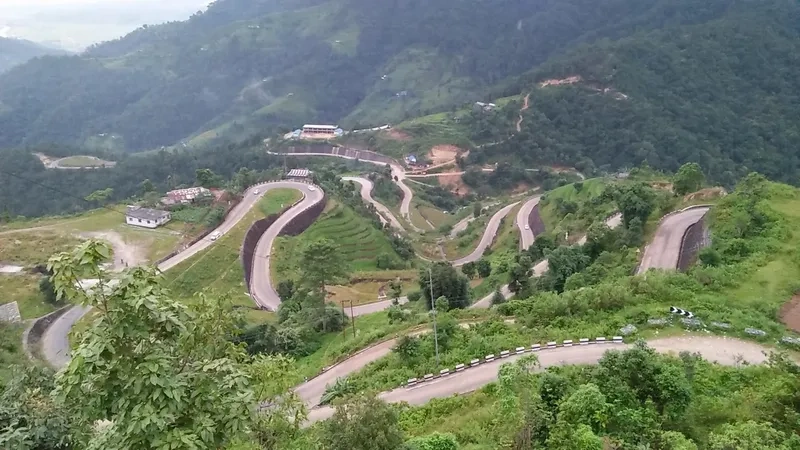
Nepal is known as the “Kingdom of the Mountains,” with 70% of its territory being mountainous, with elevations rising steeply from the southern Terai plains at 70 meters to the northern Mount Everest at 8,848 meters. The geography and climate impose rigid constraints on asphalt road construction:
Topographical and geological risks
- Steep slopes, canyons, and landslide zones are abundant, making it difficult for traditional fixed asphalt plants to enter the site, with extremely high relocation costs;
- Road excavation is prone to destabilize slopes, and during the rainy season, it is highly susceptible to triggering landslides and mudslides, with informal roads being one of the main causes of rainfall-induced landslides.
Monsoon climate and construction window
- From June to September, monsoon rainfall accounts for 80% of the annual total, with heavy rainfall accelerating pavement water damage, erosion, and structural damage;
- The effective construction window is compressed to October to the following May, only about 7-8 months, with high requirements for continuous operation of equipment and rapid commissioning.[5]
Strict requirements for the asphalt industry
- Must be highly mobile, capable of rapid relocation and multi-point operation, covering mountainous and remote projects;
- Must be low-emission and environmentally compliant, adapting to the sensitive areas of the Himalayas, national parks, and water sources;
- The mixture ratio and production process must be adapted to high temperature differences and high humidity environments, ensuring formation before the rainy season and long-term durability.
Typical cases: Siddhartha Highway, Prithvi Highway, and other mountainous trunk roads, where maintenance costs during the rainy season account for more than 40% of the entire lifecycle, frequent road closures affecting trade and people’s livelihoods, forcing the industry to adopt more stable asphalt production and rapid construction solutions.
Current State of Asphalt Industry and Road Paving in Nepal
Industry Scale and Supply Structure
- High dependence on imports of asphalt raw materials, mainly from India, significantly affected by international oil prices, border clearance, and regional conflicts, a large-scale supply shortage occurred in early 2026, forcing multiple trunk projects to halt construction;[6]
- Local asphalt production mainly relies on small fixed factories and simple mixing stations, with low capacity, poor stability, and non-compliance with environmental protection standards, which is difficult to support large-scale trunk upgrades;
- Since 2025, the speed of black-top road paving has increased, but the problem of heavy construction and light maintenance is prominent, with fast road degradation and serious waste of repeated construction.
Core Pain Points
- Extremely difficult logistics: high transportation costs for aggregates, asphalt, and equipment, with mountainous sections taking several days to cross;
- Limited site availability: fixed factories require concrete foundation casting, long land acquisition and construction periods, conflicting with Nepal’s rapid implementation needs;
- Lack of manpower: shortage of skilled operators, low level of automation directly reducing output and quality;
- Standard upgrade: World Bank and ADB projects require mandatory compliance with environmental protection, energy consumption, and quality standards, with a clear trend of eliminating outdated production capacity.
Positive Transformation Signals
- Road Asset Management System (RAMS) is gradually being implemented, integrating GIS and HDM-4 models to achieve digital monitoring of road conditions, maintenance plans, and budget allocation;
- New technologies such as high-performance asphalt pavements (Superpave) and full-depth reclamation are beginning to be introduced, improving road life and resource utilization;
- The import volume of mobile asphalt equipment has significantly increased, becoming the mainstream choice for small and medium-sized projects, mountainous emergency repairs, and multi-point construction.[7]
Recent Developments and Opportunities in Nepal Asphalt Sector
Major Policies and Cross-border Cooperation
- December 2024 Sino-Nepal BRI Framework Agreement: Signed cross-border road, railway, and port facility cooperation documents, with a significant increase in border road and economic corridor asphalt demand expected over the next 3-5 years; Economic and Commercial Office of the Chinese Embassy in Nepal;[8]
- World Bank $128 million provincial road project: Launched in November 2024, upgrading 180 kilometers of roads and maintaining 700 kilometers, prioritizing climate resilience and efficient construction equipment; World Bank Group;
- A batch of key projects such as the Nagdhunga Tunnel access roads, the upgrading of the east-west expressway, and the connection line to Pokhara Airport are entering the peak construction phase, driving demand for equipment and materials.
Structural Opportunities
- Tourism Recovery: Road upgrades in tourist areas such as Pokhara, Lumbini, and Chitwan, with increased requirements for road flatness and environmental protection;
- Post-disaster reconstruction and road network densification: Advancing the “last kilometer” of rural roads, with a surge in demand for decentralized and small-scale asphalt production;
- Green roads become a policy direction, with recycled asphalt (RAP), low-energy consumption, and low-emission equipment receiving more policy and bidding preferences.
Modern Mobile Asphalt Plants: Advantages and Suitability for Nepal’s Terrain and Economy
Fixed asphalt plants in Nepal face four major challenges: difficulty in access, relocation, long cycles, and high costs. Super mobile asphalt equipment (super mobile asphalt plant) has become a more suitable solution. The following explains this with actual scenarios and technical features:
Ultimate Mobility: No foundation required, quick to start production
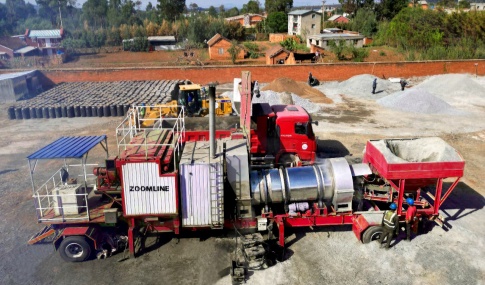
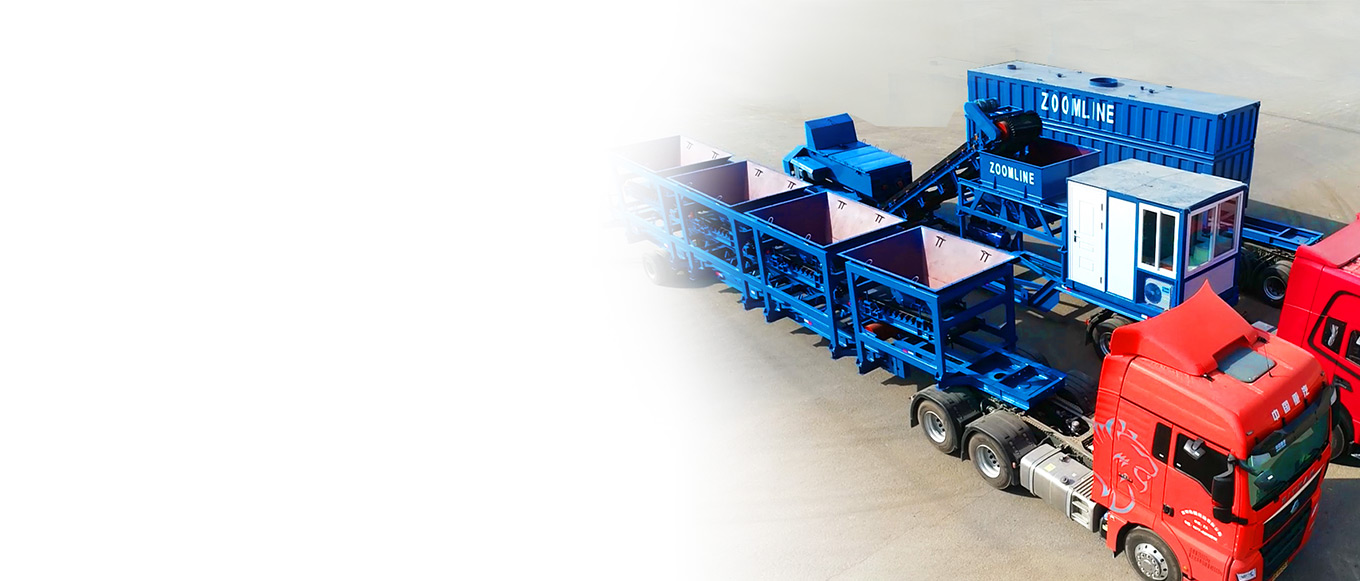
- Utilizes semi-trailer integrated design, can be towed by standard trucks, meets international highway transportation standards, and can directly reach mountainous construction sites;
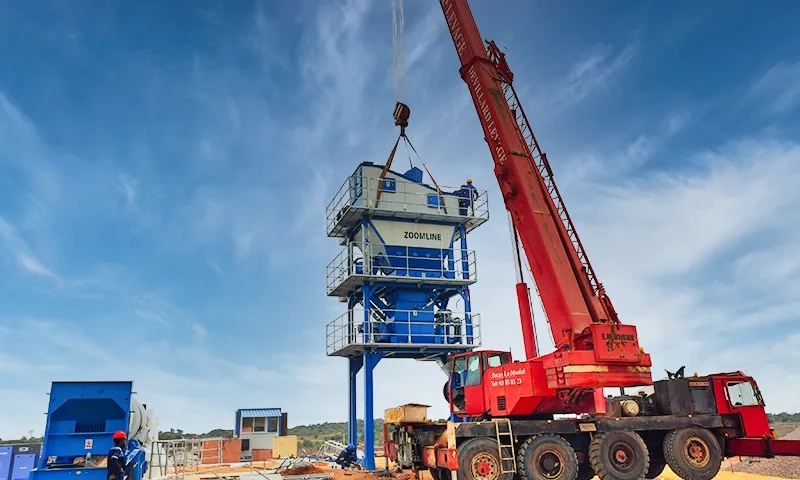
- Installation and debugging are completed before the whole machine leaves the factory, only simple pipeline connection is needed on-site, and production can be started in the fastest 3-4 hours, compared to the traditional fixed plant’s 15-20 days installation cycle, which has a huge advantage;
- No need to pour concrete foundations, just need to level and compact the site, significantly saving land, materials, and time costs, perfectly matching the characteristics of Nepal’s projects.
Efficient and Low Consumption: Suitable for developing economies’ budgets
- Production capacity covers 20-200 tons/hour, from small-scale rural roads to mainline upgrades can be covered;
- Optimized combustion system, fuel consumption ≤7kg/ton of mixture, saving 10%-15% compared to the industry average, with significant long-term operation cost advantages;
- Highly integrated, 3-6 people can operate, reducing reliance on manpower, suitable for Nepal’s employment situation.
Environmental Protection and Compliance: Meet the requirements of ecologically sensitive areas
- Standardized bag dust removal system, filter area 115-450㎡,dust emissions meet EU and Nepal environmental protection standards;
- Support diesel, heavy oil, natural gas (LNG) multi-fuel switching, can be flexibly selected according to local supply;
- Compatible with recycled asphalt (RAP), recycling old road materials for reuse, reducing mining and waste, in line with the trend of green infrastructure.
Stable and Durable: Against complex road conditions and climates
- Customized high-strength chassis and axles by professional vehicle factories, shockproof and impact-resistant, suitable for rugged mountain road transportation and long-term operations;
- Accurate measurement and mature mixing technology ensure uniform and stable mixtures, can still ensure road quality under high temperature difference and high humidity conditions;
- Equipped with PLC + remote diagnosis, CCTV monitoring, quick fault response, reducing downtime losses, suitable for remote construction site maintenance.
| Dimensions | Traditional Fixed Asphalt Plant | Ultra-mobile Asphalt Plant |
| Transition Ability | Almost no transition ability | Can transition at any time, multiple tasks |
| Installation Period | 15–45 days | 3–8 hours |
| Basic Cost | High, requires concrete foundation | Extremely low, no specialized foundation required |
| Applicable scenarios | Long-term fixed, large-scale production | Mountainous areas, emergency repairs, decentralized projects |
| Operation costs | High | Low energy consumption, low labor |
For Nepal, the mobile asphalt plant is not just equipment, but also a systematic solution to break through geographical limitations, compress construction schedules, and control costs.
Asphalt Plant Selection Guide and Practical Tips for Nepal Projects
Provide clear selection recommendations based on project type, terrain, budget, and environmental protection requirements:
Selection by Scenario
- Small projects / remote rural areas / emergency repairs
Recommended: Super Mobile Batch Mix
Production capacity: 40–90 tons/hour, compact design, quick relocation, rapid deployment without foundation, suitable for single-point short-term operations;
Advantages: precise batching, suitable for high-quality road and maintenance projects.
- Highway upgrades / continuous construction / large-scale projects
Recommended: Super Mobile Drum Mix
Production capacity: 20–200 tons/hour, high continuous production efficiency, compatible with RAP recycling, suitable for long-distance highways, cross-border corridors;
Advantages: continuous operations, lower fuel consumption, matching the needs of World Bank / ADB large-scale projects.
Key Configuration Priorities
- Fuel flexibility: essential multi-fuel compatibility to reduce the risk of supply fluctuations at borders;
- Dust removal system: priority for bag dust removal to meet environmental protection and bidding requirements;
- Intelligent control: PLC automatic control + remote monitoring to reduce on-site manpower and downtime;
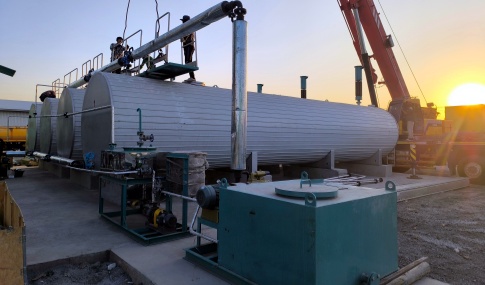
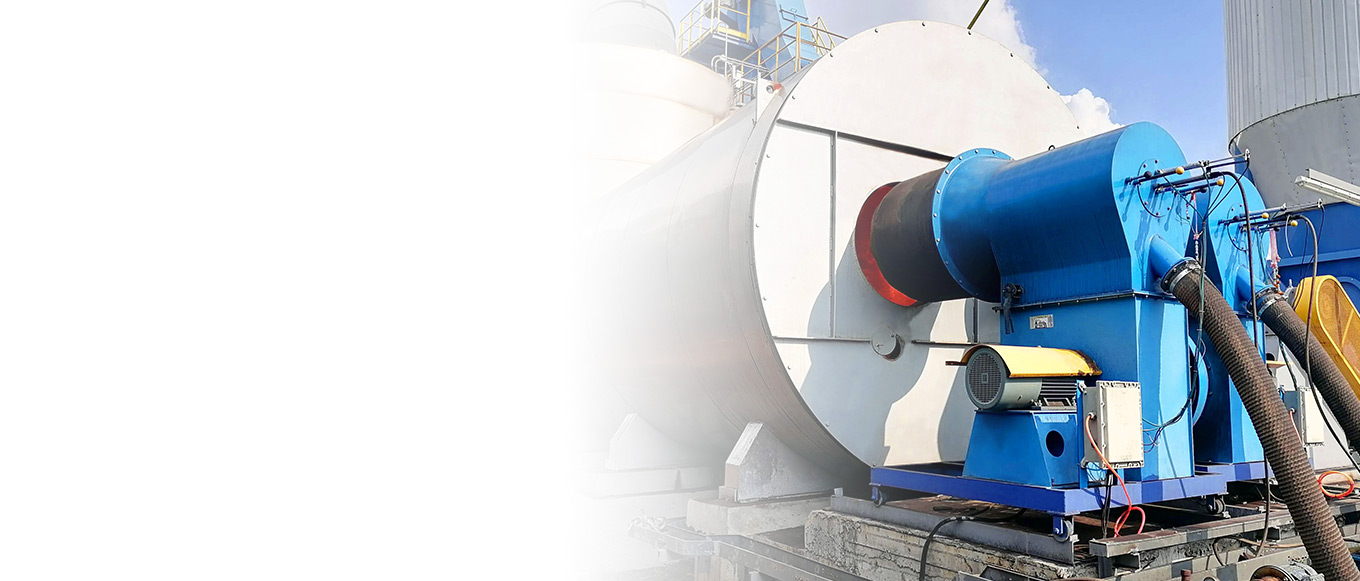
- Insulation and stability: drum and asphalt tank insulation design to adapt to the temperature difference between day and night in Nepal.
Procurement and Bidding Tips
- Refer to DoR, World Bank SRCTIP project bidding standards, focusing on emissions, energy consumption, production capacity, and transferability;
- Prioritize suppliers that provide installation and debugging, personnel training, and lifelong after-sales service to reduce local operation and maintenance pressure;
- Device compliance certification (CE, EAC, ISO) can enhance the probability of winning international projects and reduce compliance costs.
Future Outlook and Conclusion
Industry Trends
By 2030, with the deepening of BRI cooperation, the continuous implementation of the World Bank/ADB projects, and the comprehensive densification of rural road networks, the demand for asphalt in Nepal is expected to maintain an annual growth rate of over 10%, and mobile asphalt equipment will gradually replace inefficient fixed stations to become the mainstream in the market. The digitalization of Road Asset Management (RAMS) will promote the integration of construction-maintenance-regeneration, with the usage rate of recycled asphalt (RAP) continuously increasing.
Policy and Industry Recommendations
- Speed up the local asphalt mixture capacity layout to reduce import dependence and border fluctuation risk;
- Unify environmental protection and energy consumption standards, phase out high-pollution, low-efficiency simple mixing stations;
- Encourage the introduction of efficient mobile equipment through the PPP model to improve project delivery speed and road quality.
Conclusion
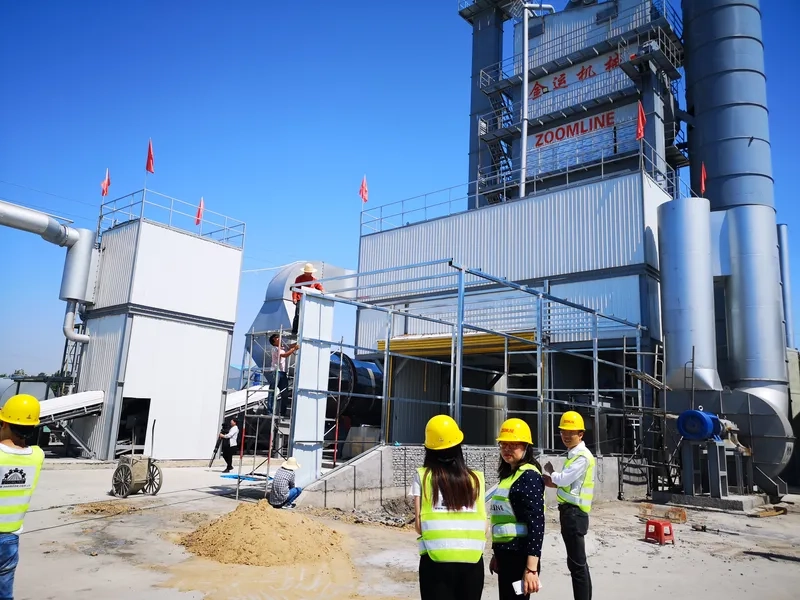
An asphalt plant is not only a production unit for road construction but also a key infrastructure for Nepal to achieve the strategy of land connectivity, economic recovery, and climate resilience. Under the realistic conditions of widespread mountains, short construction windows, limited funds, and human resources, ultra-mobile, high-efficiency, low-energy consumption and environmentally friendly asphalt solutions are the most suitable for Nepal’s national conditions.
Grasping the golden period of infrastructure construction in the next 3-5 years, choosing appropriate equipment and technology not only reduces costs and speeds up delivery but also drives trade, tourism, and rural development with high-quality road networks, truly making infrastructure a strong engine for Nepal’s economic growth.