




How to Reduce Mobile Asphalt Plant Downtime?
Introduction
For managers and operators of mobile asphalt mixing plants, downtime is always the core pain point that affects productivity and increases operating costs – sudden equipment failure, untimely maintenance, raw material problems, etc., may lead to the mixing plant into non-operational state, which not only results in loss of production, prolonging the project duration, but also increases the cost of equipment maintenance. It will not only cause production loss and prolong the project duration, but also increase the equipment maintenance cost, depletion of equipment service life, and even affect customer satisfaction and corporate reputation. In this paper, we will combine the industry’s practical experience to share a set of strategies that can be implemented to help practitioners effectively reduce the downtime of mobile asphalt mixing plant, maximize the efficiency of equipment operations, reduce operating costs.
What is Downtime in Mobile Asphalt Plant Production?
Mobile asphalt mixing plant downtime, refers to the mixing plant due to equipment failure, maintenance operations or other types of problems, can not normally carry out production operations of the time period. This kind of downtime is not caused by a single factor, it may be sudden equipment damage, or it may be a planned maintenance overhaul, but no matter what type, it will have different degrees of impact on production – in the short term, it will directly lead to a decline in production and project delays, and in the long term, it will increase equipment wear and tear, enhance maintenance costs, and even cause potential loss of revenue. It should be noted that in our daily operations, we should focus on “unplanned downtime”, this kind of downtime is often no warning, the impact on production is also the biggest, and understand the core definition of downtime and the basic impact of the subsequent development of coping strategies is the basis for the same time will be “mobile asphalt mixing plant downtime” with the industry’s core pain points. At the same time, the “mobile asphalt mixing plant downtime” and the industry’s core pain points binding, but also more accurate solution to the actual operation of the problem.
Why is Reducing Downtime Important in Mobile Asphalt Plant Production?
Reduce mobile asphalt mixing plant downtime, the operational development of enterprises with multi-dimensional significance, whether at the financial level, operational level, or stakeholder level, can bring significant value.
From the financial level, reducing downtime can directly reduce maintenance and repair costs, avoiding additional expenditures due to equipment failure; at the same time, reducing downtime means that the mixing plant can give full play to the production capacity, avoiding loss of production, thus enhancing the profitability of the enterprise – each hour of unplanned downtime can reduce unnecessary cost consumption and increase effective output. Every hour of unplanned downtime reduces unnecessary costs and increases effective output.
In terms of operation, a stable production rhythm ensures that projects are delivered on schedule, avoiding delays due to downtime, while reducing wear and tear caused by frequent start-stop equipment, extending equipment life and reducing equipment replacement costs. The core advantage of mobile asphalt mixing plant is flexibility, and frequent stops will seriously weaken this advantage, affecting the overall smoothness of the production process.
From the stakeholder level analysis, stable production can enhance customer satisfaction, avoid customer complaints due to schedule delays, and maintain the company’s reputation in the market; at the same time, a stable production rhythm can also reduce the staff due to equipment failure, the work pressure brought about by the tight schedule to enhance the staff’s motivation and sense of belonging to work, reduce staff turnover. For industry practitioners, understand “why it is important to reduce mobile asphalt mixing plant downtime”, can more clearly recognize the urgency of downtime management, but also more proactive in the implementation of various countermeasures.
What are the Main Causes of Downtime in Mobile Asphalt Plants?
To effectively reduce downtime, the first need to accurately identify the core causes of downtime, in order to develop targeted solutions. Combined with the industry’s practical experience, mobile asphalt mixing plant downtime is mainly divided into four categories, according to the frequency and degree of impact sorted as follows:
Electrical Control System Failure
Electrical control system is the mixing plant’s “brain”, its failure is the most common cause of downtime, and most of them are not obvious mechanical noise, sudden and strong. Specifically, it includes three types of situations: first, sudden power failure or line failure, such as the total power supply tripping, mixing motor power line loose or short circuit, contactor or relay erosion, will directly cut off the power of the equipment, resulting in a shutdown without warning; second is the motor failure, such as mixing motor winding burns, bearing hold, usually accompanied by the motor is hot, smoke, or buzzing noise before the shutdown; third is the failure of the control components, such as travel switch, proximity switch failure, PLC program mistakenly triggered the shutdown command, or touch screen, control cabinet dead, will lead to equipment can not run normally.
Mechanical Stall/Overload
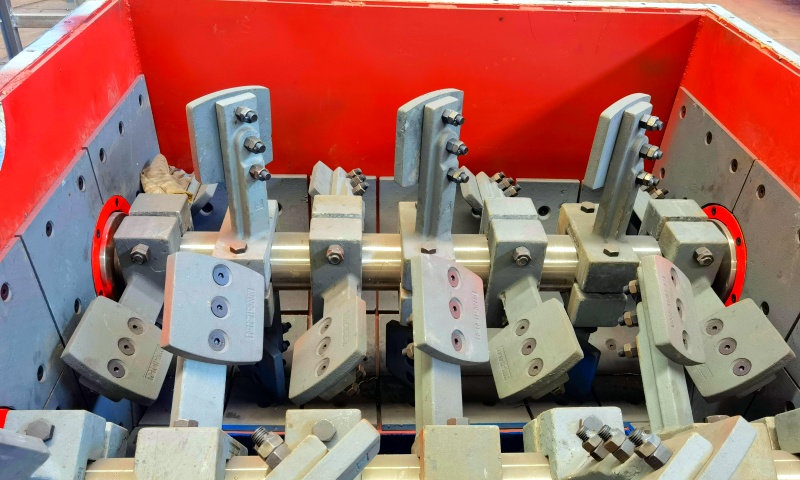
This type of shutdown usually occurs before the occurrence of obvious noise, body shaking and other early warning signals, mainly from the abnormalities of the mechanical components of the equipment. On the one hand, the mixing chamber jamming or mixed with foreign objects, such as asphalt mixture due to low temperature, improper proportioning of adhesion and agglomeration, or stone mixed with rebar, stone blocks, jamming mixing blades or liners, resulting in sudden increase in the load of the equipment and shutdown; on the other hand, the transmission mechanism failure, such as broken couplings, belt slipping or broken, gear box stalled or lack of oil, resulting in the power can not be transmitted properly, accompanied by transmission parts of the abnormal noise;
In addition, wear or deformation of mixing parts, such as severe wear and tear of blades and liners, or bending of the main shaft and stalling during operation, will also trigger overload protection and lead to shutdown.
Safety/Protection System Trigger
This type of shutdown belongs to the active protection mechanism of the equipment, usually the control cabinet will appear fault code or indicator light prompts, to facilitate the investigation of the cause. Mainly includes four situations: First, overload protection tripping, motor overload protector, thermal relay automatically disconnected due to load overload, jamming, voltage instability and other conditions may be triggered; Second, the temperature is abnormal protection, such as asphalt heating temperature is too low resulting in excessive viscosity of the mixture, or motor, hydraulic system oil temperature is too high, the system will automatically trigger the shutdown; Third, the safety device triggered, such as the emergency stop button was mistakenly touched, the door did not Third, it is triggered by safety devices, such as emergency stop button is touched by mistake, the hatch is not closed tightly (safety interlocking device), the pressure of hydraulic system is too low, all of which will directly lead to the equipment shutdown; fourth, it is material level or oil supply abnormality, such as the mixing chamber feeds too much material to trigger the material level sensor, or the level of hydraulic oil or lubricating oil is too low, the protection system will be activated and shut down.
Asphalt Exclusive Material/Process Problems
This kind of problem is often ignored by practitioners, but it is an important cause of downtime, and mostly accompanied by the mixture abnormality. First, asphalt adhesion arch, asphalt temperature is low, not reach the mixing temperature, or modified asphalt viscosity is too large, will lead to the mixture adhering to the mixing chamber wall, the formation of “material arch”, increase the mixing resistance, and ultimately lead to shutdown; Second, the aggregate moisture content is too high, wet aggregate and asphalt mixing is easy to agglomerate, and when heated to produce steam, not only increase the equipment load, but also may lead to electrical and electronic equipment. Increase the load of the equipment, but also may lead to electrical components moisture short circuit, triggering a shutdown; Third, the imbalance of the ratio, such as powder (mineral powder) to add too much, will lead to the mixture is too viscous, the mixing load suddenly increased, triggering overload protection shutdown.
How to Reduce Mobile Asphalt Plant Downtime?
For the above reasons for downtime, combined with the industry’s practical experience, we have summarized a set of all-round response strategy, focusing on preventive maintenance, spare parts management, process optimization and other core aspects, to ensure that the strategy can be put into practice, can be implemented, and effectively reduce the downtime.
Implementing Preventative Maintenance Strategies
The core of preventive maintenance is “preventing problems before they occur”, through regular and systematic equipment inspection and maintenance, to detect potential problems in advance, to avoid small problems from escalating into major failures, thus reducing unplanned downtime, while extending the service life of the equipment. Specifically, it can be divided into three levels: routine maintenance, regular maintenance and seasonal/long-term downtime maintenance:
Daily Maintenance & Inspection(Each Shift or Daily)
Cleaning: To fully clean dust, oil, asphalt spills, residual aggregates and mixes inside and outside the equipment, paying particular attention to the accumulation of materials in the hot material area (drying cylinder, hot material elevator, vibrating screen, hot material silo, mixing cylinder); baghouse dust collector to check and clean pulse valves, blowing pipes and door seals, visually inspect the filter bag for damage by differential pressure reference; asphalt system to check pumps, valves, pipes and nozzles Asphalt systems check for leaks and clean carbon and asphalt residue from nozzles; Powder systems clean around dust augers, reclaim augers, elevators, bin filters, and weigh bins, and check screw conveyor seals; Cold material systems clean feed belts, scales, and aggregates that have fallen underneath the conveyor.
Lubrication: the lubrication chart provided by the manufacturer should be strictly followed to specify the lubrication points, type of grease/oil, dosage and cycle time, focusing on lubricating conveyor drums, elevator bearings, chains, screen bearings, agitator bearings, shaft ends, gearboxes (checking the oil level and quality), and motor bearings, to avoid over-lubrication or under-lubrication.
Fastener Checks To focus on checking the screen, vibrator, spring seat, conveyor frame, drum, roller, elevator hopper, chain, head and tail wheels, agitator liner, blade, shaft end, door body, dryer drum, stopper wheel, drive gear, flange, burner bracket, damper rod, and fasteners of platforms, ladders, and railings, to make sure that there is no looseness.
Visual Inspection: we should observe whether the belt is worn, torn, deflected and slipping; the tension, wear and lubrication of the chain; whether the screen is damaged, clogged and deformed; the wear and tear of the wearing parts (mixing blades, liner, scraper, hopper); the material level sensor of the hot bin and the accumulation of materials; the leakage of the pipeline and the heat preservation situation; the cables, terminals, lights and switches of the electrical system; the hoses, cylinders, and the air system; the air system; the air system; the air system; the air system; the air system; the air system; the air system; the air system; and the air system. hoses, cylinders, air units (oil level, filters, drainage).
Periodic Maintenance(Weekly/Monthly/By Hours)
Key Equipment Maintenance
vibrating screen should be thoroughly cleaned, worn or torn screen mesh should be inspected and replaced, rubber blocks/springs should be inspected, temperature, sound and lubrication of shaker should be inspected; dryer should be inspected for wear and shedding of lifting plate, insulation should be inspected, meshing and lubrication of drive gears should be inspected, wear and clearance of drum should be inspected, cracks of drum ring should be inspected; burner should be cleaned of nozzles, ignitors, flame detectors, sight glasses, check fuel/gas filters and pumps, check actuators and connecting rods, calibrate air-fuel ratios, and observe flame shape and color; baghouses are pulse-cleaned (based on time or pressure), damaged bags are inspected and replaced, operation of poppet valves and pulsation valves is inspected, dust hoppers are cleaned, seals of unloading valves are inspected, and fan impellers are inspected for wear and balance, bearing temperature and vibration; agitators are to be opened to check blades, arms, liners (replace when worn more than 1/3 thickness), check shaft seals for leakage, check seals and operation of discharge gates, monitor motor/gearbox temperature, noise and vibration; elevators are to be inspected for wear and deformation of hoppers, condition of bolts, check chains/belts for wear and tension, and check bearings for lubrication and wear.
Calibration Work
Regularly calibrate aggregate, powder, asphalt and additive scales, use standard weights or chains to ensure accuracy within ±0.5%, check sensor status and wiring, clean scales to ensure smooth operation.
The System Check
Bitumen system to check the pump seal, clean or replace the filter, check the oil level of the thermal oil system, pumps, tanks, valves, insulation and leakage, test the oil quality (viscosity, flash point, acid value), check the insulation of the tank and heating coils; powder system to verify the accuracy of the silo level sensors, clean the silo filters, check the wear and sealing of the screws, check the dust and recycling of the screws; Electrical system to clean control cabinet dust, check terminals, PLC modules and connections, back up critical data, check cooling, fans and parameters of sensors and inverters; Pneumatic system to replace air unit filters, replenish lubricator oil, check cylinder damage and leakage, and test solenoid valves; Steel structure to check main support parts (columns and beams) for deformation, cracks and corrosion, inspect welds, and descaling and painting if necessary. Remove rust and paint when necessary.
Seasonal / Long-Term Shutdown Maintenance
Deep Cleaning
Thoroughly clean all residual material, especially in the hot zone, mixer, and asphalt piping;
Drainage Treatment
Discharge water from water lines (to prevent freezing), discharge oil from fuel lines (if diesel), note that heat transfer oil is usually not recommended to discharge, you need to consult the supplier to take the best anti-oxidation measures (such as nitrogen protection, partially filled), and discharge water from the compressor storage tank;
Equipment Protection
Apply rust preventive oil to critical components, cover motors and control cabinets, remove small, easily lost parts, turn off all power, air and fuel, place desiccant in dryers and bins;
Inspection and Planning
Using downtime to conduct in-depth equipment inspection, formulate the next year’s overhaul plan and spare parts list, and prepare for subsequent stable production.
Stock Up on Spare Parts
Spare parts reserve is the key guarantee to reduce downtime of mobile asphalt mixing plant. When equipment breaks down suddenly, if suitable spare parts can be provided in time, the waiting time for maintenance can be significantly shortened to avoid prolonged downtime. It is recommended to reserve commonly used key spare parts on site, including bearings, sensors, dust bags, conveyor belts, control components, etc. These spare parts are the most common parts to be replaced when the equipment fails, and reserving them in advance can effectively minimize the long downtime caused by waiting for spare parts. It should be noted that the quality and suitability of spare parts is crucial, and it is recommended to purchase spare parts from professional mobile asphalt mixing plant manufacturers to ensure that the spare parts match the equipment model to avoid maintenance delays or secondary damage to the equipment due to mismatch of spare parts. Although the spare parts reserve requires a certain amount of upfront investment, this investment can bring significant returns compared to the losses caused by long downtime.
Streamline Processes and Workflows
Process optimization can effectively reduce bottlenecks and idle time in the production process, thus reducing the risk of downtime.
On the one hand, optimize the layout of the mixing plant to reduce the material handling distance and improve the efficiency of material conveyance, and at the same time, improve the traffic flow of trucks transporting raw materials to avoid downtime due to poor material conveyance; on the other hand, promote the concept of lean production, identify non-value-added activities in the production process, eliminate them, reduce unnecessary processes and waiting time, and improve the smoothness of production. In addition, establish clear communication channels and processes, strengthen collaboration between departments, and ensure timely feedback and quick resolution of problems in the production process, so as to avoid escalation of problems and downtime due to miscommunication.
At the same time, develop standardized equipment operation and maintenance procedures, standardize employee operating behavior, and reduce equipment failure and downtime caused by improper operation.
Advanced Technologies and Practices
The application of advanced technology is an important support to enhance the operational stability of mobile asphalt mixing plant and reduce downtime, which can not only avoid the risk of failure from the source, but also optimize the whole process of operation and further reduce the probability of unplanned downtime.
It is recommended to prioritize the investment and purchase of reliable quality, durability and adaptability of mobile asphalt mixing plant equipment to meet the needs of the project, and prioritize the selection of core components (such as motors, gearboxes, mixing blades) made of high-strength materials, equipment that has undergone rigorous testing of the working conditions, to reduce the incidence of equipment failures at the source, and to reduce the downtime triggered by the quality problems of the equipment itself. At the same time, the company actively introduces advanced automation control system and intelligent monitoring technology, builds real-time monitoring platform for equipment operation, and conducts 24-hour real-time collection, analysis and early warning of key operating parameters such as mixing motor speed, asphalt heating temperature, hydraulic system pressure, electrical line current, etc., so as to realize the dynamic control of the equipment operating status, which not only reduces the downtime due to the human error, but also optimizes the efficiency of the equipment operation. Once abnormal parameters are detected (e.g. motor temperature exceeds the standard, asphalt temperature is abnormal), the system can immediately issue an early warning signal, and operators can take timely measures such as stopping the machine for inspection and parameter adjustments, avoiding the escalation of small faults into big problems and significantly shortening the downtime. In addition, we actively adopt the best practices of energy management and environmental sustainability, introduce energy-efficient combustion system, heat transfer oil recycling technology, optimize the structure of energy consumption, reduce the waste of energy at the same time, reduce the equipment downtime due to unstable energy supply, excessive energy consumption; at the same time, supporting the installation of highly efficient and environmentally friendly dust removal, noise reduction equipment to ensure that the equipment operation in line with environmental standards, to avoid the environmental protection does not meet the standards ordered to shut down the system. At the same time, supporting the installation of high-efficiency and environmentally friendly dust removal and noise reduction equipment to ensure that equipment operation meets environmental standards, avoiding the risk of being ordered to shut down due to environmental non-compliance, and further safeguarding the continuity of production, realizing the synergistic development of high efficiency, energy saving, environmental protection and low downtime.
Maintaining Compliance
Strictly comply with industry regulations and related standards, is to avoid compliance downtime, to ensure the stable operation of mobile asphalt mixing plant is the key, but also the enterprise to achieve long-term sustainable development of the basic bottom line. As a mobile asphalt mixing plant practitioners, we need to take the initiative to pay attention to the national and local level on asphalt production, equipment operation of the relevant regulations, industry standards and update the dynamics, focusing on the follow-up of the core content of the safety operation norms, environmental emission requirements, equipment safety testing standards, to ensure that the mixing plant operation of the whole process, all aspects of the various hard requirements – – Whether it is the equipment safety protection devices equipped with -Whether it is the equipment safety protection devices, the standardization of electrical wiring, or asphalt fume treatment, dust emission control, waste disposal and other environmental protection links, need to be strictly in accordance with the standards, no discounts, no chance.
Once the illegal operation, non-compliance with the operation of the equipment was ordered by the industry regulators to shut down for rectification, resulting in losses far more than short-term production loss: on the one hand, the shutdown rectification period, the mixing plant can not be normal production, not only delays in the project schedule, but also produce equipment idle costs, labor costs and other additional expenditures, if it involves the project breach of contract, but also need to bear the corresponding compensation for the breach of contract; on the other hand, illegal shutdowns On the other hand, the bad record of non-compliance and downtime will be included in the industry regulatory file, which will directly damage the enterprise’s market reputation and industry reputation, affecting the bidding of subsequent projects, customer cooperation, and may even be restricted from entering the industry, which will have an irreversible impact on the long-term development of the enterprise.
Therefore, adhering to the bottom line of compliance operation is not simply “coping with supervision”, but an important premise to reduce compliance downtime from the source and ensure production continuity, and it is also a key initiative for enterprises to reduce operational risks and establish a good image in the industry, which needs to be integrated into every link of daily operation of the mixing plant, and be implemented into the operational behavior of every employee. It should be integrated into every link of daily operation of the mixing plant and realized in the operation behavior of every employee.
Handle Raw Material Issues
Raw material problem is an important factor that is easy to be ignored but easy to cause downtime, and it is necessary to start from the preparation, storage, transportation and measurement of raw materials to ensure that the supply of raw materials is continuous, the quality is stable, and the measurement is accurate.
In terms of raw material preparation and storage management, aggregate management should keep the cold bin full to avoid mixing or segregation when loading, the loader should be loaded from the side of the pile to reduce the separation of coarse and fine aggregates, check the flow of cold material regularly to prevent intermittent supply or surging, and ensure that the feed belt operates stably within the range of 20%~80% of the rated rotational speed; asphalt management should ensure that asphalt arrives at the station with a certificate of conformity and inspection sheet, and the testing laboratory should ensure that each batch of raw materials is continuously supplied and metered. Inspection sheet, laboratory sampling and re-inspection of each batch, qualified before use, start the heat-conducting oil furnace in advance, the asphalt heated to 160 ~ 180 ℃, and preheat the feed system, to avoid low temperatures lead to poor fluidity or blockage; powder moisture should pay attention to the mineral powder is prone to moisture-absorbing agglomeration, broken arch of the compressed air shall be treated by water separation, the end of the project should be emptied of the powder conveying device.
In the conveyor and measurement system to protect, to prevent the material is not smooth, powder tank if arching or caking, immediately enable the air blowing arch-breaking device, and check whether the unloading butterfly valve is fully open, aggregate weighing, if there is a “wait for the material” phenomenon, you need to adjust the opening of the warehouse door, to avoid the impact of the material measuring hopper caused by the error; at the same time, the regular use of standard weights calibration! At the same time, regular calibration of aggregate, powder, asphalt scales with standard weights to ensure that the measurement accuracy of ± 1% or less, check whether the sensor is stuck, whether the wire is well shielded, to avoid vibration or pollution caused by signal fluctuations. In terms of daily preventive maintenance, before starting the machine, make sure that there is no residual impurity in the silo, the silo door is flexible, calibrate the weighing system, set the correct dosing parameters, and check that the asphalt pumps, screw conveyor and other equipments are running normally; when there is a malfunction, we should respond quickly, if the aggregate weighing is not unloaded, check whether the fine weighing door is closed in place and whether the unloading sequence is defined, and if the powder feeding is slow, check whether the spiral blade is deformed or whether the discharge outlet is caked. If the powder feeding is slow, check whether the screw blade is deformed or the discharge port is caked.
Pay attention to Weather Conditions
Weather conditions have a large impact on the operation of the mobile asphalt mixing plant, and targeted countermeasures need to be taken to reduce the downtime caused by weather factors.
In low-temperature weather, it is necessary to increase the discharge temperature of the mixture, and under the premise of ensuring safety (not exceeding 175℃), the discharge temperature should be increased by 5~10℃ to compensate for the loss of heat in the process of transportation and paving; strengthen the heat preservation and transportation, and the material trucks should be covered by a double tarpaulin + heat preservation quilts to reduce the temperature drop on the way, and the paver can be equipped with an additional heat preservation board, and the tail can be equipped with a gas heating system; optimize the construction time, and try to arrange the construction time between 9:00-16:00 and the ambient temperature is higher than 10℃, avoiding the low temperature in the morning and evening; use modified asphalt (such as SBS modified asphalt or asphalt with better PG grading) to improve the low-temperature fluidity and construction window; carry out comprehensive preheating and overhauling of the core equipments, such as the paver and the roller, before the construction, to ensure the normal operation under the low temperature.
In hot weather, it is necessary to adjust the operation time, adopt the strategy of “catching the morning and evening, resting in the middle”, and avoid the extreme high temperature operation in the daytime; strengthen the heat dissipation of equipment and inspection, as high temperature can easily lead to overheating of motors, bearings and other parts, so it is necessary to increase the frequency of inspection and focus on the monitoring of temperature of the key parts; safeguard the health of personnel, equip them with heat-preventive medicines and sun-shading facilities, and formulate a high temperature contingency plan to avoid heat-related problems. In order to avoid work stoppage due to heatstroke, the company has formulated a high temperature contingency plan; pay attention to fire prevention and explosion prevention, asphalt volatility increases under high temperature, and it is necessary to strictly control the source of ignition, and prevent the safety hazards triggered by asphalt fumes.
Regardless of high or low temperature weather, equipment reliability is the core of reducing downtime, the need to implement predictive maintenance, real-time monitoring of motor temperature, vibration frequency, belt speed and other data through sensors, to detect anomalies in advance, to avoid sudden failure; optimize the spare parts management, to ensure that the inventory of commonly used spare parts is sufficient, model matching, to shorten the maintenance waiting time; reasonable arrangements for dust bag maintenance, according to the operating mode (continuous / intermittent) to adjust the cleaning and replacement of dust and dust bag, to avoid the downtime caused by personnel. Reasonable arrangement of dust bag maintenance, according to the operation mode (continuous / intermittent) to adjust the cleaning and replacement cycle, continuous operation to shorten the maintenance cycle by 20% -30%. At the same time, the establishment of weather warning and response mechanism, and the meteorological department linkage, in advance of the extreme weather, dynamic adjustment of production plans, if necessary, the use of warm mixing technology, in the low-temperature environment mixed with warm mixing agent, reduce the viscosity of asphalt, to extend the effective operating time.
How Can Staff Be Trained to Address Downtime in Mobile Asphalt Plant Production?
Employees are the core of equipment operation and maintenance of the main body, the professional competence of the staff and sense of responsibility, directly affecting the operating status of the equipment and the frequency of downtime. Therefore, to strengthen staff training, enhance the professionalism of employees, is to reduce the mobile asphalt mixing plant downtime is an important human security.
First of all, carry out comprehensive training work, for equipment operation, maintenance processes, fault detection and other content, systematic training for employees, so that employees master the operating specifications of the equipment, understand the working principle of the equipment, be able to accurately identify abnormal signals in the operation of the equipment, to master the basic troubleshooting and treatment methods, to find potential problems in advance, to avoid the escalation of small problems into major failures.
Secondly, cultivate employees’ sense of responsibility and master spirit, clarify employees’ responsibilities in equipment maintenance and operation, encourage employees to pay attention to the running status of the equipment, actively participate in equipment maintenance, and form a good atmosphere of “everyone cares about the equipment, everyone maintains the equipment”.
In addition, employees are encouraged to participate in the continuous improvement work, collect the problems and suggestions found by employees in daily operation and maintenance, and discuss solutions for the bottlenecks in the production process and deficiencies in equipment operation, so as to promote the optimization of the operation process and maintenance methods, and further reduce the downtime. Only by allowing employees to become “participants” and “promoters” to reduce downtime, can we fundamentally improve the stability of equipment operation and reduce the frequency of downtime.
Conclusion
In summary, to reduce the downtime of mobile asphalt mixing plant, is a systematic work, from preventive maintenance, spare parts reserves, process optimization, technology upgrades, raw material management, weather adaptation, employee training and other dimensions, combined with the actual operation of the equipment and the characteristics of the industry, to formulate a targeted response strategy. Among them, preventive maintenance is the most core and effective means, through daily, regular and seasonal comprehensive maintenance, can check potential problems in advance to avoid unplanned downtime; while spare parts reserves, process optimization, staff training and other measures can further enhance the stability of equipment operation and the ability to cope with failures, to form a full range of downtime prevention and control system.
For mobile asphalt mixing plant practitioners, reduce downtime can not only reduce operating costs, improve productivity, but also enhance the market competitiveness of enterprises to achieve long-term sustainable development. I hope that the strategies shared in this article can provide practical reference for the majority of practitioners to help you effectively solve the problem of downtime, so that the mobile asphalt mixing plant has always maintained a stable and efficient operation, maximizing the value of the equipment. At the same time, it is also recommended that you according to their own mixing plant model, operating environment and production needs, flexible adjustment of the strategy to ensure that the strategy is targeted and executable, to truly achieve the goal of “reducing downtime, improve efficiency”.