










How to Produce High Quality Asphalt Mixture
Introduction
High-quality asphalt mixture is the core cornerstone of the road project, the quality of which directly determines the durability of the road surface, driving safety and service life, but also to reduce the later maintenance costs, enhance the efficiency of the project key. Currently, the industry is generally faced with unstable mixture quality, environmental pressure, production efficiency and other pain points, for the majority of asphalt mixing plant practitioners, engineers and technicians of the core needs of this paper will be from the basis of knowledge, types of division, the whole process of production, operational guidelines, quality control, environmental protection requirements, etc., comprehensively dismantle the “how to produce high-quality asphalt mixture “, to provide a landing, standardized professional program, accurately adapted to the industry’s search needs, to help practitioners achieve efficient, high-quality, green production.
What is Asphalt Mixture?
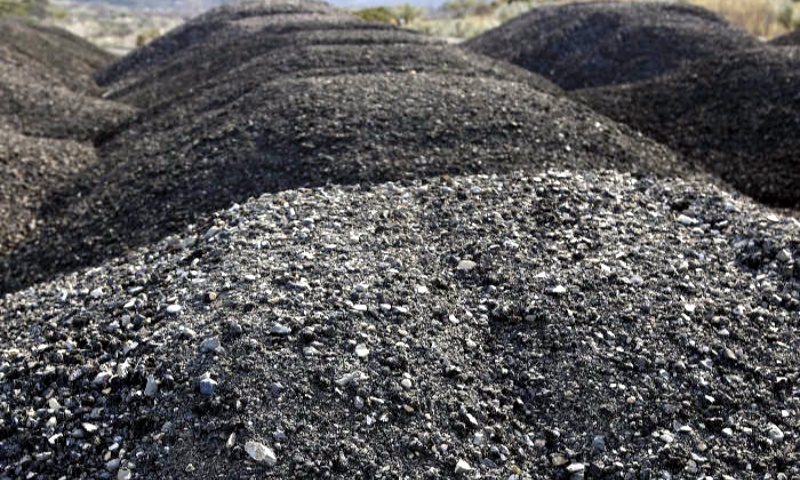
Asphalt mixture is made of coarse aggregate, fine aggregate, filler and asphalt mixed at a specific ratio of composite construction materials, of which the traditional aggregates mainly include crushed stone, sand and crushed gravel, all kinds of components with each other, the formation of a certain degree of strength and toughness of the pavement base material, is the core raw material for asphalt pavement construction.
Asphalt mixture application scene is wide, covering the whole field of road construction and maintenance, can be used for driveways, courtyards, streets, sidewalks, parking lots, airport runways, bike paths and other types of facilities, paving and maintenance, mainly as a surface layer of asphalt pavement or linkage layer, bearing the load bearing, skid-proofing, waterproofing, and other key roles, which directly affects the use of the road experience and service life.
What Are the Different Types of Asphalt Mixtures?
Production of a high-quality asphalt mixture is the first prerequisite, based on the actual needs of the project to choose the appropriate type of mixture. Selection needs to consider the amount of asphalt, the project’s required durability, load bearing capacity, water permeability requirements and other factors, while taking into account the toughness of the material and deformation resistance, to ensure that the performance of the mixture and the application of the scene is highly compatible with the subsequent production and construction quality to lay the foundation.
Hot Mix Asphalt (HMA)
Hot mix asphalt mixture is currently the most widely used type, the production of asphalt and aggregates need to be heated to a specified temperature, the core heating temperature range of 302 ° F – 356 ° F, the initial compaction temperature needs to be maintained at 220 ° F – 290 ° F, heating is completed after the mixing, and then complete the hot paving and compaction operations, to avoid the cooling of materials affecting the construction effect.
The core characteristics of this type of mix are high strength, excellent abrasion resistance, and the ability to withstand the long-term loading of high-traffic highways and streets, which is suitable for the construction of the surface layer and joint layer of high-grade roads. The production process needs to focus on controlling the heating temperature, mixing time and compaction temperature, to avoid aging of asphalt due to excessive heating, while preventing segregation of the mixture to ensure stable overall performance.
Warm Mix Asphalt (WMA)
Warm mix asphalt mixture production process is similar to hot mix asphalt mixture, but the heating temperature is lower than the hot mix type 50 ° F – 100 ° F, by adding warm mixing agent to reduce the viscosity of asphalt, to achieve uniform mixing at low temperatures. Its core advantage lies in low energy consumption and low smoke emission, which can not only reduce the production cost, but also improve the working environment. Meanwhile, the mixing and paving operation time is more abundant, and the transportation distance can be extended, which is suitable for the construction demand in low temperature season or rainy areas.
In the production process, we need to pay attention to the warm mix additive ratio, accurate control of the dosage, to ensure that the mixture in the low temperature state can still maintain good adhesion and strength, taking into account the performance of low-temperature construction and ambient temperature performance, to avoid improper addition of warm mix to avoid damage to the pavement, delamination and other issues.
Cold Mix Asphalt (CMA)
Cold mix asphalt mixture without heating the aggregate, the core of its production is the emulsified asphalt mixed with water, and aggregates, mineral powder mixed directly, in the compaction or maintenance process, the water gradually evaporates, emulsified asphalt emulsion, and ultimately the formation of a stable mixture structure. This type of mixture is easy to construct, very low energy consumption, without complex heating equipment, but its maintenance period is longer, the strength will gradually improve with the maintenance time.
Cold mix asphalt mixtures are mainly suitable for low-traffic roads, pothole repair, temporary road paving, and small-scale maintenance projects in remote areas without heating equipment. The production process should focus on controlling the quality of emulsified asphalt and emulsion breaking speed, to ensure that the mineral material can be emulsified asphalt evenly coated, to avoid water residue resulting in road seepage, lack of strength, affecting the quality of the project.
How Is Asphalt Mixture Made?
High-quality asphalt mixture production needs to follow a standardized, refined process, each link has a direct impact on the final product quality, the core process can be divided into aggregate processing, drying and heating, screening and hot storage, accurate batching, mixing, storage and transportation and environmental protection treatment of the seven key links, each link closely linked, layer by layer control.
Aggregate Processing
Aggregate is the structural skeleton of asphalt mixture, and its quality and gradation directly determine the strength and stability of the mixture, so aggregate processing is the first part of production. Firstly, different specifications of gravel and sand are classified and deposited into the cold bin to avoid mixing of aggregates with different grain sizes, and then the preliminary proportioning is completed through accurate volumetric measurement to ensure that the proportion of each specification of aggregates meets the design requirements, and finally the aggregates after the preliminary proportioning are uniformly transported to the drying drum through the belt conveyor to make preparations for the subsequent drying and heating.
Drying and Heating
Drying drum is the core equipment of aggregate drying and heating, and several sets of long strip-shaped blades are set inside the drum, when the drum is rotating, the blades will continuously lift and scatter the aggregate, so that the aggregate and the flame produced by the burner will be in direct contact, on the one hand, the moisture in the aggregate will be completely removed, so as to avoid the influence of moisture on the bonding effect of asphalt and aggregate, on the other hand, the aggregate will be heated to the specified temperature, so that it will be qualified for the subsequent mixing process. The whole process needs to ensure that the aggregate is heated evenly, the temperature is up to standard and there is no local overheating phenomenon.
Screening and Hot Storage
The heated aggregates need to enter the screening system, through the vibrating screen according to the size of the particle size of the strict classification, the different particle size of the aggregates separated, and then were deposited into the corresponding hot storage for heat preservation and storage. The core purpose of this step is to ensure that the aggregate grading is accurate, to avoid mixing due to particle size resulting in mixing grading deviation, which in turn affects the strength and stability of the final product.
Accurate Batching
Accurate batching is the core link to ensure that the ratio of asphalt mixture meets the design requirements, which directly affects the performance of the mixture. All levels of aggregates in the hot material silo will be accurately weighed according to the design ratio through electronic scales; mineral powder is transported to the metering equipment through a screw conveyor to complete the weighing; at the same time, the hot asphalt is transported by the asphalt pump to the metering device, synchronized with the completion of accurate measurement. The three need to be strictly in accordance with the design ratio for the proportion, to ensure that the measurement error is controlled in a reasonable range, to provide protection for the subsequent mixing quality.
Mixing
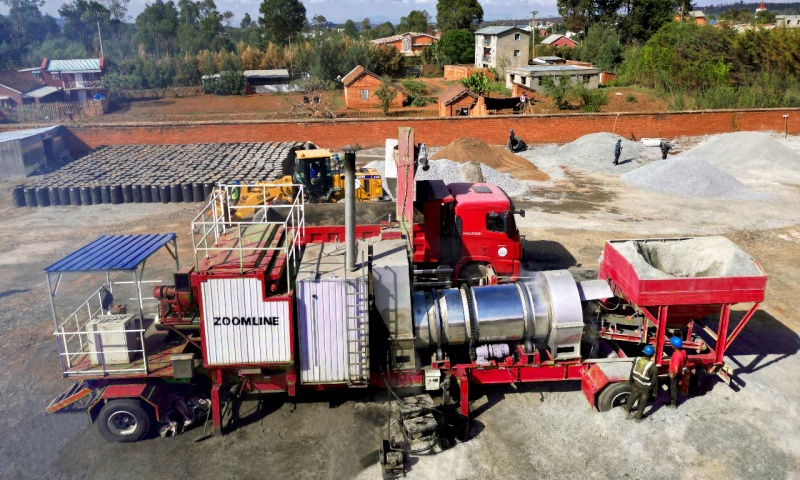
Mixing should strictly follow a specific order, first of all, put the hot aggregate and mineral powder into the biaxial forced mixer for dry mixing, so that the mineral powder is uniformly wrapped in the aggregate surface, to avoid lumps or uneven distribution of mineral powder; after the dry mixing is completed, then the hot asphalt will be uniformly sprayed into the mixture for wet mixing. Twin-shaft forced mixer through the reverse rotation of the mixing shaft, driven by a number of groups of mixing blades on the material for strong mixing, to ensure that the asphalt, aggregate, mineral powder fully integrated to form a uniform and consistent mixture, no segregation, no local coating uneven phenomenon.
Discharge, Storage and Transportation
After mixing is completed, the mixture needs to be discharged for testing, focusing on checking the discharging temperature and uniformity, does not meet the temperature requirements, the existence of segregation phenomenon of the mixture is strictly prohibited from discharging, to avoid affecting the quality of subsequent construction. Qualified mixture will be transported to the thermal insulation storage silo for temporary storage, storage silo needs to have good thermal insulation performance, to prevent heat loss of the mixture, the temperature drops too quickly, while regularly mixing the mixture for slight stirring, to maintain its uniformity. Transportation links need to use thermal insulation trucks, avoid sharp braking and sharp turns during transportation, to prevent the mixture from violently shaking the segregation, to ensure that the temperature of the mixture to meet the construction specifications.
Environmental Protection
Modern asphalt mixture production needs to practice the concept of environmental protection, the production process of waste gas, dust, will be collected through a special pipeline, and then by the dust removal system purification and treatment of emissions, to avoid waste gas, dust pollution of the environment, in line with the requirements of the modern industrial production of environmental protection, to achieve green production.
How to Produce High Quality Asphalt Mixture?
Production of high-quality asphalt mixture, the need for scientific mixture design as a prerequisite, follow the standardized operational procedures, combined with optimization techniques and personnel control, to achieve product quality and production efficiency of the dual enhancement of the specific can be divided into the design basis, step-by-step operation, optimization techniques, personnel training and efficiency analysis of the five aspects.
Understanding the Basics of High Quality Asphalt Mixture Design Methods
Mixture design is the core premise of the production of high-quality asphalt mixtures, the core is to choose the right proportion of aggregate, asphalt binding material, additives, and control a reasonable air porosity, balancing the relationship between the various elements, to ensure that the mixture to meet the rutting resistance, cracking resistance, resistance to water damage performance objectives.
Aggregate as a structural skeleton, its particle size, shape, grading directly affect the strength and stability of the mixture, need to choose a good grading, shape rules, strength up to the standard aggregates;
Asphalt binding material as a binder, its grade and content determines the flexibility and deformation resistance of the mixture, according to the project needs to choose the appropriate grade of asphalt; air porosity needs to be controlled in a reasonable range, too high can easily lead to water seepage of the pavement, early breakage, too low due to thermal expansion and contraction triggered by cracking;
Additives can be added according to the demand of working conditions, such as polymer modifiers, anti-spalling agents, etc., to further enhance the comprehensive performance of the mixture.
Step-by-Step Guide to Produce High Quality Asphalt Mixture Method
Select Suitable Aggregates
Priority is given to the selection of aggregates that meet the size and quality requirements, and a good grading scheme is adopted to maximize the density of the mixture and reduce the internal voids, so as to guarantee the quality of the mixture from the source and avoid subsequent quality problems caused by unqualified aggregates.
Determine Optimum Binder Content
Through the Marshall test or Superpave test, test the stability, flexibility and other properties of the mixture under different asphalt dosage, to find the best asphalt dosage to balance the two, to ensure that the mixture has sufficient strength, but also to avoid cracking, delamination and other problems.
Evaluate Volumetric Properties
Detect the air porosity of the mixture, mineral gap rate (VMA), asphalt fill rate (VFA) and other parameters, through these parameters to predict the use of the performance of the mixture, if the parameters do not meet the design requirements, timely adjustment of the proportioning program.
Conduct Performance Testing
Hamburg rutting test, indirect tensile strength test and other methods to detect the rutting and cracking resistance of the mixture, to ensure that the mixture can withstand all kinds of stresses in the actual working conditions, to meet the project requirements.
Adjust Mix Based on Test Results
Combined with the performance test results, targeted adjustment of aggregate gradation or asphalt dosage, to ensure that the performance of the mixture in line with industry standards and project design goals, to avoid product quality due to ratio deviations.
Document and Review
Detailed records of the mix ratio, test data, adjustments, the establishment of a perfect production file to ensure that subsequent production can maintain consistency, while providing data support for quality control and process optimization.
Practical Tips for Optimizing Asphalt Mixture Design
Use Local Materials When Possible
Priority to the use of local materials, not only to reduce the cost of transportation of raw materials, but also to ensure that the material is suitable for the regional climate and road conditions, to improve the applicability of the mixture, reduce the quality problems caused by the mismatch between the material and the environment.
Leverage Software Tools
With the help of professional software tools, we can simulate the performance of mixes, quickly optimize the proportioning scheme, reduce the number of tests, improve the design efficiency, and at the same time, ensure the scientificity and rationality of the proportioning.
Collaborate with Testing Labs
Cooperating with professional testing laboratories, we can accurately interpret the test data, find the deficiencies in the design scheme, further improve the design, and ensure that the performance of the mixture meets the standards.
Stay Updated on Specifications
Keeping up with the industry standards, we keep abreast of the latest technical specifications and quality requirements to ensure that the design scheme is compliant, and to avoid the product being unusable due to non-compliance with the standards.
Conduct Small-scale Trial Production
Before large-scale production, carry out small-scale trial production to observe the actual construction performance and use of the mixture, and adjust the design and production parameters according to the results of the trial production to avoid quality problems in large-scale production.
Staff Training and Development for Asphalt Mixture Production Efficiency
Personnel operation is an important factor affecting the quality of asphalt mixture production, the need to establish a perfect training system, regular professional skills training, training content covers asphalt mixing plant equipment operation, safety standards, quality control procedures, etc., to enhance the professionalism of employees and operating level, to reduce the quality of operational errors caused by quality problems and safety accidents.
At the same time, we need to pay attention to the continuous ability of employees to improve, organize employees to learn the industry’s new technologies, new standards, to understand the latest production processes and quality control methods, to ensure that employees can adapt to the industry’s development needs, to provide human resources for the production of high-quality asphalt mixtures.
Measuring and Analyzing Asphalt Mixture Production Efficiency
Production efficiency and quality control complement each other, we need to focus on the core performance indicators (KPIs), including energy consumption per ton of mixture, raw material loss rate, the production rate of different mixtures, the efficiency of equipment operation and downtime, the actual production and the comparison of the expected goals, etc., through the comprehensive measurement of the production efficiency of these indicators.
Statistical analysis tools can be used to collect real-time data in the production process, in-depth analysis of data to identify the weak links in the production process, targeted optimization of the production process and equipment operation, reduce production costs, improve production efficiency, while ensuring product quality and stability.
The Role of Quality Control in Asphalt Mixture Production
Quality control is the core of the whole process of asphalt mixture production support, through the raw materials into the field, production and processing of finished products to the factory of each key link, to protect product quality, enhance production efficiency, to avoid industry risks play an irreplaceable key role, its core value is mainly reflected in the following four aspects:
First, to build a firm product quality line of defense, to ensure that the finished asphalt mixture is strictly in line with the durability, performance and other industry standards and project design requirements, fundamentally safeguard the quality of road construction, effectively extend the life of the entire life cycle of the road to reduce the frequency and cost of repair and renovation of the pavement in the later stages.
The second is to guard the bottom line of construction safety, through strict control of the quality of raw materials, standardize the production and operation process, effectively avoiding production and construction safety accidents caused by unqualified materials and non-standardized operation, and effectively safeguarding the personal health and operational safety of construction personnel.
Thirdly, it realizes quality improvement, cost reduction and efficiency increase, optimizes the production process through the whole process of quality control, reduces energy waste and raw material loss, reasonably controls all kinds of losses in the production process, effectively reduces the production cost per unit of product, and realizes the double enhancement of quality and efficiency.
Fourth, to maintain stable production quality, through real-time tracking of production data, accurate analysis of quality parameters, timely detection of deviations in the production process and adjust the production parameters, effectively avoiding quality fluctuations in different batches, different times of the mixture, to protect the continuity of production, to avoid quality problems affecting the progress of the project and the overall benefits.
Common Considerations Regarding Asphalt Mixture Quality Control
In addition to conventional quality control measures, we also need to pay attention to the following points to consider, to further improve the quality control system, to ensure that the quality of the mixture meets the standard.
Strictly follow the national and industry technical standards, clear quality requirements and testing methods, to ensure that the production and testing work compliance, to avoid quality problems due to non-compliance with standards.
Strengthen supplier management, select reliable raw material suppliers, establish long-term and stable cooperative relationship, and regularly evaluate and audit the suppliers to ensure that the suppliers can continue to provide raw materials that meet the requirements, and safeguard the quality of raw materials from the source.
Establish a mechanism to deal with unqualified products, handle and trace the unqualified products in the production process, analyze the reasons for the unqualified products, and take targeted preventive measures to avoid the recurrence of similar problems.
We have obtained ISO 9001 and other quality management system certifications, and regularly carry out internal and external audits to ensure the effectiveness and compliance of the quality management system and continuously improve the level of quality control.
Pay attention to the industry’s new technologies, new achievements, and actively participate in technical exchanges and cooperation, through technological innovation to optimize the quality control methods and production processes, to improve the quality of the mixture and production efficiency.
What Measures Can Be Taken for Asphalt Mixture Quality Control?
Quality control is the core work throughout the production of asphalt mixtures, the need to establish a whole process, multi-dimensional control system, from raw materials, production processes, finished product testing to the construction of the system, layer by layer control, to ensure that each batch of mixes are in line with industry standards and project requirements.
Selection of Raw Materials
Raw materials are the basis for the production of high-quality asphalt mixtures, need to strictly select high-quality raw materials in line with national or industry standards, focusing on controlling the quality of asphalt, aggregates, mineral powders, to ensure that their physical properties, chemical properties are up to the design requirements, to prevent unqualified raw materials into the field, to avoid quality risks from the source.
Detection and Analysis
For each batch of raw materials entering the field, we need to carry out a full range of testing and analysis, testing indicators include the appearance of raw materials, density, viscosity, softening point, penetration, solubility, etc., through the professional laboratory testing, to ensure that the quality of raw materials is stable, and raw materials that do not meet the requirements are strictly prohibited from being put into production, so as to avoid fluctuations in the quality of raw materials to affect the performance of the mixture.
Production Process Control
During the production process, we need to strictly control the key parameters, including aggregate heating temperature, asphalt heating temperature, mixing time, mixing speed, as well as the dosage of additives and the order of adding them, strictly follow the standardized production process, and arrange special people to carry out the whole process of inspection, real-time monitoring of the production status, and immediately shut down and adjust the abnormalities found, to ensure that the production process meets the quality requirements.

Quality Monitoring
Establish a perfect quality control system, realize the whole process monitoring, including raw material procurement inspection, production process monitoring, finished product inspection, establish a detailed monitoring and recording mechanism, tracking and recording the quality of each link, to ensure that the quality problems can be traced, and timely detection and resolution of quality hazards in the production process.
Product Inspection
Before the finished mixes leave the factory, the whole test should be carried out, including the appearance, physical properties, chemical composition of the finished products, etc. Through laboratory testing to confirm that the finished products meet the industry standards and project design requirements, unqualified finished mixes are strictly prohibited from leaving the factory to avoid affecting the quality of road construction.
Quality Management System
Establish and improve the quality management system, formulate detailed quality control plan, standardize the document management process, carry out quality training for all staff, improve the stability and controllability of mix quality through standardized management, ensure that the whole process of production is regulated and documented, and promote the normalization and standardization of quality control work.
Continuous Improvement
Regular assessment and analysis of quality control work, sum up the lessons learned, for the production process of quality problems, find the root cause, optimize the control measures and production processes, and continue to improve the stability and reliability of the quality of the mixture, and constantly improve the quality control system to adapt to industry development and project needs.
Advanced Asphalt Mixture Design Techniques
With the continuous development of industry technology, asphalt mixture design technology is also continuously upgraded, the mainstream advanced design techniques include Marshall method, Superpave method and Balanced Mix Design (BMD) method. Among them, Marshall method and Superpave method are mainly used to improve the volumetric properties and performance of the mixture, through scientific testing and design, optimize the mix ratio; Balanced Mixture Design (BMD) method focuses on testing the rutting and cracking resistance of the finished mixture, and at the same time pay attention to the volumetric properties, to ensure that the mixture meets the requirements of structural strength, but also has a good use of the function.
Performance testing is the key to the landing of advanced design technology, commonly used test methods, including Hamburg rutting test, moisture sensitivity test, etc., through the simulation of actual working conditions, testing the performance of the mixture in different environments and load conditions, to ensure that the mixture can withstand various types of stresses, to meet the long-term use of road engineering needs.
Common Challenges in Asphalt Mixture Production
In the process of large-scale production of asphalt mixtures, raw materials, technology, policy, market and other factors, practitioners generally face four core challenges, directly affecting production efficiency, product quality and industry competitiveness, as follows:
The Pressure of Environmental Compliance Continues to Rise
With the environmental policy continues to tighten, how to effectively reduce the carbon footprint of the production process, reduce emissions, dust and other pollutants to promote the production model to the green and low-carbon transformation of the industry’s sustainable development must be cracked an important issue;
The Quality Stability is Difficult to Control
By the fluctuation of raw materials, equipment operation status, operation specification implementation and other factors, different batches, different time of production of the mixture is prone to quality deviation, it is difficult to maintain a stable and consistent product quality;
The Quality and Efficiency, Cost is Difficult to Balance
How to scientifically deploy aggregate, binder, filler ratio, in strict protection of product performance standards, under the premise of optimizing the production process, improve production efficiency, while effectively controlling the cost of raw materials and energy costs, is the core of the production process of pain;
The Policy and Market Demand for Double Compulsion
In the face of increasingly stringent environmental regulations and market demand for high-quality, green mix, how to improve production efficiency, to protect the core performance of the product on the basis of environmental standards and economic benefits of the double enhancement, become an important test of the industry’s development.
Environmental Considerations in Modern Asphalt Mixture Production
With the depth of the concept of environmental protection and environmental policy tightening, green production has become an inevitable trend in the production of asphalt mixture, the industry is practicing through a variety of measures to meet the environmental requirements to achieve sustainable development.
Enhance Energy Efficiency
Widely used warm mix asphalt technology, compared with the traditional hot mix asphalt production process, can effectively reduce fuel consumption, reduce carbon emissions and smoke emissions, not only to reduce production costs, but also to improve the operating environment; at the same time, equipped with carbon emission reduction engine, to further reduce carbon emissions per unit of product, to realize the concept of green production.
Promote Recycling
Establish the recycling system of old asphalt pavement materials (RAP), mix the recycled old asphalt pavement materials into the new mixture, save the use of virgin aggregate, reduce waste emissions, and realize the recycling of resources, while reducing the cost of raw materials, taking into account both environmental protection and benefits.
Research and Development of Innovative Environmental Protection Materials
Actively research and develop and apply asphalt mixtures with recycled materials, incorporate recycled materials such as recycled plastics, glass and used tires into the production of mixtures, reduce the use of virgin materials without affecting the performance of the product, realize the double enhancement of environmental protection and performance, and promote the green development of road engineering.
Adopt Clean Equipment and Energy
Promote the use of carbon emission reduction equipment to reduce pollutant emissions in the production process; at the same time, cooperate with asphalt mixing plants that use renewable energy sources (such as wind power) to reduce carbon emissions in the production process, to realize the environmental upgrading of the whole industrial chain, and to promote the production of asphalt mixtures in the direction of low-carbon, green and sustainable development.
Conclusion
In summary, the core of the production of high-quality asphalt mixture lies in the accurate mixture design, standardized production process, the whole process of quality control and green production concept, only the organic combination of these four elements, taking into account the performance, efficiency and environmental protection, in order to produce high-quality asphalt mixture in line with industry standards, to meet the needs of the project, to provide a solid guarantee of the quality of road projects. Whether it is hot mix for high grade highways, warm mix for low temperature construction, or cold mix for emergency maintenance, we need to strictly follow the production specifications and quality control requirements, and control the details of each link.
For asphalt mixing plant practitioners, engineers and technicians, we will provide professional technical support, including customized production solutions, quality control process optimization, advanced technology consulting and other services, to help you solve the pain points and difficulties in the production process, to achieve high-efficiency, high-quality, green production of asphalt mixtures, and to promote the high-quality development of the road engineering industry.