





How to Find the Best Asphalt Plant Near Me
In road construction, municipal maintenance, commercial paving, and other engineering projects, asphalt mixing plants serve as the “supply heart” for core raw materials. Their product quality, supply stability, and technical support capabilities directly determine project quality, construction efficiency, and cost control. However, when buyers search for “asphalt plants near me” online, they often encounter multiple information barriers and decision-making dilemmas: vast supplier listings are cluttered with advertisements and invalid data, making it difficult to verify the authenticity of certification documents; asphalt produced by different manufacturers lacks intuitive comparisons on key technical parameters like penetration, softening point, and elongation, failing to meet project-specific requirements; Some suppliers also harbor hidden risks like insufficient production capacity or excessive transportation distances, which can easily stall construction progress. This article provides a systematic evaluation framework—covering qualification verification, technical comparisons, site visits, and after-sales support—to help you accurately screen, compare, and identify the most suitable local asphalt mixing plant supplier or manufacturer, making procurement decisions more efficient and reliable.
Understand Your Actual Needs Before Searching
Before initiating the asphalt mixing plant selection process, precisely identifying the project’s core requirements is crucial. This not only significantly improves supplier matching efficiency but also effectively avoids selection risks caused by ambiguous requirements, laying a solid foundation for subsequent project execution.
Project Scale & Asphalt Demand
Accurately calculate production capacity requirements: Precisely assess the average daily asphalt output based on project scale (recommended capacity range: 40-400 tons/hour). This metric directly determines the mixing plant’s core production capability, preventing resource wastage from “overkill” or equipment idling.
Thoroughly analyze project attributes:
◦ Short-Term Projects: For temporary initiatives like residential road upgrades or localized municipal repairs, prioritize modular, mobile plants with flexible deployment to ensure rapid response and efficient turnover.
◦ Long-Term Projects: For sustained construction like highways or urban ring roads, focus on continuous operation stability, intelligent management systems, and scalable capacity expansion to guarantee reliable full-cycle production.
Asphalt Types Required
Asphalt performance requirements vary significantly across different project scenarios:
- Conventional road construction: Hot Mix Asphalt (HMA) remains the economical and practical choice due to its mature technology and consistent performance.
- Environmentally sensitive projects:Warm Mix Asphalt (WMA) excels in reducing energy consumption and smoke emissions, aligning with green construction requirements.
- Resource recycling projects:Focus on recycled asphalt (RAP/RAS) blending ratios; some advanced equipment achieves up to 50% recycled material utilization, balancing environmental and cost benefits;
- High-grade infrastructure: For projects like highways and bridges demanding stringent strength and durability, verify suppliers’ capability to produce polymer-modified asphalt to ensure long-term service performance.
Asphalt Mixing Plant Type Preference
Select appropriate types based on construction scenarios and site conditions
During asphalt mixing plant selection, the core equipment type directly impacts project quality and efficiency.
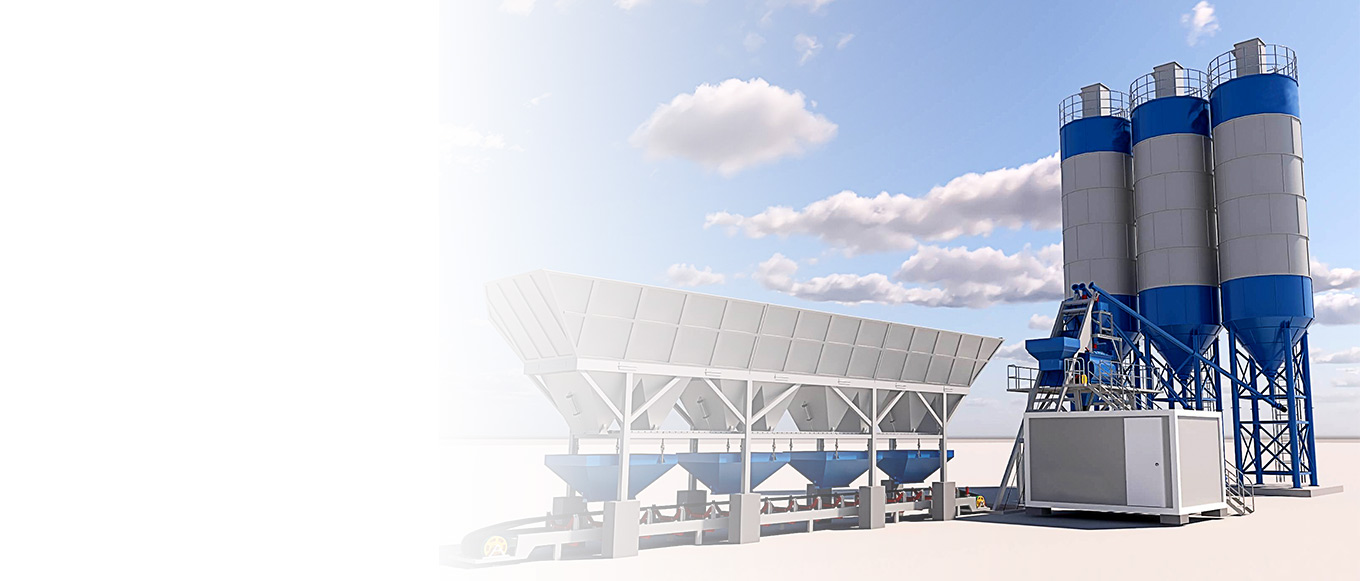
Batch Mix Plant: Utilizes a batch-measured mixing mode. By precisely controlling the sequence and proportions of aggregate, asphalt, and powdered materials, it achieves a mix ratio accuracy of ±0.5%. This equipment is particularly suitable for projects demanding stringent asphalt mixture uniformity and stability, such as high-grade highways and airport runways. For instance, in urban elevated bridge construction, ensuring thorough asphalt-aggregate coating to withstand long-term heavy loads requires laboratory-grade precision—a capability batch plants reliably deliver.
Continuous Mixing Plant : Leveraging continuous feeding and dynamic mixing principles, this plant offers significant capacity advantages. Its drum-based structure enables integrated aggregate heating and mixing, achieving hourly outputs exceeding 400 tons. It is particularly suited for large-scale infrastructure projects, such as interprovincial highway construction, meeting daily asphalt mixture supply demands of tens of thousands of tons. Notably, continuous mixing plants maintain high mix ratio accuracy through real-time monitoring and dynamic adjustments, making them suitable for projects prioritizing efficiency over absolute precision.
Equipment installation configurations should be selected based on construction timelines and site characteristics:
- Mobile Asphalt Mixing Plant: Featuring modular design, the entire unit is integrated onto a towable chassis or container. Relocation requires only 3-5 days for disassembly and reassembly, making it suitable for dispersed construction sites like municipal road renovations or rural highway projects. For instance, in old urban district road refurbishments requiring frequent site changes, mobile plants enable rapid response and reduce material transportation costs.
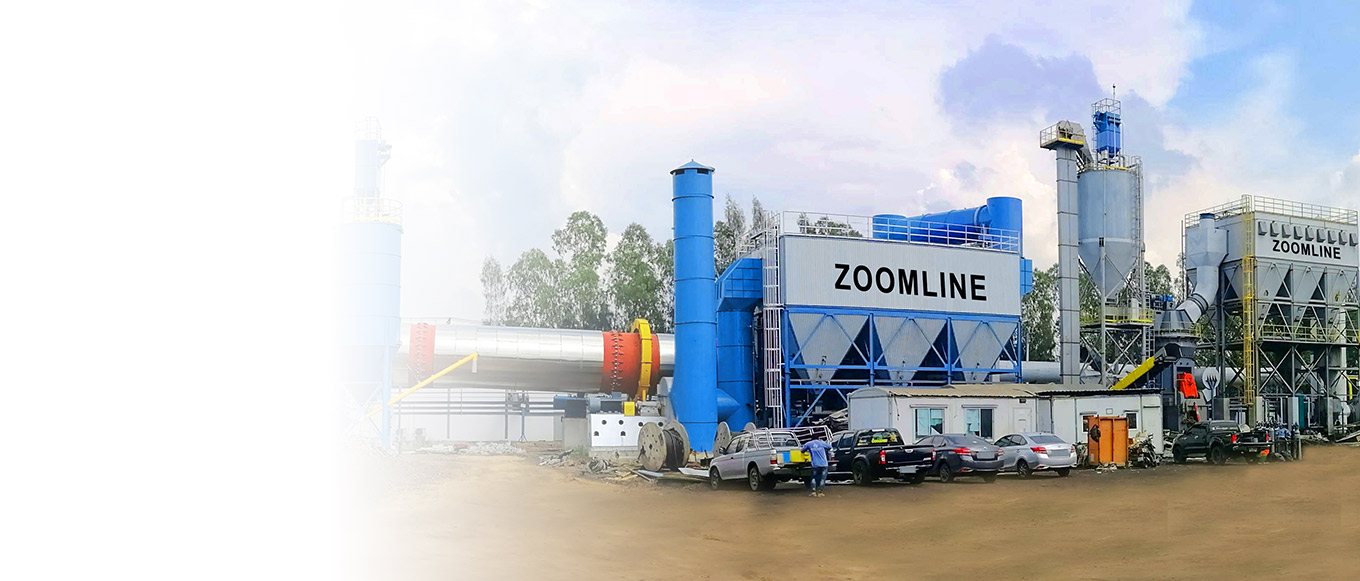
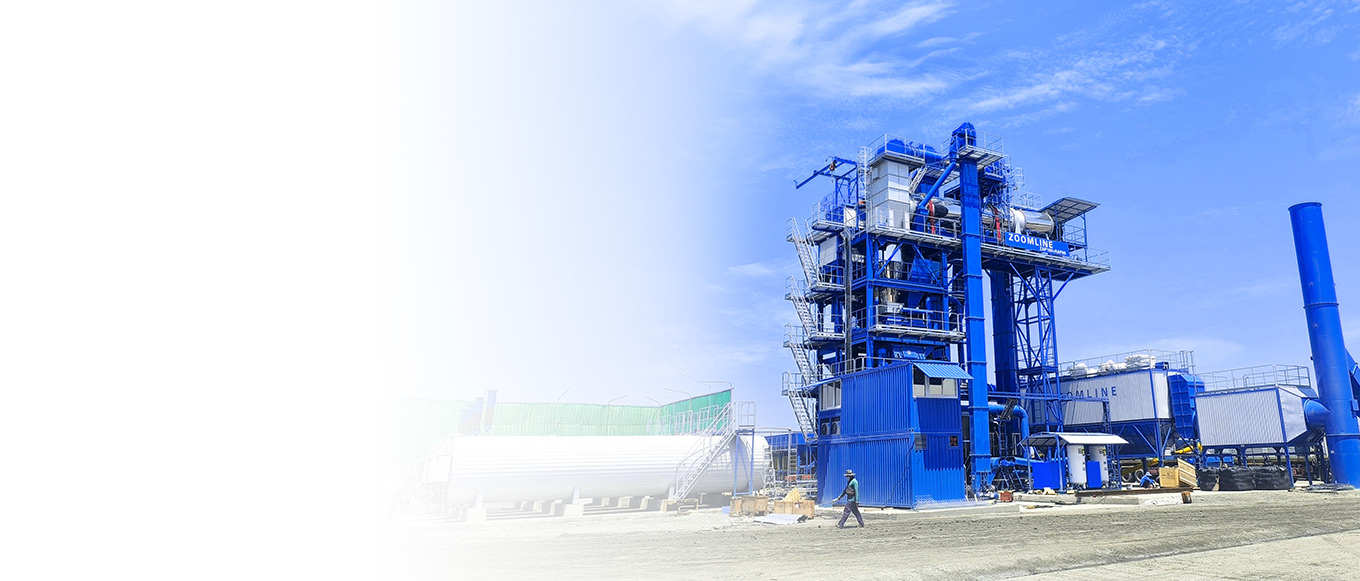
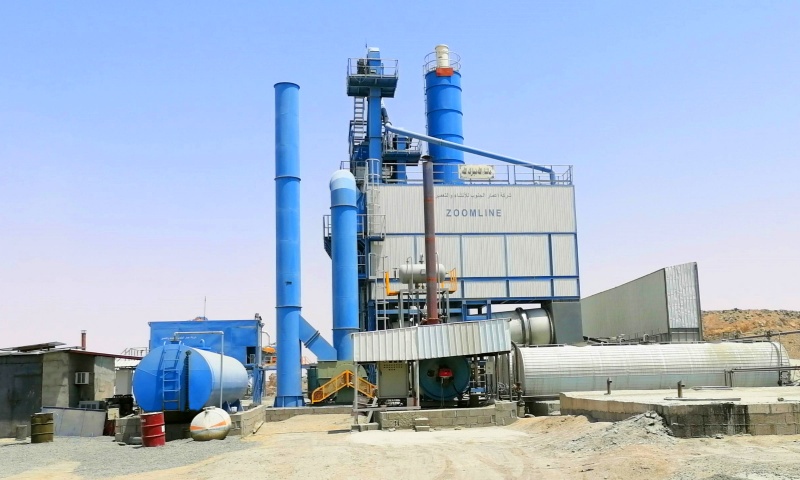
- Stationary Asphalt Mixing Plant:As the benchmark for production capacity, it features fully enclosed steel structures and large storage silos enabling 24/7 continuous operation with annual output reaching millions of tons. This equipment suits long-term projects exceeding one year, such as urban ring roads and large bridges. Its stable output and automated control systems effectively ensure project progress.
Essential Factors to Evaluate When Choosing an Asphalt Plant Nearby
When selecting suppliers, conduct a comprehensive assessment based on core dimensions including production capacity and efficiency, technical configuration level, technological capability, environmental compliance, equipment quality and manufacturing standards, and overall cost. Avoid prioritizing price over critical indicators such as equipment stability, emissions compliance, and quality traceability systems.
Production Capacity & Efficiency
- Capacity Alignment:Asphalt demand often surges exponentially during project peak periods. Therefore, when selecting an asphalt mixing plant, utilize professional engineering calculation tools in conjunction with the construction schedule to precisely determine the daily peak material consumption. Prioritize plants with capacity exceeding the projected peak by 20% to prevent construction delays and overall project setbacks due to equipment undercapacity. Additionally, evaluate whether the plant offers flexible scheduling mechanisms—such as parallel multi-line production or backup equipment reserves—to handle sudden demand fluctuations.
- Mixing Precision Standards:The accuracy of asphalt mixture proportions directly determines road construction quality. Strict control of mixing precision is essential, ensuring mixture ratio deviations remain within ±1%. Verify whether the plant employs advanced dynamic metering systems—such as high-precision sensors integrated with intelligent control systems—that monitor aggregate, asphalt, and powder feed rates in real time with automatic correction capabilities. Additionally, the mixing plant must provide third-party quality inspection reports covering the past three months to guarantee consistent finished material quality.
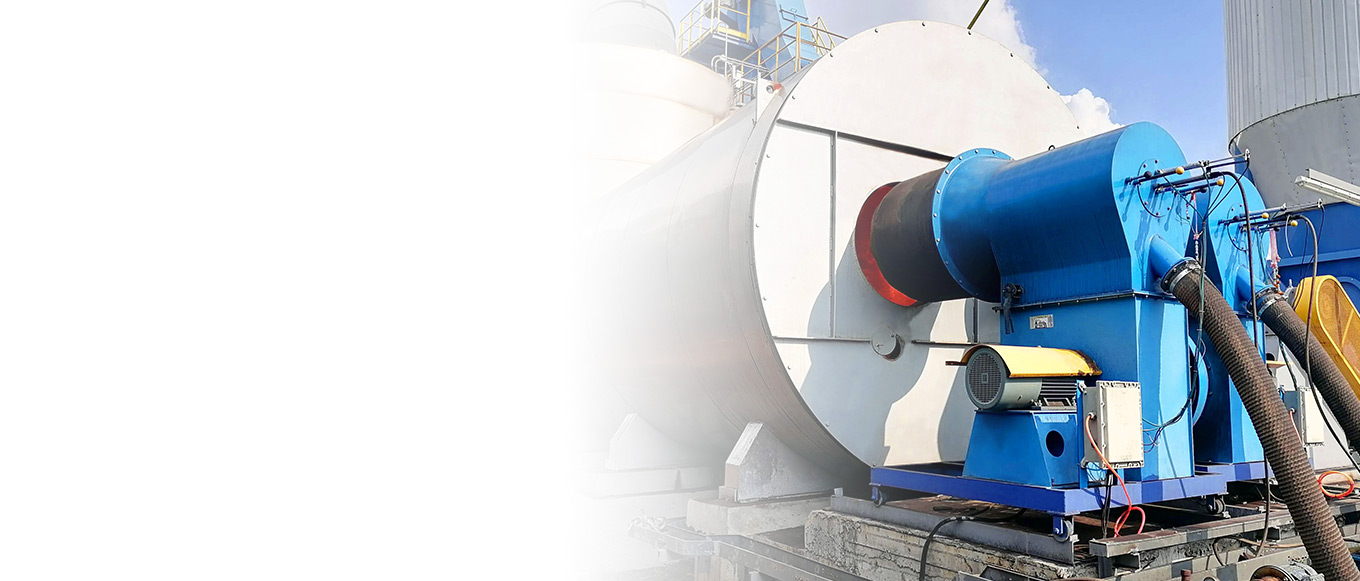
- Drying System Efficiency:As the core module of an asphalt mixing plant, the drying system requires thorough evaluation of key parameters such as drum thermal efficiency and dust removal environmental performance. Prioritize plants employing new counterflow drying drum technology, which extends aggregate heat exchange time within the drum by over 30%. This ensures uniform heating and stable gradation of asphalt mix, enhancing pavement compaction and extending road service life from the source. Additionally, verify the plant is equipped with high-efficiency pulse-jet baghouse dust collectors to ensure dust emission concentrations remain below national environmental standards, enabling green production.
Technical Configuration Level
Combustion System: Prioritize burner types compatible with local energy and environmental requirements (fuel oil/coal/gas). Recommend high-efficiency, energy-saving products like gas burners, which offer higher combustion efficiency and lower pollution compared to coal-fired alternatives, aligning better with environmental trends. Also consider the burner’s modulation ratio—a higher ratio indicates greater adaptability to operating conditions, better meeting production demands.
Dust Removal System: Prioritize baghouse dust collectors or wet scrubbers. Both demonstrate significant effectiveness in dust treatment, ensuring strict compliance with dust emission standards. Baghouse dust collectors utilize filter bags to capture dust, offering high removal efficiency, large airflow capacity, and stable performance, making them suitable for various asphalt mixing plants. Wet scrubbers utilize water-dust contact to wash away particulates. Their advantage lies in simultaneously removing dust and certain harmful gases, with superior performance when handling high-humidity or sticky dust. When selecting a dust collection system, comprehensive consideration must be given to the mixing plant’s actual operating conditions, dust characteristics, and local environmental standards to ensure stable equipment operation and compliance with environmental requirements.
Control System: Higher automation levels (such as PLC intelligent control systems) minimize human error and enhance production efficiency. PLC systems enable precise control and real-time monitoring of the entire asphalt mixing plant process—from raw material metering and conveying to mixing and finished product storage—allowing automated operations. The system automatically adjusts equipment settings based on preset production formulas and process parameters, ensuring consistent product quality. Additionally, the PLC system features fault diagnosis and alarm functions, enabling timely detection of equipment malfunctions and prompting maintenance to effectively reduce downtime. Furthermore, integration with computer management systems allows for automatic collection, analysis, and management of production data, providing robust support for corporate decision-making.
Recycled Material Integration Technology: For applications requiring recycled asphalt, verify the equipment’s integrated capability for RAP crushing, heating, and blending. With heightened environmental awareness and growing demand for resource recycling, recycled materials are increasingly applied in asphalt mixing plants. Equipment with efficient RAP processing capabilities can crush and heat recovered old asphalt pavement materials to achieve appropriate temperature and particle size, then blend them with new materials at specific ratios to produce recycled asphalt mix meeting quality requirements. When selecting equipment, prioritize the crushing effectiveness of RAP to ensure uniform particle size meeting production requirements. The heating system must possess excellent temperature control to guarantee uniform RAP heating without aging. The blending system requires high-precision metering to ensure accurate ratios between recycled and new materials, thereby maintaining stable quality of the recycled asphalt mixture.
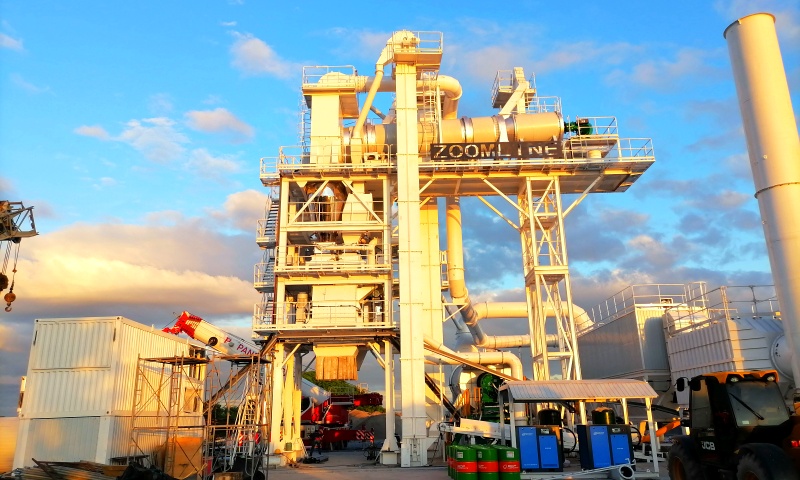
Environmental Compliance
Environmental protection is now a “hard requirement” for asphalt plant selection: Strictly verify whether suppliers meet local environmental regulations. Beyond confirming valid emission certificates for dust, exhaust gases, and noise, thoroughly investigate the company’s environmental investment and enforcement efforts. At the equipment level, prioritize facilities equipped with high-efficiency pulse baghouse dust collectors, low-temperature plasma exhaust purification systems, and double-layer soundproofing panels. These installations can control dust emissions below 20 mg/m³ and reduce noise levels to under 75 decibels. Additionally, request suppliers to provide third-party operational efficiency reports for environmental equipment to avoid project delays and financial losses due to shutdowns caused by non-compliance. Prioritize mixing plants employing asphalt fume recovery technology and waste recycling systems, as these facilities not only reduce production costs but also demonstrate a commitment to long-term compliance.
Equipment Quality and Manufacturing Standards
Material quality and manufacturing processes directly determine service life:
In-depth Examination of Core Component Materials
◦ Mixer: Prioritize mixers manufactured from high-strength alloy steel, which offers exceptional wear resistance and corrosion resistance, significantly extending service life. For instance, premium drums utilize wear-resistant alloy steel plates exceeding 20mm in thickness, maintaining stable performance during prolonged high-load mixing operations.
◦ Blades: As key components directly contacting materials, blade wear resistance is critical. Tungsten carbide overlay blades represent a current advanced option. This process creates an extremely hard wear-resistant layer on the blade surface, extending service life by 3-5 times compared to standard blades. Additionally, attention should be paid to blade design angles. A reasonable helix angle ensures more uniform material mixing and reduces premature wear caused by uneven stress distribution on the blades.
◦ Drying drum: The drying drum endures dual erosion from high temperatures and materials. Premium cylinders typically employ special steel resistant to high temperatures and deformation, with multiple layers of wear-resistant liners installed internally. Common liner materials include high-chromium cast iron and ceramic tiles. The former offers high hardness and good toughness, while the latter provides exceptional wear resistance, effectively withstanding abrasion from sand and gravel materials.
Craftsmanship Details Demand Attention
◦ Welding Process: Precision welding is crucial for equipment quality. Automated welding equipment, such as robotic welding technology, ensures uniform, robust welds while minimizing defects like porosity and slag inclusions. Non-destructive testing (NDT) of critical welds—including ultrasonic and X-ray inspection—further guarantees weld integrity.
◦ Steel Structure Manufacturing: The steel framework determines overall stability. High-quality steel structures utilize premium low-alloy high-strength steel, processed through precise CNC cutting and forming to guarantee dimensional accuracy. Pre-assembly techniques during construction identify and resolve installation issues early, ensuring structural integrity and stability.
Certification Standards as Quality Endorsement
Prioritize manufacturers holding international certifications such as CE and ISO. CE certification indicates compliance with European safety, health, and environmental standards, covering mechanical safety, electrical safety, and more. ISO certifications (e.g., ISO 9001 Quality Management System, ISO 14001 Environmental Management System) demonstrate the manufacturer’s adherence to standardized and professional practices in quality and environmental management. These certifications not only serve as strong proof of equipment quality but also reflect the company’s management level and technical strength. They ensure the purchased asphalt mixing plant equipment meets high industry standards, providing reliable assurance for long-term stable operation.
Cost Considerations
Do not focus solely on equipment quotes; calculate total lifecycle costs:
Equipment Purchase Price: The initial purchase price is a key decision factor, but low-cost equipment may feature reduced specifications or subpar core component performance. Exercise caution against sacrificing equipment quality and long-term stability for excessively low prices.
Fuel Consumption: As high-energy-consumption equipment, fuel costs account for 30%-40% of asphalt mixing plant operational expenses. Equipment equipped with intelligent combustion control systems can precisely regulate fuel injection, effectively reducing fuel consumption by 8%-12%. This yields significant long-term cost savings.
Spare Parts Replacement Costs: The lifespan and procurement costs of wear-prone components like mixing blades and conveyor belts directly impact operational expenses. While imported brand spare parts carry higher unit prices, their replacement cycles can extend by 2-3 times. Overall, their long-term total cost proves lower.
Maintenance Expenses: Equipment failure rates and after-sales service response times significantly influence maintenance costs. Prioritize equipment with remote diagnostics capabilities, as these can proactively detect potential faults and minimize downtime losses. Data indicates that suppliers with 24/7 after-sales teams reduce annual equipment downtime by 40% compared to standard providers.
Additionally, delivery lead times and installation costs warrant attention, as these directly impact project launch efficiency and initial investment.
4 Efficient Ways to Find Nearby Asphalt Mixing Plants
Master efficient search strategies to pinpoint cost-effective asphalt mixing plants and eliminate inefficient screening hassles.
Leverage Search Engines and Map Tools
- Precision Search with Keyword Combinations:
◦ Use phrases like “asphalt mixing plants near me,” “local asphalt mixing plant suppliers + city name,” or “regional asphalt mix manufacturers” to pinpoint target suppliers.
◦ Incorporate long-tail keywords like “asphalt mixing plant quotes” or “recommended high-quality asphalt mixing plants” for more targeted results.
- Efficient Map Tool Search:
Open Google Maps or similar software, enable filtering, and enter “asphalt mixing plant” to quickly locate nearby sites. Simultaneously, review user ratings and comments to gain immediate insight into service quality and product reputation.
- Deep Dive into Authoritative Directories:
Consult Yellow Pages, commercial directories published by authoritative industry associations, or government-registered directories to obtain supplier information with verified qualifications, ensuring the reliability and professionalism of potential partners.
Leveraging Industry Platforms and Specialized Markets
- When screening suppliers on authoritative B2B platforms like Alibaba, Made-in-China, or Global Sources, adopt a “three-tier screening method”:First, narrow down options based on fundamental criteria like location and production capacity. Second, thoroughly examine corporate documents such as business licenses, production permits, and quality certifications, focusing on whether they possess qualifications for supplying highway engineering materials. Finally, compare product specifications—paying close attention to core parameters like asphalt grade, mixing precision, and environmental standards—while also evaluating buyer reviews and dispute resolution records to comprehensively assess the supplier’s overall capabilities.
- Actively participate in specialized road construction forums to gather actionable insights through two approaches: Engage in discussions like “Field Visit Experiences at Asphalt Plants” to observe authentic feedback from industry practitioners based on real projects. Alternatively, proactively post requests detailing project specifications and procurement budgets to collect firsthand resources recommended by peers.
Ask for Recommendations
Consulting local contractors, municipal engineering departments, and road project owners is a prime channel for obtaining authentic asphalt plant information. Their firsthand collaboration experiences provide the most reliable references, effectively mitigating hidden risks. During consultations, prioritize recommendations for projects similar in scale to your own. For instance, for small-scale community road renovation projects, focus on contractors with experience in comparable work to understand their mixing plant partners’ performance in capacity matching, delivery timeliness, and asphalt quality consistency. For large-scale highway construction projects, reference municipal engineering departments’ collaboration experiences in major infrastructure projects—this targeted approach makes it easier to identify high-quality mixing plants that precisely meet project requirements.
Visit Nearby Asphalt Plant Projects
Visiting local road and bridge construction sites offers an excellent opportunity to observe asphalt mixing plants in real-world operation. Upon arrival, examine the plant’s brand identification, model specifications, and overall layout. Pay attention to equipment operational status, such as abnormal noise levels or dust emissions. Simultaneously, document the batching plant’s discharge frequency and the appearance of the mix. High-quality asphalt mix should exhibit uniform coloration without streaks or lumps.
When interacting with on-site construction personnel, employ targeted questioning strategies. Ask operators about the equipment’s daily failure rate, ease of maintenance, and the lifespan of critical components. Consult technical supervisors regarding discharge precision control levels and how automation enhances construction efficiency. Consult quality management personnel about the actual performance metrics of the mix, such as whether Marshall stability and flow value consistently meet standards. By collecting multi-dimensional feedback on-site and integrating it with your project requirements, you can comprehensively evaluate the actual performance of asphalt mixing plants from different brands, thereby obtaining the most valuable first-hand operational information.
Practical Methods for Comparing Different Asphalt Mixing Plants
After shortlisting 3-5 potential suppliers, make the optimal selection through multi-dimensional comparison.
Conduct On-site Factory or Production Facility Inspections
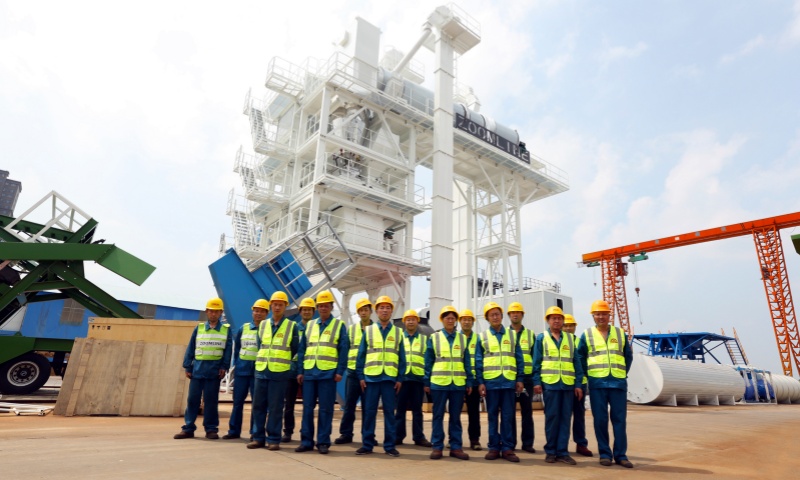
Schedule visits to suppliers’ production workshops to systematically evaluate the advanced nature of production equipment, standardization of process flows, and completeness of quality control systems. Observe asphalt mixing plants in operation, focusing on equipment stability, discharge efficiency, and the actual treatment effectiveness of environmental protection facilities. Engage in in-depth discussions with the technical team to understand the company’s R&D investment and technological capabilities, assessing their capacity to tackle complex project challenges.
Verify Case Studies and Customer Feedback
- Request successful installation cases from similar local projects (e.g., comparable road construction scale and paving materials). Verify project scale, actual operational duration, and performance data through site visits or official documentation.
- Review full-process operational videos of the equipment, focusing on core performance metrics such as automation level, production capacity stability, and material ratio accuracy.
- Conduct in-depth research on industry reputation and user evaluations, concentrating on key dimensions including mean time between failures (MTBF), records of major safety incidents, supplier after-sales response timeliness, and maintenance service coverage.
Evaluating After-Sales Service Quality
Comprehensive after-sales support is essential for long-term stable operation. Assess supplier service capabilities across three dimensions:
Technical Support System: Verify if the supplier provides foundational services like equipment installation/commissioning and specialized operator training.
Spare Parts Supply Efficiency: Understand inventory levels for wear parts and core components. Prioritize suppliers with localized warehousing capabilities and 48-hour emergency response.
Value-added services: Evaluate whether remote fault diagnosis, regular preventive maintenance inspections, and similar services are offered to minimize downtime losses caused by equipment failures.
5 Red Flags to Avoid When Choosing an Asphalt Plant
During procurement, decisively abandon any supplier presenting the following situations to avoid pitfalls:
- Quotes significantly below market averages with vague equipment specifications, indicating a “low-price trap”
If a supplier’s quote deviates over 30% from industry averages while technical specifications remain vague—e.g., listing only “standard configuration” without detailing core parameters like motor power or mixing shaft speed—hidden quality risks are likely. Some unscrupulous vendors cut costs by using secondhand core components or thinner steel plates, leading to skyrocketing failure rates post-commissioning and long-term maintenance costs far exceeding initial savings.
- Suppliers unable to provide clear factory address, business license, or lack actual operational case studies
Reject suppliers unable to provide a physical factory location or scanned copies of original business licenses. Verify their operational status and administrative penalty records through the National Enterprise Credit Information Publicity System. Additionally, request inspection of at least three recent acceptance reports for projects of comparable scale and client contact information. If suppliers evade this request, citing “commercial confidentiality,” it may indicate insufficient fulfillment capability.
- Equipment with flimsy steel structures, crude welding techniques, and unidentified core component materials
During site inspections, use calipers to verify frame steel thickness meets industry standards (typically main beams ≥12mm) and examine welds for defects like porosity or undercut. For critical components like mixing hosts and asphalt heating tanks, demand material test reports. Be vigilant against structural deformation risks from non-standard steel, as such equipment may suffer severe failures—including frame tilting or tank leaks—within six months of operation.
Lack of emission compliance certificates from environmental authorities; inadequate environmental protection facilities
Strictly verify whether suppliers hold valid pollution discharge permits issued by local ecological environment bureaus. Confirm that pollutant emission standards on certificates match actual equipment configurations. Focus on checking whether asphalt fume treatment systems include RTO thermal oxidation units and whether dust collection systems utilize pulse-jet baghouse filters. Equipment relying solely on basic water spray systems risks environmental inspection fines or even production suspension for rectification.
Vague after-sales service commitments, lacking installation training, and spare parts supply guarantees
Require clear details of local service centers and technician qualifications. If suppliers cannot commit to regular inspections and operational training, equipment failures may lead to delayed repairs and secondary damage from improper handling.
Conclusion
Selecting a reliable local asphalt mixing plant is crucial for ensuring project quality, optimizing cost control, and facilitating smooth project implementation. By precisely defining your requirements, comprehensively evaluating technical standards and compliance qualifications, conducting multi-dimensional supplier comparisons, and avoiding common procurement risks, you can swiftly identify the most suitable partner.

