



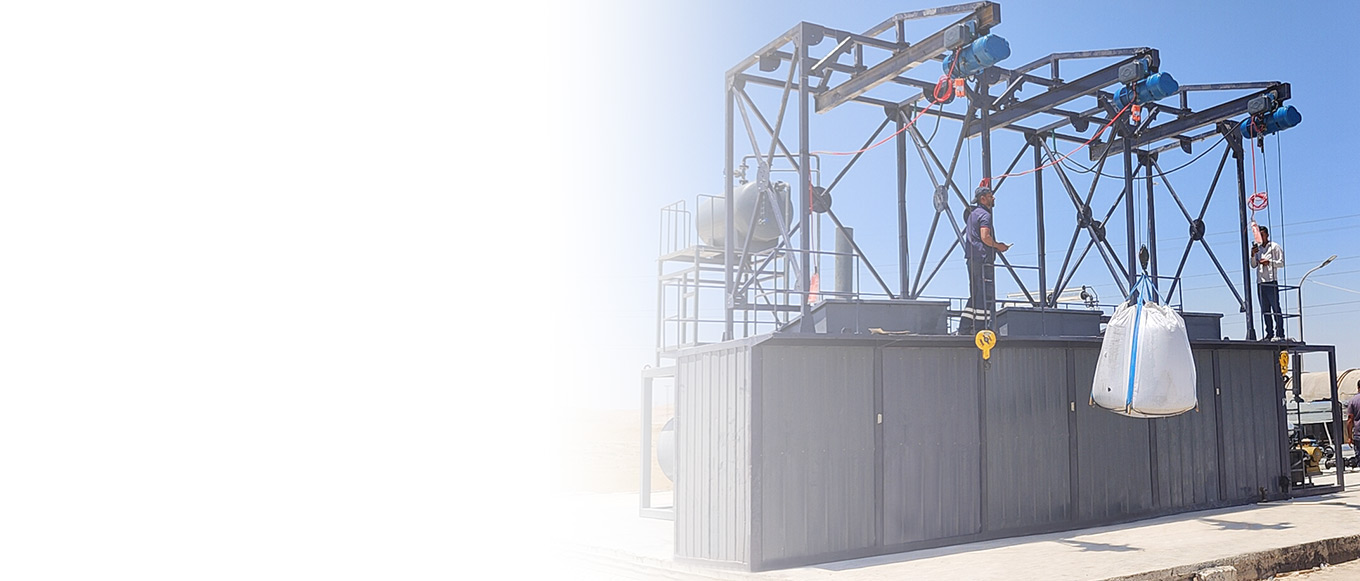





How to Debug an Asphalt Mixing Plant
In the daily operation of asphalt mixing plants, sudden equipment failures often directly lead to production interruptions, soaring costs, and even compromised project quality. Commissioning serves as the core process for preventing and resolving equipment issues, akin to taking the plant’s pulse. It not only swiftly pinpoints common problems like low output, unstable temperatures, excessive fuel consumption, and material blockages but also ensures efficient equipment operation at its root, thereby enhancing the quality of asphalt mixtures. For plant operators, mastering systematic commissioning methods holds far greater value than reactive troubleshooting—it minimizes downtime, reduces operational costs, and keeps equipment consistently performing at peak efficiency.
Understanding the System: The “Internal Workings” of an Asphalt Mixing Plant
System familiarity is fundamental to commissioning. An asphalt mixing plant is a complex system where multiple components work in concert; deviations in any one can trigger chain reactions. Only by precisely grasping the core functions of each system can commissioning be targeted effectively.
Mechanical System: The Framework of Equipment Operation
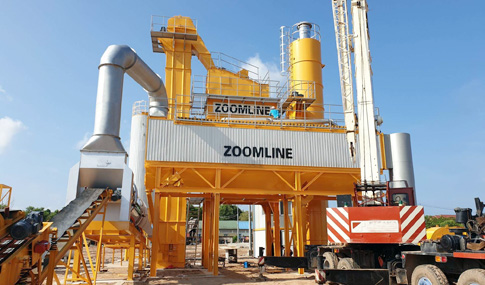
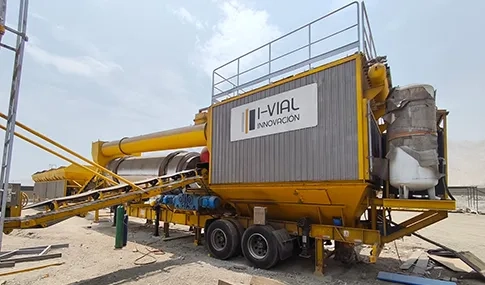
As the core operational component, the mechanical system directly determines production efficiency. Key elements include the drying drum (responsible for heating and drying aggregates), mixing drum (the core for blending materials), hot aggregate elevator (conveying heated aggregates), and vibrating screen (for aggregate grading and screening). Wear, misalignment, or jamming in these components are common causes of equipment shutdowns.
Electrical Control System: The Equipment’s “Brain”
Centered around the PLC (Programmable Logic Controller) and integrated with various sensors, wiring, and motors, this system forms the control hub of the mixing plant. It receives operational data and issues control commands. The accuracy of sensor signals, the stability of wiring connections, and the integrity of PLC programming directly impact the precision of equipment control.
Combustion Heating System: The “Heart” of Temperature Control
The burner and heating system jointly determine aggregate heating temperatures, serving as the cornerstone for ensuring asphalt mixture quality. Factors such as optimal air-fuel ratios, proper ignition system function, and flame stability directly impact heating efficiency and fuel consumption.
Other Critical Auxiliary Systems
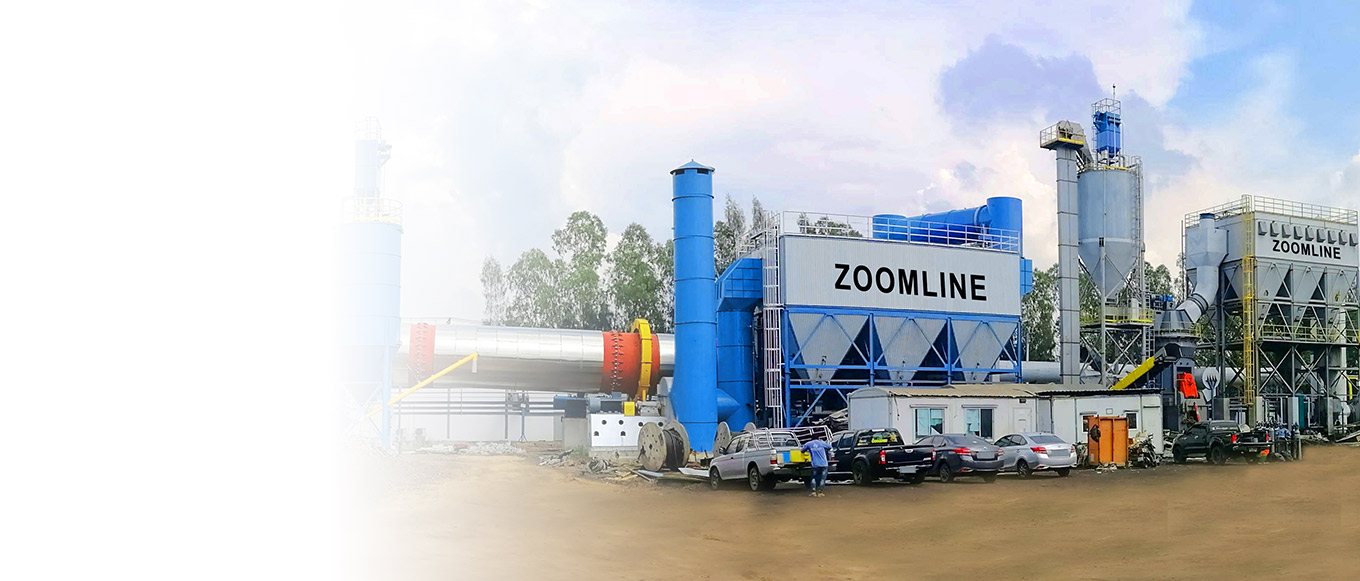
The dust collection system (primarily bag-house filters) handles production dust to ensure environmental compliance; the asphalt supply and storage system controls asphalt delivery and temperature; while the cold and hot aggregate weighing systems directly impact mix proportioning accuracy. Though auxiliary, these systems are indispensable.
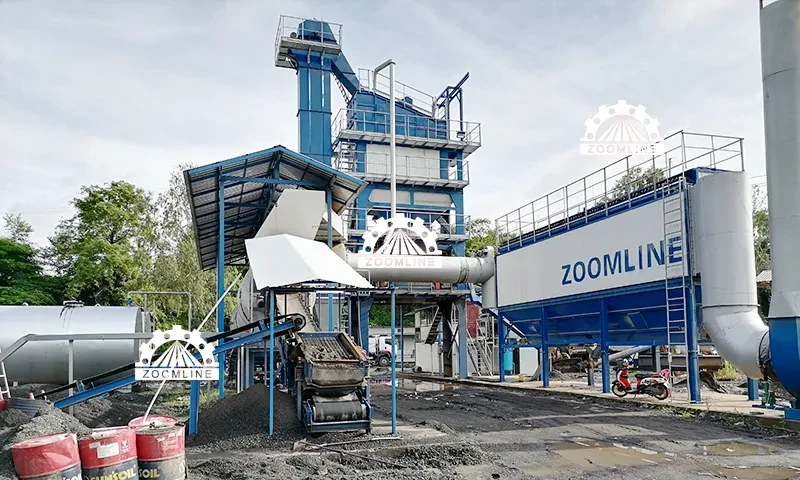
Step-by-Step Commissioning: A Reproducible Standardized Process
Commissioning is not a blind operation. Following the principle of “from surface to core, from whole to part” and troubleshooting systematically enables rapid problem identification. Below is a proven standardized commissioning process.
Preliminary Inspection: Establishing Safety and Foundations
Foundational checks before commissioning are critical to preventing accidents and misjudgments. First, confirm stable power supply with no loose or aged wiring, and ensure emergency stop devices are responsive and effective. Next, verify secure connections for sensors, actuators, and other components to avoid signal anomalies from poor contact. Finally, calibrate and validate core detection systems like weighing and temperature to ensure accurate baseline data.
Mechanical System Commissioning: Focusing on Operation and Wear
Commissioning mechanical components centers on “motion” and “wear.” For drying drums, verify shaft alignment and smooth rotation to prevent eccentricity-induced noise and wear. Ensure adequate lubrication and absence of looseness or excessive wear in transmission components like bearings, belts, and chains. Adjust belt tension on the hot material elevator to prevent slippage or misalignment. Verify vibration screen amplitude meets specifications and inspect screens for damage or blockages. For the mixing host, monitor wear on the mixing shaft and blades, and ensure smooth operation of the discharge door.
Electrical Control System Commissioning: Signal and Program Troubleshooting
First, check the PLC control system for fault codes to preliminarily narrow down the problem scope. Subsequently, test signal outputs from sensors such as temperature, material level, weight, and pressure to verify if data accurately reflects equipment status. For motor faults, focus on common issues like overload, phase loss, or loose wiring connections; use a multimeter to test circuit continuity when necessary. Finally, verify parameter configurations on the Human-Machine Interface (HMI) to ensure critical settings like mixing duration and temperature thresholds meet production requirements.
Combustion and Heating System Commissioning: Optimizing Efficiency and Stability
First, adjust the air-fuel ratio to ensure complete fuel combustion—an excessively lean mixture wastes fuel and causes black smoke emissions, while an excessively rich mixture lowers furnace temperature. Test the ignition system to confirm proper spark plug gap and sufficient ignition energy. Observe flame morphology via flame monitoring devices to ensure stable, concentrated flames without flame separation or flashbacks; simultaneously monitor exhaust temperatures and optimize combustion parameters based on aggregate heating effectiveness to reduce fuel consumption.
Dust Collection System Commissioning: Balancing Pressure and Environmental Compliance
Focus on analyzing pressure drop variations in baghouse dust collectors—excessive pressure drop typically indicates filter bag clogging or pulse cleaning failure; Inspect filter bags for tears or clogging, and verify appropriate frequency and pressure of solenoid valve pulse cleaning; ensure balanced airflow between the drying cylinder and dust collector to prevent dust entrainment due to excessive negative pressure or dust leakage due to insufficient negative pressure.
Asphalt System Commissioning: Clog Prevention and Temperature Control
Calibrate asphalt pump flow accuracy to ensure asphalt supply meets mix ratio requirements; Verify proper operation of asphalt pipeline trace heating systems to prevent condensation blockages; Monitor asphalt storage tank temperature distribution for uniformity, eliminating localized overheating or cooling; Periodically inspect valves and pipe joints to prevent asphalt leakage or blockages.
Aggregate and Filler Supply System Commissioning: Ensuring Stability and Precision
Calibrate the belt speed of the cold aggregate feeder to ensure stable aggregate supply; adjust the weighing accuracy of the hot aggregate system to prevent mix ratio imbalances caused by weighing errors; inspect the operation of the mineral powder screw conveyor to ensure smooth filler supply without jamming or interruptions; address aggregate bridging (clumping and blockage) by adjusting silo angles or installing arch-breaking devices.
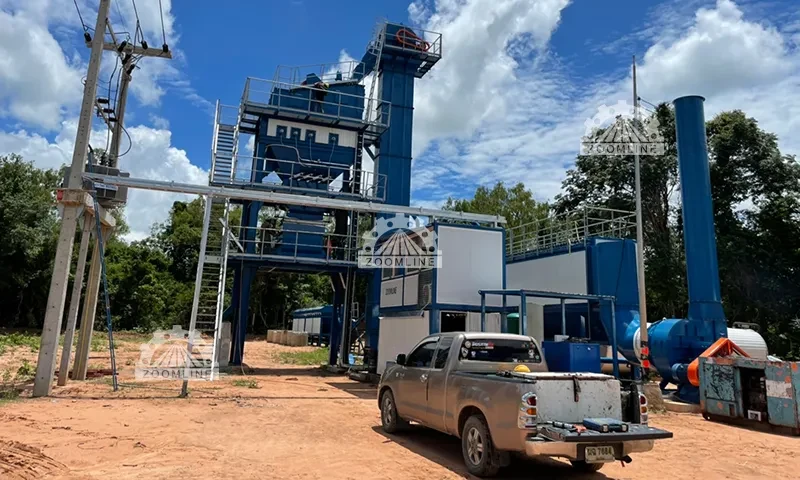
Quick Reference for Common Issues: Pinpoint Solutions, Efficient Resolution
During commissioning, certain problems occur frequently with identifiable causes. Mastering their corresponding solutions significantly boosts commissioning efficiency.
Unstable Mixing Temperature
Typically caused by burner air-fuel ratio imbalance or temperature sensor failure. First recalibrate the air-fuel ratio. If the issue persists, inspect the sensor signal or replace the sensor.
Low Output
Investigate aggregate moisture content (excessive moisture increases drying load), drying cylinder heating efficiency, and cold material feeder calibration accuracy. Resolve each issue sequentially to restore capacity.
Excessive Fuel Consumption
Focus on checking whether the air-fuel ratio is too rich, if the equipment insulation layer is damaged (causing excessive heat loss), or if the burner nozzle is clogged. Make targeted adjustments or replace components.
Poor Mix Quality
This may be caused by damaged vibrating screen mesh leading to inaccurate aggregate grading, weighing system errors, or insufficient mixing time. Check the screening, weighing, and mixing parameters separately.
Frequent Dust Collector Clogging
Often caused by high aggregate moisture content leading to dust condensation and bag clogging, or mismatched filter bag material and ineffective pulse cleaning. Replace filter bags or optimize cleaning parameters.
Plc Alarm Shutdown
First check the alarm code. Prioritize troubleshooting simple electrical faults such as motor overload, sensor disconnection, or emergency stop activation before addressing complex program issues.
Essential Tools and Safety Guidelines: The “Right and Left Hands” of Commissioning
Core Commissioning Tools
Professional tools are key to enhancing commissioning precision. The essential checklist includes: Multimeter (for circuit testing), Thermal imaging camera (for detecting temperature anomalies), Vibration tester (for assessing mechanical wear), Weighing calibration tools (for ensuring mixing accuracy), Burner analyzer (for optimizing combustion parameters) , Pressure gauges and airflow detectors (for dust removal system commissioning). Additionally, keep common spare parts on-site—such as sensors, solenoid valves, and belts—to minimize downtime.
Non-Negotiable Safety Protocols
Safety takes precedence during commissioning. Strictly adhere to these guidelines: Implement lockout/tagout (LOTO) procedures to prevent accidental equipment startup; stay clear of high-temperature components and rotating machinery to avoid burns or mechanical injuries; Wear safety harnesses for elevated work and ensure adequate ventilation and supervision for confined space operations. Operators must wear personal protective equipment (PPE) including hard hats, protective gloves, and slip-resistant footwear. When commissioning burners, ensure no flammable or explosive materials are present to prevent ignition accidents.
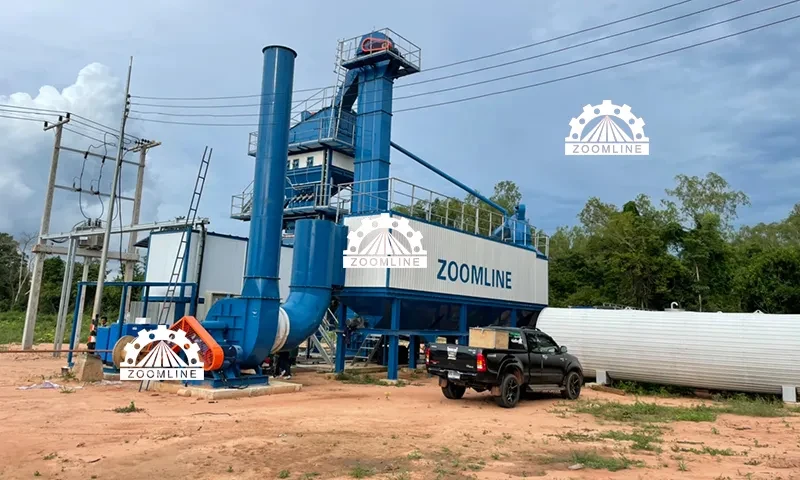
Professional Support: When to Seek External Assistance?
Contact professional technical support promptly in the following situations to prevent escalating issues from improper self-debugging:
Problems involving PLC program modification or restructuring;
Burners remaining unstable after multiple calibrations;
Equipment exhibiting structural damage or severe wear on core mechanical components;
Complex electrical faults exceeding basic troubleshooting capabilities. Opting for technical services from the original equipment manufacturer (OEM) ensures solutions tailored to your specific equipment model, while guaranteeing compatibility and stability post-commissioning.
Conclusion: Commissioning as the Guardian of Efficiency and Quality
Commissioning asphalt mixing plants is not a reactive “fix-it-when-it-breaks” operation, but proactive management ensuring long-term stable equipment performance. Adhering to systematic commissioning procedures to precisely identify and resolve issues not only enhances production efficiency and reduces operational costs but also safeguards asphalt mixture quality at its source, laying a solid foundation for project quality. Mixing plant operators are advised to establish regular commissioning and maintenance protocols. By integrating specialized tools and safety standards, equipment can be maintained in optimal condition, securing a competitive edge in the market.