










How to Accurately Control the Ratio of Renewable Materials to Aggregate in Asphalt Plants?
Contents
- 1 What Are Renewable Materials in Asphalt Mixing?
- 2 Why Accurate Control of RAP-to-Aggregate Ratio Matters?
- 3 Key Factors Affecting RAP Ratio Control Accuracy
- 4 Methods to Reasonably Control the RAP-to-Aggregate Ratio
- 5
- 6 Advanced Technologies for Precise RAP Ratio Control
- 7 Recommended RAP Ratio Ranges for Different Applications
- 8 Common Mistakes in RAP Ratio Control and How to Avoid Them
- 9
- 10 Best Practices for Asphalt Plant Operators and Contractors
- 11 Future Trends in Renewable Material Utilization in Asphalt Plants
- 12 Conclusion
Against the backdrop of global sustainable development principles gaining widespread acceptance, the road construction industry is accelerating its transition toward green and low-carbon practices, with global demand for sustainable road construction continuing to rise. The application of recycled materials in asphalt production has emerged as a key pathway for driving the industry’s green upgrade. Among these, Reclaimed Asphalt Pavement (RAP) stands as the most central and widely used type of recycled material.
Precise control of the RAP-to-aggregate ratio is a core technical element in the application of reclaimed asphalt mixtures. It directly determines the performance of the asphalt mixture, the quality of the engineering project, and the economic and environmental benefits of the project. Reasonable and precise ratio control not only ensures the serviceability and service life of the road but also effectively reduces raw material consumption and carbon emissions, achieving a unified balance of technical, economic, and environmental benefits. This article systematically breaks down the key points of recycled material and aggregate ratio control, providing practical guidance for asphalt mixing plant operators and contractors.
What Are Renewable Materials in Asphalt Mixing?
Common Types of Renewable Materials
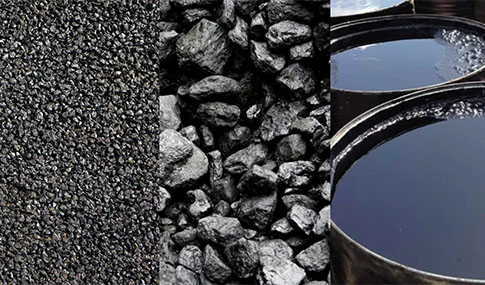
- Recycled Asphalt Pavement (RAP): Derived from milled or excavated waste during the rehabilitation or reconstruction of old asphalt pavements, RAP is the primary raw material in asphalt recycling. It contains aged asphalt binder and aggregates, which can be reused in asphalt mixture preparation after proper processing.
- Recycled Asphalt Shingles (RAS): Derived from discarded asphalt shingles during building roof renovations. Its primary components include asphalt, fibers, and aggregates. After crushing and screening, it can be blended into asphalt mixtures as supplementary recycled material, achieving resource recovery.
- Industrial Byproducts: These include steel slag and recycled aggregates. Steel slag, a waste residue from the steel industry, possesses excellent properties such as high strength and wear resistance. It can be used as an alternative aggregate in asphalt mixtures. Recycled aggregates originate from construction demolition waste, such as concrete debris. To achieve efficient and stable processing of recycled aggregates, professional equipment like the Luoyang Dahua mobile crushing station provides reliable on-site crushing and screening solutions, ensuring qualified aggregate gradation for asphalt mixing.After processing to meet relevant standards, they can be used in the preparation of mixtures for asphalt pavement bases or subbases.
Key Characteristics of RAP
- Asphalt Binder Degradation: The asphalt binder in RAP undergoes aging during long-term service due to natural environmental factors like sunlight, temperature fluctuations, and rain erosion. This manifests as decreased penetration and increased softening point, accompanied by reduced toughness and adhesion properties, directly limiting the ultimate performance of recycled mixtures.
- Significant Variability in Gradation and Asphalt Content: RAP sourced from different origins and road sections exhibits substantial differences in aggregate gradation and asphalt content. For instance, RAP from urban arterial roads and rural highways shows marked disparities in core performance metrics due to differing original pavement design standards and traffic load capacities, posing significant challenges for precise mix design control.
- Moisture Sensitivity and Contamination Risks: RAP readily absorbs moisture during stockpiling and transportation, directly affecting mix homogeneity and strength development. Contamination with soil, debris, or other impurities further degrades the bond strength and durability of recycled asphalt mixtures.
Why Accurate Control of RAP-to-Aggregate Ratio Matters?
Impact on Asphalt Mixture Performance
- Rutting Resistance: Excessive RAP content increases mixture brittleness due to aged asphalt’s excessive stiffness, reducing rutting resistance. Insufficient content fails to leverage recycled material advantages, compromising high-temperature stability. Precise blending balances stiffness and toughness to enhance rutting resistance.
- Fatigue Cracking Resistance: Fatigue cracking is a common long-term pavement defect. The presence of aged asphalt in recycled materials reduces mixture fatigue resistance. Controlling recycled material ratios and using rejuvenators effectively improves mixture flexibility, reducing fatigue cracking.
- Low-Temperature Crack Resistance: In cold conditions, asphalt mixtures are prone to cracking due to contraction. Improper recycled material content exacerbates this issue—excessive content leads to brittle cracking from aged asphalt’s poor low-temperature ductility, while insufficient content increases virgin material consumption, contradicting sustainability goals. Precise proportioning is crucial for ensuring low-temperature crack resistance.
Influence on Plant Operation and Stability
- Mixing Temperature Control: Aged asphalt in recycled materials requires specific temperature ranges to achieve full blending and coating with new asphalt and aggregates. Improper recycled material ratios significantly complicate temperature control: excessively high recycled content causes insufficient temperatures, leading to uneven mixing, while excessively high temperatures accelerate new asphalt aging—both adversely affecting final mix quality.
- Dryer Efficiency and Energy Consumption: Moisture carried by recycled materials directly increases dryer workload and reduces drying efficiency. Optimizing recycled material ratios effectively reduces dryer energy consumption and enhances operational efficiency. Conversely, imbalanced ratios force the dryer into prolonged overload operation, increasing energy consumption while accelerating equipment wear.
- Equipment Component Wear: Impurities, hard lumps, and other contaminants within recycled materials intensify wear on equipment components. Improper recycled material ratios further increase wear rates on core components like mixing drums and conveyor belts, shortening equipment lifespan while driving up maintenance costs and downtime losses.
Economic and Environmental Benefits
- Reduced Raw Material Costs: Utilizing recycled materials like reclaimed aggregates directly reduces the consumption of virgin aggregates and asphalt binders, significantly lowering raw material procurement costs. Statistics indicate that proper recycling can lower asphalt mixture raw material costs by 10%-30%.
- Reduced Carbon Emissions: Extraction, transportation of virgin aggregates, and asphalt production generate substantial carbon emissions. Recycling materials minimizes emissions across these stages, supporting “dual carbon” goals. Studies show each ton of RAP used reduces emissions by approximately 0.5 tons.
- Compliance with Green Building Standards: Multiple countries and regions worldwide have established green building and green road standards specifying minimum recycled material ratios. Precisely controlling recycled material proportions ensures recycled mix quality meets requirements, facilitating green certification and enhancing project credibility.
Key Factors Affecting RAP Ratio Control Accuracy
Quality and Consistency of RAP Materials
- Source Classification and Standardized Storage: Recycled materials from different sources and road sections exhibit significant variations in performance metrics. Mixed storage directly leads to discrepancies between mix design calculations and actual material properties. Therefore, a source classification system must be established, with materials zoned by origin, road section, and core performance indicators. Clear labeling management must be implemented to prevent cross-contamination throughout the process, ensuring the accuracy of foundational data for mix design calculations from the source.
- Refined Processing: The quality of processing steps—crushing, screening, and grading—directly determines the stability of recycled material gradation. Crushing must ensure uniform particle size compliance, screening must thoroughly remove impurities and oversized particles, and grading should categorize particles by size into distinct specifications, providing a stable raw material foundation for precise mix design. Inadequate processing control leads to severe fluctuations in recycled material gradation, directly compromising mix ratio precision and degrading aggregate quality.
Aggregate Gradation and Moisture Content
- Direct Impact of Moisture Fluctuations on Weighing Accuracy: Excessive aggregate moisture artificially inflates actual weight, causing weighing deviations that ultimately affect recycled material-to-aggregate ratio precision. Practical data indicates that a 1% increase in aggregate moisture content increases weighing errors by approximately 1%. Such deviations directly impact mix quality, causing issues like gradation imbalance and reduced bonding properties.
- Standardized requirements for aggregate drying and storage: Thorough drying of aggregates is a core measure to reduce moisture content fluctuations and ensure mix ratio accuracy. Simultaneously, sealed storage and other appropriate methods must be employed to prevent dried aggregate from reabsorbing moisture from the air, ensuring its quality stability. Inadequate drying or improper storage can cause repeated fluctuations in aggregate moisture content, significantly increasing the difficulty of dynamic mix ratio control and impacting production continuity and mix quality stability.
Asphalt Mixing Plant Configuration
- Batch-type vs. continuous-type asphalt mixing plants: Batch plants employ batch mixing, offering relatively higher mix design control precision and suitability for projects with stringent quality requirements. Continuous plants utilize continuous mixing, delivering high production efficiency but posing greater challenges in mix design control and demanding higher automation levels. Different plant types require distinct focuses and technical approaches for recycled material mix design control.
- Recycling Material Feed Points and Methods: The feed location directly impacts mixing uniformity with aggregates and fresh asphalt. Common feed points include dryer inlet and mixing drum inlet, with varying mixing effectiveness and temperature control requirements for each method. Improper feed points can cause uneven mixing of recycled materials with other components, compromising actual mix design outcomes.
- Hot Recycling vs. Cold Recycling Systems: In hot recycling systems, recycled materials undergo heating before mixing with other components, necessitating mix ratio adjustments based on heating temperatures. Cold recycling systems operate without heating, blending recycled materials with others at ambient temperatures, demanding higher precision in mix ratios and superior material bonding properties. The configuration of these recycling systems dictates the technical approach and parameter settings for mix ratio control.
Methods to Reasonably Control the RAP-to-Aggregate Ratio
Accurate Weighing and Metering Systems
- Dedicated Weighing Scale for Recycled Materials: Equipping recycled materials with a dedicated, independent weighing scale completely eliminates cross-interference errors caused by sharing weighing equipment with other materials. This scale must possess high precision and stability as core characteristics, ensuring recycled material weighing accuracy is strictly controlled within ±0.5%, laying the foundation for precise mixing ratios.
- Standardized Calibration Frequency and Process: Regular calibration is crucial for maintaining weighing system accuracy. Establish a standardized calibration mechanism, conducting comprehensive calibration at least once monthly. Additionally, perform supplemental calibration after switching material types or completing equipment maintenance. Calibration procedures must be strictly standardized, utilizing standard weights for practical verification to ensure weighing equipment consistently meets measurement accuracy standards.
- Real-time Monitoring and Traceability of Weighing Data: Leveraging automated control systems, implement continuous real-time monitoring of weighing data for recycled materials and aggregates. This enables rapid identification of mix deviation and prompt initiation of corrective actions. Simultaneously, establish comprehensive data recording archives to achieve traceable and reviewable mix design data, providing data support for subsequent production optimization adjustments.
Gradation Design and Mix Formula Optimization
- Laboratory Mix Design: Employ standard testing methods such as Marshall tests and Superpave to design recycled asphalt mixture mix designs in the laboratory. Through testing, determine performance indicators of the mixture under different recycled material content levels to identify the optimal recycled material content range and aggregate gradation scheme.
- Trial Mixing to Validate RAP Content: Laboratory-designed mix designs must be validated through on-site trial mixing. During trial mixing, assess mixture uniformity and performance metrics. Adjust RAP content and aggregate proportions based on test results to ensure the mix design meets actual production requirements.
- Adjusting Virgin Aggregate Proportion to Balance RAP: To compensate for variations in recycled material gradation, modify the gradation of virgin aggregates. For example, when RAP contains insufficient fine aggregate, appropriately increase the virgin fine aggregate content to ensure the overall mix gradation meets design requirements.
Temperature and Heating Control
- Prevent RAP Overheating and Asphalt Aging: Excessive heating accelerates further aging of aged asphalt in RAP, degrading mix performance. Therefore, strictly control the heating temperature of recycled materials, generally not exceeding 160°C, while shortening heating time to minimize asphalt aging effects.
- Utilize parallel drums or RAP rings: Parallel drums and recycled material rings are specialized equipment for RAP heating, enabling uniform heating of recycled materials while preventing excessive temperatures caused by direct contact with virgin aggregates. This equipment significantly enhances heating efficiency, ensures consistent heating quality of recycled material, and supports precise mix design.
- Optimizing heat transfer efficiency: By improving the structural design of dryers and mixing drums, heat transfer efficiency is enhanced, ensuring recycled material and aggregates reach target temperatures within shorter timeframes. Concurrently, reinforced insulation measures reduce heat loss, lowering energy consumption while maintaining precise temperature control.

Advanced Technologies for Precise RAP Ratio Control
Intelligent Control Systems
- PLC-Based Automatic Batching System: Utilizing a Programmable Logic Controller (PLC) to build an automatic batching system, enabling precise weighing, proportioning, and mixing of recycled materials, aggregates, new asphalt, and other components. This system accurately controls material quantities based on preset mix design parameters, minimizing human operational errors.
- Formula Storage and Rapid Switching: The intelligent control system stores multiple mix design formulas, enabling swift formula switching to meet project-specific or road-section requirements, thereby boosting production efficiency. Formula parameters can be adjusted in real time for dynamic optimization based on material performance changes.
- Error Alarms and Deviation Correction: When mix ratios deviate, the intelligent control system promptly issues an alarm signal and automatically initiates a deviation correction program. This adjusts the feed rates of each material to ensure mix ratio accuracy remains within acceptable limits. This feature effectively prevents quality issues in the mix caused by ratio deviations.
RAP Grading Technology
- Coarse/Fine RAP Separation: Grading equipment separates recycled material into coarse and fine fractions for distinct applications within asphalt mixtures. This approach significantly enhances recycled material gradation stability, minimizing overall mix ratio fluctuations caused by gradation variations.
- Enhanced Gradation Precision: Graded RAP exhibits more uniform particle size distribution, enabling optimal blending with virgin aggregates. This significantly improves mixture gradation accuracy and ensures consistent performance. Additionally, grading technology maximizes the advantages of different RAP particle sizes, increasing the maximum allowable RAP content.
- Increasing Recycled Material Allowable Content: Under traditional methods, recycled material content is typically capped at 30%. Grading technology enables raising this limit to 30%-50% or higher, further boosting resource recovery rates and reducing production costs.
Additives and Regenerators
- Function of Regenerators: Regenerators penetrate aged asphalt, replenishing light components to restore its bonding properties and flexibility. Proper use effectively improves recycled material performance, allowing higher blending ratios in mix designs.
- Impact on Recycled Material Content: The performance and dosage of rejuvenators directly influence the permissible recycled material content. High-quality rejuvenators significantly enhance the regeneration effect of aged asphalt, enabling a 10%-20% increase in RAP content. Therefore, optimal recycled material content must be determined during mix design based on rejuvenator performance.
- Key points for dosage control: The dosage of rejuvenators must be strictly controlled, as excessive or insufficient amounts will compromise the performance of the mixture. Generally, the dosage of rejuvenators ranges from 5% to 15% of the mass of aged asphalt in the recycled material, with specific values determined through laboratory testing. Simultaneously, it is essential to ensure thorough mixing of the rejuvenator with the asphalt and aggregates to achieve optimal performance.
Recommended RAP Ratio Ranges for Different Applications
Low to Medium Recycled Material Content (10%-30%)
This range is suitable for municipal roads, rural highways, and road maintenance projects. These projects have relatively lower performance requirements for asphalt mixtures and typically utilize standard asphalt mixing plants. Within this range, no major modifications to the mixing plant are required. Conventional mix design control methods can ensure mixture quality while effectively reducing costs and carbon emissions.
High Recycled Material Content (30%-50% and above)
High recycled material content is suitable for large-scale infrastructure projects such as expressways and first-class highways. These projects demand exceptionally high performance from asphalt mixtures, necessitating advanced mixing plant equipment and precise mix design control technologies such as intelligent control systems, recycled material grading techniques, and rejuvenator addition systems. Additionally, professional technical personnel must be deployed for on-site supervision to ensure all performance indicators meet stringent standards. High recycled content maximizes resource recovery benefits and significantly enhances a project’s environmental sustainability.
Common Mistakes in RAP Ratio Control and How to Avoid Them
- Overreliance on Theoretical Mix Designs: Some operators directly apply laboratory-designed theoretical mix proportions to actual production, ignoring the dynamic variability of on-site recycled materials, aggregates, and other components. This often leads to discrepancies between actual mix quality and design specifications. Avoidance Method: Strengthen routine on-site material testing, dynamically fine-tune mix proportions based on real-time data, and validate adjustments through field trial mixes to ensure precise alignment with actual production conditions.
- Neglecting Recycled Material Variability: Mixing and using recycled materials from different sources, road sections, and performance indicators undermines the fundamental premise of mix design control, directly causing unstable mix properties. Avoidance Method: Establish a management system for segregated storage and clear labeling of recycled materials. Conduct comprehensive performance testing on each batch of incoming recycled materials. Classify and grade materials based on test results for use, ensuring consistent and stable recycled material quality.
- Untimely equipment calibration: Failure to calibrate weighing equipment according to specifications over extended periods can cause measurement accuracy drift. This leads to deviations between the actual mix ratio of recycled materials and aggregates from the design values, compromising mix quality. Mitigation: Develop a standardized equipment calibration plan specifying at least one comprehensive calibration per month. Conduct supplemental calibrations promptly after equipment maintenance or material type changes. Maintain complete calibration records to ensure weighing equipment remains precise and reliable.
- Inadequate Operator Training: Limited understanding of mix design principles, equipment operation protocols, and material performance impacts can lead to human-induced mix deviations. Mitigation: Implement a systematic operator training program covering material property identification, mix design logic, standardized equipment operation, and emergency troubleshooting. Establish a certification mechanism ensuring operators demonstrate qualified competency before assignment.
Best Practices for Asphalt Plant Operators and Contractors
- Establish standardized recycled material inspection procedures: Develop incoming inspection standards for recycled materials, conducting comprehensive testing of each batch for gradation, asphalt content, moisture content, impurity levels, etc. Prohibit entry of non-compliant recycled materials. Simultaneously, maintain inspection archives to provide data support for mix design and production control.
- Implement routine system calibration: Beyond weighing equipment, regularly calibrate critical components like temperature sensors and flow meters to maintain production system accuracy. Maintain equipment calibration logs specifying schedules and responsible personnel to ensure standardized calibration procedures.
- Enhance operator training: Regularly organize professional training and technical exchange activities for operators to improve their skills in recycled material handling, mix design control, and equipment operation. Simultaneously, establish operating procedures and emergency response plans to ensure operators can correctly handle various unexpected situations during production.
- Partner with experienced asphalt mixing plant suppliers: Select asphalt mixing plant suppliers with professional technical capabilities and extensive industry experience to obtain tailored equipment configuration recommendations, technical support, and after-sales service. Suppliers can provide integrated recycled asphalt production solutions based on project requirements, helping to improve mix design control accuracy and production efficiency.
Future Trends in Renewable Material Utilization in Asphalt Plants
- Policy-Driven High-Content Recycled Material Applications: As global green and low-carbon policies become increasingly stringent, countries are progressively implementing stricter standards for recycled material usage, continuously driving higher recycled content levels. In the future, high recycled content exceeding 50% will become the mainstream choice for large-scale infrastructure projects, undoubtedly placing higher demands on the precision of mix design control technology and the performance of supporting equipment.
- Smart Mixing Plants and Digital Quality Control: Cutting-edge technologies like IoT, big data, and artificial intelligence will integrate deeply with asphalt mixing plants to establish end-to-end digital production control systems. By collecting real-time core data—including material properties, equipment operating parameters, and mix design information—and leveraging AI algorithms for dynamic optimization, the precision and intelligence of mix control can be significantly enhanced.
- AI-Driven Intelligent Mix Design Optimization: An AI-based mix design optimization model will be developed using vast production data and laboratory test results. This model will comprehensively evaluate multi-dimensional factors—including material properties, project technical requirements, and environmental conditions—to automatically generate optimal mix designs. This intelligent, efficient upgrade to mix design will further enhance the overall performance and quality stability of recycled asphalt mixtures.
Conclusion
Reasonably and precisely controlling the mix ratio of recycled materials and aggregates in asphalt mixing plants is central to achieving high-quality, efficient, and green production of recycled asphalt mixtures. The key lies in fully understanding the performance characteristics of recycled materials like reclaimed asphalt, identifying factors affecting mix control accuracy, and employing precise weighing systems, scientific mix design methods, and advanced intelligent control technologies. Simultaneously, operators must avoid common pitfalls and implement best practices to ensure standardized and normalized production processes.
Precise mix control not only guarantees asphalt mixture performance and extends road service life but also significantly reduces production costs and carbon emissions, achieving a balance between quality, cost, and sustainability. Looking ahead, as technology continues to innovate and regulations evolve, recycled materials will see broader application in asphalt mixing plants. Precise mix design control technology will emerge as the core driver propelling the industry’s green transformation. For asphalt plant operators and contractors, mastering advanced mix design control techniques and selecting professional equipment suppliers represent key pathways to enhancing core competitiveness and achieving sustainable development.