



Prospects of the Global Asphalt and Asphalt Mixing Plant Industry from 2025 to 2026: Market Analysis and Forecast
Contents
With ongoing global investment in infrastructure and stricter environmental rules, the asphalt and asphalt mixing plant industry is going through a transformation cycle focused on sustainable innovation. From 2025 to 2026, the industry as a whole will grow in a way that is “sound growth, green transformation, and technological upgrading.” This will make it a core sector in the infrastructure field that is both strong and full of potential. According to reliable sources, the global market for asphalt will be worth $68.37 billion by 2025, and the market for asphalt mixing plants will be worth about $5.65 billion. Both markets are growing at a steady rate of 4.0% and 3.55% per year, and they have a lot of momentum. The Asia-Pacific region is still the main driver of global industry growth, thanks to big infrastructure projects and policy benefits. On the other hand, North America and Europe are pushing the industry toward high-quality growth by improving technology and the environment. The main trends are moving in three main directions: the recycling ratio of reclaimed asphalt pavement (RAP) is going up all the time, warm mix asphalt (WMA) technology is being used on a large scale, and digital IoT/AI control and low-emission equipment are becoming more common in asphalt mixing plants. Looking ahead to 2026, the recovery of global infrastructure will further boost the moderate rise in industry demand. At the same time, stricter environmental rules will speed up the shift from traditional hot mix asphalt to greener and lower-carbon options. The industry’s competitive landscape will change from focusing on growth to focusing on quality and technology. This will create new opportunities and problems for businesses, investors, and professionals in the field.
Background of the Industry
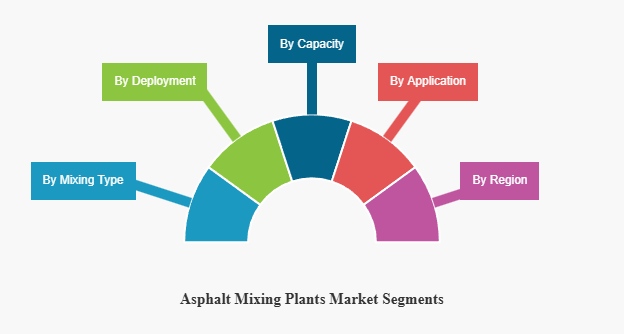
There are two main types of asphalt: natural asphalt and petroleum asphalt. It is a black, gelatinous substance made up of asphaltene, resin, oil, and other things. More than 95% of the world’s asphalt comes from petroleum. It is an important raw material for building roads, runways, and ports. Asphalt is an essential building material for modern infrastructure because it sticks well, doesn’t wear down, and keeps water out. The main piece of equipment used to make asphalt is the asphalt mixing plant. Its main job is to mix, heat, and blend asphalt, aggregates, and fillers in the right amounts to make asphalt mixtures that meet engineering standards. They are the main link between asphalt raw materials and infrastructure projects. The level of technology they use directly affects the quality, efficiency, and environmental impact of asphalt mixtures. The asphalt industry is connected to upstream raw material sectors like oil extraction and aggregate processing. It includes the middle segment of asphalt production, modification, and mixing plant manufacturing. It is mostly used in infrastructure fields like building roads, municipal projects, and airports and ports. It has built a full industrial chain that includes “supplying raw materials, producing and processing them, and applying them in engineering.” Its growth is closely tied to global infrastructure investment and the process of urbanization.
The global asphalt and asphalt mixing plant industry is going through a very important change right now. By 2030, the global asphalt market is expected to be worth $8.335 billion, and the mixing plant market is expected to be worth $773 million. But the short-term development rhythm and real-world implementation trends of the industry are more useful as guides. This article is only about the two-year cycle from 2025 to 2026. It focuses on the actual implementation market dynamics, technological trends, and application scenarios of the industry. It does not include long-term vision forecasts. Instead, it focuses on the current state of the industry and its development path, which can be useful for engineering companies, mixing plant main businesses, and investors.
In 2025-2026, industry growth will mainly depend on three main factors: first, the U.S. will continue to invest in infrastructure around the world; second, cities will continue to grow and old urban areas will be renovated, creating a lot of demand for road and municipal engineering; and third, environmental regulations will become stricter, the EU will set a goal of carbon neutrality, and China’s “dual carbon” strategy will promote the elimination of high-pollution and high-energy consumption capacity in the industry. The Infrastructure Investment and Employment Act (IIJA) keeps giving money, the China “Belt and Road” initiative keeps moving forward, and the India Bharatmala road project speeds up implementation, which keeps demand stable in the industry. Second, the global urbanization process keeps moving forward, cities in emerging economies keep growing, and old urban areas keep being renovated, which creates a lot of road and municipal engineering needs, which drives up demand for asphalt and mixing equipment. Third, stricter environmental regulations, the EU’s goal of carbon neutrality, and China’s “dual carbon” strategy all encourage the industry to get rid of high-pollution and high-energy consumption capacity, which forces companies to go green and low-carbon, which leads to new technologies, new equipment, and new models.
This article’s data is mainly sourced from two authoritative reports:
Grand View Research’s “Asphalt Market Report” (2025 data) [https://www.grandviewresearch.com/industry-analysis/asphalt-market-report],
and Fortune Business Insights’ “Asphalt Mixing Plants Market Report” (updated data from 2026) [https://www.fortunebusinessinsights.com/asphalt-mixing-plants-market-110157],
while also combining Trap Rock Industries’ 2026 industry trends report and actual cases of leading companies to ensure the accuracy, authority, and timeliness of the data.
Forecast for Market Size and Growth
The global asphalt and asphalt mixing plant industry continued to grow steadily from 2025 to 2026, with the market size steadily getting bigger. The regional pattern shows that “Asia-Pacific is leading, Europe and America are improving quality, and emerging markets are rising.” The product structure is clearly changing to follow green and high-performance trends.
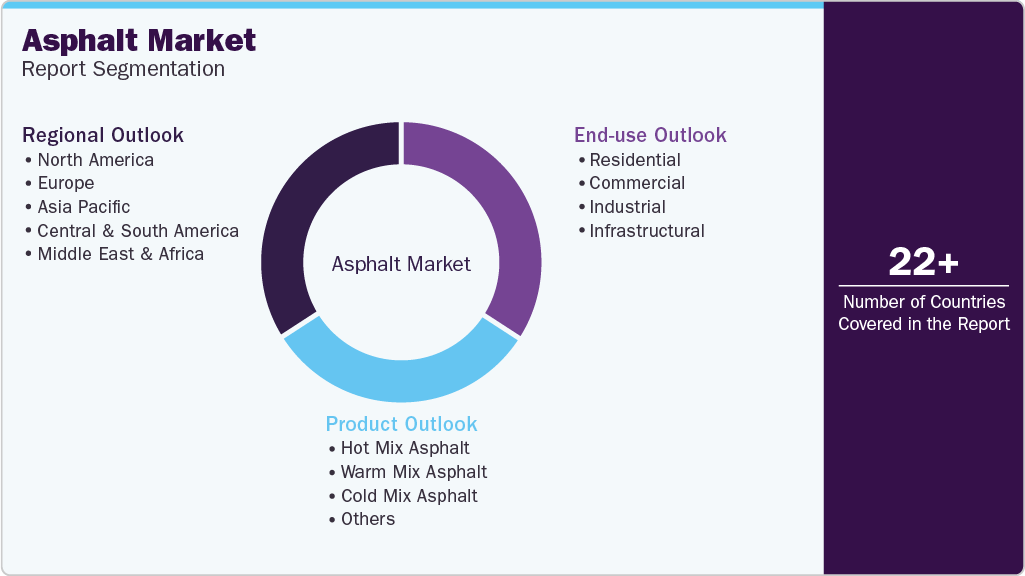
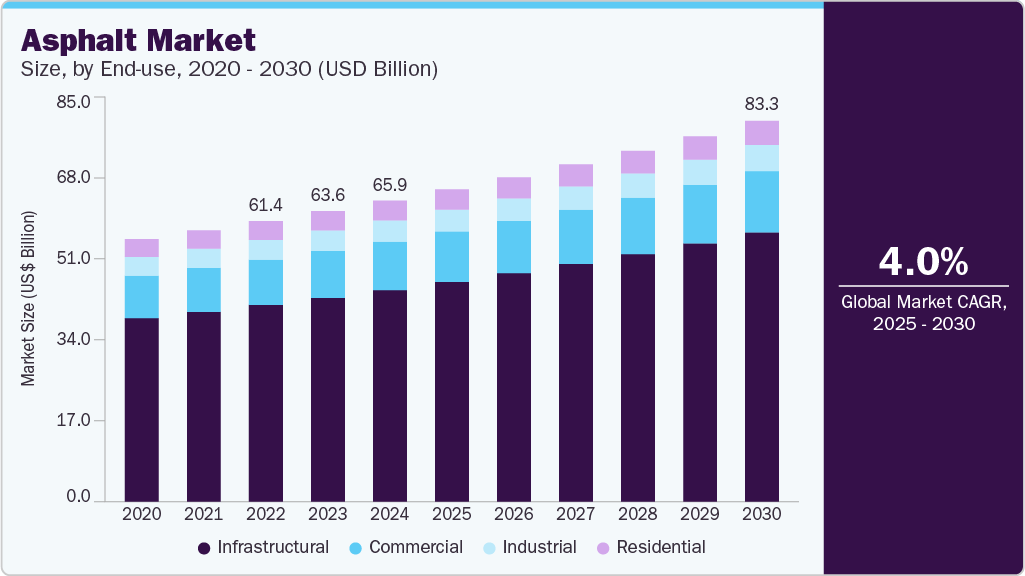
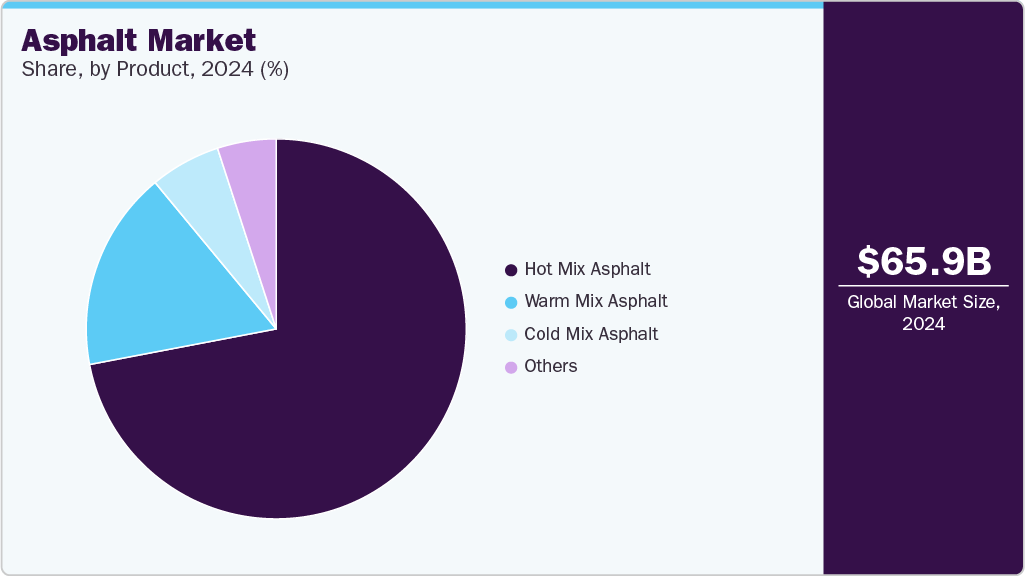
According to Grand View Research, the global asphalt market size reached $65.91 billion in 2024. It is expected to grow to $68.37 billion in 2025, which is a 3.7% increase from 2024, with a slightly higher growth rate than in 2024. From 2025 to 2030, the global asphalt market is expected to grow at a compound annual rate of 4.0%, reaching $83.35 billion by 2030. In 2026, however, as a key transition year, the market will continue to grow at a moderate rate. It is expected that the market size will be more than $71 billion, which is an increase of about 3.8% from the previous year. In terms of product structure, hot-mixed asphalt will still be the most popular type of asphalt, making up 72.1% of the global asphalt market share in 2024. From 2025 to 2026, the percentage will go down a little, but it will still be over 70%. The main reason is that it works well and can be used in many different situations. It is especially good for big infrastructure projects like high-grade highways and airport runways. Warm-mixed asphalt (WMA) is a green and low-carbon product that is growing faster than the industry average, with a compound annual growth rate of 4.6% from 2025 to 2030. The market share is expected to rise above 18% in 2026. This is mainly because of its benefits for saving energy, reducing emissions, and protecting the environment, as well as the promotion of environmental protection policies in many countries. The market share of cold-mixed asphalt and other products is relatively small, but their use in road maintenance, emergency repairs, and other situations is becoming more common, and their market share is steadily rising.
According to data from Fortune Business Insights, the global asphalt mixing plant market size was $5.65 billion in 2025 (about 40 billion RMB). It is expected to grow to $5.85 billion in 2026, which is a 3.5% increase from the previous year. It is expected to grow at a rate of 3.55% per year from 2026 to 2034, reaching $7.73 billion by 2034. When looking at the market by region, North America and the Asia-Pacific region are the two main areas for asphalt mixing plants, each making up about 30% of the global market. About 25% of the market is in Europe, and about 15% is in emerging markets like the Middle East, Africa, and South America. The Asia-Pacific region is seeing a lot of infrastructure building, and the demand for mixing plants is strong and steady. It is expected to stay above 4% from 2025 to 2026. The North American region is growing steadily because old infrastructure is being replaced and environmental protection equipment is being upgraded. The European region is mostly focused on replacing and upgrading equipment. The growth rate is not very high, but there is a strong need for technological upgrades.
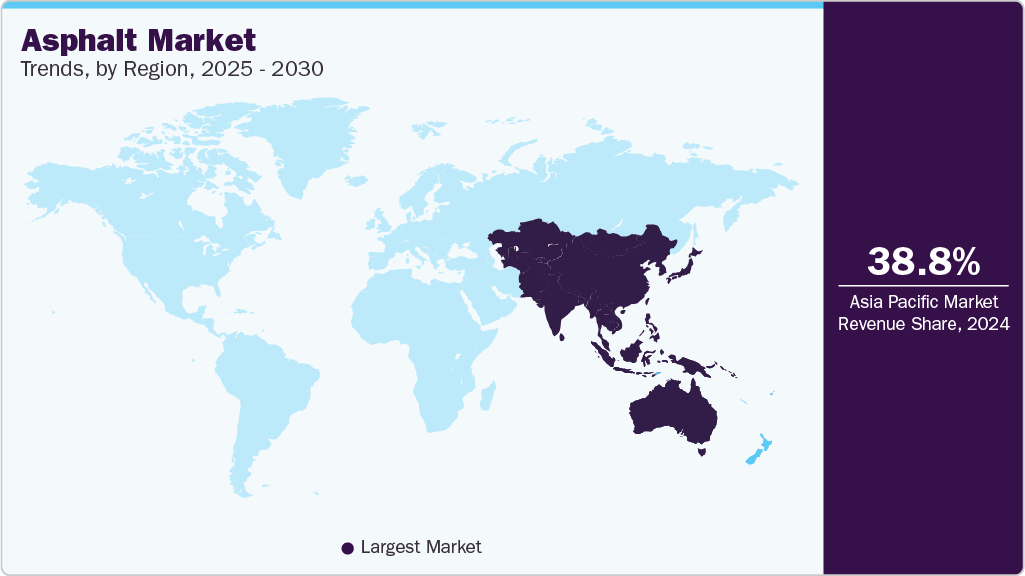
The Asia-Pacific region is the main driver of growth in the global asphalt and asphalt mixing plant industry. The Asia-Pacific asphalt market will make up 38.81% of the world’s market in 2024. This will rise to about 40% in 2025–2026. China, which is the main market in the Asia-Pacific region, has become a major force behind the growth of industries around the world because of its ongoing investments in infrastructure and urban renewal projects. The China asphalt market is expected to be worth more than 26 billion US dollars by 2025, which is more than 60% of the market share in the Asia-Pacific region. This is mostly because projects like building national highways, upgrading urban roads, and expanding airports and ports are always moving forward. In 2026, as more projects are released under China’s “14th Five-Year Plan” and more projects are carried out overseas as part of the “Belt and Road” initiative, the demand for asphalt and asphalt mixing plants in China will continue to grow steadily. This is especially true in the western provinces and central and western regions, where infrastructure investment has increased, making them the main areas of demand growth. Also, building infrastructure in India, Japan, South Korea, and Southeast Asian countries is speeding up, which is giving the industry in the Asia-Pacific region even more growth.
The Most Important Trends in 2025 and 2026
Sustainable Development and Circular Economy: Full Use of RAP Recycling and Low-Carbon Technology
The idea of a circular economy has become very important in the asphalt and asphalt mixing plant industry from 2025 to 2026. The recycling and use of RAP (Recycled Asphalt Pavement) is still growing, and low-carbon technologies like warm-mix asphalt and bio-asphalt are becoming more popular. These technologies are the main focus of the industry’s change. At the same time, the mix of policy and business practice helps the industry reach its goals of “lowering carbon emissions, energy use, and protecting the environment.”
RAP recycling and use are now at a high level, and they are the main force behind the industry’s circular economy. As people around the world become more aware of environmental issues and the problems of not having enough resources, RAP recycling and utilization technology is becoming more advanced. The global RAP recycling rate keeps going up in 2025-2026, and the RAP blending rate at most mixing stations is now 40% to 50%. Some companies that are at the cutting edge of technology have even been able to recycle and use 100% of their cold materials, which means they can fully recycle asphalt pavements. In 2025, for instance, the RAP recycling rate will be higher than 50% in developed countries like the US and Germany. The RAP recycling rate in China has also gone up, from 35% in 2024 to 42% in 2025. It is expected to go over 45% in 2026. Not only does recycling and using RAP cut down on the pollution caused by old asphalt roads, but it also cuts down on the amount of raw materials needed and the cost of making new ones. Trap Rock Industries’ 2026 trend report says that asphalt mixtures with a RAP blending ratio of 40% can cut raw material costs by 15% to 20% and carbon emissions by more than 30%. This shows that they have big benefits for both the economy and the environment.
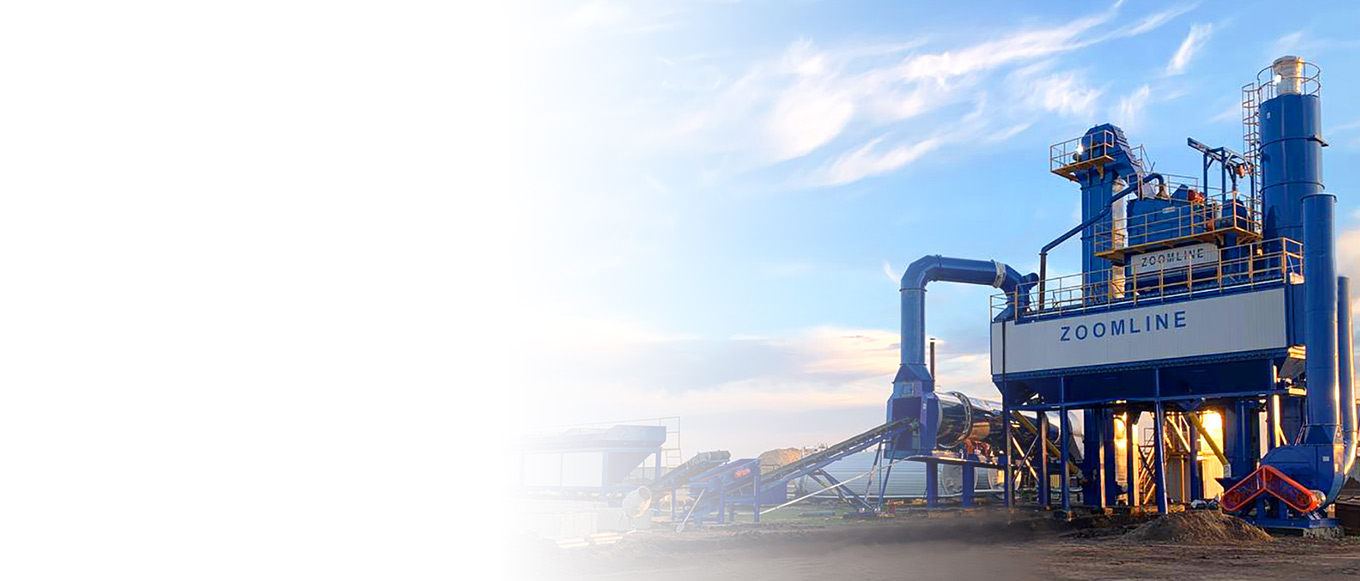
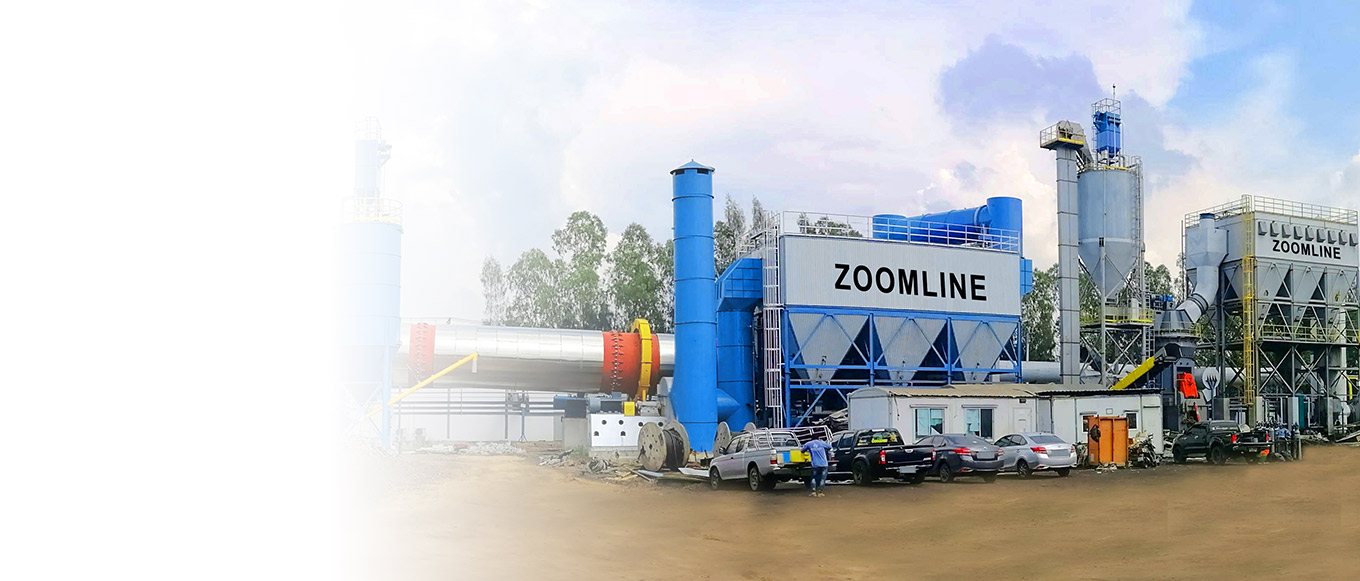
The widespread use of Warm Mix Asphalt (WMA) technology is now a key way to make the world less carbon-intensive. The production temperature can be lowered by 15 to 30 degrees Celsius compared to traditional hot mix asphalt. This can save energy, lower exhaust emissions, and avoid the safety risks and environmental damage that come with working at high temperatures. It is a key technology for the industry to change to a low-carbon way of doing things. The WMA technology went from being tested in 2025–2026 to being widely used. The share of global WMA production in total asphalt production has gone up from 15% in 2024 to 17% in 2025, and it is expected to go over 18% in 2026. Fortune Business Insights says that using WMA technology can save 20% to 30% of oil, and making 1 ton of WMA can cut carbon emissions by 8 to 10 kilograms. At the same time, it can speed up the cooling of the road to get “immediate traffic” and make construction go more quickly. Big companies are putting money into WMA technology. For example, Ammann Group’s high-capacity asphalt mixing plant, which will open in 2024, will have WMA production functions built in and be able to change the production temperature on its own. Sales of this equipment in Europe and the Middle East went up by 35% in 2025. Zoomline has released a Special Hot Mix Asphalt Mixing Plant that, when used with the control system, makes WMA production even more efficient and stable.
Biochar and bio-asphalt additives are two new low-carbon technologies that are slowly being put into use. These technologies are adding to the industry’s green product system. Bio-asphalt is starting to be used in small businesses as an alternative to petroleum asphalt in 2025-2026. It has benefits like no smell, being able to break down, and storing carbon. Bio-asphalt is mostly made from waste biomass, like straw, old tires, and used cooking oil. This not only cuts down on the need for petroleum resources, but it also makes use of waste resources. It works just as well as regular petroleum asphalt, but it is better at resisting cracking at low temperatures and aging. For instance, Trap Rock Industries’ bio-asphalt mixture, which came out in 2025, uses a binder made from used cooking oil. This is used to build roads in New Jersey, where it doesn’t smell, cools the roads down 50% faster, allows traffic to flow immediately, and stores carbon, with about 1.2 tons of carbon dioxide stored per kilometer of road. Also, the use of biochar additives is becoming more common. Asphalt mixes with biochar additives are more than 20% better at resisting wear and rutting. They can also “purify” the road by absorbing pollutants from the air. More projects are expected to use this technology in 2026.
Policy-driven change has become a major force behind the move to low-carbon economies. Countries all over the world are putting rules in place to make the industry move in a more environmentally friendly direction. The European Union has passed the “Green New Deal,” which says that the asphalt industry must cut its carbon emissions by 20% compared to 2020. It also says that new mixing stations must be able to recycle RAP and make WMA. China has issued the “Guiding Opinions on the Green and Low-carbon Development of the Asphalt Industry,” which says that all large-scale mixing stations must be able to recycle and use RAP by the end of 2026, with the application ratio of WMA not less than 20%. It also offers financial incentives for green and low-carbon equipment. The United States has passed tax reduction policies to encourage businesses to use RAP recycling and WMA technology, which lowers the cost of transformation. These policies have sped up the change from traditional hot mix asphalt to green and low-carbon asphalt. This has led to the creation of an industry development pattern that focuses on “environmental protection compliance, circular utilization, and low-carbon efficiency.”
Digital and Intelligent Transformation: A Full Upgrade of Asphalt Mixing Stations
Digital and smart technologies have become an important part of asphalt mixing stations in 2025–2026. They are now the main focus of technological progress in the industry. We have fully implemented IoT sensors, AI control systems, and smart inspection technologies. This has led to the upgrading of mixing stations to achieve “automation, precision, efficiency, and low consumption.” At the same time, modular and mobile mixing stations are quickly becoming popular to meet the construction needs of different situations, which improves the overall efficiency of the industry.
IoT sensors and AI real-time monitoring systems are now widely used, giving full control over the entire process of asphalt mixing stations. By 2025-2026, all major asphalt mixing stations will have IoT sensors that can collect important data in real time during the production process, such as temperature, aggregate gradation, asphalt consumption, RAP blending ratio, and energy consumption. AI control systems then analyze these data and automatically make changes to them to keep the quality of asphalt mixtures stable while using less energy and wasting less raw materials. For instance, Trap Rock Industries’ digital factory has more than 20 groups of IoT sensors at its mixing station that keep an eye on different aspects of the mixing process in real time. The AI system can change the RAP blending ratio and production temperature on its own based on engineering needs, with an error range of ±2 °C. The use of raw materials goes up by more than 10%, energy use goes down by 15%, and production data can be uploaded and managed visually in real time. This helps businesses with quality traceability and operational optimization. Astec Inc. released an AI-based digital monitoring system in 2025 that can monitor mixing stations from afar and send out fault warnings. AI algorithms can predict when equipment will fail, which allows for maintenance to be done ahead of time. This lowers the failure rate of equipment by more than 30%, cuts down on downtime, and boosts production efficiency.
Intelligent compaction and unmanned aerial vehicle inspection technology are widely used, making it possible to have “production-construction-maintenance” that is fully intelligent. Intelligent compaction equipment is now the norm in asphalt construction, and the sensors on the equipment can send back real-time data on things like compaction density and speed. The AI system changes the compaction settings to make sure that the pavement is compacted properly, which helps to avoid problems like cracking and rutting later on and makes the pavement last longer. Fortune Business Insights says that by 2025, 60% of the world’s intelligent compaction equipment will be in use, and by 2026, that number will rise to over 70%. This will add 15–20% to the life of the pavement. Unmanned aerial vehicle (UAV) inspection technology is widely used during the pavement maintenance stage. Drones with high-definition cameras and sensors can quickly find cracks, potholes, and other diseases in the pavement, make inspection reports, and use AI algorithms to predict how pavement diseases will spread. This gives maintenance decisions data support, makes maintenance more efficient, and lowers costs. For instance, a certain expressway project in China uses UAV inspections, which can check 100 kilometers of pavement in a day, which is more than five times as fast as manual inspections and makes the inspections 30% more accurate.
Modular, mobile mixing stations are quickly becoming popular because they can be used on construction sites that are far away or only need to be used for a short time. From 2024 to 2025, the number of global modular and mobile mixing stations installed has skyrocketed, with a 45% increase from 2024 to 2025. It is expected to keep growing at a rate of more than 40% in 2026. These mixing stations are small, light, easy to set up, and can be moved around. They can be quickly set up on remote construction sites and for temporary projects, which avoids the quality loss and cost increase that come from transporting asphalt mixture over long distances. The cost of building fixed mixing stations goes down at the same time, making them good for medium- and small-scale engineering and emergency repair projects. For instance, in 2025, Wirtgen Group added to its line of mobile asphalt mixing stations by introducing a small mobile mixing station that can be set up and tested in 24 hours and has a production capacity of 150–240 tph. This station is perfect for urban construction and rural road reconstruction projects in Southeast Asia. Sales of this product in Southeast Asia went up by 50% in 2025. ALmix introduced modular and mobile drum-type mixing stations with IoT-enabled automation systems that can check the quality of production in real time. These systems are now widely used in North America and Europe for maintaining municipal roads.
In 2026, low-emission burners and energy recovery systems become the norm in new factories. This is good for both the environment and saving energy. As environmental rules get stricter, the rules for controlling emissions at mixing stations are also getting stricter. Low-emission burners have become the main type of mixing station from 2025 to 2026. These burners can lower the amount of nitrogen oxides and particulate matter that are released into the air, which is good for the environment in many parts of the world. For instance, in 2025, MARINI improved its mixing stations in Europe by adding low-emission burners to all of them. This cut nitrogen oxide emissions by more than 40% and particulate matter emissions by 50%, which met the European Union’s most recent environmental standards. At the same time, energy recovery systems are becoming more and more common. These systems can collect waste heat from the mixing process and use it to heat aggregates or heat, which saves energy and lowers energy use. Statistics show that mixing stations with energy recovery systems can cut energy use by 10 to 15%. By 2026, more than 80% of all new mixing stations built around the world are expected to have these systems, which will become the industry standard.
Infrastructure demand drives: regional opportunities are highlighted, and performance upgrades speed up.
In 2025–2026, global infrastructure investment kept going up. Road repairs, airport and port expansions, and other projects became the main reason for the demand for asphalt and asphalt mixing stations. The growth trends in the regional markets were different, but the engineering needs for how well asphalt mixtures work kept going up. More and more people were using high-performance products like polymer modified asphalt (PMA) and self-healing mixtures.
There was still a lot of demand for road repairs and expansions, which was the main support for the industry. Around the world, the ongoing projects to fix up old roads and build new highways were especially noticeable in developed countries like North America and Europe, where the need for updating old infrastructure was clear. The “Infrastructure Investment and Employment Act” in the United States planned to spend $200 billion on fixing and expanding roads from 2025 to 2026. This would have increased the need for asphalt and mixing equipment. China kept pushing for the building of the national highway network. By 2025, the expected new highway mileage would reach 8,000 kilometers, and this level would stay the same in 2026. At the same time, projects to update city roads and pave rural roads kept going, which kept demand steady in the industry. Also, as urbanization sped up, the need for roads in emerging markets like Southeast Asia and the Middle East grew. For example, the Bharatmala Highway project in India will build 15,000 kilometers of roads from 2025 to 2026, which will increase the need for asphalt by more than 10%.
New projects to expand airports and ports drove up demand, which led to an increase in the need for High-Performance Asphalt Mixing Plant. As the global aviation and shipping industries got back on their feet, more and more airport runways and port storage yards were built and renovated. These projects needed asphalt mixtures that could handle heavy loads, wear and tear, and corrosion, which increased the need for high-performance asphalt and high-precision mixing equipment. Grand View Research says that the need for asphalt in airports and ports around the world will grow by 8% in 2025 and by more than 10% in 2026. For instance, both the Guangzhou Baiyun Airport expansion project in China and the King Abdulaziz International Airport expansion project in Saudi Arabia used high-performance asphalt mixtures and high-precision mixing equipment to make sure that the runways and storage yards could hold a lot of weight and last a long time. The Shanghai Port and Ningbo Port expansion projects in China used modified asphalt mixtures that could handle the heavy load of containers and resist the corrosion of marine environments, which made the ports last longer.
There were different trends in regional opportunities. The Asia-Pacific region was still the main area of growth, and emerging markets had a lot of potential. In the Asia-Pacific region, China, India, and Southeast Asian countries continued to invest in infrastructure. The demand for asphalt and mixing stations grew by more than 4% from 2025 to 2026. China became the center of regional growth thanks to the “Belt and Road” initiative and investment in infrastructure at home. In North America, there was a lot of demand for road repairs and upgrades to equipment that protects the environment in the US and Canada. There was also a lot of demand for upgrades to mixing stations, which are expected to reach a market size of $1.8 billion by 2026. In Europe, demand was driven by airport and port expansion projects in Germany, the UK, and other countries. At the same time, environmental policies were encouraging mixing stations to upgrade their technology, which was steadily growing. In emerging markets like the Middle East and Africa, infrastructure investment is rising, which is driving up demand for the industry at a rapid rate. By 2026, the industry is expected to grow by more than 5%, making it a new growth pole.
Asphalt mixtures kept getting better, and high-performance products like polymer modified asphalt (PMA) and self-healing mixtures were used more and more. As the demands for the service life and load-bearing capacity of road surfaces grew, traditional asphalt could no longer keep up. Polymer modified asphalt (PMA) became the material of choice for high-quality highways, airport runways, and other projects because it is resistant to rutting, cracking, and aging. By 2025, polymer modified asphalt had a 25% share of the global market. By 2026, it was expected to rise to 28%, with more than 30% of the market in China, the US, Germany, and other countries. Polymer modified asphalt was used for the expansion project of the Beijing-Shanghai Expressway in China. This made the road surface more resistant to rutting by more than 30% and extended its service life to more than 15 years. Self-healing mixtures are new high-performance products that could automatically fix small cracks in roads by adding regenerators or nanomaterials. They could also lower the number of road diseases and make the road last longer. They had reached the commercial pilot stage by 2025–2026. Trap Rock Industries used self-healing mixtures on road projects in New Jersey, where more than 80% of micro-cracks were fixed. It was hoped that the company would be able to sell the products on a large scale by 2027.
Problems, dangers, and ways to deal with them
The global asphalt and asphalt mixing plant industry will keep growing steadily from 2025 to 2026. However, it will also have to deal with a number of problems and risks, such as changing prices for raw materials, high capital costs, and stricter environmental rules. It takes everyone in the industry working together, taking the right steps to protect themselves, and encouraging the industry to grow in a healthy way over time.
There are four main problems in the industry: first, the prices of raw materials change a lot. Oil is the main ingredient in asphalt, and international oil prices have a big effect on it. In 2025, the price of oil on the world market changed by more than 20%, which made the price of asphalt unstable. At the same time, the prices of aggregates, fuels, and other raw materials are also going up, which makes it more expensive for businesses to make things. Second, there is a lot of capital investment. It costs a lot of money to upgrade the equipment and make asphalt mixing stations more environmentally friendly. This is especially hard for small mixing station owners who don’t have a lot of money, which makes the transformation harder. Third, small contractors find it hard to make the changes. Small contractors have limited capital, technology, and skills, which makes it hard for them to meet the requirements of environmental regulations and technological upgrades. They are also at risk of being kicked out of the market. Finally, there is a lack of workers. As the industry becomes more digital and smarter, the need for technical workers is growing. However, there aren’t enough technical workers in the industry right now, especially those who can work with IoT and AI, which slows down the pace of technological progress.
There are two main risks in the industry: first, environmental rules are getting stricter all the time. Countries around the world are making the asphalt industry meet stricter emission standards. If businesses don’t upgrade their equipment and technology on time, they could have to pay fines or shut down. At the same time, stricter environmental rules will raise the costs of doing business. There is also the risk of supply chain disruption. The global supply chain is still not stable, and the transportation of raw materials and the supply of equipment parts could be interrupted. This would hurt businesses’ normal operations and production, especially for those that rely on imported equipment and raw materials, which are at even greater risk.
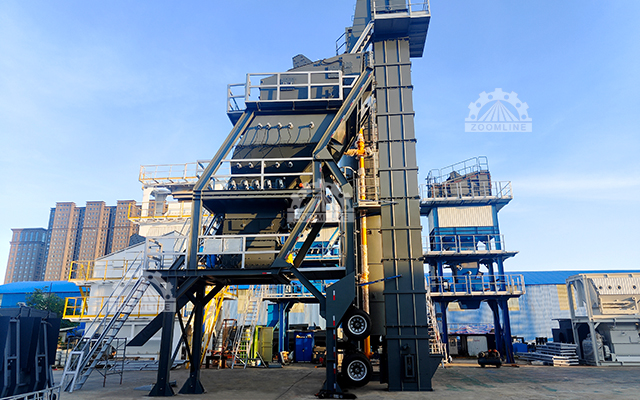
To deal with the problems and risks listed above, as well as the current state of the industry, the following suggestions and countermeasures are made: For owners of asphalt mixing stations, they should invest in RAP-compatible equipment and digital platforms first, improve resource use and operating efficiency, and actively apply for government environmental subsidies to lower the cost of transformation. By 2026, they should complete the green upgrading and digital transformation of equipment to make sure they follow environmental rules. For engineering contractors, they should use warm mix asphalt and asphalt mixtures with a high RAP blending ratio first in the bidding and construction process. This will not only meet environmental standards but also lower construction costs. At the same time, work more closely with the top mixing station companies to make sure that engineering projects are done well. The government should also make green procurement more appealing by adding green asphalt and high-performance asphalt to the list of things it buys and giving tax breaks and other financial help to businesses that use low-carbon technologies and circular economy models. At the same time, they should strengthen industry supervision, keep the market in order, and encourage healthy competition in the industry. For the industry as a whole, they should work with universities and vocational colleges to open related majors, train professionals who can operate with digital and intelligent technology, and at the same time, they should encourage companies to share technical knowledge and work together to make low-carbon and intelligent technology more widely used and popular.
Conclusion and Suggestions
In short, the global asphalt and asphalt batching plant industry will go through a key growth phase from 2025 to 2026, during which it will see “stable growth, green transformation, and strong technology.” The market size is steadily growing, and the industry as a whole is growing steadily. Sustainable development, digital and intelligent transformation, and infrastructure demand are the main trends. The Asia-Pacific region is still the main driver of industrial growth. The European and American regions are growing in a high-quality way by upgrading their technology, and emerging markets have a lot of potential. The industry also has problems to deal with, like changing prices for raw materials, high capital investment, and stricter rules about the environment. Everyone in the industry needs to work together to promote the healthy and sustainable growth of the industry. From 2025 to 2026, the industry will grow steadily and change to be more environmentally friendly at the same time. Chinese businesses will have more chances to grow and will likely play a bigger role in the global market because of government policies, market demand, and the growth of technology.
Based on the current needs of the industry and the way it is growing, the following five strategic recommendations are suggested for engineers, asphalt batching plant owners, investors, and other professionals in the field to help them take advantage of opportunities and deal with problems in the industry:
- Speed up the process of improving RAP recycling and use, reach a RAP blending ratio of over 30% in batching plants by 2026, focus on cold recycling technology, lower the cost of raw materials, follow environmental rules, and make businesses more competitive;
- Add IoT/AI control systems, upgrade existing batching plants digitally, monitor the production process in real time and make automatic adjustments, cut energy use by more than 15%, and make production more efficient and stable in terms of product quality;
- Modular and mobile mixing stations make construction more flexible, lower transportation costs, and take advantage of new market opportunities, especially for “Belt and Road” projects abroad and infrastructure projects in remote parts of the country.
- Keep an eye on the certification standards for eco-friendly products like warm mix asphalt and bioasphalt. Plan ahead for green bidding qualifications, get involved in government green infrastructure projects, and take advantage of development opportunities that come up because of environmental protection policies.
- Strengthen the pool of talent and technical cooperation, work with universities and top companies, develop digital and intelligent technology skills, and at the same time, bring in cutting-edge technologies and equipment to help the company improve its technology and keep up with the changes in the industry.
In 2025 and 2026, the asphalt and asphalt mixing station industry will have both chances to grow and change. To stay ahead of the competition in the industry and achieve long-term growth, you need to closely follow industry trends, push for more technological innovation and green transformation efforts, and improve your operational models.