








Essential Spare Parts Every Asphalt Plant Should Stock
Contents
- 1 Stocking Asphalt Mixing Plant Spare Parts: The Core Value Should Not Be Overlooked
- 2 Essential Spare Parts Every Asphalt Plant Should Stock
- 2.1 Combustion System Spare Parts — The “Heart” of Asphalt Production, Indispensable
- 2.2 Spare Parts for Conveying and Elevating Systems—The “Lifeline” of Material Flow, Preventing Jams
- 2.3 Spare Parts for Asphalt Conveyance and Metering Systems — Ensuring Accurate Mix Proportions and Reducing Waste
- 2.4 Mixing System Spare Parts—The “Key” to Mix Uniformity; Prioritize Wear Resistance
- 2.5 Dust Collection System Spare Parts — The “Bottom Line” for Environmental Compliance; Replace Regularly
- 2.6 Electrical and Control System Spare Parts—The “Brain” of Equipment Operation, Ensuring Rapid Response
- 2.7 Lubrication and Hydraulic System Spare Parts — The “Lubricant” for Equipment Operation, Reducing Wear
- 2.8 Safety and Emergency Spare Parts — Upholding Safety Standards and Preventing Accidents
- 3 Key Tips for Procuring and Stocking Spare Parts
- 4 Conclusion
As core equipment in road construction, asphalt mixing plants operate year-round in high-temperature, high-dust, and high-load environments, making wear, aging, and failures of various components inevitable. According to industry data, more than 70% of plant downtime incidents stem from a shortage of critical spare parts; a single outage lasting over 12 hours can result in direct economic losses exceeding 200,000 yuan. For asphalt mixing plant operators, maintaining a reasonable inventory of essential spare parts is not only crucial for responding quickly to equipment failures and minimizing downtime but also ensures production continuity, reduces operational and maintenance costs, and extends equipment lifespan. It is a key prerequisite for achieving efficient, stable, and safe operations.
Stocking Asphalt Mixing Plant Spare Parts: The Core Value Should Not Be Overlooked
Many operators fall into the trap of “prioritizing production over stockpiling,” believing that “if there are no faults, there’s no need for spare parts.” However, they fail to realize that procuring spare parts on short notice is not only time-consuming and labor-intensive but may also lead to production stagnation due to mismatched models or delivery delays, ultimately causing even greater losses. Stocking essential spare parts in advance offers three core advantages:
Reducing Downtime and Minimizing Financial Losses
When equipment fails, spare parts can be replaced immediately without waiting for external suppliers, reducing downtime from days to hours. This avoids additional costs such as project delays and penalty fees resulting from production interruptions, which is particularly crucial for meeting the tight schedules of highway infrastructure projects.
Ensuring Production Quality and Mitigating Safety Risks
Using non-standard or substandard spare parts in emergencies can easily lead to abnormal equipment operation. This not only affects core indicators such as the uniformity and temperature stability of asphalt mixtures but may also cause equipment failures to escalate, potentially resulting in safety incidents. Stocking qualified spare parts ensures that equipment remains in optimal operating condition at all times, balancing both production quality and operational safety.
Optimizing O&M Costs and Extending Equipment Lifespan
Stocking spare parts in advance avoids the premium associated with emergency procurement. It also facilitates the development of routine maintenance schedules, allowing for the timely replacement of aging components, reducing excessive wear and tear, and extending the overall service life of the equipment. In the long term, this significantly reduces total O&M costs and avoids the dilemma of both excess inventory and shortages.
Essential Spare Parts Every Asphalt Plant Should Stock
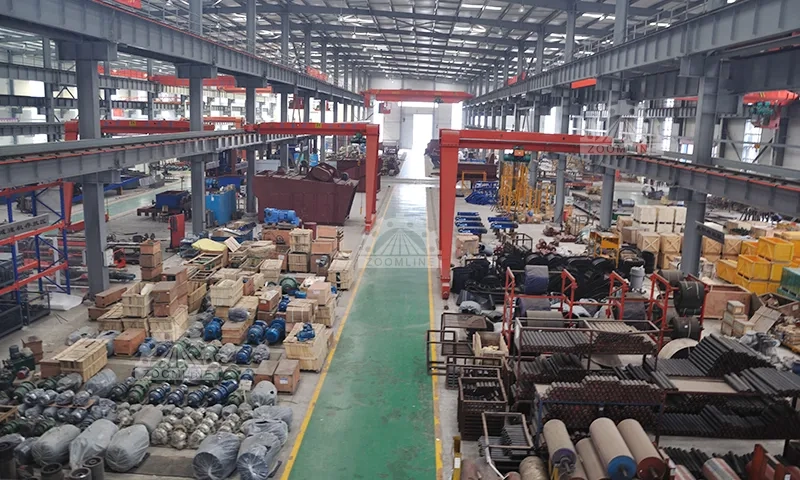
Asphalt mixing plants have a complex structure, involving multiple systems such as aggregate processing, heating, mixing, conveying, and control. The wear patterns and importance of spare parts vary across these different systems. The following list categorizes essential spare parts by system, balancing general applicability with system-specific requirements to suit mixing plants of all sizes. It also takes into account the trend toward domestic spare parts and highlights key compatibility considerations for core components.
Combustion System Spare Parts — The “Heart” of Asphalt Production, Indispensable
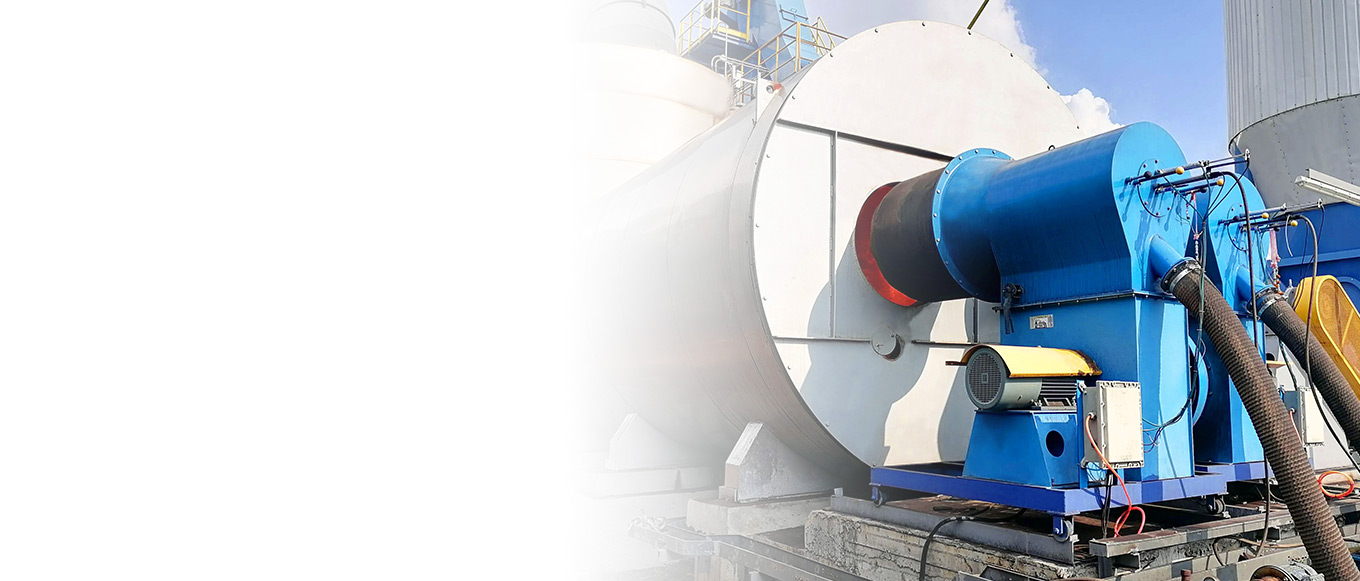
The combustion system serves as the core power source of the asphalt mixing plant, responsible for heating aggregates and asphalt. It directly determines product quality and fuel efficiency; any failure will cause the entire production line to come to a complete standstill. With the widespread adoption of low-nitrogen burners, maintaining a stock of their core components has become even more critical. Essential spare parts include:
Ignition Electrodes
Wear-and-tear components responsible for igniting fuel. Prolonged use can lead to carbon buildup and damage, requiring regular replacement. It is recommended to stock 2–3 sets compatible with different burner models (including domestic low-nitrogen models).
Flame sensors
These monitor flame status in real time to prevent safety hazards caused by fuel leaks. As critical safety components, it is recommended to stock at least one unit, prioritizing products compliant with the GB/T 3766-2023 standard.
Pressure regulator, fuel filter
Ensure a stable fuel supply by filtering impurities and regulating pressure to prevent incomplete combustion. It is recommended to stock 1–2 of each, compatible with the fuel type used in the asphalt mixing plant (diesel, natural gas, etc.).
Solenoid Valves, Burner Nozzles
Control fuel injection volume and velocity, affecting combustion efficiency. Prone to clogging and wear; it is recommended to stock 3–5 units, with inventory levels adjusted flexibly based on production load.
Spare Parts for Conveying and Elevating Systems—The “Lifeline” of Material Flow, Preventing Jams
Conveying and elevating systems are responsible for transporting aggregates, hot mix, and asphalt. Due to prolonged exposure to high temperatures and dusty environments, components wear out and age rapidly, making these systems prone to frequent failures. Essential spare parts cover two core pieces of equipment—conveyors and elevators—and are suitable for various conveying scenarios:
Conveyor Spare Parts
Conveyor belts, idlers (including return idlers)
Conveyor belts are prone to wear and tearing, while idlers are susceptible to jamming and rust. It is recommended to stock 1–2 sections of conveyor belt (cut to fit the equipment length) and 5–10 idlers, prioritizing materials that are wear-resistant and heat-resistant.
Drive belts and bearing assemblies
These are the core components of the drive system. Bearings are prone to damage due to insufficient lubrication, while drive belts are prone to loosening and breaking. It is recommended to stock 2–3 of each and use them with specialized grease.
Tensioners, pulleys, and gearbox seals
These ensure smooth conveyor operation and prevent material leakage and abnormal equipment noise. It is recommended to stock 1–2 of each and inspect and replace them regularly.
Elevator Spare Parts
Elevator belts, chains, and buckets: The core load-bearing components of the elevator. Chains are prone to rust and breakage, while buckets are prone to wear and detachment. It is recommended to stock 1 elevator belt, 1–2 sets of chains, and 5–10 buckets. For elevators operating in high-altitude regions, additional low-temperature-resistant models should be stocked.
Bearings
Critical to elevator operation, prone to wear and heat generation. It is recommended to stock 3–5 bearings, prioritizing sealed types to minimize dust ingress.
Spare Parts for Asphalt Conveyance and Metering Systems — Ensuring Accurate Mix Proportions and Reducing Waste
The asphalt conveyance and metering systems directly impact the accuracy of asphalt mixture proportions. Component failures can easily lead to asphalt leaks and metering errors, affecting product quality while causing material waste. Essential spare parts should focus on pump bodies, seals, and metering components:
Asphalt Pumps and Thermal Oil Pumps
Responsible for conveying asphalt and thermal oil, these pumps handle high-temperature, high-viscosity materials over extended periods, making them prone to seal aging and pump body wear. It is recommended to stock one spare pump for each type. Domestic asphalt pumps offer outstanding value for money and should be prioritized, as their service life is now approaching that of imported models.
Mechanical seals, gaskets, O-rings
These are the core sealing components of asphalt pumps and valves, prone to aging and leakage. It is recommended to stock 10–20 sets to accommodate different pump body and valve specifications.
Load cells, flip-flap valves, pneumatic cylinders, and valves
These are critical components of the metering system, ensuring precise measurement of aggregates, asphalt, and fillers. Since load cells are prone to malfunction and valves to jamming, it is recommended to keep 1–2 of each in stock. Prioritize high-precision domestic load cells, as their first-pass yield rate has reached 96.8%.
Flexible couplings, packing kits, and check valves
These ensure smooth asphalt delivery and prevent material backflow. It is recommended to stock 2–3 of each.
Mixing System Spare Parts—The “Key” to Mix Uniformity; Prioritize Wear Resistance
Components of the mixing system, such as mixing arms and mixing blades, are constantly exposed to friction from high-temperature aggregates and asphalt, causing them to wear out the fastest. These are high-wear parts that require frequent replacement. Essential spare parts must prioritize wear-resistant materials to meet high-intensity production demands:
Mixing arms and blades (castings)
Core wear-resistant components. It is recommended to stock 2–3 sets. Prioritize high-chromium cast iron or tungsten carbide overlay materials to extend service life. Large-scale mixing plants may appropriately increase their inventory to accommodate high-intensity operations exceeding 16 hours per day.
Lining plates (wear-resistant plates)
Protect the mixing drum and reduce wear. It is recommended to stock 1–2 sets, selecting the appropriate type based on the mixing drum specifications.
Bolts, lock nuts, washers, and bushings
Secure mixing components; prone to loosening and wear. It is recommended to stock 10–20 sets, selecting high-temperature-resistant and anti-loosening models.
Dust Collection System Spare Parts — The “Bottom Line” for Environmental Compliance; Replace Regularly
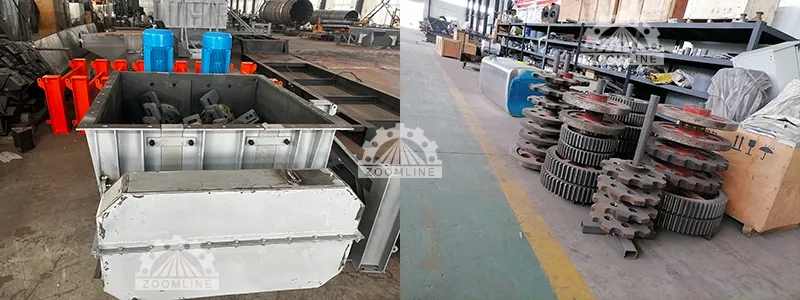
As environmental regulations become increasingly stringent, the stable operation of the dust collection system is critical. Components such as filter bags and solenoid valves are prone to clogging and damage. Failure to replace them in a timely manner may result in emissions exceeding standards, equipment failure, or even penalties. The following spare parts are essential to meet near-zero dust emission requirements:
Filter bags and cage assemblies
The core components for dust filtration, prone to clogging and tearing. It is recommended to stock 5–10 units. Select models based on the dust collection system type, prioritizing high-temperature and corrosion-resistant materials to meet environmental upgrade requirements.
Diaphragm valves, pulse solenoid valves, and timer controller
These control the dust collection system’s cleaning process and are prone to malfunction or damage. It is recommended to stock 2–3 units of each to ensure effective cleaning.
Electrical and Control System Spare Parts—The “Brain” of Equipment Operation, Ensuring Rapid Response
Modern asphalt mixing plants rely on automated control systems. A failure in components such as PLCs or sensors can cause the entire system to shut down. Furthermore, these spare parts are highly technical, and procuring them on short notice takes a long time. Essential spare parts must balance universality and compatibility while meeting the demands of intelligent operation and maintenance:
PLC Modules, HMI
The core of the control system. It is recommended to stock one of each. Prioritize models compatible with the equipment’s existing system. Currently, domestic PLC modules hold a 38% market share, so domestic brands compatible with the equipment should be prioritized.
Contactors, Relays, Limit Switches
These control electrical circuits and are prone to aging and damage. It is recommended to stock 3–5 of each. Select high-quality brands to avoid safety hazards caused by electrical failures.
Fuses, Circuit Breakers
Protect the electrical system against short circuits and overloads. It is recommended to stock 5–10 units to accommodate circuits of various specifications.
Thermocouples, RTDs (Resistance Temperature Detectors)
Critical for temperature monitoring; prone to damage and malfunction. It is recommended to stock 3–5 units to ensure precise temperature control for aggregate drying and asphalt heating, with fluctuations kept within ±3°C.
Lubrication and Hydraulic System Spare Parts — The “Lubricant” for Equipment Operation, Reducing Wear
The lubrication and hydraulic systems are responsible for lubricating the moving parts of the equipment and transmitting power. Component failures can easily lead to equipment jamming, increased wear, or even component seizure. Essential spare parts should focus on sealing and lubrication components:
Grease nipples and oil nipples
Essential for grease application, prone to clogging and damage. It is recommended to stock 10–20 units to accommodate lubrication points of various specifications.
Hydraulic hoses, pump and cylinder seal kits
The core of the hydraulic system’s sealing mechanism, prone to aging and leakage. It is recommended to stock 5–10 sets suitable for low-temperature and high-pressure conditions, particularly for winter construction needs in the Northeast region.
Filters and oil reservoirs
Filter and store hydraulic oil to prevent contaminants from entering the system. It is recommended to stock 1–2 of each and replace filter elements regularly.
Safety and Emergency Spare Parts — Upholding Safety Standards and Preventing Accidents
Asphalt mixing plants are high-temperature, high-pressure, and high-risk facilities. Safety and emergency spare parts are indispensable for enabling rapid response during sudden incidents, protecting personnel and equipment, and preventing accidents from escalating:
Emergency stop buttons and safety switches
Enable rapid shutdown during sudden malfunctions. It is recommended to stock 2–3 units and install them at key locations on the equipment to ensure ease of operation.
Fire suppression system components, alarm buzzers
To address emergencies such as fires or leaks, it is recommended to stock one complete set of fire suppression spare parts (fire extinguishers, fire hydrant accessories) and 2–3 alarm buzzers.
Warning lights, horns
To alert on-site personnel to safety hazards, it is recommended to stock 2–3 of each to ensure effective warning during equipment operation.
Key Tips for Procuring and Stocking Spare Parts
Stocking spare parts requires not only “comprehensive coverage” but also “selecting the right parts and doing so cost-effectively.” Drawing on industry management experience and trends toward localization, here are three key tips to help operators achieve refined spare parts management:
Prioritize genuine OEM spare parts and reject non-standard, low-quality products
OEM spare parts are designed and manufactured according to the original equipment manufacturer’s specifications, ensuring compatibility, quality, and durability. This prevents equipment failures from escalating due to incompatible parts. Although the upfront cost of OEM spare parts is slightly higher, in the long run, they reduce replacement frequency and lower operational and maintenance costs. Additionally, OEMs typically provide warranties and technical support, allowing for rapid resolution of any issues. This is particularly true for core components, such as PLC modules and burner assemblies. Never opt for non-standard products to save costs, as this could lead to safety incidents, resulting in more harm than good. Currently, the quality of domestically produced OEM spare parts has significantly improved; their MTBF (Mean Time Between Failures) metrics are now on par with German brands, and the service life of some wear-resistant parts even exceeds that of imported counterparts by 15%.
Implement “ABC Classification” for Stockpiling to Avoid Inventory Buildup and Shortages
There is no need to blindly stockpile all spare parts. Instead, use the “ABC Classification Method” in conjunction with equipment failure patterns to reasonably plan inventory levels: Category A (critical parts), such as burner core components and PLC modules, are high-value, high-impact items with long procurement cycles; sufficient safety stock must be maintained. Category B (frequently used parts), such as seals and bearings, are medium-value items with stable consumption rates; a reasonable turnover stock should be maintained. Class C (low-value parts), such as bolts and gaskets, are low-value and easy to procure, so bulk stockpiling is sufficient. At the same time, dynamically adjust inventory levels based on historical consumption data and equipment runtime to avoid excess inventory tying up capital (spare parts inventory can account for 15%–25% of total assets in manufacturing) and prevent shortages of critical spare parts.
Establish a spare parts management ledger and conduct regular inspections and updates
Establish a comprehensive spare parts management ledger that details the name, specifications, quantity, purchase date, and replacement history of each part. Utilize digital management tools (such as ERP + WMS systems) to ensure real-time updates of spare parts entering and leaving the warehouse, guaranteeing that the ledger matches physical inventory. Additionally, regularly inspect the condition of spare parts. For items prone to aging or moisture damage (such as seals and electrical components), implement proper moisture-proof, dust-proof, and anti-aging measures; For idle spare parts that have not been used for over six months, promptly process them through internal transfers, write-downs, or scrapping to free up warehouse space and capital. It is recommended to conduct monthly inventory counts for Class A spare parts and comprehensive quarterly inventory counts. Based on equipment maintenance schedules and production loads, promptly replenish any shortage of spare parts.
Conclusion
The efficient operation of an asphalt mixing plant relies on a comprehensive spare parts inventory system. A scientific and well-structured spare parts list enables operators to respond quickly to equipment failures, minimize downtime losses, ensure production continuity, and simultaneously reduce operational costs while extending equipment lifespan. As the localization rate of domestic spare parts continues to rise, selecting compatible domestic OEM spare parts can both lower procurement costs and ensure stable equipment operation.
Operators are advised to optimize their spare parts inventory plans by referring to the list provided in this article and considering their specific plant model, production scale, and years of operation. At the same time, they should establish a routine spare parts management mechanism to ensure that spare parts inventory truly serves as a “solid backbone” for the efficient, safe, and stable operation of the mixing plant.