


Easy Tips About Finding The Good Asphalt Mixing Plant Price
Contents
- 1 Understand the Asphalt Plant’s Principles
- 2 3 Key Factors for Quickly Evaluating Cost-Effective Equipment
- 3 4 Key Factors That Directly Determine the Price of an Asphalt Mixing Plant
- 4 Avoiding Procurement Pitfalls: 3 Practical Tips for Finding the Right Price
- 5 Summary: The Key to Pricing Is “Matching Your Needs”
In projects such as road construction and municipal engineering, asphalt mixing plants are the core production equipment, with prices ranging widely—from $100,000 for small-scale units to $1–2 million for large-scale plants, and custom models can even exceed these price points.
Many buyers easily fall into the trap of either “focusing solely on low prices” or “blindly chasing high prices,” either neglecting equipment quality and suitability or paying extra for unnecessary features.
In reality, finding an asphalt mixing plant that offers the right balance of value and suitability hinges on mastering key evaluation techniques and carefully screening options based on your specific project needs, rather than simply comparing numbers. This practical guide will help you quickly identify the appropriate price for an asphalt mixing plant, avoid procurement pitfalls, and achieve a balance between cost and benefits.
Understand the Asphalt Plant’s Principles
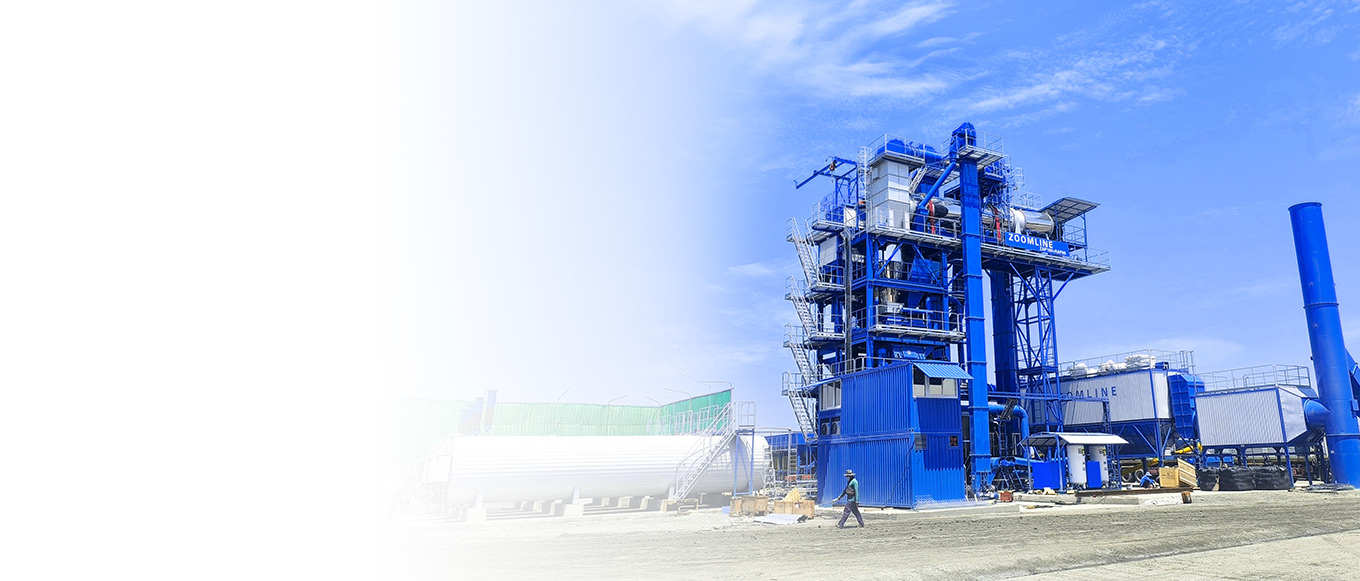
To determine whether an asphalt mixing plant’s price is reasonable, you must first understand its basic workflow—the core process involves measuring, mixing, and heating raw materials such as asphalt, aggregates, and mineral powder in precise proportions to ultimately produce asphalt mixtures that meet standards.
In this process, the equipment’s design precision, the quality of its core components, and its production efficiency directly determine the price. Simply put, equipment capable of consistently achieving precise raw material measurement, efficient heating and mixing, and emissions compliant with environmental standards will naturally command a price commensurate with its performance.
Conversely, equipment that appears low-priced often cuts corners on core components (such as mixing drums and weighing systems). This can lead to frequent breakdowns and high maintenance costs, ultimately increasing the total investment.
Furthermore, the stability of equipment performance reflects the manufacturer’s technical capabilities. Choosing a manufacturer with a solid reputation and proven production experience—even if the price is slightly higher—can prevent project delays caused by equipment quality issues, making it a more cost-effective choice in the long run.
This is also a key factor in determining whether a price is reasonable. Do not be tempted by short-term savings and opt for equipment from small manufacturers lacking proper certification or after-sales support.
3 Key Factors for Quickly Evaluating Cost-Effective Equipment
Faced with the wide variety of quotes for asphalt mixing plants on the market, there’s no need to compare them blindly. By focusing on the following three key factors, you can quickly identify high-quality equipment that offers the right balance of price and value, and avoid being misled by superficial quotes.
Capacity Matching—Avoid “Excess” and “Insufficiency”
Capacity is the core factor determining the price of an asphalt mixing plant and the primary requirement that buyers must clarify. Equipment capacity is measured in “tons per hour (TPH),” ranging from small-scale units of 20–20 TPH to large-scale units of 400 TPH.
Higher capacity leads to a more significant price increase, and the prices of large-scale equipment typically rise in steps rather than linearly. For example, the price of a 200-ton-per-hour unit is far higher than the combined cost of two 100-ton-per-hour units.
Specifically, small-capacity equipment (20–80 tons per hour) typically costs between $100,000 and $250,000 and is suitable for small-scale projects such as rural road maintenance and community pavement laying; Equipment with medium-capacity (100–240 tons per hour) ranges from $300,000 to $800,000 and is suitable for medium-scale projects such as municipal roads and county highways; equipment with large-capacity (240–400 tons per hour) can cost between $800,000 and $3 million and is primarily used for large-scale infrastructure projects such as expressways and airport runways.
When purchasing, accurately calculate your project’s average daily and monthly asphalt demand to avoid “over-specifying”—for example, purchasing large-scale equipment for small projects not only increases initial procurement costs but also leads to higher energy consumption, land requirements, and maintenance costs.
At the same time, avoid “under-specifying”; if equipment capacity is insufficient, it will cause project delays and ultimately increase overall project costs. If you are unsure of your specific needs, consult a professional manufacturer to precisely match production capacity with your project timeline and scope of work.
Equipment Type—Choose the Right Type to Cut Costs in Half
Prices vary significantly depending on the type of asphalt mixing plant. Currently, the market primarily offers two core types: batch-type and drum-type. Their applicable scenarios and price points are distinctly different, so selection must be based on project requirements.
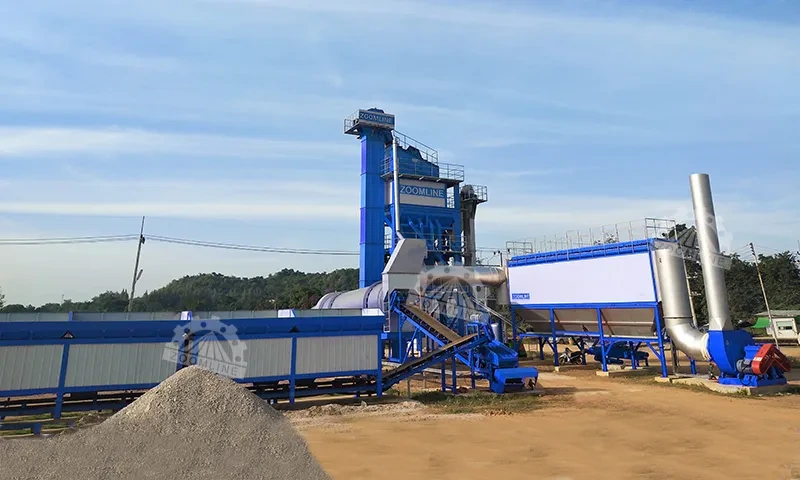
Batch-Type Asphalt Mixing Plants: These offer more comprehensive functionality but have a relatively complex structure. Their core advantages lie in precise measurement and consistent asphalt mixture quality, making them suitable for projects with high pavement quality requirements (such as highways and major municipal roads).
Due to their more sophisticated production processes and higher precision requirements for core components (such as weighing scales and mixing drums), their purchase price and operating costs are relatively higher. For the same production capacity, they are 15%–30% more expensive than continuous-type equipment.
Continuous (drum-type) asphalt mixing plants: Simple in structure, easy to operate, and highly efficient, they are suitable for projects with lower requirements for mix quality precision (allowing a 2%-3% weight deviation), such as rural roads and temporary repair projects.
Their advantage lies in their high cost-effectiveness; they have relatively low purchase prices and lower operating costs, making them the preferred choice for buyers with limited budgets who seek efficient production.
Heating Efficiency—Hidden Costs That Cannot Be Overlooked
Heating is one of the core processes in an asphalt mixing plant. Heating efficiency directly impacts the equipment’s energy consumption costs and production efficiency, and the level of heating efficiency is also reflected in the equipment’s quoted price.
High-quality equipment features mixing drums made of high-temperature-resistant materials with excellent thermal conductivity, paired with high-efficiency burners. This allows the drum to be heated rapidly to the standard temperature (typically 150–180°C), not only saving fuel consumption but also improving production efficiency.
Conversely, low-cost equipment features inferior drum materials and inefficient burners, resulting in slow heating. This not only wastes time and fuel but may also lead to substandard asphalt mix quality due to uneven heating, thereby increasing rework costs.
When purchasing, in addition to considering the initial equipment price, it is essential to inquire about parameters such as heating efficiency and fuel consumption to calculate long-term operating costs. This helps avoid situations where high hidden costs offset the initial price advantage.
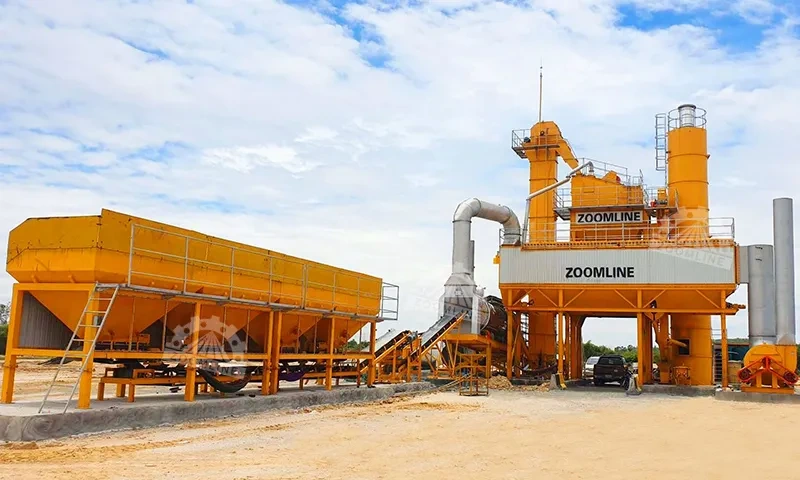
4 Key Factors That Directly Determine the Price of an Asphalt Mixing Plant
Once you understand the evaluation criteria, you must also identify the specific factors that influence equipment pricing. This allows you to accurately assess whether a price is reasonable and avoid being misled by “inflated quotes” or “low-price traps.”
Equipment Configuration—The More Features, the Higher the Price
The detailed configuration of an asphalt mixing plant is one of the key variables determining its price. The more extensive the configuration and the greater the number of components, the higher the price will naturally be. It is important to select based on your specific needs to avoid redundant configurations.
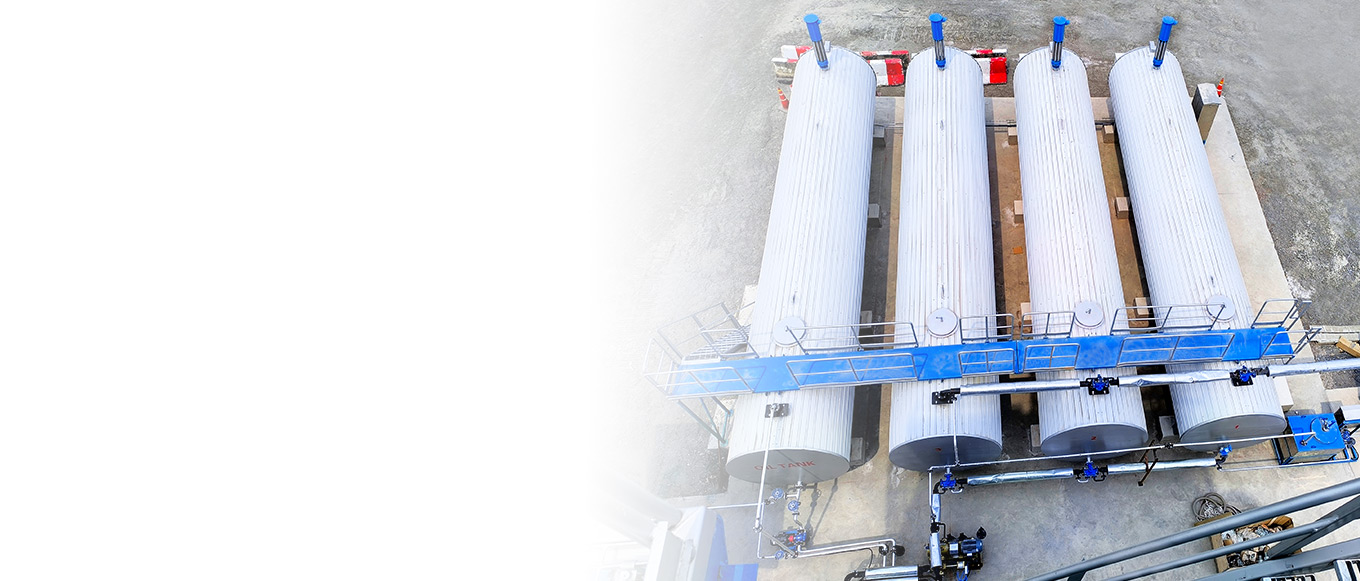
For example, the number of asphalt storage tanks directly affects the price: equipment with 5 asphalt storage tanks is approximately 20% more expensive than equipment with 2–3 tanks, but it is suitable for projects requiring the storage of multiple types of asphalt and long-term continuous production; If the project involves a single type of asphalt, 2–3 tanks are sufficient to meet the demand, eliminating the need for additional costs.
Additionally, hot storage silos, large dust collectors, multiple aggregate silos, RAP (recycled asphalt) addition units, and additive systems are all optional configurations; each added item will increase the price accordingly.
When purchasing, clearly determine whether your project requires these configurations. For example, regions with strict environmental requirements need high-efficiency dust collectors, while projects requiring recycled asphalt must include a RAP unit to avoid paying for unnecessary features.
Mobility — Mobile Models Cost Over 30% More Than Fixed Models
Asphalt mixing plants are categorized into fixed and mobile models, with a significant price difference between them. The core distinction lies in the structural upgrades required for mobility.
Stationary asphalt mixing plants: These feature a simple structure and cannot be moved once installed. They are suitable for projects requiring long-term production at a fixed site (such as large-scale mixing plants or long-term road construction projects). Their prices are relatively low; for the same production capacity, they are 30%–50% cheaper than mobile models.
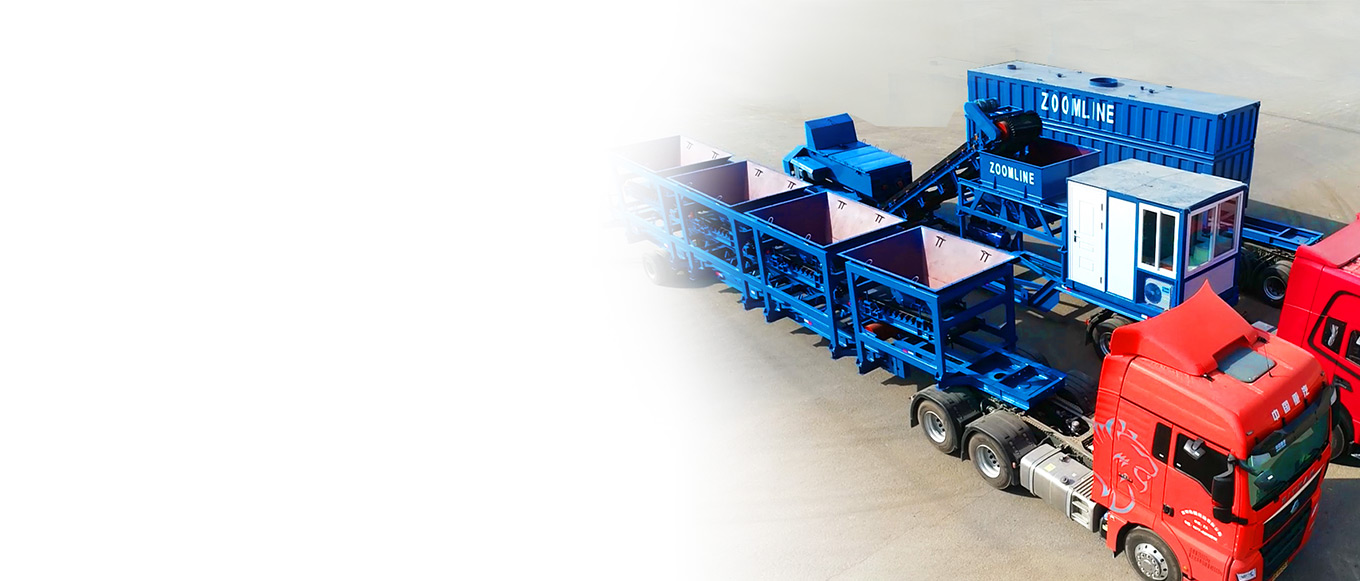
Mobile Asphalt Mixing Plants: Equipped with a heavy-duty chassis, foldable supports, and a towing mechanism, they can be flexibly moved to different construction sites without the need for permanent installation. They are suitable for decentralized projects (such as multi-section repairs or cross-regional construction).
Due to their more complex structure, which must ensure stability and durability during transit, their purchase price is higher, and subsequent maintenance costs are also slightly higher than those of fixed models. If the construction site is fixed, prioritize the fixed model to significantly reduce costs.
Brand and After-Sales Service—Reputation Determines “Hidden Value for Money”
For asphalt mixing plants with the same production capacity and configuration, quotes from different brands may vary by 20%–40%. This disparity primarily reflects differences in brand strength and after-sales service.
High-quality brand manufacturers possess mature production technologies and strict quality control, resulting in equipment with greater stability and durability, lower failure rates, and the ability to provide timely after-sales repair services, spare parts supply, and technical guidance.
Although the initial quote may be slightly higher, this approach avoids project delays and increased repair costs caused by equipment failures, making it more cost-effective in the long run. In contrast, equipment from smaller manufacturers may have lower quotes but lacks quality assurance, features slow after-sales response times, and may even be unable to provide spare parts, potentially leading to the dilemma of “affordable to buy but unaffordable to use.”
Customization Requirements — The More Customization, the Higher the Price Increase
If a project has special requirements (such as specific production capacity, compatibility with special raw materials, environmental upgrades, or regional adaptation), manufacturers must undertake customized production, which can increase the price by 10%–50% compared to standard models. The exact increase depends on the complexity of the customization.
For example, construction in high-altitude regions requires customized combustion systems and heating devices suitable for high altitudes; in cold regions, tanks and drums with better insulation performance are needed. These customization requirements increase production costs, thereby driving up equipment prices.
When purchasing, prioritize standard equipment whenever possible. If customization is truly necessary, clearly define the scope of customization to avoid excessive modifications that add unnecessary costs.
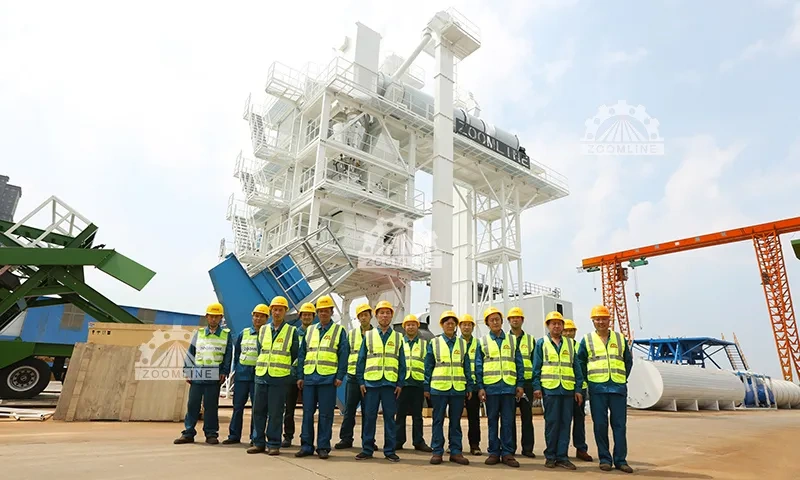
Avoiding Procurement Pitfalls: 3 Practical Tips for Finding the Right Price
Once you understand the factors that influence pricing and the evaluation criteria, combining them with the following three practical tips will help you easily avoid procurement pitfalls and find the best value for your asphalt mixing plant.
Compare Multiple Quotes—Don’t Choose the “Lowest Price” or Chase the “Highest Price”
We recommend shortlisting 3–5 qualified manufacturers with a good reputation and obtaining detailed quotations (which must clearly include equipment specifications, production capacity, after-sales service, installation costs, and other fees). When comparing quotes, focus on equipment specifications and after-sales support.
Avoid manufacturers with excessively low quotes, as they likely cut corners or provide substandard equipment. Similarly, do not blindly pursue the highest-priced option, as it may include excessive redundant features and offer poor value for money.
Clarify What’s Included in the Quote to Avoid “Hidden Fees”
Many buyers overlook what’s included in a quote, leading to unexpected additional charges later. When requesting quotes, be sure to ask explicitly whether the quote covers equipment shipping, installation and commissioning, spare parts, after-sales service, taxes, and other fees.
For example, some manufacturers’ quotes cover only the equipment itself, with transportation and installation requiring additional payment. This can result in a situation where the “initial quote is low but hidden fees are high,” increasing the total procurement cost.
Calculate “Overall Value for Money” by Considering Long-Term Operating Costs
The procurement cost of an asphalt mixing plant is merely an upfront investment; long-term operating costs such as energy consumption, maintenance, and spare part replacements must also be factored in.
For example, consider two units with similar initial quotes: one has low energy consumption, few breakdowns, and readily available spare parts, resulting in low long-term operating costs; the other has high energy consumption, frequent breakdowns, and hard-to-find spare parts, meaning subsequent expenses will far exceed the initial price difference.
Therefore, when purchasing, you should not only compare initial quotes but also calculate long-term operating costs. Choosing equipment that offers both a “reasonable initial quote and low long-term operating costs” is the true definition of high cost-effectiveness.
Summary: The Key to Pricing Is “Matching Your Needs”
In reality, there is no such thing as an “absolutely cheap” or “absolutely expensive” asphalt mixing plant—only a price that “matches your needs.” To find the right price for an asphalt mixing plant, the key is to clearly define your project’s production capacity requirements, construction scenarios, and quality standards, and then combine these with factors such as equipment type, configuration, and brand to make a precise selection.
Avoid the pitfall of “focusing solely on price while ignoring value.” By balancing initial procurement costs with long-term operating costs, you can achieve the goal of “spending a reasonable amount to purchase the right equipment,” thereby ensuring the efficient progress of your project.