In the field of infrastructure construction and maintenance, the renovation of asphalt pavements generates a large amount of waste asphalt material. Traditional landfill disposal methods not only waste resources but also place a heavy burden on the environment. Reclaimed asphalt pavement (RAP) recycling technology, which recycles, processes, and remixes reclaimed asphalt pavement material (RAP) for reuse in road construction, has become a key path to achieving sustainable development.
Old asphalt mainly comes from asphalt pavement materials milled and demolished during road renovation and expansion projects. Its components include aged asphalt binder and aggregate.
For a long time, large amounts of used asphalt have been directly landfilled, which not only occupies land resources but also causes environmental pollution due to the difficulty in degrading asphalt. Recycling used asphalt can effectively reduce dependence on resources such as natural sand and gravel and petroleum asphalt, while reducing engineering costs, which is in line with the concept of green and low-carbon development.
RAP is an abbreviation for Reclaimed Asphalt Pavement, which is a mixture obtained by milling, crushing, and screening waste asphalt pavement. It contains aggregates, aged asphalt, and a small amount of impurities. High-quality RAP, after proper processing, can be mixed into new asphalt mixtures in a certain proportion and reused for road paving.
Driven by global sustainable development strategies, asphalt recycling technology has become one of the core development directions in the road construction sector. Developed countries in Europe and America have achieved asphalt recycling rates exceeding 90%. In my country, with the advancement of the “dual carbon” target, asphalt recycling has also been incorporated into various policy plans.
Asphalt recycling not only reduces the amount of construction waste going to landfills, but also lowers energy consumption and carbon emissions during asphalt production, playing an irreplaceable role in promoting infrastructure development towards a green, low-carbon, and circular direction.
Reduce landfill waste and decrease natural resource consumption.For every 10,000 tons of recycled asphalt, approximately 24,000 tons of sand and gravel aggregate and 3,000 tons of asphalt can be saved, reducing landfill space by approximately 12,000 cubic meters and effectively alleviating resource shortages and land occupation pressure.
Reduce carbon emissions and save energy Compared to producing virgin asphalt mixtures, the production process of recycled asphalt mixtures can reduce energy consumption by **30%-50%**, while also reducing emissions of greenhouse gases such as carbon dioxide. Taking thermal recycling technology as an example, through waste heat recovery systems, energy utilization efficiency can be further improved, and fuel consumption reduced.
Significantly reduce material and production costs RAP materials can directly replace some of the new aggregate and new asphalt, reducing raw material procurement costs. Taking the ZOOMLINE recycled asphalt mixing plant as an example, its RAP addition ratio can reach 30%-50%, which can save the project **15%-30%** in material costs.
Improve asphalt mixing efficiency and output Professional recycled asphalt mixing equipment employs optimized mixing processes and large-capacity mixing tank designs to achieve efficient mixing of old and new materials. For example, the ZOOMLINE series equipment boasts a maximum total capacity of 400t/h, improving construction efficiency and shortening the construction period while ensuring quality.
With proper treatment, its durability is comparable to or even superior to that of virgin materials.Asphalt mixtures blended with recycling agents can achieve or even exceed the standards of new asphalt mixtures in key performance indicators such as high-temperature stability and low-temperature crack resistance.
Enhance rutting resistance and extend road surface service lifeThe aged asphalt in recycled asphalt mixtures is activated by a recycling agent and then combines with new asphalt to form a binder with better performance. This can effectively improve the road surface’s resistance to rutting and fatigue, extending the road surface’s service life by 3-5 years.
Hot mix asphalt recycling involves transporting recovered asphalt pavement material (RAP) to a recycling plant. There, it undergoes crushing, screening, and heating before being precisely blended with new aggregate, fresh asphalt binder, and rejuvenator to produce high-quality hot-recycled asphalt mix. The core advantages of this method include uniform material temperature, precise mix proportions, and stable, reliable performance of the recycled mixture. It is particularly suitable for surface and base course construction on high-grade highways.
Process Flow: RAP crushing and screening → Heating and drying → Measurement and proportioning → Mixing and blending → Storage of finished material.
Cold in-place recycling involves milling and crushing existing asphalt pavement directly at the road site. Emulsified asphalt, foamed asphalt, cement, or other recycled binders are then added. The mixture is blended, paved, and compacted in situ at ambient temperatures. This process features low energy consumption, environmental friendliness, no heating equipment requirements, and convenient construction. It is suitable for repairing base or subbase layers on medium-to-low grade highways and addressing structural pavement defects.
Full Depth Reclamation is a more comprehensive cold in-place recycling technique. Specialized reclamation equipment crushes the entire thickness of the existing asphalt pavement (typically 6-12 inches or deeper), incorporating portions of the underlying base/subbase material. Stabilizers such as cement, lime, emulsified asphalt, or foamed asphalt are added, and the mixture is blended in-place to form a uniform stabilized base course. This method maximizes reuse of existing pavement materials while significantly enhancing overall structural integrity. It is particularly suitable for major repairs and reconstruction of low-grade highways or municipal roads suffering from severe structural damage such as rutting, cracking, and settlement.
| Hot Mix Asphalt Recycling | Cold In-Place Recycling | |
| Construction temperature | Heating to 130-160°C is required.℃ | Construction at room temperature, no heating required. |
| Material properties | The recycled pavement has a quality close to that of newly paved pavement and stable performance. | The material has high overall utilization efficiency and is suitable for grassroots applications. |
| Applicable Scenarios | High-grade highway surface repair and rapid traffic opening project | Repair of base and subbase layers of highways of all grades, and treatment of large-scale road defects. |
| Environmental protection and energy consumption | It requires fuel for heating, but waste heat can be recovered. | Low energy consumption and outstanding green environmental benefits |
| Construction period | The process is complex and the cycle is long. | The process is simple and the construction period is short. |
Taking the ZOOMLINE recycled asphalt mixing plant as an example, the hot recycling method for reusing old asphalt requires the following 9 core steps:
Milling existing asphalt pavement Using specialized milling equipment, the old asphalt surface layer is milled to a certain depth according to the degree of road surface distress and design requirements. During the milling process, the milling speed and depth must be controlled to ensure that the old material is uniformly broken up.
Full-depth milling technology For road sections with severe pavement structure damage, full-depth milling technology is used to mill the asphalt surface layer and part of the base layer together, which facilitates subsequent full-depth recycling treatment.
RAP material transportation The milled RAP material should be transported to the asphalt mixing plant in a timely manner. During transportation, it should be covered with tarpaulins to prevent dust and material loss.
Categorized storage The RAP materials should be sorted and stacked according to their gradation, asphalt content, and other indicators to avoid mixing different batches and affecting the quality of the recycled mixture. The storage area must be hardened and equipped with drainage facilities.
Crushing process Large pieces of RAP material are fed into a crusher for crushing so that their particle size meets the gradation requirements of the recycled mixture.
Screening and grading The crushed RAP material is screened by a vibrating screen to separate aggregates of different particle sizes, ensuring that the gradation of the recycled mixture is accurate and controllable.
Drying process The screened RAP material is fed into a drying drum to remove moisture. Excessive moisture content reduces the adhesion between asphalt and aggregate, affecting the performance of the mixture.
Precise temperature control heating The RAP material is heated to 130-160 degrees Celsius using the heating system of the drying drum.℃ZOOMLINE’s recycled asphalt mixing plant uses a high-efficiency burner and waste heat recovery system, which provides uniform heating and lower energy consumption, while also preventing asphalt from aging at high temperatures.
Mixing new and old materials According to the designed mix proportions, the heated RAP material, new aggregate, and new asphalt are fed into the mixing tank. The mixing tank capacity of the ZOOMLINE equipment can reach 1500-5000 kg/batch, ensuring uniform mixing.
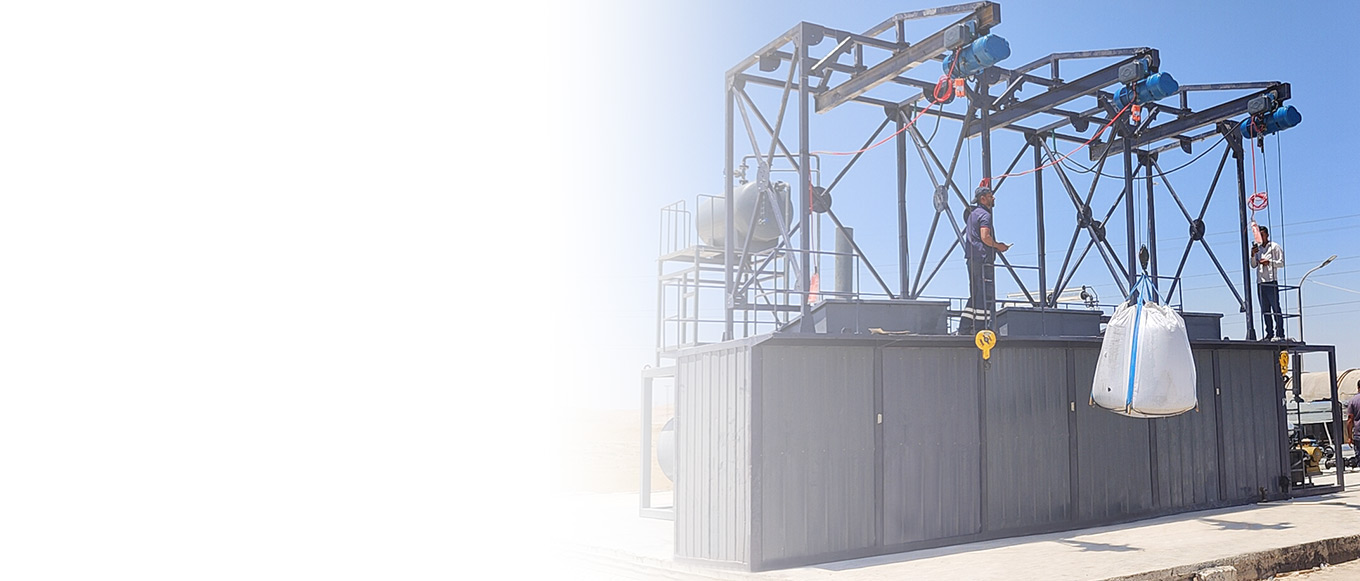
Add regenerator To restore the performance of aged asphalt, an appropriate amount of recycling agent needs to be added during the mixing process. ZOOMLINE equipment can be configured with an independent recycling agent addition system according to customer needs, achieving precise metering.
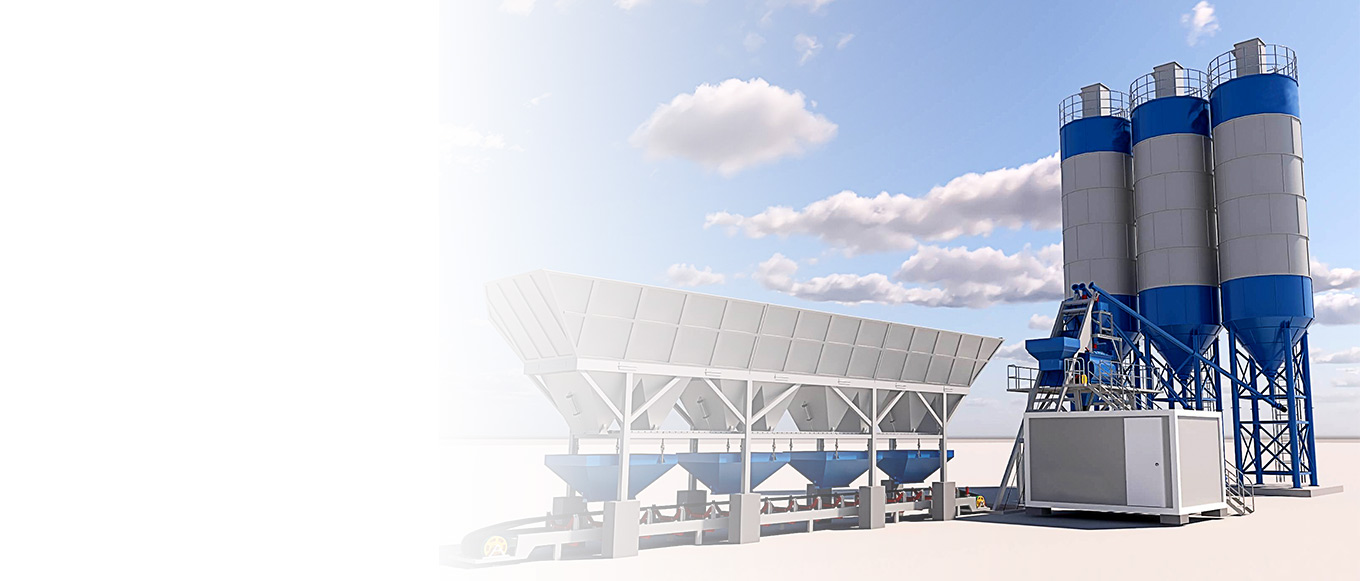
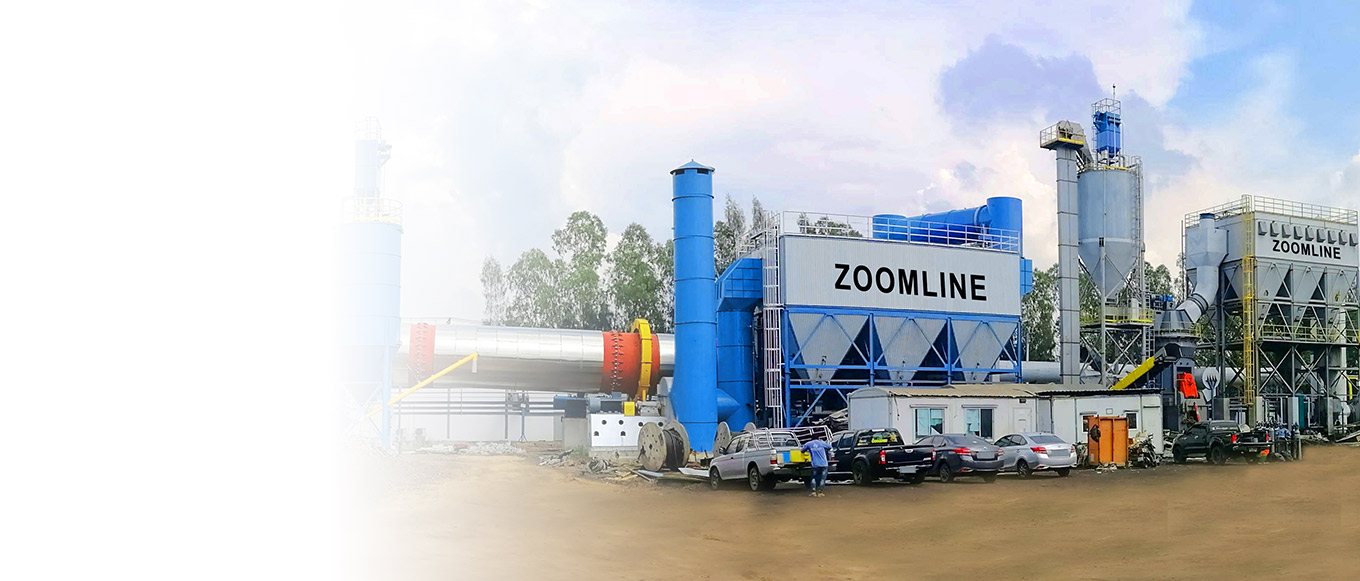
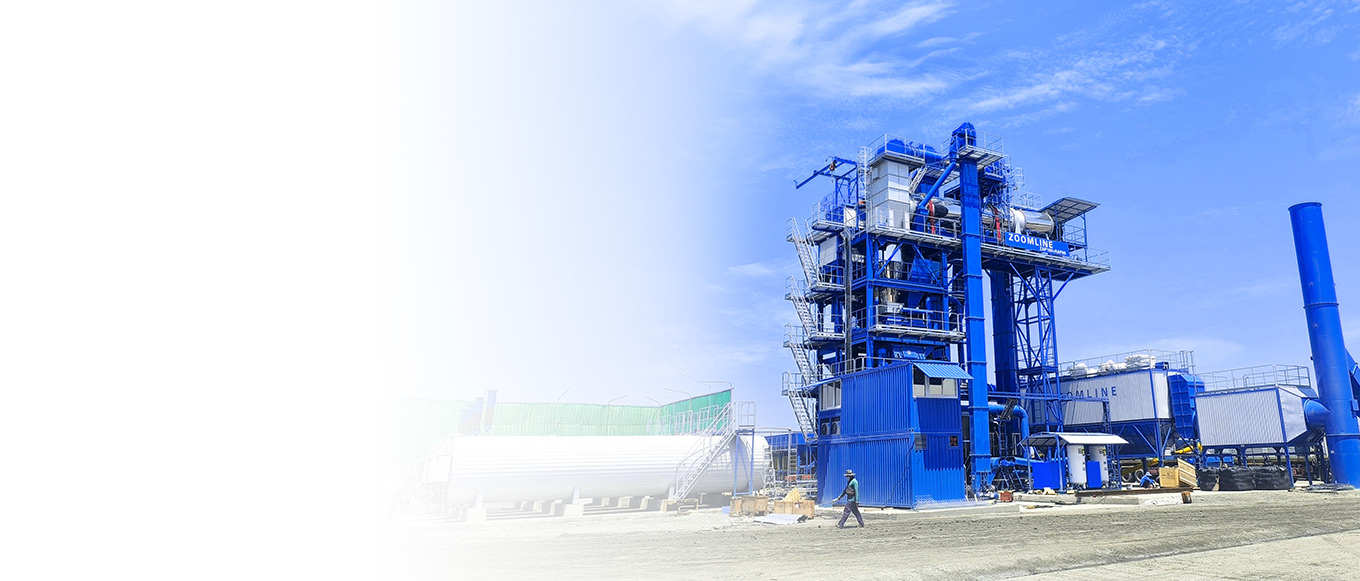
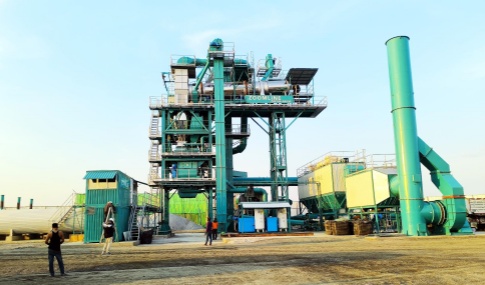
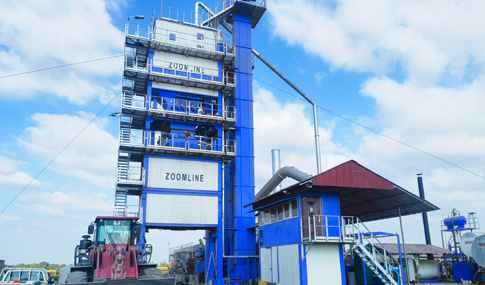
A professional recycled asphalt mixing plant is the core equipment in the hot recycling process. The ZOOMLINE recycled asphalt mixing plant adopts a modular design, integrating functions such as drying, metering, mixing, and dust removal, enabling efficient mixing of RAP materials and virgin materials. The equipment is equipped with a baghouse dust collector, which effectively controls dust emissions and meets environmental protection requirements.
Measurement accuracy control The equipment must strictly control the metering accuracy of each component. The static metering accuracy of the ZOOMLINE equipment is: aggregate ±0.5%, powder ±0.3%, asphalt ±0.2%, and recycled material ±0.5%, to ensure accurate mixture proportions.
Performance testing The finished recycled mixture is subjected to performance tests such as Marshall test and rutting test to verify whether its high temperature stability, low temperature crack resistance and other indicators meet the design requirements.
Mixed material transportation and paving The qualified recycled asphalt mixture is transported to the construction site and spread evenly using a paver. During the paving process, the paving speed and temperature must be controlled to ensure road surface smoothness.
Layered compaction The pavement is compacted using a road roller through initial compaction, intermediate compaction, and final compaction. The compaction degree must reach more than 96% to ensure the density and load-bearing capacity of the pavement.
For high-grade highways, a thin layer of new asphalt mixture can be laid on the surface of recycled asphalt pavement to improve the anti-skid performance and durability of the pavement and extend its service life.
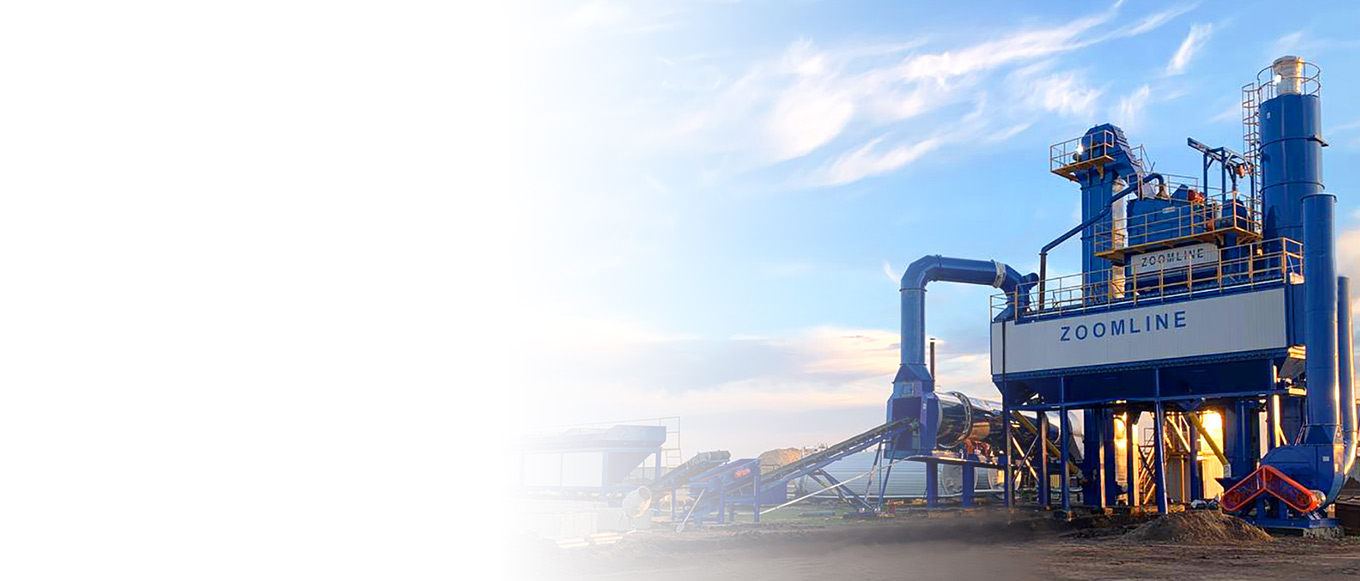
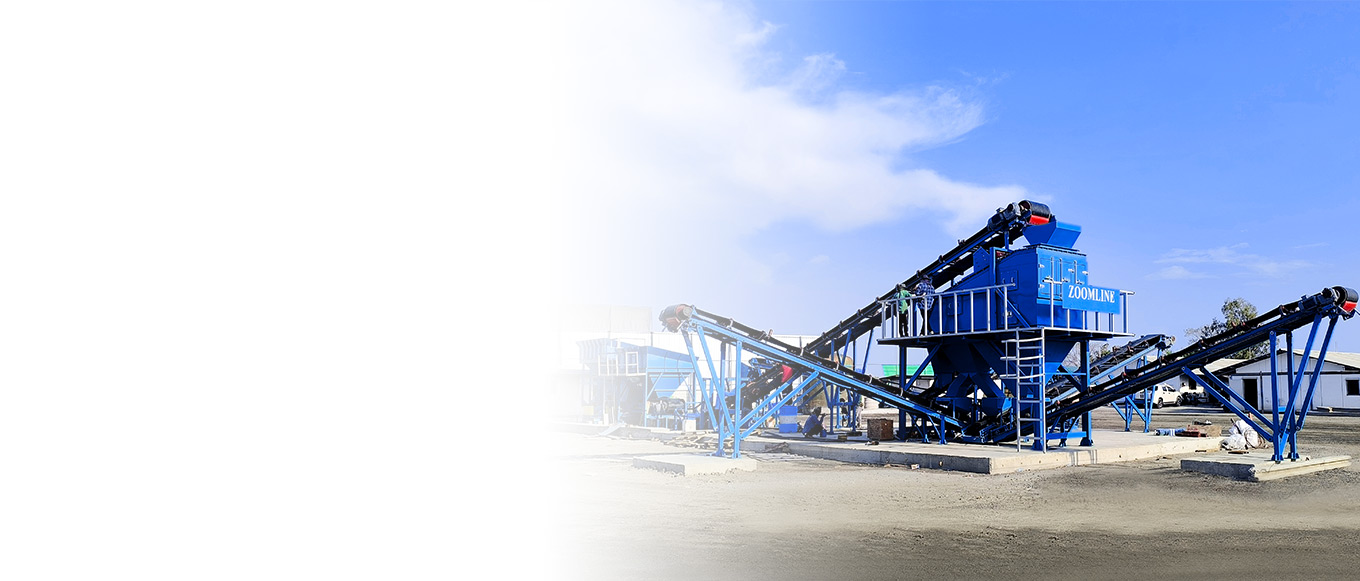
ZOOMLINE Recycled asphalt mixing plant This is a specialized piece of equipment developed for the recycling of RAP materials, integrating multiple functions such as drying, metering, mixing, and dust removal. Through independent innovation, this equipment has solved the industry problem of poor adhesion of recycled asphalt materials, achieving a RAP addition ratio of 30%-50%, and is widely used in road maintenance and new construction projects.
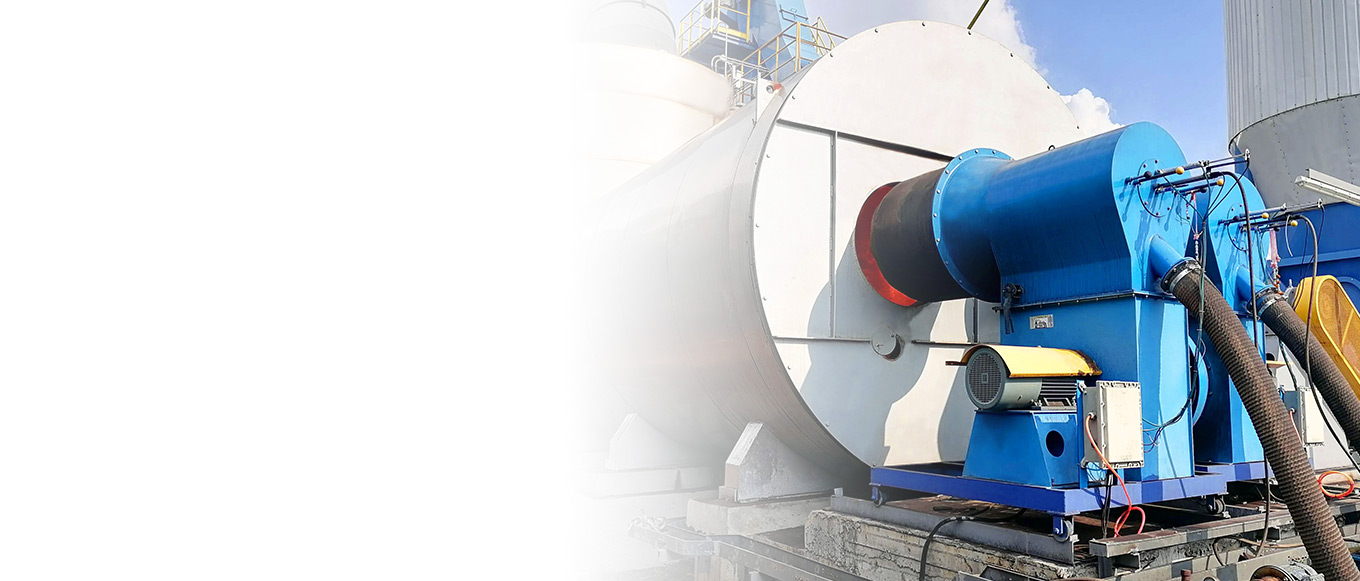
Drying drum and high-efficiency burner The drying drum is made of wear-resistant materials, ensuring a long service life. The high-efficiency burner uses medium atomization technology, resulting in high combustion efficiency and low energy consumption. Additionally, the drying drum is equipped with a waste heat recovery system, which can reduce fuel consumption by 10%-15%.
Large capacity mixing tank The mixing tank capacity is 1500-5000kg/batch. The increased mixing space ensures that the RAP material and the new material are fully mixed, thus improving the quality of the mixture.
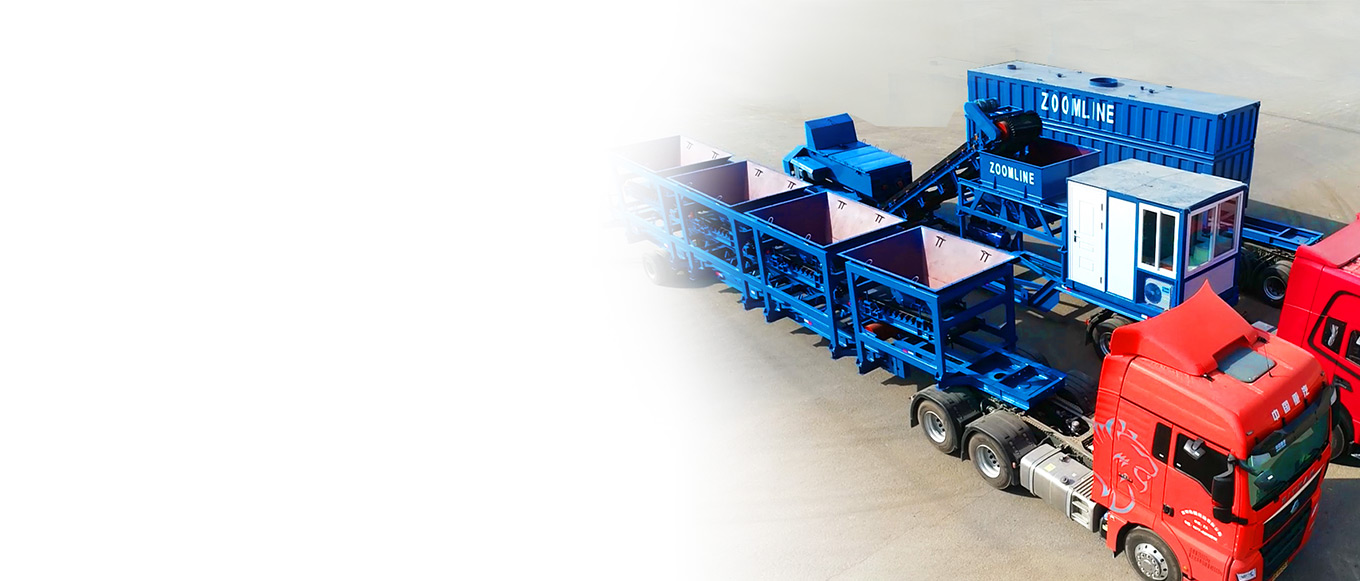
RAP feeding and metering system Equipped with an independent RAP feeding and metering device, it has high metering accuracy and can flexibly adjust the RAP addition ratio according to production needs.
Baghouse dust collector The filtration area can reach 650-1600m², and the dust emission concentration is less than 30mg/Nm³, meeting the strict environmental emission standards.
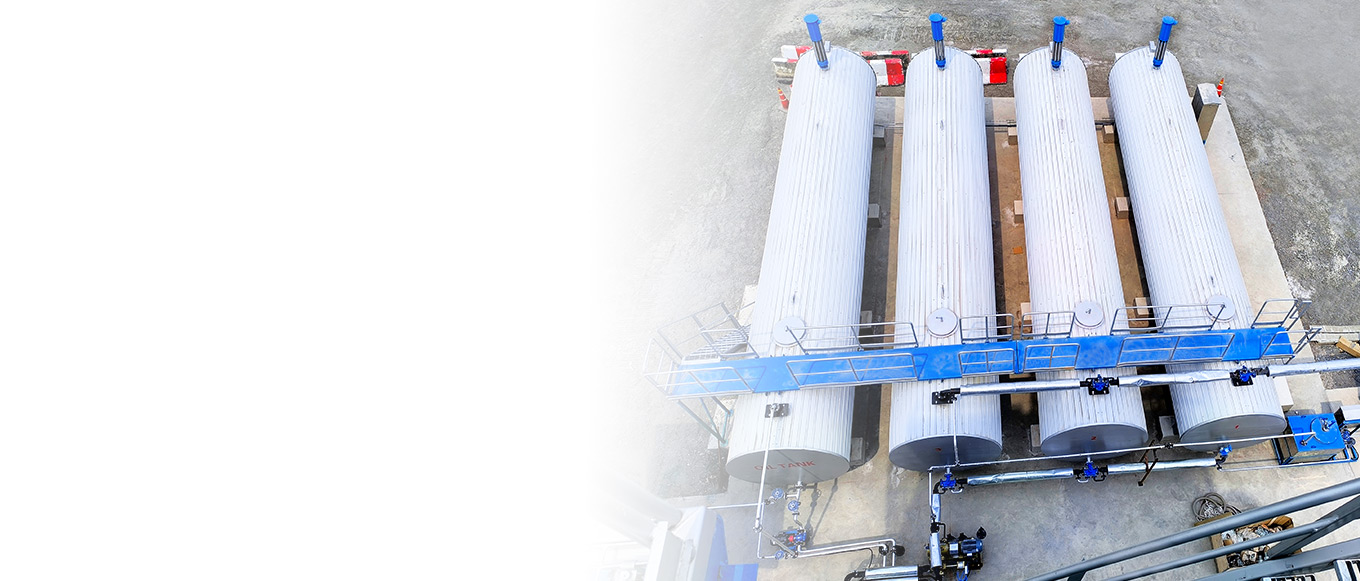
Optional recycled asphalt mixing tank Depending on customer needs, independent recycling asphalt and recycling agent mixing tanks can be added to the main mixing plant to improve the blending effect of recycling agent and old asphalt.
Asphalt Fume Treatment and Insulation System Equipped with asphalt fume treatment equipment to effectively reduce exhaust emissions; insulation measures are adopted for high-temperature operation areas such as storage silos to reduce heat loss and improve energy utilization.
The RAP addition ratio of ZOOMLINE recycled asphalt mixing plants can reach 30%-50%. The addition ratio of different models of equipment can be flexibly adjusted according to project needs to meet the recycling requirements of different projects.
Low emissions The system employs baghouse dust collectors and asphalt fume treatment equipment, resulting in dust emission concentrations of <30mg/Nm³, which meets national environmental protection standards.
Low noise The noise level in the control room is below 80dB, reducing noise pollution to operators and the surrounding environment caused by equipment operation.
ZOOMLINE Recycled asphalt mixing plant It covers a variety of models to meet the needs of projects of different sizes. The equipment models are based on ZAP-S and are equipped with different RAP processing modules to form diverse configuration options.
Common configurations include ZAP-S120+RAP60/80, ZAP-S160+RAP80/120, ZAP-S320+RAP160, etc., covering the production capacity requirements of projects from small and medium-sized to large-scale.
RAP processing capacity 60-160t/h, the appropriate processing module can be selected according to project requirements.
Total equipment capacity The total capacity, including RAP, can reach up to 400 t/h. Specific parameters are shown in the table below:
| model | Raw material production capacity (t/h) | RAP production capacity (t/h) | Total capacity (t/h) | Installed power (kW) | Mixing tank capacity (kg/batch) | Filter area (m²) | RAP addition ratio |
| ZAP-S80 & RAP60 | 80 | 60 | 120 | 265+130 | 1500 | 650 | 50% |
| ZAP-S120 & RAP60 | 120 | 60 | 180 | 370+130 | 2000 | 700 | 50% |
| ZAP-S120 & RAP80 | 120 | 80 | 200 | 370+150 | 2500 | 770 | 50% |
| ZAP-S160 & RAP80 | 160 | 80 | 240 | 500+150 | 3000 | 1050 | 30% |
| ZAP-S160 & RAP120 | 160 | 120 | 280 | 500+210 | 3500 | 1150 | 40% |
| ZAP-S200 & RAP120 | 200 | 120 | 280 | 570+210 | 3500 | 1150 | 40% |
| ZAP-S240 & RAP120 | 240 | 120 | 320 | 640+210 | 4000 | 1350 | 35% |
| ZAP-S240 & RAP160 | 240 | 160 | 360 | 640+300 | 4500 | 1350 | 50% |
| ZAP-S320 & RAP160 | 320 | 160 | 400 | 870+300 | 5000 | 1600 | 40% |
Through optimized configuration and processes, the total capacity of the ZOOMLINE recycled asphalt mixing plant can reach up to 400t/h, which can meet the continuous construction needs of large-scale road projects.
Quality assessment The gradation, asphalt content, and asphalt aging degree of RAP materials are tested, and a recycling plan is developed based on the test results.
Preprocessing The RAP material is crushed and screened to remove impurities, ensuring that the material gradation meets design requirements. For RAP materials with excessively low asphalt content or severe aging, the amount of recycling agent added needs to be appropriately increased.
Poor adhesion of aged asphalt in RAP materials is a key issue affecting the quality of recycled asphalt mixtures. ZOOMLINE recycled asphalt mixing plants improve mixing intensity by increasing the mixing tank capacity and optimizing the mixing blade design. Combined with the use of recycling agents, this effectively improves the adhesion between RAP and virgin asphalt, ensuring a uniform and stable mixture.
Adhesive Regeneration Select a suitable recycling agent to restore the bonding properties of aged asphalt by blending and activating it. The type and amount of recycling agent should be determined based on the degree of aging of the RAP asphalt.
Additive selection Additives such as anti-rutting agents and anti-stripping agents can be added according to engineering needs to further improve the performance of recycled mixtures.
The metering accuracy of recycled asphalt mixtures directly affects their performance, and the metering error of each component must be strictly controlled: aggregate ±0.5%, powder ±0.3%, asphalt ±0.2%, recycled material ±0.5%, and additives ±0.2%.
ZOOMLINE’s recycled asphalt mixing plant adopts an integrated design of “drying-mixing-dust removal”, which has high capacity, low energy consumption, and significantly reduces raw material costs, resulting in a high return on investment.
Core components such as the drying drum and mixing cylinder are made of wear-resistant materials, resulting in a long service life and reducing equipment maintenance costs and downtime.
The equipment adopts a modular design, which can be flexibly configured with RAP processing modules, regenerant addition systems, etc. according to project scale and needs, and supports customized production.
The equipment is equipped with a high-efficiency dust removal and asphalt fume treatment system, and the dust and exhaust gas emissions meet national environmental protection standards, helping the project achieve green construction.
High RAP (40%-50%) recycled asphalt mixtures are suitable for road base, subbase, and surface layer construction of low-grade highways; medium-low RAP (30%-40%) is suitable for surface or top layer construction of high-grade highways.
ZOOMLINE recycled asphalt mixing plants have been applied in more than 80 countries and regions worldwide. Typical cases include:
Strictly control the quality of RAP materials and do a good job in pretreatment.
Choose a suitable regenerant and precisely control the amount added.
Optimize the mixing process to ensure thorough mixing of new and old materials.
Strengthen quality inspection during the production process and adjust the proportions in a timely manner.
In the future, asphalt recycling technology will develop towards higher RAP (over 60%) addition ratios. Simultaneously, warm-mix asphalt recycling technology will be widely adopted, as this technology can reduce the mixing temperature of the mixture (approximately 120°C).℃This will further reduce energy consumption and carbon emissions.
Foamed asphalt, as an environmentally friendly recycled binder, will be deeply integrated with cold recycling technology. Foamed asphalt cold recycled mixtures possess excellent water stability and strength properties, making them suitable for various road base construction projects, and have broad application prospects in the future.
Driven by the dual carbon goals, asphalt recycling will become a key measure to achieve carbon neutrality in the road construction sector. By increasing recycling rates and promoting low-carbon technologies, carbon emissions from road engineering can be significantly reduced, contributing to the achievement of carbon neutrality.
Asphalt recycling stands as a proven green technology, delivering substantial economic, environmental, and performance benefits. It effectively addresses the disposal challenges of waste asphalt pavement while significantly cutting project costs, conserving natural resources, and enhancing overall pavement durability and longevity.
By integrating high proportions of Reclaimed Asphalt Pavement (RAP) — up to 30%-50% — asphalt producers can achieve material cost savings of 15%-30%, reduce energy consumption by 30%-50%, lower carbon emissions, and minimize landfill waste, all while producing high-quality recycled mixtures comparable or superior to virgin asphalt.
The key to unlocking these advantages lies in choosing reliable, advanced asphalt recycling equipment. ZOOMLINE’s Recycled Asphalt Mixing Plant (RAP series) excels in this domain, featuring innovative solutions to common challenges like material adhesion, precise RAP metering (±0.5% accuracy), high-capacity mixing tanks, efficient waste heat recovery, and ultra-low emissions (<30 mg/Nm³ dust). With modular designs, customizable configurations, and proven performance in global projects, ZOOMLINE plants enable stable, high-ratio RAP integration for superior mix quality, extended road life, and maximum sustainability.
Investing in ZOOMLINE’s cutting-edge recycled asphalt plant is the smart choice for efficient, cost-effective, and eco-friendly asphalt recycling. Let’s join forces to advance this technology and build a greener, more sustainable transportation infrastructure for the future!