



How to Choose the Best Mobile Hot Mix Asphalt Plant
Contents
- 1 What is The Mobile Hot Mix Asphalt Plant?
- 2 Core Advantages of Mobile Hot Mix Asphalt Plants
- 3 Selection Prerequisite: Clearly Define Project Requirements
- 4 Types of Mobile Asphalt Mixing Plants
- 5 Core Technical Factors: Determining Equipment Performance and Construction Quality
- 6 Environmental Protection and Emission Performance
- 7 Automation & Control Systems: Enhance efficiency and lower operational barriers
- 8 Transportation & Installation: Impacts construction preparation cycle
- 9 How to Select a Reliable Mobile Hot Mix Asphalt Plant Manufacturer
- 10 Summary
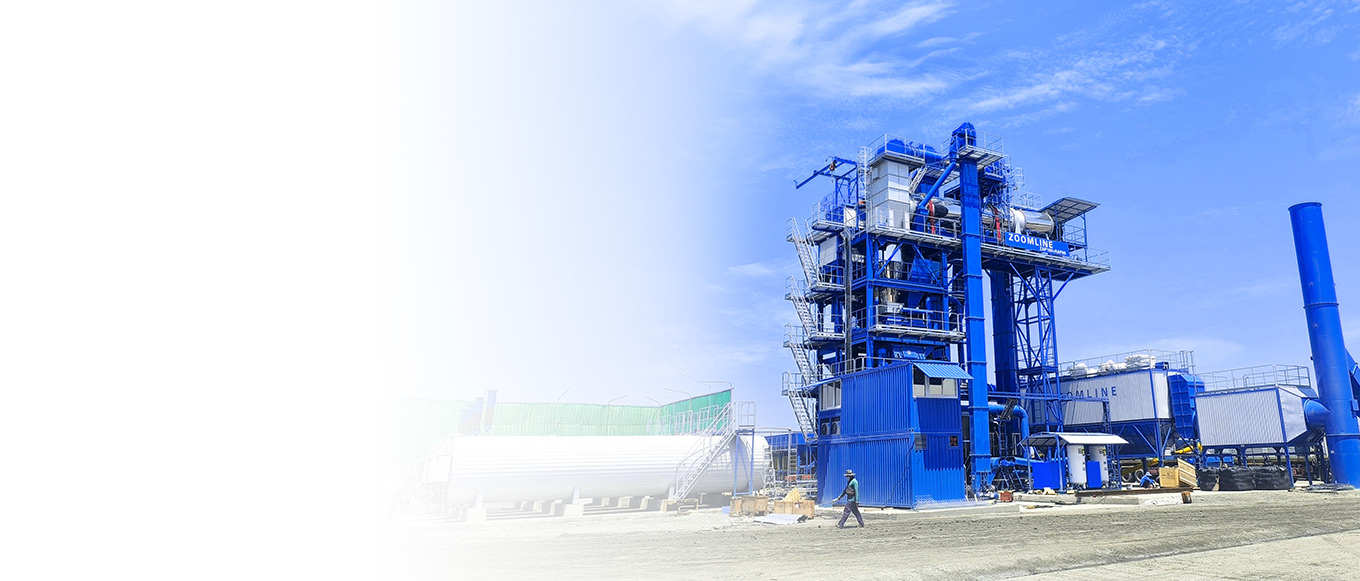
In the field of road construction, mobile hot mix asphalt plants are increasingly becoming the preferred equipment for short-distance projects and remote construction sites due to their core advantages of flexibility and efficiency. Whether for highway maintenance, rural road upgrades, or road construction in remote mountainous areas, selecting the right mobile asphalt mixing plant directly impacts project progress, construction quality, and return on investment. This article will dissect the key logic behind “how to choose the best mobile asphalt mixing plant” from multiple dimensions, including foundational knowledge, core advantages, selection prerequisites, equipment types, and technical essentials.
What is The Mobile Hot Mix Asphalt Plant?
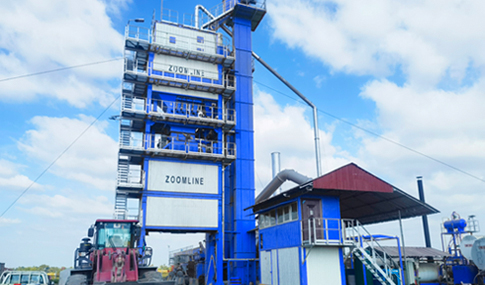
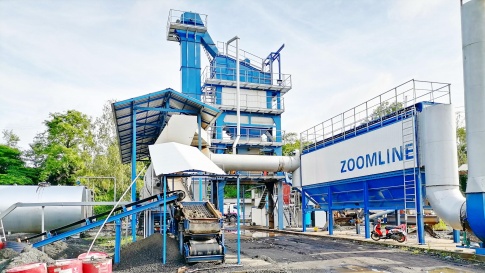
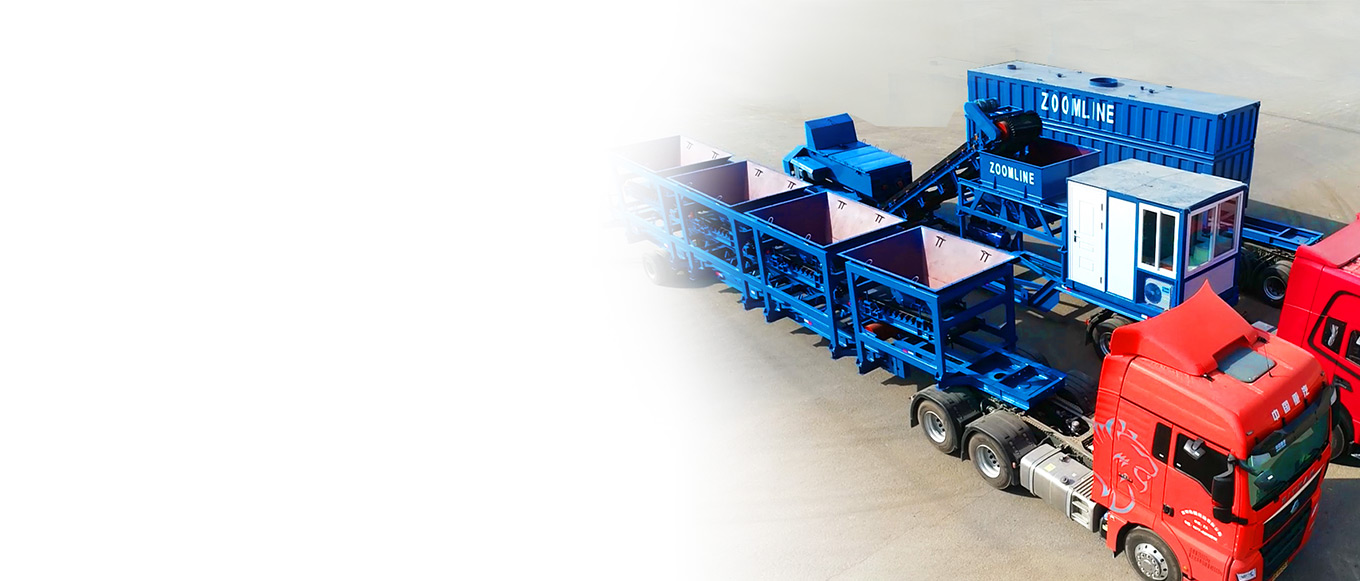
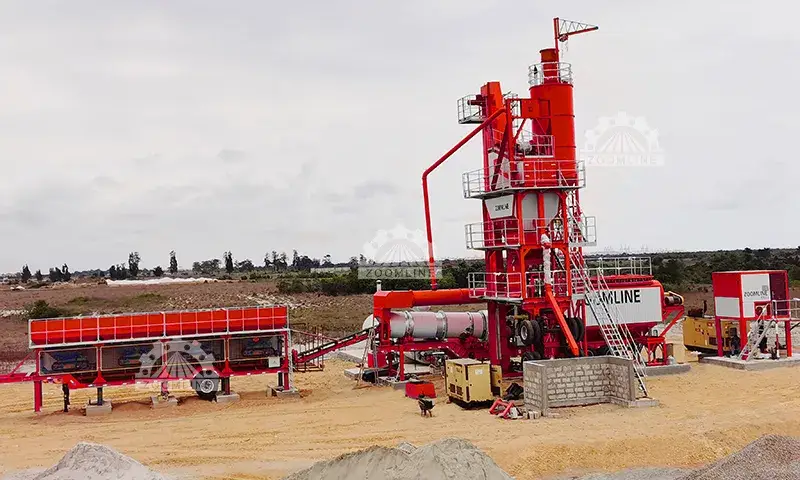
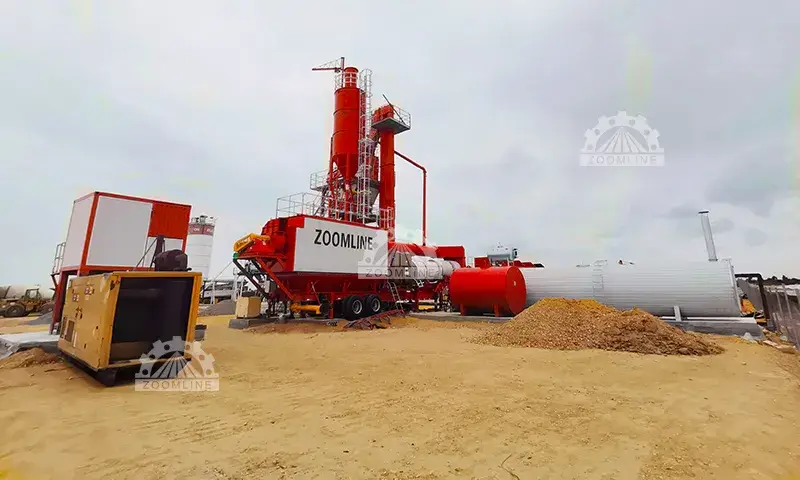
A mobile hot mix asphalt plant is an asphalt mixture production facility that can be rapidly assembled and disassembled, easily transported, and flexibly deployed across various construction sites. Compared to traditional fixed plants, it overcomes site constraints, requires no complex foundation work, and can relocate operations anytime based on project needs.
In recent years, mobile asphalt plants have gained prominence in road construction due to diversifying demands: On one hand, rural road upgrades and pavement overlay projects under rural revitalization initiatives have increased small-scale, dispersed projects; On the other hand, scenarios like emergency highway repairs and road construction in remote mountainous areas demand higher mobility and rapid response capabilities from equipment.
So, which entities are suitable for investing in mobile asphalt hot mixing plants? These include:
Road and bridge construction companies undertaking short-term, dispersed projects
Transportation maintenance departments requiring emergency repair capabilities
Construction teams operating in remote regions
Small and medium-sized building material enterprises seeking to reduce infrastructure costs and improve equipment utilization rates.
Core Advantages of Mobile Hot Mix Asphalt Plants
The rise of mobile asphalt hot mix plants fundamentally stems from their precise alignment with market demands, manifested in the following five key aspects:
Quick and Easy Assembly/Disassembly: Featuring modular design, these plants eliminate complex pre-embedding works. Standard models can be installed and commissioned within 1-3 days, with equally efficient dismantling, significantly shortening construction preparation cycles.
Flexible and Efficient Relocation: Equipment can be disassembled into multiple transport units compatible with common vehicles like trucks and trailers, enabling seamless movement between construction sites—ideal for multi-site continuous operations.
Lower Foundation Costs: Requires no permanent buildings or complex foundations—only a leveled site for deployment, substantially reducing upfront civil engineering expenses and timelines;
Adaptability to Diverse Scenarios: For short-term projects, remote locations, mountainous roads, and other areas where fixed equipment struggles to reach, mobile asphalt plants enable “on-site production and nearby construction,” avoiding temperature loss and quality degradation from long-distance mix transportation;
Controllable overall costs: Compared to fixed asphalt mixing plants, mobile units require lower upfront investment, civil engineering costs, and transportation expenses while offering higher equipment utilization rates. They are particularly suited for small-to-medium scale, dispersed construction projects.
Selection Prerequisite: Clearly Define Project Requirements
The core logic for selecting a mobile asphalt mixing plant is “needs matching.” Before choosing a model, clarify these three key questions:
Define Project Type and Scale
Different projects impose significantly varying equipment requirements: Large-scale projects like highway construction or primary road upgrades demand higher asphalt mix quality and output; smaller projects such as rural roads or residential area roads prioritize equipment flexibility and cost control. Additionally, distinguish project attributes—highly mobile equipment suits temporary repairs or short-term upgrades; for dispersed operations at long-term fixed sites, both output and mobility should be considered.
Determine Required Production Capacity
Production capacity is the core selection metric, determined by reverse-engineering from the project’s average daily demand and construction timeline. Mainstream mobile asphalt mixing plants fall into three tiers:
Small (40–80 TPH): Suitable for small-scale projects like rural roads, residential area roads, and pavement maintenance, with low average daily output requirements. These units feature compact size and enhanced transport flexibility.
Medium-scale (80–160 TPH): Suited for medium-scale projects like county roads and industrial park roads, balancing output and mobility. This is currently the most widely used type in the market.
Large-scale (160+ TPH): Designed for major projects such as highways and large bridges, requiring efficient mixing systems and stable material supply systems. Ideal for long-term continuous operations at dispersed sites.
Consider Project Location and Mobility Requirements
The geographical environment of the project site directly influences equipment selection:
Mountainous or remote areas require equipment with fewer transport units and adaptability to complex road conditions, while also considering local fuel availability and power supply.
Projects requiring frequent relocation (e.g., multi-township road renovation projects) should prioritize fully mobile, containerized designs to minimize disassembly, reassembly, and transport time.
Types of Mobile Asphalt Mixing Plants
Different types of mobile asphalt mixing plants vary significantly in operating principles, advantages, and suitable applications. Selecting the precise match based on project requirements is essential:
Batch-Type Mobile Asphalt Mixing Plant
Working Principle: Operates on a “batch mixing” model. Raw materials like aggregates and asphalt are precisely weighed in specified proportions before being fed into the mixing drum. Production proceeds batch by batch.
Core Advantages: High batching accuracy ensures strict control over asphalt-to-aggregate ratios. Produces asphalt mix with consistent quality and excellent uniformity, ideal for projects demanding high pavement quality.
Ideal Applications: High-standard road construction (e.g., expressways, Class-1 highways) and precision patching projects in pavement maintenance.
Mobile Drum Mix Asphalt Plant
Working Principle of mobile drum mix asphalt plant : Operates in a “continuous mixing” mode. Aggregates are heated and blended with asphalt within the drum, enabling integrated heating and mixing in a continuous process.
Core Advantages: High production efficiency, simple equipment structure, user-friendly operation, and low maintenance costs. Ideal for projects demanding high output and tight schedules.
Suitable Projects: Rural roads, county-level highways, and other projects with relatively lower mix precision requirements, as well as emergency projects needing short-term bulk supply.
Fully Mobile vs. Semi-Mobile Asphalt Mixing Plants
From a mobility perspective, mobile asphalt mixing plants are categorized as fully mobile or semi-mobile, with core differences as follows:
Structural Differences: Fully mobile units are typically integrated onto one or a few transport units, enabling direct towing without disassembly. Semi-mobile units require disassembly into multiple modules for transport and subsequent reassembly.
Mobility Comparison: Fully mobile > Semi-mobile. Fully mobile units suit short-term projects requiring frequent relocation, while semi-mobile units are better for scenarios with low relocation frequency and extended project durations.
Cost Implications: Fully mobile units involve higher upfront investment due to their high integration level. Semi-mobile units offer lower costs, making them suitable for users with limited budgets and non-critical mobility requirements.
Core Technical Factors: Determining Equipment Performance and Construction Quality
Beyond type and output, the core technical specifications of equipment directly impact construction quality and long-term stability. Key focus should be placed on the following three aspects:
Mixing Quality and Uniformity
Mixing quality forms the foundation of pavement quality, hinging on two critical metrics:
First, mixing time control—adequate mixing duration ensures thorough blending of asphalt and aggregate, preventing “undercooked material.” Second, the weighing accuracy of aggregates and asphalt. A precise weighing system guarantees the mix ratio meets design requirements and reduces quality fluctuations. It is recommended to select equipment equipped with high-precision sensors and intelligent mixing control systems.
Recycled Asphalt Pavement (RAP) Compatibility
With increasing environmental requirements, the recycling of old asphalt pavement (RAP) has become an industry trend. The RAP compatibility of equipment directly impacts environmental benefits and cost control. Two key considerations: First, the maximum RAP content supported by the equipment (mainstream units typically accommodate 30%-50%); second, RAP feeding and heating methods. Premium equipment features dedicated RAP feeding systems and precise heating devices to prevent overheating/aging or insufficient heating of recycled material, which can compromise mix quality.
Burner System and Fuel Selection
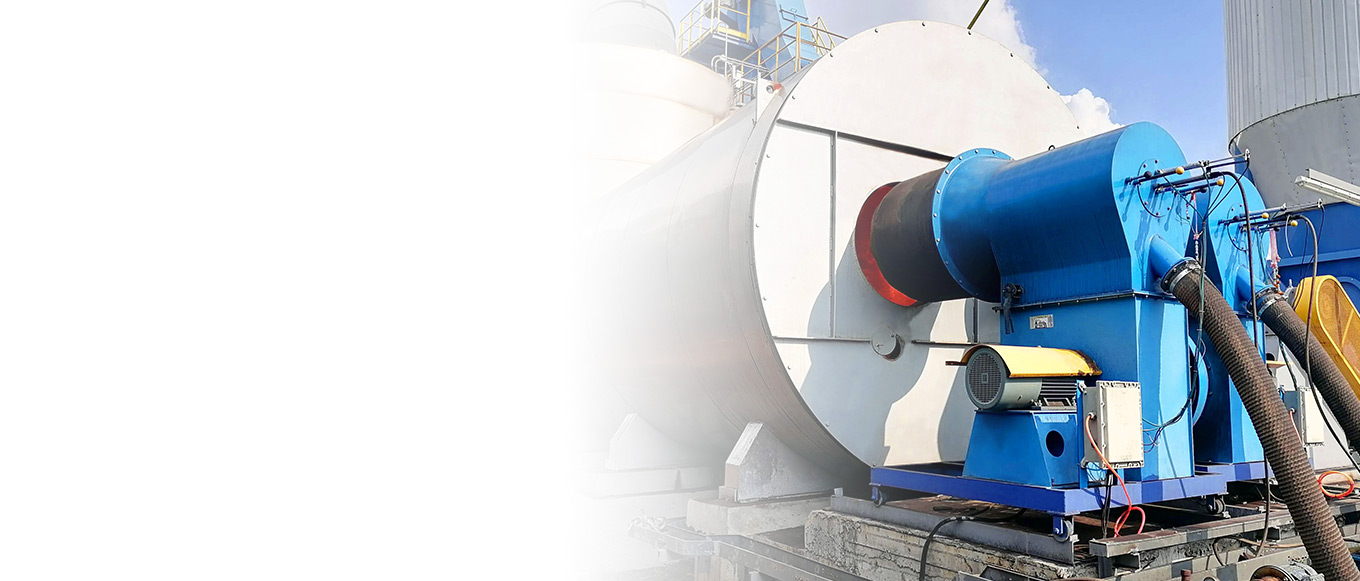
The burner serves as the “heart” of asphalt mixing equipment, directly impacting heating efficiency and operating costs. Current mainstream fuels include diesel, heavy oil, and natural gas, with some equipment supporting dual-fuel modes (e.g., diesel + natural gas). Selection should consider local fuel availability and costs: diesel is suitable for remote areas, while natural gas (more environmentally friendly and cost-effective) is preferable in regions with stable energy supply. Additionally, prioritize burner systems with high thermal efficiency and low emissions to meet emission standards.
Environmental Protection and Emission Performance
With increasingly stringent environmental regulations, the emission performance of asphalt mixing plants directly determines their legal and compliant operation. Key focus should be placed on the following four aspects:
Dust Collection Systems: Mainstream methods include baghouse and cyclone dust collectors. Baghouse systems offer higher efficiency (up to 99% or more), effectively controlling dust emissions and are suitable for regions with stringent environmental requirements. Cyclone dust collectors feature simpler structures and lower costs, making them suitable for low-standard projects in remote areas.
Noise Control: Select equipment equipped with soundproof enclosures and vibration damping devices to reduce noise pollution during construction, particularly for road projects near residential areas.
Policy Compliance: Ensure equipment meets local environmental standards. When necessary, choose environmentally certified equipment to avoid shutdowns due to non-compliant emissions.
Environmental Solutions: Prioritize equipment with exhaust purification and dust recovery/recycling capabilities to achieve green construction while enhancing brand image.
Automation & Control Systems: Enhance efficiency and lower operational barriers
Automated control systems ensure efficient equipment operation, particularly suitable for scenarios with varying operator skill levels. Key considerations during selection:
PLC Control Systems: Equipment with PLC intelligent control enables full automation of batching, heating, mixing, and discharge, minimizing human operational errors.
User Interface: Prioritize equipment with intuitive interfaces and user-friendly operation to reduce operator training costs.
Remote Monitoring & Data Logging: Equipment supporting remote monitoring allows real-time tracking of operational status and timely fault detection. Data logging preserves production records for project quality traceability and cost accounting.
Formula Storage & Production Reports: Capable of storing multiple mix formulas to accommodate diverse project requirements; automatically generates production reports to enhance project management efficiency.
Transportation & Installation: Impacts construction preparation cycle
The core advantage of mobile asphalt mixing plants is “portability,” yet transportation and installation efficiency directly affect construction readiness. Key considerations include:
Number of Transport Units: Fewer transport units improve transfer efficiency, particularly for long-distance transport in remote areas;
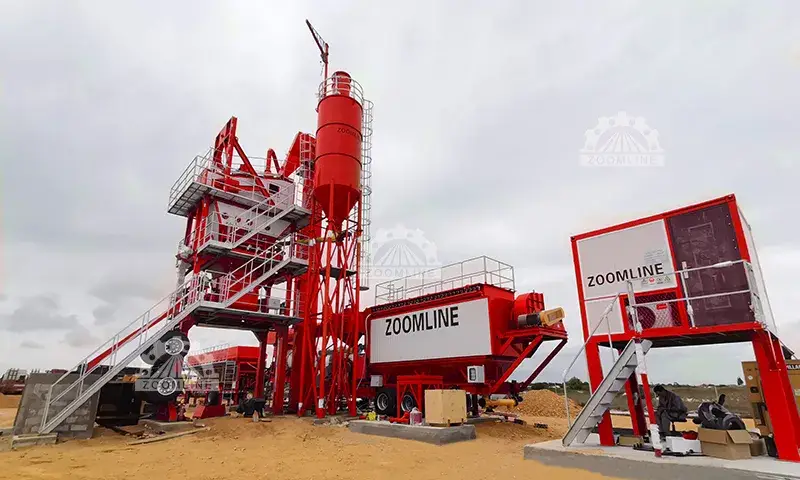
Design Type: Containerized or modular designs facilitate quicker assembly/disassembly, ensure greater stability during transport, and minimize component damage;
Installation & Commissioning Time: Standard equipment installation should be completed within 7 days; streamlined processes shorten construction preparation cycles;
Labor & Equipment Requirements: Select equipment requiring minimal crane support and labor to reduce installation costs and complexity.
How to Select a Reliable Mobile Hot Mix Asphalt Plant Manufacturer
Mobile hot mix asphalt plants are large-scale engineering equipment. The manufacturer’s capabilities directly impact equipment quality, customization potential, and after-sales service. Evaluate manufacturers based on these five dimensions:
Experience and Case Studies: Prioritize manufacturers with over 10 years of industry experience and global project references. Their equipment designs are more mature and adaptable to diverse regional construction environments.
Quality Certifications: Verify whether the manufacturer holds international quality certifications such as ISO and CE. Comprehensive certifications ensure higher equipment quality assurance.
Customization Capabilities: Project requirements vary significantly. A manufacturer’s ability to provide tailored solutions based on project scale, site conditions, and environmental regulations directly impacts equipment suitability.
After-Sales Service: Comprehensive support includes installation, commissioning, technical training, and troubleshooting. Confirm whether the manufacturer offers 24-hour emergency repair services.
Spare Parts Supply: Timely spare parts reduce equipment downtime. Verify the manufacturer’s spare parts inventory levels and the efficiency of their supply channels.
Summary
The core logic for choosing the optimal mobile asphalt mixing plant is “needs alignment + performance priority + service assurance”: First, clarify core requirements like project type, scale, and location to match the appropriate equipment type and production capacity. Focus on key technical indicators such as mixing quality, environmental performance, and automation levels. Finally, select an experienced manufacturer with comprehensive service capabilities to ensure stable equipment operation.
A suitable mobile hot mix asphalt plant not only significantly shortens construction preparation cycles and boosts efficiency but also reduces upfront investment and operational costs, directly enhancing project profitability. For buyers, it is advisable to thoroughly research the market before selection, conduct on-site inspections of equipment prototypes based on project requirements, and engage in in-depth discussions with manufacturers regarding customized solutions and after-sales service to avoid blind selection.
Whether you are a road and bridge construction company, a transportation maintenance department, or a small-to-medium-sized construction team, accurately grasping the above selection criteria will enable you to find the most suitable mobile asphalt mixing plant to empower your road construction projects.