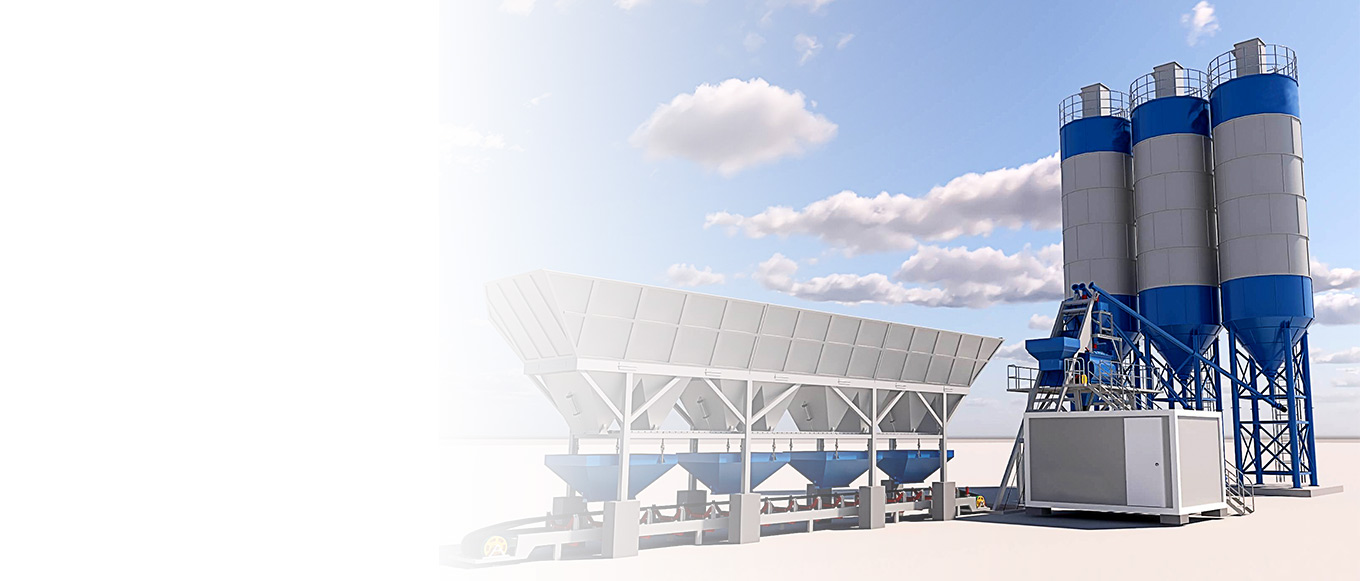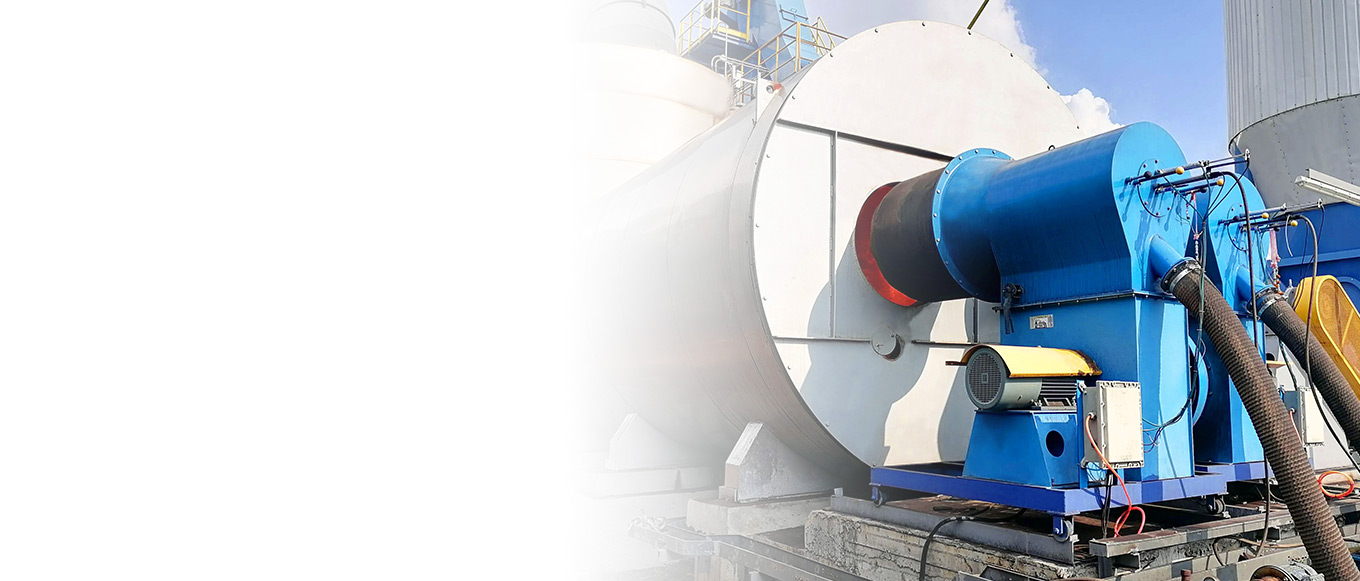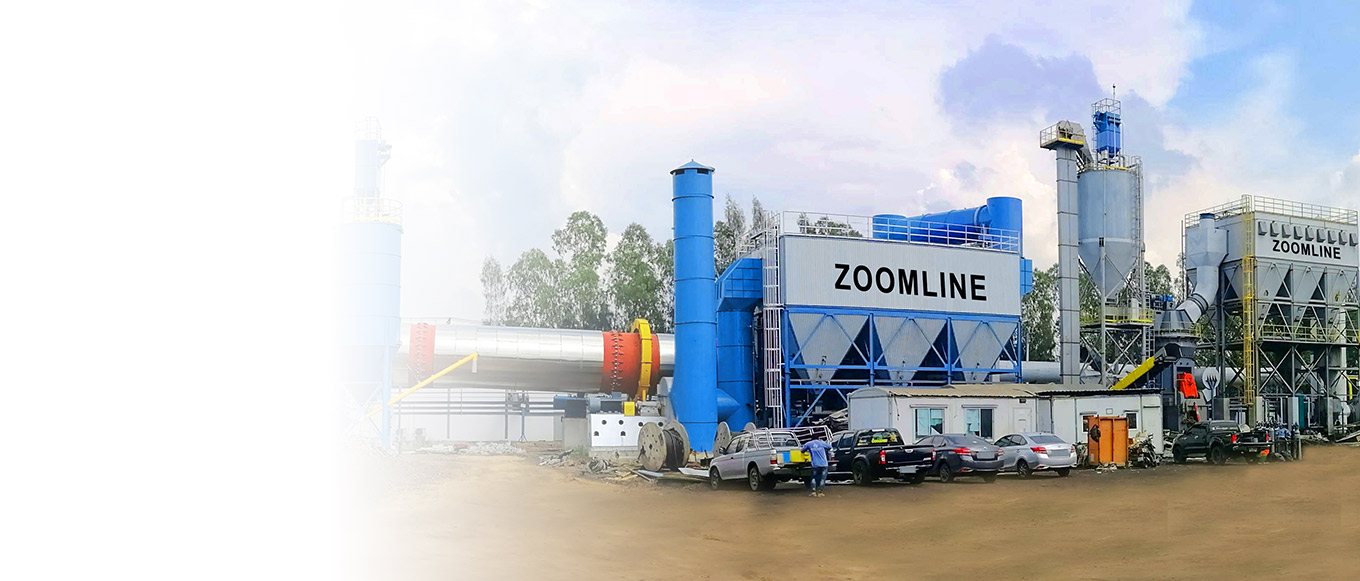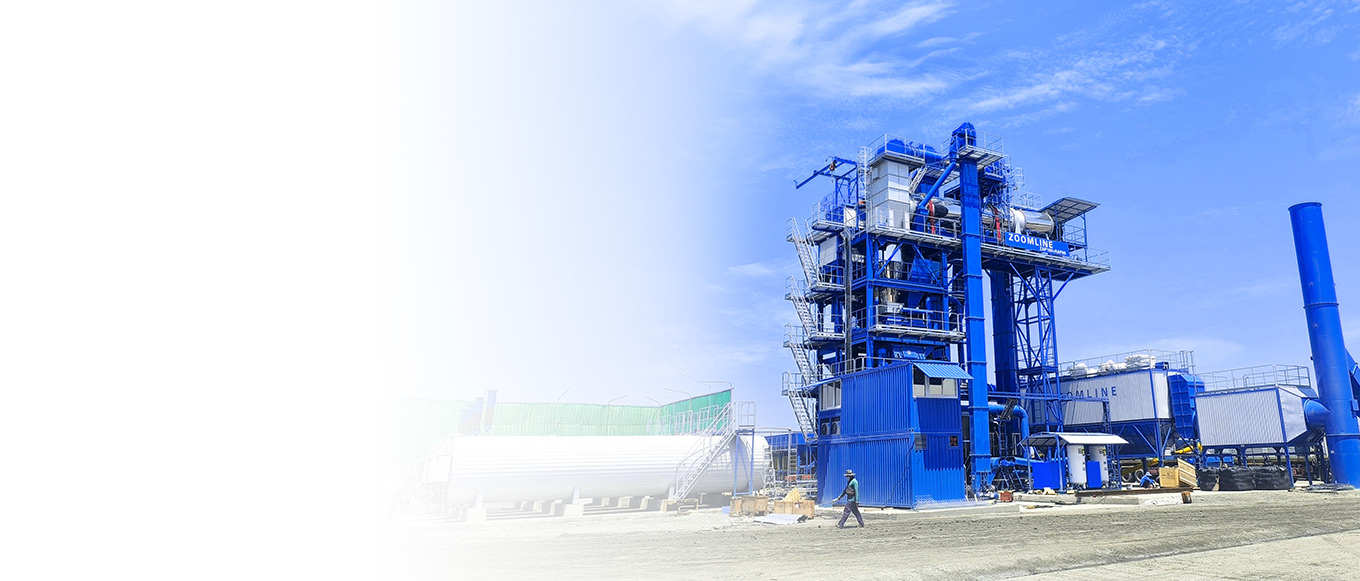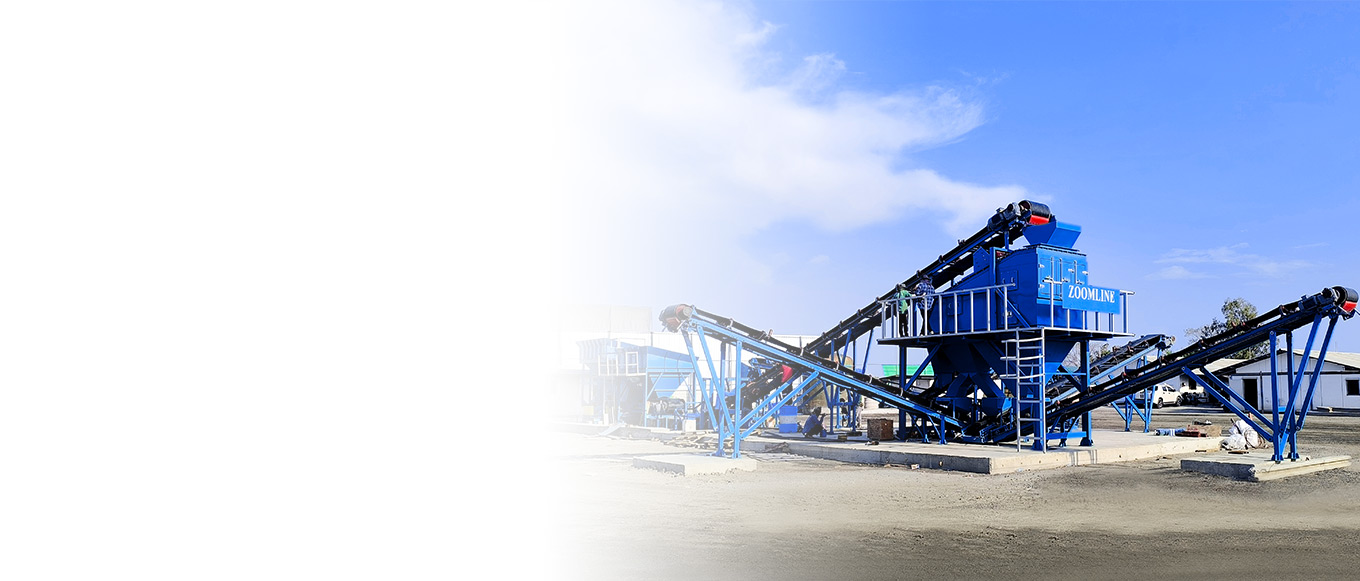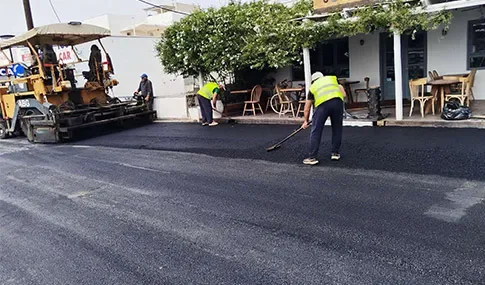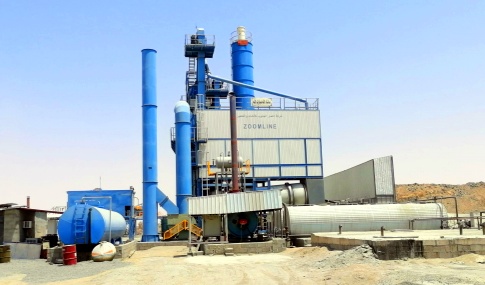


Asphalt mixing plants, as a key production link in road construction materials, generate significant dust pollution during production. This dust primarily originates from the drying, screening, conveying, and mixing processes of aggregates, containing large amounts of PM2.5 and PM10 fine particulate matter. With the deepening of ecological civilization construction in my country, asphalt mixing plants face increasing environmental pressure, and dust control has shifted from an “optional” to a “mandatory” measure.
Bag filters, with their high-efficiency filtration performance, stable operation, and low operating costs, have become the preferred technology for dust control in asphalt mixing plants. Their dust removal efficiency can reach over 99.9%, effectively capturing dust particles larger than 0.1μm, fully meeting the most stringent current emission standards.
In asphalt mixing plants, bag filters are not only end-of-pipe treatment equipment but also an important component of the production system. It is directly related to a company’s environmental compliance, resource utilization efficiency, and long-term operating costs, and is an important guarantee for achieving green production and sustainable development.
Filtration Process: After dust-laden gas enters the dust collector, it passes through the outer surface of the filter bags. Dust is trapped on the outside of the filter bags, and the purified gas is discharged from the inside of the filter bags.
Cleaning Process: As dust accumulates on the surface of the filter bags, the system resistance increases. At this time, the cleaning system is activated, removing the dust layer on the surface of the filter bags through pulse jet cleaning or other methods.
Collection Process: The removed dust falls into the ash hopper and is discharged through the ash discharge device. Some of it can be recycled.
Filter Bag Material: Due to the special operating conditions of asphalt mixing plants, filter bags are required to have high temperature resistance (usually needing to withstand 120-200℃), oil and water resistance, and anti-condensation properties. Commonly used materials include P84 and PTFE membrane filter media.
Dust removal system
Pulse jet cleaning: Thorough dust removal, low energy consumption, suitable for high-concentration dust, and is currently the mainstream technology.
Mechanical rapping: Simple structure but poor dust removal effect, and has been gradually phased out.
Shell structure: Must have good sealing and corrosion resistance, usually made of Q235 steel plate and treated with anti-corrosion.
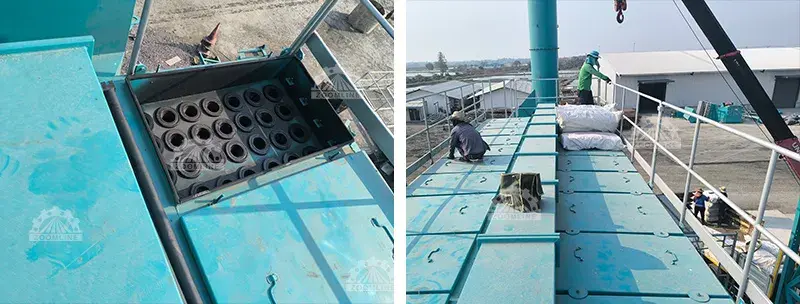
| Technology Type | Dust Removal Efficiency | Operating Cost | Maintenance Difficulty | Applicable Operating Conditions |
| Bag Filter | >99.9% | Medium | Medium | Mainstream choice for asphalt mixing plants |
| Electrostatic Precipitation | 95-99% | High | High | High temperature, large air volume |
| Wet Scrubber | 90-95% | High | High | With wastewater treatment facilities |
Bag filters have significant advantages in dust removal efficiency, return on investment, and adaptability.
Fine Particulate Matter Control: Bag filters achieve a PM2.5 collection efficiency of over 99.5% and a PM10 collection efficiency exceeding 99.9%, ensuring emission concentrations are below the national standard of 10 mg/m³.
Fuel Odor and Smoke Control: Through high-efficiency filtration, visible blackness in the flue gas is eliminated. Combined with auxiliary measures such as activated carbon adsorption, the unique odor of asphalt fumes can be effectively controlled.
Reusability Analysis: The main component of the recovered dust is mineral powder. After appropriate treatment, it can be reintroduced into the mixture at a certain proportion (usually 2-5%), reducing raw material waste and improving mixture performance.
Economic Benefits: Taking a mixing plant with an annual output of 300,000 tons as an example, approximately 1,500-3,000 tons of dust can be recovered annually, resulting in direct economic benefits of hundreds of thousands of yuan.
Preventing dust from entering key components such as the transmission system, bearings, and motors reduces wear and corrosion, lowering equipment failure rates by over 30% and annual maintenance costs by 15-20%.
Controlling dust concentration in the work area below 2 mg/m³, far below the national standard of 4 mg/m³, significantly reduces the risk of occupational diseases such as pneumoconiosis for employees.
Emission Standards: Meeting the “Integrated Emission Standard of Air Pollutants” (GB16297-1996) and local standards, with some key areas requiring levels below 10 mg/m³.
Regulatory Requirements: Networked environmental monitoring equipment with real-time data uploads; the high stability of baghouse dust collectors is crucial for enterprises to pass environmental impact assessments and daily supervision.
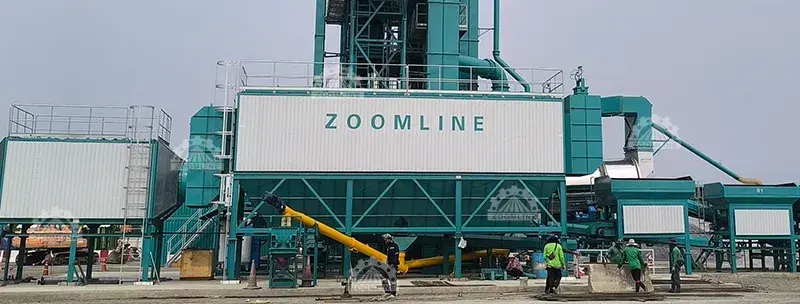
Location Planning: Install as close as possible to major dust-generating points such as the drying drum, shortening pipeline length and reducing resistance loss.
Sealing Guarantee: Use high-temperature resistant sealing materials at all flange connections, and conduct leak testing on the shell welds to ensure an air leakage rate of <2%.
Pipeline Optimization: Minimize bends in the pipeline layout; use a large radius of curvature design at necessary bends; install baffles at the inlet to ensure uniform airflow distribution.
Routine Maintenance
Filter Bag Management:
Monthly check filter bag damage
Yearly comprehensive inspection
Replacement cycle is typically 2-4 years, depending on operating conditions
Dust Cleaning System Maintenance:
Daily check pulse valve operation
Regularly check air source pressure and quality
Optimize dust cleaning cycle and pressure parameters
Seasonal Maintenance:
Winter insulation and antifreeze measures
Summer cooling measures to prevent filter bag damage from high temperatures
Decreased Dust Collection Efficiency: Check for filter bag damage, dust cleaning system malfunctions, and air leaks
Abnormally Increased Equipment Resistance: Check for filter bag blockage, insufficient dust cleaning, and high dust moisture content
Abnormal Noise: Check for fan impeller wear, bearing damage, and casing resonance
Differential Pressure Monitoring: Normal range 800-1500Pa. If exceeding 1500Pa, check the dust removal system; if exceeding 2000Pa, shut down for inspection.
Emission Monitoring: Install online monitoring equipment to monitor emission concentration in real time and establish an operation log.
Establish a model combining time-based maintenance plans and condition-based maintenance strategies:
Monthly: Check pulse valves and cylinders
Quarterly: Check filter bag condition and dust removal effect
Annual: Comprehensive overhaul and replacement of vulnerable parts
Forward-looking Investment: Choose dust collectors with a 20-30% margin in processing capacity to adapt to potentially higher environmental standards in the future.
Quality First: Select high-quality products for key components such as filter bags and pulse valves to avoid losses due to minor issues.
Professional Maintenance: Establish a dedicated maintenance team or entrust professional services to ensure the equipment is always in optimal condition.
Against increasingly stringent environmental requirements, asphalt mixing plants equipped with efficient dust removal systems will gain:
Market Access Advantage: Priority in project bidding
Brand Image Enhancement: Demonstrating corporate social responsibility
Long-Term Cost Advantage: Reducing potential expenditures such as pollution discharge fees and fines
Sustainable Development Capability: Adapting to future, even stricter environmental regulations
Bag filters have evolved from simple environmental protection equipment into a core component of the competitiveness of asphalt mixing plants. Investing in efficient and reliable bag filters is not only a necessity for fulfilling environmental responsibilities but also a strategic choice for enterprises to reduce costs, increase efficiency, enhance market competitiveness, and ensure long-term stable development. With continuous technological advancements, intelligentization, low resistance, and long lifespan will become the development direction of bag filters, providing stronger support for the green development of the asphalt mixing industry.