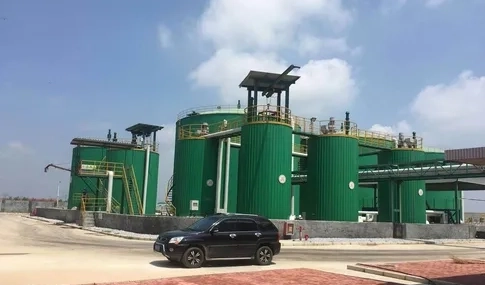


As industrial facilities increasingly encroach upon residential areas, “residential safety” has become an ever-present concern for people. As a core supporting facility for road construction, asphalt mixing plants often trigger worries among nearby residents due to their “industrial production” label—are the emitted gases harmful to health? Will the operational noise disrupt daily life? These very questions form the core topics we will explore in depth today.
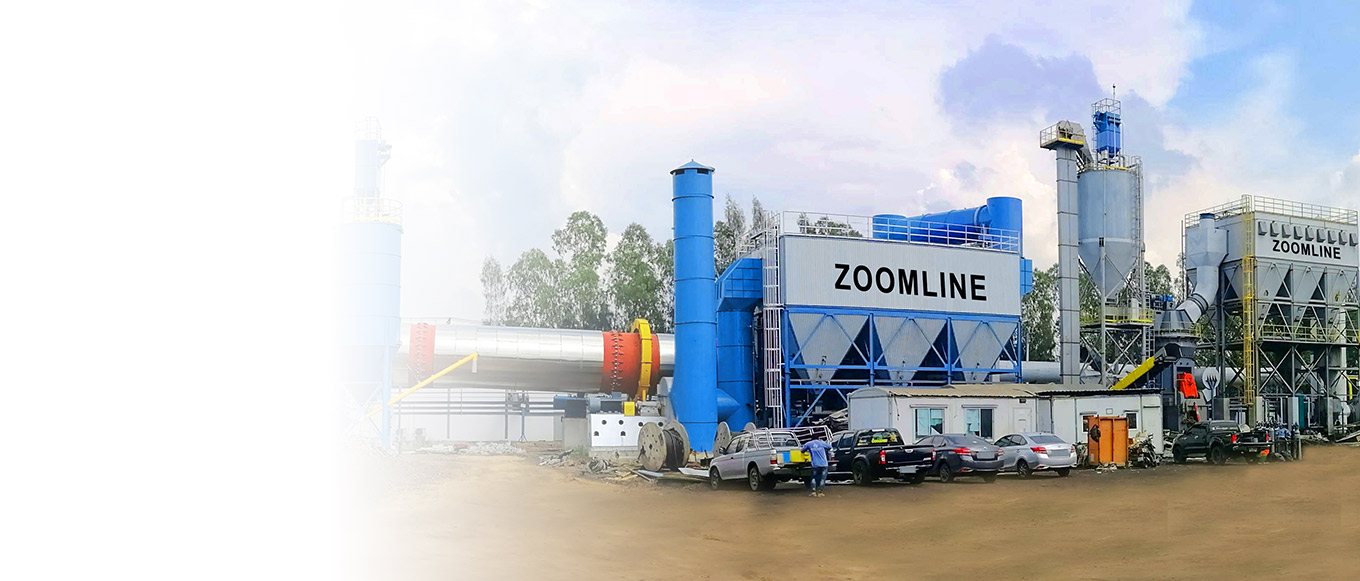
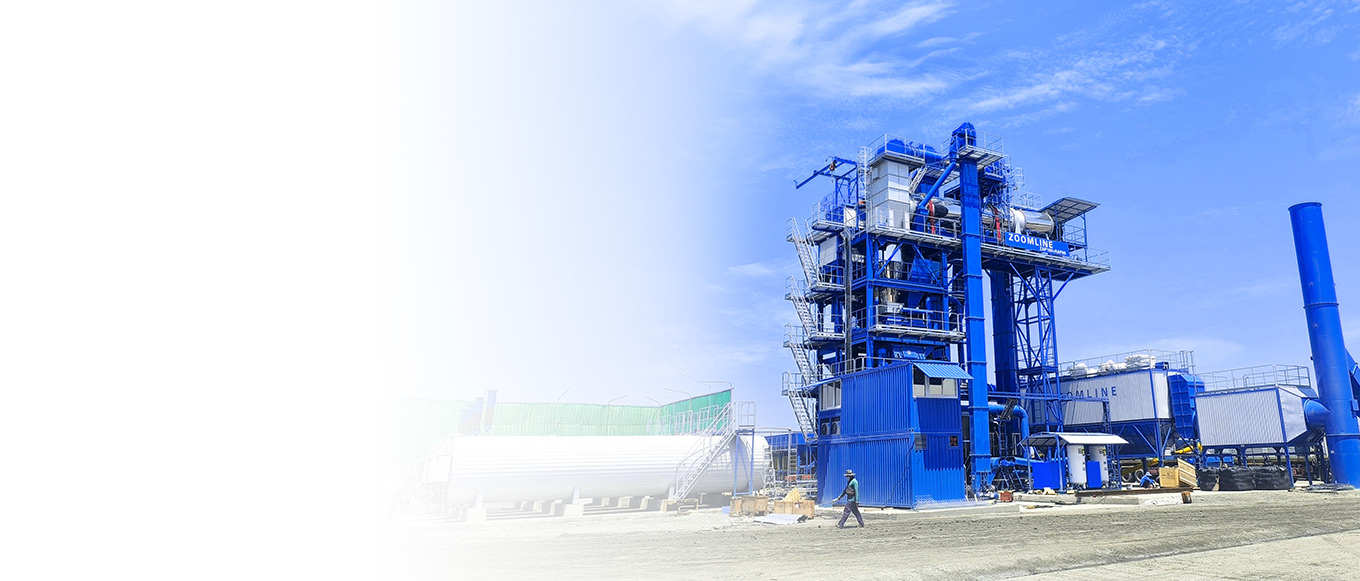
To determine whether living near an asphalt mixing plant is safe, we must first clarify its true nature. At its core, an asphalt mixing plant is specialized equipment that heats and blends raw materials—such as asphalt, sand, gravel, and mineral powder—in precise proportions to produce asphalt mix. This asphalt mix serves as the foundational material for constructing roads, parking lots, and other infrastructure.
Operationally, its core process involves three steps: Raw Material Pre-treatment — heating and mixing — finished product storage.” Aggregates like sand and gravel undergo screening and drying to remove moisture before being thoroughly blended with liquid asphalt heated to a specific temperature in the mixing drum. This process ultimately produces a mixture that meets engineering standards.
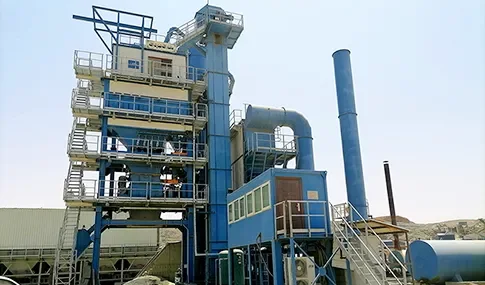
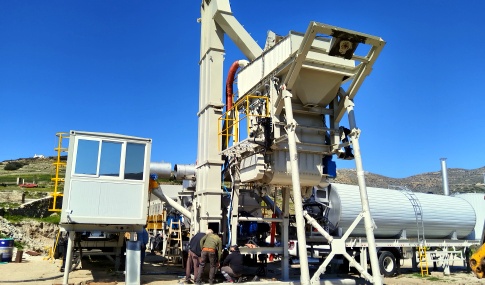
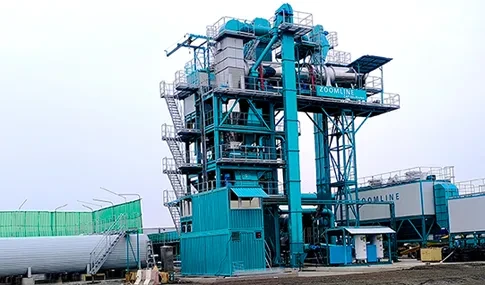
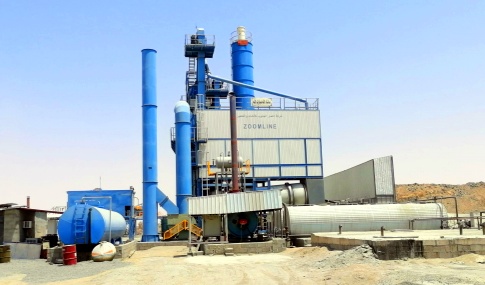
Common asphalt mixing plants fall into two main categories: one is the “stationary plant” fixed within a factory site, primarily used for large-scale highway projects or centralized regional supply; The other is the “mobile mixing plant,” which can be relocated with the project, making it suitable for remote areas or short-term projects. The primary reason these plants are often found near residential areas lies in “transportation efficiency”—asphalt mix loses its viscosity upon cooling and must be transported to the construction site within a short timeframe. Consequently, mixing plants need to be located close to the construction zone, inevitably forming a “neighborhood relationship” with residential areas.
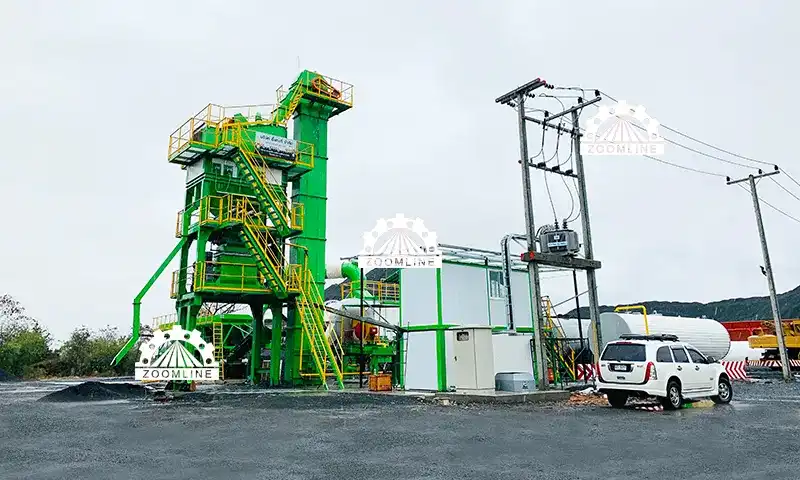
When it comes to asphalt mixing plants, surrounding residents’ concerns typically center on five key areas, which also serve as critical factors for assessing their safety:
Air Quality and Emissions: The primary concern is whether toxic gases are released during production.
Noise Pollution: Whether noise from equipment operation and material handling disrupts daily life.
Odor nuisance: Does the distinctive smell emitted during asphalt heating persistently affect the residential experience?
Traffic pressure: Do heavy trucks transporting raw materials and finished products increase safety hazards on surrounding roads?
Landscape and land impact: Does the presence of industrial facilities damage the aesthetic appeal of the area or affect land value?
When discussing safety, emissions are central. Modern asphalt plants primarily generate four types of emissions, though not all are inherently harmful—it depends on concentration levels and treatment technology:
Primarily dust from aggregate drying and screening, historically the source of “dust pollution” issues. However, modern equipment is universally equipped with baghouse dust collectors that capture over 99% of particulate matter, effectively controlling dust dispersion.
Asphalt heating releases small amounts of VOCs, which are also the primary source of the distinctive odor. Nevertheless, modern plants significantly reduce these emissions through “low-temperature mixing technology” and “VOCs adsorption systems.”
Primarily stem from fuel combustion, such as traditional diesel burners producing higher levels of these gases. Today’s mainstream natural gas burners and low-nitrogen combustion technologies can control emissions to extremely low levels;
This is the emission most concerning to the public, but modern equipment’s “blue smoke control systems” can efficiently purify it, preventing direct discharge.
It is worth emphasizing that modern asphalt mixing plants are fundamentally different from outdated equipment from a decade ago. The once common scenes of “dust flying on sunny days and mud flowing on rainy days” have been greatly improved through environmental technology upgrades. The investment in core environmental protection equipment alone, such as baghouse dust collectors and blue smoke control systems, accounts for over 30% of the total equipment cost, specifically aimed at controlling emissions at the source.
Whether emissions affect health requires answers grounded in scientific data and regulatory standards. Multiple global studies and explicit regulations have reached a clear conclusion:
Regarding short-term effects, a small number of sensitive individuals may experience mild respiratory discomfort due to the odor of asphalt fumes. However, such symptoms subside rapidly upon moving away from the emission source and do not constitute direct evidence of toxicity or harm. Concerning long-term effects, research by the World Health Organization (WHO) and environmental agencies worldwide indicates that emissions from asphalt mixing plants, when compliant with emission standards, do not pose clear chronic health risks to nearby residents.
Regulatory frameworks impose stringent constraints. In China, for instance, the “Emission Standard for Air Pollutants from Asphalt Concrete Mixing Plants” (GB 37822-2019) explicitly sets emission limits for pollutants like particulate matter and VOCs, mandating real-time online monitoring equipment directly linked to environmental authorities. Standards in regions like the EU and the United States are even more stringent. For instance, the U.S. Environmental Protection Agency (EPA) mandates that asphalt mixing plant emissions undergo “three-stage purification” to ensure surrounding air quality meets public health requirements.
The core principle here is: compliance is the prerequisite for safety. As long as asphalt mixing plants strictly adhere to environmental regulations, their emissions will be controlled within safe limits and pose no threat to public health.
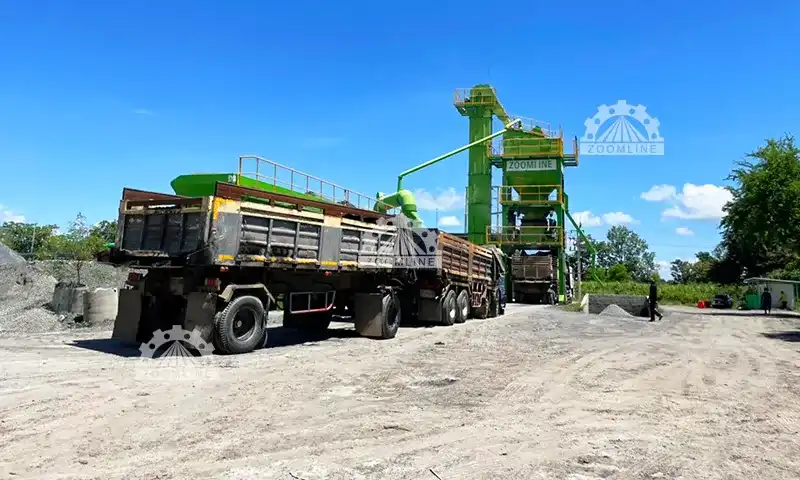
Resident safety relies on comprehensive regulatory frameworks and rigorous oversight measures. Current safety standards for asphalt mixing plants feature “end-to-end coverage”:
Mandatory online monitoring equipment continuously records pollutant concentrations 24/7. Exceeding thresholds triggers immediate alerts, enabling environmental authorities to intervene promptly.
Regulations mandate that boundary noise levels at mixing plants must be maintained between 55-60 decibels (equivalent to normal conversation volume). Measures such as installing soundproof enclosures and erecting acoustic barriers effectively reduce operational noise.
Different regions stipulate minimum distances between mixing plants and residential areas based on plant capacity (typically 300-500 meters). Some cities designate mixing plants for “industrial zones” to prevent conflicts with residents through planning.
Environmental authorities conduct regular on-site inspections of mixing plants, including equipment operation status and environmental facility maintenance records. Violations result in substantial fines or even suspension of operations for rectification.
Beyond regulatory constraints, technological advancement serves as the core driver for risk mitigation. Modern asphalt mixing plants have achieved an “environmentally friendly, low-noise, low-odor” operational model through five major technological upgrades:
Baghouse dust collectors achieve filtration precision down to 0.3 microns, capturing nearly all dust particles to prevent airborne pollution;
From aggregate intake to finished product discharge, fully enclosed conveyor belts and storage silos minimize dust and odors from material exposure;
VOCs in asphalt fumes are decomposed via activated carbon adsorption and photocatalytic oxidation, significantly reducing distinctive odors;
Soundproof enclosures installed on core noise sources like mixing drums and fans, with mufflers fitted at fan outlets to effectively reduce noise propagation;
Replacing traditional diesel with natural gas or biomass fuels to reduce sulfur dioxide and nitrogen oxide emissions at the source.
Even compliant modern asphalt mixing plants may impact surrounding residents differently based on specific conditions. The following five factors are crucial references for assessing “residential safety”:
Distance: The farther from the mixing plant, the lower the pollutant concentration and noise intensity. Distances exceeding 300 meters typically achieve “virtually no impact”;
Production capacity: Small plants (daily output below 500 tons) emit significantly less pollution and noise than large plants (daily output above 2000 tons);
Equipment age: Plants commissioned after 2010 generally feature comprehensive environmental protection facilities, whereas older equipment from before 2000 poses higher risks;
Operational management standards: Regular equipment maintenance and proper operation of environmental facilities depend on standardized management—poorly managed plants may violate regulations, such as leaving environmental equipment idle;
Climate and wind direction: Pollutants may spread more easily to residential areas downwind of prevailing winds, while rainy and windy climates help reduce pollutant concentrations.
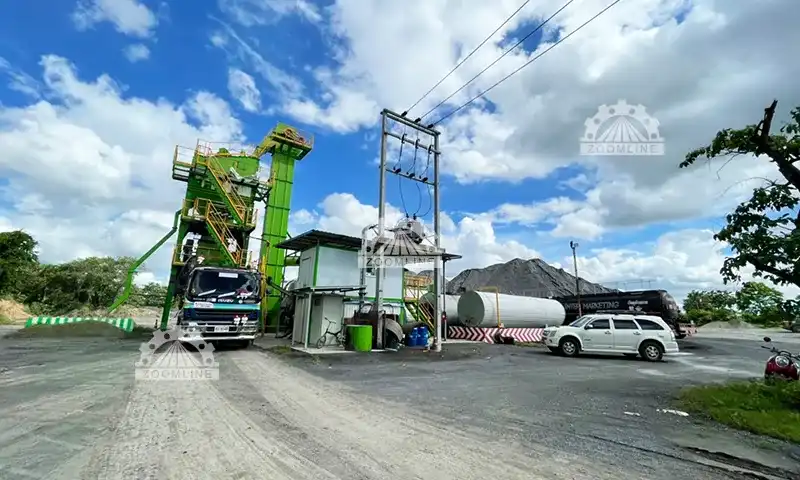
If an asphalt mixing plant already exists or is planned near your residence, consider proactively assessing its safety through the following methods:
Proactively Ask Key Questions: Inquire with the plant operator or local environmental protection department about three core pieces of information—the year the equipment began operation, the configuration of environmental protection facilities, and the most recent environmental inspection report;
Check compliance records: On the official website of your local environmental protection department, look up the plant’s “Environmental Credit Evaluation” and “Administrative Penalty Records.” Compliant enterprises will have clearly published information;
Observe operational conditions: Assess management standards by appearance—a tidy plant environment, enclosed material conveying systems, and properly functioning environmental equipment (e.g., no visible smoke from dust collector chimneys) are key indicators of a “good plant”; Conversely, cluttered premises, dust-filled air, or pungent odors may indicate non-compliant operations.
Public concerns about asphalt mixing plants often stem from misinformation. The following three common myths require factual clarification:
Myth 1: All asphalt mixing plants are highly polluting — Fact: Modern compliant plants achieve near-zero emissions. Severe pollution stems from outdated equipment lacking environmental controls, which are now mandated for phase-out by regulations.
Myth 2: Asphalt fumes inevitably cause serious health issues — Fact: When emissions meet standards, fume concentrations are extremely low. No scientific studies prove they cause cancer or severe diseases. Mild discomfort in sensitive individuals can be avoided by maintaining distance.
Myth 3: New plants are no different from old equipment — Fact: Environmental technology upgrades over the past decade have reduced pollutant emissions from new plants to one-tenth or less of older equipment, creating a vast environmental gap between the two.
Based on the above analysis, the answer to “Is it safe to live near an asphalt mixing plant?” hinges on two core factors: equipment compliance and standardized management.
For asphalt mixing plants equipped with modern environmental protection facilities and strictly adhering to regulations, emissions and noise are controlled within safe limits. Living more than 300 meters away typically poses no significant impact. Conversely, outdated equipment and non-compliant operations do present health and environmental risks, necessitating mandatory rectification or phase-out through environmental oversight.
For homeowners, rather than reacting with fear, it’s better to proactively verify the compliance status of nearby plants—objective assessments can be made by checking inspection reports through official channels and observing operational conditions. Communities can engage with plants through resident representatives to monitor environmental measures, fostering a positive relationship where “businesses operate compliantly and residents live with peace of mind.”
After all, asphalt mixing plants are essential infrastructure for urban road construction. As long as they adhere to environmental compliance standards, they can serve urban development without compromising the safety and well-being of nearby residents.