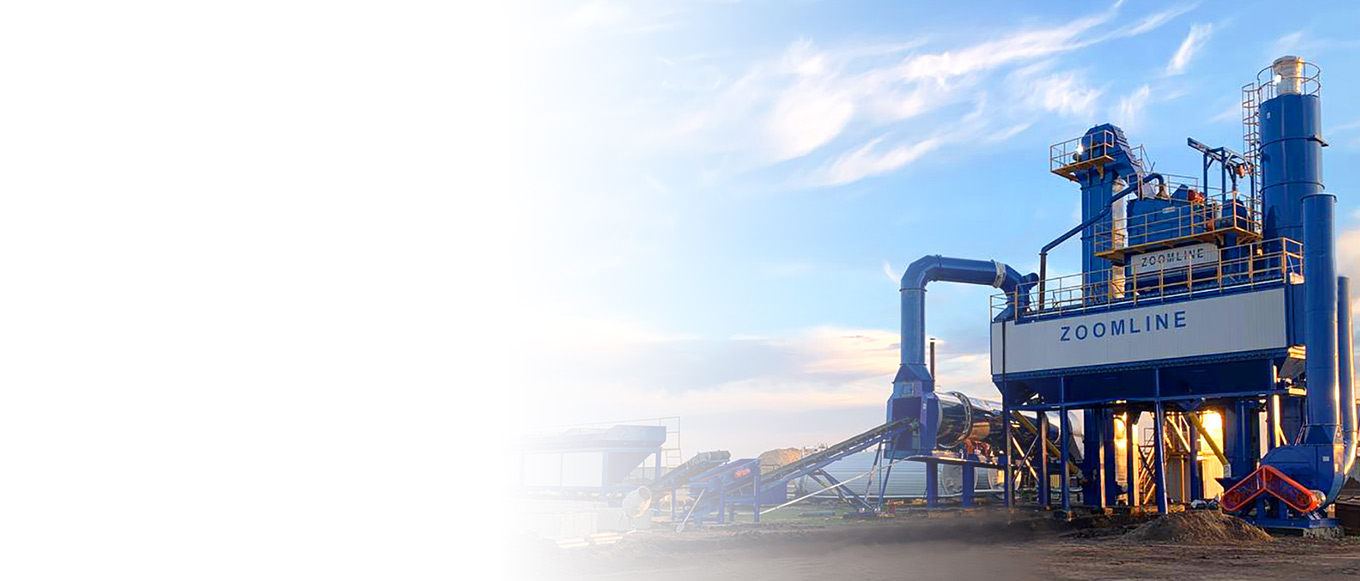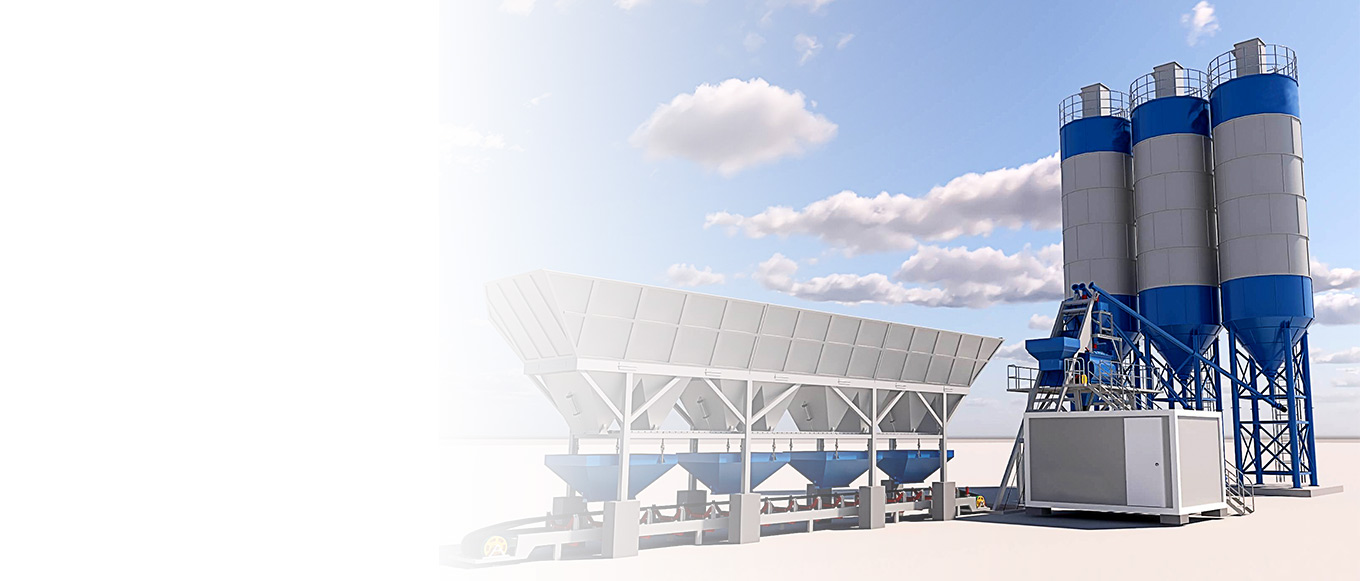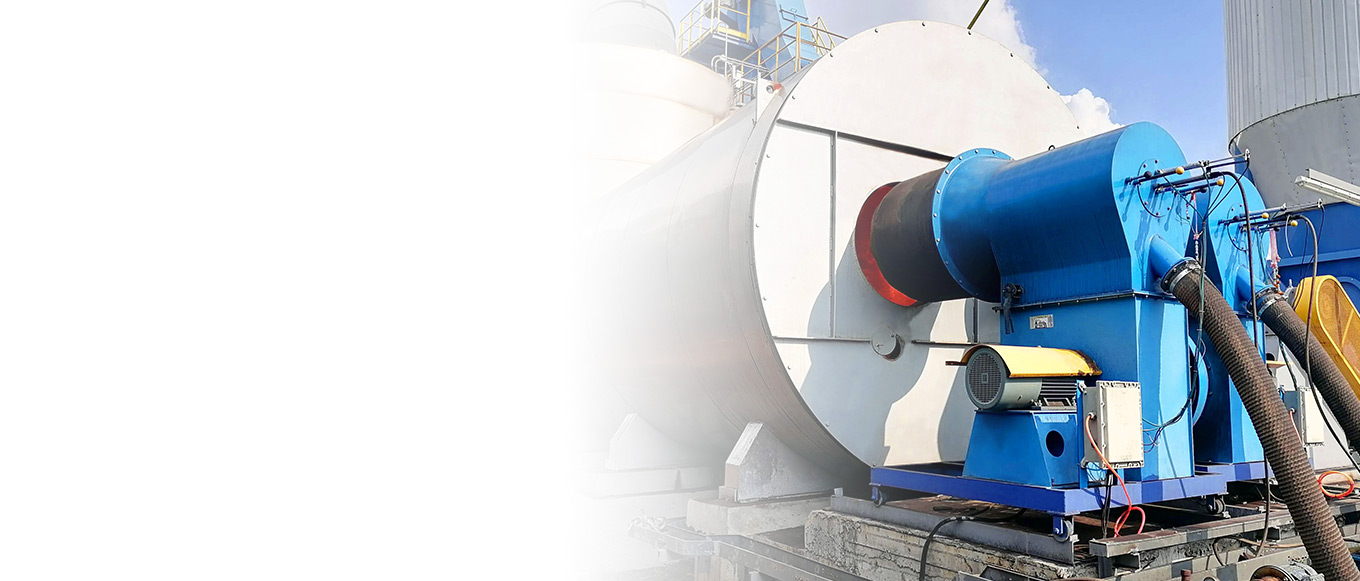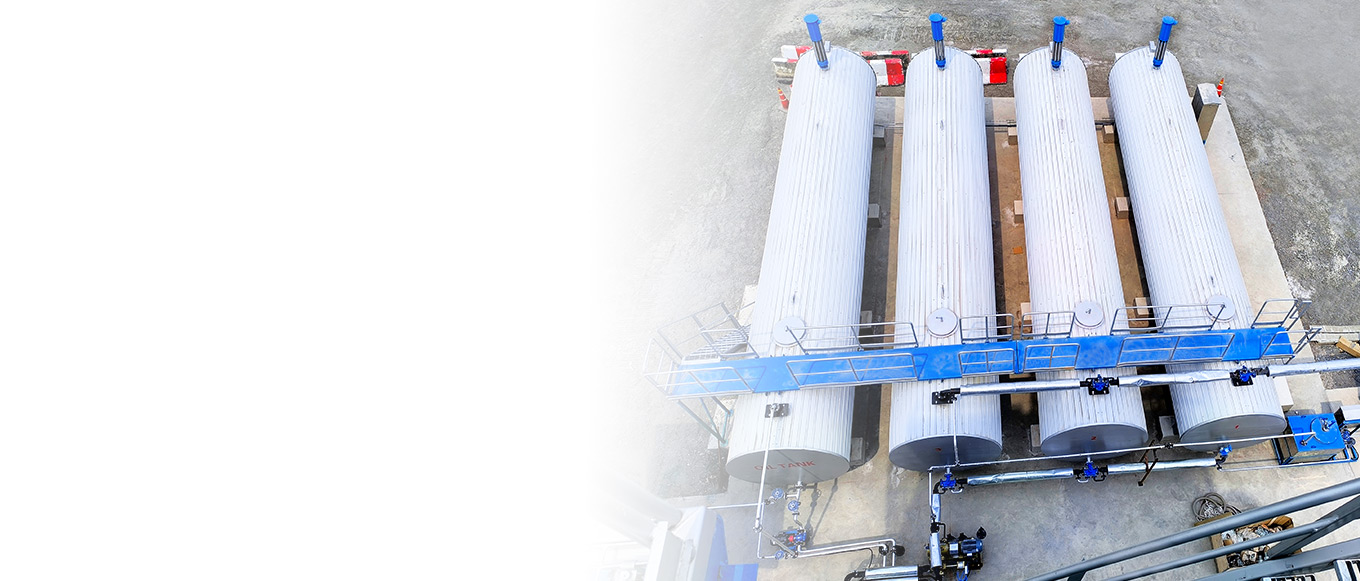

In infrastructure projects such as highway construction, municipal renovations, and airport expansions, asphalt mixing plants serve as indispensable core equipment. Their performance directly determines the quality of asphalt mixtures, project progress, and return on investment. For engineering enterprises, selecting an asphalt mixing plant that aligns with their specific needs is not merely a short-term equipment investment but a critical decision affecting long-term production efficiency and market competitiveness. However, faced with a market flooded with diverse equipment types and varying specifications, purchasers often find themselves in a dilemma. This article outlines 12 core dimensions—including production requirements, equipment types, and core performance—to help you navigate key considerations when procuring an asphalt mixing plant, enabling you to avoid pitfalls and make precise selections.
The first step in purchasing an asphalt mixing plant is clearly defining your production needs. Selection detached from actual scenarios will either result in overcapacity and waste or cause project delays due to insufficient output. This phase requires focusing on three core metrics:
Capacity is the core parameter of an asphalt mixing plant, typically measured in “tons per hour (tph).” Mainstream equipment in the market covers a capacity range of 40-400 tph. Purchasers must calculate requirements based on the project’s average daily and annual asphalt mixture demand. For instance, large-scale projects like highway construction may require over 1,000 tons daily, necessitating equipment with 150 tph or higher capacity. Conversely, smaller projects such as rural road upgrades can be adequately served by equipment below 80 tph. Additionally, a 10%-20% capacity buffer should be reserved to accommodate unexpected situations such as material moisture fluctuations or temporary equipment adjustments.
Significant variations in quality requirements for asphalt mix across different projects directly influence equipment selection. High-grade highways and airport runways demand exceptional gradation precision and temperature stability, necessitating equipment with high mixing accuracy. Urban road maintenance projects often involve small-batch production of multiple mix specifications, making formulation flexibility crucial. Rural road construction prioritizes cost-effectiveness and adaptability over extreme precision.
Beyond current project workloads, future demand must be forecasted based on corporate development plans. If undertaking larger-scale projects within 1-2 years is anticipated, opting for equipment with scalable capacity is recommended to avoid redundant investment. Conversely, if primarily handling dispersed small-scale projects in the short term, prioritizing highly mobile equipment is advisable to maximize utilization rates.
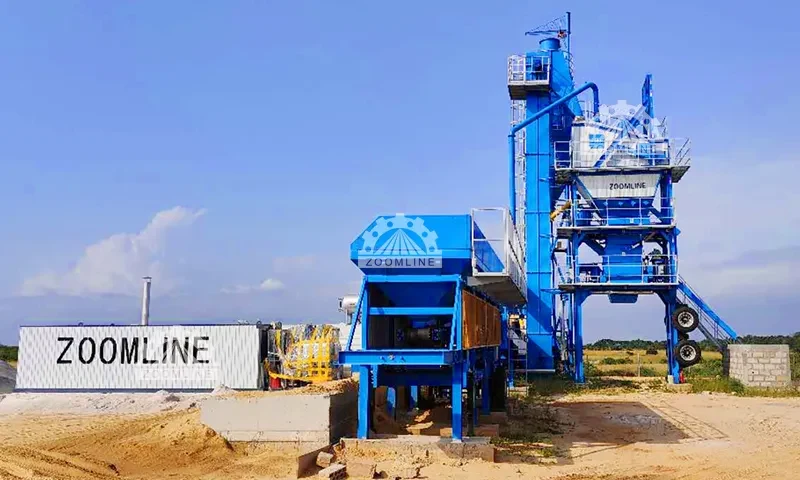
Asphalt mixing plants are primarily categorized into drum mix and batch mix types, with layout configurations including fixed, mobile, and semi-mobile. Different equipment types suit distinct scenarios, requiring precise matching based on project characteristics.
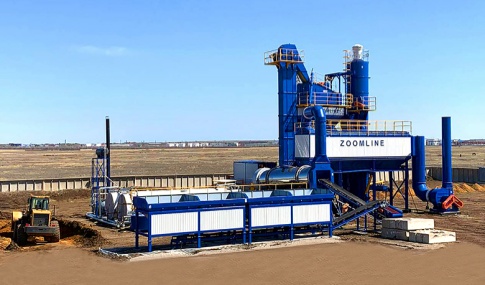
Drum mix asphalt plants operate continuously, performing aggregate drying, heating, and asphalt blending within a single drum. They offer high production capacity, simple structure, low acquisition costs, and reduced fuel consumption—achieving hourly fuel savings of 10%-15% compared to batch mix plants. This makes them ideal for long-term, large-scale projects like highways and major industrial parks. However, their drawbacks are also evident—relatively lower mixing precision, limited flexibility in adjusting mix designs, and inability to meet the stringent uniformity requirements for high-grade projects.
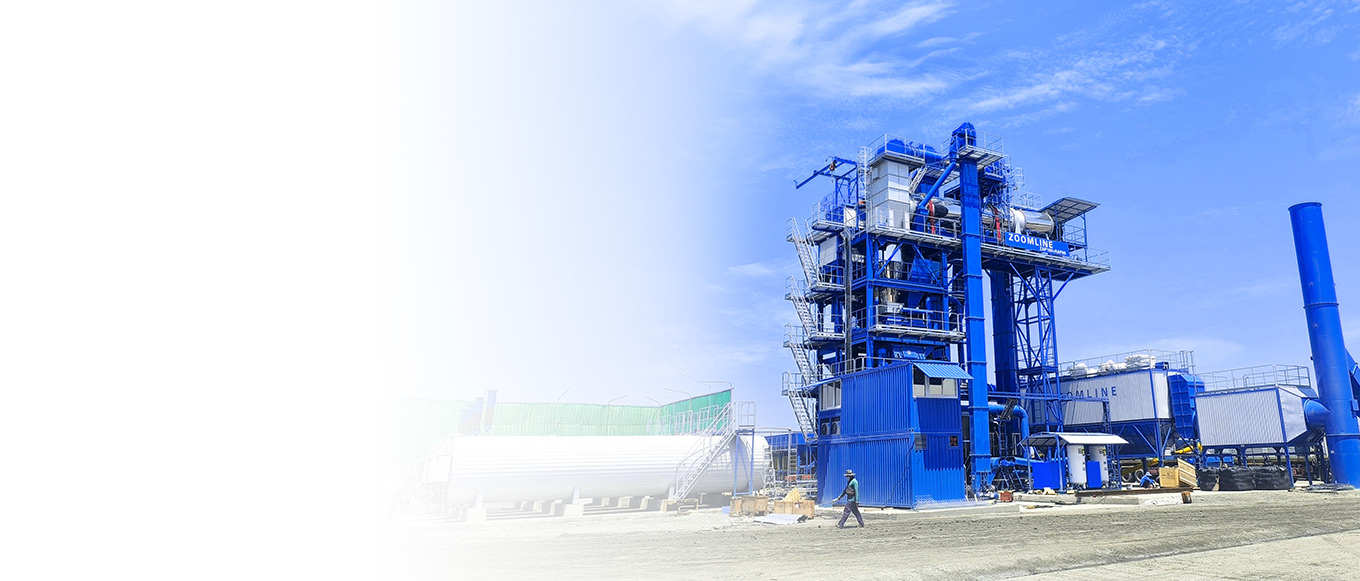
Batch plants operate on a “batch-by-batch batching and mixing” model, separating aggregate drying from mixing. Precise metering systems control each raw material’s quantity, enabling flexible formula adjustments and high gradation accuracy. They reliably produce various high-performance asphalt mixtures like AC and SMA, making them the preferred choice for high-quality projects such as urban road renovations and airport runway construction. However, their higher acquisition and operational costs make them more suitable for scenarios where quality takes precedence over cost control.
Purchasers can quickly determine the optimal choice based on “project priority”:
If “low cost and high capacity” are core requirements, select the continuous-mixing plant.
If “high quality and high flexibility” are essential, the batch-mixing plant is more appropriate.
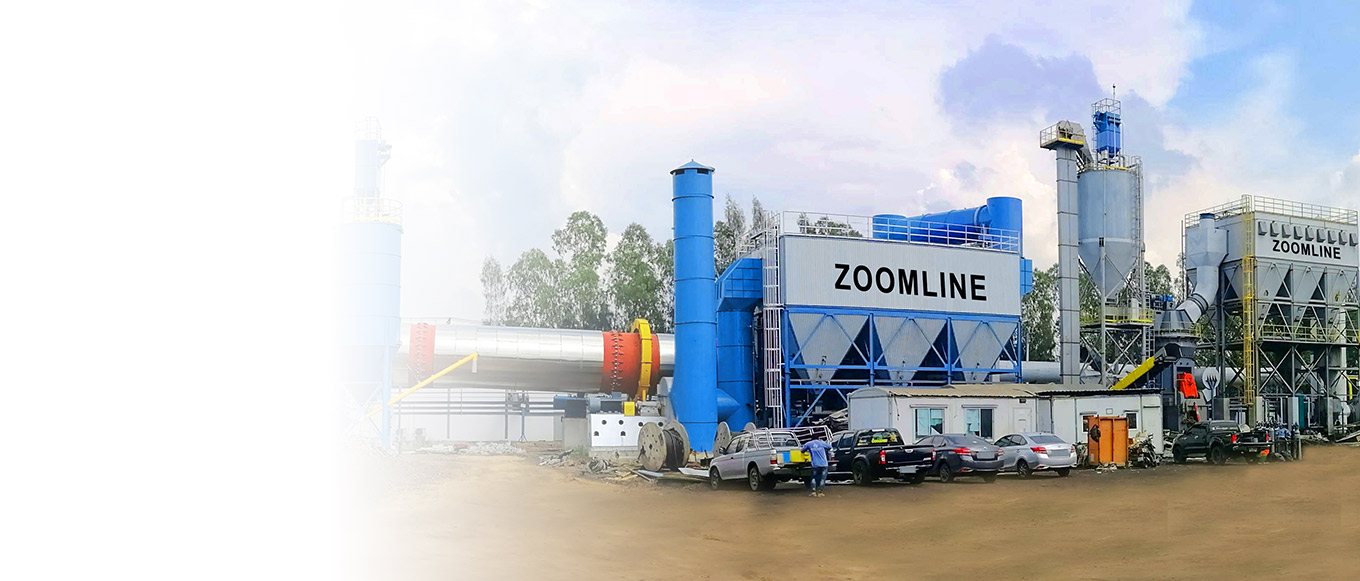
Fixed asphalt plants excel in high output and stability, supporting advanced environmental and automation systems. They suit permanent locations like industrial parks or long-term highway construction bases. However, their large footprint (typically requiring 5000㎡+), lengthy installation (1-2 months), and high relocation costs make them viable only for long-term fixed projects.
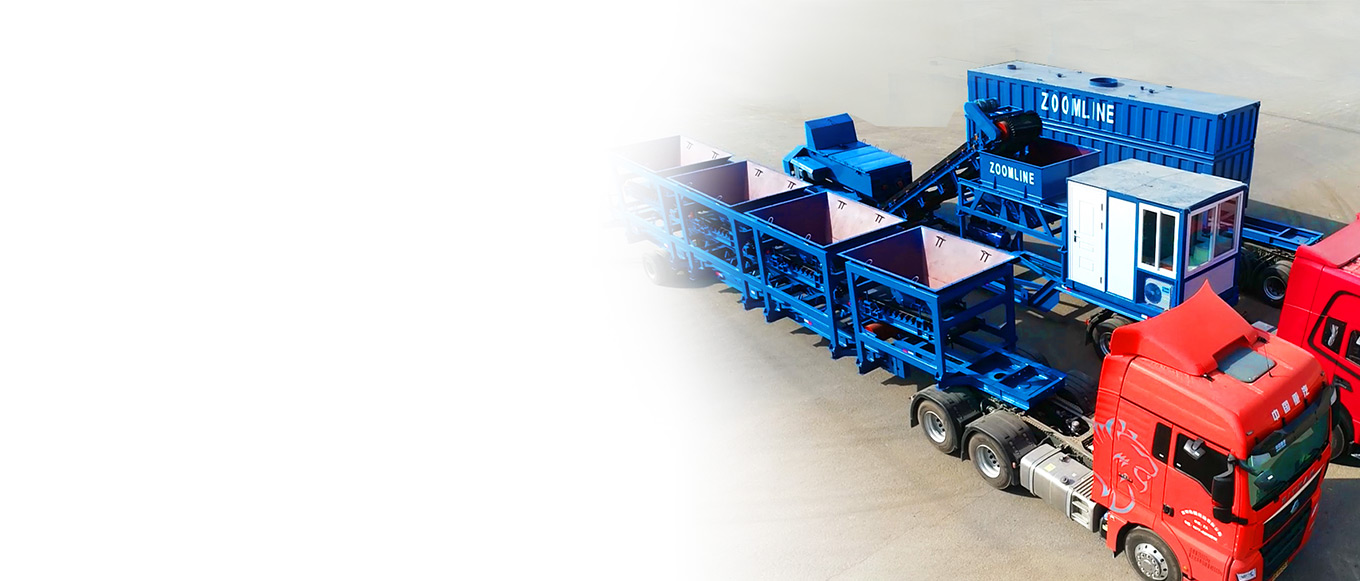
Mobile asphalt plants feature modular designs where equipment can be disassembled and transported via trailers. Installation, commissioning, and production commencement take 1-3 days on-site, making them ideal for short-term, dispersed projects like rural road upgrades or urban emergency repairs. However, their capacity is typically limited (often below 100 tph), and operational stability slightly lags behind fixed plants.
Semi-mobile plants offer a compromise between flexibility and capacity. Core components remain fixed while auxiliary parts can be rapidly disassembled. They achieve near-fixed-plant capacity (up to 150 tph) while accommodating medium-distance relocation, making them suitable for contractors managing multiple medium-sized projects in adjacent areas.
Asphalt mixing plants are high-energy-consumption equipment with significant pollution risks. Their fuel efficiency, environmental compliance, and core component quality directly impact operating costs, policy risks, and production stability—making them “hard metrics” for procurement decisions.
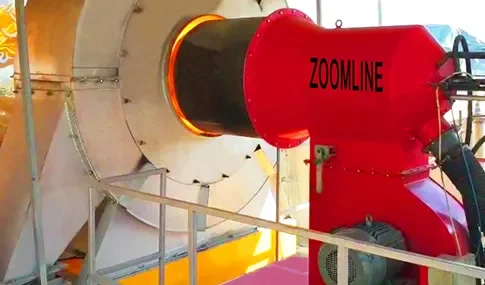
Fuel costs account for 30%-50% of an asphalt mixing plant’s operating expenses. Selecting highly fuel-efficient equipment is key to reducing long-term costs. Two critical aspects demand attention during procurement: First, burner type. Among mainstream diesel, heavy oil, natural gas, and biomass burners, natural gas burners offer the lowest unit fuel cost and cleanest emissions. If a stable natural gas supply is available at the project site, they should be prioritized. Heavy oil burners offer the next-lowest cost, but equipment corrosion resistance design must be verified. Biomass burners suit regions with stringent environmental requirements and abundant local biomass fuel sources. Second, dryer drum design: drums featuring optimized blade structures and thickened insulation layers can boost thermal efficiency by 5%-8%, significantly reducing fuel consumption per unit output.
With increasingly stringent environmental regulations for industrial equipment nationwide, non-compliant asphalt mixing plants risk shutdowns for rectification. Procurement must prioritize verification of three key environmental systems:
First, dust collection systems—baghouse filters must achieve filtration precision below 10mg/m³ to meet local exhaust emission standards. Second, noise and odor control: Equipment must be equipped with noise reduction hoods and soundproof panels. If the project is near residential areas, additional muffling devices are required. Third, recycled asphalt pavement (RAP) capability: Equipment with a RAP regeneration system can increase the utilization rate of waste asphalt pavement materials to 30%-50%. This not only reduces raw material costs but also minimizes solid waste emissions, aligning with the policy direction of “green construction” and representing the future mainstream trend.
The service life and failure frequency of asphalt mixing plants hinge on core component quality. During procurement, meticulously inspect key parts:
Select internationally renowned burner brands to ensure combustion efficiency and stability; The mixing drum lining and blades should utilize high-wear-resistant alloy materials to extend the lifespan of vulnerable parts; the control system should support PLC fully automatic control, touchscreen operation, and remote monitoring functions to facilitate real-time production data tracking and rapid fault diagnosis; the measurement system’s accuracy error must be controlled within ±0.5% to ensure the precision of the mix design; the drying drum material must possess high-temperature resistance and corrosion resistance to prevent production disruptions caused by deformation at high temperatures.
Beyond the equipment’s performance, procurement decisions must also balance total lifecycle costs, manufacturer service, and future scalability to avoid the pitfall of “focusing solely on purchase price while neglecting subsequent investments.”
The purchase cost of an asphalt mixing plant accounts for only 20%-30% of its total lifecycle cost. Operational expenses (fuel, electricity, maintenance), transportation/installation costs, and land costs are more critical. For example, a lesser-known brand with a 10% lower purchase price may incur 20% higher annual maintenance costs and frequent replacement of wear parts, resulting in higher total investment over 3-5 years. Procurement requires comprehensive calculation: initial equipment cost + transportation/installation fees (fixed plants require foundation construction costs) + average annual operating costs (fuel, electricity) + average annual maintenance costs. Select the solution with the highest “total lifecycle value.”
Equipment stability relies on professional manufacturer support. Prioritize three dimensions during procurement:
First, brand reputation—select manufacturers with over 10 years of industry experience, involvement in large-scale benchmark projects (e.g., highways, airports), and ISO 9001 quality certification. Second, after-sales service: Verify if the manufacturer maintains local service centers and spare parts warehouses at the project site, offers 24/7 emergency repair services, and includes value-added services like equipment installation/commissioning and operator training. Third, warranty terms: Core components should carry a warranty of at least 1 year, while the entire machine should be covered for no less than 6 months to prevent increased maintenance costs due to warranty gaps.
As engineering technologies and environmental policies evolve, procurement must allow for future upgrades. For instance, if a facility currently does not produce high-grade asphalt but may undertake such projects later, select equipment compatible with additives systems and foamed asphalt units. Should environmental standards tighten, ensure equipment supports upgrades to RAP recycling systems and higher-precision dust removal equipment. Simultaneously, manufacturers’ ability to provide customization services is crucial. This includes optimizing equipment performance for specific geographical conditions (e.g., high temperatures, high altitudes) to ensure compatibility with actual operating environments.
Finally, confirm equipment suitability based on the project site’s actual conditions:
Does the site area accommodate equipment layout requirements? (Fixed installations require sufficient space for raw material storage and finished product silos.) Is the power supply stable (large equipment requires 380V industrial power with capacity meeting total power demands)? Is fuel supply convenient (e.g., confirm storage and transportation conditions for heavy oil use)? Is surrounding logistics unobstructed (ensure easy access for aggregate transport vehicles and finished product haulers)?
Purchasing an asphalt mixing plant is not simply about choosing the most expensive or cheapest option—it requires precise alignment of needs with available resources. From defining production requirements and selecting the right equipment type, to verifying energy consumption, environmental compliance, and component quality, and finally evaluating lifecycle costs, manufacturer support, and future potential—each step directly impacts the ultimate return on investment.
For engineering enterprises, a suitable asphalt mixing plant is not merely a production tool but an asset that enhances core competitiveness. We recommend compiling a detailed requirements list based on the key points outlined in this article before procurement. Engage in in-depth discussions with professional manufacturers to ensure the equipment truly empowers both project quality and production efficiency.
If you are currently defining specific procurement requirements or wish to explore detailed specifications and quotations for equipment with varying capacities, feel free to contact us anytime for a personalized selection plan.