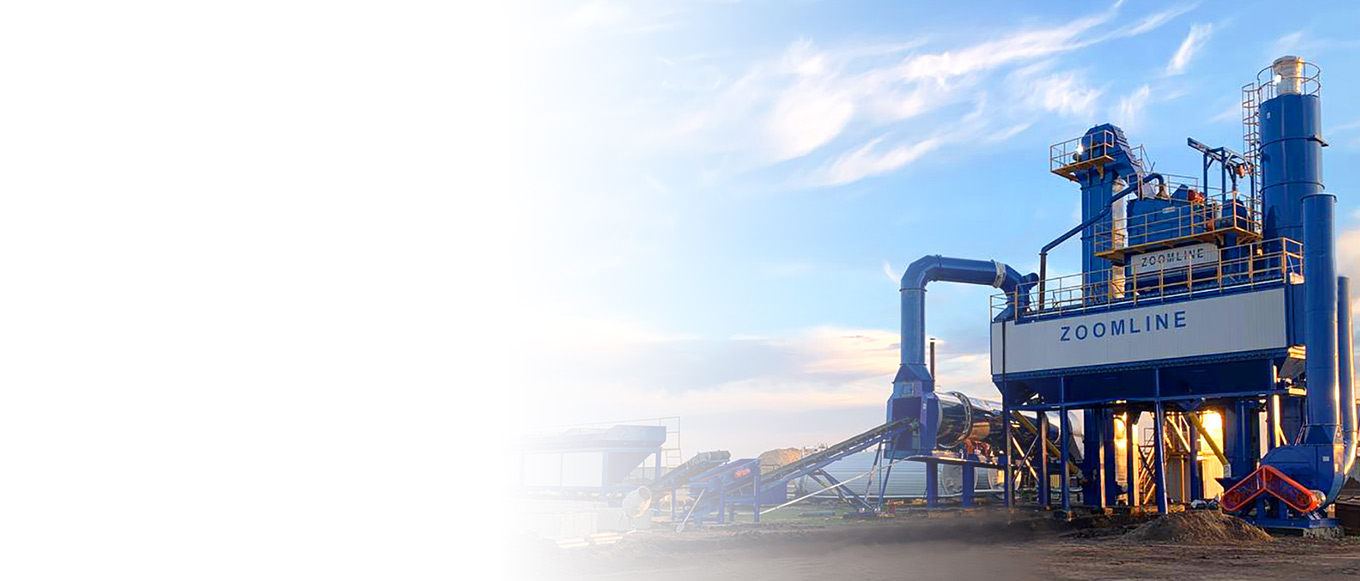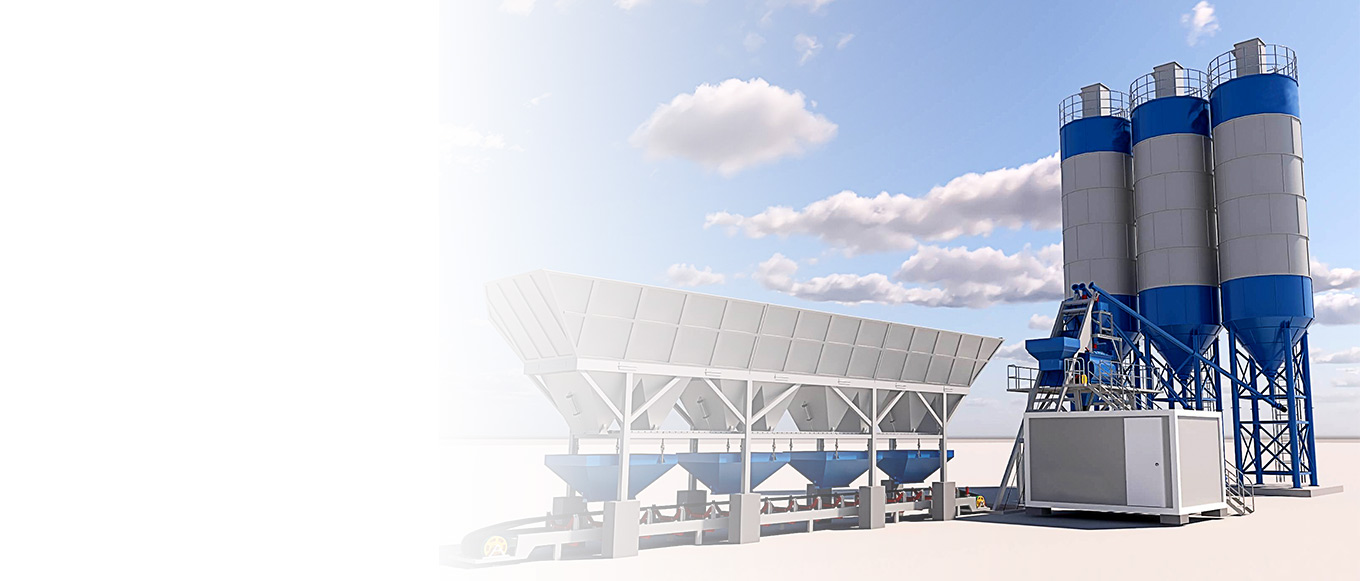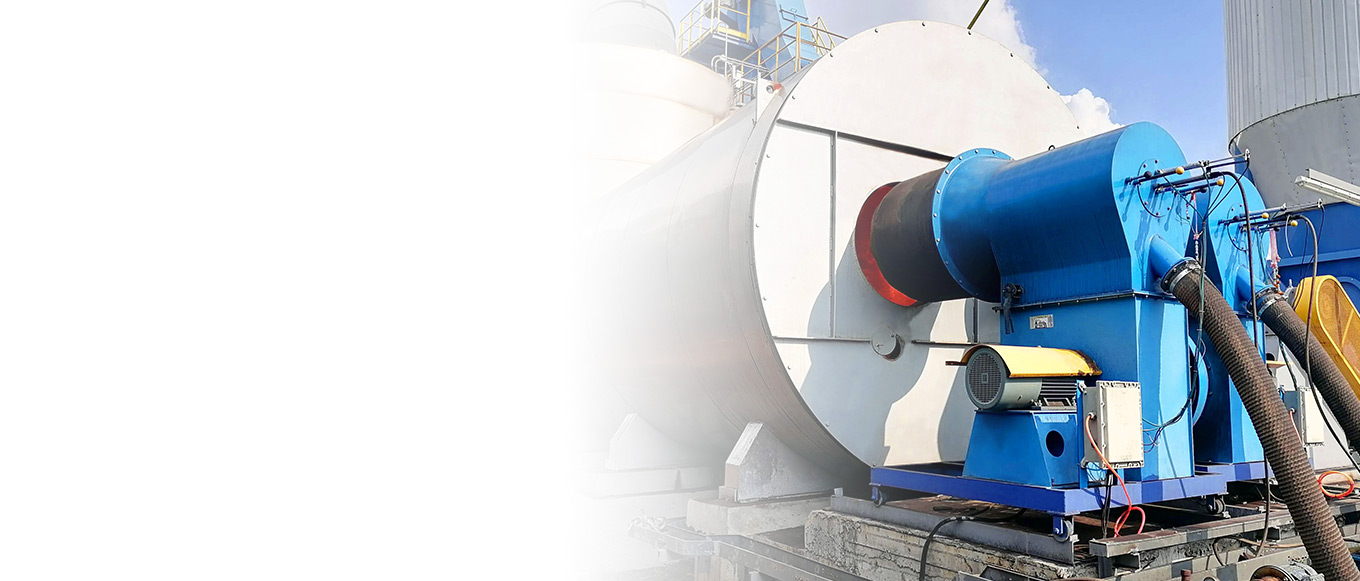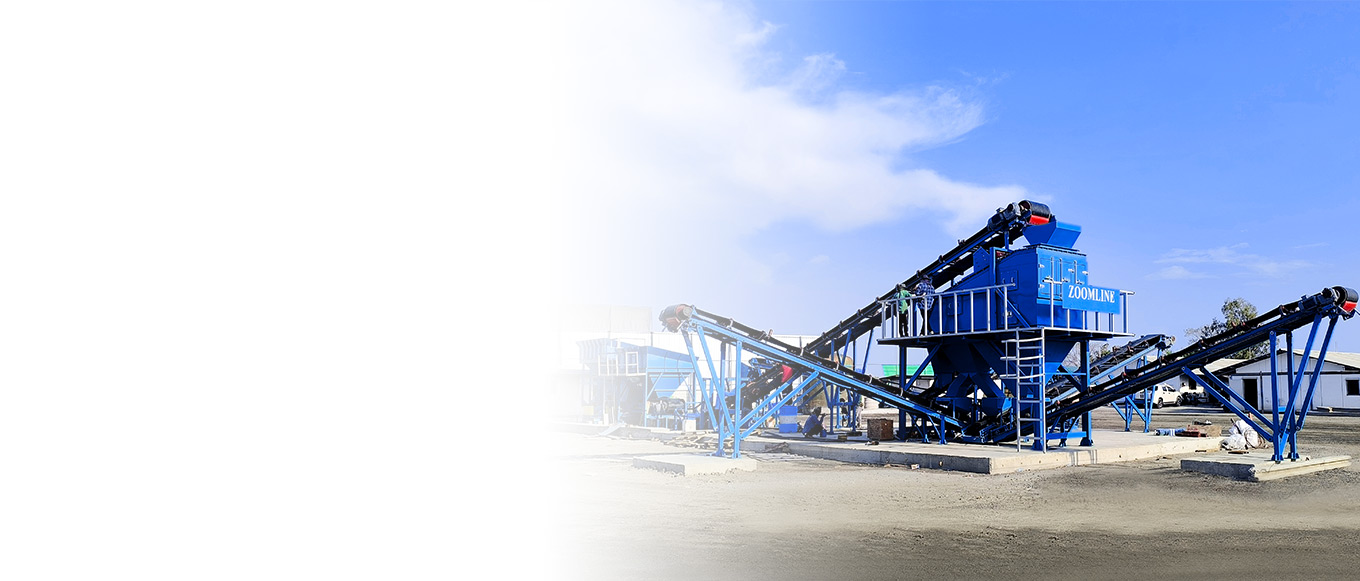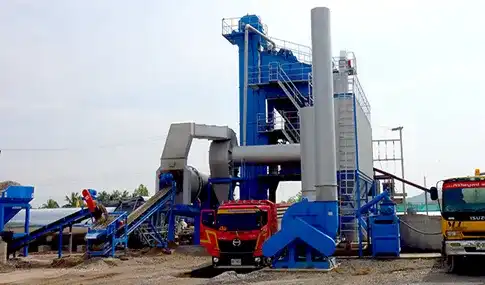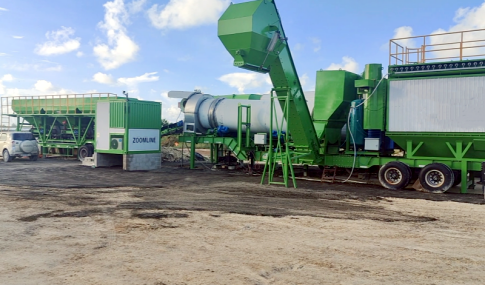

As a critical hub facility for road construction and municipal engineering, the establishment of an asphalt mixing plant site represents a capital-intensive and complex systemic endeavor. From preliminary site selection planning to full-cycle operational management, each decision point is intrinsically linked to the project’s return on investment (ROI). Precise cost estimation serves not only as a vital defense against risks such as budget overruns and funding chain disruptions, but also as a cornerstone for ensuring subsequent operational efficiency and compliant development. This paper will thoroughly deconstruct the core cost elements of asphalt mixing plant site development, helping investors establish a clear cost framework, formulate scientific budget plans, and maximize input-output efficiency.
Site Selection and Land Acquisition Costs
The core logic of site selection is “cost reduction and efficiency enhancement.”: From the raw material supply perspective, locating the asphalt mixing plant within 50 kilometers of aggregate and asphalt sources significantly reduces aggregate transportation distances. For finished product transportation, proximity to major construction sites is critical. Every 100 kilometers transported, finished asphalt mix loses 15-20°C in temperature, compromising paving quality and necessitating costly warm mix additives. Limiting the transport radius to 30 kilometers effectively prevents temperature loss while reducing fuel expenses. Additionally, transportation accessibility is a key consideration during site selection, prioritizing areas near national highways, expressway exits, or rail freight terminals. Taking rail transport as an example, compared to road transport, the cost per kilometer for bulk materials like asphalt can be reduced by 40%. This approach also avoids the traffic congestion risks associated with road transport, effectively lowering the passage costs and time costs for equipment entry and raw material transportation.
Industrial land prices exhibit significant regional disparities, with costs in first-tier cities and core industrial zones potentially reaching 2-5 times those in third/fourth-tier cities or suburban areas. Investors must select sites based on the project’s coverage radius. Additionally, land area must accommodate the full operational layout: mixing plant zone, aggregate storage yard, asphalt storage tank area, office/living quarters, vehicle access routes, and emergency space. Typically, a 40-320 t/h mixing plant requires 10-30 mu of land (adjusted based on capacity), preventing future expansion costs due to insufficient space.
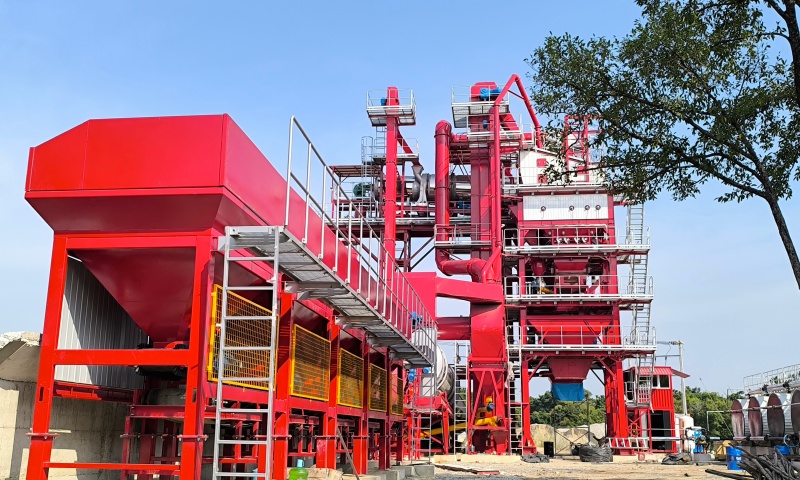
Land use approvals involve multi-departmental coordination, requiring simultaneous processing of Environmental Impact Assessment (EIA) reports, pollution discharge permits, and safety assessments. Significant regional variations in environmental policies exist, with some areas mandating minimum safety distances of ≥500 meters between plants and residential zones, plus mandatory installation of noise barriers, dust suppression cannons, and other environmental facilities. These upfront compliance costs encompass not only approval fees but also procurement, installation, and maintenance expenses for environmental equipment, necessitating comprehensive planning in initial project budgets.
Different mixing plant types exhibit significant variations in applicable scenarios and cost structures:
◦ Batch-type mixing plants: Equipped with high-precision batching systems and standardized production processes, they enable precise control over mix proportions, ensuring stable and reliable finished product quality. However, due to technical complexity, equipment costs are 20%-30% higher than comparable drum-type plants. They are commonly used in critical projects with stringent material quality requirements, such as high-grade highways and airport runways.
◦ Continuous (drum) mixing plants: Core advantages include continuous high-efficiency production and low energy consumption. Equipment acquisition costs are more economical, with simplified operation and maintenance. While production precision falls short of batch plants, it sufficiently meets the demands of routine projects like municipal roads and rural highways, making it an ideal choice for cost-effective projects.
Equipment costs hinge on core component configurations:
Based on project requirements and environmental regulations, prioritize the following upgrade options. While increasing initial investment, these solutions significantly reduce lifecycle costs and enhance project compliance and market competitiveness over the long term:
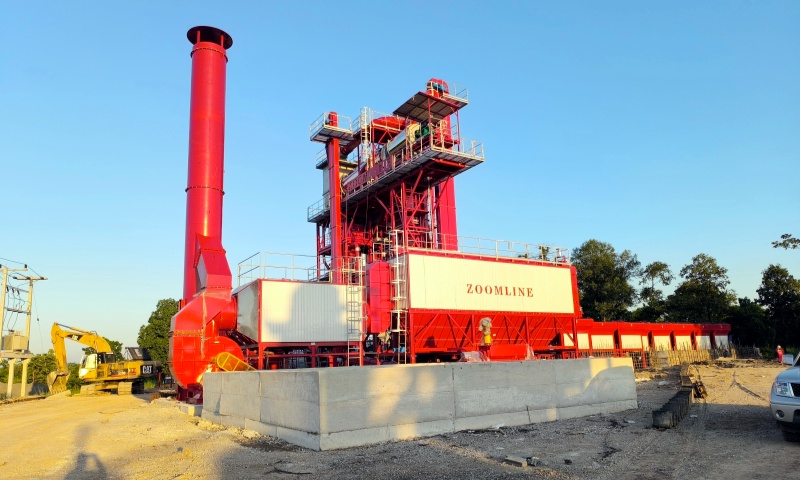
Civil engineering encompasses four critical phases: site preparation, core equipment foundation construction, drainage system planning, and electrical infrastructure upgrades:
Auxiliary facilities encompass multiple critical areas including offices, testing, and warehousing, with the following specific components:
◦ Office Building: Depending on production scale, construct a simple office building of 300-800 m² using modular steel structure design. Include functional zones such as administrative offices, dispatch command center, and meeting rooms, equipped with high-speed internet and video surveillance systems to ensure efficient coordination and real-time management of production operations.
◦ Employee Dormitories: To meet worker accommodation needs, dormitory buildings should be constructed at 8-10 m² per person, featuring private bathrooms, air conditioning, and other basic amenities. This addresses workers’ concerns and enhances productivity.
◦ Supporting Cafeteria: A 200-300㎡ cafeteria area is planned, equipped with professional kitchen facilities. It can accommodate 100-200 people simultaneously for meals, providing breakfast, lunch, dinner, and additional snacks daily to ensure employee dietary needs and health.
As the core facility for controlling mix quality, a professional laboratory compliant with industry standards must be established, equipped with high-precision testing instruments. In addition to Marshall stability testers and extraction apparatus, the lab requires asphalt penetration testers, ductility testers, and softening point testers to evaluate the three key asphalt properties. Aggregate screening equipment and crush value testers must be installed to analyze aggregate particle gradation and strength. The laboratory must establish comprehensive quality control protocols with professional testing personnel on 24-hour rotating shifts. This ensures full-process inspection of incoming raw materials, production processes, and finished product shipments, guaranteeing compliance with national and industry standards.
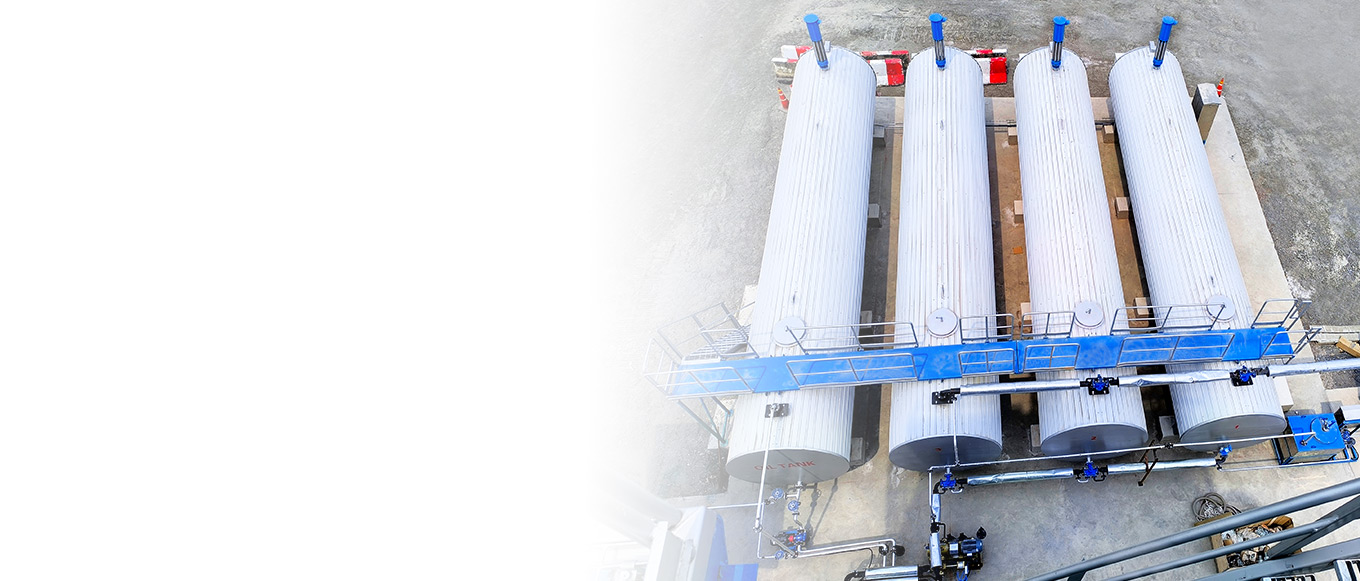
Configure 2-3 asphalt storage tanks with capacities ranging from 100 to 500 tons. Tanks shall feature double-walled stainless steel construction with polyurethane insulation filling the interlayer, ensuring insulation thickness of no less than 100mm. External solar heating systems and electric heating auxiliary devices shall be installed to enable flexible “one active, one standby” allocation. Each tank is fitted with liquid level and temperature sensors for real-time monitoring of asphalt storage conditions. These sensors connect to a central control system that automatically adjusts heating temperatures and discharge rates. Additionally, the storage area features fire berms, leak-proofing facilities, firefighting equipment, and emergency sprinkler systems to ensure safe and stable asphalt storage and retrieval.
Aggregate yards require high-standard hardening treatments, prioritizing concrete or asphalt surfacing to create a solid, stable load-bearing surface. This prevents rainwater accumulation forming muddy ground and eliminates the risk of aggregate loss due to slippery surfaces at the source. Additionally, install rain shelters or wind barriers to establish a comprehensive protection system, effectively isolating the site from rain and moisture. These scientific protective measures significantly reduce the risk of aggregate deterioration due to moisture exposure, lowering material loss rates from the typical 5%-8% seen in unprotected conditions to just 1%-2%. This achieves a substantial improvement in cost control efficiency.
Bitumen must be stored in insulated tanks equipped with fuel or electric heating systems to maintain the required construction temperature. These tanks typically feature a double-walled stainless steel structure filled with high-efficiency insulation material, effectively minimizing heat loss and ensuring temperature fluctuations within ±2°C. The tanks must also incorporate intelligent temperature control systems. PLC control modules continuously monitor and automatically adjust heating power to prevent asphalt aging from excessive heat or loss of flowability from insufficient warmth. Additionally, to avoid sedimentation and solidification at the tank bottom, the base is often designed with a conical shape and equipped with circulation agitators. These devices periodically stir the asphalt to ensure uniformity and maintain construction suitability.
Additives (such as modifiers and anti-stripping agents) should be stored in dedicated, cool, dry warehouses equipped with temperature and humidity control systems. Maintain ambient temperatures between 15-25°C and relative humidity between 40%-60% to prevent deterioration from moisture, oxidation, or excessive heat. Additionally, the warehouse should feature dedicated shelving zones for segregated storage of different additive types, clearly labeled to prevent mix-ups or misuse. To strictly control additive dosing, high-precision metering equipment—such as electronic batching scales or loss-in-weight scales—must be installed. These devices should achieve measurement accuracy of ±0.1% to guarantee precise additive ratios in every batch of mixture. Furthermore, a comprehensive inventory management system must be established to rigorously record all additive receipts and issuances. Regular inspections of expiration dates and storage conditions are essential to prevent additive degradation due to improper storage.
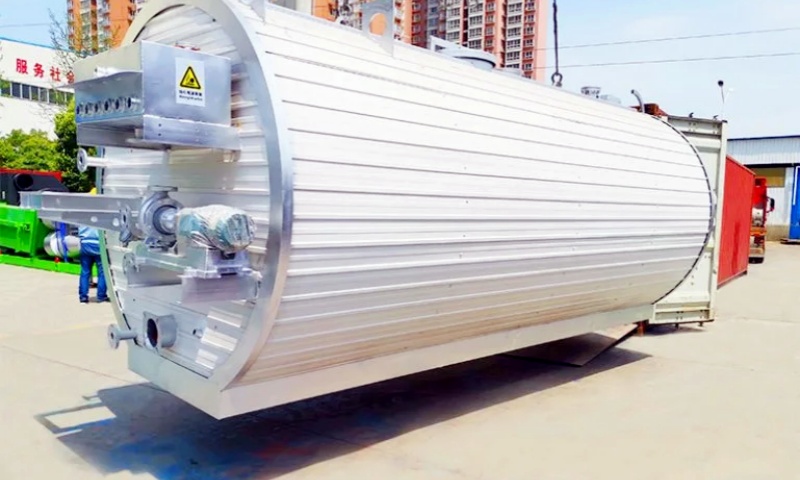
Fuel storage operations must strictly adhere to fire safety regulations to fortify production safety defenses:
The core team structure for a large-scale asphalt mixing plant requires precise configuration:
– 2-4 operators responsible for equipment operation monitoring
– 1-2 technicians controlling production process parameters
– 1-2 maintenance engineers ensuring stable equipment operation
– 1-2 managers coordinating production scheduling
– 2-3 logistics personnel handling material supply and on-site coordination. Salary levels for each position are significantly influenced by regional economic variations. Additionally, enterprises must systematically plan pre-employment training programs for new staff and organize certification for special equipment operation permits, ensuring all personnel are certified before commencing work to fortify safety production defenses.
Energy consumption constitutes one of the primary operating costs for mixing plants:
Regular maintenance is required to mitigate the risk of failure-induced downtime:
Dust generated during mixing plant operations must be efficiently treated using baghouse dust collectors, with filter cartridges replaced periodically to maintain purification effectiveness. In regions with stringent environmental requirements, adsorption units or catalytic combustion equipment must also be installed for VOCs (volatile organic compounds). Strict adherence to asphalt concrete mixing plant air pollutant emission standards is essential to ensure compliant exhaust emissions.
Noise generated by mixing plant equipment must be effectively controlled through noise-reduction facilities such as soundproof enclosures and vibration-damping pads. Wastewater from production processes (e.g., equipment cleaning effluent) must undergo multi-stage treatment in sedimentation tanks to ensure compliance before discharge. Additionally, dedicated rainwater collection pipelines must be installed to prevent stormwater runoff from contaminating surrounding water bodies.
To ensure environmental compliance, professional online exhaust monitoring equipment must be installed, including particulate matter monitors, SO₂ monitors, and NOₓ monitors, for real-time, precise emission data tracking. Regular environmental audits must also be conducted, strictly adhering to local environmental regulatory requirements to mitigate risks such as fines and shutdowns.
Even with strict adherence to scheduled maintenance plans, core equipment at asphalt mixing plants may experience sudden failures, such as mixer jams or burner malfunctions. Equipment failures causing shutdowns directly impact production schedules. Therefore, sufficient emergency repair funds must be allocated to ensure rapid response and resolution, minimizing downtime losses.
Prices of raw materials like asphalt and diesel are significantly influenced by international oil price fluctuations and market supply-demand dynamics, presenting substantial uncertainty. Establish a dedicated price fluctuation reserve fund to mitigate sudden price hike risks. Simultaneously, secure long-term supply agreements with reputable suppliers using fixed-price or floating-price mechanisms to effectively lock in procurement costs and reduce operational risks from price volatility.
Beyond routine risks like equipment failure and market volatility, reserve 5%-10% of total investment as contingency funds to properly address three major emergency scenarios:
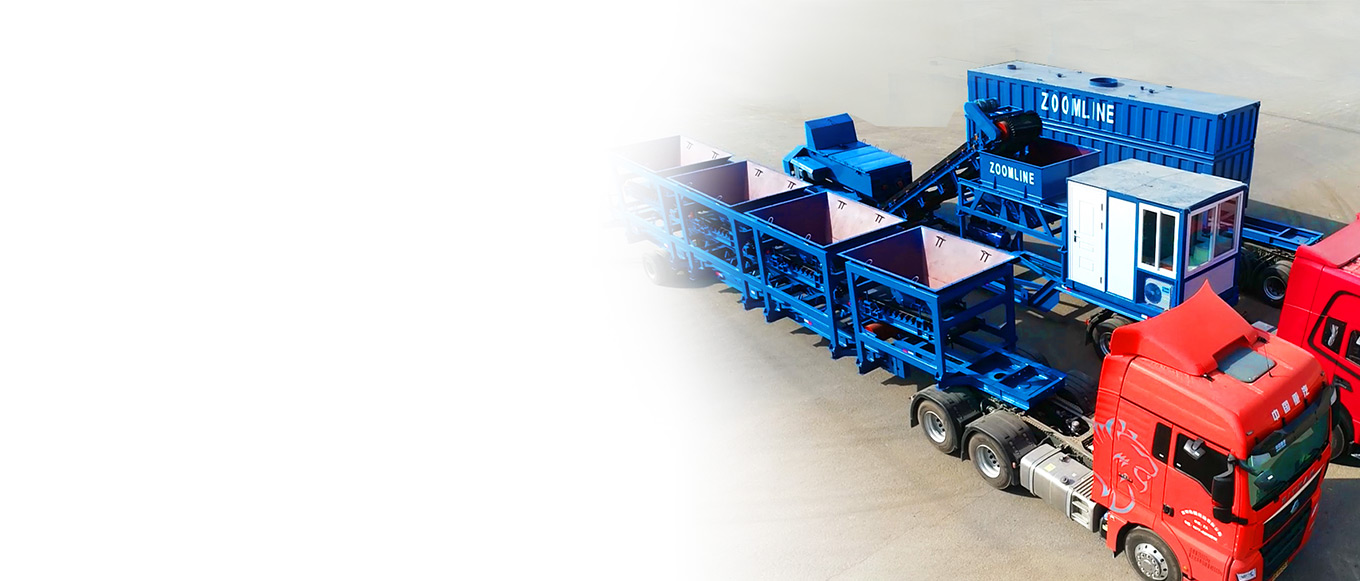
For small-scale, short-term projects (annual capacity < 50,000 tons), mobile mixing plants are recommended. These units feature rapid relocation and modular installation, significantly reducing land lease costs and equipment infrastructure investment. For large-scale, long-term projects (annual capacity ≥ 100,000 tons), fixed batching plants leverage precise batching control systems and continuous production capabilities. This not only substantially enhances production efficiency and product quality stability but also reduces unit production costs by 15%-20% through economies of scale.
Although high-efficiency, energy-saving equipment entails relatively higher upfront acquisition costs, it demonstrates significant cost control advantages in energy consumption and equipment maintenance from a full lifecycle operational perspective. Using industry application data as an example, selecting core equipment such as mixing hosts, natural gas burners, and high-efficiency dust collectors with energy consumption ratios below market averages, combined with scientific configuration and continuous operation, can reduce annual asphalt mixing plant operating costs by 10%-20%. Based on investment return cycle calculations, such energy-saving equipment typically recoups its excess acquisition costs within 1-3 years, delivering long-term stable economic benefits.
Implementing a RAP recycling system to establish a closed-loop recycling system for recycled asphalt pavement materials aligns with policy directives while generating substantial economic benefits. Estimates indicate that small-scale plants using this system can reduce new asphalt and aggregate procurement costs by 15%, while medium-scale and larger plants can achieve a 30% reduction. Additionally, this initiative aligns with policy support directions. Eligible enterprises may apply for special subsidies from local governments of up to 10% of the project investment amount or enjoy corresponding tax reduction benefits.
Selecting manufacturers that integrate R&D, production, and after-sales service not only ensures stable performance and reliable equipment, significantly reducing the risk of breakdowns and downtime, but also provides one-stop services such as free installation and commissioning, system technical training, and rapid spare parts response. This effectively minimizes post-installation operational costs and production interruption losses. Furthermore, leveraging bulk purchasing advantages can secure highly competitive equipment procurement prices.
Conclusion
The cost of establishing an asphalt mixing plant facility encompasses ten core dimensions: site selection, equipment, civil engineering, operations, compliance, and more. Each must be precisely calculated based on project specifics—including production capacity, project timeline, and environmental requirements. Investors should not focus solely on initial capital outlays but prioritize long-term operational efficiency and compliance. Selecting high-quality equipment, optimizing site layout, controlling energy consumption, and maximizing recycled material utilization are essential to achieving the goal of “low investment, high output, and minimal risk.”
It is recommended that investors consult professional concrete batching plant manufacturers or engineering consulting firms during the project’s early stages. Develop customized budget plans and operational strategies based on project requirements to avoid cost overruns or inefficiency resulting from blind investment. Selecting reliable partners not only ensures access to superior equipment but also provides full lifecycle technical support, safeguarding the project’s long-term profitability.