

Amidst the ongoing growth in global infrastructure demand and the pursuit of dual carbon goals, the road construction industry is undergoing a transformation from a resource-intensive model to a circular and sustainable one. Recycled Asphalt Pavement (RAP), as the core supporting material for this transformation, not only solves the challenge of recycling old asphalt pavements but has also become a key configuration for modern asphalt mixing plants to enhance competitiveness. This article will delve into the core advantages of RAP, revealing why it has transformed from “waste material” into a highly sought-after resource in road construction projects.
Recycled Asphalt Pavement (RAP) refers to the mixture obtained by milling, crushing, and screening damaged or discarded asphalt pavements. This mixture contains old asphalt binder, aggregate, and a small amount of impurities. These “road waste materials” are far from worthless. Their sources are diverse, encompassing not only renovated urban thoroughfares and highways but also aging parking lots, industrial site roads, and other asphalt-paved facilities.
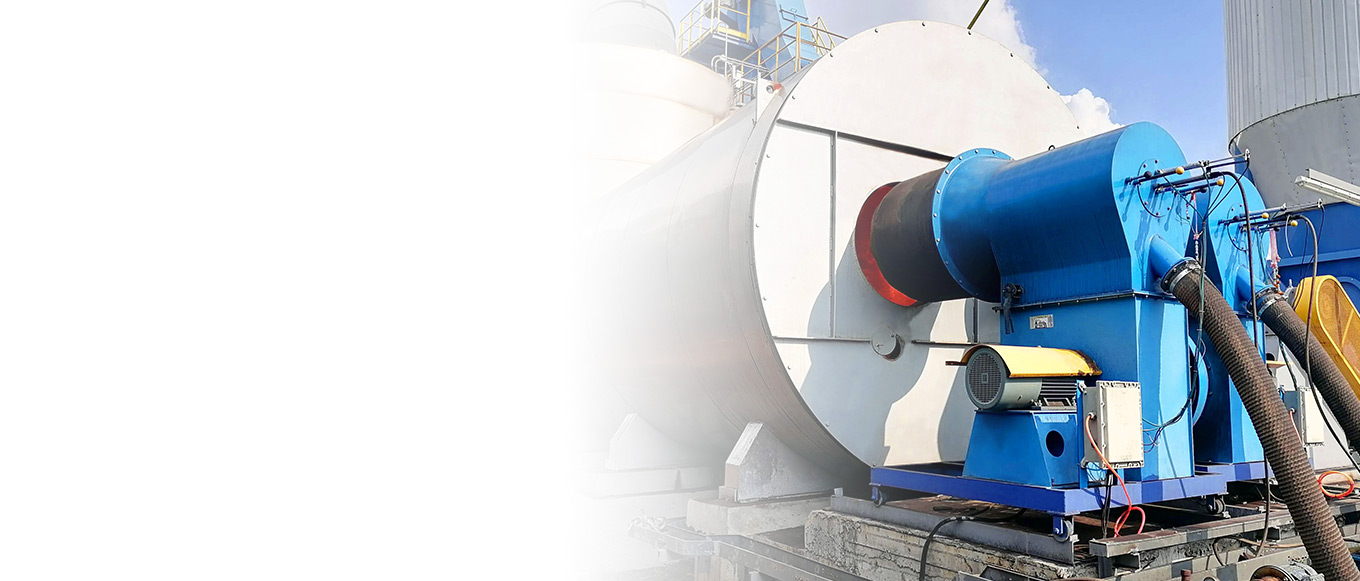
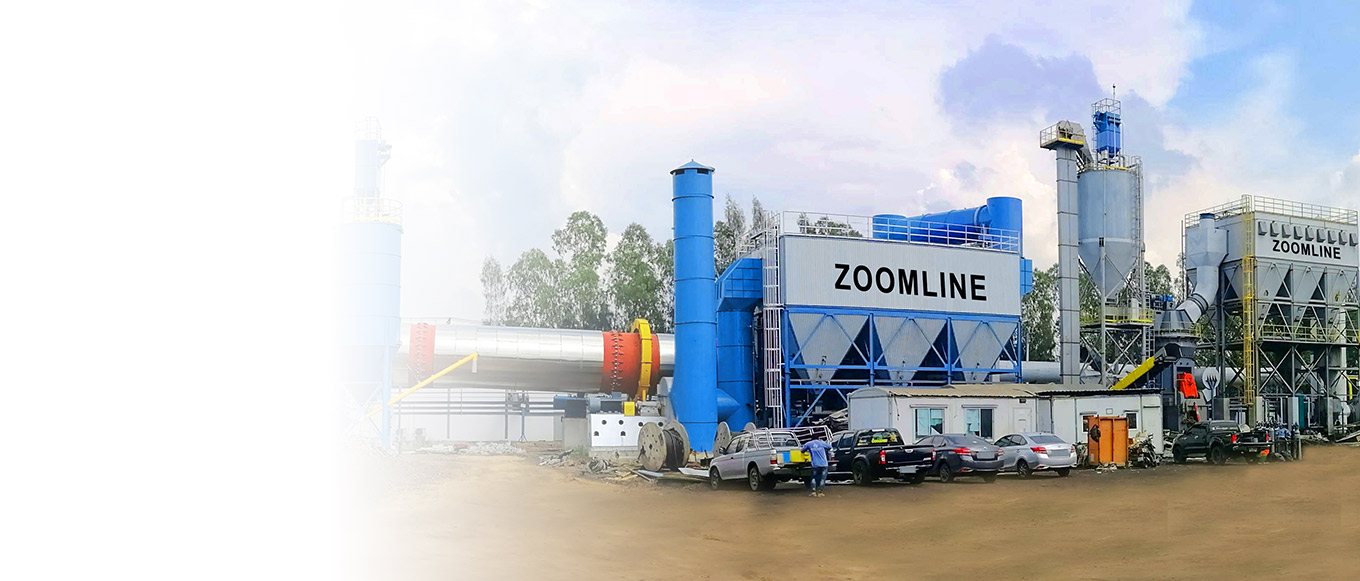
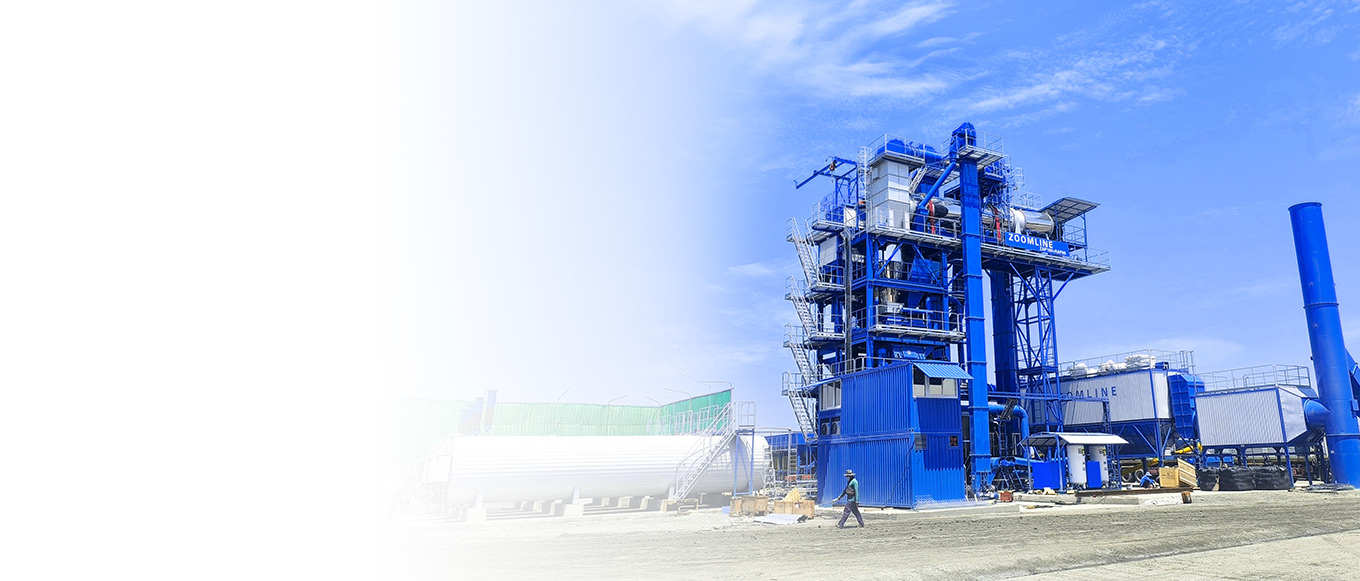
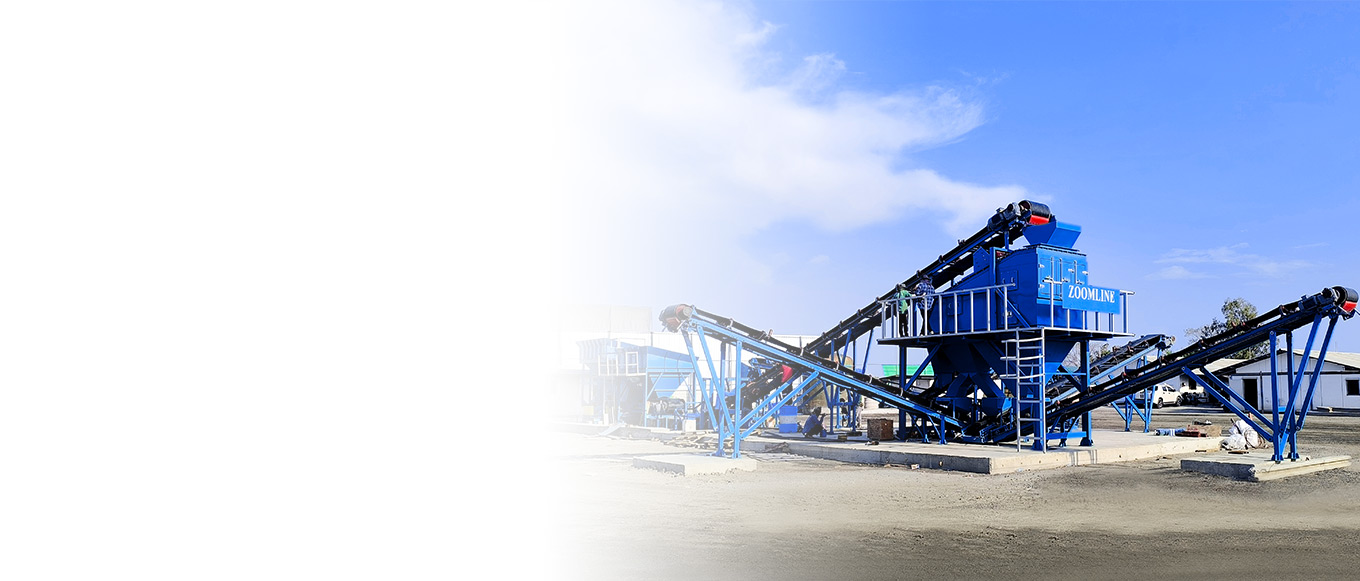
The RAP processing adheres to the core principles of “reduction and reuse”: First, specialized milling equipment strips the surface and structural layers of the old pavement. The material is then crushed into particles of varying sizes, screened to remove impurities and graded, ultimately forming recycled aggregate that meets the production standards of mixing plants. At asphalt mixing plants, this recycled material can be blended proportionally with new aggregates and new asphalt binders. Both batch plants and continuous drum plants can achieve efficient integration through compatible RAP feeding systems, producing qualified recycled asphalt mixtures.
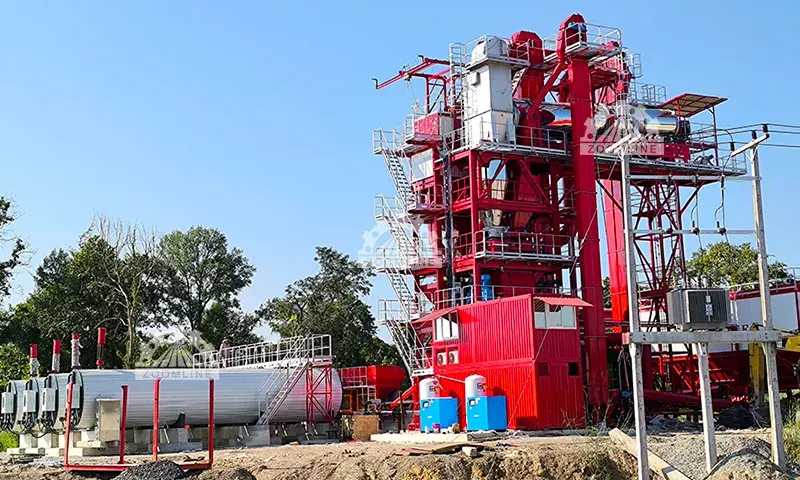
For asphalt mixing plant operators and road construction contractors, RAP’s most compelling appeal lies in its significant economic value, comprehensively reducing cost pressures from raw material procurement to production operations.
The core costs of asphalt mixtures stem from new aggregates (e.g., basalt, limestone) and asphalt binders, both of which are highly susceptible to fluctuations in mineral reserves and crude oil markets. Using RAP can directly replace portions of new aggregates and asphalt. Studies indicate that incorporating 10% RAP reduces new asphalt consumption by approximately 8%-10% and new aggregate usage by 10%. Amid significant crude oil price fluctuations, adding RAP acts as a “cost stabilizer” for asphalt production, helping plants and contractors secure profit margins.
Milling operations on old asphalt pavements can be conducted locally within the construction zone. Processed RAP can be transported directly to nearby asphalt mixing plants, or even processed and used on-site for large-scale projects. This approach not only eliminates disposal costs for old materials but also cuts substantial expenses associated with transporting new aggregates and bitumen from distant quarries and plants. For road projects in remote areas, localized RAP utilization can reduce transportation costs by over 30%.
While asphalt plants require upgrades like dedicated RAP feeders and heating drums, the investment pays off rapidly. Data indicates that plants equipped with comprehensive RAP processing systems achieve 15%-20% higher profitability than traditional plants due to reduced material costs, with most enterprises recouping equipment upgrade costs within 1-2 years. Additionally, plants with RAP processing capabilities gain competitive advantage in bidding processes, enabling them to secure more government-led “green infrastructure” projects.
Globally, road construction generates billions of tons of asphalt waste annually. The widespread adoption of Recycled Asphalt Pavement (RAP) addresses waste pollution at its source, emerging as a critical pathway for the highway industry to achieve carbon peaking and carbon neutrality.
Producing 1 ton of new asphalt aggregate consumes approximately 1.2 tons of natural ore, whereas 1 ton of RAP can fully replace 1 ton of new aggregate. If a region generates 1 million tons of RAP annually and recycles it entirely, it can reduce the mining of 1.2 million tons of natural ore while lowering crude oil consumption required for asphalt binder production. This process not only protects ecological environments like mountains and forests but also alleviates pressure from increasingly depleted mineral resources.
Asphalt production represents a major carbon emission source in road construction. Utilizing RAP achieves emission reductions through two mechanisms: First, it decreases the production of new asphalt binder, indirectly lowering carbon emissions from crude oil refining; Second, in the “warm-mix asphalt + RAP” combination process, incorporating RAP allows the heating temperature of the mixture to be reduced by 30-50°C, directly decreasing emissions of pollutants like CO₂ and NOx from fuel combustion at mixing plants. Data indicates that every ton of RAP utilized reduces carbon emissions by approximately 0.3 tons.
Under traditional practices, waste asphalt pavement materials are predominantly landfilled, occupying vast tracts of land while posing risks of soil and groundwater contamination from asphalt component leaching. The recycling of RAP establishes a closed-loop cycle of “waste-to-raw material-to-product,” transforming asphalt pavement into a genuinely “recyclable and renewable” construction material. Against the backdrop of global circular economy initiatives, RAP utilization has emerged as a core metric for assessing the environmental sustainability of road engineering projects.
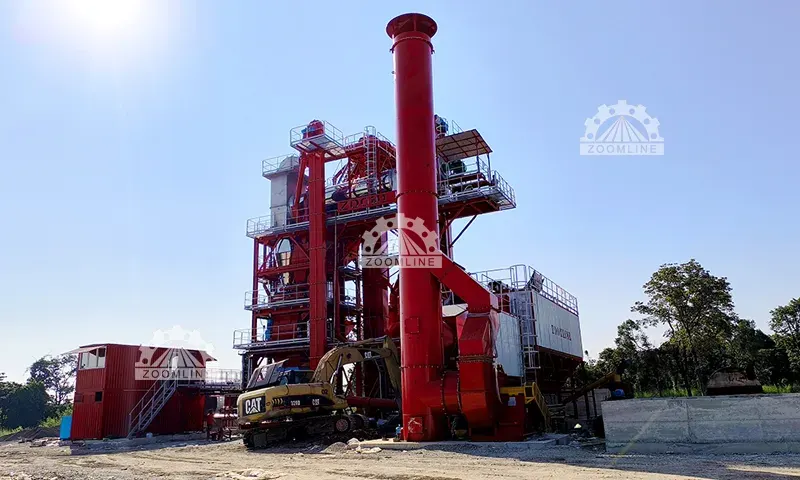
Many worry that recycled materials may compromise pavement quality. However, actual engineering data shows that asphalt pavements using RAP appropriately can even outperform those made with virgin materials.
Over time, aged asphalt binders gradually “cure” into a stiffer, harder asphalt. This composition enhances the load-bearing capacity and rutting resistance of recycled mixes. In projects demanding high pavement strength—such as highways and heavy-duty roads—mixes incorporating 30%-50% RAP can achieve a 20%-40% increase in dynamic stability, effectively reducing deformation caused by heavy loads.
By adding asphalt rejuvenators, the adhesion and flexibility of aged asphalt in RAP can be precisely restored. This allows recycled mixes to retain the stiffness of old materials while gaining the toughness of new ones. Practice shows that pavements paved with RAP-recycled asphalt can achieve a service life of 15-20 years, comparable to new asphalt pavements. Some projects with optimized mix designs even exceed 20 years.
Modern asphalt mixing plants can flexibly adjust RAP incorporation ratios—from low levels of 20% to high levels of 60%—to produce mixes meeting requirements for various road grades. This flexibility enables plants to simultaneously undertake projects ranging from urban feeder roads to highways and airport runways, boosting equipment utilization and market adaptability.
For asphalt mixing plants, utilizing RAP is not only an “environmental responsibility” but also a “management tool” for boosting operational efficiency.
RAP retains inherent heat (especially hot material milled on-site) and eliminates the need for prolonged high-temperature drying required for new aggregates. During mixing, incorporating RAP reduces heating system load, shortening production cycles by 10%-15% while lowering fuel consumption. Plants equipped with RAP-specific heating drums can achieve over 25% energy savings per unit output.
RAP processing systems seamlessly integrate with warm-mix asphalt technology and intelligent control systems. For instance, intelligent control systems monitor RAP moisture content and aggregate gradation in real time, automatically adjusting the ratio of fresh materials and rejuvenators to ensure consistent mix quality. This “RAP + intelligent technology” combination has become a core competitive advantage for modern asphalt plants.
New aggregates are hard and sharp-edged, causing significant wear on equipment during transportation and mixing. In contrast, RAP particles become more rounded through prolonged compaction, substantially reducing damage to components like conveyor belts and mixing blades. Data shows that mixing plants using RAP experience a 30% reduction in replacement frequency for wear parts, saving tens of thousands of yuan annually in maintenance costs.
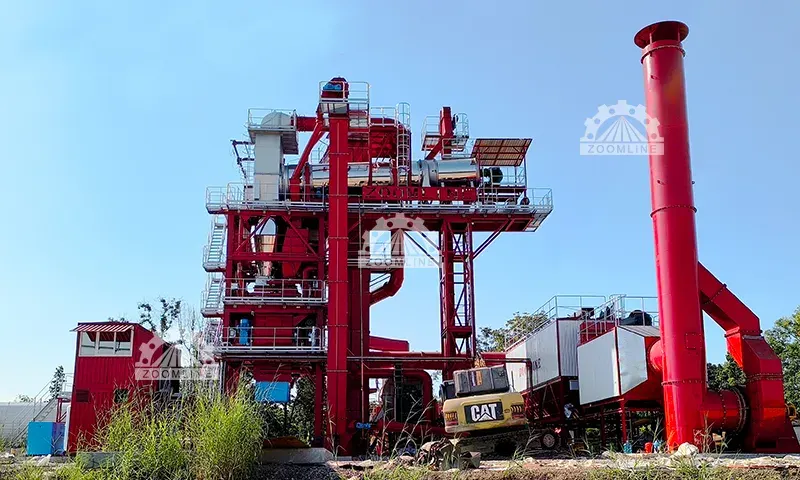
Maximizing RAP’s advantages hinges on scientific application methods. Current RAP content standards vary globally: developed nations like the U.S. and Germany allow 40%-60% RAP content in expressways, while China recommends 20%-30% for expressways and permits over 50% for ordinary highways.
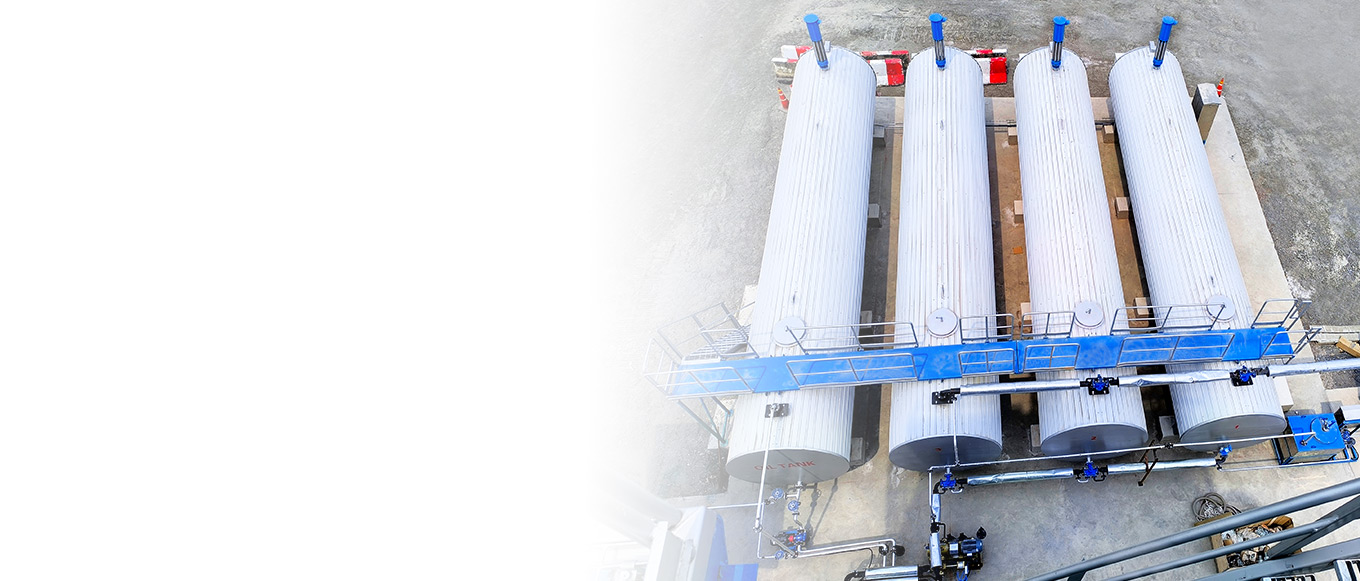
Core factors influencing RAP content include asphalt content, moisture content, and aggregate gradation in the recycled material. Mixing plants must analyze RAP performance using specialized testing equipment to determine appropriate rejuvenator dosages and new material ratios. Concurrently, RAP storage requires effective rain and moisture protection to prevent water content from compromising mixing quality. Graded and screened RAP should be stored in separate bins by particle size to ensure precise feeding.
From an economic perspective, RAP serves as an “efficiency enhancer” that reduces costs and boosts profits. From an environmental standpoint, it acts as an “eco-friendly solution” that minimizes pollution and conserves resources. From an engineering viewpoint, it functions as a “quality enhancer” that improves durability and extends service life. For asphalt mixing plants, equipping RAP processing systems is no longer an ‘option’ but a “necessity” to adapt to industry trends and seize market opportunities.
With continuous advancements in recycling technology and strengthened policy support, high-content RAP asphalt mixtures will become mainstream in the future. Asphalt plants will steadily progress toward becoming more efficient, intelligent, and environmentally friendly. Choosing RAP means choosing a sustainable path for road construction—and embracing a development approach that balances economic benefits with social responsibility.