

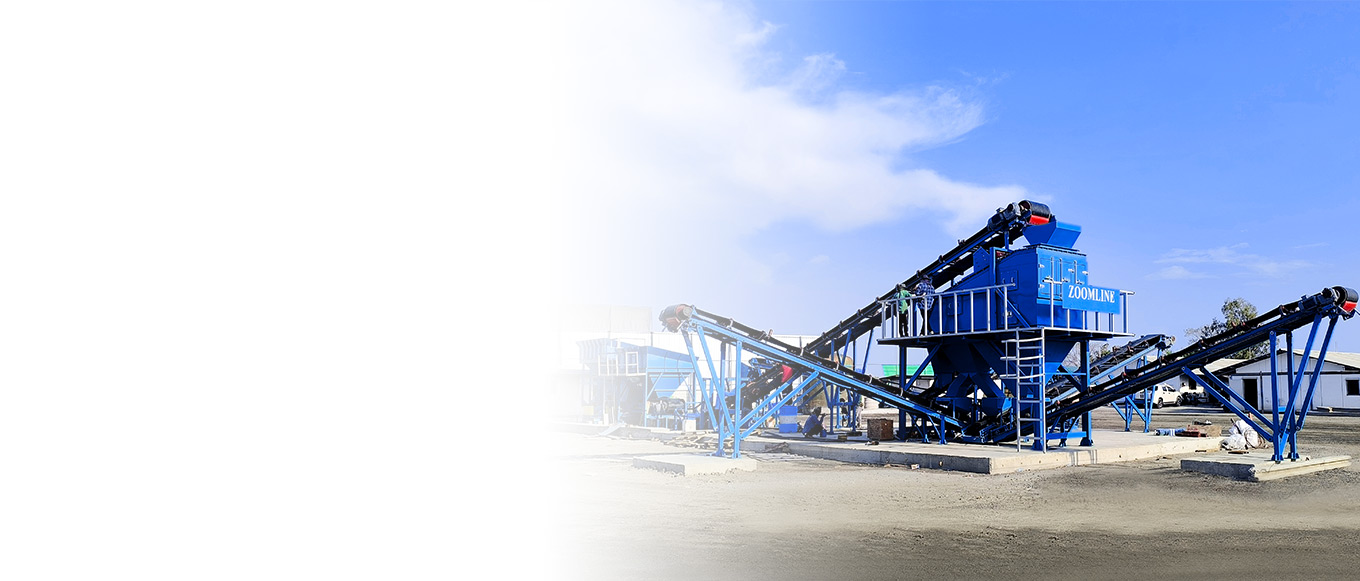



7 Steps to Make Your Asphalt Plant Durable
For asphalt mixing plant operators, equipment “durability” is far more than a mere performance metric—it is the lifeblood directly tied to return on investment (ROI), production efficiency, and operational safety. A durable asphalt mixing plant ensures stable output capacity, minimal downtime due to breakdowns, and lower total lifecycle costs. These three advantages collectively form the cornerstone of profitability in asphalt mixing operations. Conversely, frequently malfunctioning equipment not only causes project delays and penalty losses but also erodes profit margins through soaring repair costs and frequent spare part replacements. So how does one achieve true durability in practical operations? The answer lies in these seven systematic, actionable steps.
Step 1: Select High-Quality Core Components and Raw Materials to Build Durability from the Ground Up
The durability of an asphalt mixing plant begins with the quality selection of every component. For core equipment like mixers, burners, baghouse dust collectors, and motors, prioritize products from reputable manufacturers with proven market track records and mature technologies. These brands not only offer greater assurance in manufacturing processes but also demonstrate proven compatibility and stability of components through long-term market validation.
Regarding material specifications: Steel grade directly determines the fatigue strength of the main structure, particularly for high-vibration components like mixing drums and conveyor galleries. Higher-grade steel effectively delays deformation and cracking. The wear-resistant liners in the mixing chamber should be made of high-chromium alloy or other durable materials to reduce erosion damage from asphalt mixtures. The quality of insulation materials not only impacts energy consumption but also prevents thermal stress damage caused by excessive internal-external temperature differentials.
Never compromise on quality for short-term cost savings—substandard components often feature subpar materials and crude manufacturing, appearing economical upfront but doubling failure rates. For instance, inferior burners frequently clog with carbon deposits, while low-grade motors burn out due to insulation failure. The resulting downtime losses and repair costs far exceed any initial “savings.”
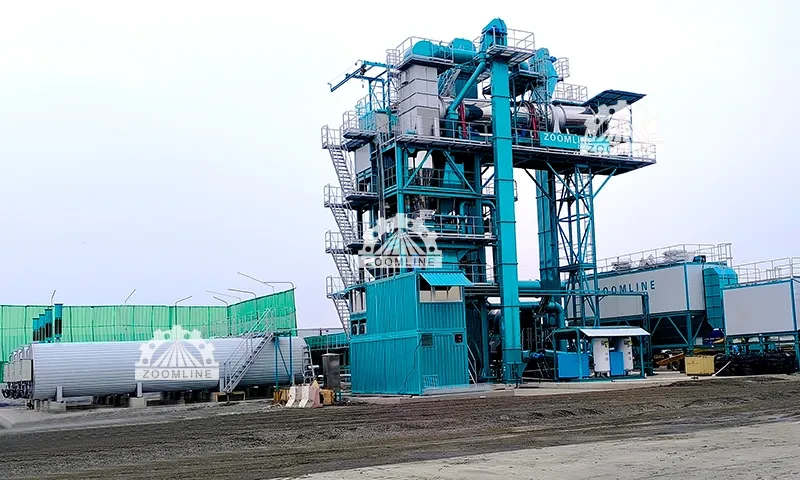
Step 2: Implement Structured Preventive Maintenance Plans to Eliminate “Emergency Repairs After Failures”
The durability of asphalt mixing plants hinges on a proactive maintenance philosophy. Compared to reactive emergency repairs after failures occur, structured preventive maintenance can nip equipment failures in the bud—one of the most effective methods for extending equipment lifespan.
Establishing a clear, cyclical inspection checklist is fundamental: – Daily pre-startup checks: Lubrication status of all transmission components, conveyor belt tension, burner nozzle cleanliness. – Weekly focus inspections: Seal leakage, mixing blade wear, electrical connection stability. – Monthly deep maintenance: Sensor calibration, equipment alignment adjustment, baghouse dust collector cleaning.
Simultaneously, maintain comprehensive maintenance logs detailing each session’s timing, activities, identified issues, and corrective actions. These records not only provide data-driven insights for future maintenance—enabling technicians to swiftly pinpoint recurring faults—but also inform component replacement decisions during overhauls or upgrades, preventing unnecessary expenditures.
Step 3: Professional Installation and Commissioning to Eliminate “Inherent Risks”
Even top-tier asphalt mixing plants risk premature failure if installation and commissioning are subpar. Equipment installation must be performed by qualified technical teams strictly adhering to manufacturer specifications to ensure all components meet precision standards.
Calibration of critical parameters is paramount: Load cell accuracy directly impacts mixing ratios; calibration errors cause uneven mixing loads and accelerated wear. Temperature sensor precision affects combustion efficiency; misjudgments lead to burner overload. Improper calibration of burner dampers and fuel lines not only increases energy consumption but also generates carbon deposits from incomplete combustion, damaging the combustion system.
Post-installation trial runs and commissioning reports are equally vital. Empty-load and full-load trials promptly identify issues like abnormal noises or vibrations. The commissioning report serves as a critical reference for subsequent operation and maintenance, providing inherent assurance for equipment durability.
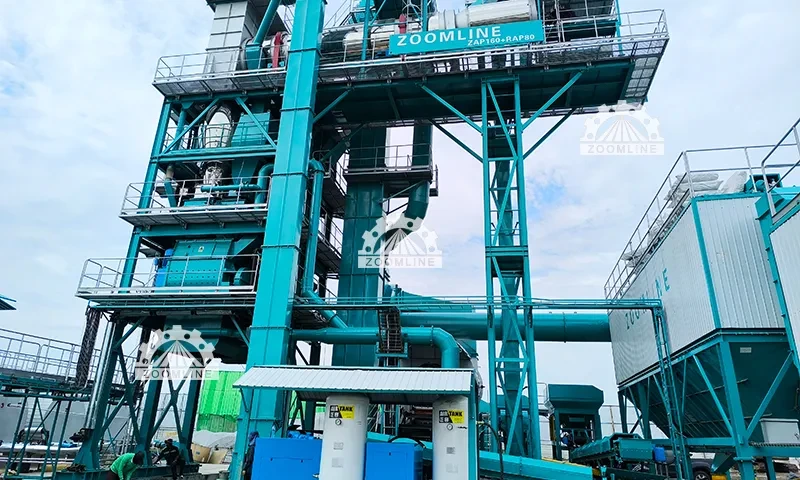
Step 4: Conduct regular operational and technical training to minimize “human-induced wear and tear”
Equipment durability largely depends on the operator’s expertise. Skilled operators can adjust equipment parameters based on material properties and production requirements to reduce mechanical stress, while operational errors often cause unnecessary wear, becoming the “durability killer.”
Training content must focus on core operational competencies: – For burner control, master techniques for adjusting air dampers and oil flow rates under varying feedstock conditions to prevent dry firing or over-burning. – In cold material supply system operation, learn to maintain stable feeding according to hot material demand to prevent equipment shutdowns caused by silo blockages. – Control mixing duration precisely—excessive mixing increases energy consumption and wear, while insufficient mixing leads to uneven blending, indirectly affecting equipment load. Baghouse operation requires mastering cleaning cycles and pressure control to prevent filter bag clogging or damage.
Establish a routine training mechanism, updating content with equipment upgrades and process improvements. Integrate operational standards into performance evaluations to institutionally reduce “human-induced wear” and enhance equipment durability.
Step 5: Select High-Quality Fuel and Raw Materials to Reduce “Internal Erosion”
The “dietary” quality of asphalt mixing plants directly impacts their “service life.” Impurities in fuels and raw materials are major causes of internal equipment damage and must be strictly controlled.
For fuels, impurities like sulfur and moisture in diesel or heavy oil produce corrosive substances during combustion, damaging burner nozzles and furnace chambers. Carbon deposits also clog fuel lines, reducing combustion efficiency. Regarding raw materials: – Wet aggregates increase the load on drying drums, raising energy consumption and causing uneven moisture evaporation that leads to condensation corrosion on equipment walls; – Oversized stones accelerate impact wear on mixing blades and may even cause mixing drum jamming; Furthermore, impurities and hard objects in poor-quality RAP (recycled asphalt pavement) inflict persistent damage on the entire mixing system.
Furthermore, maintaining stable raw material supply is critical. Sudden large-volume feeding after a hopper stoppage causes abrupt load increases, generating impact stresses. Frequent fluctuations in raw material composition force repeated parameter adjustments, increasing mechanical fatigue. Therefore, establishing a stable supply chain and equipping necessary pre-treatment facilities (such as aggregate drying and screening equipment) are vital steps to enhance equipment durability.
Step 6: Upgrade Key Components at the Right Time to Extend Service Life Through Technology
The durability of asphalt mixing plants is not static. As operational years accumulate and technology evolves, the performance of certain critical components gradually degrades. Upgrading these components promptly—rather than waiting for complete failure—effectively extends the overall equipment lifespan and prevents minor issues from causing major losses.
Prioritize upgrading the following components at appropriate intervals: – When baghouse filters exhibit frequent damage or reduced dust collection efficiency, upgrade to more wear-resistant, high-temperature-resistant filter materials. When burner systems exhibit surging energy consumption or non-compliant emissions, upgrade to low-NOx burners or intelligent combustion control systems; When control systems become outdated and cause operational delays, upgrade to PLC-based intelligent control systems for precise regulation and reduced human error; Replace liners in mixing drums and drying cylinders with new wear-resistant liners before they reach wear limits to prevent damage to the main equipment structure.
From a cost-benefit perspective, timely upgrades to critical components are significantly cheaper than premature equipment replacement. Modern automation and sensor technology not only enhance equipment durability but also optimize production efficiency, achieving dual benefits.
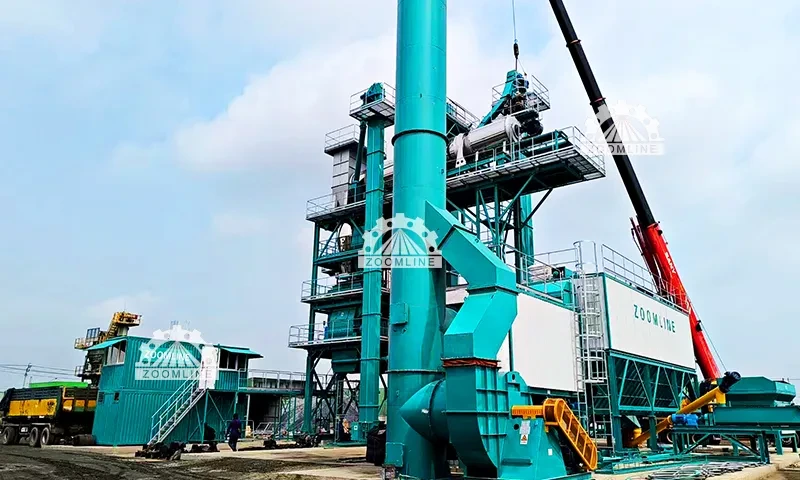
Step 7: Maintain a Clean and Safe Working Environment to Prevent “External Damage”
A tidy working environment serves as the “invisible safeguard” for the durability of asphalt mixing plants. Operations generate significant dust, which, if entering precision components like motors and bearings, accelerates wear and causes component jamming or failure. Dust accumulation on electrical components may also trigger short-circuit faults.
Therefore, establish a comprehensive dust control system. Regularly clean accumulated dust from both the exterior and interior surfaces of equipment to ensure the integrity of seals on components like motors and bearings. Simultaneously, maintain the tidiness of the work area, particularly walkways, platforms, and maintenance zones. Prevent clutter buildup that could hinder equipment operation and maintenance, reducing errors caused by restricted working space.
Furthermore, corrosion represents another significant “external threat” to equipment. Effective drainage design in operational areas is crucial to prevent rainwater accumulation from saturating equipment foundations. Regular rust removal and painting of metal structures are essential, with enhanced anti-corrosion measures required in humid or coastal regions. These environmental safeguards are vital for ensuring equipment durability.
Conclusion: Durability is a long-term investment for asphalt mixing plants
Building the durability of an asphalt mixing plant is not the result of a single effort, but rather a systematic project encompassing seven key aspects: selection, maintenance, installation, operation, raw materials, upgrades, and environment. It involves laying a solid foundation by selecting high-quality components, implementing structured maintenance to prevent potential issues, ensuring professional installation to avoid hidden dangers, providing skill training to reduce operational errors, using premium raw materials to minimize internal corrosion, performing timely upgrades to extend service life, and maintaining a clean environment to shield against external damage.
For asphalt mixing plant operators, enhancing equipment durability is fundamentally a long-term investment. While it may not yield immediate returns, it builds sustained competitive advantages by extending equipment lifespan, reducing operational costs, and boosting production efficiency. Moving forward, competition in the asphalt mixing industry will increasingly center on operational efficiency. Only by establishing a “proactive” equipment management culture and embedding durability principles into every detail of daily operations can companies achieve stable profitability and long-term growth amid intense market competition.