

ما هي المعايير الأساسية لمحطة الأسفلت المتنقلة؟
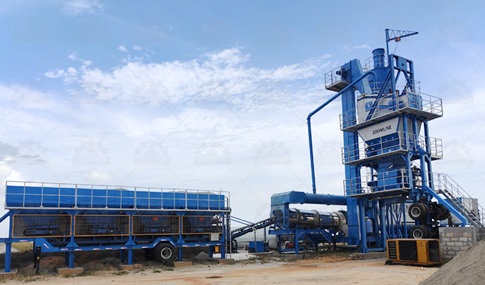
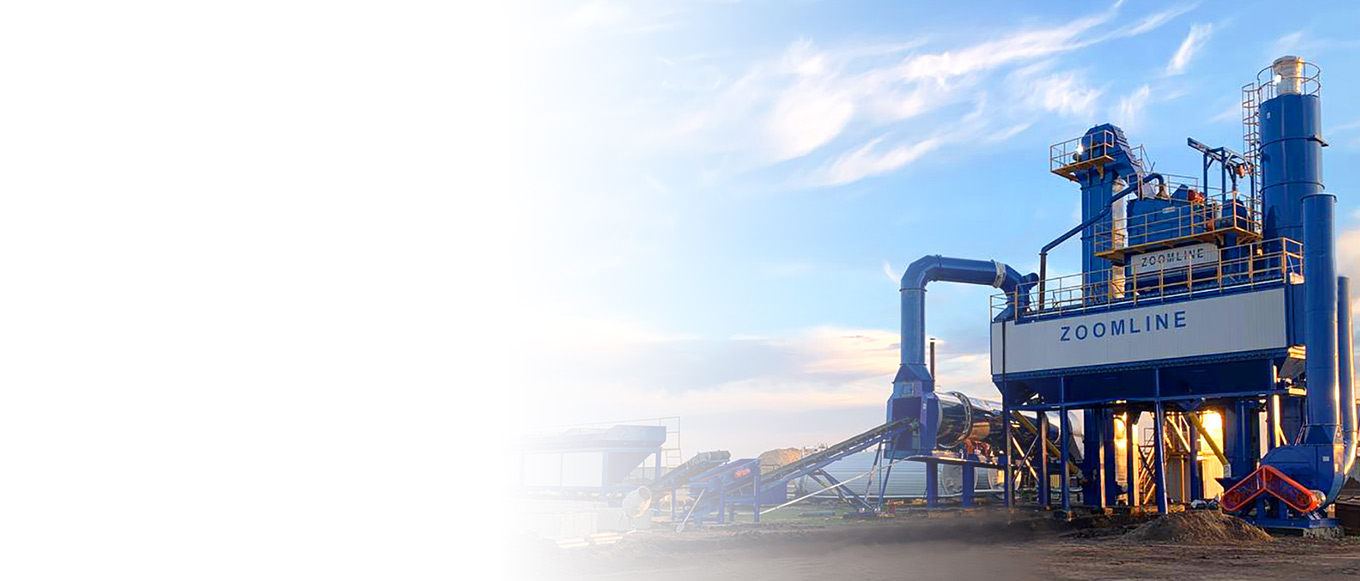
في مشاريع صيانة الطرق والجسور والمشاريع البلدية، أصبحت محطات الأسفلت المتنقلة معدات أساسية لبناء الأرصفة بفضل مزاياها المتمثلة في مرونة النقل وسرعة النشر وقابلية التكيف مع سيناريوهات البناء المختلفة.
لاختيار محطة خلط أسفلت متنقلة عالية الكفاءة وموثوقة واقتصادية، من الضروري فهم مواصفاتها الأساسية فهمًا دقيقًا. تُفصّل هذه المقالة بشكل منهجي المعايير الفنية الرئيسية لمحطات خلط الأسفلت المتنقلة لمساعدتك على تقييم المعدات بسرعة ومطابقتها بدقة مع متطلبات مشروعك.
الطاقة الإنتاجية: المؤشر الأساسي لاختيار المعدات
تُعد الطاقة الإنتاجية أهم وأبرز المعايير التقنية لـ مصنع الأسفلت المتنقلكما يُعدّ هذا المعيار الأساسي الإلزامي أثناء عمليات الشراء الهندسية واختيار المعدات، إذ يُحدد بشكل مباشر معدل إنتاج المعدات، وكفاءة الإنشاء، والتقدم العام للمشروع. ويستخدم القطاع عادةً وحدة الطن في الساعة (TPH) لقياس الطاقة الإنتاجية. ويمثل هذا وزن خليط الأسفلت الذي يمكن للمعدات إنتاجه بثبات في الساعة الواحدة في ظل درجات الحرارة المحيطة القياسية وظروف التشغيل المُصنّفة. وتعكس هذه القيمة بشكلٍ بديهي القدرة التشغيلية الإجمالية لمحطة الخلط، وتُشكّل الأساس الرئيسي لتصنيف مواصفات المعدات.
استنادًا إلى معايير التصنيف القياسية في الصناعة والإنتاج بالساعة، يمكن تقسيم محطات خلط الأسفلت المتنقلة بوضوح إلى ثلاث فئات، مع حدود مميزة تحدد سيناريوهات البناء المناسبة لكل مستوى من مستويات المعدات:
محطات صغيرة الحجم: من 10 إلى 40 طنًا في الساعة. مناسبة للمشاريع الصغيرة والمتفرقة، مثل رصف الطرق الريفية، وتجديد أرصفة المناطق السكنية، وإصلاح الطرق الموضعية، والاستجابة لحالات الطوارئ. يتميز هذا النوع من المعدات بصغر حجمه، وانخفاض استهلاكه للوقود، وعدم حاجته إلى مرافق دعم معقدة، ومرونته الاستثنائية.
محطات متوسطة الحجم: 40-100 طن/ساعة. مناسبة للطرق الرئيسية في المدن، وطرق المناطق الصناعية، والطرق الرابطة بين البلدات، ومشاريع التجديد البلدية متوسطة الحجم. توفر هذه المحطات أعلى مستويات التنوع، وهي حاليًا الأكثر مبيعًا في السوق، إذ تجمع بين القدرة الإنتاجية العالية والمرونة.
محطات إنتاج ضخمة: طاقة إنتاجية 100 طن/ساعة فأكثر. مصممة للمشاريع الضخمة ذات المعايير العالية، مثل الطرق السريعة، والطرق الرئيسية من الفئة الأولى، ورصف الجسور الكبرى، وبنية مراكز النقل. توفر هذه المحطات كميات كبيرة من خلطات الأسفلت بشكل مستمر وثابت لتلبية متطلبات الإنشاءات عالية الكثافة.
أنواع الخلط: الخلط الدفعي مقابل الخلط المستمر/الخلط في أسطوانة - كيفية الاختيار
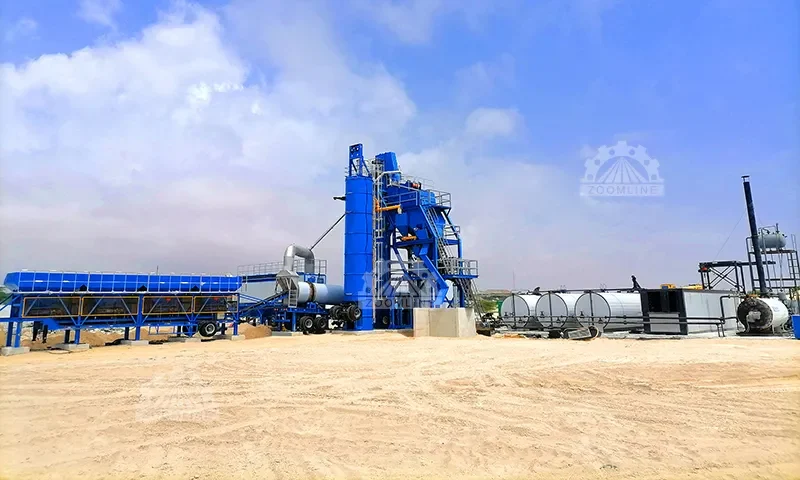
تُصنّف محطات خلط الأسفلت المتنقلة بشكل أساسي إلى فئتين بناءً على عمليات الخلط: النوع الدفعي والنوع المستمر. يختلف النوعان اختلافًا كبيرًا من حيث المبادئ الهيكلية، وطرق التفريغ، ودقة التحكم، وهما مناسبان لسيناريوهات إنشائية مختلفة تمامًا. هذه أيضًا هي المعايير الفنية الأكثر عرضة للالتباس خلال مرحلة الشراء، لذا يجب اختيار النوع المناسب وفقًا لمعايير المواد الخاصة بالمشروع.
محطة خلط الأسفلت المتنقلة من النوع الدفعي
تعتمد هذه الآلة نموذج الإنتاج الدفعي، حيث تخضع كل دفعة من الخليط لعمليات مستقلة تشمل التجميع والوزن والخلط والتفريغ. وتتميز نسب المواد الخام بالدقة والتحكم، كما يمكن تعديل التركيبات في أي وقت.
مناسب للمشاريع المعقدة التي تتطلب تغييرات متكررة في درجات الأسفلت، وخلط مواد الطبقة السطحية والأساسية، والإنشاء المتزامن لطبقات رصف متعددة.
يضمن القياس عالي الدقة القائم على أجهزة الاستشعار الحد الأدنى من الانحراف في نسبة الأسفلت إلى الركام وتدرج الركام، مما ينتج عنه جودة منتج نهائي مستقرة ومتوافقة تلبي تمامًا متطلبات القبول لمشاريع هندسة الطرق والجسور عالية المستوى.
محطة خلط الأسفلت المتنقلة المستمرة
تعتمد هذه الآلة على نظام تغذية وتفريغ مستمر، حيث تتدفق المواد بشكل متواصل طوال العملية. وتتميز بسرعة تفريغ ثابتة، وقدرة إنتاجية فورية أعلى.
تتميز الآلة بتصميم أكثر إحكاما مع هيكل ميكانيكي بسيط، مما يؤدي إلى انخفاض استهلاك الطاقة وتقليل تكاليف التشغيل والصيانة اليومية.
مناسب لمشاريع الطرق السريعة ذات التصاميم الخلطية الثابتة، ومعايير الرصف الموحدة، والرصف لمسافات طويلة، مثل مشاريع البناء المتجانسة واسعة النطاق مثل تجديد الطرق السريعة الوطنية لمسافات طويلة وبناء طرق مناطق التعدين.
توصيات الاختيار: بناءً على تطبيقات الصناعة، يُوصى باستخدام المعدات المتقطعة للمشاريع البلدية عالية المستوى، وتجديد الطرق المتعددة، ورصف أسطح الجسور المتطورة. أما المعدات المستمرة، فيُوصى بها للطرق السريعة العادية لمسافات طويلة، والإنشاءات المتجانسة واسعة النطاق، والمشاريع ذات الميزانية المحدودة، لأنها تُحقق التوازن بين الكفاءة والفعالية من حيث التكلفة.
نظام التجفيف والتدفئة: تحديد جودة الخليط واستهلاك الطاقة
يُعدّ نظام تجفيف وتسخين الركام وحدة التسخين الأساسية في محطة خلط الأسفلت المتنقلة، وهو عنصر رئيسي يؤثر على جودة الخلطة واستهلاك الوقود. تحتوي الركام الرملي والحجري الطبيعي على رطوبة، وإذا لم يتم تجفيفها وتسخينها بشكل كافٍ، فقد يؤدي ذلك إلى انخفاض تماسك الأسفلت وظهور عيوب في الرصف مثل التقشر والتشقق والتفكك. لذا، تحدد معايير هذا النظام بشكل مباشر ثلاثة مؤشرات أساسية: درجة حرارة التفريغ، ومحتوى رطوبة الركام، وتكاليف استهلاك الوقود.
تحليل المعايير الأساسية وتكوين نظام التجفيف والتدفئة:
نوع الموقد
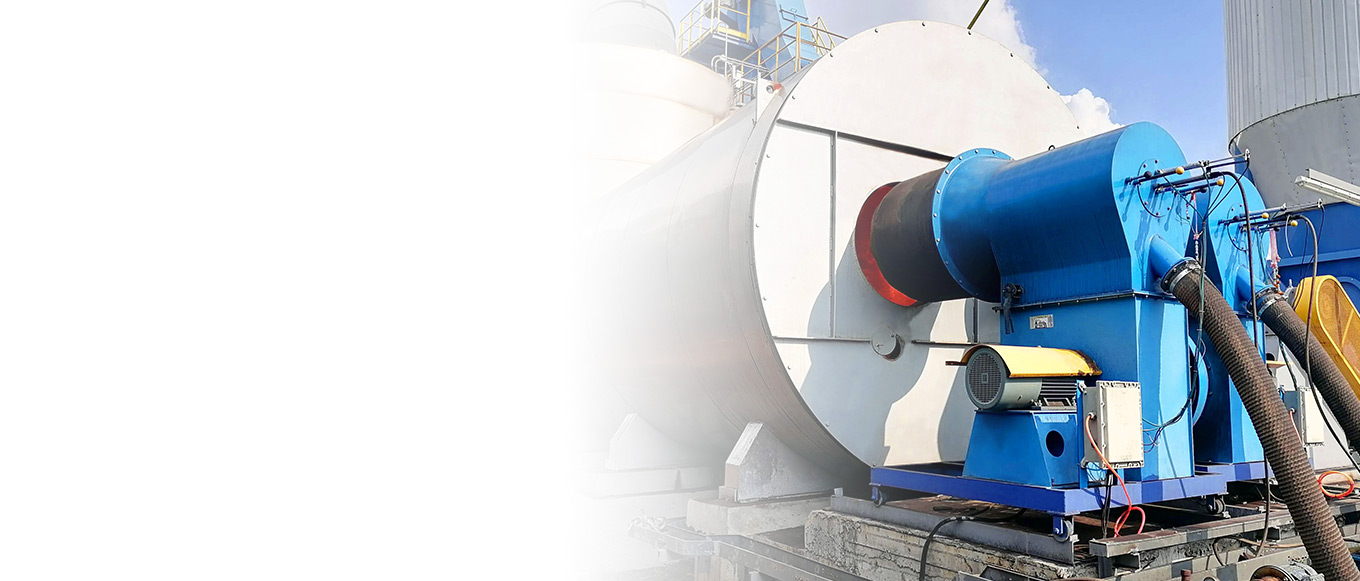
التيار الشعلات تشمل أنواع الوقود المتوفرة في السوق أربعة أنواع: الديزل، والزيت الثقيل، والغاز الطبيعي، والفحم المسحوق. وتوجد اختلافات كبيرة بين هذه الأنواع من حيث القيمة الحرارية، وتكاليف الشراء، ومعايير الانبعاثات. توفر مواقد الغاز الطبيعي أفضل أداء بيئي، بينما توفر مواقد الزيت الثقيل فعالية اقتصادية أفضل للمنشآت الصناعية. ويمكن اختيار النوع الأنسب بمرونة بناءً على أسعار الطاقة المحلية.
تصميم أسطوانة التجفيف
تتميز البراميل عالية الجودة بهيكل عازل حراري متعدد الطبقات وبطانة من مواد حرارية مقاومة للحرارة العالية. هذا التصميم يحبس الحرارة بفعالية، ويقلل من فقدانها، ويعزز كفاءة التبادل الحراري، مما يقلل من استهلاك الوقود من المصدر.
دقة التحكم في درجة الحرارة
تم تجهيز المعدات الاحترافية بوحدات تحكم ذكية في درجة الحرارة، مما يحافظ على دقة تنظيم درجة الحرارة في حدود ±5 درجات مئوية. وهذا يضمن تسخينًا متجانسًا للركام ومزجًا أفضل للإسفلت، مما يمنع مشاكل مثل تقادم الإسفلت بسبب الحرارة الزائدة أو ضعف قوة التماسك الناتج عن درجات الحرارة المنخفضة، وبالتالي إطالة عمر خدمة الرصف.
لا يضمن نظام التجفيف والتسخين عالي الجودة فقط استيفاء خليط الأسفلت لمعايير الرطوبة ودرجة الحرارة - مما يقلل من عيوب بناء الطرق - بل يقلل أيضًا من استهلاك الوقود على المدى الطويل. بالنسبة لشركات الإنشاءات التي تعمل بكثافة، تُعدّ فوائد توفير الطاقة كبيرة، مما يجعل هذا عاملاً بالغ الأهمية لا يمكن إغفاله.
نظام تخزين الركام والمساحيق: ضمان الإنتاج المستمر والفعال
تُعدّ صوامع الركام وصوامع المساحيق وحدات تخزين أساسية في محطة الخلط. ورغم بساطة تصميمها الظاهرية، إلا أنها تُحدد بشكل مباشر قدرة المعدات على العمل بشكل متواصل لفترات طويلة أو حاجتها إلى إيقافات متكررة لإعادة التعبئة. وتُعتبر سعة نظام التخزين، وعدد الصوامع، وتصميم نظام الإغلاق، من المعايير المساعدة الهامة لتقييم استقرار بنية المحطة المتنقلة.
النقاط الفنية الرئيسية لنظام التخزين:
عدد وسعة صوامع الركام
تُجهز محطات التكسير المتنقلة التقليدية بأربعة إلى ستة صوامع لتخزين الركام. وتتيح هذه الصوامع المتعددة تخزين أنواع مختلفة من الركام في آن واحد، مثل الحصى الخشن والناعم والرمل المصنّع، وذلك لتلبية معايير تدرج الخلطة. كما تُقلل الصوامع ذات السعة الكبيرة من عدد مرات إعادة تعبئة اللوادر، مما يُجنّبها التوقفات المتكررة.
تخزين وتوريد البارود
تُجهز صومعة مسحوق المعادن القياسية المستقلة والمغلقة بجهاز هوائي لكسر التقوسات لمنع امتصاص الرطوبة وتكتل المسحوق، بالإضافة إلى منع التقوسات والانسدادات داخل الصومعة. وهذا يضمن توزيعًا منتظمًا ودقيقًا للمسحوق، مما يحافظ على نسبة خلط ثابتة.
التحكم بالغبار والإغلاق
تُركّب أغطية مانعة للتسرب عند مدخل ومخرج الصوامع، مُدمجة مع نظام مركزي لتجميع الغبار، مما يقلل بشكل فعال من تسرب الغبار. وهذا لا يفي فقط بمعايير البناء البيئية، بل يمنع أيضًا هدر المواد الخام ويقلل من تكاليف فقدانها.
يؤدي نظام التخزين الأمثل بشكل عقلاني إلى إطالة وقت التشغيل المستمر للمعدات بشكل كبير، وتقليل وقت التوقف عن العمل وتكرار التحميل اليدوي، وخفض تكاليف العمالة وخسائر المعدات العاطلة بشكل فعال، وتحسين كفاءة البناء بشكل عام.
وحدة الخلط ونظام إمداد الأسفلت: مفتاح توحيد الخلط
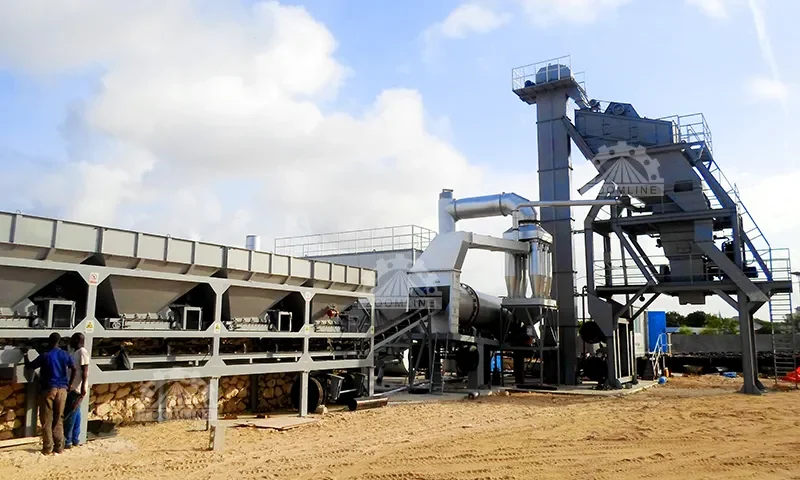
تُعتبر وحدة الخلط بمثابة "قلب" محطة خلط الأسفلت المتنقلة، فهي مسؤولة عن مزج ودمج الركام ومسحوق المعادن والأسفلت؛ ويتحكم نظام إمداد الأسفلت بدقة في معدل تدفق الأسفلت، لتحديد ما إذا كانت نسبة الأسفلت إلى الركام مطابقة للمواصفات. ويعمل هذان النظامان معًا لضمان تجانس الخليط وجودة المنتج النهائي.
وحدة الخلط
تعتمد المعايير الصناعية على نظام خلط مزدوج المحور يعمل بالقوة. توفر شفرات الخلط عزم دوران عالٍ وتحريكًا قويًا، مما يؤدي إلى تفتيت المواد بسرعة لضمان مزج متجانس للخليط.
صُنعت شفرات الخلط من سبيكة عالية المقاومة للتآكل، مما يوفر لها مقاومة للحرارة ومتانة عالية. وهي مصممة للعمل المتواصل لفترات طويلة وتحت أحمال عالية في الهواء الطلق، مما يقلل من الحاجة إلى استبدال المكونات.
يضمن تصميم دورة الخلط الثابتة مدة خلط موحدة لكل دفعة، مما يقضي على الأخطاء التشغيلية البشرية ويضمن جودة متسقة في جميع الدفعات.
نظام توريد الأسفلت
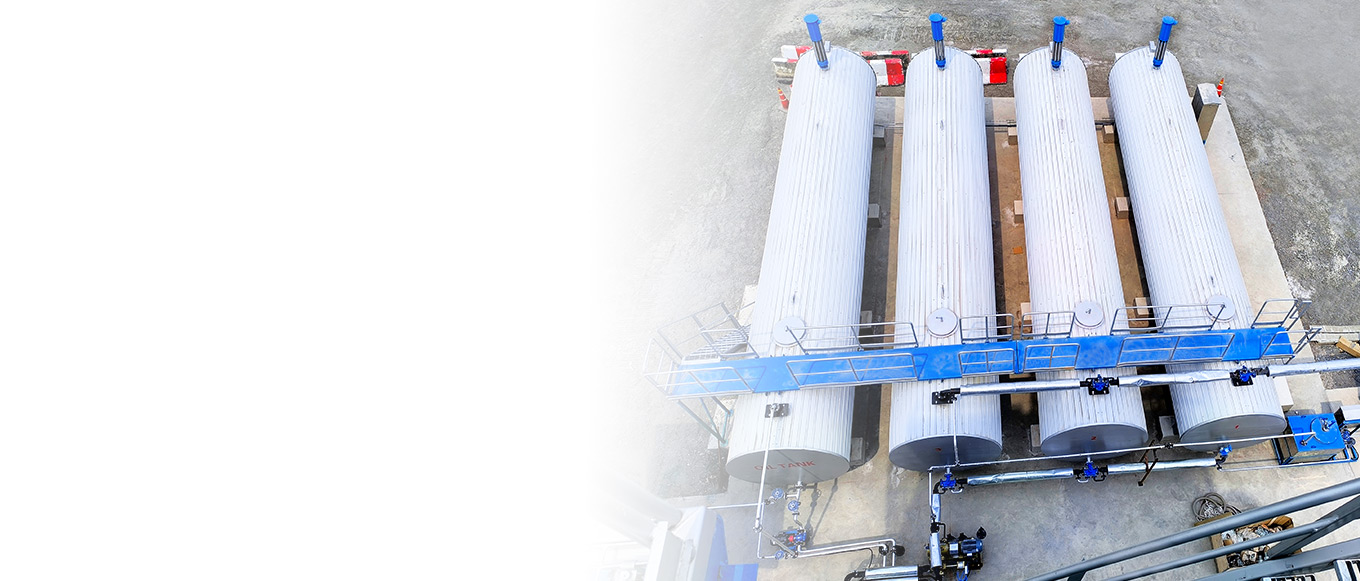
يشتمل النظام الكامل على عازل خزان تخزين الأسفلت، مضخة أسفلت مضغوطة، وأجهزة تسخين الأنابيب، للحفاظ على الأسفلت في حالة سائلة طوال العملية لمنع التصلب في درجات الحرارة المنخفضة.
مزودة بوحدة وزن إلكترونية عالية الدقة، تقوم بقياس حجم رش الأسفلت تلقائيًا، وتتحكم بدقة في نسبة الأسفلت إلى الركام، وتلبي معايير تصميم البناء.
تعمل أنابيب التوصيل المغلقة ذات التحكم في درجة الحرارة على تقليل ملامسة الأسفلت للهواء، مما يمنع الأكسدة والتقادم في درجات الحرارة العالية، ويضمن أداء ربط الأسفلت.
تُحدد المواصفات الفنية لوحدة الخلط ونظام إمداد الأسفلت بشكل مباشر قوة البنية، ونعومة السطح، ومقاومة الضغط، ومقاومة التآكل، والعمر الافتراضي لرصف الأسفلت النهائي. وتُعد هذه المعايير الأساسية لتقييم قبول مشاريع الطرق والجسور.
إمكانيات التنقل ونقل المواقع: الميزة الأساسية للمحطات المتنقلة
بخلاف محطات الخلط الثابتة، تُعدّ سهولة التنقل الميزة الأهم التي تميّز محطات خلط الأسفلت المتنقلة. ففي العديد من مشاريع الإنشاءات الميدانية ومشاريع الطرق الطويلة، تكون مواقع البناء متفرقة، مما يستلزم نقل المعدات بشكل متكرر. لذا، تُعتبر البنية المتنقلة، وسهولة التركيب، وقابلية التكيف مع الموقع من المعايير الأساسية التي لا يمكن إغفالها.
المعايير الأساسية للتنقل:
تصميم معياري متكامل مع المقطورة
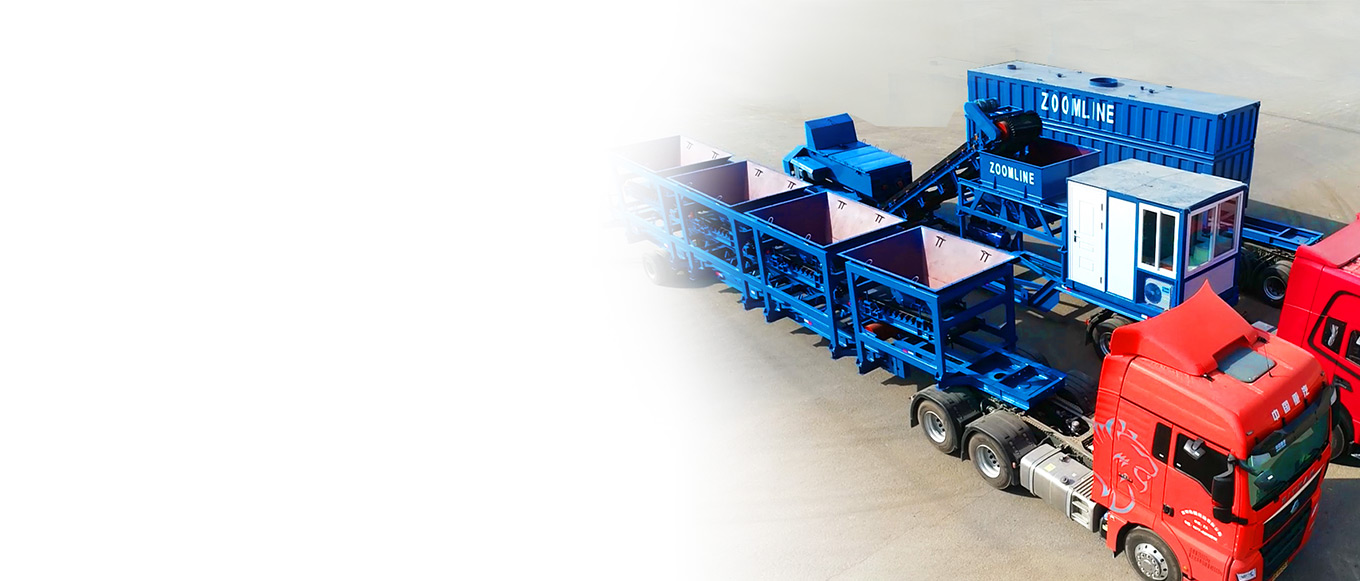
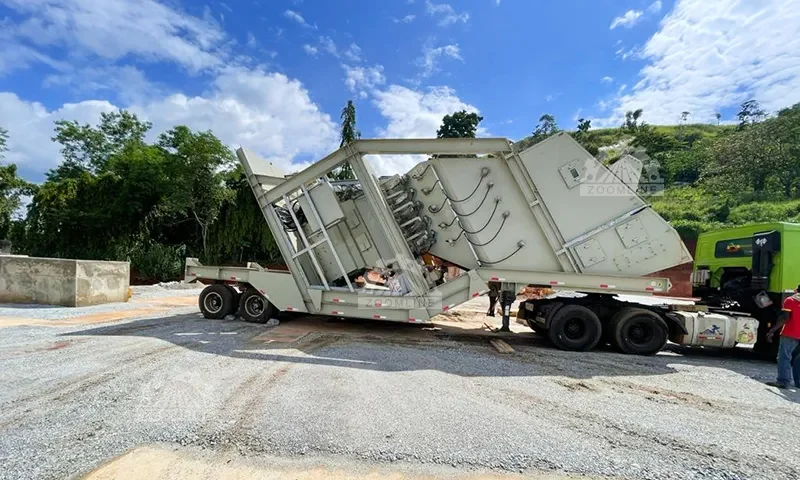
الوحدة بأكملها مُدمجة على هيكل مقطورة مزود بآلية نقل مثبتة على الإطارات. لا حاجة لتفكيك أي مكونات رئيسية؛ إذ يمكن لشاحنة سحب نقل الوحدة مباشرةً إلى موقع جديد، مما يوفر سهولة نقل استثنائية.
هيكل سريع التجميع/الفك
بفضل مزاليج التوصيل السريع وتصميم الأنابيب المتكامل، يمكن للمعدات أن تبدأ الإنتاج فور وصولها إلى الموقع بعد تأمين الوحدة وتوصيل الخطوط، مما يؤدي إلى تقصير دورة التركيب والتشغيل بشكل كبير وتقليل تأخيرات المشروع.
تخطيط مضغوط
تم تحسين مساحة الوحدة لتكون ذات بصمة صغيرة، مما يسمح لها بالتكيف مع المواقع المحدودة مثل الطرق الجبلية الضيقة، وحواجز البناء الحضرية، ومنصات العمل الخارجية الضيقة.
كلما زادت كفاءة نقل المعدات من موقع لآخر، زادت إمكانية إعادة استخدامها في مشاريع متعددة. إذ يمكن استخدامها بشكل متكرر في أعمال البناء على أقسام مختلفة من الطرق، مما يقلل بشكل كبير من تكاليف شراء المعدات ويوفر فعالية اقتصادية أعلى على المدى الطويل. وهذا يجعلها مناسبة بشكل خاص لشركات المقاولات التي لديها نطاق واسع من المشاريع الهندسية ومواقع بناء متغيرة.
أنظمة التحكم والأتمتة: جوهر الذكاء والكفاءة
تعتمد محطات خلط الأسفلت التقليدية والقديمة على التشغيل اليدوي، وهو أمر يصعب إدارته، وعرضة للأخطاء، ويرتبط بتكاليف عمالة مرتفعة. أما محطات خلط الأسفلت المتنقلة الحديثة، فهي مجهزة عمومًا بأنظمة تحكم ذكية أوتوماتيكية بالكامل تعتمد على وحدات التحكم المنطقية القابلة للبرمجة (PLC). ومن خلال الاستفادة من التكنولوجيا الرقمية لتحسين عمليات الإنتاج، تُعزز هذه الأنظمة بشكل كبير سهولة التشغيل واستقرار الإنتاج؛ وقد أصبحت معايير الأتمتة معيارًا أساسيًا لتقييم المعدات المتطورة.
الوظائف الأساسية لنظام التحكم الذكي:
بدء التشغيل بضغطة زر واحدة لإنتاج مؤتمت بالكامل، حيث يتم إكمال العملية بأكملها تلقائيًا - من التجميع والقياس إلى الخلط والتفريغ - دون الحاجة إلى تعديلات يدوية متكررة.
واجهة شاشة لمس عالية الدقة للمراقبة في الوقت الفعلي للبيانات الرئيسية مثل درجة حرارة الإخراج، والإخراج الفوري، ونسب المواد الخام، وحمل تشغيل المعدات.
تتيح وظائف التشخيص الذاتي المدمجة، والإنذار التلقائي، وتخزين بيانات الإنتاج، تحديد المشكلات المحتملة في المعدات بسرعة وتقليل مشاكل الجودة الناجمة عن الخطأ البشري.
كلما ارتفع مستوى الأتمتة، قلّ عدد المشغلين المطلوبين في الموقع، وانخفضت أخطاء الإنتاج، وازدادت جودة الخلطة استقرارًا. خلال مشاريع البناء طويلة الأجل، يمكن لأنظمة التحكم الذكية أن تقلل بشكل فعال من تكاليف العمالة وتخفف من مخاطر جودة البناء.
معايير حماية البيئة وكفاءة الطاقة: المتطلبات الأساسية للبناء المتوافق مع المعايير
تتزايد صرامة اللوائح البيئية المحلية، مع تطبيق معايير انبعاثات صارمة على مشاريع البناء البلدية ومشاريع البنية التحتية الخارجية. ونظرًا لسهولة نقل محطات خلط الأسفلت المتنقلة وتنوع مواقع إنشائها، أصبحت معايير الامتثال البيئي شرطًا أساسيًا لدخول هذه المعدات إلى السوق. يجب أن تستوفي المعدات المتطلبات البيئية المتعلقة بانخفاض الانبعاثات والضوضاء واستهلاك الطاقة.
أهم معايير التكوين البيئية والموفرة للطاقة:
نظام تجميع الغبار عالي الكفاءة
معظم الطرازات مزودة بأجهزة تجميع غبار تعمل بتقنية النبضات النفاثة، والتي تلتقط غبار الإنتاج بدقة متناهية. وتتوافق تركيزات انبعاث الغبار مع المعايير الوطنية، مما يساهم في الحد من تلوث الهواء. أما في حالات الإنشاءات البسيطة، فيمكن استخدام معدات تجميع الغبار المائية كبديل أكثر فعالية من حيث التكلفة.
موقد موفر للطاقة
باستخدام تقنية الاحتراق بالذرات، يتم احتراق الوقود بالكامل، مما يقلل من انبعاثات العادم مع تحسين استخدام الطاقة الحرارية وخفض استهلاك الوقود لكل وحدة إنتاج.
تصميم للحد من الضوضاء
تم تركيب هياكل عازلة للصوت ومخففة للاهتزازات على المحرك والأسطوانة والمروحة، مما يقلل بشكل كبير من ضوضاء التشغيل. وهذا يجعل المحطة مناسبة للمناطق الإنشائية الحساسة مثل الأحياء الحضرية والمناطق السكنية والمناطق المحيطة بالمدارس.
لا تقتصر مزايا محطات خلط الأسفلت المتنقلة الموفرة للطاقة والصديقة للبيئة على اجتياز عمليات التفتيش البيئي بسهولة - وتجنب العقوبات المفروضة على توقف العمل - بل إنها تقلل باستمرار من تكاليف الوقود والطاقة، مما يوفر فوائد تشغيلية كبيرة على المدى الطويل.
المتانة وسهولة الصيانة: فعالية التكلفة على المدى الطويل
تعمل محطات خلط الأسفلت المتنقلة عادةً في بيئات خارجية قاسية تتسم بارتفاع درجات الحرارة والغبار والاهتزازات الشديدة. وتحدد قوة المواد ومتانة الهيكل وسهولة الصيانة بشكل مباشر عمر الخدمة ومعدل الأعطال للمعدات، مما يجعلها عوامل حاسمة يجب على الشركات مراعاتها عند القيام باستثمارات طويلة الأجل.
النقاط الرئيسية المتعلقة بالمتانة والصيانة:
يتكون الهيكل الرئيسي للوحدة من فولاذ سبيكي عالي القوة مع إطارات ملحومة معززة، مما يوفر مقاومة لدرجات الحرارة العالية والاهتزازات والتآكل، مما يجعله مناسبًا للظروف الخارجية القاسية.
تكون المكونات المعرضة للتآكل مثل المراوح والمحامل وشفرات الخلط مكشوفة، مع وجود لوحات وصول واسعة تسمح بالإصلاح والاستبدال دون تفكيك المكونات الكبيرة، مما يقلل من وقت التوقف.
تعتمد الوحدة بأكملها على مكونات قياسية وعالمية متوفرة بسهولة في السوق. وهذا يُبسط إجراءات الصيانة، ويقلل من صعوبة الصيانة المستقبلية، ويخفض تكاليف الإصلاح.
تُقلل المعدات عالية المتانة وسهلة الصيانة من تكرار الأعطال وفترات التوقف، وتُطيل عمرها التشغيلي، وتُخفض بشكل ملحوظ التكلفة الإجمالية للملكية طوال دورة حياتها. لذا، يُعد هذا خيارًا بالغ الأهمية لشركات الهندسة التي تسعى إلى إدارة ميزانياتها بكفاءة.
ملخص: منطق اختيار المعلمات لمحطات خلط الأسفلت المتنقلة
من خلال مراعاة هذه المعايير الأساسية التسعة، يمكن لموظفي المشتريات الهندسية فحص المعدات المناسبة بناءً على أولويات واضحة، وتجنب عمليات الشراء العشوائية:
أولاً، حدد الطاقة الإنتاجية. بناءً على نطاق المشروع ومتطلبات الجدول الزمني، اختر حمولة المعدات المناسبة لتتناسب مع حجم المشروع.
بعد ذلك، اختر طريقة الخلط. بناءً على درجة الرصف ونوع الخلطة، ميّز بين الخلط الدفعي والخلط المستمر.
ركز على المكونات الأساسية الثلاثة - التجفيف والتسخين، ووحدة الخلط الرئيسية، ونظام التحكم - لأنها تحدد جودة الخليط وكفاءة الإنتاج.
وأخيراً، ضع في اعتبارك المعايير المساعدة مثل التنقل والأداء البيئي واستهلاك الطاقة والصيانة للتحكم في تكاليف التشغيل على المدى الطويل.
من خلال الفهم الشامل لهذه المعايير التسعة الأساسية، يستطيع مسؤولو المشتريات تقييم جودة المعدات بسرعة، وتجنب الأخطاء الشائعة في هذا القطاع، واختيار محطات خلط الأسفلت المتنقلة المناسبة لظروف المشروع والتي توفر قيمة ممتازة مقابل المال. إن اختيار المعدات المناسبة لا يضمن جودة رصف الطرق فحسب، بل يُحسّن أيضًا عمليات البناء، ويقلل تكاليف التشغيل، ويحقق عوائد اقتصادية أعلى للمشاريع الهندسية.