


من الموقع إلى التشغيل: كيفية اختيار تصميمات مصانع الأسفلت
المقدمة
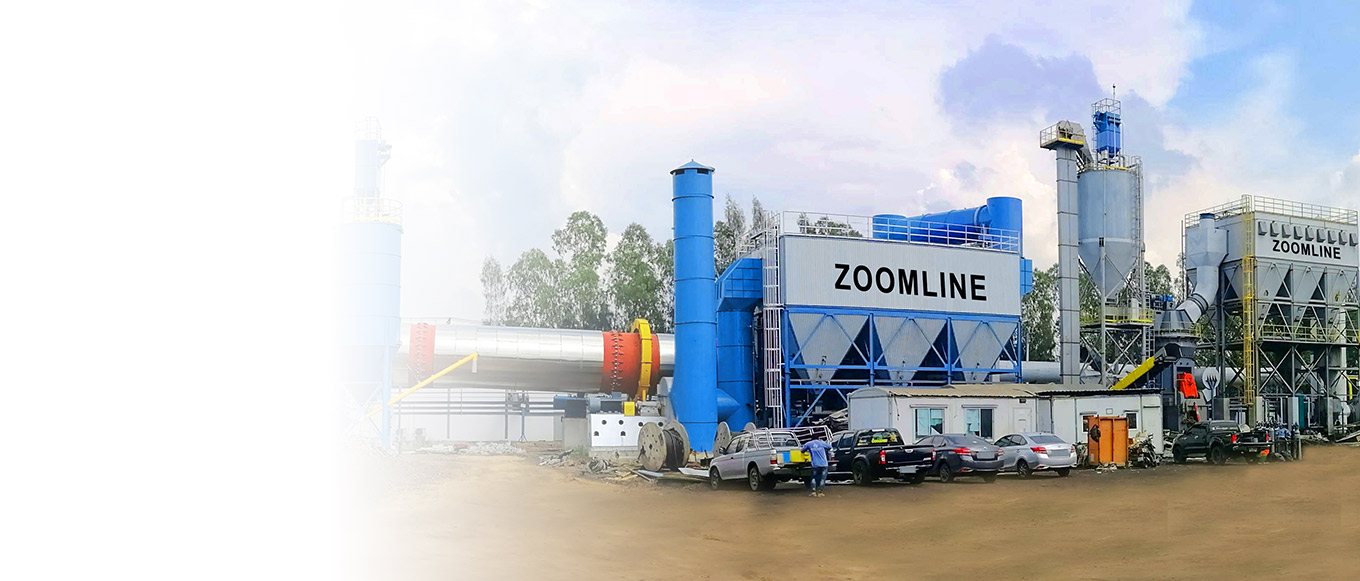
تصميم تخطيطي لـ مصنع خلط الأسفلت يُعدّ التخطيط السليم والمنهجي أساسًا جوهريًا لتحديد كفاءة التشغيل على المدى الطويل، والإنتاج الآمن، والربحية. ولا يقتصر الأمر على مجرد وضع عشوائي للمعدات، بل هو مشروع منهجي يشمل جميع مراحل تخطيط الموقع، وتكوين المعدات، والإنتاج، والتشغيل. فالتصميم العلمي والمنطقي لمحطة خلط الأسفلت يُحقق انسيابية تدفق المواد، ويُقلل استهلاك الطاقة، ويُعزز الالتزام بمعايير السلامة، وبالتالي يُحسّن كفاءة الإنتاج، ويُخفض تكاليف التشغيل، ويُحقق أرباحًا أعلى للمؤسسة. في المقابل، يُؤدي التخطيط غير المنطقي لمحطة خلط الأسفلت إلى اختناقات متكررة في الإنتاج، وهدر كبير للمواد، ومخاطر على السلامة، وقيود طويلة الأجل على التنمية المستدامة للمحطة. حاليًا، يواجه العديد من المقاولين والمستثمرين في عملية بناء محطات خلط الأسفلت صعوبة في اختيار نوع التخطيط، وتجاهل ظروف الموقع، وعدم مراعاة التوسع المستقبلي، وعدم الالتزام بالمعايير البيئية، وغيرها من المشكلات، مما يُؤثر سلبًا على سير العمل في المشروع لاحقًا. ستركز هذه المقالة على العناصر الأساسية لتصميم محطة خلط الأسفلت، والتفكيك التفصيلي بدءًا من مسح الموقع وحتى تصميم عملية الهبوط بأكملها، لمساعدة الممارسين على اختيار التصميم الأنسب لاحتياجاتهم الخاصة، لتحقيق الاستخدام الأمثل للموقع، وكفاءة الإنتاج، والربحية من خلال التحسين الثلاثي.
ما هو تصميم مصنع الأسفلت؟
إن تخطيط محطة خلط الأسفلت ليس مجرد تخطيط لموقع معدات واحدة، بل هو مزيج من ظروف الموقع واحتياجات الإنتاج والمتطلبات البيئية ومعايير السلامة. جميع المعدات الأساسية لمحطة خلط الأسفلت، والأنظمة المساعدة، من أجل تصميم تخطيط منهجي وموحد، ووضع واضح للمعدات، والتباعد والربط، لبناء نظام إنتاج فعال وسلس وآمن، هو الرابط الرئيسي لتشغيل محطة خلط الأسفلت من التخطيط.
التعريف والنطاق
يشير تخطيط محطة خلط الأسفلت إلى التخطيط والتنظيم الشاملين للمعدات اللازمة لعمليات الإنتاج الأساسية، مثل معالجة الركام، والتجفيف والتسخين، والخلط والمزج، وتخزين المنتجات النهائية، بالإضافة إلى الأنظمة المساعدة كأنظمة إزالة الغبار، وإمدادات الطاقة، والصيانة، وغيرها، داخل موقع محطة خلط الأسفلت لتشكيل حلقة إنتاجية متكاملة. يشمل النطاق الأساسي جميع المعدات المتعلقة بالإنتاج، وتقسيم المناطق الوظيفية، وتصميم مسارات نقل المواد، بالإضافة إلى تخطيط مرافق السلامة وحماية البيئة، مما يحدد بشكل مباشر كفاءة إنتاج محطة خلط الأسفلت وسلامة التشغيل. من الواضح أن اختيار المعدات وتخطيط الموقع جانبان أساسيان مختلفان: يركز اختيار معدات محطة خلط الأسفلت على "اختيار المعدات المناسبة" لحل مشكلة "ماذا ننتج"؛ بينما يركز تخطيط الموقع على "التوزيع الأمثل للمعدات" لحل مشكلة "ماذا ننتج". إن "الترتيب المعقول للمعدات"، لحل مشكلة "كيفية الإنتاج بكفاءة" - حتى لو تم اختيار معدات أساسية عالية الأداء، إذا لم يكن التخطيط معقولاً، فلن يتمكن من الاستفادة الكاملة من أداء المعدات، بل سيؤدي إلى انخفاض الإنتاجية وزيادة تكلفة مصنع خلط الأسفلت.
الأهداف الأساسية لتصميم التخطيط
يتمثل الهدف الأساسي لتصميم تخطيط محطة خلط الأسفلت في تحقيق "الكفاءة العالية، وتوفير الطاقة، والسلامة، والامتثال"، والتي يمكن تقسيمها إلى أربعة أبعاد:
زيادة كفاءة الإنتاج إلى أقصى حد، من خلال تحسين تخطيط معدات مصنع خلط الأسفلت ومسارات تدفق المواد، لتقليل وقت الانتظار في سلسلة الإنتاج وفقدان المواد، وتحسين الإنتاج لكل وحدة زمنية؛ ثانياً، لضمان تدفق المواد بسلاسة والتصميم المعقول.
ضمان انسيابية تدفق المواد، وتصميم مسارات نقل معقولة، وتحقيق الربط السلس بين الركام والأسفلت والمسحوق والمواد الخام الأخرى من التخزين والمعالجة إلى إنتاج المنتج النهائي، وتجنب مشاكل انسداد المواد والتدفق العكسي وما إلى ذلك؛
خفض تكاليف التشغيل، من خلال تقصير مسافة نقل المواد، وتقليل استهلاك الطاقة، وتقليل تآكل المعدات، لتوفير القوى العاملة والطاقة وتكاليف الصيانة من التشغيل على المدى الطويل؛ رابعًا، تحسين الامتثال للسلامة وحماية البيئة من خلال التقسيم العلمي للمجالات الوظيفية، والترتيب المعقول للسلامة وحماية البيئة.
تحسين السلامة والامتثال البيئي، من خلال التقسيم العلمي للمجالات الوظيفية، والترتيب المعقول لمنشآت حماية السلامة وحماية البيئة، لتجنب مخاطر السلامة المحتملة، ولتلبية اللوائح البيئية المحلية ومعايير الصناعة، وتجنب مخاطر عدم الامتثال.
العوامل الرئيسية التي يجب مراعاتها قبل تصميم المخطط
تعتمد منطقية تصميم محطة خلط الأسفلت على الموقع والإنتاج والمواد وحماية البيئة وعوامل أخرى، وأي عامل يتم تجاهله قد يؤدي إلى عيوب في تصميم التخطيط، مما يؤثر على التشغيل اللاحق.
قبل البدء رسمياً في تصميم تخطيط محطة خلط الأسفلت، يجب فرز العوامل الأساسية الأربعة التالية بشكل شامل لوضع الأساس لتخطيط التخطيط.
ظروف الموقع وتوافر الأرض
تعتبر ظروف الموقع الشرط الأساسي الأول لتصميم التخطيط، والذي يحدد بشكل مباشر اختيار نوع تخطيط محطة خلط الأسفلت ووضع المعدات.
أولاً وقبل كل شيء، نحتاج إلى توضيح حجم الموقع وشكله وتضاريسه، فحجم الموقع يحدد حجم محطة خلط الأسفلت وتكوين المعدات، ويؤثر الشكل على نوع التخطيط (على سبيل المثال، الموقع غير المنتظم أكثر ملاءمة للتخطيط على شكل حرف L)، أما تضاريس الأرض المتموجة فتحتاج إلى مراعاة استقرار أساس المعدات، لتجنب التشغيل غير الطبيعي للمعدات بسبب مشاكل التضاريس.
ثانياً، يجب اختبار قدرة تحمل التربة للموقع للتأكد من أن التربة يمكنها تحمل وزن آلة الخلط، وصومعة تخزين المنتج النهائي، وغيرها من المعدات الثقيلة، لتجنب الهبوط اللاحق للأساسات، وميلان المعدات، وغيرها من المشكلات؛
وفي الوقت نفسه، يجب التخطيط لنظام تصريف مثالي، لمنع مياه الأمطار من التسبب في تآكل معدات مصنع خلط الأسفلت، فالموقع موحل، مما يؤثر على سير الإنتاج.
بالإضافة إلى ذلك، فإن سهولة الوصول إلى الموقع من قبل حركة المرور أمر بالغ الأهمية، وهناك حاجة لتصميم طريق وصول مخصص لضمان مرور مركبات نقل الركام، ومركبات نقل المنتجات النهائية، وغيرها من المركبات الثقيلة بسلاسة، والانعطاف والتوقف، لتجنب الازدحام المروري الذي يؤثر على كفاءة الإنتاج.
مستلزمات الإنتاج
يُعد الطلب على الإنتاج جوهر دليل تصميم تخطيط مصنع خلط الأسفلت، ويتطلب الأمر الجمع بين حجم طاقة مصنع خلط الأسفلت ونوع الإنتاج والتخطيط المستقبلي، وذلك لتطوير برنامج تخطيط مناسب.
أولاً وقبل كل شيء، يجب تحديد الطاقة الإنتاجية المطلوبة، والطاقة الإنتاجية المختلفة لمحطة خلط الأسفلت، وحجم المعدات، وحجم المنطقة الوظيفية للمتطلبات المختلفة، فكلما زادت الطاقة الإنتاجية، زادت مساحة الموقع المطلوبة والمسافة بين المعدات، ويجب أن يركز تصميم التخطيط على مراعاة كفاءة تدفق المواد لتجنب ظهور اختناقات الإنتاج.
ثانيًا، ضرورة التمييز بين محطة خلط الأسفلت الدفعية و مصنع خلط الأسفلت المستمر: محطة خلط الأسفلت الدفعية مناسبة للتصميم الرأسي (البرج)، حيث تستخدم الجاذبية لتحقيق تدفق المواد، مما يحسن دقة النسبة؛ يمكن استخدام محطة خلط الأسفلت المستمرة في تصميم خطي، لتحقيق الإنتاج المستمر وتحسين الطاقة الإنتاجية.
وأخيراً، بالنظر إلى خطة التوسع المستقبلية، يجب أن يخصص تصميم التخطيط مساحة معينة لتركيب الموقع والمعدات، وذلك لتجنب إعادة التخطيط بسبب قيود الموقع عند ترقية الطاقة الإنتاجية وإضافة المعدات في المرحلة اللاحقة، الأمر الذي سيزيد من تكاليف البناء الإضافية ويؤخر فترة البناء.
لوجستيات المواد الخام
تؤثر كفاءة تخزين وتدفق المواد الخام بشكل مباشر على وتيرة إنتاج مصنع خلط الأسفلت، وينبغي أن يركز تصميم التخطيط على تحسين مسار الخدمات اللوجستية للمواد الخام لتقليل مسافة النقل وفقدان المواد.
بالنسبة للركام، يجب التخطيط لموقع التخزين البارد ومخزون الركام بشكل معقول لضمان تصنيف الركام وعدم خلطه، وفي الوقت نفسه، تقصير مسافة النقل من المخزون إلى التخزين البارد، ثم إلى نظام التجفيف، لتحسين كفاءة التغذية؛ يجب أن يتناسب تصميم التخزين البارد مع نوع الركام وكميته، وذلك لتسهيل تغذية اللودر، وتجنب الازدحام أثناء التغذية.
بالنسبة للبيتومين، يجب وضع خزان البيتومين في منطقة جيدة التهوية بعيدًا عن مصادر الحريق، مع تقصير مسافة النقل من الخزان إلى آلة الخلط، مما يقلل من فقد الحرارة أثناء عملية النقل ويخفض استهلاك الطاقة. كما يجب ربط نظام تسخين البيتومين بخزان البيتومين بشكل مناسب لضمان تسخين متجانس، وسلامة وكفاءة عالية. وفي حال استخدام رصف الأسفلت المعاد تدويره، فمن الضروري تخصيص موقع لتخزين معدات التخزين والتكسير والخلط لضمان دمج المواد المعاد تدويرها بسلاسة في عملية الإنتاج، تحقيقًا لإعادة تدوير الموارد.
القيود البيئية والتنظيمية
مع تزايد صرامة سياسات حماية البيئة، يجب أن يفي تصميم تخطيط محطة خلط الأسفلت بمتطلبات الامتثال البيئي لتجنب خطر الإغلاق والغرامات بسبب المشكلات البيئية.
أولاً وقبل كل شيء، يجب أن يكون تصميم نظام إزالة الغبار قريبًا من نقطة توليد الغبار، مثل مدخل الركام، وآلة الخلط، ومخرج المنتج النهائي، وما إلى ذلك، لضمان إمكانية جمع الغبار ومعالجته في الوقت المناسب لتحسين كفاءة إزالة الغبار وتقليل تلوث الغبار.
ثانياً، يجب تقسيم منطقة التحكم في الضوضاء، وينبغي وضع أسطوانة التجفيف والموقد وغيرها من المعدات ذات مستوى الديسيبل العالي بعيداً عن المنطقة السكنية ومنطقة المكاتب، وفي الوقت نفسه، ينبغي اتخاذ تدابير للحد من الضوضاء لضمان أن يكون انبعاث الضوضاء متوافقاً مع المعايير المحلية.
بالإضافة إلى ذلك، يتطلب الأمر فهمًا شاملاً للوائح البيئية المحلية ومتطلبات الموافقة، وتصميم تخطيط محطة خلط الأسفلت بما يتوافق مع انبعاثات الغبار ومعالجة مياه الصرف الصحي واستعادة غازات العادم وغيرها من اللوائح ذات الصلة، والتخطيط المسبق لموقع وحجم مرافق حماية البيئة لضمان نجاح محطة خلط الأسفلت في الحصول على الموافقات البيئية، لتحقيق تشغيل صديق للبيئة ومتوافق مع المعايير.
أنواع تخطيطات مصانع الأسفلت
ينقسم تصميم محطة خلط الأسفلت بشكل أساسي إلى أربعة أنواع، ولكل نوع خصائصه الهيكلية الفريدة ومزاياه وسيناريوهات تطبيقه، ويحتاج الممارسون إلى الجمع بين ظروف الموقع واحتياجات الإنتاج والميزانية، واختيار نوع التصميم الأنسب، لتجنب الاختيار العشوائي للتشغيل وما يسببه من إزعاج.
تخطيط خطي
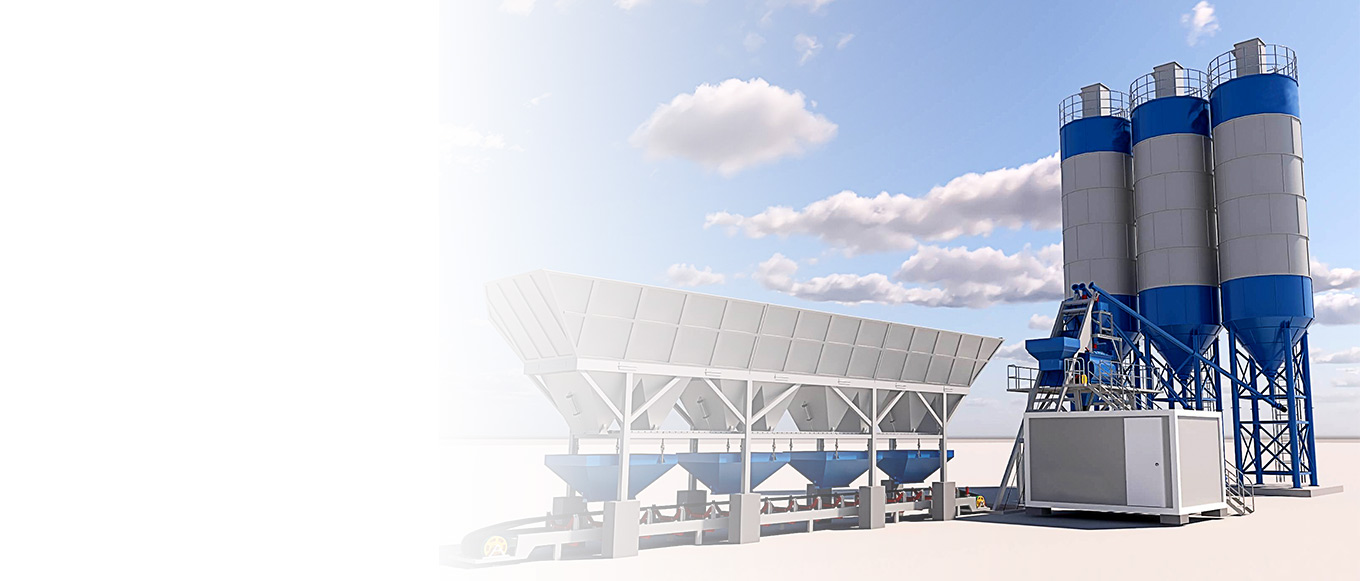
يُعد التخطيط الخطي أبسط أنواع تخطيط مصانع خلط الأسفلت وأكثرها شيوعًا، ويتمثل المبدأ الأساسي في أن جميع معدات الإنتاج تتم وفقًا لعملية الإنتاج، في ترتيب تسلسلي في خط مستقيم، أي تخزين الركام ← التجفيف والتسخين ← الخلط والمزج ← تخزين المنتجات النهائية، وتتدفق المواد في اتجاه واحد، دون الحاجة إلى ناقل توجيه معقد.
تتمثل ميزة هذا التصميم في أن عملية الإنتاج بسيطة وواضحة، وإدارة وتشغيل معدات محطة خلط الأسفلت مريحة، كما أن صيانة المعدات اللاحقة واستكشاف الأخطاء وإصلاحها أقل صعوبة، وهو مناسب لمن يقومون بإنشاء محطة خلط الأسفلت لأول مرة، وللمشغلين غير ذوي الخبرة.
كما أن قيودها أكثر وضوحًا، فالحاجة إلى مساحة موقع أكبر، ومسافة نقل المواد أطول، وقد يزيد من استهلاك الطاقة، وهي أكثر ملاءمة للموقع المفتوح، ومحطة خلط متوسطة السعة.
تخطيط على شكل حرف L
يُعدّ تصميم "النمط L" تصميمًا موفرًا للمساحة، حيث تُقسّم معدات إنتاج مصنع خلط الأسفلت إلى جزأين. يُتيح هذا التصميم، الذي يكسر قيود التصميم الخطي، الاستفادة القصوى من المواقع غير المنتظمة أو الضيقة. وتكمن ميزته الأساسية في معدل الاستخدام العالي للمساحة، مما يجعله مناسبًا للمواقع ذات الأشكال غير المنتظمة، وفي الوقت نفسه، يُقلّل، مقارنةً بالتصميم الخطي، مسافة نقل بعض المواد ويُحسّن كفاءة الإنتاج.
يُعد هذا التصميم مناسبًا للمشاهد ذات المساحة المحدودة والشكل غير المنتظم، مثل محطات الخلط حول المدينة وبالقرب من الجبال، ومن الضروري الانتباه إلى التصميم المعقول لوصلة المعدات بين قسمي الشكل L لتجنب اختناقات تدفق المواد.
U-تصميم مُشكّل
يعتمد التصميم على شكل حرف U على مبدأ "تدفق المواد المتداول"، حيث تُرتّب معدات إنتاج مصنع خلط الأسفلت على شكل حرف U لتحقيق تدفق مغلق من "التغذية ← المعالجة ← التفريغ". وتتمثل ميزته الأساسية في تقصير مسافة نقل المواد بشكل ملحوظ، وخاصة المسافة بين آلة الخلط وصومعة التخزين ومنطقة التحميل. كما يساهم هذا التصميم في تقليل وقت النقل واستهلاك الطاقة، بالإضافة إلى تسهيل إعادة تدوير المواد وتحسين كفاءة التشغيل.
هذا التصميم مناسب لمحطة خلط الأسفلت ذات السعة العالية والمتطلبات الصارمة لكفاءة الإنتاج، مما يمكن أن يوازن بشكل فعال بين استخدام الموقع وكفاءة الإنتاج، ويتجنب الازدحام المروري وتراكم المواد.
تصميم رأسي (على شكل برج)
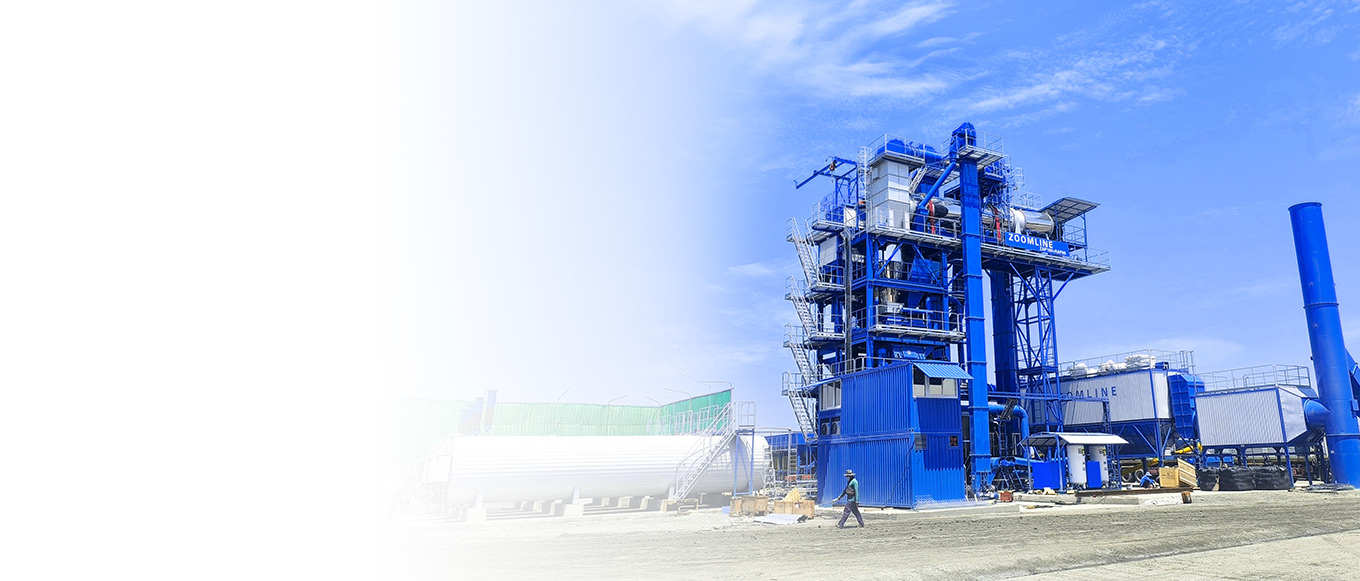
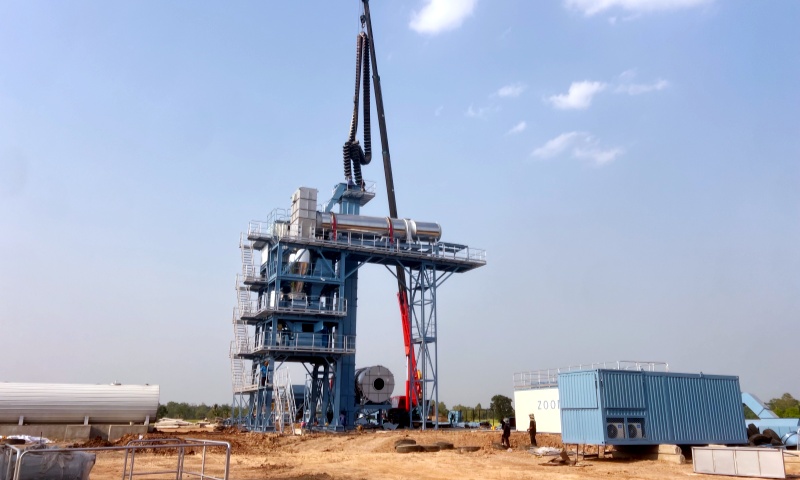
يُعد التخطيط الرأسي (البرج) نوعًا شائعًا من تخطيطات محطات خلط الأسفلت الدفعية، حيث يتم تكديس المعدات الأساسية، مثل مبنى الخلط، وصومعة الركام الساخن، وآلة الخلط، وما إلى ذلك، بشكل رأسي، ويتم استخدام الجاذبية لتحقيق التدفق الطبيعي للمواد، دون الحاجة إلى معدات نقل إضافية، مما يقلل بشكل كبير من استهلاك الطاقة.
تتمثل ميزتها الأساسية في صغر حجمها، ومعدل استخدام المساحة العالي، مما يجعلها مناسبة للمشاهد الضيقة؛ وفي الوقت نفسه، يمكن لتدفق المواد بالجاذبية تحسين دقة النسب، وتقليل فقدان المواد، وحماية جودة خليط الأسفلت.
تتمثل عيوبها في ارتفاع الاستثمار الأولي، وصعوبات تركيب معدات محطة خلط الأسفلت والبنية التحتية، والمتطلبات الفنية الصارمة للبناء، وملاءمتها للقدرات العالية، ومتطلبات المساحة الصارمة للموقع، والتركيز على دقة نسب الخلط في محطة خلط الأسفلت المتقطعة.
تقسيم المناطق الوظيفي في تخطيط مصانع الأسفلت
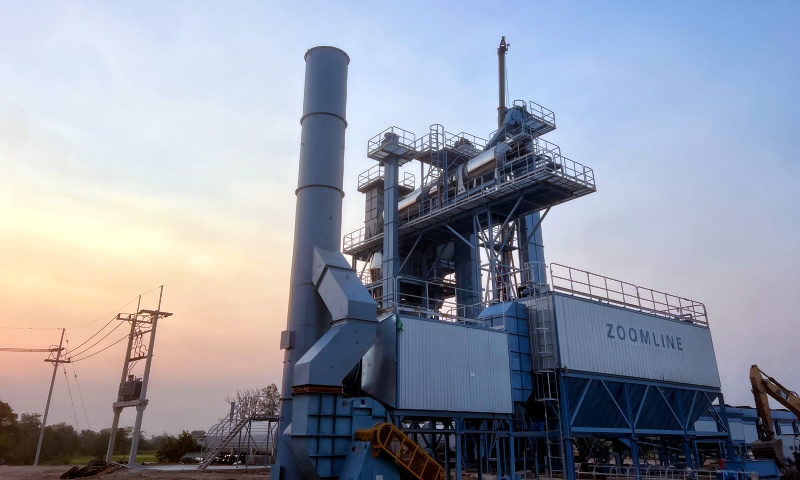
يُعدّ التقسيم الوظيفي العلمي جوهر تصميم تخطيط محطة خلط الأسفلت، حيث يتم تقسيم محطة خلط الأسفلت إلى مناطق وظيفية مختلفة، مع تحديد مسؤوليات واضحة لكل منطقة، وذلك لتحقيق تآزر المعدات، وسلاسة العمليات، والامتثال لمعايير السلامة، وتجنب التداخل مع تشغيل المناطق المختلفة، وتعزيز الكفاءة التشغيلية الشاملة.
عدوانيgمنطقة معالجة الطعام
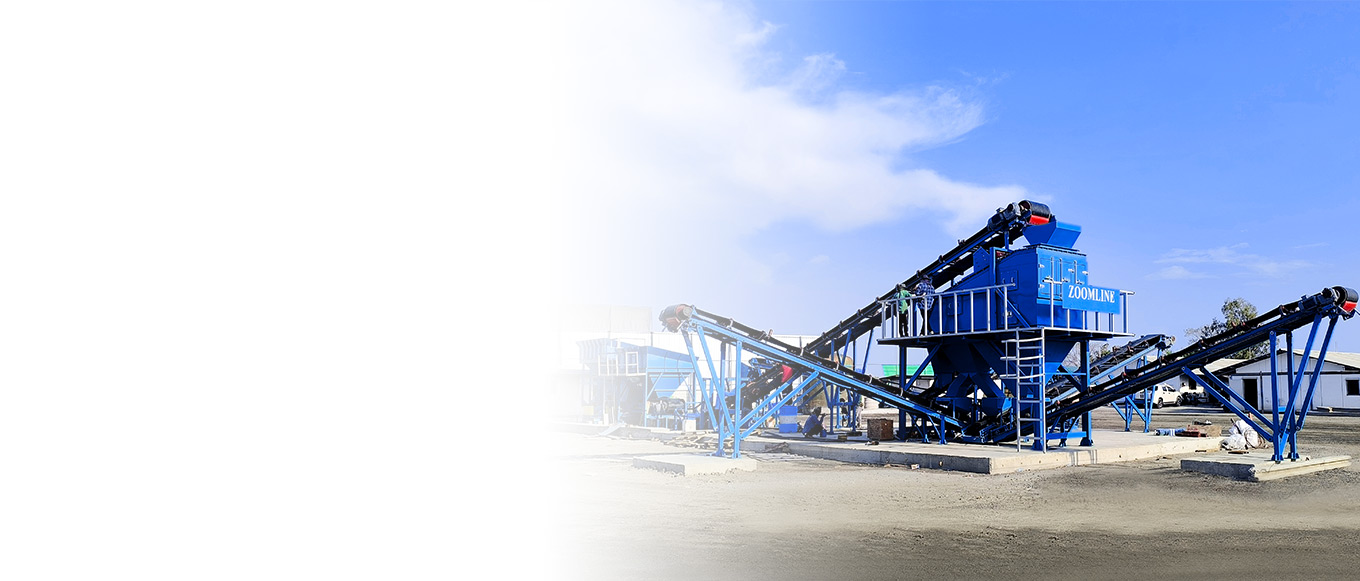
تُعدّ منطقة معالجة الركام مصدر إنتاج الخلطة الإسفلتية، وتشمل بشكل أساسي صومعة المواد الباردة، ومخزون الركام، ونظام النقل. ويتمحور تصميمها حول مبدأ "التخزين المصنف والتغذية السلسة". يجب تنظيم مستودع المواد الباردة بشكل منفصل وفقًا لنوع الركام ومواصفاته، وتزويده بجهاز تغذية مستقل لتجنب اختلاط الركام. كما يجب أن يكون موقع مستودع المواد الباردة قريبًا من مخزون الركام لتسهيل عملية التغذية للرافعة وتقليل وقتها. يجب أن تكون مسارات نظام النقل مختصرة لتجنب المنعطفات غير الضرورية، لضمان نقل الركام بسلاسة إلى نظام التجفيف، مع تزويده في الوقت نفسه بأجهزة للتحكم في الغبار للحد من التلوث. ينبغي تصنيف مخزون الركام وإنشاء مرافق عزل له لتجنب اختلاط الركام ذي المواصفات المختلفة، مع اتخاذ تدابير فعالة لمقاومة الغبار والمطر لمنع تعرض الركام للرطوبة والتلوث.
منطقة التجفيف والتسخين
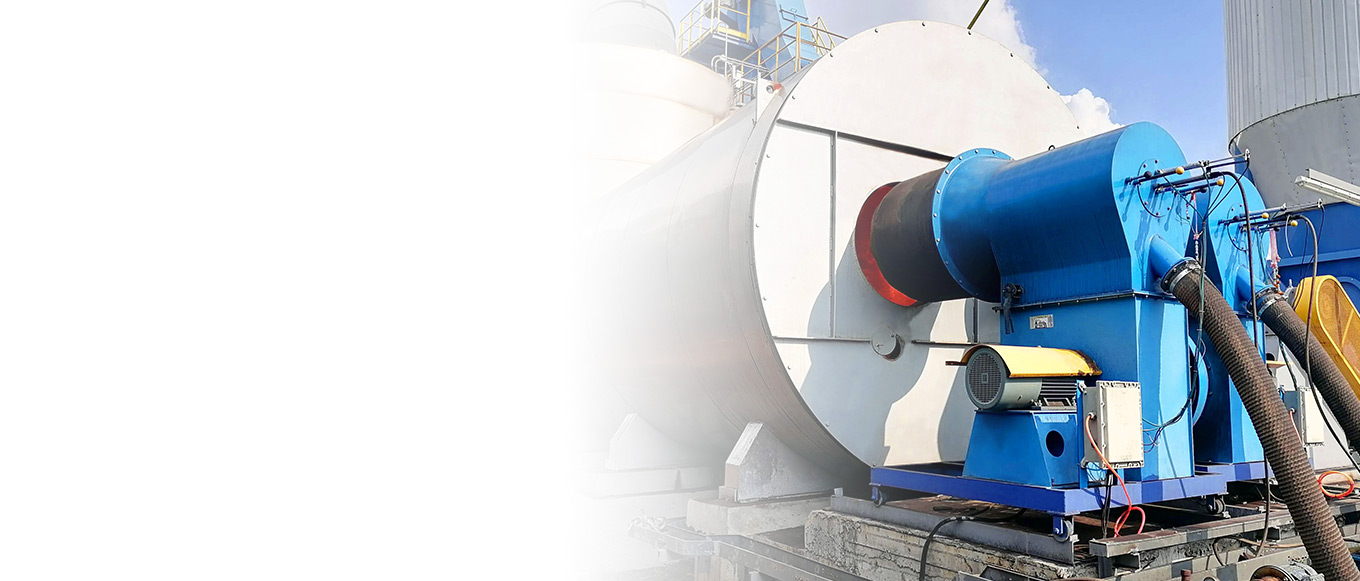
تُعدّ أسطوانة التجفيف والموقد من المعدات الأساسية في منطقة التجفيف والتسخين، ويجب أن يركز تصميمها على التهوية وتبديد الحرارة والسلامة. ينبغي وضع أسطوانة التجفيف في منطقة جيدة التهوية لضمان احتراق كافٍ، مع تجنب أشعة الشمس المباشرة لتقليل فقد الحرارة. كما يجب ربط الموقد بأسطوانة التجفيف بشكل مناسب لضمان تسخين متجانس وتعزيز كفاءة التجفيف، مع ضرورة وضع الموقد بعيدًا عن المناطق القابلة للاشتعال والانفجار، وتزويده بوسائل الوقاية من الحرائق والانفجارات. إضافةً إلى ذلك، ينبغي تجهيز منطقة التجفيف والتسخين بأجهزة للحد من الضوضاء وإزالة الغبار لتقليل التلوث الضوضائي والغباري، وتلبية متطلبات حماية البيئة.
منطقة برج الخلط
تُعدّ منطقة الخلط حلقة الوصل الأساسية في إنتاج الخلطة الإسفلتية، وتشمل بشكل رئيسي محرك الخلط الرئيسي، وصومعة الركام الساخن، ومعدات الفرز، ونظام الرفع. ويتمحور تصميمها حول "التكامل عالي الكفاءة والنسب الدقيقة". يجب وضع صومعة الركام الساخن فوق آلة الخلط، مع استخدام الجاذبية لتغذية الركام الساخن تلقائيًا، مما يقلل من استخدام معدات النقل ويحسن كفاءة التغذية. ينبغي أن تكون معدات الفرز قريبة من أسطوانة التجفيف لفرز الركام المجفف وفقًا للمواصفات لضمان مطابقة تدرج الركام للمتطلبات، مع مراعاة سهولة موقعها للصيانة والتنظيف. يجب أن يكون نظام الرفع مستقرًا وموثوقًا لنقل الركام الساخن والمسحوق والمواد الخام الأخرى بدقة إلى وحدة الخلط لضمان استمرارية الإنتاج، مع مراعاة تصميم نظام الرفع لتجنب التداخل مع المعدات الأخرى وتسهيل الصيانة.
منطقة تخزين وتوريد البيتومين
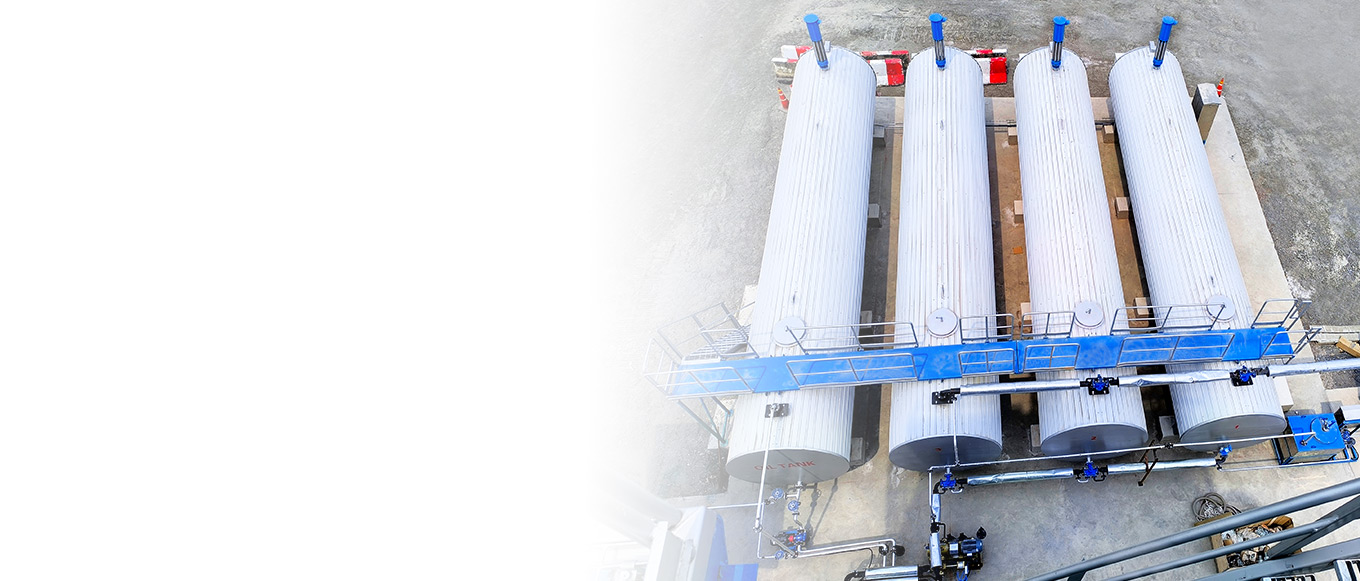
تشمل منطقة تخزين وتوزيع البيتومين بشكل أساسي خزانات البيتومين، ونظام التدفئة، وخطوط أنابيب النقل، ويتمحور تصميمها حول مبدأ "الأمان، وتوفير الطاقة، وسهولة الاستخدام". يجب وضع خزانات البيتومين في مناطق منخفضة ذات تصريف جيد، بعيدًا عن مصادر الحريق، ومصادر الطاقة، والمعدات ذات درجات الحرارة العالية، مع الحفاظ على مسافة أمان كافية بين الخزانات لتجنب الحوادث. كما يجب عزل خزانات البيتومين وخطوط الأنابيب جيدًا لمنع تصلب البيتومين وتقليل فقدان الحرارة. يجب ربط نظام التدفئة بخزانات البيتومين بشكل محكم لضمان استقرار درجة حرارة البيتومين، بما يلبي متطلبات الإنتاج، مع ضرورة تزويد نظام التدفئة بأجهزة مراقبة وتحكم في درجة الحرارة لتجنب ارتفاع درجة الحرارة وما قد يترتب عليه من مخاطر.
تخزين المنتج النهائي
تشمل منطقة تخزين المنتج النهائي بشكل أساسي صومعة تخزين المنتج النهائي ومنطقة التحميل، ويتمحور تصميمها حول "تسهيل التحميل وتقليل الفاقد". يجب وضع صومعة تخزين المنتج النهائي بالقرب من وحدة الخلط لتقليل مسافة نقل المواد النهائية، كما يجب أن يكون موقعها قريبًا من منطقة التحميل، مما يُسهّل عملية التحميل ويقلل وقتها. يمكن تخصيص عدد من صوامع التخزين لتخزين أنواع مختلفة من الخلطات النهائية ذات المواصفات المختلفة لتجنب اختلاطها.
ينبغي تصميم منطقة التحميل بمنصة تحميل خاصة، مع توفير مساحة كافية للمركبات للدوران والتوقف، وفي الوقت نفسه، يجب تجهيزها بأجهزة مقاومة للغبار للحد من تلوث الغبار أثناء عملية التحميل.
الأنظمة المساعدة
يشمل النظام المساعد غرفة التحكم، ونظام إزالة الغبار، ونظام إمداد الطاقة، ومنطقة الصيانة، ويجب أن يراعي تصميمها متطلبات "سهولة التشغيل، والسلامة، والموثوقية". ينبغي أن تُوضع غرفة التحكم في منطقة ذات مجال رؤية واسع، تُمكّن من مراقبة عملية الإنتاج بأكملها بشكل شامل، وفي الوقت نفسه، يجب أن تكون بعيدة عن المناطق ذات الضوضاء العالية والغبار الكثيف، لتوفير بيئة عمل مريحة للمشغلين. يجب أن يكون نظام إزالة الغبار قريبًا من نقطة توليد الغبار، لضمان كفاءة إزالته، وفي الوقت نفسه، يجب أن يكون موقع معدات إزالة الغبار مناسبًا للصيانة والتنظيف. يحتاج نظام إمداد الطاقة إلى إنشاء غرفة توزيع طاقة خاصة لضمان استقرار إمداد الطاقة، ويجب أن تكون غرفة توزيع الطاقة بعيدة عن المناطق القابلة للاشتعال والانفجار، مع مراعاة تدابير الوقاية من الحرائق والرطوبة. يجب أن تُخصص مساحة كافية لمنطقة الصيانة لتسهيل إصلاح المعدات وتخزين قطع الغيار، مع ضرورة أن يكون موقع منطقة الصيانة قريبًا من المعدات الأساسية لتقليل وقت ذهاب وإياب فريق الصيانة.
Aالأسفلت Mتاسعا Pتحسين تدفق المواد النباتية
يُعد تدفق المواد بمثابة الشريان الرئيسي لـ مصنع خلط الأسفلت في عملية الإنتاج، تحدد سلاسة تدفق المواد بشكل مباشر كفاءة الإنتاج وفقدان المواد، وفي عملية تصميم تخطيط مصنع خلط الأسفلت، نحتاج إلى التركيز على تحسين تدفق المواد، لتحقيق "مسافة قصيرة، بدون اختناقات، وأتمتة"، وتدفق الهدف، وتحسين كفاءة الإنتاج وتقليل تكاليف التشغيل.
تقليل مسافة النقل
يُعدّ تقصير مسافة النقل جوهر تحسين تدفق المواد. فمن خلال الترتيب الأمثل للمناطق الوظيفية ومواقع المعدات، يُمكن تقليل مسافة نقل المواد الخام والمنتجات نصف المصنعة والمنتجات النهائية، مما يُقلل من استهلاك الطاقة وتآكل المعدات. على سبيل المثال، تُوضع منطقة معالجة الركام ومنطقة التجفيف والتسخين بجوار بعضهما لتقليل مسافة نقل الركام؛ وتُوضع منطقة مبنى الخلط ومنطقة تخزين المنتج النهائي بالقرب من بعضهما لتقليل وقت نقل المنتج النهائي؛ كما تُربط منطقة تخزين الأسفلت ومبنى الخلط بشكل مدروس لتقليل مسافة نقل الأسفلت.
في الوقت نفسه، يجب تحسين مسار النقل، وتجنب المنعطفات الزائدة والنقل العرضي، وضمان تدفق المواد بسلاسة، وتقليل فقدان المواد ومشاكل الانسداد في عملية النقل.
تجنب الاختناقات
يُعدّ اختناق الإنتاج عاملاً رئيسياً يؤثر على كفاءة مصنع خلط الأسفلت، ويحتاج تحسين تدفق المواد إلى التركيز على تحديد الروابط المعرضة للاختناق، من خلال تصميم معقول وتكوين المعدات، لتحقيق توازن في الطاقة الإنتاجية لكل رابط إنتاجي.
أولاً وقبل كل شيء، حدد نقطة الاختناق الأساسية لكل حلقة إنتاج، مثل تغذية الركام، والتجفيف والتسخين، والخلط والمزج، وما إلى ذلك. إذا لم تتناسب قدرة هذه الحلقات، فسوف يؤدي ذلك بسهولة إلى تراكم المواد وانقطاع الإنتاج.
ثانيًا، يجب تحسين تصميم ومواصفات المعدات لتحقيق التوازن في قدرة كل حلقة، على سبيل المثال، إذا كانت قدرة نظام التجفيف أقل من قدرة نظام التغذية، فمن الضروري تعديل مواصفات معدات التجفيف أو زيادة معدات التجفيف لتجنب تراكم الركام؛ وإذا كانت قدرة وحدة الخلط غير كافية، فمن الضروري تحسين تصميم وحدة الخلط لضمان التغذية السلسة للمواد لتحسين كفاءة الخلط.
تكامل الأتمتة
يُمكن لدمج تقنيات الأتمتة أن يُحسّن بشكل كبير كفاءة ودقة تدفق المواد، ويُقلل من التدخل اليدوي، ويُخفض من أخطاء التشغيل. في عملية تصميم التخطيط، ينبغي مراعاة دمج أنظمة التحكم الذكية مثل PLC/SCADA وغيرها لتحقيق المراقبة الآنية والتنظيم التلقائي لتدفق المواد. من خلال نظام التحكم الذكي، تتم مراقبة تدفق المواد ودرجة الحرارة والوزن وغيرها من معايير كل مرحلة آنيًا، ويتم ضبط سرعة معدات النقل وكمية التغذية تلقائيًا لضمان استقرار تدفق المواد. في الوقت نفسه، يُمكن تحقيق التحكم الآلي في تدفق المواد، مثل التغذية التلقائية للركام، والنقل التلقائي للإسفلت، والتحميل التلقائي للمنتجات النهائية، مما يُقلل من العمليات اليدوية، ويُحسّن كفاءة الإنتاج، ويتجنب الأخطاء البشرية الناتجة عن هدر المواد واختناقات الإنتاج.
اعتبارات السلامة والصيانة of Aالأسفلت Mتاسعا Plant
السلامة والصيانة هما أساس التشغيل المستقر طويل الأمد لمحطة خلط الأسفلت لضمان أن تصميم التخطيط يحتاج إلى مراعاة كاملة لسهولة الحماية والسلامة وصيانة المعدات، لتجنب المخاطر المحتملة على السلامة، وتقليل تكاليف الصيانة، وإطالة عمر خدمة المعدات.
تصميم حركة المرور الآمنة
ينبغي أن يتبع تصميم حركة المرور في محطة خلط الأسفلت مبدأ "فصل الأشخاص والمركبات بسلاسة وانتظام" لتجنب الازدحام المروري وحوادث السلامة.
أولاً، يجب فصل مسارات دخول المشاة عن مسارات دخول المركبات بشكل واضح لتجنب تقاطعها مع مسارات دخول المشاة وتقليل خطر الاصطدام؛ ثانياً، يجب تصميم مسار مناسب لحركة المركبات، باستخدام نظام السير في اتجاه واحد، لضمان مرور مركبات نقل المواد الخام والمنتجات النهائية ومركبات الصيانة بسلاسة، مع إمكانية الانعطاف والتوقف لتجنب الازدحام المروري؛ وفي الوقت نفسه، يجب وضع لافتات تحذيرية في المواقع الرئيسية لحركة المركبات.
وفي الوقت نفسه، يتم وضع علامات تحذيرية وأجهزة إبطاء السرعة في المواقع الرئيسية لحركة مرور المركبات لتذكير المشغلين بضرورة الانتباه إلى السلامة وضمان حركة مرور منظمة.
منع الحرائق والانفجارات
الأسفلت مادة قابلة للاشتعال والانفجار، لذا يجب أن يركز تصميم تخطيط محطة الخلط على تدابير الوقاية من الحرائق والانفجارات لتجنب المخاطر المحتملة على السلامة.
أولاً وقبل كل شيء، يجب الحفاظ على مسافة أمان كافية من مناطق تخزين الأسفلت، وأنظمة التدفئة، ومناطق تخزين الوقود، وغيرها من المناطق القابلة للاشتعال والانفجار، بعيدًا عن المناطق الأخرى، وبعيدًا عن النار والطاقة والمعدات ذات درجات الحرارة العالية؛
ثانياً، يجب تجهيز هذه المناطق بمعدات مثالية للوقاية من الحرائق ومقاومة الانفجارات، مثل طفايات الحريق، وصنابير إطفاء الحرائق، ورمل الوقاية من الحرائق، وما إلى ذلك، وفي الوقت نفسه، يجب القيام بعمل جيد في تدابير التهوية، لتجنب تراكم الغازات القابلة للاشتعال؛
بالإضافة إلى ذلك، يجب تزويد نظام تسخين الأسفلت بأجهزة مراقبة درجة الحرارة وأجهزة إنذار، بحيث تُرسل إشارات إنذار في الوقت المناسب عند تجاوز درجة الحرارة الحد المسموح به، وذلك لتجنب المخاطر الأمنية. كما يجب تزويد نظام تسخين الأسفلت بأجهزة مراقبة درجة الحرارة وأجهزة إنذار، بحيث تُرسل إشارات إنذار في الوقت المناسب عند تجاوز درجة الحرارة الحد المسموح به، وذلك لتجنب نشوب حريق أو انفجار ناتج عن ارتفاع درجة الحرارة.
إمكانية الوصول إلى الصيانة
تؤثر سهولة الوصول إلى معدات صيانة محطة خلط الأسفلت بشكل مباشر على كفاءة الصيانة وتقلل من تكاليف الصيانة، لذا يجب أن يخصص تصميم التخطيط مساحة صيانة كافية لضمان سهولة صيانة معدات محطة خلط الأسفلت.
أولاً وقبل كل شيء، يجب أن تحافظ المعدات الأساسية على مسافة كافية بين موظفي الصيانة لتسهيل عملية التشغيل وتفكيك المعدات وتركيبها؛
ثانياً، بالنسبة للمعدات العلوية مثل مبنى الخلط، وصوامع التخزين، وما إلى ذلك، قم بإنشاء منصة صيانة خاصة لتسهيل قيام موظفي الصيانة بتنفيذ العمليات العلوية؛
في الوقت نفسه، تم تصميم قناة مخصصة للصيانة ومنطقة لتخزين قطع الغيار، لضمان سهولة نقل أدوات الصيانة وقطع الغيار، مما يقلل وقت الصيانة ويعزز كفاءتها، ويضمن صيانة سريعة لمحطة خلط الأسفلت، ويقلل تكاليف الصيانة، ويضمن استئناف تشغيل المحطة بسرعة.
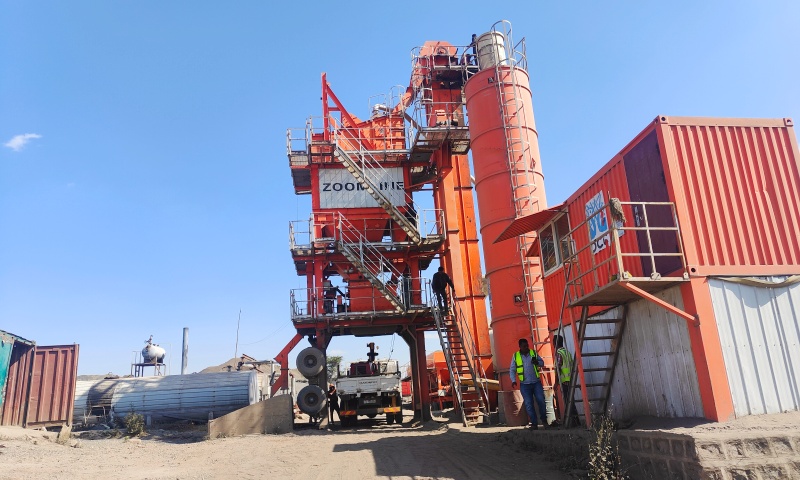
الآثار المترتبة على قرارات التخطيط من حيث التكلفة لـ Aالأسفلت Mتاسعا Plant
تؤثر قرارات تصميم محطة خلط الأسفلت بشكل مباشر على الاستثمار الأولي وتكاليف التشغيل على المدى الطويل. فالتصميم الأمثل يحقق "استثمارًا أوليًا معقولًا وتوفيرًا في التكاليف على المدى الطويل"، بينما يؤدي التصميم غير الأمثل إلى هدر الاستثمار الأولي وارتفاع تكاليف التشغيل على المدى الطويل. لذا، من الضروري في عملية تصميم المحطة تحقيق التوازن بين الاستثمار الأولي والعائد على الاستثمار على المدى الطويل لتحقيق الكفاءة المثلى في التكاليف.
الاستثمار الأولي مقابل العائد على الاستثمار على المدى الطويل
تختلف تكلفة الاستثمار الأولي اختلافًا كبيرًا بين أنواع التخطيطات المختلفة، لذا من الضروري اختيار خطة تخطيط مناسبة تجمع بين الميزانية المخصصة واحتياجات التشغيل طويلة الأجل. على سبيل المثال، تكون تكلفة الاستثمار الأولي للتخطيط الخطي منخفضة، ولا يتطلب بنية تحتية معقدة أو تركيب معدات، ولكن خلال التشغيل طويل الأجل، يكون استهلاك الطاقة وفقدان المواد مرتفعين. أما تكلفة الاستثمار الأولي للتخطيط الرأسي (البرج) فتكون مرتفعة، ويصعب تركيب البنية التحتية والمعدات، ولكن خلال التشغيل طويل الأجل، يكون استهلاك الطاقة منخفضًا، والإنتاجية عالية، والعائد على الاستثمار أعلى. يجب أن تراعي قرارات التخطيط التوازن بين تكاليف الأرض وكفاءة التشغيل. إذا كانت تكاليف الأرض منخفضة، يمكن اختيار التخطيط الخطي لتقليل تكلفة الاستثمار الأولي؛ أما إذا كانت تكاليف الأرض مرتفعة ومتطلبات كفاءة الإنتاج صارمة، فيمكن اختيار التخطيط الرأسي (البرج) لتعزيز العائد على الاستثمار على المدى الطويل.
تكاليف التركيب والأساسات
يؤثر تصميم تخطيط محطة خلط الأسفلت بشكل مباشر على تكلفة تركيبها وبنيتها التحتية. وتختلف متطلبات البنية التحتية وتركيب المعدات باختلاف أنواع التخطيط. فعلى سبيل المثال، يتطلب التخطيط الرأسي (البرج) تصميمًا معقدًا للأساسات لضمان استقرار المعدات، وتكون تكلفة البنية التحتية مرتفعة؛ بينما يكون تصميم أساسات التخطيط الخطي أبسط نسبيًا، وتكون تكلفة البنية التحتية منخفضة. وفي الوقت نفسه، ترتبط تكلفة تركيب معدات محطة خلط الأسفلت بالتخطيط أيضًا؛ إذ يُمكن للتخطيط الأمثل تقليل وقت وصعوبة تركيب المعدات وخفض تكلفتها. فعلى سبيل المثال، يُمكن للتخطيط المركزي لمعدات محطة خلط الأسفلت تقليل طول المرافق المساعدة مثل أنابيب النقل والكابلات وغيرها، مما يُخفض تكلفة التركيب.
التوفير في التكاليف التشغيلية
يُمكن للتصميم العلمي والمنطقي أن يُوفر تكاليف التشغيل على المدى الطويل، وذلك من خلال جانبين رئيسيين: أولاً، كفاءة الطاقة، حيث يُقلل من مسافة نقل المواد، ويُمكن الاستفادة من الجاذبية لتحقيق تدفق المواد، مما يُقلل من استهلاك الطاقة لمعدات النقل، وبالتالي يُخفض تكاليف الكهرباء والوقود وغيرها. ثانياً، يُقلل من تآكل معدات محطة خلط الأسفلت، حيث يُقلل من مسافة نقل المواد، ويُقلل من وقت تشغيل معدات النقل، ويُقلل من تآكل المعدات، ويُطيل عمرها الافتراضي، ويُخفض تكاليف صيانتها واستبدالها. إضافةً إلى ذلك، يُمكن للتصميم المنطقي أن يُقلل من هدر المواد، ويُحسّن كفاءة الإنتاج، ويُخفض تكاليف التشغيل، ويُعزز ربحية الشركات.
أخطاء شائعة في تصميم تخطيط مصانع الأسفلت
في عملية تصميم تخطيط محطة خلط الأسفلت، يقع العديد من الممارسين، بسبب نقص التخطيط المهني، في بعض الأخطاء الشائعة، والتي ستؤدي إلى مشاكل تشغيلية لاحقة، وزيادة التكاليف، ومخاطر السلامة، مما يستدعي التركيز على تجنبها.
يُعد إهمال التوسع المستقبلي أحد أكثر الأخطاء شيوعاً، حيث أن العديد من تصميمات تخطيط محطات خلط الأسفلت لا تأخذ في الاعتبار سوى الطلب الحالي على الإنتاج، ولا تخصص مساحة لتحديث المعدات وتوسيع الطاقة الإنتاجية، مما يؤدي إلى الرغبة لاحقاً في تعزيز الطاقة الإنتاجية وإضافة معدات، ولكن بسبب قيود الموقع لا يمكن تحقيق ذلك، ولا يمكن إلا إعادة التخطيط أو النقل، مما يؤدي إلى هدر كبير في التكاليف.
ثانياً، تخطيط تدفق حركة المرور غير معقول، فهو غير مقسم إلى مسارات مخصصة لدخول المشاة والمركبات ومسارات دوران المركبات، مما يؤدي إلى عبور المركبات الثقيلة والمشاة، الأمر الذي لا يؤثر فقط على كفاءة الإنتاج، بل إنه عرضة أيضاً للتسبب في حوادث السلامة.
كما أن عدم كفاية تدابير حماية البيئة خطأ شائع، حيث لا يتم ترتيب مواقع أنظمة إزالة الغبار ومرافق الحد من الضوضاء بشكل معقول، مما يؤدي إلى تجاوز انبعاثات الغبار والضوضاء للمعايير، وعدم الحصول على موافقة حماية البيئة، ومواجهة خطر الإغلاق والغرامات وما إلى ذلك؛ كما أن بعض محطات الخلط لا تحتوي حتى على مرافق لمعالجة مياه الصرف الصحي، مما يؤدي إلى إنتاج مياه الصرف الصحي التي يتم تصريفها بشكل عشوائي، في انتهاك للقوانين واللوائح البيئية.
بالإضافة إلى ذلك، فإن اكتظاظ المعدات وعدم ترتيب نظام إزالة الغبار بشكل صحيح سيؤثر أيضًا على التشغيل: سيؤدي اكتظاظ المعدات إلى صعوبة صيانة مصنع خلط الأسفلت، وضعف التهوية، مما يزيد من احتمالية حدوث مخاطر السلامة؛ كما أن بُعد نظام إزالة الغبار عن مكانه سيقلل من كفاءة إزالة الغبار، مما يؤدي إلى تلوث الغبار.
دليل خطوة بخطوة لاختيار التصميم المناسب
إن اختيار تصميم محطة خلط الأسفلت ليس اختياراً عشوائياً، بل هو عملية منهجية، حيث يجب اتباع الخطوات العلمية، مع مراعاة الاحتياجات الخاصة، خطوة بخطوة، لضمان أن يكون تصميم التخطيط علمياً ومعقولاً ومناسباً لتجنب عيوب التخطيط.
مسح الموقع وجمع البيانات
أولاً وقبل كل شيء، إجراء مسح شامل لموقع مصنع خلط الأسفلت، وجمع البيانات المتعلقة بالحجم والشكل والتضاريس وقدرة التربة على التحمل وظروف الصرف وغيرها من البيانات الأساسية؛
في الوقت نفسه، يتم تحديد مسارات وصول المركبات إلى الموقع لفهم سهولة الوصول إليه. بالإضافة إلى ذلك، يتم جمع اللوائح البيئية المحلية ومعايير الصناعة ومتطلبات الموافقة، مع توضيح القيود المتعلقة بحماية البيئة والسلامة وغيرها من الجوانب؛ وبالتزامن مع احتياجات الإنتاج الخاصة، يتم جمع بيانات حول حجم الطاقة الإنتاجية ونوع الإنتاج وإمدادات المواد الخام وغيرها من البيانات ذات الصلة لتصميم التخطيط، وذلك لتوفير أساس متين.
تحديد أهداف الإنتاج
بالإضافة إلى احتياجات أعمالهم الخاصة، يجب تحديد أهداف إنتاج واضحة لمحطة خلط الأسفلت، بما في ذلك الطاقة الإنتاجية، ونوع المنتج (مثل خلطة الأسفلت العادية، خلطة الأسفلت المعدلة، إلخ)، فضلاً عن خطط التطوير طويلة الأجل، مثل الحاجة إلى تحسين الطاقة الإنتاجية في المستقبل، وإضافة معدات جديدة، وتوسيع نطاق العمل، وما إلى ذلك. راجع قسمنا دليل تخطيط مشروع الطريق الكامل يجب مراعاة طاقة المصنع وموقع الإنشاء ونطاق الخدمة الاقتصادية قبل تصميم مخططات التخطيط. ويُعدّ هدف الإنتاج هو المحور الأساسي لتصميم التخطيط، والذي يحدد بشكل مباشر نوع التخطيط، وتكوين معدات محطة خلط الأسفلت، وتقسيم المناطق الوظيفية.
حدد نوع المصنع وسعته
حدد نوع محطة خلط الأسفلت وفقًا لهدف الإنتاج (مصنع خلط دفعة الأسفلت أو محطة خلط الأسفلت المستمرة) وحجم السعة. تُناسب محطة خلط الأسفلت المتقطعة الحالات التي تتطلب دقة عالية في النسب وأنواعًا متعددة من المنتجات، ويمكن اختيار تصميم رأسي (برجي). أما محطة خلط الأسفلت المستمرة فتُناسب الحالات التي تتطلب طاقة إنتاجية عالية ونوعًا واحدًا من المنتجات، ويمكن اختيار تصميم خطي. في الوقت نفسه، وبناءً على حجم السعة، يتم تحديد مواصفات وعدد معدات محطة خلط الأسفلت لتوفير أساس لتصميم تخطيط محطة خلط الأسفلت.
خيارات التخطيط الأولي للمسودة
مع مراعاة ظروف الموقع، وأهداف الإنتاج، ونوع محطة خلط الأسفلت وسعتها، يتم وضع عدد من مخططات التخطيط الأولية، بحيث يحدد كل مخطط موقع معدات محطة خلط الأسفلت، والمناطق الوظيفية، ومسارات تدفق المواد، وتخطيط مرافق السلامة وحماية البيئة. ويجب أن يراعي المخطط الأولي بشكل كامل معدل استغلال الموقع، وكفاءة الإنتاج، والامتثال لمعايير السلامة، وعوامل أخرى لضمان جدوى المشروع.
إجراء عمليات المحاكاة والتحسين
قم بإجراء محاكاة إنتاجية على المخطط الأولي المقترح لمحطة خلط الأسفلت، مع محاكاة تدفق المواد، وعملية الإنتاج، وتنسيق المعدات، وما إلى ذلك، لتحديد نقاط الضعف والعيوب في المخطط. بناءً على نتائج المحاكاة، قم بتحسين وتعديل تصميم محطة خلط الأسفلت، مثل تعديل مواقع المعدات، وتحسين مسار تدفق المواد، وزيادة مرافق السلامة وحماية البيئة، وما إلى ذلك، لضمان تحقيق أقصى قدر من كفاءة الإنتاج، وترشيد التكاليف، والامتثال لمعايير السلامة.
تأكيد التصميم النهائي والهندسة
بعد اكتمال عملية التحسين، يتم تحديد المخطط النهائي لمحطة خلط الأسفلت، وبالتعاون مع مهندسين متخصصين، يتم إعداد الرسومات التصميمية التفصيلية، بما في ذلك تصميم أساسات المعدات، وتصميم مسار النقل، وتصميم مرافق السلامة وحماية البيئة، وما إلى ذلك. في الوقت نفسه، يتم مراجعة برنامج التصميم للموافقة الهندسية، والتحقق من توافقه مع ظروف الموقع، ومتطلبات الإنتاج، ولوائح حماية البيئة والسلامة، لضمان إمكانية تنفيذه بنجاح؛ وإذا لزم الأمر، يمكن التقدم بطلب للحصول على موافقة الجهات المختصة لضمان امتثال بناء محطة خلط الأسفلت للمعايير.
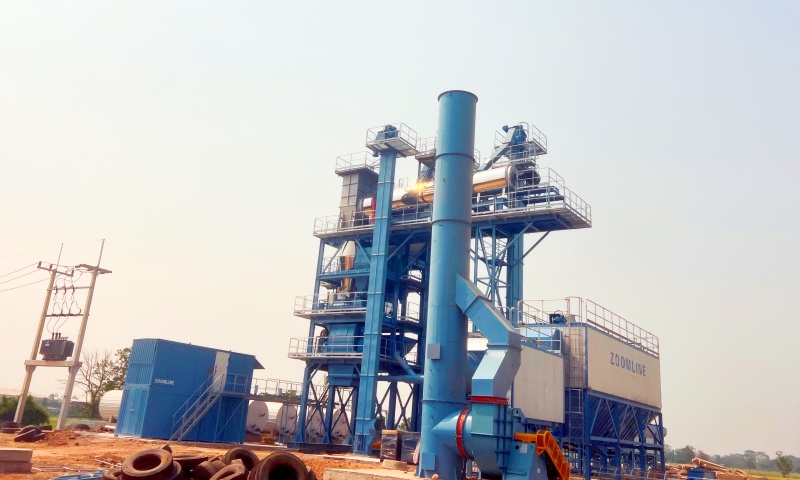
الاتجاهات المستقبلية في تصميم تخطيط مصانع الأسفلت
مع التطور السريع للتكنولوجيا الذكية والخضراء والوحداتية، يتجه تصميم تخطيط محطات خلط الأسفلت نحو اتجاه أكثر كفاءة وصديقًا للبيئة وأكثر مرونة، بما يتماشى مع طلب الصناعة على التنمية عالية الجودة، وسيُظهر تصميم التخطيط المستقبلي ثلاثة اتجاهات أساسية.
أصبح التصميم المعياري الذكي هو السائد، حيث يمكن للتصميم المعياري تحقيق تجميع وتوسيع مرن للمعدات، ومحطة خلط الأسفلت وفقًا لمتطلبات الإنتاج، مع مرونة إضافة أو تعديل المعدات، دون الحاجة إلى إعادة تخطيط شاملة، لتعزيز مرونة التصميم وقابليته للتكيف؛ وفي الوقت نفسه، يساهم التصميم الذكي في دمج إنترنت الأشياء والبيانات الضخمة وغيرها من التقنيات لتحقيق أتمتة عملية الإنتاج من خلال المراقبة والتحكم لتحسين كفاءة الإنتاج ومستوى الإدارة.
إن دمج الأسفلت المعاد تدويره ونظام حماية البيئة أكثر عمقًا، وسيراعي تصميم التخطيط المستقبلي بشكل كامل تدفق معالجة المواد المعاد تدويرها، وسيخصص مواقع لتخزين الأسفلت المعاد تدويره، وسحقه، وخلطه، وغيرها من المعدات لتحقيق التكامل السلس بين المواد المعاد تدويرها والمواد الجديدة، والمساعدة في بناء الطرق السريعة الخضراء؛ وفي الوقت نفسه، سيتم دمج مرافق حماية البيئة بشكل شامل في تصميم التخطيط، مثل نظام إعادة تدوير الغبار، ونظام إعادة تدوير مياه الصرف الصحي، ونظام معالجة غازات النفايات، وما إلى ذلك، لتحقيق التشغيل الأخضر ومنخفض الكربون لمحطة الخلط، وتلبية المتطلبات الأعلى للوائح البيئية.
يتزايد استخدام تقنيات التوأم الرقمي والذكاء الاصطناعي بشكل ملحوظ. فمن خلال تقنية التوأم الرقمي، يُمكن إنشاء نموذج افتراضي لمحطة الخلط لمحاكاة تأثير الإنتاج لخطة التخطيط، وتحديد عيوب التخطيط مسبقًا، وتحسين تصميم التخطيط. كما تُستخدم خوارزميات الذكاء الاصطناعي في تحسين تدفق المواد، ومراقبة تشغيل المعدات، وغيرها، لتحقيق التحسين الديناميكي للتخطيط، ورفع كفاءة الإنتاج، وخفض التكاليف، والارتقاء بتصميم تخطيط محطة خلط الأسفلت نحو الدقة والذكاء.
خاتمة
تصميم تخطيطي لـ مصنع خلط الأسفلت يُعدّ تخطيط الموقع حلقة الوصل الأساسية بين عملية الإنتاج والتشغيل، إذ يُحدّد بشكل مباشر كفاءة الإنتاج، والالتزام بمعايير السلامة، وتكاليف التشغيل، وربحية محطة خلط الأسفلت. بدءًا من مسح الموقع، ووضع أهداف إنتاج واضحة، مرورًا باختيار نوع التخطيط، وتخطيط المناطق الوظيفية، وصولًا إلى تحسين تدفق المواد، واعتبارات السلامة والصيانة، تُعتبر كل مرحلة من هذه المراحل بالغة الأهمية. لذا، يجب مراعاة ظروف الموقع، واحتياجات الإنتاج، واللوائح البيئية، وميزانية التكاليف، وغيرها من العوامل، وتجنّب الأخطاء الشائعة، واتباع دليل علمي مُفصّل خطوة بخطوة، واختيار أنسب خطة تخطيط تلبي احتياجاتكم.
لا يقتصر دور التصميم العلمي والمنطقي لتخطيط محطات خلط الأسفلت على تحقيق انسيابية تدفق المواد، وتحسين كفاءة الإنتاج، وخفض التكاليف، بل يضمن أيضًا السلامة والامتثال والاستقرار التشغيلي على المدى الطويل، مما يُحقق فوائد اقتصادية واجتماعية أكبر للمؤسسة. بالنسبة للمقاولين والمستثمرين، يُعدّ الاهتمام بتخطيط محطات خلط الأسفلت، والاستعانة بمصممين محترفين، ووضع خطط تخطيط مُخصصة، مفتاحًا أساسيًا لتحقيق تشغيل عالي الجودة، وضمانًا جوهريًا للاستفادة من المنافسة في هذا القطاع. في المستقبل، ومع التطور المستمر للتكنولوجيا الذكية والخضراء، سيصبح تصميم محطات خلط الأسفلت أكثر علمية وكفاءة وصديقة للبيئة، مما يُسهم في التنمية المستدامة لقطاع إنشاء الطرق السريعة.
قسم الأسئلة الشائعة
ما هو أفضل تصميم لمصنع صغير لإنتاج الأسفلت؟
أفضل تصميم لـ محطة خلط الأسفلت الصغيرة ينبغي الجمع بين ذلك والخصائص الأساسية للموقع المحدود والقدرة المعتدلة، مع التركيز على استغلال المساحة وسهولة التشغيل وإمكانية التحكم في الاستثمار الأولي، ويُعد كل من التصميم على شكل حرف L والتصميم الرأسي الصغير خيارين مثاليين.
يُمكن تكييف التصميم على شكل حرف L مع المواقع الصغيرة غير المنتظمة، مما يوفر استخدامًا مرنًا للمساحة. وبالمقارنة مع التصميم الخطي، يُمكنه تقصير مسافة نقل المواد جزئيًا. أما التصميم الرأسي الصغير، فيغطي مساحة صغيرة، ويعتمد على الجاذبية لتحقيق التدفق الطبيعي للمواد، مما لا يُقلل من استهلاك الطاقة فحسب، بل يحافظ أيضًا على دقة نسب خلط الأسفلت. يُلبي كلا التصميمين احتياجات الإنتاج لمحطات الخلط الصغيرة، دون الحاجة إلى تصميم تخطيط معقد، ويتكيفان بدقة مع ظروف تشغيل هذه المحطات.
ما هي مساحة الأرض المطلوبة لإنشاء محطة خلط الأسفلت؟
لا يوجد معيار ثابت لمساحة أرضية محطة خلط الأسفلت. يعتمد حجمها على حجم الطاقة الإنتاجية، ونوع التصميم، وتخطيط تقسيم المناطق الوظيفية للمحطة، والتي يجب تحديدها في ضوء الوضع الفعلي.
يجب أن تتوافق مساحة الموقع مع التخطيط الأمثل لكل منطقة وظيفية، بما في ذلك منطقة معالجة الركام، ومنطقة التجفيف والتسخين، ومنطقة الخلط، ومنطقة تخزين وتوريد الأسفلت، ومنطقة تخزين المنتج النهائي، ومنطقة الأنظمة المساعدة. كما يجب توفير مساحة كافية لحركة المركبات، وصيانة المعدات، والإخلاء في حالات الطوارئ. يتطلب التخطيط الخطي مساحة كبيرة نسبيًا نظرًا لترتيب المعدات في خط مستقيم؛ بينما يتطلب التخطيط الرأسي والتخطيط على شكل حرف L مساحة صغيرة نسبيًا نظرًا لارتفاع معدل استغلال المساحة. عند تصميم التخطيط، من الضروري التأكد من ملاءمة حجم وشكل الموقع لنوع التخطيط المختار، مع مراعاة المتطلبات الأساسية لقدرة تحمل التربة، والصرف، وسهولة الوصول.
هل يمكنني ترقية تصميم المصنع الحالي؟
يمكن تحديث تصميم محطة خلط الأسفلت الحالية. ويتمثل جوهر التحديث في تحسين وتعديل التصميم الأصلي بناءً على ظروف الموقع الحالية، وزيادة الطلب على الإنتاج، ومتطلبات الامتثال البيئي، دون الحاجة إلى إعادة بناء المحطة بأكملها.
في عملية التحديث، نحتاج إلى التركيز على تخطيط التوسع المستقبلي، وتخصيص مساحة لتحديث المعدات وزيادة الطاقة الإنتاجية، وتحسين مسار تدفق المواد، وتقصير مسافة النقل لتجنب اختناقات الإنتاج؛ وفي الوقت نفسه، يمكننا تعديل تخطيط المناطق الوظيفية، وتحسين مرافق حماية البيئة وإجراءات السلامة، وتحسين ترتيب أنظمة إزالة الغبار، ومرافق الحد من الضوضاء في نقاط توليد الغبار والضوضاء الرئيسية لضمان الامتثال البيئي؛ بالإضافة إلى ذلك، يمكننا دمج أنظمة التحكم الذكية لتحسين كفاءة تآزر المعدات، وتحقيق متطلبات التخطيط والامتثال البيئي. ولتحسين كفاءة تآزر المعدات، ولتحقيق التوافق الدقيق بين التخطيط واحتياجات الإنتاج، يجب أن يأخذ التحديث في الاعتبار استخدام المعدات الحالية.
كيف يؤثر تصميم الرصف على جودة الأسفلت؟
يؤثر تصميم التخطيط بشكل مباشر على جودة خليط الأسفلت، وذلك من خلال دقة تدفق المواد وكفاءة تآزر المعدات.
يضمن التخطيط العلمي نقل الركام والأسفلت والمساحيق وغيرها من المواد الخام بسلاسة لتجنب اختلاط المواد أو فقدانها أو انحراف نسبها، ولضمان خلط المواد الخام بدقة وفقًا للصيغة المحددة مسبقًا. كما يضمن التخطيط الأمثل لمنطقة الخلط تغذية دقيقة وخلطًا متجانسًا للركام الساخن والأسفلت، مما يعزز استقرار تدرج الخليط وقوة تماسكه. في الوقت نفسه، يساهم تحسين التخطيط في تقليل فقدان الحرارة أثناء نقل المواد، وحماية الأسفلت، وضمان انسيابيته وتأثيره في التغطية، وتجنب تذبذب جودة الخليط الناتج عن عدم تجانس درجة الحرارة.
وعلى العكس من ذلك، فإن التخطيط غير العقلاني سيؤدي إلى ضعف تدفق المواد، وانحراف النسب، وعدم التجانس في الخلط، مما سيؤثر على قوة ومرونة ومتانة خليط الأسفلت، ولن يفي بمتطلبات الجودة لبناء الطرق.