
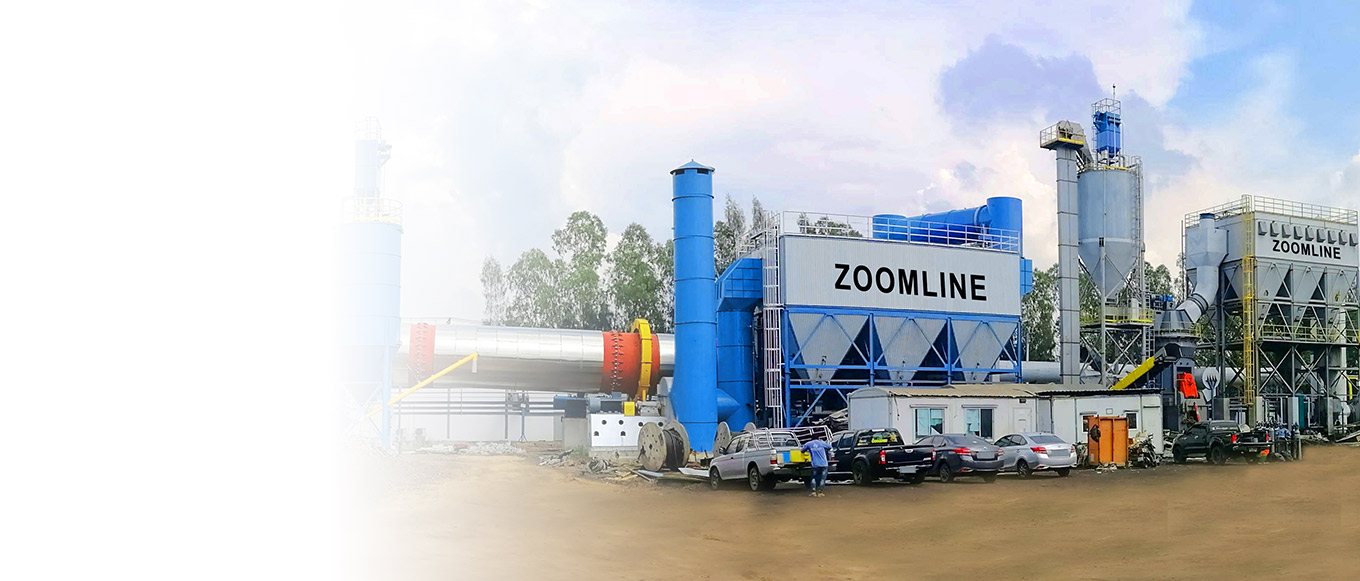
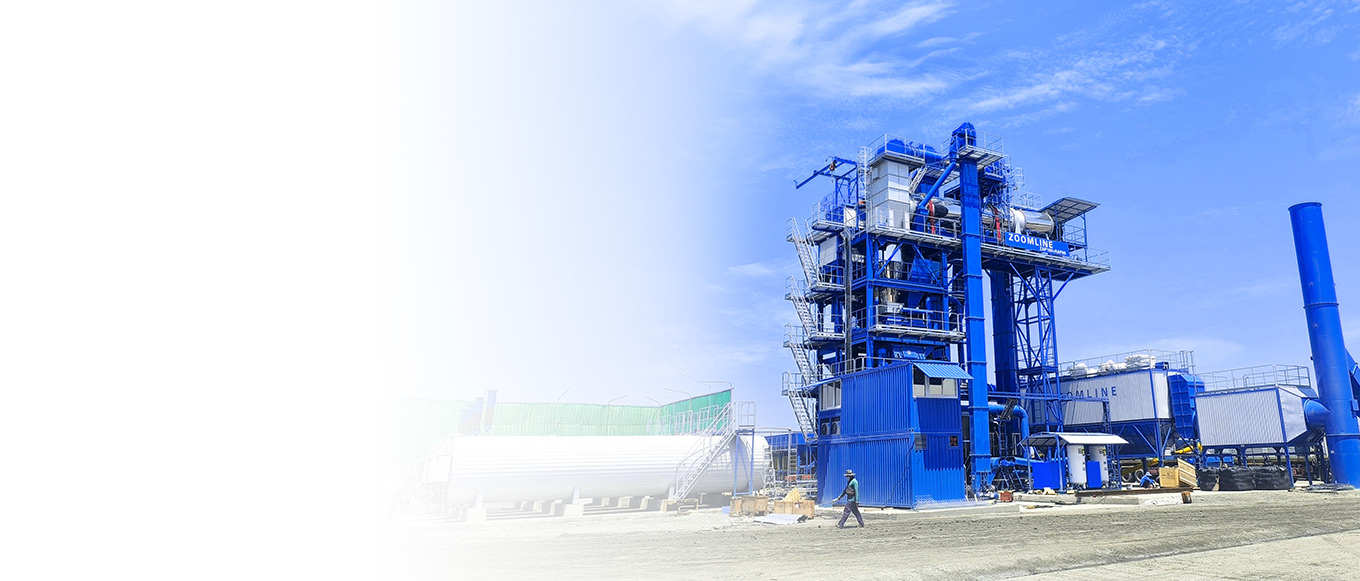
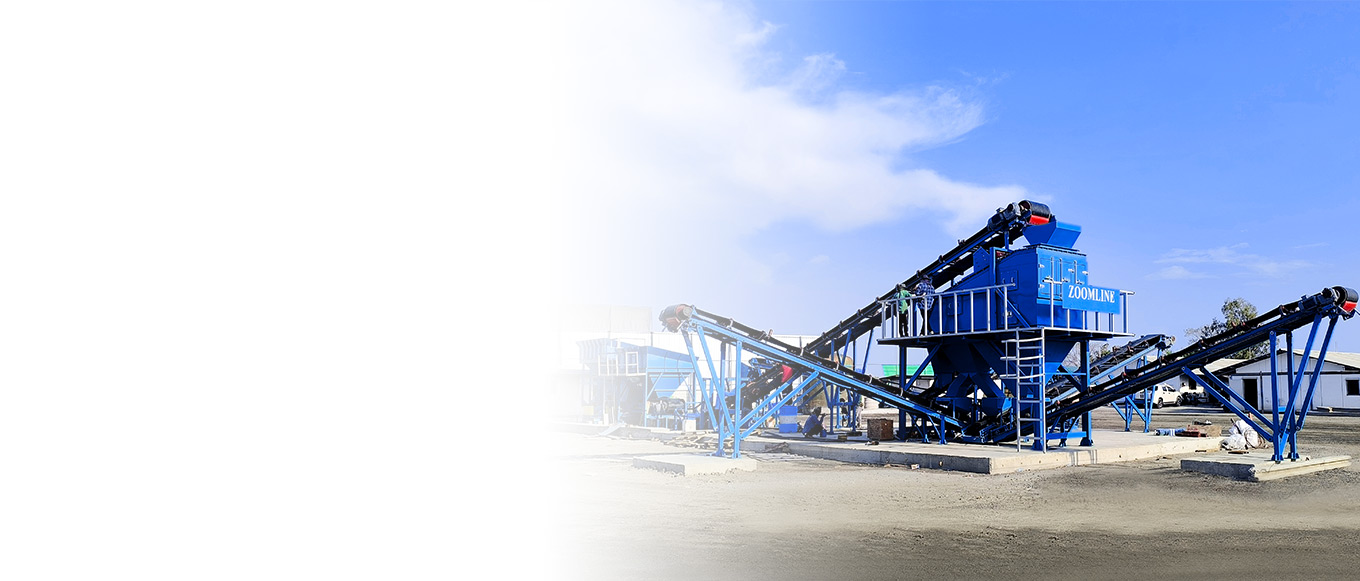
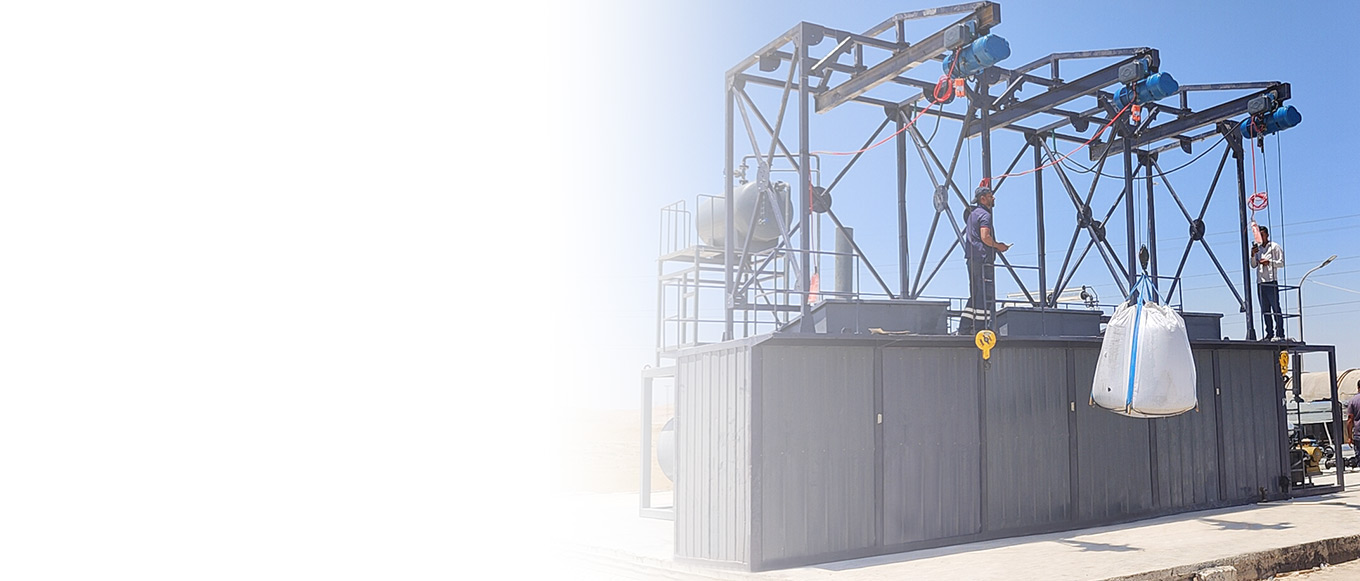
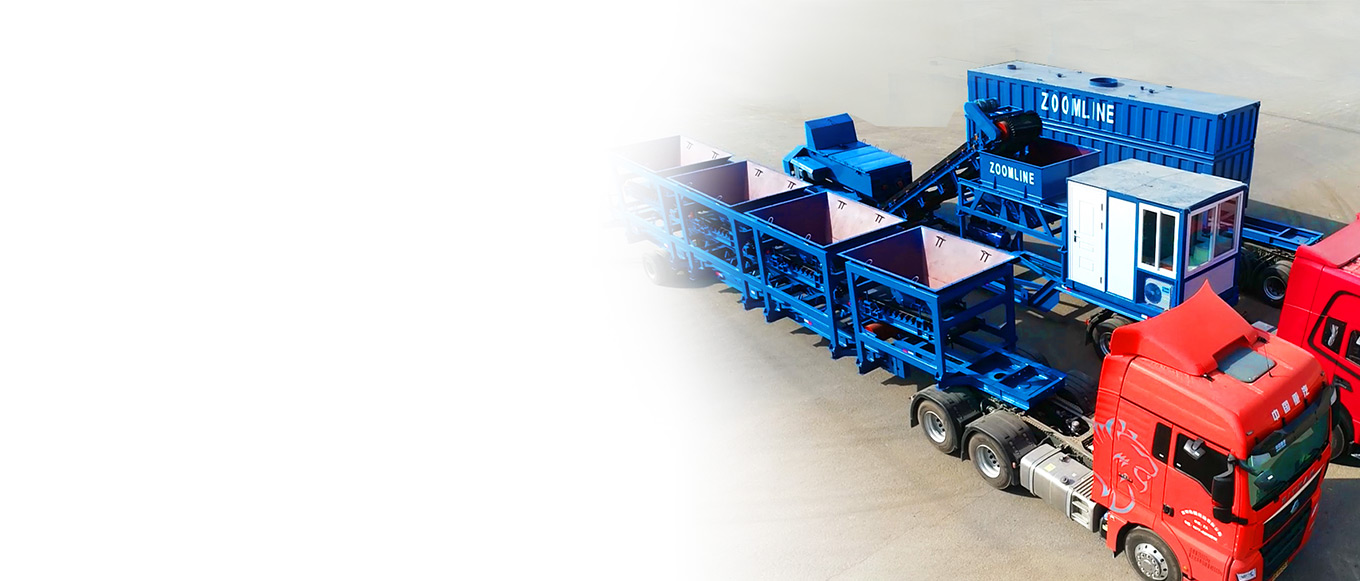
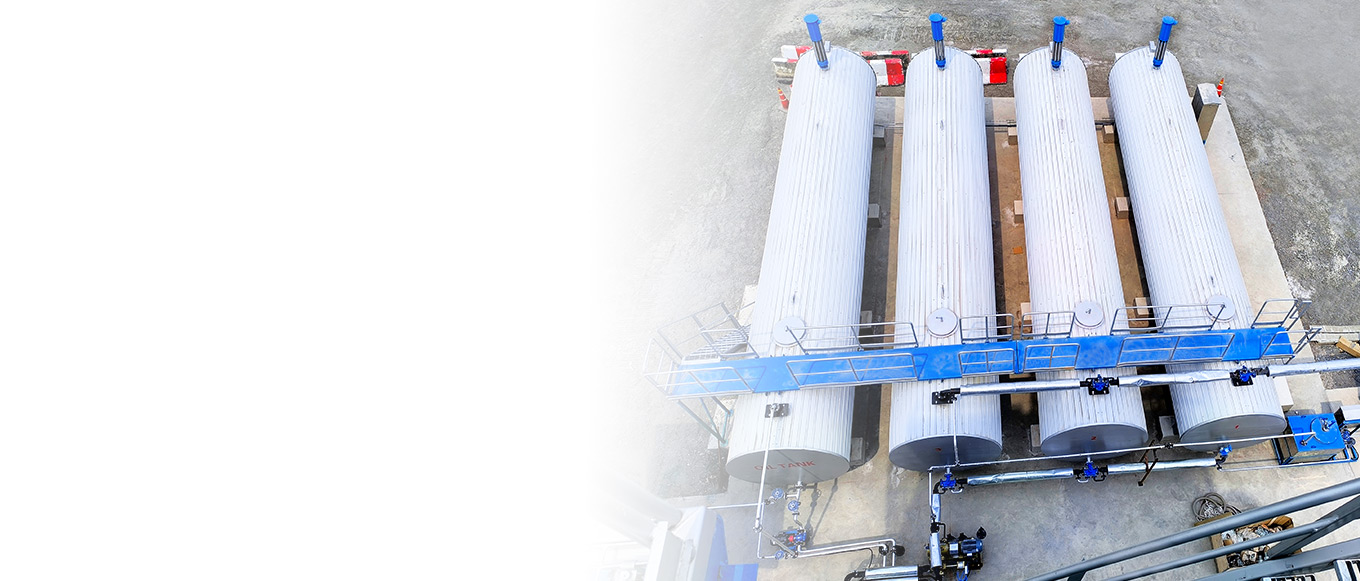


Centrale d'enrobage Kenya : Solutions mobiles ultra-performantes de mélange d'asphalte pour les projets d'infrastructure routière du Kenya
Préface
Principales conclusions :
Le marché kényan des centrales d'enrobage connaît une transformation structurelle impulsée par l'expansion des infrastructures prévue par la Vision 2030 du Kenya, le développement rapide du réseau routier départemental et la participation croissante aux projets de corridors régionaux d'Afrique de l'Est. La demande évolue des centrales fixes de grande envergure vers des systèmes mobiles d'enrobage flexibles et à haut rendement.
Les centrales d'enrobage mobiles à tambour présentent des avantages indéniables dans le contexte kényan, où les projets sont géographiquement dispersés, les délais de construction courts et la logistique complexe. Comparées aux systèmes fixes traditionnels, les configurations mobiles réduisent le temps d'installation, allègent les contraintes de transport et optimisent l'utilisation des équipements, ce qui améliore directement le retour sur investissement global du projet.
Dans le même temps, les réglementations environnementales, la volatilité du coût des carburants et les exigences croissantes en matière d'asphalte de haute qualité (AC, SMA, asphalte modifié) poussent le marché vers des systèmes de production d'asphalte plus efficaces, automatisés et contrôlés numériquement.
Globalement, l'industrie kényane des centrales d'enrobage évolue vers un modèle défini par la mobilité, l'efficacité, l'automatisation et l'adaptabilité régionale en Afrique de l'Est.
Recommandations clés :
Prioriser les solutions de centrales d'asphalte mobiles pour les projets au Kenya et en Afrique de l'Est
Particulièrement pour les travaux routiers départementaux et les projets d'infrastructures multisites où le déploiement et la relocalisation rapides sont essentiels.
Choisissez l'équipement en fonction de son coût global plutôt que de son prix initial.
L'optimisation des CAPEX et des OPEX (carburant, main-d'œuvre, temps d'arrêt, logistique) a un impact plus important sur la rentabilité que le seul coût d'achat.
Assurer la conformité aux spécifications de la KeNHA et des autoroutes régionales
L'équipement doit permettre une production stable d'AC, de SMA et d'asphalte modifié afin de répondre aux exigences de qualité routière.
Investissez dans les systèmes d'automatisation et de contrôle numérique.
Le contrôle par automate programmable, le diagnostic à distance et la surveillance dans le cloud réduisent considérablement la dépendance à la main-d'œuvre et améliorent la constance de la production.
Renforcer la planification logistique et d'installation avant l'approvisionnement
Les conditions de dédouanement au port de Mombasa, les conditions de transport intérieur et la capacité de conception modulaire doivent être évaluées dans le cadre du choix des équipements.
Envisager une stratégie d'expansion régionale au-delà du Kenya
Le choix des équipements doit permettre un déploiement en Ouganda, en Tanzanie et au Rwanda afin d'optimiser l'utilisation des ressources en Afrique de l'Est.
I. Introduction : La Vision 2030 du Kenya stimule une croissance rapide de la demande en équipements pour l'asphalte
Vision 2030 du Kenya et modernisation des infrastructures de l'Afrique de l'Est
Ces dernières années, le Kenya est progressivement devenu l'un des pays d'Afrique de l'Est connaissant la plus forte croissance en matière de construction d'infrastructures. Grâce à la mise en œuvre continue de la stratégie nationale de développement « Kenya Vision 2030 », la construction de routes, de ports, d'infrastructures de transport logistique et de réseaux autoroutiers urbains s'est accélérée. Les grands projets routiers ont directement entraîné une forte augmentation de la demande en équipements connexes, tels que les centrales d'enrobage, les centrales d'enrobage mobiles et les équipements pour le traitement du bitume en Afrique.
En tant que membre clé de la Communauté d'Afrique de l'Est (CAE), le Kenya s'attelle non seulement à la modernisation de son réseau routier national, mais constitue également une plateforme logistique essentielle pour des pays enclavés comme l'Ouganda, le Soudan du Sud, le Rwanda et l'Éthiopie. Le transport routier domine depuis longtemps le système de fret kényan, faisant de l'expansion du réseau routier un pilier fondamental de la croissance économique, du commerce régional et de l'industrialisation.
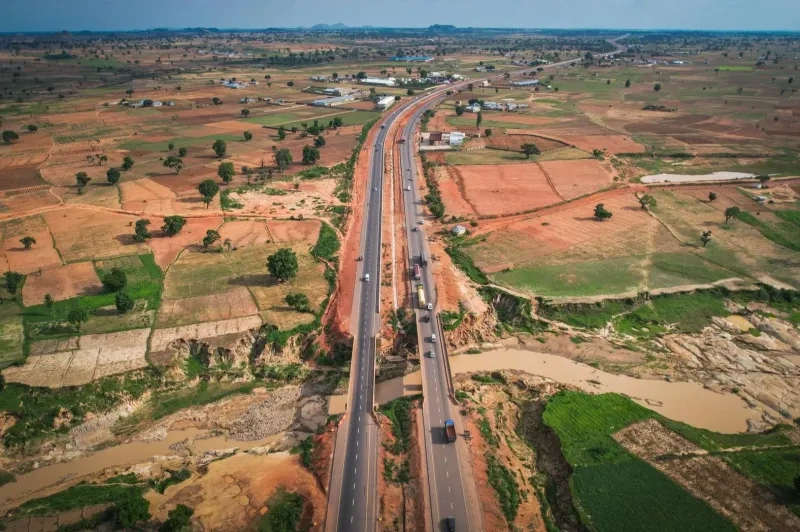
Conformément au plan officiel Kenya Vision 2030, le gouvernement kényan promeut activement les projets de construction et d'entretien du réseau routier national, notamment les routes nationales, les routes départementales, les routes rurales et la modernisation des voies rapides urbaines. Le programme Routes 2000, l'un des projets phares de Kenya Vision 2030, vise à améliorer en continu l'accessibilité des transports à l'échelle nationale et à promouvoir la construction et l'entretien de milliers de kilomètres de routes.
Source:Programme routier Vision 2030 du Kenya
Parallèlement, l'un des projets d'infrastructure les plus stratégiques d'Afrique de l'Est, le corridor LAPSSET (Corridor de transport Port de Lamu-Soudan du Sud-Éthiopie), contribue également à la croissance de la demande routière régionale. Ce corridor de transport relie le port de Lamu au Kenya, le Soudan du Sud et l'Éthiopie. Il comprend la construction d'autoroutes, de voies ferrées, de ports et de plateformes logistiques et est considéré comme l'un des axes économiques majeurs de l'Afrique de l'Est pour l'avenir.
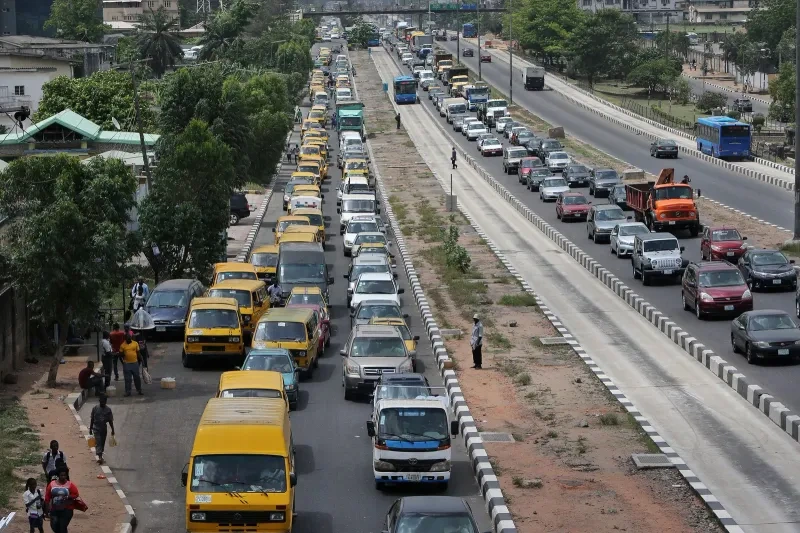
Avec l'avancement du corridor LAPSSET, de nombreux nouveaux projets routiers nécessitent des centrales d'enrobage à haut rendement et à grande mobilité. Comparées aux équipements fixes traditionnels, les centrales d'enrobage mobiles sont mieux adaptées au contexte actuel de construction au Kenya, caractérisé par une présence multirégionale, des chantiers multiples et des transferts rapides. De ce fait, les malaxeurs d'enrobage mobiles continuent de susciter un intérêt croissant sur le marché est-africain.
Outre la construction du corridor routier national, l'urbanisation du Kenya s'accélère. Nairobi, Mombasa, Kisumu et d'autres grandes villes ont entrepris ces dernières années des projets de voies rapides urbaines, de routes desservant les zones industrielles, de liaisons aéroportuaires et de modernisation du réseau routier municipal, entraînant une forte augmentation de la demande en enrobés bitumineux de haute qualité.
D'après les données publiées par Invest Kenya, le Kenya compte à ce jour plus de 9 484 kilomètres de routes asphaltées, et le réseau routier national continue de s'étendre. Grâce à l'augmentation constante des investissements dans les infrastructures par le gouvernement et les institutions financières internationales, le marché kényan de la construction routière devrait maintenir un taux de croissance élevé dans les années à venir.
Source:Aperçu des infrastructures d'Invest Kenya
Pour les fabricants d'équipements pour l'asphalte, le Kenya représente non seulement l'un des plus importants marchés de la construction routière en Afrique de l'Est, mais s'impose également comme un maillon stratégique majeur du marché africain des centrales d'enrobage mobiles. Face à la croissance simultanée des travaux routiers dans les zones reculées, des projets d'autoroutes interrégionales et des besoins en entretien du réseau routier, les centrales d'enrobage mobiles de grande capacité, caractérisées par une installation rapide, une facilité de transport et des exigences de génie civil réduites, constituent un axe de développement important pour le secteur de la construction routière au Kenya.
II. Construction de routes au Kenya
Aperçu du marché de la construction routière au Kenya
Ces dernières années, le marché de la construction routière au Kenya a connu une expansion continue. Grâce à la mise en œuvre simultanée de la Vision 2030 du Kenya, de la stratégie d'interconnexion régionale de l'Afrique de l'Est et de l'urbanisation, les investissements dans les infrastructures routières kényanes se sont multipliés, faisant progressivement du Kenya l'un des principaux moteurs de croissance du marché des infrastructures routières en Afrique de l'Est.
Actuellement, la demande en matière de construction routière au Kenya provient principalement de quatre axes : la modernisation des routes nationales, l’amélioration des routes rurales de comté, la construction d’autoroutes urbaines et les projets de corridors de transport régionaux. Ces grands projets d’infrastructure stimulent non seulement la croissance rapide du marché kényan des centrales d’enrobage, mais accroissent également considérablement la demande en équipements connexes tels que les centrales d’enrobage mobiles, les équipements d’émulsion de bitume et les engins d’entretien routier.
Conformément au plan officiel de Kenya Vision 2030, le Kenya continuera à promouvoir la modernisation de son réseau routier national, prévoyant de construire et d'entretenir environ 5 500 kilomètres de routes afin d'améliorer les transports ruraux, la logistique régionale et la connectivité économique nationale.
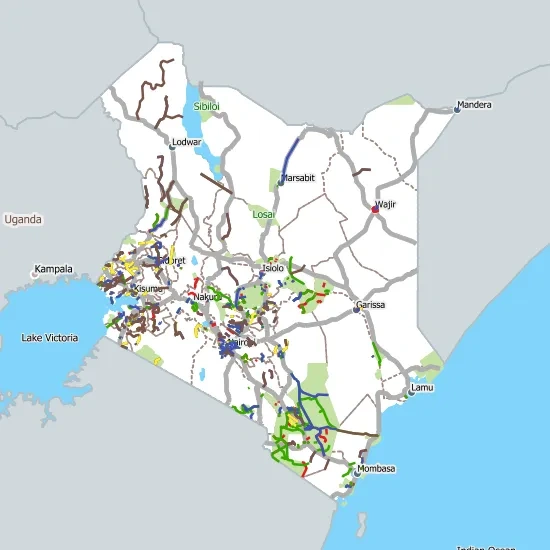
Plan d'investissement pour l'industrie routière du Kenya
Source:Programme routier Vision 2030 du Kenya
Parallèlement, les capitaux internationaux continuent d'affluer dans le secteur des infrastructures kényan. Selon un rapport de Reuters, près de 6 milliards de dollars américains de nouveaux financements à court terme ont été injectés dans le Kenya d'ici 2025, destinés à soutenir la construction de projets d'infrastructures routières. Cela confirme que les projets autoroutiers au Kenya demeurent un axe d'investissement prioritaire pour le gouvernement.
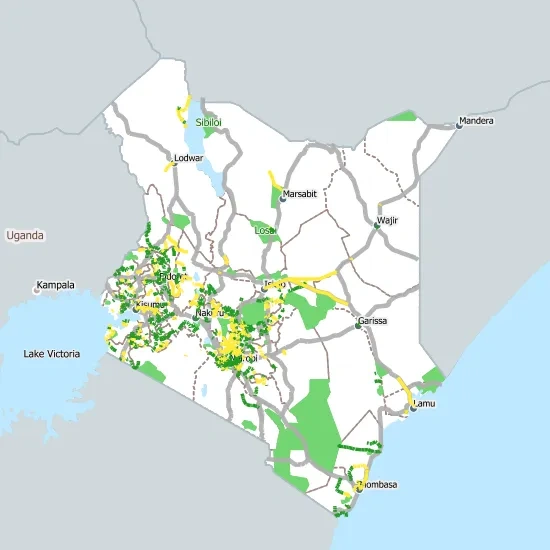
Zones prioritaires pour la construction d'autoroutes au Kenya
Source:Rapport de Reuters sur le financement des routes au Kenya
Dans ce contexte, les centrales d'enrobage super mobiles, caractérisées par une grande mobilité, une capacité d'installation rapide et des coûts d'exploitation globaux plus faibles, deviennent progressivement un choix d'équipement important sur le marché kényan de la construction routière.
Élargissement de la route nationale du Kenya
L'élargissement du réseau routier national est l'un des axes prioritaires de la modernisation des infrastructures routières du Kenya. Afin d'améliorer l'efficacité de la logistique nationale et de renforcer les liens commerciaux avec les pays voisins, le gouvernement kenyan promeut sans relâche la construction de plusieurs corridors de transport nationaux, notamment :
- Amélioration de l'autoroute Nairobi-Mombasa
- Projet d'autoroute de Nairobi
- Réseau de transport du corridor nord
- Système autoroutier du corridor LAPSSET
- Projet de route transfrontalière Kenya-Ouganda
Ces grands projets autoroutiers ont engendré des exigences accrues en matière de capacité de production d'asphalte. En particulier sur les chantiers de longue distance, les centrales d'enrobage fixes traditionnelles rencontrent souvent des difficultés de transport, des coûts de déplacement élevés et des délais de construction importants, ce qui rend les avantages des centrales d'enrobage mobiles de plus en plus évidents dans la construction des autoroutes au Kenya.
Pour un grand nombre de projets routiers interrégionaux, la centrale d'enrobage mobile à tambour super performante permet de réaliser :
- Installation rapide
- Relocalisation multipoint
- Coûts de transport réduits
- Capacité de construction continue améliorée pour les projets
Ce type d'équipement est particulièrement adapté aux vastes chantiers de construction routière en Afrique de l'Est.
Projets de routes rurales de comté au Kenya
Outre les projets d'autoroutes nationales, la construction de routes rurales au niveau des comtés au Kenya connaît également une croissance rapide.
Ces dernières années, le gouvernement kényan a encouragé des projets d'amélioration du trafic dans les zones rurales, dans l'espoir d'améliorer l'efficacité du transport agricole, de favoriser le développement économique régional et de faciliter l'accès aux zones reculées grâce à la construction de routes. De nombreux projets de routes départementales sont répartis dans les comtés suivants :
- La vallée du Rift
- Kenya occidental
- Turkana
- Les environs de Kisumu
- Région côtière
Comparativement aux grands projets d'autoroutes nationales, les projets de routes départementales présentent généralement les caractéristiques suivantes :
- Le projet est de petite et moyenne envergure.
- La répartition des ingénieurs est dispersée.
- La période de construction est courte
- Le déplacement des équipements est fréquent
- Sensible à la période de rendement des investissements
Par conséquent, les équipements de centrales d'asphalte mobiles de petite taille, modulaires et à faible exigence en génie civil au Kenya correspondent davantage aux besoins de construction des projets au niveau du comté.
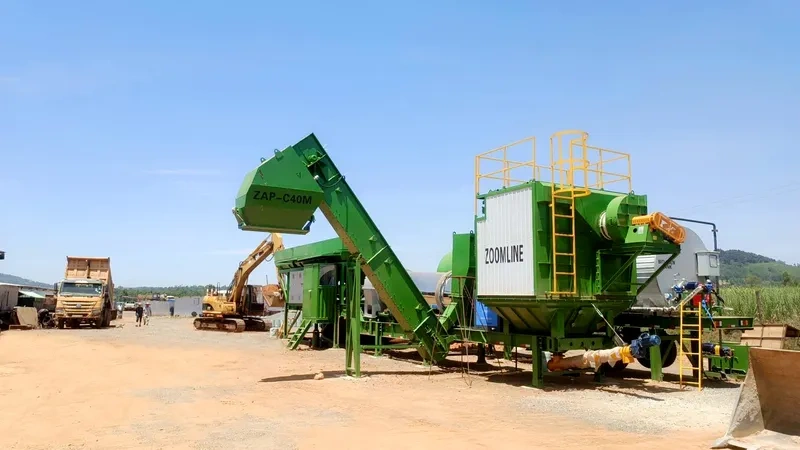
Les centrales à malaxage mobiles à tambour de capacité 40 à 80 TPH, en particulier, présentent un degré d'adaptabilité élevé sur le marché de la construction de routes rurales au Kenya.
Demande de construction d'autoroutes urbaines
Avec la croissance continue de la population urbaine du Kenya, des villes comme Nairobi, Mombasa et Kisumu connaissent un développement rapide de leurs réseaux autoroutiers. Nairobi est devenue, ces dernières années, l'un des marchés les plus dynamiques d'Afrique de l'Est pour la construction d'autoroutes.
- Autoroute de Nairobi
- Contournement sud
- Contournement Est
- Routes de liaison aéroportuaires
- Amélioration de la route de la zone industrielle
Ces projets ont des exigences plus élevées en matière de stabilité de la qualité de l'asphalte, de capacité de production continue et d'efficacité de la construction.
La construction d'autoroutes urbaines présente généralement les caractéristiques suivantes :
- calendrier de construction serré
- Travail de nuit fréquent
- Exigences élevées en matière de contrôle de la température
- Demande accrue d'asphalte de haute qualité
- Des exigences plus strictes en matière de protection de l'environnement
C’est pourquoi les centrales d’enrobage à tambour dotées de systèmes de contrôle intelligents, de capacités de production continue et de systèmes de combustion efficaces sont de plus en plus utilisées dans les projets routiers urbains du Kenya.
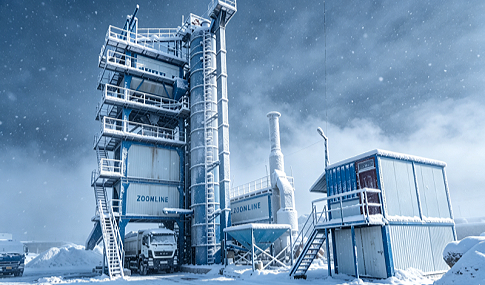
Dans le même temps, les systèmes de dépoussiérage respectueux de l'environnement et les systèmes de combustion à faible consommation d'énergie deviennent progressivement des normes d'approvisionnement importantes pour le marché kényan des centrales d'asphalte.
Des entrepreneurs chinois dans des projets routiers au Kenya
Sur le marché kényan de la construction routière, les entreprises chinoises sont devenues un acteur important.
Ces dernières années, notamment :
- Société chinoise des routes et des ponts (CRBC)
- China Communications Construction Company (CCCC)
- Sinohydro
- Chine Wu Yi
- AVIC International
Les entreprises chinoises participent régulièrement aux projets de construction d'autoroutes, de ponts, de voies rapides urbaines et d'infrastructures routières au Kenya.
Les avantages des entreprises chinoises dans les projets d'infrastructure du Kenya comprennent principalement :
- Solide expérience dans les projets de grande envergure
- Haute efficacité de réalisation de projet
- Financement et construction intégrés
- Chaîne d'approvisionnement complète en équipements
- Fonctionnalités améliorées du service de localisation
Alors que les entreprises chinoises continuent de se développer sur le marché de la construction routière en Afrique de l'Est, la demande d'équipements pour centrales d'asphalte de fabrication chinoise a également augmenté.
Ces dernières années, les centrales d'enrobage mobiles chinoises présentant les caractéristiques suivantes ont particulièrement émergé :
- Transport rapide
- Structure modulaire
- Contrôle intelligent
- Rapport qualité-prix élevé
bénéficient d'une reconnaissance croissante sur le marché kenyan.
Cela offre également une importante opportunité de croissance aux fabricants chinois d'équipements pour l'asphalte afin de pénétrer le marché des équipements pour l'asphalte en Afrique de l'Est.
III. Pourquoi les centrales d'enrobage mobiles sont plus adaptées au marché kenyan
3.1 Environnement et caractéristiques des projets de construction routière au Kenya
Sur le marché de la construction routière en Afrique de l'Est, le Kenya est considéré comme l'un des pays les plus propices au développement de centrales d'enrobage mobiles. Ce constat tient non seulement à la rapidité de la construction des infrastructures locales, mais aussi aux caractéristiques propres aux projets routiers kényans.
Comparativement aux marchés matures d'Europe et d'Amérique, les projets de construction routière au Kenya présentent souvent des caractéristiques telles que de vastes superficies, une dispersion des chantiers et des infrastructures limitées. De ce fait, les centrales d'enrobage fixes traditionnelles peinent à atteindre une efficacité optimale sur de nombreux chantiers, tandis que les centrales mobiles, grâce à leur capacité de déplacement rapide sur site, offrent une meilleure adaptabilité.
Chantiers de construction dispersés à travers le Kenya
Les projets de construction de routes au Kenya sont largement répartis dans :
- Région métropolitaine de Nairobi
- Région côtière
- La vallée du Rift
- Kenya occidental
- Nord du Kenya
- corridors de transport frontaliers
Un grand nombre de projets sont situés dans des zones de niveau départemental, voire dans des zones rurales reculées, avec des distances considérables entre les différents chantiers, et les entreprises de construction doivent fréquemment transférer leur matériel.
Pour les centrales d'enrobage fixes, le démontage, le transport et la réinstallation des équipements sont souvent longs et coûteux. En revanche, la centrale d'enrobage mobile du Kenya, grâce à sa conception modulaire, permet un démontage et un transport rapides, ce qui la rend plus adaptée au modèle de construction multirégional en Afrique de l'Est.
Projets routiers temporaires et à réalisation rapide
De nombreux projets routiers au Kenya appartiennent actuellement à :
- Projets à cycle court
- projets de mise à niveau temporaires
- Réparations routières d'urgence
- Projets d'amélioration des routes du comté
- projets de construction par étapes en PPP
Ces projets nécessitent généralement que les unités de construction soient achevées dans un délai court :
- Arrivée du matériel
- Installation et débogage
- Production d'asphalte
- Retrait du projet
Le long cycle d'installation des centrales d'enrobage fixes traditionnelles ne permet souvent pas de répondre aux besoins de construction des projets à réalisation rapide.
À l'inverse, les centrales d'enrobage mobiles peuvent généralement achever leur installation et leur production en 7 à 15 jours, raccourcissant considérablement la période de préparation du projet.
Défis liés au transport dans les régions montagneuses et isolées
Certaines régions du Kenya présentent un relief complexe, notamment :
- La vallée du Rift
- Hautes terres occidentales
- Nord du Kenya
- Zones frontalières de l'Éthiopie
Les routes montagneuses, les routes non pavées et l'insuffisance des infrastructures de transport rendront le transport des équipements fixes de grande taille plus difficile.
Les centrales d'enrobage fixes traditionnelles nécessitent généralement :
- Gros équipements de levage
- Véhicules de transport lourds
- Sites d'installation plus importants
Cependant, la centrale d'enrobage mobile à tambour adopte des structures conteneurisées et modulaires, ce qui permet de réduire les difficultés de transport et les besoins de levage sur site, la rendant ainsi plus adaptée aux projets de construction de routes dans des régions reculées d'Afrique.
Environnement de construction complexe en Afrique de l'Est
L'environnement de construction routière au Kenya présente généralement les caractéristiques suivantes :
- Environnement à haute température
- Poussière forte
- Saison des pluies évidente
- Alimentation instable
- sites de projets distants
Par conséquent, le marché kényan des centrales d'enrobage a des exigences plus élevées en matière d'équipement :
- Forte stabilité
- Haut rendement de combustion
- Forte capacité de protection contre la poussière
- Entretien facile
- Capacité d'adaptation à la construction continue
La centrale d'enrobage mobile à tambour (centrale à malaxage à tambour), grâce à sa structure relativement simple et à sa forte capacité de production continue, a une plus grande applicabilité sur le marché de l'Afrique de l'Est.
3.2 Centrale d'enrobage fixe vs centrale d'enrobage mobile
Face à la croissance continue des projets d'infrastructures routières au Kenya, les entreprises de construction sont de plus en plus préoccupées par l'efficacité des investissements dans les centrales d'asphalte et par les coûts d'exploitation globaux des projets.
Comparativement aux équipements fixes traditionnels, les avantages des centrales d'enrobage mobiles de grande capacité se développent rapidement sur le marché est-africain.
Vous trouverez ci-dessous une comparaison des stations d'enrobage fixes et mobiles courantes sur le marché kenyan :
| Indicateur | Usine d'asphalte stationnaire | Super centrale d'enrobage mobile |
| Période d'installation | 30 à 60 jours | 7 à 15 jours |
| Capacité de relocalisation | Low | Haute |
| Génie civil | Haute | Low |
| Les coûts de transport | Haute | Coût en adjuvantation plus élevé. |
| Complexité du démontage | Haute | Low |
| Projets appropriés | Projets de grande envergure | Projets avec relocalisations fréquentes |
| Adapté aux zones reculées | Généralités | Excellent |
| Adéquation du marché au Kenya | Généralités | Très élevé |
Dans le contexte actuel du marché kényan, un grand nombre de projets ont été lancés :
- Courte période de construction
- Lieux dispersés
- Déménagements fréquents
- Budget d'investissement sensible
Par conséquent, les centrales d'enrobage mobiles à déploiement rapide remplacent progressivement certains équipements fixes traditionnels.
3.2.1 Pourquoi les centrales d'enrobage mobiles sont-elles populaires au Kenya ?
Les centrales d'enrobage mobiles connaissent une croissance rapide sur le marché kenyan, principalement pour les raisons suivantes :
Déploiement de projet plus rapide
Le matériel peut être rapidement transporté sur le chantier, installé et mis en service en peu de temps.
Coût des fondations civiles réduit
Les équipements mobiles ne nécessitent généralement qu'une fondation simple, ce qui réduit les investissements en génie civil.
Amélioration de la mobilité entre les projets
Pour plusieurs projets routiers départementaux, il est possible de réaliser un transfert de site et une construction rapides.
Coûts de transport réduits
La structure modulaire réduit la difficulté du transport hors gabarit.
Retour sur investissement plus élevé pour les entrepreneurs
Utilisation accrue des équipements et réduction du délai de récupération des investissements.
En particulier pour les entrepreneurs locaux et les petites et moyennes entreprises de construction au Kenya, la centrale d'asphalte mobile Kenya offre un meilleur rapport coût-efficacité.
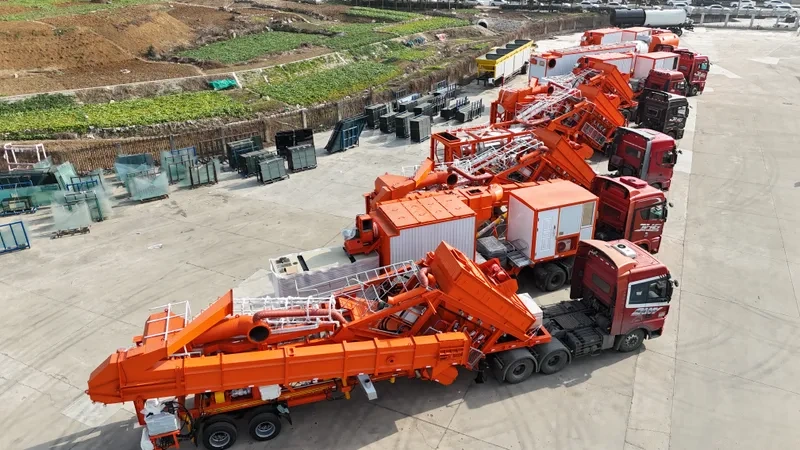
3.2.2 Avantages des centrales d'enrobage mobiles ultra-rapides en Afrique
Par rapport aux équipements mobiles ordinaires, les centrales d'enrobage mobiles super performantes mettent l'accent sur les points suivants :
- Intégration élevée
- Démontage et assemblage rapides
- Forte mobilité
- Transport modulaire
- capacité de production continue
En Afrique, les principaux avantages des projets de construction routière sont les suivants :
Adaptabilité aux environnements difficiles
Adaptable aux températures élevées, à la poussière et aux conditions routières complexes.
Adapté aux projets transfrontaliers
Adapté aux projets d'ingénierie routière transfrontaliers en Afrique de l'Est.
Temps d'arrêt réduit
Réduit les temps d'arrêt liés à l'installation et au démontage des équipements.
Production continue d'asphalte
La production en continu par rouleaux est plus adaptée à la construction de routes de longue distance.
Coût global du projet réduit
Réduit les coûts d'exploitation globaux et les besoins en main-d'œuvre.
Avec la croissance des investissements dans les infrastructures en Afrique de l'Est, les centrales d'enrobage mobiles de grande capacité deviennent progressivement un équipement incontournable dans la construction routière régionale.
3.2.3 Comparaison des coûts entre les centrales d'enrobage fixes et mobiles
Pour les entrepreneurs kényans, l'acquisition d'équipements ne se limite pas au prix initial, mais porte également sur :
- Coût total du cycle de vie
- coût de transfert de site
- Les coûts d'installation
- Perte de temps d'arrêt
- adaptabilité du projet
Les équipements fixes conviennent aux grands projets à long terme, mais dans le contexte actuel du grand nombre de projets à moyen et court terme au Kenya, leurs coûts élevés de génie civil et de relocalisation affectent souvent le retour sur investissement.
L'usine d'asphalte mobile Africa présente les avantages suivants :
- Réduction des coûts d'infrastructure
- période d'installation plus courte
- Taux d'utilisation des projets plus élevé
- Planification des équipements plus flexible
- Risque de transport réduit
Par conséquent, un nombre croissant d'entrepreneurs routiers kenyans commencent à privilégier les centrales d'enrobage à tambour mobiles comme équipement de construction principal.
IV. Analyse technique de la centrale d'enrobage mobile à tambour (ZAP-C40M)
4.1 Présentation technique du ZAP-C40M
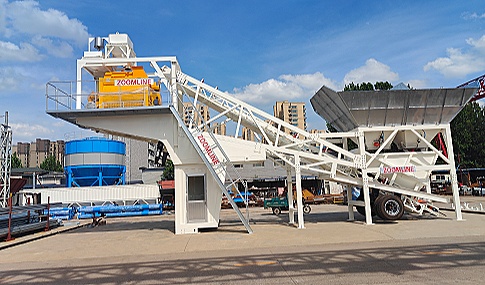
Dans un contexte de croissance continue du marché de la construction routière au Kenya, une centrale d'enrobage mobile ultra-performante, caractérisée par une grande mobilité, une installation rapide et une capacité de production stable, s'impose comme un équipement de choix dans le secteur de la construction routière en Afrique de l'Est. Parmi ces centrales, on peut citer la centrale d'enrobage mobile à tambour ZAP-C40M lancée par Zoomline est une solution d'asphalte mobile spécialement conçue pour répondre aux besoins de construction rapides et à la complexité des transports sur plusieurs sites en Afrique.
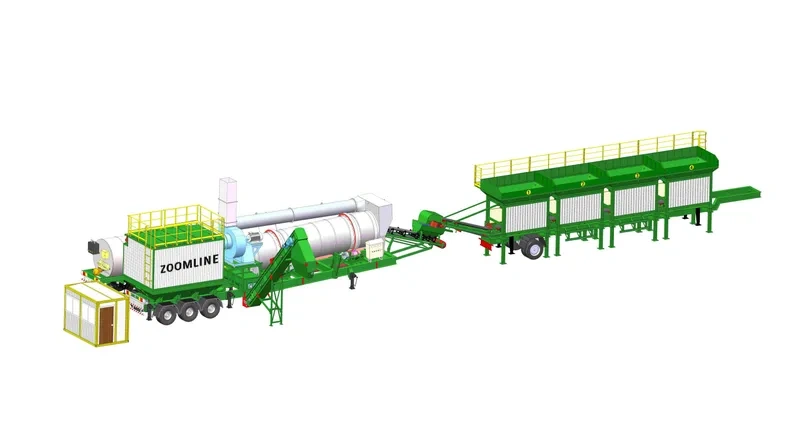
Page produit:Zoomline Installation de malaxage à tambour super mobile
Le ZAP-C40M utilise le procédé de malaxage continu à tambour, avec une capacité de production nominale allant jusqu'à 40 tonnes par heure, répondant ainsi aux besoins de construction des routes départementales à grande échelle, d'entretien des autoroutes et de projets routiers de petite et moyenne envergure au Kenya. Comparée aux équipements intermittents traditionnels, la structure de production continue à tambour est plus simple, le poids total de l'équipement est plus léger et il est également mieux adapté aux environnements de construction à changements de chantier fréquents en Afrique de l'Est.
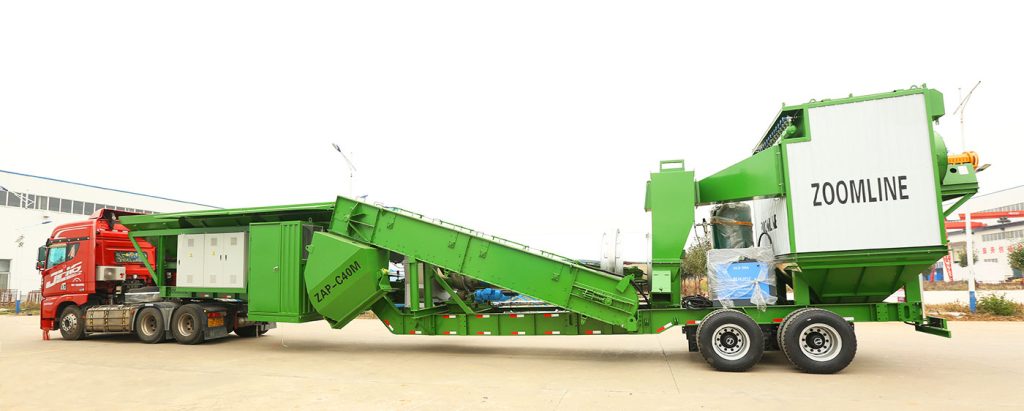
L'une des principales caractéristiques de cet équipement est l'adoption d'une structure intégrée ultra-mobile. Dès sa conception, le système a été pensé pour tenir compte des contraintes logistiques africaines, grâce à des agencements modulaires et conteneurisés qui simplifient considérablement le transport du matériel. Pour les projets situés dans les régions reculées du Kenya, cette conception permet de réduire efficacement les coûts de transport et les délais d'acheminement du matériel sur site.
Dans les centrales d'enrobage fixes traditionnelles, l'installation sur site est généralement longue et nécessite des engins de levage de grande taille. En revanche, la structure à installation rapide du ZAP-C40M permet une mise en place en un temps beaucoup plus court.
- Positionnement de l'équipement
- Connexion système
- Débogage des commandes électriques
- Alimentation en matériaux et production
Cela représente clairement un avantage significatif pour les projets routiers à réalisation rapide du Kenya.
Parallèlement, la conception globale de l'engin est mieux adaptée aux conditions routières d'Afrique de l'Est. Même dans les zones montagneuses aux infrastructures de transport difficiles, sur les routes départementales et les chantiers temporaires, le ZAP-C40M conserve une mobilité et une adaptabilité élevées.
4.2 Analyse de la structure des équipements
4.2.1 Système d'alimentation en agrégats
Le système d'alimentation en granulats est l'un des fondements essentiels de la production continue d'une centrale d'enrobage.
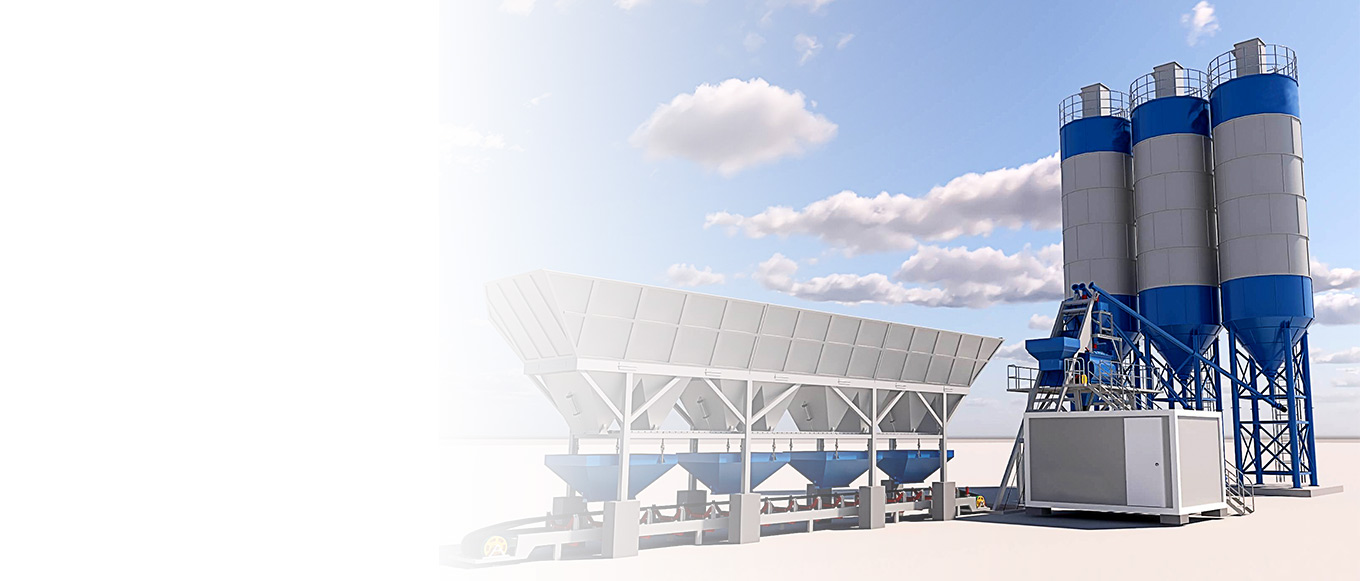
Le ZAP-C40M est équipé d'un système d'alimentation modulaire en granulats assurant un approvisionnement continu et stable en granulats de différentes spécifications. Sa conception intégrée et mobile facilite le transport tout en garantissant la stabilité de fonctionnement de l'équipement.
Face à la poussière, aux températures élevées et aux conditions de travail instables qui caractérisent souvent les chantiers routiers au Kenya, l'équipement a été renforcé au niveau de la structure de la trémie et du système de convoyage, réduisant ainsi efficacement le risque de blocage des matériaux et améliorant les capacités de construction en continu.
Pour les nombreux projets routiers longue distance en Afrique de l'Est, la stabilité de l'approvisionnement en granulats influe directement sur l'efficacité de la production d'asphalte ; un système d'alimentation continu et uniforme est donc particulièrement important pour améliorer l'efficacité de la construction des projets.
4.2.2 Système de tambour de séchage
Le système de séchage à tambour est l'un des éléments essentiels d'une centrale d'enrobage à tambour.
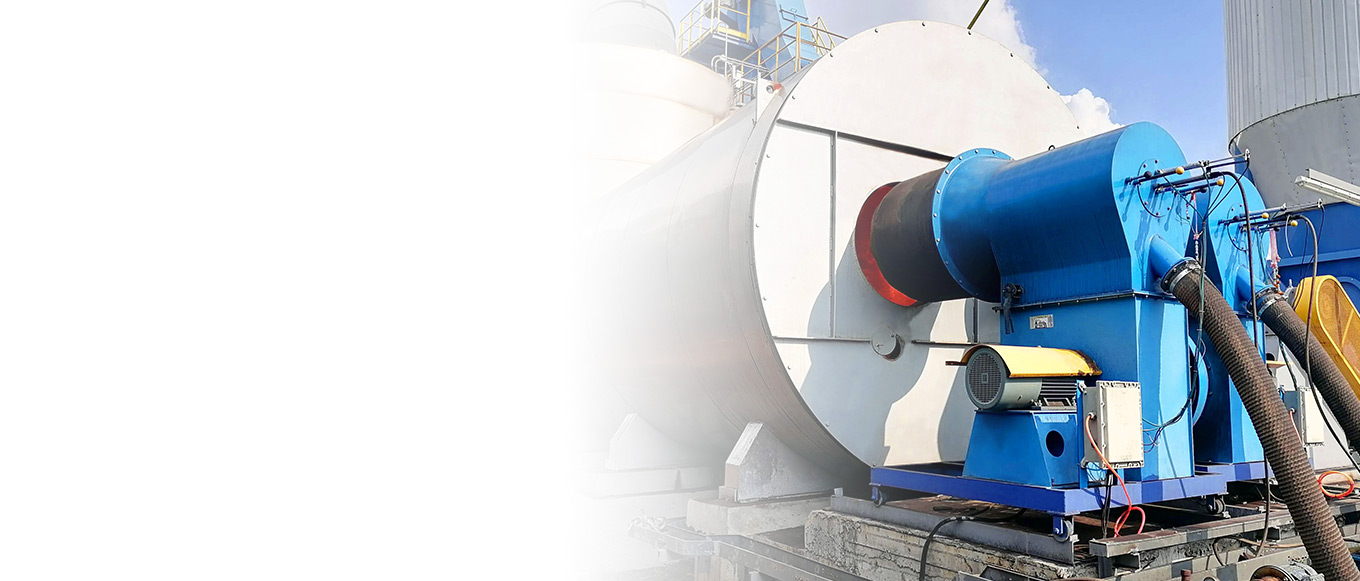
Le ZAP-C40M utilise un système de chauffage par rouleaux performant pour assurer le séchage et le chauffage des granulats par rotation continue. Comparé aux systèmes traditionnels complexes à fonctionnement intermittent, le système à tambour présente les avantages suivants :
- Efficacité thermique supérieure
- Structure plus compacte
- Taux d'échec inférieur
- Plus adapté à la construction continue
Notamment dans les projets de construction d'autoroutes au Kenya, le pavage continu sur de longues distances nécessite souvent un fonctionnement stable des équipements pendant une longue période, ce qui rend le système de production continue Drum Mix plus avantageux.
Le système de combustion de l'équipement peut s'adapter à différentes solutions de carburant en fonction des besoins de construction, offrant une plus grande flexibilité dans les conditions d'approvisionnement en carburant de l'Afrique de l'Est.
De plus, la structure interne des pales du tambour a été optimisée afin d'améliorer l'efficacité des échanges thermiques, réduisant ainsi la consommation de carburant et les pertes de chaleur.
4.2.3 Système de chauffage du bitume
Dans le processus de production d'asphalte, le système de chauffage du bitume influe directement sur la stabilité et la qualité du mélange.
Le ZAP-C40M est équipé d'un système de chauffage du bitume performant qui assure une régulation stable de la température et une alimentation continue en huile. Pour les projets d'autoroutes urbaines et la construction de routes de haute qualité au Kenya, une régulation stable de la température de l'asphalte est essentielle.
La conception du système tient pleinement compte des conditions climatiques africaines, garantissant un fonctionnement relativement stable même à haute température. Par ailleurs, la structure modulaire du réservoir d'asphalte facilite le transport et l'installation sur site.
Pour les entreprises de construction en Afrique de l'Est, un bon système de chauffage influe non seulement sur la qualité de l'asphalte, mais aussi directement sur :
- Coût du carburant
- Efficacité de la construction
- Contrôle du vieillissement de l'asphalte
- Stabilité globale de la production
Par conséquent, un système de contrôle de température efficace est devenu l'un des facteurs de compétitivité importants des centrales d'enrobage mobiles modernes.
4.2.4 Système de contrôle intelligent
Avec la modernisation progressive du marché africain de la construction routière, l'importance des systèmes de contrôle intelligents dans les équipements des centrales d'enrobage s'accroît.
Le ZAP-C40M est équipé d'un système de contrôle intelligent capable de réaliser :
- Contrôle automatique des lots
- Surveillance des températures
- Gestion des données de production
- Alarme de défaut
- ajustement des paramètres de production
Pour les entreprises de construction kényanes, le système automatisé permet de réduire efficacement les erreurs de manipulation manuelle et d'améliorer la consistance du mélange d'asphalte.
Dans le contexte actuel au Kenya, où la main-d'œuvre technique est relativement rare, le système de contrôle intelligent peut aider les entreprises de construction à réduire les coûts de formation et à minimiser les fluctuations de production dues à l'intervention humaine.
De plus, la commande automatisée peut également améliorer l'efficacité opérationnelle des équipements et réduire le gaspillage de carburant, ce qui est important pour maîtriser les coûts d'exploitation des centrales d'asphalte.
4.2.5 Système de dépoussiérage
Avec l'amélioration continue des normes environnementales au Kenya, la performance environnementale est devenue l'un des critères d'approvisionnement importants sur le marché des centrales d'asphalte au Kenya.
La ZAP-C40M est équipée d'un système de dépoussiérage permettant de réduire efficacement les émissions de poussières pendant le processus de production. Pour les projets routiers dans des villes comme Nairobi et Mombasa, la performance environnementale est particulièrement importante.
Sur le marché est-africain, les environnements de construction présentent généralement des concentrations de poussière élevées ; un système de dépoussiérage efficace permet donc non seulement de répondre aux exigences environnementales, mais aussi d'améliorer l'environnement de fonctionnement des équipements et la sécurité opérationnelle.
Dans le même temps, le système de flux d'air optimisé permet également d'améliorer l'efficacité de la combustion et de réduire les pertes de chaleur, réduisant ainsi davantage la consommation d'énergie de production.
4.3 Avantages de la conception Super Mobile
Comparée aux centrales d'enrobage fixes traditionnelles, la compétitivité de base de la centrale d'enrobage mobile à tambour ZAP-C40M se reflète principalement dans sa mobilité et son adaptabilité aux projets.
Au Kenya, sur les chantiers routiers, les équipes de construction doivent fréquemment changer de site et faire face à des conditions de transport complexes. La structure ultra-mobile permet de raccourcir considérablement le cycle de démontage et de remontage des équipements, réduisant ainsi les temps d'arrêt et optimisant leur utilisation.
Grâce à sa conception modulaire et conteneurisée, le transport de l'équipement est facilité, ce qui le rend particulièrement adapté aux chantiers isolés d'Afrique de l'Est. Comparé aux équipements fixes traditionnels de grande taille, le ZAP-C40M permet de réduire la dépendance aux engins de levage lourds, et donc les coûts d'installation sur site.
De plus, la structure globale de l'équipement est mieux adaptée au modèle de construction multi-sites du Kenya. Lors des transferts entre différents chantiers, elle permet de réduire efficacement :
- Temps de transport
- coûts de levage
- Main d'oeuvre d'installation
- coûts de construction des fondations
Cela revêt une grande importance pour les entrepreneurs kenyans afin d'améliorer le retour sur investissement de leurs projets.
Avec la croissance continue des investissements dans les infrastructures en Afrique de l'Est, les centrales d'enrobage mobiles ultra-performantes, caractérisées par une grande mobilité, une grande stabilité et de faibles coûts d'exploitation globaux, deviennent progressivement une orientation de développement importante sur le marché africain des équipements pour l'enrobage.
V. Zoomline Analyse approfondie du projet Kenya
Projet de centrale d'enrobage mobile ZAP-C40M au Kenya
Face à l'expansion continue du marché de la construction routière en Afrique de l'Est, un nombre croissant d'entrepreneurs kényans s'intéressent aux solutions de centrales d'enrobage mobiles qui allient grande mobilité et rapidité de déploiement. La mise en œuvre réussie de Zoomline L'usine de mélange à tambour mobile super ZAP-C40M au Kenya a fourni un cas pratique représentatif de l'application des usines d'asphalte super mobiles dans la construction de routes africaines.
Source du cas :Étude de cas de la centrale d'enrobage mobile ZAP-C40M
Ce projet reflète non seulement la croissance rapide de la demande d'équipements mobiles sur le marché kenyan des centrales d'enrobage, mais démontre également l'adaptabilité réelle des malaxeurs d'enrobage à tambour super mobiles dans les environnements de construction complexes d'Afrique de l'Est.
5.1.1 Contexte du projet
Face à l'augmentation constante des investissements dans les infrastructures routières au Kenya, de nombreux projets de construction routière dans la région sont entrés dans une phase de réalisation accélérée. L'amélioration des routes départementales, la modernisation des autoroutes et la construction du réseau de transport régional entraînent notamment une forte hausse de la demande en équipements de production d'asphalte.
Le client de ce projet est spécialisé dans :
- Projets de construction de routes
- projets d'entretien des routes
- Amélioration des routes régionales
- Construction d'infrastructures
En raison de la dispersion des sites du projet et du fait que certaines zones de construction se situent dans des régions aux conditions de transport relativement complexes, le client s'est concentré sur les aspects suivants lors de la phase de sélection des équipements :
- efficacité du déplacement d'équipement
- Période d'installation
- Facilité de transport
- Stabilité de la production
- coûts opérationnels globaux
Comparée aux centrales d'enrobage fixes traditionnelles, la centrale d'enrobage mobile à tambour ZAP-C40M est plus adaptée à l'environnement de travail mobile multi-projets actuel du Kenya et a donc été sélectionnée pour les projets de construction de routes locales.
La zone de mise en œuvre du projet présente des caractéristiques typiques de la construction routière en Afrique de l'Est, notamment :
- Longues distances entre les chantiers
- Les conditions de transport routier sont limitées dans certaines régions.
- calendriers de construction serrés
- Températures ambiantes élevées
- Environnement poussiéreux important
Ces exigences imposent également des normes plus élevées en matière d'adaptabilité des équipements des centrales d'enrobage.
5.1.2 Calendrier d'installation
Pour les entreprises de travaux routiers kényanes, la durée d'installation des équipements influe directement sur la rapidité de démarrage et l'avancement global du chantier.
Les centrales d'enrobage fixes traditionnelles nécessitent souvent un temps d'installation plus long et d'importants travaux de génie civil et de levage. La centrale d'enrobage super mobile ZAP-C40M, grâce à sa structure intégrée et modulaire, démontre son avantage en termes de rapidité de déploiement sur le chantier au Kenya.
Une fois arrivé sur le site, l'équipement peut rapidement effectuer :
- Positionnement du module
- Connexion système
- Débogage des commandes électriques
- Essais du système de combustion
- Opération de production pilote
Comparée aux équipements fixes traditionnels, la conception ultra-mobile réduit considérablement :
- temps de construction civile
- besoins en équipements de levage
- Coûts de main d'œuvre d'installation
- périodes d'attente liées à l'indisponibilité
Pour les projets d'infrastructures à réalisation rapide en Afrique de l'Est, cette capacité d'installation rapide peut aider efficacement les entreprises de construction à saisir les opportunités et à améliorer l'efficacité de l'exécution des projets.
Parallèlement, grâce à la structure de transport plus compacte de l'équipement, les difficultés logistiques du transport intérieur au Kenya sont également réduites, ce qui le rend plus adapté à la construction de projets routiers interrégionaux.
5.1.3 Efficacité de production
Dans le secteur de la construction routière au Kenya, une capacité de production d'asphalte continue et stable est un facteur crucial pour déterminer l'efficacité des projets de construction.
Le ZAP-C40M utilise un système de production en continu à tambour mélangeur, ce qui permet un approvisionnement continu et stable et le rend plus adapté aux applications suivantes :
- pavage des routes longue distance
- Projets de construction en cours
- Projets d'entretien routier à haute intensité
- Construction de routes multipoints
Comparée à certains équipements intermittents traditionnels, la production en continu à tambour permet de réduire la fréquence des temps d'arrêt et d'améliorer l'efficacité globale de la production d'asphalte.
Sur le site du projet au Kenya, l'équipement peut maintenir un état de fonctionnement stable, même face à :
- Environnement à haute température
- Conditions poussiéreuses
- De longues heures de production continue
- conditions de construction à distance
Elle peut encore maintenir une bonne stabilité de production.
Pour les entreprises de construction d'Afrique de l'Est, l'efficacité de la production influe non seulement sur le rendement en asphalte, mais aussi directement sur :
- Durée du projet
- Les coûts de main-d'œuvre
- La consommation de carburant
- Utilisation de l'équipement
- Rentabilité globale du projet
Par conséquent, les centrales d'enrobage mobiles à haute stabilité s'imposent progressivement comme l'équipement dominant sur le marché kenyan de la construction routière.
5.1.4 Analyse de la consommation de carburant
Le coût du carburant a toujours constitué une composante importante des coûts d'exploitation des centrales d'asphalte.
Le combustible couramment utilisé dans les centrales d'asphalte au Kenya comprend principalement :
- Diesel
- Pétrole lourd
- Certains carburants industriels
En raison du coût élevé du transport du carburant en Afrique de l'Est, le rendement thermique des équipements a un impact significatif sur la rentabilité des entreprises de construction.
La centrale d'enrobage à tambour ZAP-C40M adopte une structure de tambour de séchage et une conception de système de combustion optimisées pour améliorer l'efficacité de l'échange de chaleur et réduire la consommation de carburant par unité de production d'asphalte.
La structure de production en continu permet également de réduire les pertes de chaleur dues aux démarrages et arrêts fréquents, améliorant ainsi l'efficacité énergétique.
Pour les projets routiers au Kenya, une consommation de carburant réduite signifie :
- Réduction des coûts d'exploitation
- Des marges bénéficiaires plus stables
- Retour sur investissement plus élevé pour les équipements
- Une compétitivité accrue sur le marché
Dans le même temps, une efficacité de combustion accrue contribue également à réduire les niveaux d'émissions, ce qui est plus conforme aux futures tendances environnementales des centrales d'asphalte au Kenya.
5.1.5 Retour sur investissement client
Sur le marché kényan des centrales d'enrobage, les entreprises de construction sont de plus en plus préoccupées par le retour sur investissement (ROI) des équipements.
L'un des principaux avantages de la centrale d'enrobage mobile par rapport à la centrale d'enrobage fixe traditionnelle réside dans son taux d'utilisation des équipements plus élevé et ses coûts d'exploitation globaux plus faibles.
Pour les entreprises de construction kényanes, la valeur de l'investissement du programme ZAP-C40M se reflète principalement dans :
- période d'installation plus courte
- Une efficacité de relocalisation accrue
- Capacité de réutilisation multi-projets renforcée
- Investissements réduits en génie civil
- Coûts de transport réduits
En raison des caractéristiques de répartition multirégionale des projets routiers en Afrique de l'Est, plus la mobilité des équipements est élevée, plus leur capacité de couverture du projet est importante.
Dans le même temps, le système de production en continu Drum Mix peut également aider les clients à améliorer l'efficacité de la production d'asphalte, améliorant ainsi la rentabilité globale du projet.
Pour un grand nombre de projets de routes départementales et de projets de construction de routes temporaires, la centrale d'asphalte mobile permet d'obtenir un retour sur investissement plus rapide que les équipements fixes traditionnels.
C’est également l’une des principales raisons pour lesquelles un nombre croissant d’entrepreneurs routiers kényans commencent à privilégier les solutions de centrales d’enrobage mobiles.
VI. Opportunités pour les équipements d'asphalte émulsionné sur le marché de l'entretien routier au Kenya
Avec l'expansion continue du réseau routier kényan, un nombre croissant de routes achevées entrent dans le cycle d'entretien. Comparé à la phase de développement précédente, dominée par la construction de nouvelles routes, le marché actuel de la construction routière au Kenya évolue progressivement vers un modèle à double demande : « construction + entretien ».
Dans ce contexte, le marché des usines d'émulsion de bitume au Kenya connaît une croissance rapide. Les équipements pour l'émulsion d'asphalte deviennent notamment un élément essentiel du secteur de l'entretien routier en Afrique de l'Est, que ce soit pour l'entretien des routes départementales, la réparation des routes urbaines ou la maintenance préventive des autoroutes.
Étude de cas:
Zoomline Usine de production d'émulsion de bitume de 6 TPH au Kenya
Une usine d'émulsion de bitume de 6 TPH a été envoyée avec succès au Kenya
Zoomline Commande signée pour une usine d'émulsion de bitume avec un client kenyan
6.1 Croissance du marché de l'entretien des routes au Kenya
Au cours de la dernière décennie, le Kenya a activement promu la construction de routes nationales, d'autoroutes urbaines et de routes départementales. Avec l'achèvement progressif d'un grand nombre de routes, le marché routier de l'Afrique de l'Est devrait connaître une croissance rapide de la demande en matière d'entretien routier.
Comparativement aux projets de construction de nouvelles routes, les projets d'entretien routier accordent généralement plus d'attention à :
- Efficacité de la construction
- Contrôle des coûts
- capacités de réparation rapide
- Performance environnementale
- Prolonger la durée de vie des véhicules
Par conséquent, les technologies de maintenance préventive telles que le microsurfaçage, le joint d'étanchéité et le joint de brouillard sont de plus en plus utilisées sur le marché kenyan.
Ces procédés de maintenance nécessitent une forte consommation de matériaux bitumineux émulsionnés, ce qui stimule directement la croissance du marché des équipements d'émulsion de bitume en Afrique.
La croissance actuelle de la demande en matière d'entretien des routes au Kenya provient principalement des sources suivantes :
Premièrement, un grand nombre de routes asphaltées construites au début du XXe siècle sont désormais en phase d'entretien. Avec l'augmentation du trafic, certaines routes présentent progressivement des signes de dégradation :
- Vieillissement des routes
- Fissures
- Ornières
- Usure de surface
Comparée aux méthodes traditionnelles de reconstruction à grande échelle, la technologie d'entretien par émulsion d'asphalte permet de prolonger la durée de vie des routes à moindre coût et est donc de plus en plus adoptée dans les projets d'entretien routier au Kenya.
Deuxièmement, le gouvernement kényan a continué d'augmenter le budget consacré à l'entretien des routes ces dernières années et de promouvoir des projets d'entretien routier à travers le pays. L'entretien des routes est devenu un volet important des investissements dans les infrastructures du Kenya.
Source:Projet d'entretien des routes du Kenya Vision 2030
De plus, face à l'impact de plus en plus évident des conditions climatiques de l'Afrique de l'Est sur la durabilité des routes, les entreprises de travaux publics s'intéressent de plus en plus aux solutions d'entretien préventif. L'asphalte émulsionné, grâce à ses caractéristiques :
- Construction à température normale
- Réduction de la consommation d'énergie
- Bonne performance environnementale
- Performances d'adhérence stables
est parfaitement applicable dans l'environnement climatique tropical du Kenya.
Notamment dans les projets de routes rurales départementales et les projets d'entretien urbain, les petites centrales d'émulsion de bitume mobiles sont plus facilement adaptées aux environnements de construction dispersés.
Avec l'expansion continue du marché de l'entretien des routes au Kenya, les équipements pour asphalte émulsionné devraient devenir l'un des principaux axes de croissance du marché des équipements pour asphalte en Afrique de l'Est.
Points clés techniques de l'usine d'émulsion de bitume 6.2 6TPH
En réponse aux besoins spécifiques du marché kényan de l'entretien des routes, ZoomlineL'usine d'émulsion de bitume de 6 TPH de [Nom de l'entreprise], grâce à sa conception intégrée et automatisée, peut répondre aux exigences de production continue et stable des projets d'entretien routier en Afrique de l'Est.
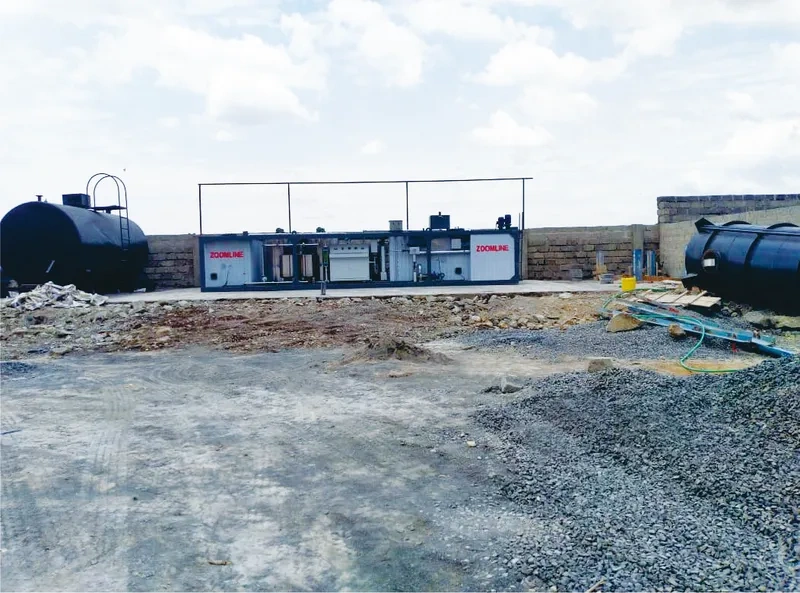
Comparé aux équipements d'émulsification simples traditionnels, cet équipement accorde une plus grande importance à :
- Contrôle d'automatisation
- Stabilité de la production
- Précision des proportions
- Optimisation de la consommation énergétique
- adaptabilité de la mobilité
Pour les entreprises de construction kényanes, ce type d'équipement permet non seulement d'améliorer l'efficacité des chantiers, mais aussi de réduire les coûts d'entretien à long terme.
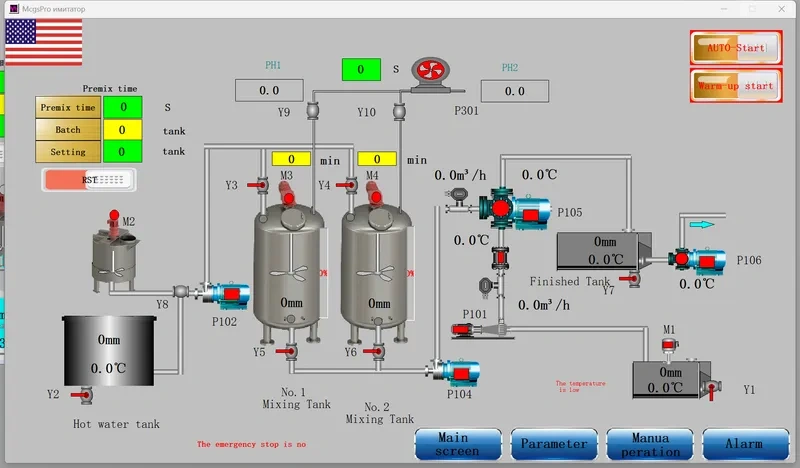
Système de contrôle intelligent PLC
L'équipement adopte un système de contrôle automatique PLC, permettant la gestion automatisée du processus de production d'asphalte en émulsion.
Le système de contrôle peut surveiller et ajuster en temps réel les paramètres suivants :
- Température
- Le débit (Anglais)
- Proportionnage
- Rythme de fabrication
Ainsi, on améliore la constance de la qualité de l'émulsion.
Au Kenya, dans le cadre des projets d'entretien routier, le contrôle automatisé permet de réduire efficacement les erreurs humaines et d'améliorer la stabilité des chantiers en cours.
Dans le même temps, le système PLC réduit également la difficulté d'utilisation des équipements, le rendant plus adapté à l'environnement de construction en Afrique de l'Est, où les ressources en techniciens sont actuellement relativement limitées.
Capacité de production continue
L'usine d'émulsion de bitume de 6 tonnes par heure utilise une structure de production continue, plus adaptée aux besoins de construction sur site des entrepreneurs d'entretien routier du Kenya.
Comparé aux équipements intermittents à petite échelle, le système de production continue peut fournir :
- Approvisionnement plus stable
- Efficacité de production plus élevée
- Fréquence des temps d'arrêt réduite
- Effet d'émulsion plus uniforme
Dans les projets d'enduit superficiel et de micro-revêtement, l'approvisionnement continu et stable en asphalte émulsionné est particulièrement crucial pour la qualité de la construction.
Dans le contexte des températures élevées de l'Afrique de l'Est, une capacité de production stable peut notamment aider les entrepreneurs à améliorer la continuité des travaux et à réduire le gaspillage de matériaux sur les chantiers.
Technologie de dosage précis
La qualité de l'asphalte émulsionné dépend fortement du contrôle des proportions des matières premières.
Cet équipement est doté d'un système de dosage précis, qui permet d'obtenir :
- Contrôle de la proportion d'asphalte
- Contrôle de la phase aqueuse
- Contrôle additif
- Mesure de l'émulsifiant
Ainsi, la qualité finale de l'émulsion de bitume est améliorée.
Pour les projets d'entretien des autoroutes au Kenya, des effets d'émulsification stables peuvent améliorer efficacement :
- performances d'adhérence à la route
- Résistance à l'eau
- Durabilité de la route
- qualité de la construction d'entretien
Ceci revêt une grande importance pour prolonger la durée de vie des routes kényanes.
Conception à économie d'énergie
Face aux fluctuations constantes des prix des carburants en Afrique de l'Est, l'efficacité énergétique est devenue une préoccupation majeure sur le marché kenyan des équipements pour l'asphalte.
L'usine d'émulsion de bitume de 6 tonnes par heure prend pleinement en compte les exigences d'économie d'énergie dans la conception du système, grâce à l'optimisation de :
- Structure de chauffage
- Agencement du processus
- efficacité d'utilisation de l'énergie thermique
- mode de production continue
Réduction efficace de la consommation énergétique globale.
Comparée à la technologie traditionnelle de construction à l'asphalte chaud à haute température, la technologie de l'asphalte émulsionné permet de réduire la consommation d'énergie et les émissions de carbone pendant le processus de construction.
Cela correspond également davantage à la tendance de développement future des solutions de construction à faible émission de carbone dans le secteur de l'entretien des routes au Kenya.
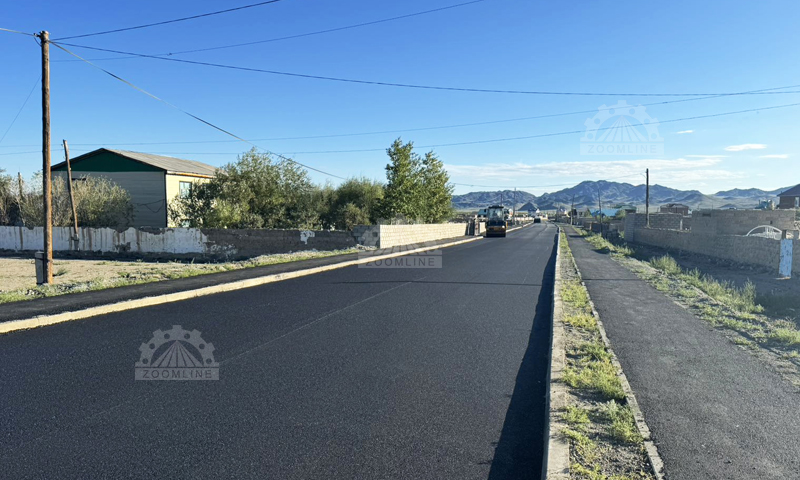
Alors que le marché de l'entretien des routes au Kenya continue de croître et que la gestion du cycle de vie des infrastructures en Afrique de l'Est fait progressivement l'objet d'une attention particulière, le marché des usines d'émulsion de bitume au Kenya dispose encore d'un potentiel de croissance considérable.
Pour un grand nombre de projets d'entretien des routes départementales, de réparation des routes urbaines et d'entretien préventif des autoroutes, les équipements automatisés, continus et économes en énergie utilisant de l'asphalte émulsionné deviennent des solutions d'entretien routier de plus en plus importantes en Afrique.
VII. Analyse du marché du bitume et de l'approvisionnement en matières premières au Kenya
Avec l'expansion continue du marché de la construction routière au Kenya, la chaîne d'approvisionnement en bitume et le système d'approvisionnement énergétique deviennent des facteurs importants qui affectent l'efficacité opérationnelle des projets de centrales d'asphalte au Kenya.
Pour l'industrie de l'asphalte en Afrique de l'Est, la stabilité de l'approvisionnement en matières premières, les coûts de transport et les fluctuations des prix des carburants influent directement sur les coûts de production et la rentabilité des projets. Par conséquent, une connaissance approfondie du marché du bitume et de la structure d'approvisionnement en carburant au Kenya est essentielle pour les investissements, le choix des équipements et l'exploitation à long terme des centrales d'enrobage.
7.1 Chaîne d'approvisionnement en bitume du Kenya
Actuellement, la capacité de production locale d'asphalte au Kenya est relativement limitée, et la majeure partie du bitume utilisé sur le marché dépend encore des importations. Avec la croissance continue des projets d'infrastructure, la construction d'autoroutes et le développement du réseau routier urbain au Kenya, la demande de bitume a considérablement augmenté ces dernières années.
Des analyses connexes indiquent que l'expansion des infrastructures au Kenya stimule continuellement la croissance de la consommation de bitume en Afrique de l'Est.
Source : Le rôle du bitume dans la croissance des infrastructures au Kenya
Sur le marché kényan de l'asphalte, le port de Mombasa est la principale porte d'entrée pour les importations de bitume.
Port de Mombasa : principal centre d'importation de bitume du Kenya
Comptant parmi les plus grands ports d'Afrique de l'Est, le port de Mombasa remplit la tâche importante d'importer de l'énergie et des matériaux de construction pour le Kenya et les pays enclavés environnants.
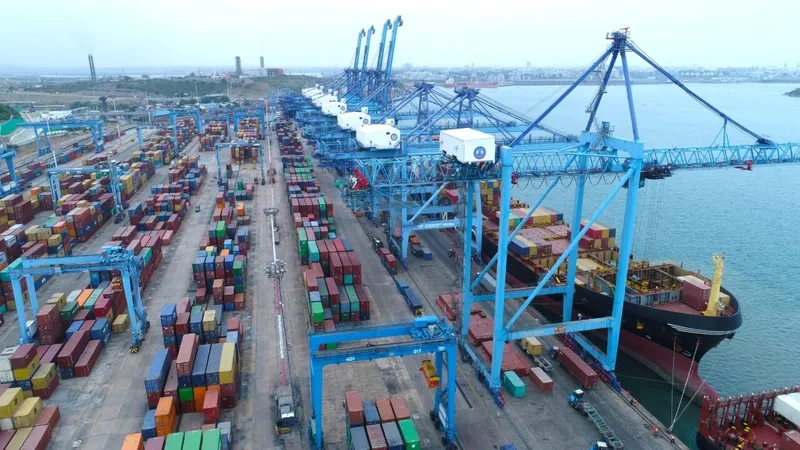
Actuellement, la majeure partie du bitume importé au Kenya est transportée principalement par :
- Transport maritime
- Déchargement au port de Mombasa
- Transfert de réservoir
- Transport routier intérieur
pour boucler la chaîne d'approvisionnement.
Le Kenya étant lui-même un important centre de transfert logistique pour des pays comme l'Ouganda, le Soudan du Sud et le Rwanda, Mombasa dessert non seulement le marché intérieur kenyan, mais constitue également un nœud clé pour les projets d'infrastructure régionaux d'Afrique de l'Est.
Pour les exploitants de centrales d'enrobage, l'efficacité de la logistique portuaire a un impact direct sur :
- stabilité de l'approvisionnement en bitume
- cycle d'inventaire des matières premières
- continuité des travaux de construction du projet
- coûts opérationnels globaux
Par conséquent, de nombreux entrepreneurs kényans spécialisés dans l'asphalte privilégieront l'implantation de leurs centrales d'enrobage dans des zones proches des principaux axes de transport.
Approvisionnement en bitume des Émirats arabes unis et d'Arabie saoudite
Actuellement, l'approvisionnement en bitume de l'Afrique de l'Est provient principalement de producteurs du Moyen-Orient, notamment :
- Émirats arabes unis
- Arabie Saoudite
- Bahreïn
- Oman
qui constituent les principales sources d'approvisionnement du marché kényan.
Les produits de raffinage du Moyen-Orient sur le marché est-africain présentent les avantages suivants :
- Échelle d'approvisionnement stable
- Distance de transport maritime relativement courte
- Gammes de produits complètes
- commerce international mature
Avec l'augmentation continue des projets autoroutiers et de la construction d'autoroutes urbaines au Kenya, la demande en bitume de pavage de haute qualité est également en hausse.
En particulier pour la construction de routes dans les zones à haute température, de routes à fort trafic, d'autoroutes à grande vitesse et d'autoroutes urbaines, les entrepreneurs ont des exigences de plus en plus élevées en matière de stabilité de la qualité du bitume.
Par conséquent, la demande future de l'industrie kényane de l'asphalte en asphalte modifié haute performance et en bitume modifié aux polymères pourrait également continuer à croître.
Défis liés au transport intérieur
Comparativement aux importations portuaires, le transport intérieur au Kenya représente souvent la partie la plus coûteuse et la plus complexe de la chaîne d'approvisionnement en asphalte.
En raison du grand nombre de projets de construction routière situés dans :
- zones intérieures du comté
- Régions montagneuses
- Zones frontalières
- zones rurales isolées
Le transport de l'asphalte repose sur une logistique routière longue distance.
Cela entraîne :
- Augmentation des coûts de transport
- Pression sur le stockage de l'asphalte
- Approvisionnement irrégulier du projet
- Difficulté accrue du contrôle de la température des matériaux
Pour les projets de centrales d'asphalte au Kenya, l'implantation des équipements doit généralement se faire au plus près de la zone de construction afin de réduire la distance de transport de l'enrobé bitumineux à chaud.
C’est aussi l’une des principales raisons pour lesquelles les centrales d’enrobage mobiles sont de plus en plus populaires sur le marché kenyan.
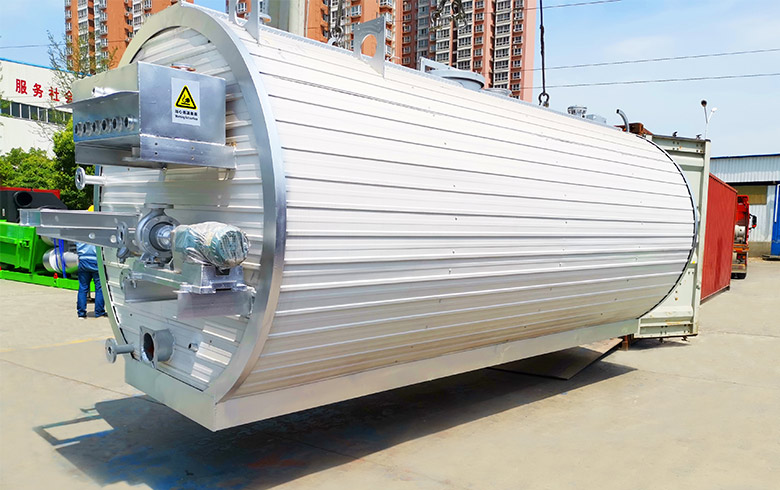
En rapprochant la centrale d'enrobage des chantiers, on peut réduire efficacement :
- coûts de transport de l'asphalte
- Perte de chaleur
- délai d'attente pour la construction
- Risques liés au transport routier
Notamment dans les projets routiers des régions reculées d'Afrique de l'Est, l'avantage de mobilité des centrales d'enrobage super mobiles est encore plus marqué.
7.2 Types de combustibles utilisés dans les usines d'asphalte du Kenya
Le coût du carburant représente l'un des principaux éléments des coûts d'exploitation d'une centrale d'enrobage.
Sur le marché kényan de l'asphalte, les choix de carburant sont généralement influencés par divers facteurs tels que :
- Prix du carburant
- stabilité de l'approvisionnement local
- Échelle du projet
- Les exigences environnementales
- Structure d'équipement
Les types de combustibles couramment utilisés actuellement dans les centrales d'asphalte du Kenya comprennent principalement le diesel, le fioul lourd et le gaz naturel, qui gagnent progressivement en popularité.
Carburant diesel dans les usines d'asphalte du Kenya
Le diesel est l'un des carburants les plus couramment utilisés dans les centrales d'enrobage au Kenya.
Ses principaux avantages incluent :
- Réseaux d'approvisionnement bien établis
- Réponse de démarrage rapide
- Contrôle de combustion relativement stable
- Adapté aux équipements mobiles
Pour les projets de centrales d'enrobage mobiles au Kenya, le système diesel est généralement plus adapté pour :
- projets de construction temporaires
- Projets routiers du comté
- Construction dans des zones reculées
- petites et moyennes entreprises de production d'asphalte
L'approvisionnement en carburant diesel est particulièrement aisé dans les régions reculées d'Afrique de l'Est.
Toutefois, en raison de la volatilité des prix internationaux du pétrole et des coûts de transport élevés en Afrique de l'Est, les coûts d'exploitation du diesel pourraient également être affectés dans une certaine mesure. • Stabilité opérationnelle
- Capacité de contrôle des coûts
- Adaptabilité au marché
Dans un contexte de forte volatilité des prix du carburant en Afrique de l'Est, les systèmes de centrales d'enrobage à double carburant présentent un avantage concurrentiel important.
Avec la croissance continue des investissements dans les infrastructures routières du Kenya, la chaîne d'approvisionnement en bitume et les systèmes d'alimentation en carburant des centrales d'asphalte continueront d'influencer l'orientation du développement du marché de l'asphalte en Afrique de l'Est.
À l'avenir, des solutions de production d'asphalte plus efficaces, flexibles et économes en énergie deviendront un élément clé de la compétitivité dans l'industrie de l'asphalte au Kenya.
Le fioul lourd comme option de carburant économique
Pour les grands projets de production d'asphalte, certains entrepreneurs kényans choisissent également le fioul lourd comme combustible.
Comparé au diesel, le fioul lourd présente généralement les caractéristiques suivantes :
- Coût inférieur par unité de valeur calorifique
- Convient pour la production continue
- Plus adapté aux équipements de grande envergure
Par conséquent, il est plus couramment utilisé dans :
- projets de construction d'autoroutes
- Production d'asphalte à long terme
- Grandes centrales d'asphalte fixes
Cependant, le système au fioul lourd nécessite un système de combustion d'un niveau de qualité supérieur, ainsi qu'un système de préchauffage et de stockage plus complet.
Dans les conditions climatiques de l'Afrique de l'Est, la stabilité et les capacités de maintenance du système d'alimentation en carburant sont également très importantes.
Gaz naturel : tendance future dans l'industrie de l'asphalte au Kenya
Alors que le secteur des infrastructures en Afrique de l'Est se concentre de plus en plus sur la construction à faibles émissions de carbone, le gaz naturel est considéré comme l'une des orientations de développement futures de l'industrie de l'asphalte au Kenya.
Comparé aux combustibles traditionnels, le gaz naturel présente les avantages suivants :
- Moins d'émissions
- efficacité de combustion plus élevée
- Meilleure performance environnementale
Bien que l'infrastructure de gaz naturel au Kenya soit encore relativement limitée à l'heure actuelle, avec la modernisation du futur système énergétique et les exigences croissantes en matière de protection de l'environnement, les centrales d'asphalte alimentées au gaz devraient se développer progressivement.
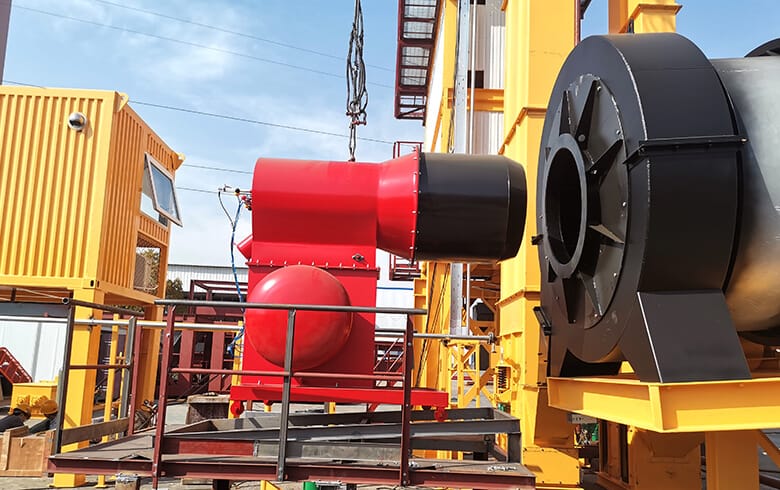
Surtout dans :
- Projets de routes urbaines
- Zones soumises à des exigences élevées en matière de protection de l'environnement
- grands projets de parcs industriels
Le système de combustion du gaz naturel pourrait avoir un champ d'application plus vaste à l'avenir.
Les systèmes à double carburant améliorent la flexibilité
Pour s'adapter aux fluctuations de l'approvisionnement en carburant en Afrique de l'Est, de plus en plus de fabricants de centrales d'enrobage commencent à proposer des systèmes à double carburant.
Les systèmes à double carburant peuvent basculer de manière flexible entre :
- Diesel
- Pétrole lourd
- Certains carburants gazeux
Pour les entrepreneurs kényans, ce système peut améliorer :
- flexibilité d'approvisionnement en carburant
- Stabilité de fonctionnement
- capacité de contrôle des coûts
- Adaptabilité au marché
Compte tenu notamment de la forte volatilité des prix du carburant en Afrique de l'Est, les systèmes de centrales d'asphalte à double carburant présentent un avantage concurrentiel important.
Avec la croissance continue des investissements dans les infrastructures routières du Kenya, la chaîne d'approvisionnement en bitume et les systèmes d'alimentation en carburant des centrales d'asphalte continueront d'influencer l'orientation du développement du marché de l'asphalte en Afrique de l'Est.
À l'avenir, des solutions de production d'asphalte plus efficaces, flexibles et économes en énergie deviendront un élément clé de la compétitivité dans l'industrie de l'asphalte au Kenya.
VIII. Protection de l'environnement et transition vers une économie bas carbone : l'avenir des usines d'asphalte au Kenya
Alors que le marché kényan de la construction routière passe progressivement d'une phase d'expansion rapide à une phase de développement de haute qualité, la protection de l'environnement et les contraintes liées à la réduction des émissions de carbone deviennent des facteurs déterminants pour le choix et la modernisation technologique des centrales d'enrobage au Kenya. En particulier dans les zones urbaines comme Nairobi et Mombasa, ainsi que pour les projets d'infrastructure financés par la Banque mondiale et la BAD, le respect des normes environnementales est passé d'une condition supplémentaire à une exigence d'accès au marché.
8.1 Réglementation environnementale du Kenya
Au Kenya, le cadre réglementaire de la gouvernance environnementale est principalement piloté par l'Autorité nationale de gestion de l'environnement (NEMA), qui impose des contraintes claires aux émissions industrielles et aux activités de construction. Concernant les centrales d'enrobage et les engins de chantier, la réglementation se concentre sur trois aspects principaux : la maîtrise des émissions de poussières, le traitement des gaz de combustion et la gestion du bruit.
En matière d'émissions de poussières, les exigences kényanes relatives à la gestion des poussières de chantier se durcissent progressivement, notamment pour les projets routiers en périphérie des zones urbaines. Les entreprises de construction sont tenues d'équiper leurs chantiers de systèmes de dépoussiérage ou de mesures de contrôle équivalentes afin de réduire l'impact des émissions de particules fines sur les zones résidentielles environnantes. De ce fait, les centrales d'enrobage mobiles kényanes dotées de systèmes de dépoussiérage performants gagnent en compétitivité sur le marché.
En matière de contrôle des gaz de combustion, le système de combustion des centrales d'enrobage doit respecter certaines normes d'émission. Plus précisément, les gaz d'échappement du brûleur et du tambour de séchage doivent être traités efficacement afin de réduire les émissions de SOx, de NOx et de particules. Pour certains grands projets, des solutions de traitement des gaz de combustion encore plus performantes sont requises, ce qui impose des exigences techniques plus élevées à la fabrication des équipements.
En matière de lutte contre le bruit, les projets de construction de routes urbaines au Kenya sont soumis à certaines restrictions concernant les niveaux sonores des engins. Notamment sur les chantiers d'autoroutes urbaines à Nairobi, les travaux de nuit sont de plus en plus fréquents ; la conception à faible niveau sonore est donc devenue un critère de choix important pour les centrales d'enrobage.
De manière générale, la réglementation environnementale du Kenya pousse les équipements des centrales d'asphalte à évoluer vers une production plus propre et à faibles émissions.
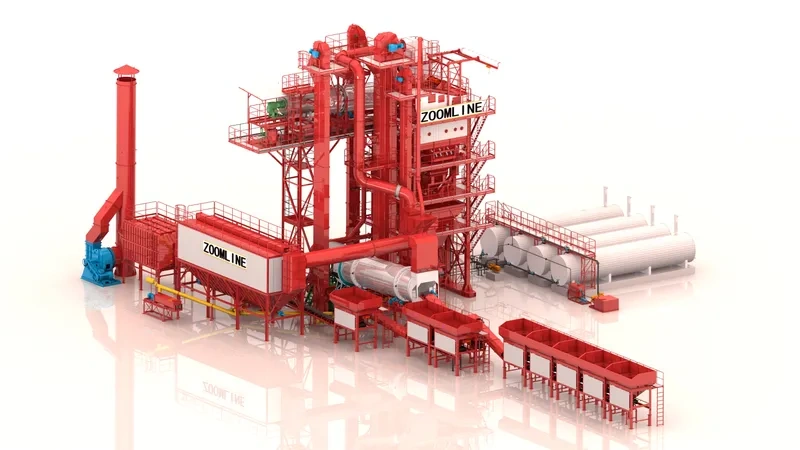
8.2 Opportunités liées à l'enrobé tiède au Kenya
La technologie des enrobés tièdes (WMA) devient progressivement l'une des orientations de développement importantes de l'industrie de l'asphalte au Kenya, notamment parce que les tendances en matière d'économie d'énergie et de construction à faible émission de carbone favorisent son potentiel d'application croissant.
Comparé à l'enrobé bitumineux à chaud traditionnel, l'enrobé bitumineux tiède permet une production et une mise en œuvre à des températures plus basses, réduisant ainsi considérablement la consommation de carburant. Cet avantage a une incidence économique directe sur les exploitants de centrales d'enrobage au Kenya, car le coût du carburant représente généralement une part importante des dépenses dans les projets en Afrique de l'Est.
En matière d'adaptabilité à la construction, l'enrobé tiède présente une excellente adaptation aux conditions climatiques du Kenya. Grâce à sa capacité à maintenir une bonne tenue et un compactage optimal tout en réduisant la température ambiante lors du chantier, il diminue la dépendance à la durée des travaux.
En matière d'économie d'énergie et de réduction des émissions, l'enrobé tiède permet de réduire efficacement les émissions de CO₂ et la charge du système de combustion. Ceci est particulièrement important pour les entreprises participant à des projets financés par la Banque mondiale ou la Banque africaine de développement, car ces projets imposent généralement des exigences strictes en matière de conformité environnementale.
Du point de vue des équipements, les centrales d'enrobage modernes peuvent produire de l'enrobé tiède grâce à l'ajout de bitume mousse, d'additifs chimiques ou à l'optimisation du système de contrôle de la combustion. Cette évolution favorise également la modernisation technologique des centrales d'enrobage mobiles de grande capacité sur le marché kenyan.
8.3 Technologie de recyclage des RAP en Afrique
Dans le contexte du développement mondial des infrastructures durables, la technologie de recyclage de l'asphalte RAP (Reclaimed Asphalt Pavement) s'implante progressivement sur le marché africain de la construction routière et commence à susciter un intérêt croissant au Kenya.
Le principal avantage de la technologie RAP réside dans le recyclage et la réutilisation des matériaux d'enrobés bitumineux usagés. Ces matériaux sont retraités pour la production d'asphalte par concassage, criblage et retraitement, ce qui permet de réduire la consommation de matières premières et les coûts de construction. Cette technologie est particulièrement pertinente pour les projets d'entretien et de réhabilitation des routes au Kenya.
Au Kenya, dans le cadre de projets de modernisation des routes urbaines et de réhabilitation des routes départementales, la technologie RAP peut réduire considérablement :
- Demande de nouveaux matériaux asphaltiques
- Coûts d'approvisionnement globaux
- Pression sur l'élimination des déchets
- émissions de carbone globales du projet
Du point de vue de la technologie des centrales d'enrobage, les équipements compatibles avec l'intégration d'enrobés recyclés nécessitent généralement :
- Systèmes de contrôle de température plus performants
- Contrôle du mélange plus stable
- Capacités de mélange plus précises
- Des structures de production plus adaptables aux matériaux changeants
Pour le marché africain des centrales d'enrobage mobiles, l'application de la technologie RAP est encore en phase de développement progressif, mais son potentiel d'application s'élargit dans le cadre du cycle de modernisation des infrastructures au Kenya.
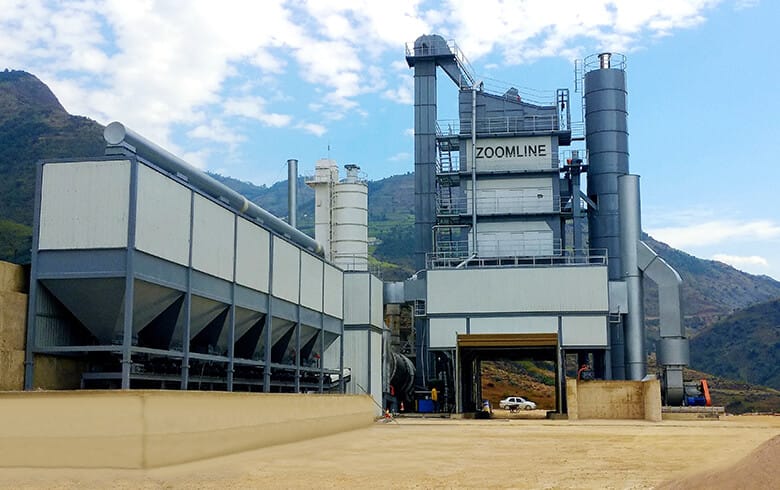
Dans les années à venir, avec l'accent mis par le gouvernement kenyan sur les infrastructures durables et l'économie circulaire, la technologie de recyclage des granulats d'enrobés recyclés (RAP) devrait devenir l'une des principales orientations de modernisation technique pour le marché kenyan des centrales d'enrobage.
IX. Comment améliorer le retour sur investissement de la production chinoise dans le cadre du projet routier au Kenya
Sur le marché kenyan de la construction routière, la rentabilité des projets (retour sur investissement) dépend fortement de l'efficacité des équipements, des temps d'arrêt, des coûts de maintenance et de la stabilité de la chaîne d'approvisionnement. Face à l'augmentation continue des investissements dans les infrastructures en Afrique de l'Est, les équipements de centrales d'enrobage fabriqués en Chine et destinés au Kenya s'imposent progressivement comme une solution de choix. Leur compétitivité repose non seulement sur le coût d'acquisition initial, mais aussi sur la capacité d'optimiser l'efficacité opérationnelle tout au long du cycle de vie.
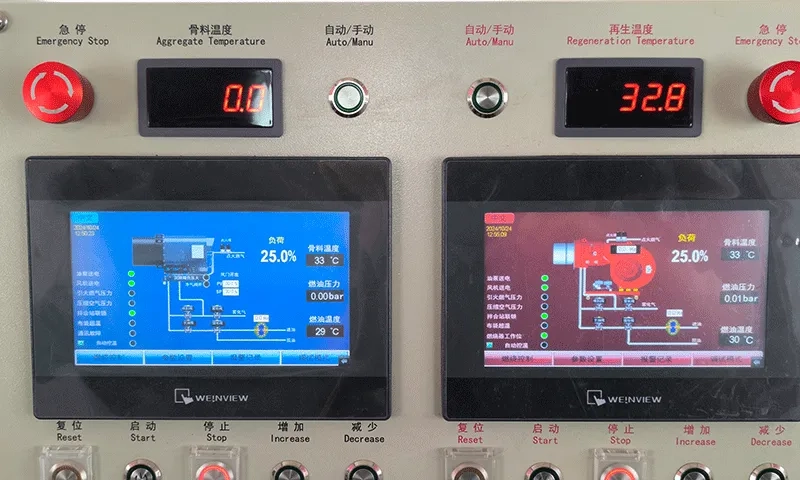
9.1 Rentabilité des usines d'asphalte chinoises
L'adoption généralisée des équipements fabriqués en Chine sur le marché kényan des centrales d'enrobage est essentiellement due à son avantage systémique en matière de « maîtrise des coûts globaux du projet », et non pas seulement à l'avantage de prix d'un seul équipement.
Premièrement, en termes de rapport coût-efficacité, les centrales d'enrobage mobiles et les centrales d'enrobage mobiles de fabrication chinoise présentent généralement un rapport prix/capacité unitaire plus élevé. À capacité égale, le coût d'investissement de ces équipements est plus compétitif que celui des marques européennes et américaines, ce qui réduit considérablement la pression financière initiale sur les entreprises de construction kényanes. Ceci est particulièrement important pour de nombreux projets routiers départementaux et projets d'infrastructures en partenariat public-privé (PPP), car ces projets sont très sensibles aux fluctuations de trésorerie.
Deuxièmement, en matière de service après-vente, à mesure que les entreprises chinoises de fabrication d'équipements renforcent leur présence sur le marché africain, de plus en plus de fournisseurs proposent une assistance technique à distance et des mécanismes d'intervention locaux. Pour les exploitants de centrales d'enrobage au Kenya, les temps d'arrêt des équipements impactent directement l'avancement des projets ; la capacité de réaction rapide devient donc un facteur clé.
Troisièmement, en matière d'approvisionnement en pièces détachées, les systèmes fabriqués en Chine disposent généralement d'une chaîne d'approvisionnement standardisée relativement complète. Ainsi, au Kenya ou en Afrique de l'Est, même si l'équipement est en service depuis longtemps, les pièces détachées essentielles peuvent être fournies grâce à des entrepôts régionaux ou à une logistique rapide, réduisant ainsi le risque d'arrêt de production.
Par ailleurs, la capacité de fournir des services de proximité devient un facteur déterminant du retour sur investissement des projets routiers au Kenya. Certains fabricants chinois d'équipements ont commencé à mettre en place des réseaux de services coopératifs en Afrique de l'Est afin d'améliorer l'efficacité de la maintenance des équipements et de réduire les coûts d'exploitation à long terme de leurs clients.
9.2 Stratégie de localisation au Kenya
Avec la maturation progressive du marché des infrastructures au Kenya, le recours exclusif à l'exportation d'équipements ne peut plus répondre pleinement aux besoins locaux en matière de construction. De plus en plus de fabricants chinois de centrales d'enrobage mettent en œuvre des stratégies de localisation afin d'améliorer la compétitivité à long terme et la satisfaction client de leurs équipements sur le marché kenyan.
9.2.1 Service local de pièces détachées
Au Kenya, sur les chantiers routiers, le coût des immobilisations de matériel dépasse souvent largement celui des pièces détachées. Par conséquent, la mise en place d'un système local de gestion des pièces de rechange constitue un élément clé pour optimiser le retour sur investissement.
En établissant un stock de pièces de rechange ou un système d'entreposage coopératif au Kenya ou dans la région de l'Afrique de l'Est, il est possible de remplacer rapidement les composants clés, tels que :
- Composants du système de brûleur
- Consommables pour systèmes de convoyage
- modules de système de commande électrique
- Capteurs et composants de mesure
Ce modèle de support localisé pour les pièces de rechange peut réduire considérablement les temps d'arrêt des équipements et améliorer le taux d'utilisation des centrales d'enrobage, améliorant ainsi directement la rentabilité globale du projet.
9.2.2 Assistance technique locale
Pour le projet de centrale d'asphalte mobile au Kenya, l'installation, la mise au point et la maintenance des équipements dépendent fortement des ingénieurs.
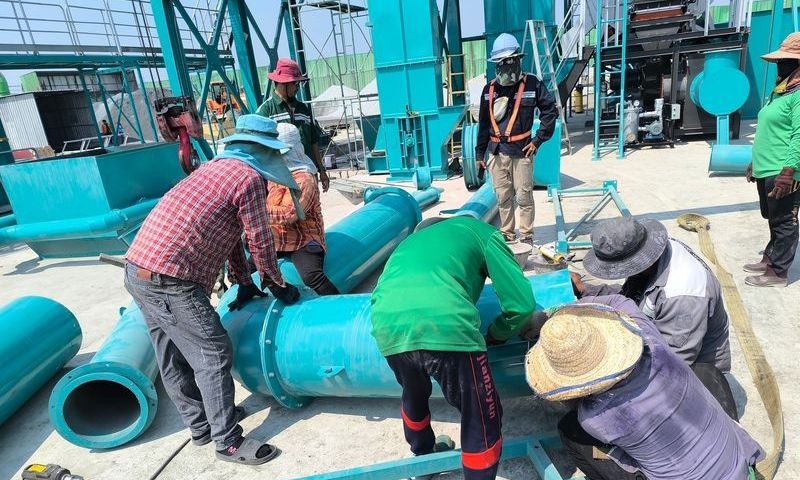
La mise en place d'un système d'assistance technique localisé peut permettre de raccourcir efficacement :
- période d'installation des équipements
- Temps de dépannage des pannes
- Temps de débogage du système
De plus, dans le contexte de la construction routière au Kenya, en raison de la dispersion des chantiers et de la complexité de l'environnement, la capacité d'assistance technique sur site est particulièrement importante.
Grâce à un modèle de collaboration entre ingénieurs locaux et experts à distance, une gestion plus efficace du cycle de vie des équipements peut être mise en œuvre, améliorant ainsi l'efficacité de l'exécution des projets.
9.2.3 Système de formation des opérateurs
Sur le marché kényan des centrales d'asphalte, il existe une différence significative dans le niveau technique des opérateurs, ce qui affecte directement la stabilité du fonctionnement des équipements et l'efficacité de la production.
Par conséquent, un système de formation systématique des opérateurs revêt une grande importance pour améliorer le retour sur investissement.
Le système de formation comprend généralement :
- formation aux procédures d'utilisation des équipements
- spécifications d'entretien quotidien
- normes de sécurité opérationnelle
- capacités de diagnostic de panne de base
- méthodes de contrôle de la qualité de la production
Pour les équipements à forte intégration tels que les centrales d'enrobage mobiles, une formation standardisée peut réduire considérablement les erreurs humaines, améliorer la régularité de la production d'asphalte et réduire la probabilité d'arrêt anormal de l'équipement.
De plus, un système de formation à long terme peut aider les entreprises de construction kényanes à constituer une équipe technique stable, améliorant ainsi leur capacité globale d'exécution des projets et leur compétitivité sur le marché.
Dans l'ensemble, les avantages des équipements de centrales d'asphalte fabriqués en Chine sur le marché kényan de la construction routière évoluent progressivement d'un « avantage en termes de coûts » à un « avantage en termes de capacités du système », incluant la chaîne d'approvisionnement, les services locaux, le support technique et la formation du personnel sous de multiples aspects.
Cette amélioration globale des capacités détermine directement la performance à long terme du retour sur investissement des projets routiers au Kenya et est devenue un facteur de différenciation important dans la concurrence sur le marché des équipements d'infrastructure en Afrique de l'Est.
X. Analyse du retour sur investissement des centrales d'asphalte au Kenya
Sur le marché kényan de la construction routière, la décision d'acquisition d'équipements se résume en fin de compte à une question fondamentale : la capacité de la centrale d'enrobage à générer un retour sur investissement (RSI) dans un délai raisonnable. En particulier pour les projets de routes départementales et les projets d'infrastructures en partenariat public-privé (PPP), l'efficacité de la rotation des capitaux influe directement sur la capacité de l'entrepreneur à mener à bien les projets.
Par conséquent, une analyse quantitative du retour sur investissement de la centrale d'asphalte au Kenya, du point de vue de l'économie de l'ingénierie, constitue un maillon essentiel dans la sélection des équipements et la prise de décision en matière d'investissement.
10.1 Calcul du retour sur investissement d'une centrale d'enrobage
Dans l'évaluation du projet d'usine de mélange d'asphalte au Kenya, le retour sur investissement (ROI) est généralement déterminé par quatre variables principales : la capacité de production journalière, le coût du carburant, le coût de la main-d'œuvre, le cycle du projet et le prix unitaire du marché.
Pour la centrale d'asphalte mobile au Kenya, grâce à un taux d'utilisation des équipements plus élevé et à des coûts de déplacement plus faibles, son retour sur investissement est généralement meilleur que celui de la centrale d'asphalte fixe traditionnelle.
Dans les scénarios typiques de construction routière au Kenya, la logique de calcul du retour sur investissement peut être simplifiée comme suit :
ROI = (Bénéfice annuel / Investissement total) × 100 %
Où? :
Le bénéfice annuel est principalement déterminé par les facteurs suivants :
- production journalière d'asphalte
- prix de vente de l'asphalte ou prix du contrat de projet
- efficacité de la consommation de carburant
- efficacité du travail
- taux d'utilisation des équipements
L'investissement total comprend généralement :
- coût des équipements d'une centrale d'asphalte
- frais de transport et d'installation
- coût de mise en service
- coût initial des pièces de rechange et de l'installation
Principaux facteurs de coûts dans les projets de centrales d'asphalte au Kenya
Sur le marché kényan, les principaux facteurs de coûts affectant le retour sur investissement se concentrent principalement au niveau opérationnel, plutôt qu'au simple prix d'acquisition du matériel.
Capacité de production quotidienne
Pour les centrales d'enrobage d'une capacité de 40 à 120 tonnes par heure, la capacité de production journalière détermine directement la rentabilité. Les centrales à tambour continu utilisées dans les projets autoroutiers au Kenya présentent généralement une plus grande stabilité de production, ce qui améliore la rentabilité globale.
Le coût du carburant
Le carburant représente une part relativement importante du coût de production de l'asphalte, notamment lorsqu'on utilise du diesel ou du fioul lourd. Plus le rendement de combustion des équipements est élevé, plus le coût unitaire est faible et plus le retour sur investissement est important.
Coût du travail
La structure de la main-d'œuvre technique au Kenya est déséquilibrée, et plus le degré d'automatisation de la centrale d'asphalte est élevé, plus la dépendance à la main-d'œuvre est faible, réduisant ainsi les coûts d'exploitation à long terme.
Cycle de retour sur investissement du projet
Les différents types de projets influent directement sur la vitesse de récupération des investissements, notamment dans le cadre des PPP ou des projets routiers gouvernementaux, où le cycle de rotation des capitaux est relativement stable.
10.2 Délai de récupération typique au Kenya
Sur le marché kényan des centrales d'enrobage, le délai de retour sur investissement varie considérablement selon le type de projet, principalement en fonction de son envergure, de sa durée de construction et du taux d'utilisation des équipements.
Projets routiers à petite échelle
Dans les projets de routes rurales au niveau du comté ou les projets de construction à cycle court, la centrale d'asphalte mobile de 40 à 60 TPH est généralement adoptée.
Du fait de la nature dispersée des projets et de la courte durée des travaux, les caractéristiques de ce type de projet sont les suivantes :
- Investissement en capital relativement faible
- Le taux d'utilisation des équipements dépend du calendrier du projet.
- Fréquence élevée des transferts de site
En cas d'utilisation intensive des équipements, la période de retour sur investissement est généralement modérée, mais avec une grande flexibilité, ce qui convient aux entrepreneurs locaux kenyans pour développer progressivement leur activité.
Projets routiers gouvernementaux
Au Kenya, dans le cadre des projets d'autoroutes nationales et de construction de voies rapides urbaines, les projets gouvernementaux comprennent généralement :
- Sources de financement stables
- Dispositifs de construction à cycle long
- Demande d'asphalte à grande échelle
- Étapes claires du projet
Dans de tels projets, le taux d'utilisation des centrales d'asphalte est élevé, ce qui conduit à un retour sur investissement plus stable.
Dans des projets comme l'autoroute de Nairobi et le corridor nord, notamment, les équipements peuvent souvent fonctionner en continu pendant une longue période, accélérant ainsi le recouvrement des coûts.
Projets d'infrastructure PPP
Les projets de PPP (partenariat public-privé) augmentent progressivement leur part sur le marché des infrastructures au Kenya, caractérisé par :
- Participation conjointe des capitaux publics et privés
- Cycle de revenus clair
- Échelle de construction à grande échelle
- Orientation opérationnelle claire à long terme
Dans les projets routiers en PPP, l'investissement dans une centrale d'asphalte est généralement considéré comme un placement d'actifs à long terme.
Grâce à la longueur du cycle de projet et à la demande stable en capacité de production, les centrales d'enrobage mobiles de grande capacité permettent une utilisation plus efficace des équipements dans de tels projets, réduisant ainsi considérablement la période de retour sur investissement globale.
Globalement, dans le secteur de la construction d'asphalte au Kenya, le retour sur investissement des centrales d'asphalte mobiles dépend fortement de l'adéquation entre l'utilisation des équipements et la structure du projet, plutôt que du simple coût d'acquisition.
Alors que les investissements dans les infrastructures en Afrique de l'Est continuent de croître, les centrales d'enrobage mobiles ultra-performantes, caractérisées par une grande mobilité et un taux d'utilisation élevé, deviennent des équipements clés pour améliorer les taux de retour sur investissement.
XI. Prévisions du marché des usines d'asphalte au Kenya pour les cinq prochaines années
Prévisions de la demande d'asphalte au Kenya 2026-2030
Alors que la Vision 2030 du Kenya continue de progresser, les investissements dans les infrastructures en Afrique de l'Est entrent dans une nouvelle phase de croissance structurelle. Au cours des cinq prochaines années (2026-2030), le marché kenyan de la construction routière passera progressivement d'un modèle axé sur une expansion rapide à un modèle de développement à deux volets, combinant la modernisation du parc existant et la construction de nouvelles routes en parallèle. Cette évolution stimulera directement la croissance continue de la demande en centrales d'enrobage et en centrales d'enrobage mobiles au Kenya.
Selon le rapport officiel sur l'avancement du projet Kenya Vision 2030, les projets phares d'infrastructures nationales continuent de progresser, notamment des projets clés tels que l'expansion du réseau routier, la construction d'autoroutes urbaines et la modernisation des corridors de transport régionaux.
Source:Rapport d’étape sur les projets phares de la Vision 2030 du Kenya
Dans ce contexte, les prévisions de la demande d'asphalte au Kenya pour la période 2026-2030 peuvent être analysées structurellement selon trois dimensions clés :
Premièrement, la tendance des investissements routiers se poursuit à la hausse. Grâce à l'augmentation constante des investissements dans les infrastructures par le gouvernement et les institutions financières multilatérales (telles que la Banque mondiale et la BAD), les projets d'autoroutes, de voies rapides urbaines et de routes départementales au Kenya continueront de connaître une croissance stable. Par conséquent, la demande à long terme de centrales d'enrobage ne diminuera pas, mais restera décentralisée et diversifiée.
XII. La centrale d'enrobage mobile de grande capacité devient la norme sur le marché kenyan.
Au vu des changements structurels du marché de la construction routière au Kenya et de la tendance du développement des infrastructures en Afrique de l'Est, il apparaît clairement que la centrale d'enrobage mobile de grande capacité constitue l'une des principales orientations de développement du futur marché kenyan des centrales d'enrobage.
Premièrement, le Kenya entre dans un « double cycle de croissance » pour la construction et l’entretien des routes. D’une part, les projets d’autoroutes nationales et de voies rapides urbaines se poursuivent ; d’autre part, un grand nombre de routes construites en début de chantier sont désormais en phase d’entretien, ce qui entraîne une forte augmentation de la demande en matériaux d’entretien pour l’asphalte. Cette « structure à double moteur » soutiendra la demande en équipements pour centrales d’enrobage à long terme.
Deuxièmement, les équipements mobiles sont mieux adaptés au contexte des projets en Afrique de l'Est. Les projets routiers au Kenya présentent généralement des caractéristiques telles qu'une répartition dispersée, des délais de construction courts et un terrain complexe. Dans ces conditions, les centrales d'enrobage mobiles, rapides à installer, faciles à déplacer et très adaptables, sont nettement supérieures aux équipements fixes traditionnels et correspondent davantage aux réalités de la construction en Afrique de l'Est.
Troisièmement, les centrales d'enrobage mobiles à tambour offrent un meilleur retour sur investissement. Sur le marché kenyan de l'asphalte, la rentabilité des projets dépend fortement de l'utilisation optimale des équipements et de l'efficacité de leur déplacement. La centrale d'enrobage mobile à tambour améliore le retour sur investissement global en raccourcissant la durée d'installation, en réduisant les coûts de transport et en optimisant l'utilisation des équipements, ce qui la rend particulièrement attractive pour les entreprises locales et les entreprises internationales d'ingénierie, d'approvisionnement et de construction (EPC).
Enfin, la production chinoise s'intensifie au niveau local. Grâce aux investissements continus des fabricants chinois de centrales d'enrobage au Kenya et en Afrique de l'Est, le système de service après-vente local, la chaîne d'approvisionnement en pièces détachées et les capacités d'assistance technique s'améliorent constamment, réduisant ainsi le coût total du cycle de vie des équipements. Cette tendance continuera de renforcer l'avantage concurrentiel des équipements chinois sur le marché kenyan des infrastructures.

Globalement, les grandes orientations du futur marché des centrales d'enrobage au Kenya peuvent se résumer ainsi : une mobilité accrue, une efficacité supérieure, des coûts globaux inférieurs et des capacités de service de localisation renforcées.
Deuxièmement, la demande globale d'asphalte est en forte croissance. Avec l'allongement du réseau routier et l'entrée progressive des routes existantes dans le cycle d'entretien, la consommation de bitume passera d'une consommation « axée sur la construction neuve » à une consommation « axée à la fois sur la construction neuve et l'entretien ». Dans les conditions climatiques de l'Afrique de l'Est, le vieillissement des routes est particulièrement rapide, ce qui accentue la tendance à la hausse de la demande en matière d'entretien de l'asphalte.
Troisièmement, l'augmentation de la part des équipements mobiles. Un changement significatif sur le marché kényan des centrales d'enrobage est la croissance continue de la part des centrales mobiles et modulaires dans le parc d'équipements. Les raisons sont les suivantes :
- Répartition plus dispersée des projets
- Augmentation des projets routiers du comté
- Période de construction raccourcie
- Augmentation de la fréquence des déménagements
- Pression accrue sur le contrôle des coûts
Par conséquent, comparé aux centrales d'enrobage fixes traditionnelles, le taux de pénétration du marché des centrales d'enrobage mobiles au Kenya devrait continuer d'augmenter au cours des cinq prochaines années, en particulier dans la gamme de capacité de production de petite et moyenne taille de 40 à 120 TPH.
En résumé, l’industrie de l’asphalte au Kenya en 2026-2030 présentera trois grandes tendances : « croissance de la demande + modernisation des infrastructures + mobilité des équipements », et évoluera progressivement vers une efficacité élevée, des coûts réduits et la protection de l’environnement.
XIII. Analyse du système logistique et de transport des usines d'asphalte du Kenya
Un facteur clé, mais souvent sous-estimé, sur le marché kenyan des centrales d'enrobage est « l'impact décisif du système logistique sur l'efficacité de l'acheminement des équipements ». Dans les projets d'infrastructure en Afrique de l'Est, même si les performances des équipements sont supérieures, si le dédouanement, le transport et la livraison sur site ne peuvent être effectués dans un délai raisonnable, cela affectera directement l'avancement et la structure des coûts de l'ensemble du projet de construction routière.
Par conséquent, l'analyse du système logistique du point de vue du transport des centrales d'enrobage au Kenya est une condition préalable nécessaire à la compréhension du marché kenyan des centrales d'enrobage mobiles.
13.1 Pourquoi la logistique est importante pour les usines d'asphalte au Kenya
Dans le secteur de la construction routière au Kenya, les coûts logistiques des équipements de génie civil sont généralement élevés, une caractéristique déterminée par de multiples facteurs structurels.
Premièrement, bien que situé au cœur de la plateforme logistique de l'Afrique de l'Est, le Kenya souffre d'un réseau d'infrastructures intérieures déséquilibré. Les grandes centrales d'enrobage et les équipements fixes doivent encore effectuer un transport terrestre sur de longues distances pour atteindre le chantier après leur entrée au Kenya. Ce transport implique souvent des conditions routières difficiles et de multiples correspondances. Cela augmente directement le coût logistique des engins de chantier au Kenya.
Deuxièmement, le délai de dédouanement influe considérablement sur le démarrage du projet. Bien que le port de Mombasa soit le principal point d'entrée maritime d'Afrique de l'Est, lors des pics d'activité liés à la concentration d'équipements ou aux inspections réglementaires, ce délai peut être incertain, retardant ainsi l'installation de la centrale d'enrobage. Ce point est particulièrement critique pour les projets routiers urgents.
Troisièmement, le transport terrestre de gros équipements se heurte à des restrictions évidentes. Dans certaines régions du Kenya, l'état des routes est complexe, notamment dans la vallée du Rift, l'ouest et le nord du pays. Le transport de matériel lourd se heurte souvent aux difficultés suivantes :
- Capacité portante de la chaussée insuffisante
- Rayon de braquage limité
- contraintes de charge du pont
- Difficultés liées aux voyages pendant la saison des pluies
Ces facteurs font que le transport des grandes centrales d'enrobage fixes traditionnelles présente, lors du processus de transport, des risques plus élevés et des incertitudes de coûts plus importantes.
En Afrique, les centrales d'enrobage mobiles, grâce à leur conception modulaire et conteneurisée, permettent de simplifier considérablement le transport. Le matériel est démonté et conditionné en usine selon les normes de transport par conteneur, ce qui le rend plus adaptable aux exigences du transport maritime international et de la logistique intérieure, et améliore ainsi l'efficacité globale des livraisons.
Par conséquent, sur le marché kényan de l'asphalte, l'adaptabilité logistique devient un indicateur implicite important pour le choix des équipements, et pas seulement la capacité ou le prix.
13.2 Port de Mombasa : porte d’entrée principale pour les importations d’équipements en Afrique de l’Est
Dans l'ensemble du système logistique de l'Afrique de l'Est, le port de Mombasa est la plaque tournante la plus importante pour l'importation d'équipements et de matières premières, et il constitue également le principal point d'entrée des équipements des usines d'asphalte kényanes sur le continent africain.
Port majeur de la côte de l'océan Indien, Mombasa dessert non seulement le marché intérieur kényan, mais assure également le transit de marchandises pour des pays enclavés comme l'Ouganda, le Soudan du Sud, le Rwanda et certaines régions de la République démocratique du Congo. De ce fait, il constitue un maillon essentiel de la chaîne d'approvisionnement en infrastructures de l'Afrique de l'Est.
Source:Site officiel de l'Autorité portuaire du Kenya
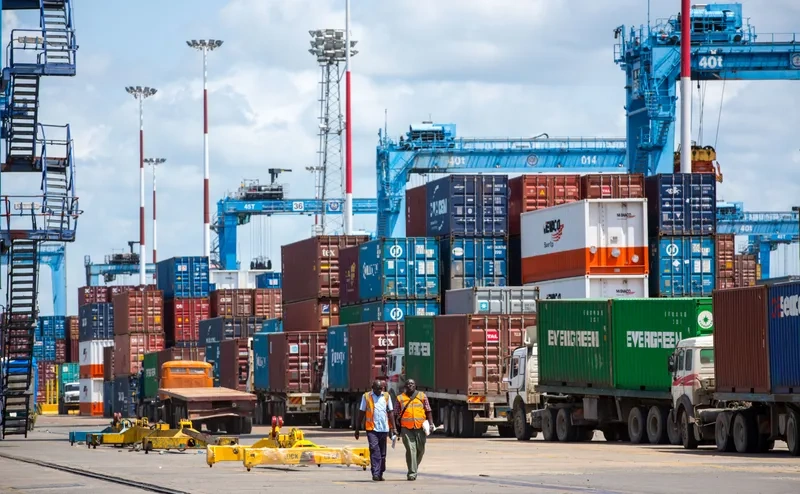
Pour le projet d'acheminement d'équipements pour les centrales d'asphalte en Afrique, la plupart des équipements arrivent généralement par voie maritime au port de Mombasa, puis sont distribués sur les différents sites du projet par la route ou par transport multimodal. Ce processus confère à la chaîne d'approvisionnement en équipements une structure particulière de « concentration portuaire et dispersion terrestre ».
13.2.1 Débit du port de Mombasa
Le port de Mombasa possède une capacité de traitement de premier plan en Afrique de l'Est, assurant l'importation d'une grande quantité d'équipements et de matériaux liés à la construction d'infrastructures.
Dans les projets de centrales d'asphalte au Kenya, les équipements entrent généralement dans le système portuaire sous les formes suivantes :
- Expédition conteneurisée
- Cargaison en vrac pour équipements lourds
- Transport modulaire démontable
L'efficacité du traitement du port a une incidence directe sur :
- Délai de démarrage du projet
- cycle de livraison des équipements
- échéancier de construction
- cycle d'occupation du capital
Par conséquent, dans les projets d'infrastructure au Kenya, il existe une forte corrélation entre la capacité logistique portuaire et les décisions d'acquisition d'équipements.
13.2.2 Défis liés au transport intérieur
Le transport des matériaux depuis le port de Mombasa jusqu'aux sites de projets situés à l'intérieur du Kenya constitue l'un des maillons les plus complexes de toute la chaîne logistique des usines d'asphalte.
Les principaux défis se concentrent sur :
- Coûts élevés du transport longue distance
- État des routes limité dans certaines zones
- Baisse de la fluidité du trafic pendant la saison des pluies
- Processus d'approbation complexe pour le transport d'équipement lourd
- Difficultés importantes en matière de coordination interrégionale
Ces facteurs augmentent considérablement la difficulté du déploiement des équipements, notamment dans le cadre de la construction de routes rurales et de projets d'infrastructures en régions éloignées au Kenya.
Par conséquent, un nombre croissant d'entrepreneurs privilégient les solutions de centrales d'asphalte mobiles au Kenya afin de réduire leur dépendance au transport lourd longue distance.
13.2.3 Avantages des centrales d'enrobage conteneurisées
Face à la complexité de l'environnement logistique kenyan, les centrales d'enrobage conteneurisées et les centrales d'enrobage super mobiles deviennent progressivement des formes d'équipement plus avantageuses.
Leurs principaux atouts résident dans :
Premièrement, l'amélioration de l'efficacité du transport. La conception modulaire permet de transporter l'équipement dans des conteneurs standard ou des unités démontables, réduisant ainsi considérablement le risque de transport hors gabarit.
Deuxièmement, la simplification des procédures de dédouanement et de chargement/déchargement. Des emballages standardisés s'adaptent plus facilement aux opérations portuaires, réduisant ainsi le temps d'immobilisation des équipements au port.
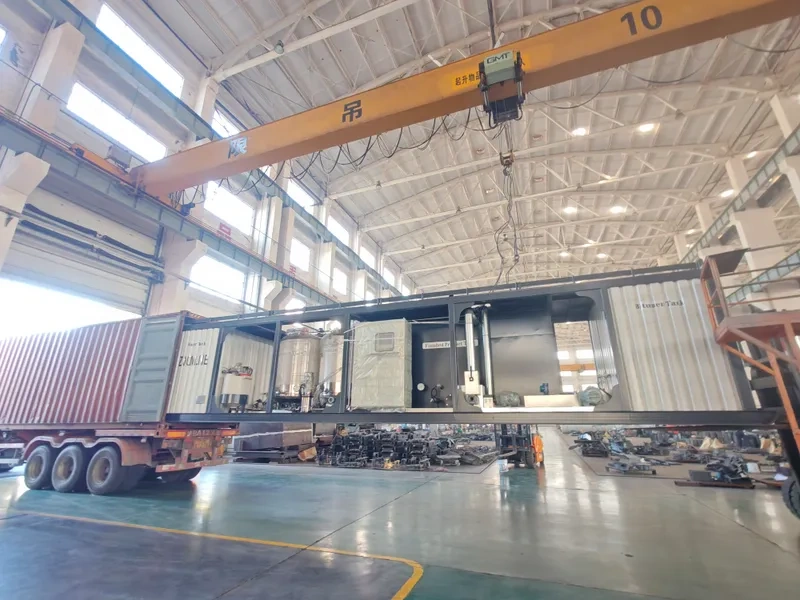
Troisièmement, une meilleure adaptabilité au transport terrestre. L'équipement étant divisé en plusieurs modules, il peut être transporté par des camions standards, réduisant ainsi la dépendance aux véhicules de transport spéciaux lourds.
Enfin, l'accélération du rythme de déploiement des projets. Au Kenya, dans le cadre de projets d'infrastructures menés en mode accéléré, ce mode de transport peut raccourcir considérablement le cycle global entre le port et le site.
Par conséquent, sur le marché des centrales d'enrobage en Afrique de l'Est, la conception conteneurisée et mobile devient l'une des orientations principales du développement futur des équipements.
XIV. Centrale d'enrobage mobile ultra-rapide : Comment réduire les coûts globaux du projet au Kenya
Sur le marché kényan de la construction routière, la structure des coûts d'un projet dépend généralement non seulement du prix d'acquisition des équipements, mais aussi du coût total du cycle de vie. Pour un projet de centrale d'enrobage au Kenya, la variable clé qui influe réellement sur la rentabilité est la capacité à optimiser le rapport entre les dépenses d'investissement (CAPEX) et les dépenses d'exploitation (OPEX).
La valeur de la centrale d'enrobage mobile ultra-performante se traduit essentiellement par une « réduction systématique des coûts », plutôt que par l'optimisation d'un seul maillon.
14.1 Analyse des CAPEX et des OPEX
Au Kenya, dans le cadre des projets d'infrastructure, les centrales d'enrobage fixes traditionnelles nécessitent souvent un investissement initial élevé, tandis que les centrales d'enrobage mobiles permettent une compression des coûts à plusieurs niveaux grâce à l'intégration structurelle et à la conception modulaire.
D'un point de vue économique et d'ingénierie, la structure des coûts peut être divisée en CAPEX et OPEX à des fins d'analyse comparative.
Modèle comparatif CAPEX/OPEX (Usine d'asphalte du Kenya)
| Éléments de coût | Centrale d'enrobage d'asphalte | Super centrale d'enrobage mobile |
| Coûts du génie civil | Haute | Low |
| Coûts d'installation et de levage | Haute | Low |
| Frais de déménagement | Très élevé | Low |
| Perte de temps d'arrêt | Haute | Low |
| Exigences de main d'œuvre | Moyenne | Low |
Dans le contexte de la construction routière au Kenya, cette différence sera encore plus marquée en raison des caractéristiques distinctes du projet, à savoir une « dispersion multipoint et une commutation rapide ».
Pour les centrales d'enrobage fixes, la forte dépendance aux infrastructures engendre souvent des coûts irrécupérables importants lors de la réalisation du projet ou de son déplacement. En revanche, la centrale d'enrobage mobile, grâce à son démontage rapide et à sa modularité de transport, permet de réduire considérablement les coûts liés aux constructions répétées.
Au niveau des coûts d'exploitation, les avantages de la centrale d'enrobage mobile au Kenya se manifestent principalement sous trois aspects :
Premièrement, la réduction des pertes dues aux temps d'arrêt. Au Kenya, dans le cadre des projets autoroutiers à réalisation rapide, les délais de construction sont limités et les immobilisations de matériel entraînent directement des retards dans le calendrier des travaux et des risques d'amendes. Les engins à haute mobilité permettent de réduire les temps d'attente.
Deuxièmement, l'optimisation des coûts de main-d'œuvre. Les centrales d'enrobage à haut niveau d'automatisation peuvent réduire la dépendance aux opérateurs sur site, diminuant ainsi les dépenses de main-d'œuvre à long terme.
Troisièmement, la maîtrise des coûts de déplacement. Dans le cadre de projets routiers départementaux ou interrégionaux, la fréquence des transferts d'équipements est élevée, et la structure mobile permet de réduire considérablement les coûts de transport et de réinstallation.
Globalement, le principal avantage de la centrale d'enrobage mobile de grande capacité sur le marché kenyan n'est pas son « faible coût », mais son « coût total de cycle de vie plus bas ».
14.2 Analyse de la consommation de carburant
Les coûts du carburant représentent généralement une part importante des dépenses d'exploitation dans la structure des coûts de production d'asphalte au Kenya ; l'efficacité énergétique détermine donc directement la rentabilité du projet.
Les centrales d'enrobage à tambour continu présentent un avantage naturel en matière de structure de consommation d'énergie, grâce à leur chauffage continu et à leur mode de production stable qui réduisent les pertes de chaleur dues aux démarrages et arrêts fréquents, améliorant ainsi l'efficacité globale de l'utilisation de l'énergie.
Dans les systèmes d'alimentation en carburant des centrales d'enrobage courantes au Kenya, qui utilisent principalement le diesel et le fioul lourd, les différences économiques sont évidentes.
Le système diesel présente les caractéristiques d'un démarrage rapide et d'une grande adaptabilité, convenant aux centrales d'asphalte mobiles au Kenya et aux projets de petite et moyenne envergure, mais le coût unitaire de consommation d'énergie est relativement élevé.
Le fioul lourd, en revanche, présente un avantage en termes de coûts pour la production continue à grande échelle, ce qui le rend adapté aux projets de construction d'autoroutes de longue durée, mais il nécessite un système de combustion et un système de préchauffage de qualité supérieure.
Dans le cadre du système réglementaire de l'EPRA Kenya (Autorité de régulation de l'énergie et du pétrole), les fluctuations des prix du carburant affecteront également directement la rentabilité des usines d'asphalte.
Source:Autorité de régulation de l'énergie et du pétrole du Kenya
Modèle de calcul des coûts de carburant
Dans l'analyse des opérations des usines d'asphalte au Kenya, le modèle de calcul des coûts de carburant couramment utilisé est le suivant :
Coût du carburant par tonne = Consommation totale de carburant / Production totale d'asphalte
Cette formule est utilisée pour mesurer le coût de la consommation de carburant par tonne d'asphalte produite et constitue l'un des indicateurs clés pour évaluer l'efficacité d'une centrale d'asphalte.
Analyse de la structure des coûts du carburant au Kenya
Sur le marché est-africain, les coûts du carburant sont généralement influencés par les facteurs suivants :
Premièrement, les fluctuations des prix internationaux du pétrole affectent directement la structure des coûts du diesel et du fioul lourd.
Deuxièmement, les coûts de transport et de distribution sont élevés dans la logistique intérieure du Kenya, ce qui amplifie encore les différences de prix du carburant dans les terminaux.
Troisièmement, il existe des différences dans l'efficacité de combustion des équipements, les différents systèmes de brûleurs des centrales d'asphalte présentant des différences significatives en matière d'utilisation de l'énergie.
Par conséquent, une centrale d'enrobage à tambour efficace peut réduire considérablement la consommation de carburant par tonne au niveau de la production unitaire en optimisant le système de combustion et l'efficacité de l'échange thermique, améliorant ainsi la marge bénéficiaire globale du projet.
Conclusion de l'optimisation des coûts
En tenant compte à la fois des CAPEX et des OPEX, on peut conclure que sur le marché kényan des centrales d'enrobage, l'avantage concurrentiel des centrales d'enrobage mobiles ne réside pas dans leur prix initial, mais dans :
- Coûts d'installation et de fondation réduits
- Réduction des pertes liées à la mobilisation et aux temps d'arrêt
- Utilisation accrue des équipements
- Efficacité énergétique supérieure
- Dépendance réduite à l'égard de la main-d'œuvre
L'ensemble de ces facteurs lui confère un meilleur retour sur investissement à long terme dans les projets de construction routière au Kenya.
XV. Normes routières du gouvernement kényan et compatibilité des équipements d'asphalte
Au Kenya, les normes routières gouvernementales (notamment celles de la KeNHA) imposent des contraintes techniques et des exigences de qualité strictes aux équipements des centrales d'enrobage. Ces normes influent non seulement sur la formulation des mélanges bitumineux, mais déterminent aussi directement la configuration et la capacité de production des centrales.
Pour les équipements destinés aux projets routiers ou aux voies rapides urbaines du Kenya, la capacité à produire de manière constante un mélange d'asphalte de haute qualité conforme aux spécifications est un critère essentiel pour leur intégration au système d'ingénierie général.

15.1 Spécifications des routes nationales du Kenya
Le système national de normes routières du Kenya est principalement responsable de la formulation et de la mise en œuvre par la Kenya National Highways Authority (KeNHA), couvrant les routes nationales, les voies rapides urbaines et les principales routes principales.
Source : Normes de l'Autorité nationale des routes du Kenya
Dans le système de normes routières du Kenya, les catégories de routes sont généralement classées en fonction des charges de trafic, de la durée de vie prévue et du positionnement fonctionnel, telles que les routes nationales principales, les routes primaires et les routes secondaires, les différentes catégories correspondant à différentes spécifications de mélange d'asphalte.
Dans le système de spécifications de l'asphalte au Kenya, les principaux indicateurs de contrôle comprennent :
Premièrement, les exigences de conception des enrobés bitumineux. La KeNHA spécifie des plages de dosage précises pour différentes classes de routes, notamment la teneur en bitume, la porosité et les indicateurs de stabilité. Cela signifie que les centrales d'enrobage doivent disposer de systèmes de mesure de haute précision et de capacités de mélange stables afin de garantir que l'enrobé bitumineux produit au Kenya réponde aux spécifications techniques.
Deuxièmement, les normes granulométriques. Les spécifications routières du Kenya imposent des exigences strictes en matière de granulométrie, généralement des normes de conception à granulométrie continue ou discontinue afin de garantir la résistance de la structure routière et sa résistance à la déformation. Ceci impose des exigences plus élevées aux systèmes de criblage et de dosage des centrales d'enrobage.
Troisièmement, le contrôle de la constance des matériaux. Pour les projets autoroutiers à grand volume, les fluctuations des matériaux peuvent affecter directement la qualité de la route ; c’est pourquoi les normes KeNHA mettent l’accent sur la stabilité et la traçabilité du processus de production, ce qui impose des exigences plus élevées aux systèmes de contrôle automatisés et aux capacités de surveillance en temps réel.
De manière générale, les normes routières du Kenya évoluent progressivement vers un système de spécifications techniques de plus haut niveau, qui impose des exigences d'amélioration continue en matière de précision, de stabilité et de niveau d'automatisation des équipements des centrales d'enrobage.
15.2 Capacité de production d'asphalte de haute qualité
Avec l'avancement des projets de construction d'autoroutes urbaines et de modernisation du réseau routier national au Kenya, la demande en asphalte de haute qualité ne cesse de croître. La production traditionnelle d'asphalte de qualité inférieure ne permet plus de répondre aux exigences de durabilité et de performance des infrastructures routières modernes.
Sur le marché kenyan actuel, les matériaux asphaltiques de haute qualité comprennent principalement l'AC (béton asphaltique), le SMA (asphalte à base de mastic de pierre) et l'asphalte modifié, qui sont largement utilisés sur les autoroutes à fort trafic et les routes artérielles urbaines.
15.2.1 Asphalte modifié aux polymères au Kenya
L'utilisation de l'asphalte modifié aux polymères (PMA) dans les projets routiers de haute qualité du Kenya augmente progressivement.
Ce type de matériau améliore les aspects suivants par l'ajout de modificateurs polymères à l'asphalte de base :
- Stabilité à haute température
- Résistance à l'orniérage
- Résistance aux fissures
- Durée de vie
Pour les centrales d'enrobage au Kenya, la production de PMA nécessite des systèmes de contrôle de température et des capacités de contrôle de l'uniformité du mélange plus performants, ainsi que des exigences plus élevées en matière de système de chauffage du bitume et de précision du dosage.
Au Kenya, dans les projets autoroutiers, notamment dans les zones à températures élevées et sur les routes à fort trafic, l'utilisation du PMA se développe progressivement.
15.2.2 Application d'asphalte SMA
L'enrobé bitumineux à base de pierre (SMA) est un mélange structurel haute performance résistant à l'orniérage, qui a une valeur d'application importante dans les projets d'autoroutes urbaines et les routes à fort trafic du Kenya.
Les caractéristiques de l'asphalte SMA résident dans sa forte proportion de granulats grossiers et sa structure de liant bitumineux stable, ce qui impose des exigences plus élevées en matière de contrôle de la production des centrales d'enrobage, notamment :
- Contrôle précis de la granulométrie des agrégats
- Répartition uniforme de l'asphalte à haute viscosité
- Contrôle stable du temps de mélange
Dans les projets d'infrastructure d'Afrique de l'Est, l'acier à mémoire de forme (SMA) devient progressivement l'un des matériaux importants pour les routes de haute qualité.
15.2.3 Contrôle de la qualité de l'asphalte routier
Au Kenya, dans le cadre des projets d'autoroutes nationales, le contrôle de la qualité de l'asphalte est un maillon essentiel de l'ensemble du système de construction.
Le système standard KeNHA exige généralement un contrôle sous les aspects suivants :
- Essais sur les matières premières (granulats et bitume)
- vérification de la conception du mélange
- Surveillance en temps réel du processus de production
- contrôle du compactage des travaux de construction sur le terrain
- Essais de performance des chaussées finies
Pour les équipements des centrales d'enrobage, cela signifie qu'ils doivent assurer une production stable et constante ainsi que des capacités d'enregistrement des données.
Au Kenya, les centrales d'enrobage modernes assurent généralement un suivi complet du processus grâce à des systèmes de contrôle intelligents PLC, incluant le contrôle de la température, l'ajustement du mélange et l'enregistrement des données de production, répondant ainsi aux exigences de la construction d'autoroutes de haute qualité.
Conclusion
De manière générale, les normes routières kényanes incitent le marché des centrales d'enrobage à adopter des technologies plus avancées. Les équipements capables de produire de manière stable de l'enrobé bitumineux conventionnel (AC), de l'enrobé à mémoire de forme (SMA) et de l'enrobé modifié bénéficieront d'un avantage concurrentiel significatif sur les chantiers routiers du Kenya.
Pour les centrales d'enrobage mobiles de grande capacité, leur principal atout réside non seulement dans leur mobilité, mais aussi dans leur capacité à maintenir une capacité de production stable et un rendement élevé et constant, tout en respectant les normes élevées de KeNHA.
XVI. Opportunités liées à la construction de routes de comté au Kenya et aux petites centrales mobiles d'enrobage
Un changement structurel majeur sur le marché de la construction routière au Kenya réside dans l'augmentation constante des investissements des gouvernements de comté dans les infrastructures. Avec la maturation progressive du mécanisme de décentralisation, le budget autonome de chaque comté pour la construction et l'entretien des routes ne cesse de croître, faisant ainsi de la construction routière comtale un important moteur de croissance pour la demande des centrales d'enrobage.
Comparé aux projets d'autoroutes nationales, ce niveau de projets est plus dispersé, de plus petite envergure et de cycle plus court, ce qui entraîne une augmentation significative de la demande de petites centrales d'asphalte au Kenya et de mini centrales d'asphalte mobiles en Afrique.
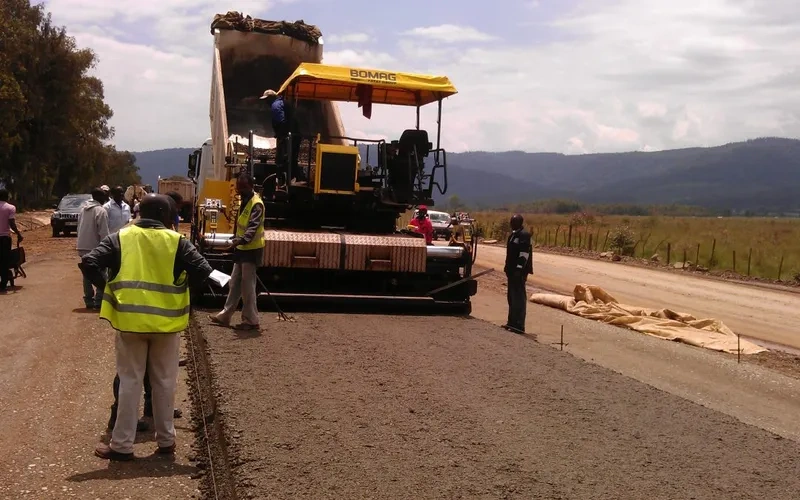
16.1 Programme de développement des routes du comté
Ces dernières années, divers gouvernements de comté au Kenya ont continuellement augmenté leurs investissements dans la modernisation des routes rurales et des infrastructures de connectivité locales, dans le but d'améliorer l'efficacité de la logistique urbaine et rurale et de promouvoir le développement économique agricole et régional.
Dans ce contexte, le programme de développement des routes du comté présente plusieurs caractéristiques typiques :
Premièrement, on observe une nette tendance à la décentralisation budgétaire. Chaque comté alloue chaque année des fonds spécifiques à la construction et à l'entretien des routes, et ces projets sont généralement mis en œuvre annuellement ou trimestriellement, plutôt que sous forme de grands projets à long terme. Ce modèle accroît directement la demande en centrales d'enrobage flexibles.
Deuxièmement, la modernisation des routes rurales s'accélère. De nombreuses routes de gravier sont progressivement asphaltées afin d'améliorer la fluidité du trafic et l'efficacité des transports pendant la saison des pluies. Ces projets, généralement de petite envergure mais nombreux, nécessitent une grande mobilité des engins.
Troisièmement, le nombre de projets augmente rapidement. Avec la croissance démographique et l'expansion du commerce régional, le nombre de projets d'infrastructure au niveau des comtés ne cesse de croître, ce qui entraîne une répartition fragmentée de la demande en production d'asphalte.
Dans cette structure de marché, les grandes centrales d'enrobage fixes traditionnelles ne présentent pas d'avantages économiques, et les petites centrales d'enrobage au Kenya et les mini-centrales d'enrobage mobiles en Afrique correspondent davantage aux besoins réels de la construction.
16.2 Pourquoi les installations mobiles de 40 tonnes par heure conviennent aux projets du comté
Dans le contexte de la construction de routes de comté au Kenya, les centrales d'enrobage mobiles d'une capacité de 40 tonnes par heure deviennent progressivement l'un des types d'équipements les plus adaptables, en particulier la structure de la centrale de mélange à tambour super mobile.
La raison pour laquelle cette gamme de capacités de production convient aux projets du comté réside principalement dans quatre aspects.
Tout d'abord, le seuil d'investissement est relativement bas. Comparées aux gros équipements d'une capacité de 100 tonnes par heure ou plus, les centrales d'enrobage mobiles de 40 tonnes par heure sont plus faciles à maîtriser en termes d'investissement, de construction d'infrastructures et de coûts d'exploitation, ce qui les rend plus adaptées aux entrepreneurs locaux ou aux petites et moyennes entreprises d'ingénierie souhaitant entrer sur le marché.
Deuxièmement, la flexibilité de construction est élevée. Les projets routiers départementaux sont généralement répartis sur plusieurs régions, avec des changements fréquents de chantiers. L'engin mobile de 40 tonnes par heure permet de changer rapidement de chantier, de passer efficacement d'un projet à l'autre et d'optimiser l'utilisation du matériel.
Troisièmement, le transport et le déploiement sont facilités. La structure modulaire et la conception compacte permettent d'acheminer aisément l'équipement par les moyens de transport classiques vers les zones rurales du Kenya, même dans les régions aux infrastructures limitées, et de le déployer rapidement.
Quatrièmement, le délai d'amortissement est court. Grâce au nombre important et à la grande continuité des projets du comté, l'équipement peut être réutilisé dans de nombreux petits projets, ce qui augmente le taux d'utilisation annuel et accélère le retour sur investissement.
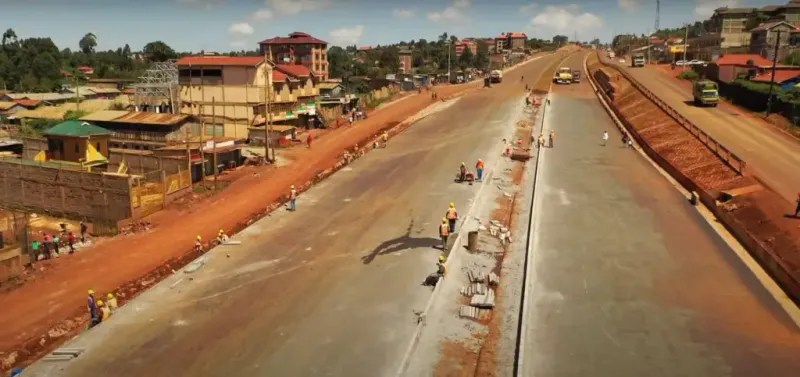
Matrice d'application pour centrale d'enrobage mobile de 40 t/h
La relation d'adaptation des équipements de capacités différentes dans le cadre du projet au Kenya peut être résumée comme suit :
- Petits projets (routes départementales/routes rurales) : centrale d'enrobage mobile de 40 à 60 tonnes par heure
- Projets de taille moyenne (routes urbaines / autoroutes régionales) : centrale d'enrobage de 60 à 120 tonnes par heure
- Grands projets (routes nationales / autoroutes) : Installations fixes ou à grande capacité supérieures à 120 TPH
Dans cette structure, la centrale d'enrobage mobile de 40 tonnes par heure au Kenya joue un rôle central sur le marché du comté, en prenant en charge un grand nombre de travaux de construction routière décentralisés.
Vision stratégique
Avec la progression de la politique de décentralisation au Kenya, le rôle des gouvernements de comté dans la prise de décision en matière d'infrastructures se renforce. La demande future en centrales d'enrobage évoluera vers un déploiement rapide, à petite échelle et multipoint.
Par conséquent, la mini-centrale d'enrobage mobile en Afrique, grâce à sa grande mobilité et à ses faibles coûts d'exploitation, continuera d'accroître sa part de marché dans la construction de routes départementales au Kenya et deviendra le choix privilégié des petites et moyennes entreprises de construction.
XVII. Exigences particulières du climat africain pour les équipements d'asphalte
Sur le marché kényan de la construction routière, les conditions d'utilisation des équipements diffèrent sensiblement de celles rencontrées en Europe, en Amérique ou dans les régions tempérées. L'Afrique de l'Est, caractérisée par un climat tropical typique, un relief complexe et des précipitations saisonnières, impose des exigences plus élevées en matière de conception des centrales d'enrobage.
Pour le projet d'usine d'asphalte au Kenya, l'équipement doit non seulement répondre aux exigences de capacité de production, mais aussi être capable de fonctionner de manière stable dans des conditions de températures élevées, de poussière, de saisons des pluies et de haute altitude.
17.1 Défis climatiques pour les usines d'asphalte au Kenya
L'environnement naturel du Kenya a un impact multidimensionnel sur les centrales d'enrobage, principalement axé sur quatre aspects.
Premièrement, l’impact environnemental des températures élevées. La plupart des régions du Kenya connaissent des températures élevées tout au long de l’année, notamment dans la vallée du Rift et les régions côtières, ce qui a des conséquences directes sur :
- Stabilité du système de combustion
- Précision du contrôle de la température de l'asphalte
- Efficacité de dissipation thermique du système de commande électrique
- Vitesse de lubrification et usure mécanique
Par conséquent, les centrales d'enrobage tropicales doivent disposer de capacités de gestion thermique plus performantes afin de garantir une stabilité de production continue.
Deuxièmement, le problème de la poussière. Dans les zones rurales du Kenya où les travaux de construction de routes et de terrassement sont plus fréquents, la concentration de poussière dans l'air est élevée. La poussière peut avoir les effets suivants sur les centrales d'enrobage :
- Augmentation de la charge sur le système de filtration
- Risque de pollution dans l'armoire électrique
- Précision réduite des capteurs
- Usure accélérée des composants mécaniques
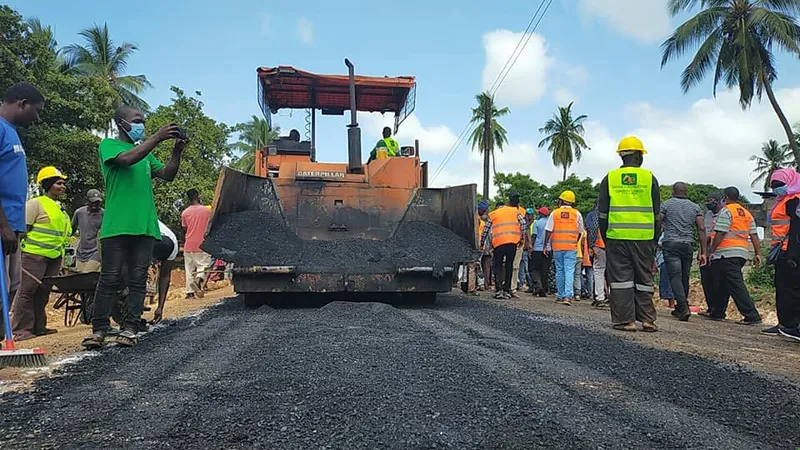
Par conséquent, les centrales d'enrobage résistantes à la poussière présentent un avantage significatif sur le marché est-africain.
Troisièmement, le défi que représente la construction pendant la saison des pluies. Le Kenya connaît chaque année un cycle de saison des pluies distinct, qui a des répercussions sur :
- Teneur en humidité des granulats
- Stabilité de la production
- continuité de la construction
- Conditions de transport
Cela exige que les centrales d'enrobage soient bien conçues pour l'étanchéité et disposent de capacités de démarrage rapide afin de s'adapter aux conditions de production intermittentes.
Quatrièmement, l'impact des zones de haute altitude. Dans l'ouest du Kenya et certaines régions montagneuses, l'altitude élevée et la raréfaction de l'air affectent l'efficacité de la combustion et les performances des équipements. Par conséquent, il est nécessaire d'optimiser le système de combustion et la conception du système de compensation d'air.
En résumé, les conditions climatiques du Kenya imposent des exigences complètes en matière de performance des centrales d'enrobage, à savoir « l'adaptation aux hautes températures + la résistance à la poussière + l'adaptation à la saison des pluies + l'adaptation au terrain ».
17.2 Zoomline Conception d'adaptation des équipements
En réponse au climat tropical de l'Afrique et à l'environnement complexe de la construction au Kenya, Zoomline La centrale d'enrobage mobile Super Drum Mix Plant a bénéficié d'une optimisation technique multidimensionnelle dès sa conception, la rendant ainsi mieux adaptée aux conditions de production d'asphalte en Afrique de l'Est.
Référence de la page produit : Zoomline Installation de malaxage à tambour super mobile
Conception de structures en acier renforcé
L'équipement adopte une conception de structure en acier renforcé pour s'adapter aux conditions de transport complexes et aux besoins fréquents de relocalisation dans la région africaine.
Au Kenya, dans le cadre de la logistique des chantiers routiers, les engins doivent souvent transiter par :
- Des routes non pavées
- Transport intérieur longue distance
- Transport par camion lourd
Par conséquent, la résistance structurelle doit répondre aux exigences de transport à fort impact afin de réduire le risque de dommages structurels pendant le transport.
Système de protection contre la poussière
En réponse à l'environnement poussiéreux de l'Afrique de l'Est, l'équipement est doté d'une conception de protection contre la poussière multicouche, comprenant l'isolation du système de commande électrique principal, une structure de filtre anti-poussière et une protection étanche des composants clés.
Cette conception permet de réduire efficacement :
- Le taux de défaillance du système de commande électrique
- Le risque de contamination des capteurs
- La vitesse d'usure mécanique
Pour les centrales d'enrobage résistantes à la poussière, cette conception est directement liée à la stabilité du cycle de fonctionnement de l'équipement et aux coûts de maintenance.
Système d'adaptation aux hautes températures
Pour répondre aux conditions d'exploitation des centrales d'enrobage tropicales, l'équipement a été optimisé au niveau du système de combustion, du système de refroidissement et du système de commande électrique.
Comprenant:
- Conception renforcée du système de refroidissement
- Module de commande électrique stable à haute température
- structure optimisée pour l'efficacité de la combustion
Ces conceptions permettent à l'équipement de maintenir une capacité de production continue et stable dans l'environnement à haute température du Kenya.
Châssis de transport robuste
La centrale d'enrobage mobile Super adopte une structure de châssis de transport robuste, permettant à l'équipement de s'adapter aux conditions routières variables d'Afrique de l'Est.
Dans le contexte logistique kenyan, le matériel doit souvent être transporté d'une région à l'autre ; le système de châssis doit donc posséder les caractéristiques suivantes :
- Capacité de charge élevée
- Performances sismiques
- Capacité d'adaptation aux routes non pavées
Cette conception améliore considérablement l'accessibilité du matériel aux chantiers de construction ruraux et isolés.
Résumé technique
En résumé, le cœur de conception du Zoomline La centrale de mélange à tambour mobile Super Mobile est une « optimisation technique d'adaptabilité environnementale », permettant à l'équipement de maintenir un fonctionnement stable dans les conditions climatiques et géographiques complexes du Kenya.
Il s'agit également d'une base technique importante pour que la centrale d'enrobage mobile de grande capacité remplace progressivement les équipements traditionnels sur le marché africain.
XVIII. L'application des systèmes de contrôle numériques et intelligents au Kenya
Alors que le marché kényan de la construction routière évolue progressivement d'un modèle axé sur les équipements vers une approche fondée sur les données et l'efficacité, les centrales d'enrobage du pays accélèrent leur transformation numérique et intelligente. Dans les projets d'infrastructures d'Afrique de l'Est, les entreprises de construction s'appuient de plus en plus sur des centrales d'enrobage intelligentes pour améliorer la stabilité de la production, réduire la dépendance à la main-d'œuvre et optimiser l'efficacité opérationnelle globale.
18.1 Tendances des centrales d'enrobage intelligentes en Afrique
Dans l'industrie africaine de l'asphalte, les systèmes de contrôle intelligents sont passés du statut d'« option » à celui d'« avantage concurrentiel fondamental ». Au Kenya, notamment pour les projets autoroutiers et la construction de routes urbaines, la demande de constance de la production et de traçabilité des processus a augmenté, entraînant une hausse continue du taux d'utilisation des centrales d'enrobage intelligentes.
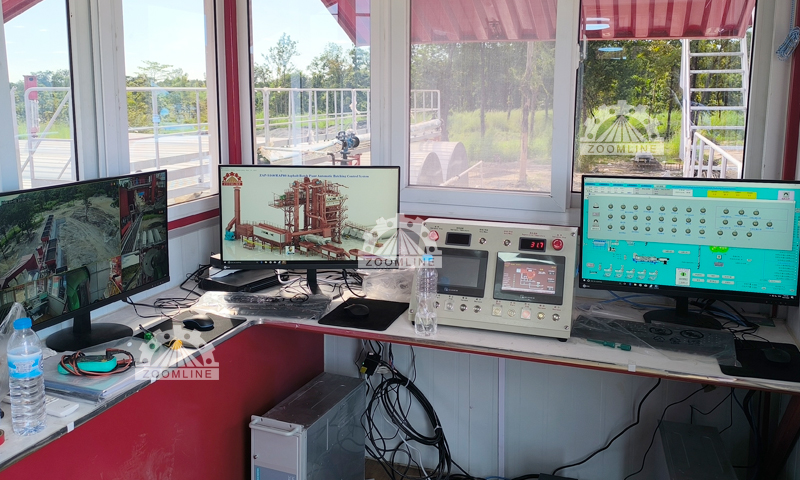
Les principales technologies intelligentes actuelles se concentrent sur trois axes. Le premier est le système de contrôle PLC (automate programmable). Ce système est utilisé pour le contrôle centralisé du processus de production d'asphalte, notamment le dosage des granulats, la régulation de la température, le réglage du système de combustion et la gestion du rythme de production. Dans le secteur de la construction au Kenya, ce type de contrôle automatisé permet de réduire considérablement les fluctuations dues à l'intervention humaine et d'améliorer la stabilité du mélange bitumineux.
Deuxièmement, le diagnostic à distance (système de diagnostic à distance) permet, grâce à des connexions à distance, aux fournisseurs d'équipements ou aux techniciens d'ingénierie de surveiller en temps réel l'état de fonctionnement de la centrale d'enrobage et d'analyser les données anormales. Ceci est particulièrement important pour les projets routiers ruraux au Kenya, car les sites sont dispersés et les délais d'intervention du support technique sur site sont limités.
Troisièmement, la surveillance dans le cloud (système de surveillance basé sur le cloud). Ce système permet aux utilisateurs de visualiser les données de fonctionnement des équipements via une plateforme réseau, notamment :
- Données de production
- courbes de température
- Consommation d'énergie
- Enregistrements de défauts
Pour les centrales d'enrobage numériques en Afrique, cette approche de gestion axée sur les données devient un outil important pour améliorer l'efficacité de la gestion des équipements.
Globalement, la tendance à l'intelligence artificielle fait passer le marché kényan des centrales d'asphalte d'une « gestion des équipements » à une « gestion de la production axée sur les données ».
18.2 Comment l'automatisation réduit les coûts de main-d'œuvre
Au Kenya, dans le secteur de la construction routière, la pénurie de main-d'œuvre qualifiée constitue un problème persistant. En particulier dans les zones reculées et avec l'expansion rapide des projets de routes départementales, l'offre de conducteurs d'engins qualifiés est instable, ce qui affecte directement l'efficacité de la production d'asphalte.
L'introduction d'un système d'automatisation est en train de changer la situation.
Premièrement, les systèmes de contrôle automatique réduisent considérablement les erreurs humaines. Dans les centrales d'enrobage traditionnelles, le réglage des proportions, le contrôle de la température et le rythme de production reposent largement sur l'expérience de l'opérateur, tandis que les systèmes automatisés permettent un contrôle plus stable du processus de production grâce à des paramètres prédéfinis et des mécanismes de retour d'information en temps réel, améliorant ainsi la constance de la qualité de l'asphalte.
Deuxièmement, l'automatisation réduit la dépendance à l'égard d'opérateurs hautement qualifiés. Sur le marché kenyan, grâce à la combinaison d'un système PLC et d'une interface homme-machine (IHM), même du personnel peu formé peut assurer le fonctionnement des équipements, ce qui simplifie les besoins en main-d'œuvre.
Troisièmement, l'automatisation améliore la stabilité globale de la production. Le système peut surveiller automatiquement les anomalies et effectuer des ajustements, réduisant ainsi les temps d'arrêt ou les fluctuations de qualité dues aux erreurs humaines et optimisant l'utilisation des équipements.
Modèle d'efficacité de la productivité
Dans l'évaluation de l'efficacité d'une centrale d'enrobage, l'efficacité de la production peut être quantifiée par l'indicateur d'efficacité du travail :
Productivité = Production totale d'asphalte / Heures de travail
Cette formule sert à mesurer la production d'asphalte par unité de temps de travail et constitue un indicateur important pour évaluer la valeur économique des systèmes d'automatisation.
Dans le fonctionnement des usines d'asphalte du Kenya, la valeur fondamentale du système d'automatisation se reflète dans :
- Réduction des heures de travail
- Augmenter la production par unité de temps
- Réduction des fluctuations de fonctionnement
- Amélioration de la durée de fonctionnement stable des équipements
Impact stratégique sur le marché kenyan
Avec la croissance continue des investissements dans les infrastructures au Kenya, l'automatisation des centrales d'enrobage est devenue un facteur important d'amélioration de la compétitivité. En particulier, dans le cas des centrales d'enrobage mobiles de grande capacité, les systèmes d'automatisation peuvent amplifier leurs avantages.
- Réduction de la configuration du personnel sur site
- Améliorer la cohérence entre les projets
- Réduire les coûts de formation
- Améliorer la reproductibilité des équipements
Dans le secteur de la construction numérique en Afrique de l'Est, l'intelligence et l'automatisation deviennent l'orientation principale de l'évolution des équipements des centrales d'asphalte.
XIX. Processus de mise en œuvre du projet de centrale d'asphalte du Kenya
Sur le marché kenyan des centrales d'enrobage, la clé de la satisfaction client et du retour sur investissement des équipements après la finalisation d'un projet réside moins dans l'équipement lui-même que dans l'efficacité du processus de livraison, de la signature du contrat à la mise en service. Dans le cadre des projets de construction routière au Kenya, caractérisés par des délais de réalisation serrés et des cycles de financement sensibles, la maîtrise du cycle d'installation des centrales d'enrobage a un impact direct sur les décisions des clients.
19.1 De la demande de renseignements à la production
Le processus de réalisation d'un projet standard de centrale d'asphalte au Kenya suit généralement un cycle fermé comprenant « l'ingénierie, la logistique et l'assistance locale ». De la consultation initiale avec le client à la mise en service officielle, les étapes clés sont les suivantes :
Les projets débutent généralement par une analyse des besoins, incluant les exigences en matière de capacité de production (par exemple 40 TPH / 60 TPH / 120 TPH), le type de projet (route départementale / autoroute / projet PPP) et une évaluation des conditions sur site. L'objectif principal à ce stade est de déterminer la configuration des équipements et les solutions techniques, afin d'éviter les coûts de modification ultérieurs.
Par la suite, la phase de planification du site commence. Elle consiste à prendre en compte le relief local du Kenya, l'accessibilité des transports et les conditions de construction de base afin de définir l'implantation des équipements, le lieu de stockage des matériaux et les voies d'acheminement. Cette étape a une incidence majeure sur l'efficacité de l'installation ultérieure.
Une fois la sélection des équipements terminée, la phase de fabrication commence, au cours de laquelle le fournisseur de centrales d'asphalte au Kenya réalise généralement une production personnalisée en fonction des exigences du projet, y compris les configurations du système de mélange à tambour, du système de brûleur et du système de contrôle.
Une fois la production terminée, l'équipement est acheminé par voie maritime depuis les ports chinois jusqu'au port de Mombasa, plaque tournante de la logistique des centrales d'enrobage au Kenya. Viennent ensuite les phases de dédouanement et de transport terrestre, qui influent directement sur le délai de démarrage du projet.
Une fois l'équipement arrivé sur site, il entre dans la phase d'installation et de mise au point (mise en service de la centrale d'asphalte en Afrique), comprenant l'installation mécanique, le câblage électrique, la mise au point du système de combustion et les essais de fonctionnement.
Une fois la mise au point terminée, une formation opérationnelle est dispensée afin de garantir que les opérateurs locaux kenyans puissent utiliser l'équipement de manière autonome, et enfin, la phase de mise en service officielle est entamée, permettant d'atteindre une production d'asphalte stable.
19.2 Analyse du calendrier d'installation
Dans le cadre de la réalisation du projet d'usine d'asphalte au Kenya, le cycle de livraison est souvent l'un des principaux indicateurs de préoccupation pour les clients, car il est directement lié au délai d'immobilisation des capitaux et à la rapidité du démarrage du projet.
Le cycle d'installation d'un projet typique de centrale d'enrobage mobile (comme la ZAP-C40M) peut être divisé en plusieurs étapes :
| Stage | Cycle |
| Secteur Industriel & Fabrication | 20 à 40 jours |
| Transport maritime | 25 à 35 jours |
| Transport maritime | 7 à 15 jours |
| Installation et débogage | 7 à 15 jours |
En règle générale, un projet standard de centrale d'asphalte au Kenya prend généralement entre 2.5 et 4 mois entre la signature et la mise en production, le cycle précis dépendant des conditions maritimes, de l'efficacité des douanes et de la préparation du chantier.
Interprétation de la chronologie (perspective d'ingénierie)
Du point de vue de la gestion de l'ingénierie, cette structure de cycle présente trois caractéristiques clés :
Premièrement, le cycle de fabrication est relativement maîtrisable. La production en usine est généralement très standardisée, ce qui minimise les fluctuations dans le temps.
Deuxièmement, le cycle logistique présente le plus haut degré d'incertitude. C'est notamment le cas du dédouanement et du transport intérieur au port de Mombasa, qui sont facilement affectés par les politiques, les saisons et la congestion portuaire.
Troisièmement, le cycle d'installation et de mise en service dépend fortement de la structure de l'équipement. Les centrales d'enrobage mobiles de grande capacité, grâce à leur conception modulaire, permettent généralement de réduire considérablement le temps d'installation sur site au Kenya.
Valeur stratégique pour le marché kenyan
Pour les entreprises de travaux publics au Kenya, plus le cycle de projet est court, plus le taux de rotation des capitaux est rapide. Par conséquent, les fournisseurs de centrales d'enrobage au Kenya capables d'assurer une livraison et une production rapides bénéficient d'un avantage concurrentiel indéniable sur le marché.
C’est aussi l’une des principales raisons pour lesquelles les centrales d’enrobage mobiles de grande capacité continuent de se développer sur le marché africain : non seulement elles réduisent la complexité du transport, mais elles raccourcissent également considérablement le délai entre l’approvisionnement et la réalisation des revenus.
XX. Opportunités d'expansion du marché régional en Afrique de l'Est
Le Kenya possède toutes les qualités d'un « hub régional » au sein du système de développement des infrastructures d'Afrique de l'Est. Sa situation géographique, son système portuaire et ses capacités en matière de financement et d'ingénierie en font naturellement un centre névralgique de la distribution pour le marché des centrales d'enrobage en Afrique de l'Est. Pour les entreprises kényanes de centrales d'enrobage qui produisent en Chine, l'importance du projet kényan ne se limite plus à un seul marché national, mais constitue désormais une porte d'entrée vers l'ensemble de l'écosystème régional de la construction en Afrique de l'Est.
20.1 Le Kenya comme plaque tournante de l'Afrique de l'Est
Du point de vue de l'économie régionale et de la structure des infrastructures, le Kenya joue le rôle d'un hub en Afrique de l'Est, son influence se reflétant principalement à trois niveaux : le réseau de transport, le commerce régional et les retombées en matière de contrats d'ingénierie.
Au niveau du réseau de transport, le Kenya relie les pays de l'intérieur via le corridor Mombasa-Nairobi et s'étend jusqu'en Ouganda, au Rwanda et au Soudan du Sud, formant ainsi une véritable colonne vertébrale logistique pour l'Afrique de l'Est. Grâce à cette structure, le projet de centrale d'enrobage au Kenya contribue non seulement à la construction de routes nationales, mais répond également aux besoins en infrastructures des pays voisins.
Au niveau des organisations régionales, la Communauté d'Afrique de l'Est (CAE) favorise l'intégration commerciale et infrastructurelle entre les États membres, accélérant ainsi la réalisation des projets de routes transfrontalières, de ports frontaliers et d'autoroutes régionales.
Source: Site officiel de la Communauté d'Afrique de l'Est
Au niveau du marché de l'ingénierie, les entrepreneurs locaux au Kenya et les entreprises EPC chinoises exportent progressivement leurs capacités de construction vers l'Ouganda, la Tanzanie et le Rwanda, ce qui a un impact significatif sur le marché des centrales d'asphalte en Afrique de l'Est.
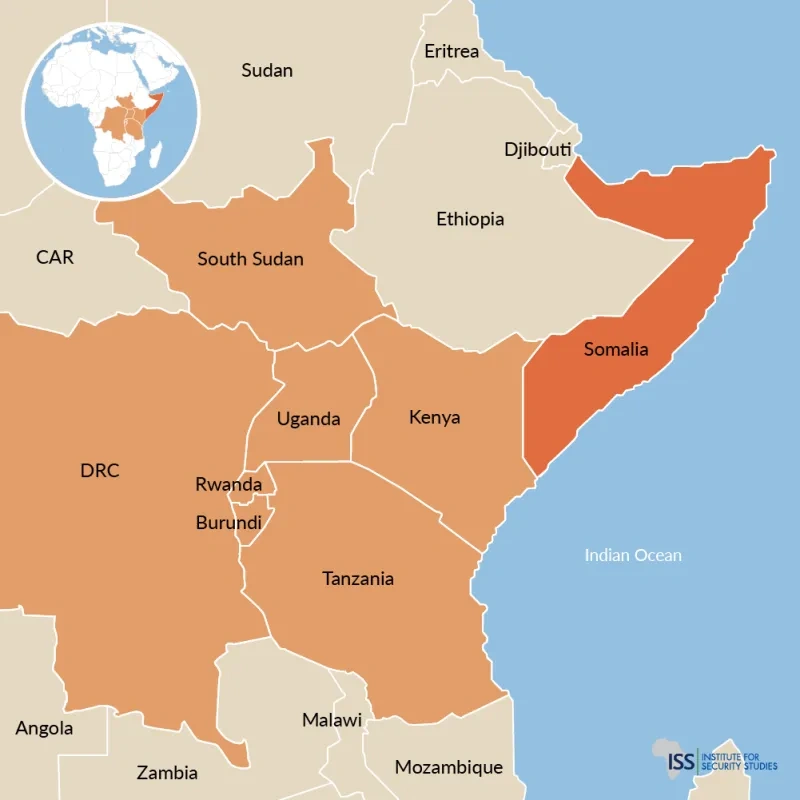
Par conséquent, dans la structure réelle du marché :
- Demande de centrales d'asphalte au Kenya = construction de routes locales + retombées de projets régionaux
- La demande des centrales d'asphalte en Ouganda dépend fortement de la plateforme logistique du Kenya.
- La demande en usines d'asphalte en Tanzanie est alimentée à la fois par les ports et les voies navigables intérieures.
Cette structure rend la centrale d'asphalte mobile en Afrique plus adaptable aux marchés transfrontaliers, notamment dans les environnements où les projets sont dispersés et les chantiers transfrontaliers fréquents.
20.2 Projets d'infrastructures transfrontalières
Dans le cadre du développement des infrastructures en Afrique de l'Est, les projets transfrontaliers contribuent fortement à la croissance de la demande en centrales d'enrobage. L'intégration des réseaux routiers s'accélère notamment dans les projets de transport régionaux financés conjointement par la Banque africaine de développement (BAD) et divers gouvernements nationaux.
Projets de la Banque africaine de développement pour l'Afrique de l'Est
Ces projets transfrontaliers présentent généralement les caractéristiques suivantes :
Premièrement, il s'agit de projets d'envergure et de longue durée, tels que les autoroutes transfrontalières, les corridors commerciaux régionaux et les routes de liaison frontalières. Ces projets exigent une capacité de production plus élevée des centrales d'enrobage et une meilleure stabilité des équipements.
Deuxièmement, les zones de construction s'étendent sur plusieurs pays, ce qui exige des équipements plus mobiles et une meilleure adaptabilité logistique. Dans ce contexte, les avantages des centrales d'enrobage super mobiles sont d'autant plus importants, car elles peuvent être rapidement transférées d'un chantier au Kenya, en Ouganda ou en Tanzanie.
Troisièmement, les sources de financement sont fortement internationalisées. La participation de la Banque africaine de développement, de la Banque mondiale et d'autres institutions financières multilatérales renforce les exigences des projets en matière d'équipements, de protection de l'environnement, d'efficacité et de gestion des données.
Dans ce système, le marché des centrales d'asphalte en Afrique de l'Est passe progressivement d'une approche « axée sur les projets nationaux » à une approche « axée sur les corridors régionaux », et les fournisseurs d'équipements doivent également passer d'une stratégie de marché national unique à une stratégie régionale.
Résumé stratégique
La valeur fondamentale du Kenya ne réside pas seulement dans son marché local, mais aussi dans son rôle de pays nœud du réseau d'infrastructures de l'Afrique de l'Est. Pour les fabricants de centrales d'enrobage, pénétrer le marché kenyan signifie en réalité s'implanter sur :
- Système de marché multi-pays Kenya + Ouganda + Tanzanie + Rwanda
- Marché intégré des infrastructures de la Communauté d'Afrique de l'Est
- système de projets d'ingénierie transfrontaliers piloté par la BAD
Par conséquent, les centrales d'enrobage mobiles, dotées d'une grande mobilité et de capacités modulaires, continueront d'accroître leur part de marché en Afrique dans le cadre de l'expansion régionale.
FAQ : Questions et réponses courantes sur les centrales d'enrobage au Kenya
Quelle est la meilleure centrale d'enrobage pour les projets routiers au Kenya ?
Sur le marché kényan de la construction routière, la « meilleure » centrale d'asphalte dépend de la structure du projet et du mode de construction, et non d'un modèle unique.
D'un point de vue pratique, la centrale d'enrobage mobile à tambour est particulièrement performante pour les projets de routes départementales au Kenya, la modernisation des routes urbaines et les travaux autoroutiers décentralisés, grâce à sa capacité de déplacement rapide, ses avantages en matière de transport modulaire et sa moindre dépendance à l'installation.
Pour les grands projets d'autoroutes nationales, les centrales d'enrobage fixes à grande capacité restent pertinentes, mais la tendance générale évolue vers les centrales d'enrobage mobiles au Kenya, notamment dans le contexte de l'Afrique de l'Est où les chantiers sont dispersés.
Combien coûte une centrale d'enrobage mobile au Kenya ?
Le prix d'une centrale d'asphalte mobile au Kenya est influencé par divers facteurs, notamment la capacité de production (par exemple 40TPH / 60TPH / 120TPH), le niveau de configuration (automatisation standard ou haut de gamme) et les conditions de transport et d'installation.
De manière générale, la fourchette de prix des petites et moyennes centrales d'enrobage mobiles sur le marché kenyan est large, les principales différences provenant de :
- Capacité de production (TPH)
- Niveau d'automatisation (PLC / système cloud)
- Type de système d'alimentation (diesel / fioul lourd / bicarburant)
- Qu'il s'agisse des fonctions RAP ou WMA
Du point de vue de la structure globale des investissements, le coût des équipements ne représente qu'une partie de l'investissement total du projet ; il faut également prendre en compte les coûts d'installation, de logistique et de mise en service.
Pourquoi les centrales d'enrobage mobiles sont-elles populaires en Afrique ?
La popularité rapide des centrales d'enrobage mobiles sur le marché africain est principalement due aux caractéristiques structurelles de l'environnement de construction.
Dans des pays comme le Kenya, l'Ouganda et la Tanzanie, les projets routiers présentent généralement les caractéristiques suivantes :
- Projets décentralisés
- Courte période de construction
- Terrain complexe
- Conditions de transport limitées
Comparées aux équipements fixes, les centrales d'enrobage mobiles présentent les avantages d'une installation rapide, d'une relocalisation flexible et de besoins en infrastructures moindres.
De plus, dans le contexte du développement accéléré des infrastructures en Afrique de l'Est, le taux d'utilisation des équipements est devenu un indicateur clé, et les structures mobiles peuvent améliorer considérablement ce taux, augmentant ainsi le retour sur investissement.
Quel carburant est utilisé dans les centrales d'asphalte au Kenya ?
Les combustibles couramment utilisés dans les centrales d'asphalte du Kenya comprennent principalement :
- Diesel (diesel)
- pétrole lourd (pétrole lourd)
- Systèmes à double carburant (systèmes à double carburant, pris en charge par certains équipements)
Parmi eux, le diesel est le plus utilisé dans les petites centrales d'asphalte au Kenya et dans les centrales d'asphalte mobiles en raison de sa facilité de démarrage et de sa grande adaptabilité.
Le fioul lourd est plus couramment utilisé dans les projets autoroutiers continus à long terme en raison de son coût unitaire de combustible relativement plus faible, mais il nécessite un système de chauffage plus puissant.
En ce qui concerne les tendances futures, avec la demande croissante d'optimisation énergétique et de protection de l'environnement, les systèmes de combustion à double combustible et à faibles émissions gagnent progressivement en popularité.
Combien de temps dure l'installation d'une centrale d'asphalte ?
Dans le cadre du projet d'installation d'une centrale d'asphalte au Kenya, la durée de l'installation dépend du type d'équipement et des conditions du site.
Pour une centrale d'enrobage mobile de grande capacité, le cycle typique est le suivant :
- Installation sur site : environ 7 à 15 jours
- Mise en service et essais de fonctionnement : environ 3 à 7 jours
Si l'on inclut l'ensemble du processus de transport et de dédouanement, il faut généralement compter entre 2.5 et 4 mois entre l'expédition depuis l'usine et le lancement officiel.
Comparé aux centrales fixes traditionnelles, le cycle global de mise en service des centrales d'enrobage mobiles en Afrique est nettement plus court, ce qui les rend particulièrement adaptées aux projets routiers urgents.
Les centrales d'enrobage mobiles peuvent-elles produire de l'asphalte de qualité routière ?
Oui.
Les centrales d'enrobage mobiles modernes haut de gamme sont parfaitement capables de produire de l'asphalte de qualité routière, notamment :
- AC (Béton asphaltique)
- SMA (Asphalte Mastic Pierre)
- Asphalte modifié aux polymères (asphalte modifié)
L'élément clé est de savoir si l'équipement possède :
- Système de mesure précis
- Système de contrôle de température stable
- Tambour de mélange de haute qualité
- Système de contrôle automatisé (PLC)
Dans le cadre des projets routiers nationaux du Kenya et du système de normes de la KeNHA, tant que la configuration de l'équipement répond aux normes, la centrale d'asphalte mobile peut pleinement répondre aux spécifications d'asphalte de haute qualité.
Quel est le retour sur investissement d'une usine d'asphalte au Kenya ?
Le retour sur investissement d'une usine d'asphalte au Kenya dépend de trois facteurs clés :
- Taux d'utilisation des équipements (taux d'utilisation)
- continuité du projet (pipeline de projets)
- Contrôle des coûts d'exploitation (carburant + main-d'œuvre + temps d'arrêt)
Dans les projets de routes départementales ou les projets PPP, si l'équipement peut maintenir un niveau de fonctionnement élevé, le retour sur investissement peut être considérablement amélioré.
Du point de vue de l'économie de l'ingénierie, cela peut s'exprimer ainsi :
ROI = Bénéfice annuel / Investissement total × 100 %
Sur le marché kenyan, grâce à leur grande mobilité et à leurs faibles coûts d'arrêt, les centrales d'enrobage mobiles ont généralement une période de récupération de l'investissement plus rapide que les équipements fixes traditionnels.
Vous recherchez une centrale d'enrobage fiable au Kenya ?
Le marché kényan de la construction routière évolue vers un déploiement plus rapide, une mobilité accrue et une maîtrise plus stricte des coûts. Qu'il s'agisse de développement de routes départementales, d'élargissement d'autoroutes ou de projets d'infrastructures transfrontalières en Afrique de l'Est, le choix des équipements détermine directement l'efficacité du projet et son retour sur investissement.
Zoomline Les solutions de centrales d'enrobage mobiles ultra-performantes sont conçues précisément pour répondre à ces exigences : transport modulaire, installation rapide, production stable et adaptabilité à l'environnement logistique et climatique complexe du Kenya. Des projets de 40 tonnes par heure à l'échelle d'un comté aux applications autoroutières de plus grande capacité, le système est conçu pour assurer une production continue avec des temps d'arrêt réduits et des coûts d'exploitation optimisés.
Pour les entreprises de construction et les promoteurs de projets opérant au Kenya, en Ouganda, en Tanzanie et dans l'ensemble de l'Afrique de l'Est, le choix d'une centrale d'enrobage mobile adaptée relève non seulement d'une décision technique, mais aussi d'une stratégie financière. Une centrale d'enrobage mobile bien configurée peut considérablement réduire les délais de retour sur investissement et améliorer la rentabilité à long terme.
Si vous envisagez un nouveau projet de construction routière au Kenya ou une expansion sur les marchés d'Afrique de l'Est, le moment est venu d'évaluer la configuration des équipements, la capacité de production et la stratégie de déploiement avant le début de l'exécution du projet.
Solutions mobiles d'usines d'asphalte pour l'Afrique de l'Est
Conçu pour la mobilité. Pensé pour un retour sur investissement optimal. Destiné aux conditions réelles de chantier.
Conseil et services
Pour plus d'informations sur ZoomlinePour toute demande concernant la sélection, le devis et les services d'inspection sur site des stations d'enrobage écologiques locales en Indonésie, veuillez contacter directement [Nom de l'entreprise]. ZoomlineL'équipe locale de Jakarta s'efforce de trouver une solution dédiée à la construction de routes écologiques.
Télécharger ce rapport :usine-asphalte-kenya.pdf
📩 Courriel : [email protected]
🌐 Site officiel : https://www.zoomline.com.cn/