Plazo de instalación: De marzo a mayo de 2026.
Lugar de instalación: Jartum, Sudán
Producto: Planta de asfalto de mezcla por lotes estacionaria de 160 t/h
Modelo: ZAP-1S60
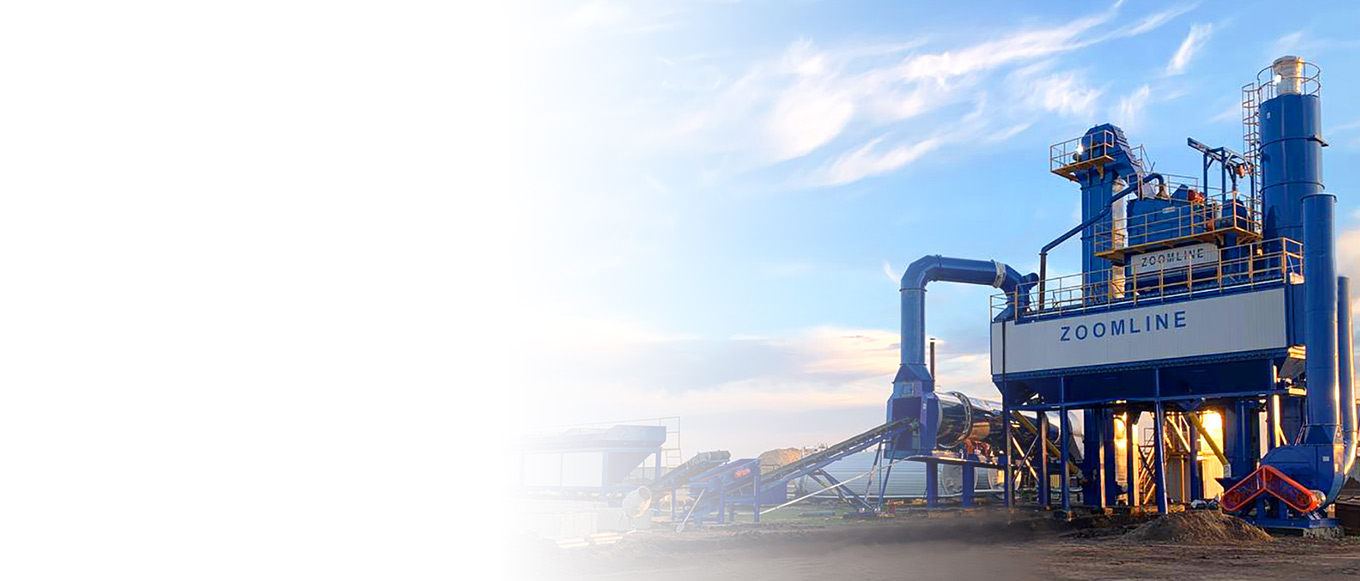
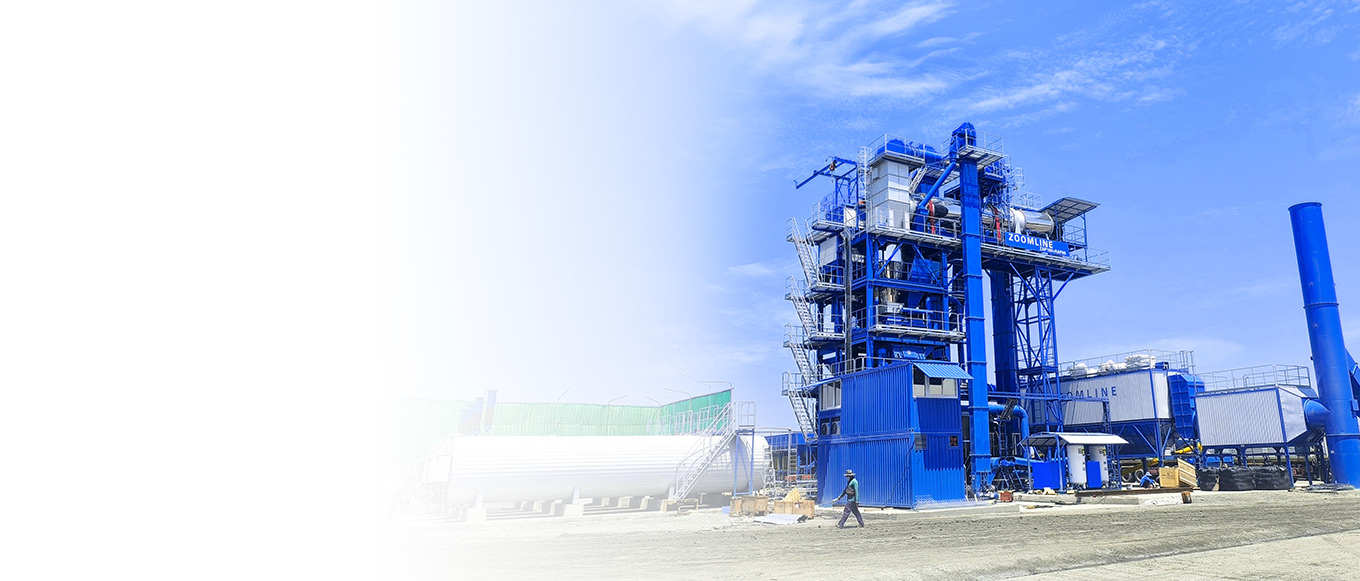
En mayo de 2026, ZOOMLINE La planta de mezcla de asfalto estacionaria por lotes ZAP-S160 de 160 t/h se instaló oficialmente y se puso en marcha con éxito en Jartum, la capital de Sudán. Esto no fue simplemente una entrega rutinaria de equipos, sino un esfuerzo de ayuda humanitaria de gran envergadura que abarcó montañas y mares. Ante una red de transporte devastada por la guerra, condiciones naturales extremadamente adversas y capacidades operativas y de mantenimiento locales limitadas, ZOOMLINE La maquinaria, con su calidad de referencia "Hecho en China", impulsó con fuerza la reparación de carreteras y la reconstrucción de viviendas en Sudán.
Las principales carreteras de Sudán han sufrido daños durante mucho tiempo a causa del conflicto, lo que ha provocado baches y una red vial fragmentada. Esto ha dificultado gravemente el flujo de tráfico, afectando significativamente la movilidad de los residentes locales, el retorno de los refugiados y la recuperación del comercio y la economía regionales. Para mejorar las condiciones de vida de la población y restaurar la infraestructura regional, el gobierno local puso en marcha con urgencia un proyecto de reparación de carreteras destinado a mejorar el bienestar público. El plan consiste en mejorar sistemáticamente la red de transporte regional, reabrir corredores de transporte vitales, garantizar el retorno ordenado de los refugiados y restablecer plenamente el comercio regional y el orden socioeconómico.
Para esta adquisición, el cliente se enfrenta a cuatro desafíos de construcción extremos e importantes que los equipos convencionales de mezcla de asfalto disponibles en el mercado no pueden solucionar:
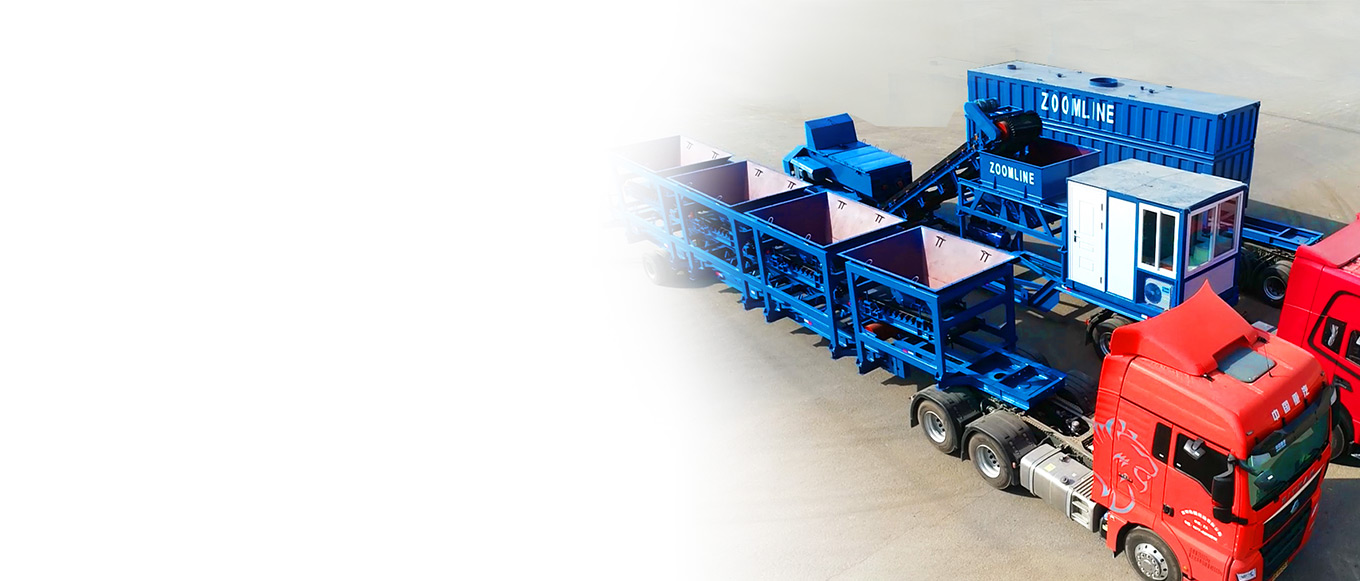
Obras de construcción dispersas: Los tramos de carretera que requieren reparación están dispersos en diferentes zonas, por lo que el equipo debe ser fácil de montar y desmontar y capaz de ser trasladado a distancias cortas;
Condiciones de mantenimiento local deficientes: Existe escasez de técnicos cualificados y el plazo de entrega de las piezas de repuesto importadas es prolongado; por lo tanto, el equipo debe ser altamente resistente al desgaste y fácil de desmontar y reparar;
Suministro eléctrico inestable en entornos hostiles: Debido al calor extremo durante todo el año y a las importantes fluctuaciones de voltaje en la red eléctrica, el equipo debe ser compatible con la generación independiente de energía diésel;
Calendario ajustado y presupuesto limitado: El proyecto debe desplegar rápidamente equipos para reparar las carreteras urbanas y rurales dañadas, al tiempo que contempla renovaciones a largo plazo y a gran escala de la red vial, priorizando los modelos modulares y de bajo costo.
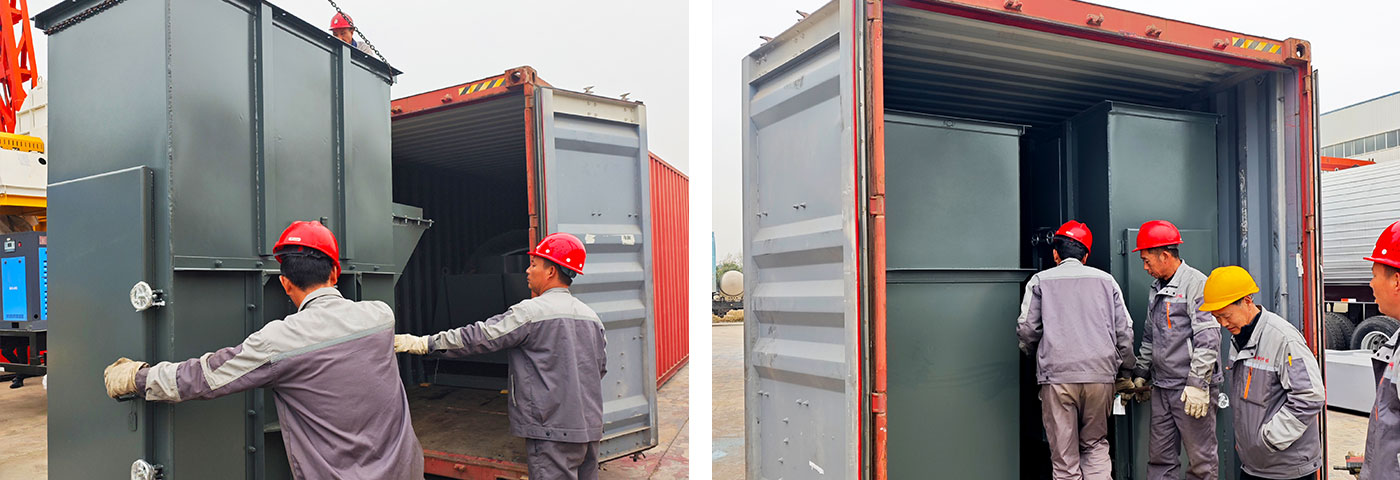
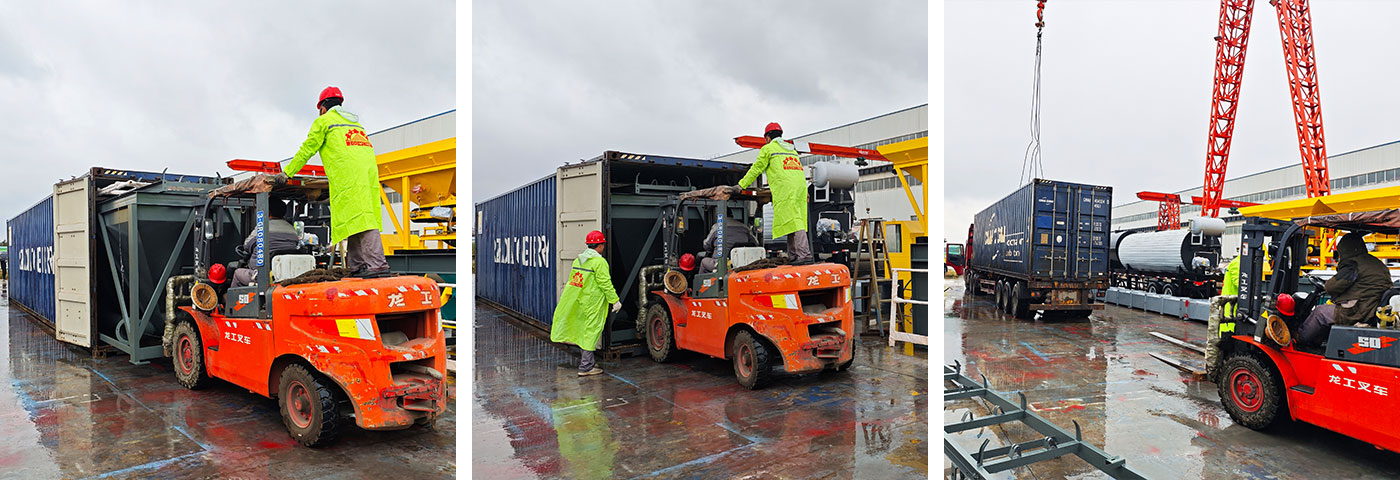
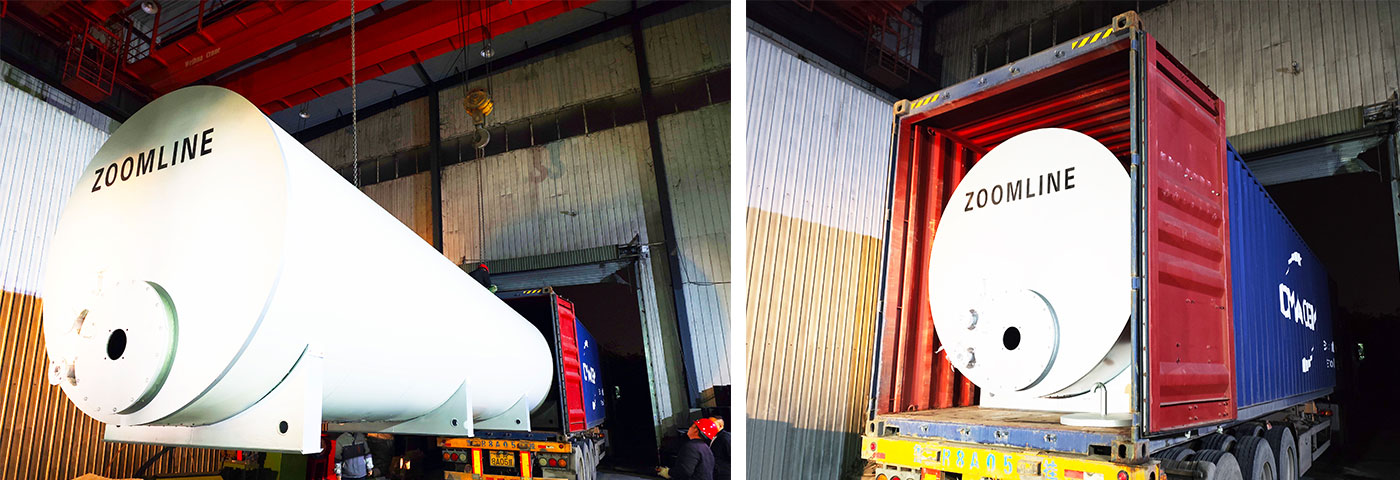
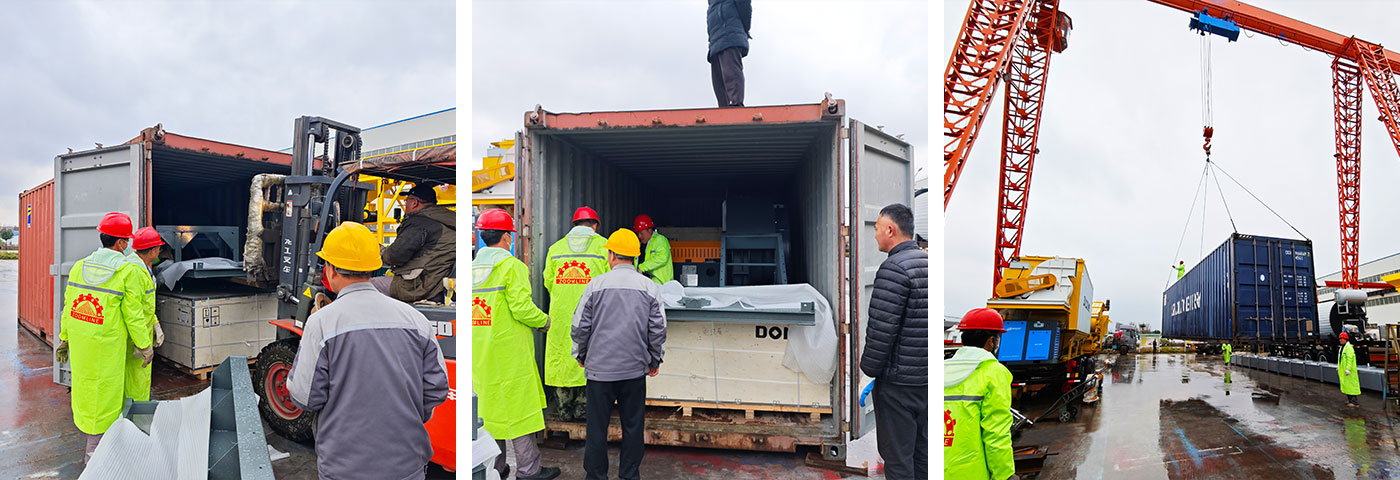
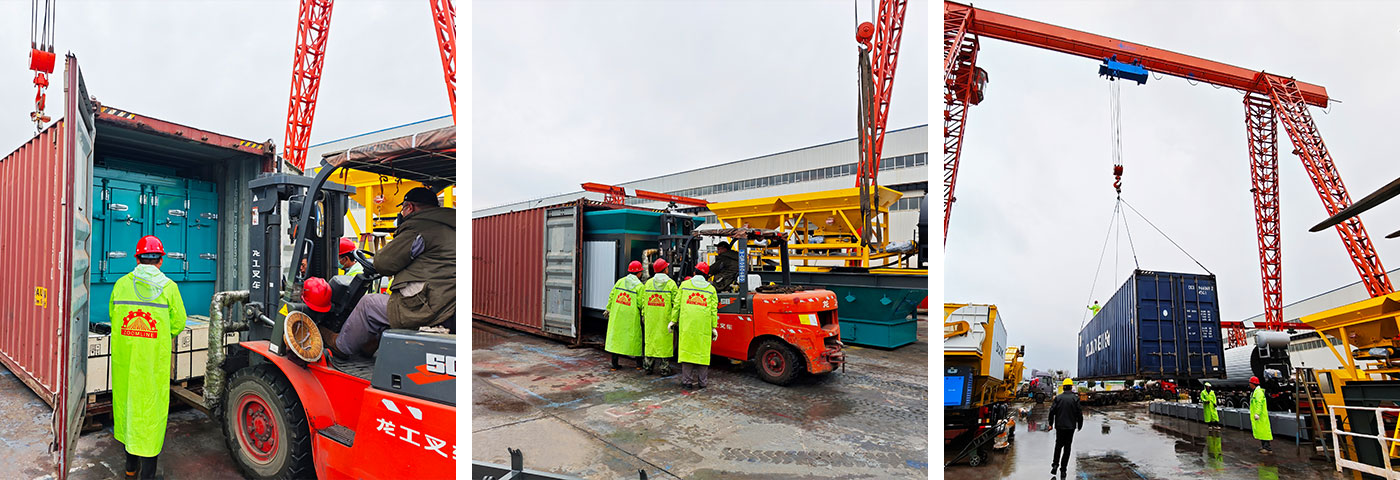
Tras varias rondas de comparaciones de soluciones de equipos, el cliente finalmente seleccionó la planta de mezcla de asfalto estacionaria ZAP-S160 de nuestra empresa, diseñada específicamente para satisfacer todas las necesidades de reparación de carreteras en el Sudán posconflicto. En septiembre de 2025, el cliente sudanés adquirió formalmente la planta de mezcla de asfalto ZAP-S160 de nuestra empresa, especialmente adaptada a las condiciones de construcción locales. Para garantizar que el proyecto se mantuviera dentro del cronograma, nuestra empresa gestionó eficientemente todo el proceso —incluida la producción personalizada, la inspección de calidad y el ensamblaje— y completó la producción, el ensamblaje final y el envío de la planta de mezcla de asfalto en noviembre de 2025. El equipo se embaló en un total de 13 contenedores de 40 pies, y garantizamos la seguridad de todo el proceso de transporte y la integridad del envío a su llegada.
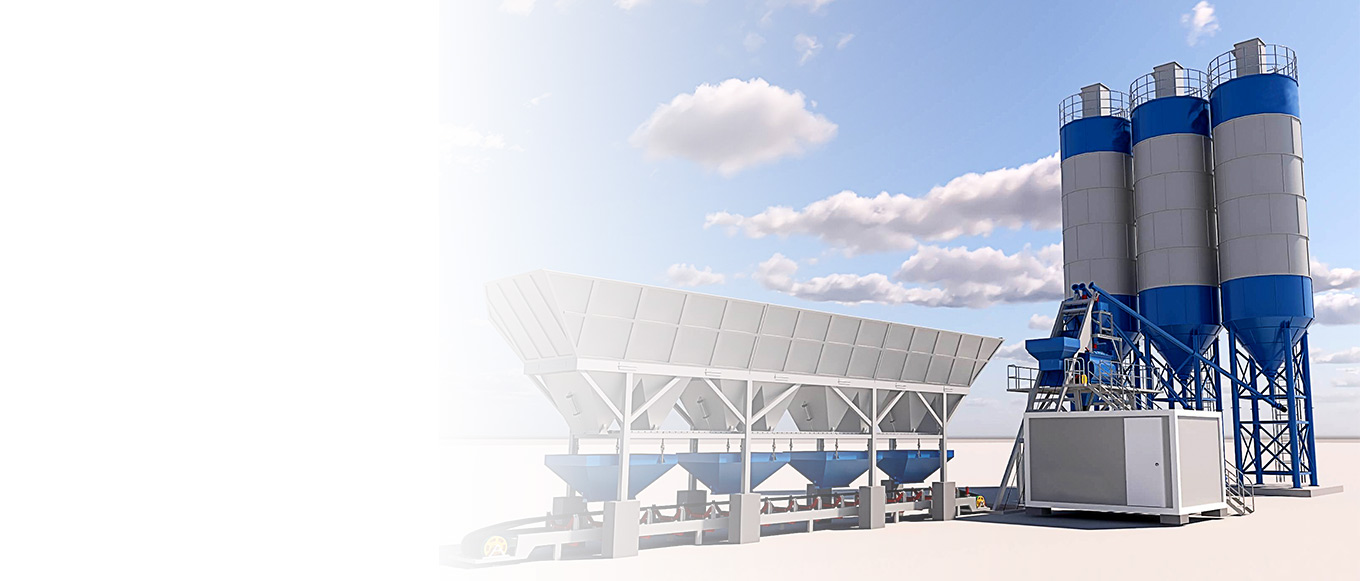
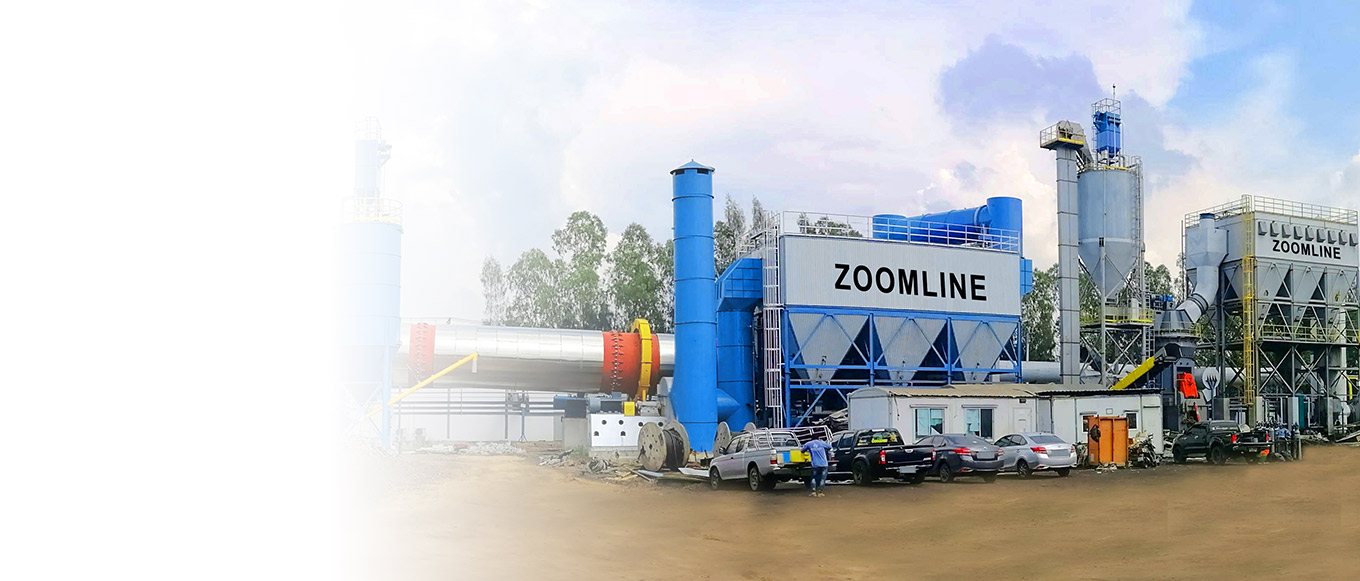
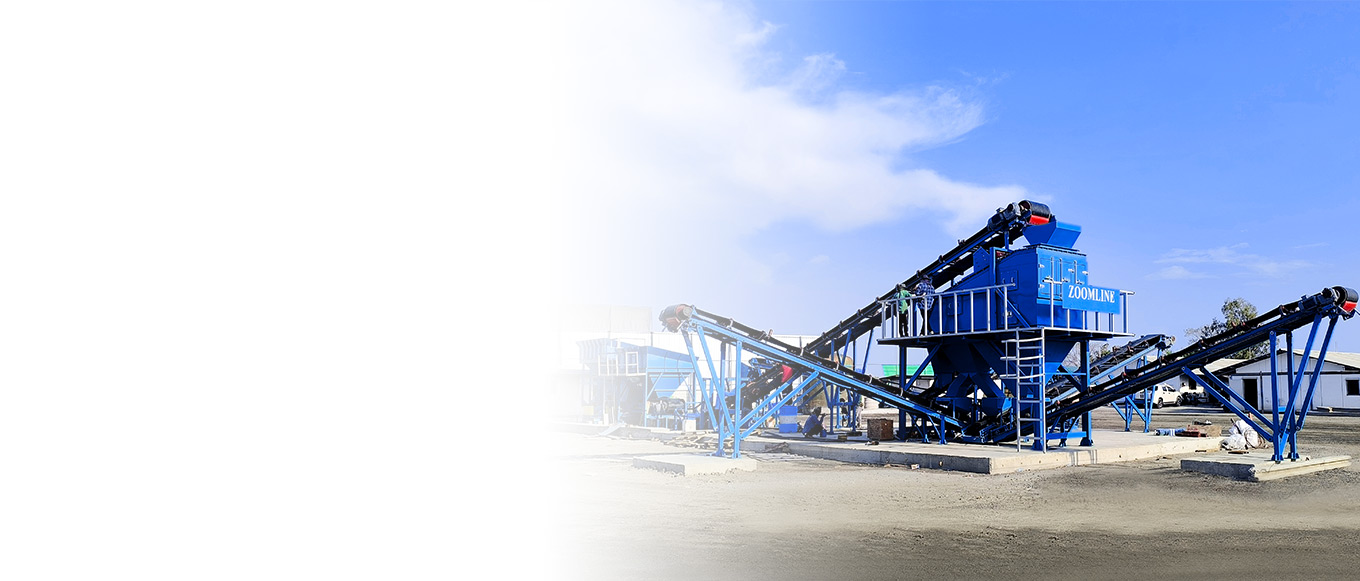
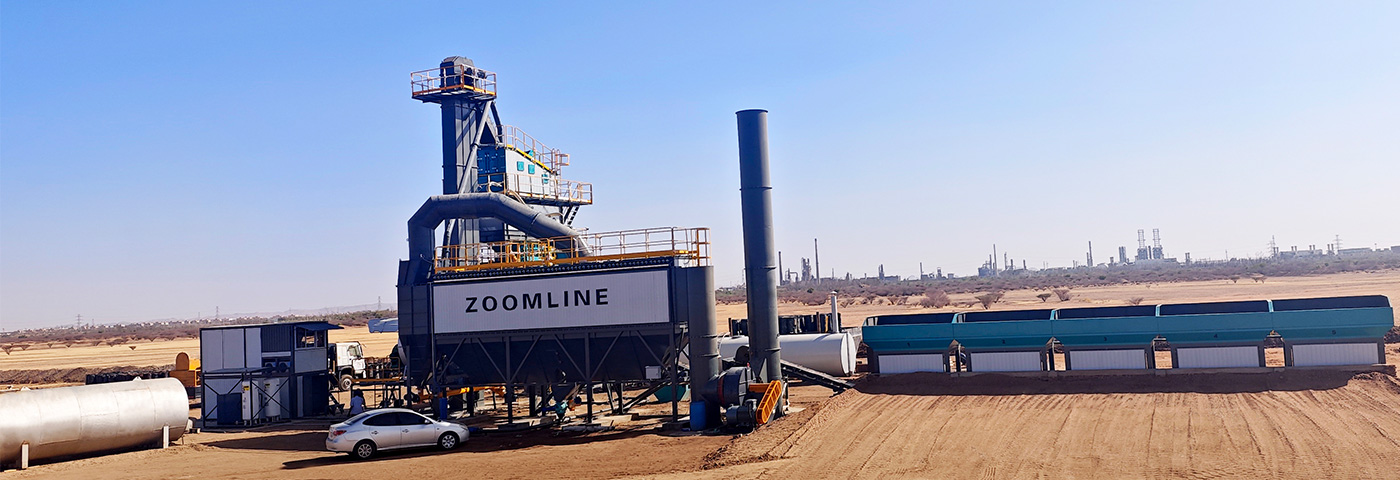
La planta de mezcla de asfalto presenta un diseño integrado, modular y de rápido montaje. El sistema consta de ocho unidades principales: el edificio principal de mezcla de alta intensidad, el elevador de agregados calientes, el sistema de secado, el sistema de alimentación de agregados fríos clasificados, el sistema de recolección de polvo mediante filtro de mangas, el sistema de suministro de polvo, el sistema de almacenamiento y transporte de asfalto y el sistema de control eléctrico totalmente automático.
El sistema de dosificación de áridos fríos de frecuencia variable e independiente de 5 compartimentos garantiza una granulometría precisa y controlable, adaptándose a una amplia gama de diseños de mezclas para pavimentos;
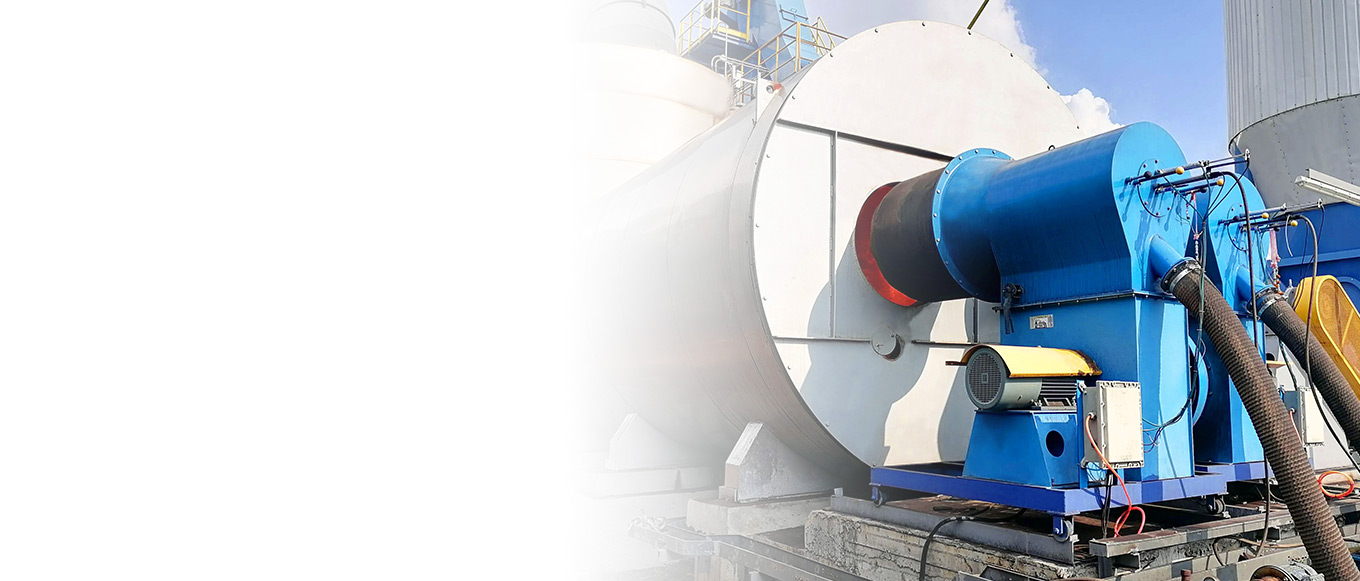
El quemador de combustible dual, compatible tanto con diésel como con fuelóleo pesado, permite cambiar fácilmente entre combustibles para adaptarse a las condiciones locales de suministro de combustible; una fuente de alimentación diésel independiente elimina la dependencia de la red eléctrica;
El colector de polvo de mangas pulsante BD600 garantiza que las emisiones de polvo cumplan con las normas reglamentarias, mantiene un funcionamiento estable en condiciones de alta temperatura y reduce el riesgo de paradas relacionadas con el medio ambiente;
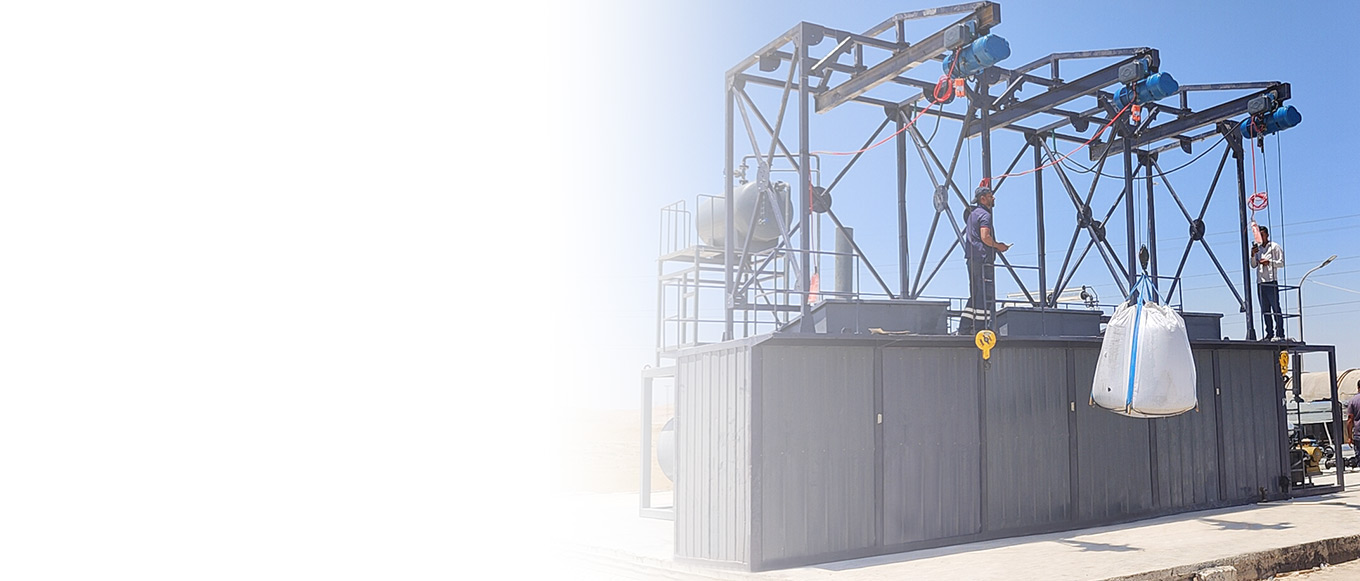
El sistema de suministro de polvo de gran capacidad (6 m³) garantiza un transporte de polvo suave y sin grumos, adecuado para la construcción continua a largo plazo;
Una criba vibratoria lineal de cuatro capas proporciona un cribado de precisión en cuatro etapas de los áridos, lo que da como resultado una alta uniformidad de los materiales acabados y cumple con los estándares de materiales para pavimentos de carreteras municipales y nacionales de diversas calidades;
Un compresor de aire de alta potencia de 45 kW proporciona potencia suficiente para las válvulas neumáticas y la eliminación de polvo, lo que reduce las tasas de fallos en condiciones de funcionamiento a altas temperaturas;
Sala de control eléctrico integrada con todo el sistema eléctrico incorporado; la producción totalmente automática mediante un solo botón permite a los técnicos locales operar el sistema tras una sencilla formación;
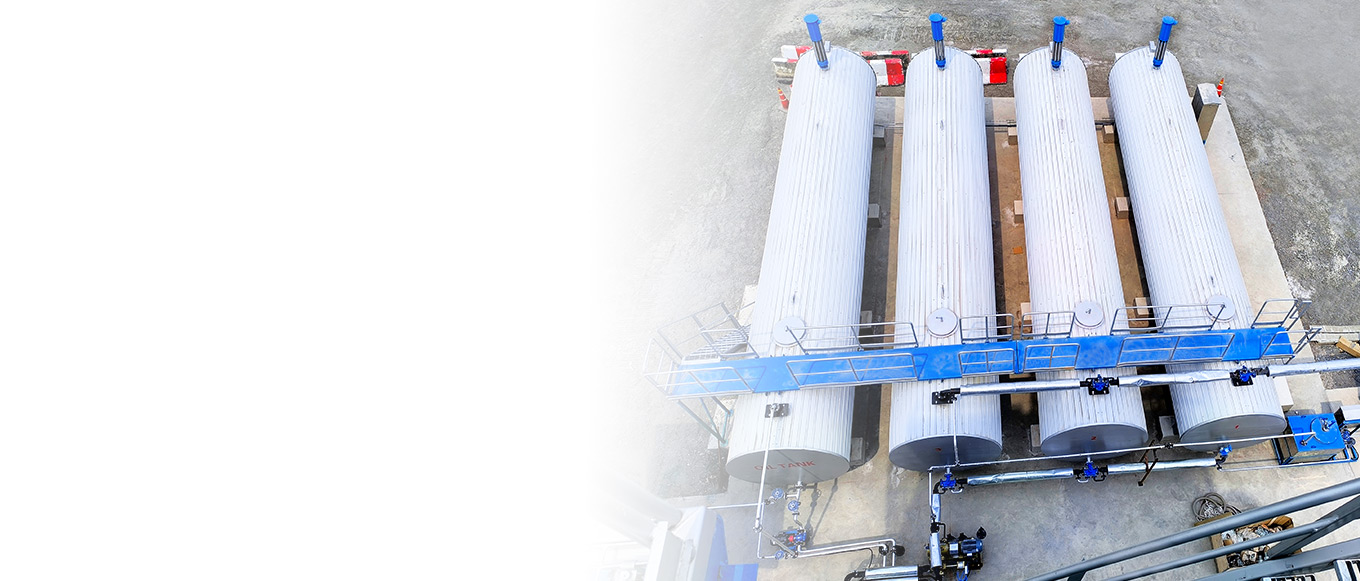
El tanque de almacenamiento de asfalto de 40 m³ con calentamiento directo mantiene temperaturas altas y estables para evitar la solidificación del asfalto, lo que lo hace adecuado para el clima de altas temperaturas que impera en Sudán durante todo el año.
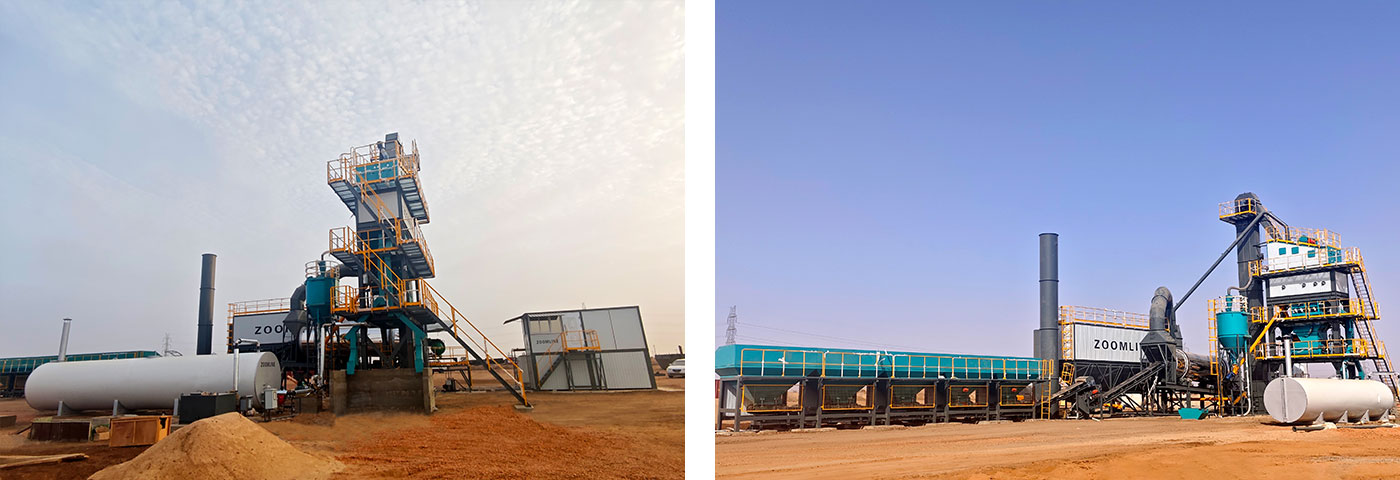
La planta de asfalto ZAP-S160 utiliza unidades modulares con componentes estandarizados e integrados. Fue entregada en marzo de 2026 y completó su puesta en marcha y producción en mayo de 2026, lo que redujo significativamente el tiempo de ingeniería civil y montaje in situ para cumplir con los plazos urgentes de reparación de carreteras locales. Una estructura de desmontaje segmentada elimina la necesidad de un desmantelamiento a gran escala durante el posterior traslado y las reparaciones en múltiples áreas, lo que reduce los costos de reubicación.
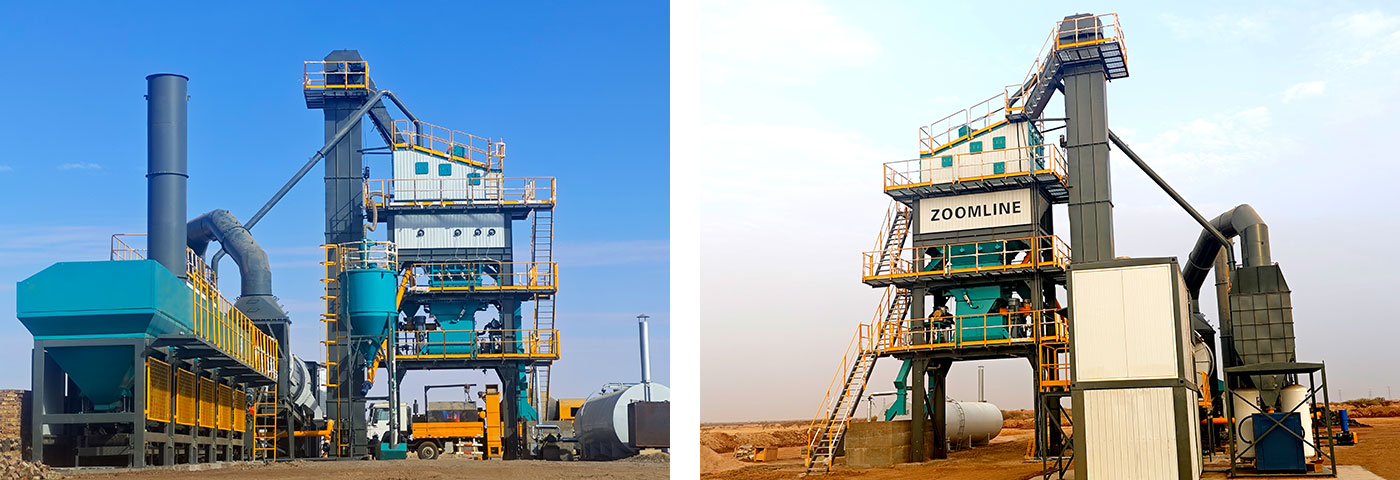
Las palas mezcladoras del edificio principal y las placas de revestimiento del tambor de secado están fabricadas con materiales de aleación reforzados y resistentes al desgaste. Las piezas de desgaste están diseñadas para ser compatibles universalmente, lo que permite que una sola pieza cubra múltiples puntos de desgaste en toda la máquina. La estructura de la máquina es sencilla, con pocos puntos de posible fallo, e incluye un manual de instrucciones bilingüe (chino y árabe), lo que permite a los técnicos locales realizar el mantenimiento rutinario de forma independiente, aliviando así significativamente la escasez de técnicos especializados en construcción de carreteras en Sudán.
Equipada de serie con el quemador T160 de combustible dual (gasóleo ligero y pesado), la máquina puede funcionar independientemente de la red eléctrica municipal, utilizando diésel para calefacción y producción. Esto garantiza una producción continua incluso en tramos de carretera remotos y deteriorados en zonas rurales donde no hay suministro eléctrico estable. El quemador ofrece una alta eficiencia de intercambio de calor y un consumo energético estable en entornos de alta temperatura, lo que permite controlar eficazmente los costes de combustible del proyecto y ajustarse a los presupuestos limitados de los clientes.
El sistema de control electrónico, el tanque de asfalto y el sistema de cribado de la planta de asfalto han sido sometidos a tratamientos mejorados de aislamiento térmico y disipación de calor, lo que permite una producción continua las 24 horas sin interrupciones, incluso en entornos de temperaturas extremadamente altas que superan los 40 °C; el sistema de recolección de polvo mediante filtro de mangas está equipado con un dispositivo automático de protección contra sobretemperatura, lo que evita que las mangas filtrantes se quemen por los gases de escape a alta temperatura y reduce los costos de consumibles operativos y de mantenimiento.
Con una capacidad de producción estable de 160 toneladas por hora y un sistema de mezcla por lotes, la planta de asfalto logra mínimas variaciones en la proporción de aceite a agregado y en la granulometría de este último. Puede satisfacer las necesidades de reparaciones de emergencia puntuales y esporádicas en caminos rurales, a la vez que apoya la construcción continua a gran escala en carreteras nacionales. Una sola unidad cubre tanto las necesidades de emergencia a corto plazo como la reconstrucción de la red vial a largo plazo, lo que optimiza la tasa de utilización general de la planta de asfalto.
Para este proyecto de rehabilitación de carreteras en Jartum, Sudán, enviamos un equipo de ingenieros profesionales que se ubicaron en el extranjero durante todo el proyecto para brindar soporte técnico integral. Después de dos meses de instalación en el sitio, puesta en marcha del sistema y producción de prueba continua, el ZOOMLINE La planta de mezcla de asfalto estacionaria por lotes ZAP-S160 se puso en funcionamiento a gran escala con éxito.
Desde su puesta en marcha, la planta de asfalto ha funcionado de forma estable y fiable. La temperatura de descarga del asfalto y las proporciones de la mezcla se controlan con precisión, y todos los indicadores de la mezcla final cumplen plenamente con las normas locales de aceptación de ingeniería vial de Sudán, lo que garantiza el progreso eficiente de los proyectos de reparación y reconstrucción en varias carreteras principales dañadas por el conflicto.
Durante la recepción del proyecto en obra, el representante del cliente expresó grandes elogios y un sincero agradecimiento por nuestros equipos de planta de mezcla de asfalto y los servicios de apoyo prestados:
"La ZOOMLINE La planta de mezcla de asfalto ZAP-S160 satisface a la perfección todas nuestras necesidades de construcción para la rehabilitación de carreteras tras la guerra, y la eficiencia general de la instalación superó con creces nuestras expectativas. Incluso en condiciones de altas temperaturas constantes, el equipo puede producir de forma estable las 24 horas del día sin interrupciones ni averías. El mantenimiento diario es sencillo y sin complicaciones, y la calidad de la mezcla final tras el asfaltado es excelente. Ya hemos planificado la compra de equipos adicionales para futuros proyectos de reparación de carreteras en otras zonas.
El cliente confirmó su intención de realizar un pedido adicional en el acto, demostrando claramente que la planta de asfalto estacionaria ZAP-S160 es muy adecuada para los escenarios de infraestructura de posguerra en África y posee ventajas de producto excepcionales y una competitividad fundamental en los mercados extranjeros caracterizados por altas temperaturas y un suministro eléctrico limitado.
Actualmente, muchos países africanos están entrando en una fase de reconstrucción de infraestructuras tras la guerra y los desastres, y un gran número de empresas constructoras de carreteras y puentes se enfrentan a desafíos comunes como las altas temperaturas, el deficiente suministro eléctrico, la escasez de mano de obra cualificada y la dispersión de las obras en múltiples ubicaciones. ZOOMLINE La planta de asfalto estacionaria ZAP-S160 de 160 t/h, que aprovecha cuatro ventajas clave —diseño modular de rápido montaje, alimentación de combustible dual, alta durabilidad y facilidad de mantenimiento, y estabilidad a altas temperaturas—, resuelve con precisión los problemas que enfrentan los clientes internacionales en proyectos de construcción de carreteras. Es una solución rentable para la mezcla de asfalto en proyectos de reparación de carreteras municipales y autopistas nacionales en África.
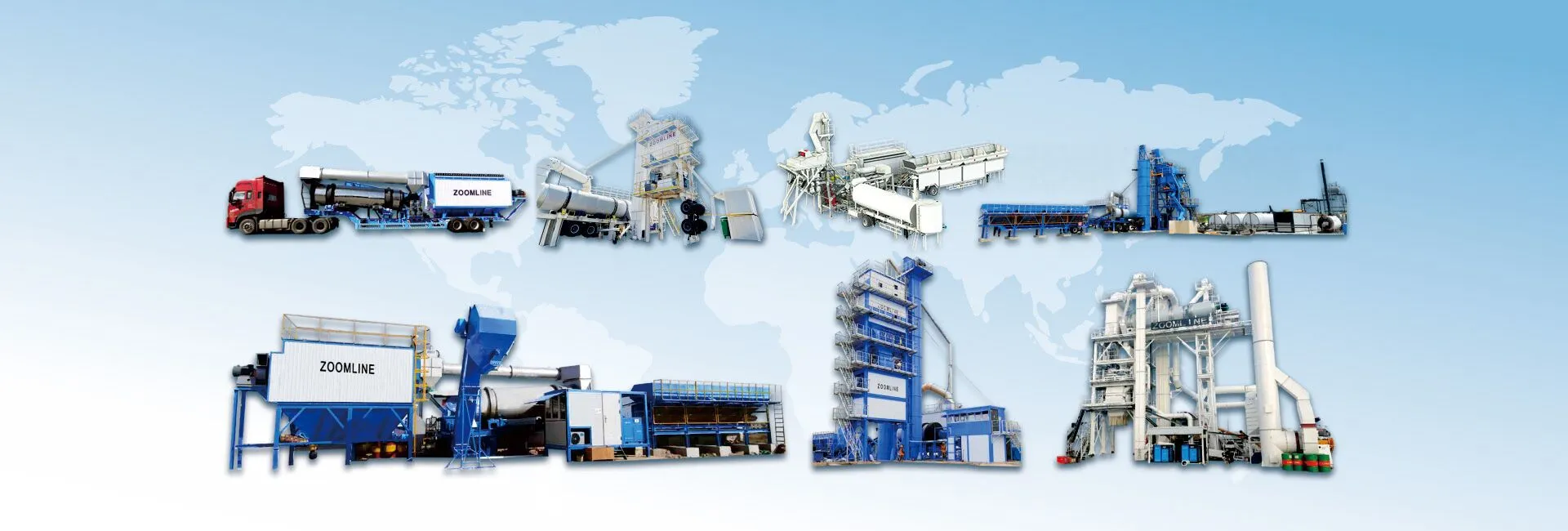
ZOOMLINE La gama completa de plantas de mezcla de asfalto de Machinery abarca modelos continuos móviles y por lotes con capacidades de 20 a 400 t/h. Nuestros equipos cuentan con una amplia gama de certificaciones de exportación, incluidas CE, ISO y EAC, y podemos personalizar soluciones para adaptarnos a las condiciones operativas de diferentes países. Prestamos servicios a proyectos de infraestructura vial en más de 80 países en todo el mundo. ZOOMLINE Proporciona servicios integrales de asistencia técnica en el extranjero, que abarcan la fabricación de equipos, la instalación in situ y la operación y el mantenimiento posventa.