

From One Trailer to 120 TPH: How a Super Mobile Asphalt Plant Is Solving Road Construction Challenges in Peru
Introducción: Can a 120 TPH Asphalt Plant Really Move With the Flexibility of a Trailer-Mounted System?
In the traditional asphalt mixing plant industry, there is a deep-rooted engineering law: the greater the capacity, the larger the equipment volume, the more modules, the more complicated the transition, and the longer the production cycle.
In the past, in order to realize the stable asphalt production capacity of 120TPH, it was necessary to support large-scale stationary asphalt mixing plant, multiple groups of functional modules, huge site space, and complicated disassembly, transportation and commissioning processes. Once the project site was changed, the long shutdown transition period would seriously drag down the construction progress.
However, the demand of modern road infrastructure projects has already subverted the logic of traditional equipment: major engineering contractors need not only large-capacity, stable and continuous asphalt supply capacity, but also lightweight, high-efficiency and zero-delay equipment transfer capacity. The two core demands have been in a contradictory state of mutual restriction for a long time.
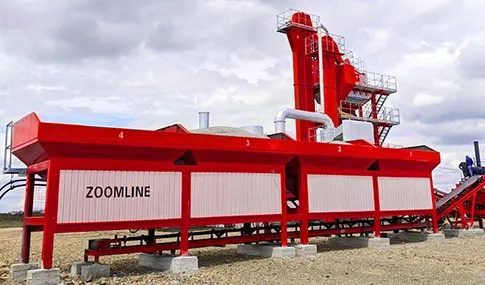
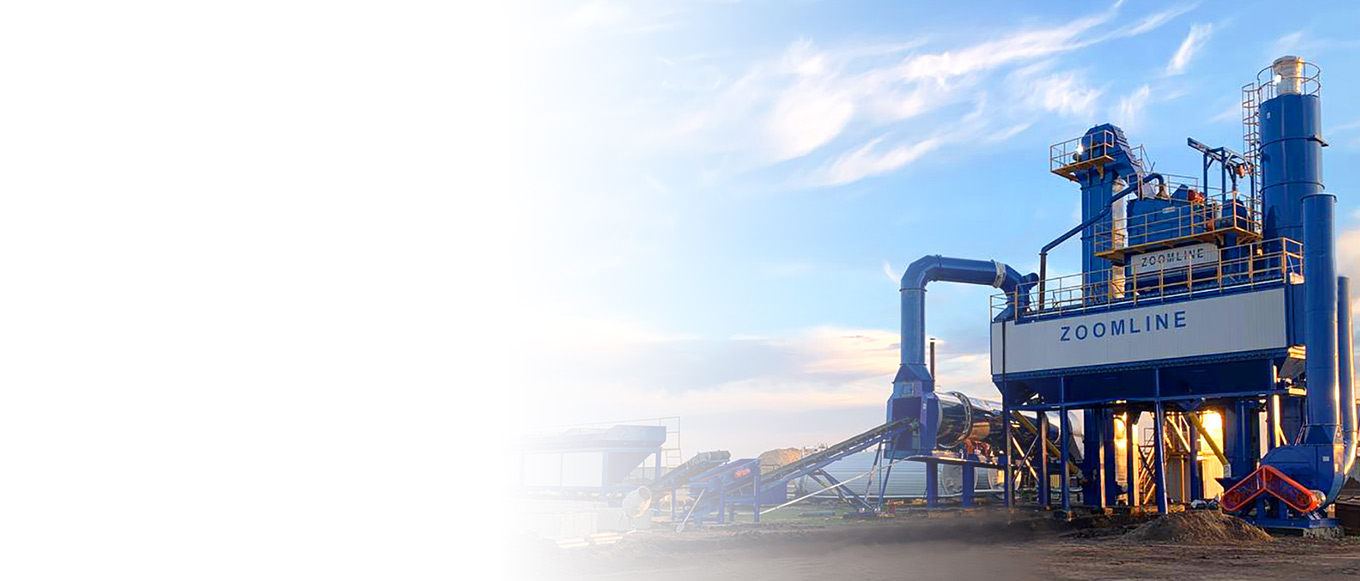
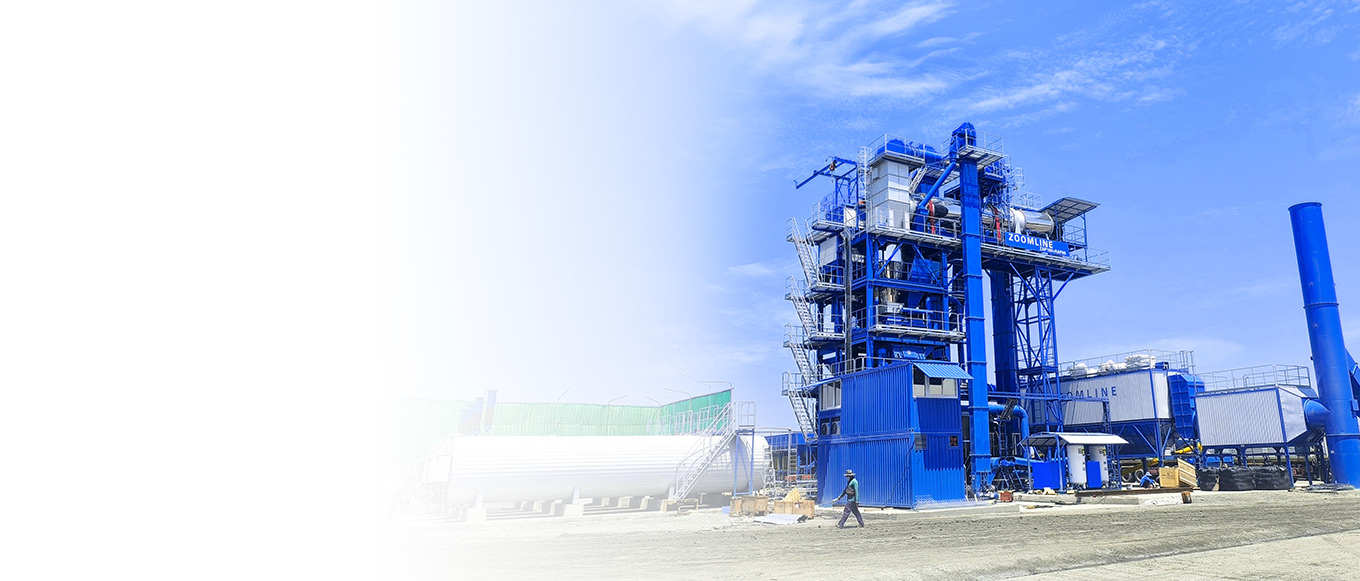
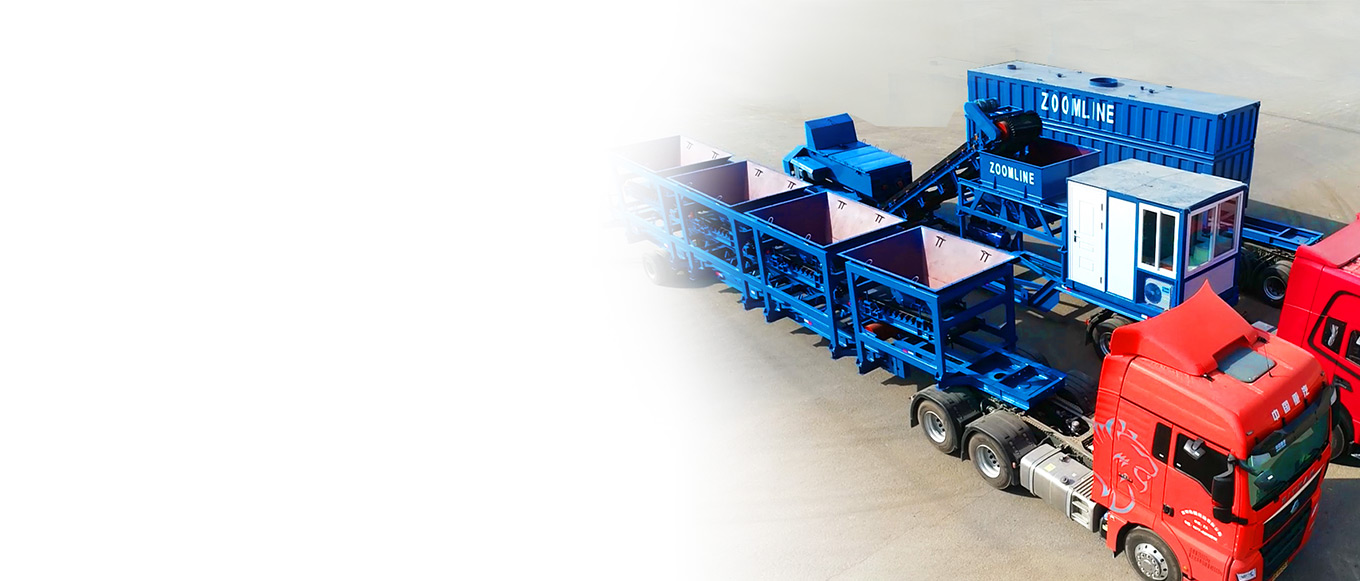
En respuesta a este problema de la industria, ZOOMLINE tailor-made for Peru road engineering project delivered 120TPH ZAP-CR super mobile continuous recycling asphalt mixing plant, with a single trailer highly integrated design as the core, integrating continuous production technology and high proportion RAP recycling technology, perfectly breaking the industry shackles of “high production capacity must be heavy, mobile must be low yield”.
In this paper, the core engineering problem will be deeply disassembled: how to have the flexible transfer capability of trailer equipment for a 120-ton high-capacity asphalt mixing plant, adapt to the complex and scattered road construction scenarios in Peru, and realize efficient production, rapid transfer, cost reduction and efficiency increase?
Why Road Construction in Peru Creates New Challenges for Asphalt Production
Diverse Terrain and Distributed Road Projects
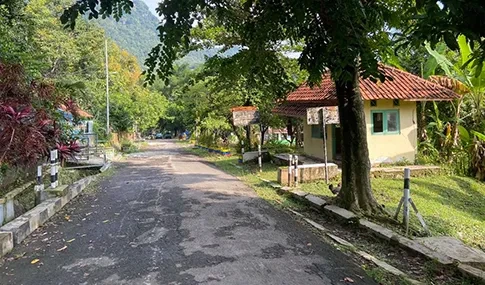
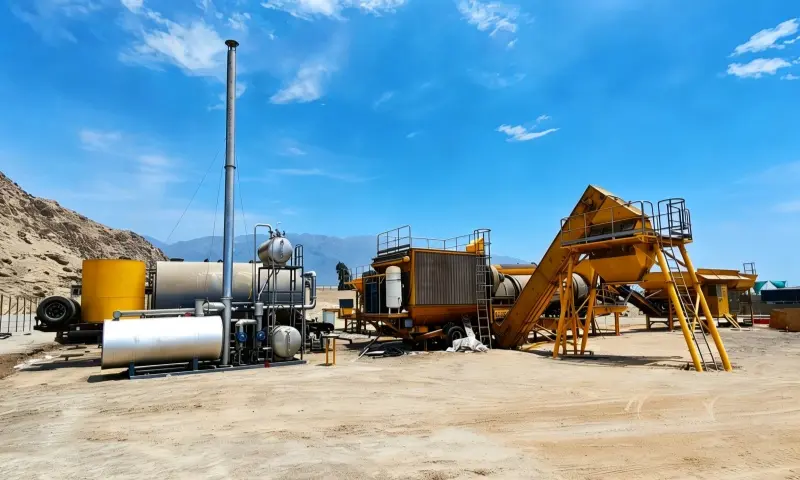
Peru’s road infrastructure covers mountains, remote suburbs, terrain transition zones and other complex landforms. The construction points are highly scattered, the site access conditions are uneven, and the cross-regional construction transportation distance is long. A large number of road upgrading and new highway projects present the construction characteristics of “multi-point, small area and wide distribution”.
The traditional stationary asphalt mixing plant can only serve a single fixed construction area and cannot cover scattered field construction points. Long-distance asphalt transportation will not only cause material temperature loss and unstable quality, but also greatly increase logistics costs. The limited capacity of ordinary mobile asphalt mixing plants cannot meet the large-scale asphalt supply demand of large-scale road projects in Peru, which also makes local contractors fall into the dilemma of “inflexible stationary asphalt plant equipment and low mobile asphalt plant equipment capacity” for a long time.
When Asphalt Plants Need to Move, Downtime Becomes a Project Cost
For Peruvian engineering teams undertaking multi-section and cross-regional construction, the downtime loss caused by equipment transfer far affects the project income more than the equipment procurement cost. The transfer process of traditional multi-module mobile asphalt mixing plant is extremely complicated, which needs to complete a series of complex procedures such as equipment disassembly, sorting and loading, cross-regional logistics coordination, new site leveling pretreatment, equipment reassembly, system commissioning and calibration, etc.
Every transition means complete interruption of production, which will not only cause delay in construction period, but also generate additional costs such as manual idle, equipment operation and maintenance, logistics scheduling, etc. In Peru’s infrastructure projects with tight construction period, the transition downtime is the direct project loss time. How to minimize the transition period and reduce ineffective downtime has become the core problem that local contractors need to solve urgently.
The Engineering Challenge: Combining 120 TPH Capacity With High Mobility
Throughout the industry traditional asphalt mixing plant design logic, production capacity and mobility can not always be balanced: the higher the production capacity, the more complex the required drying, mixing, batching, regeneration system, the more equipment modules, the larger the volume, the difficulty of transportation and installation is geometrically increased, and the flexibility of equipment is greatly reduced.
However, Peru’s current road engineering precisely puts forward the reverse rigid demand: not only to meet the stable and high yield of 120TPH required for large-scale infrastructure construction, to ensure the material supply of large-area paving and road upgrading projects; but also to have the ultimate mobility performance, adapt to the multi-point and high-frequency cross-regional transfer demand, and eliminate long-term downtime loss.
This also derives from the core engineering proposition of the whole industry: how to build a 120TPH high-capacity asphalt mix plant, on the premise of ensuring stable high-yield and high-quality mixing, completely get rid of the disadvantages of heavy, difficult to transport and cumbersome debugging of traditional high-capacity asphalt mix plant equipment?
ZOOMLINE super mobile engineering concept is born to solve this contradiction. Through structural reconstruction, process integration and transportation optimization, it realizes two-way compatibility of high productivity and high mobility.
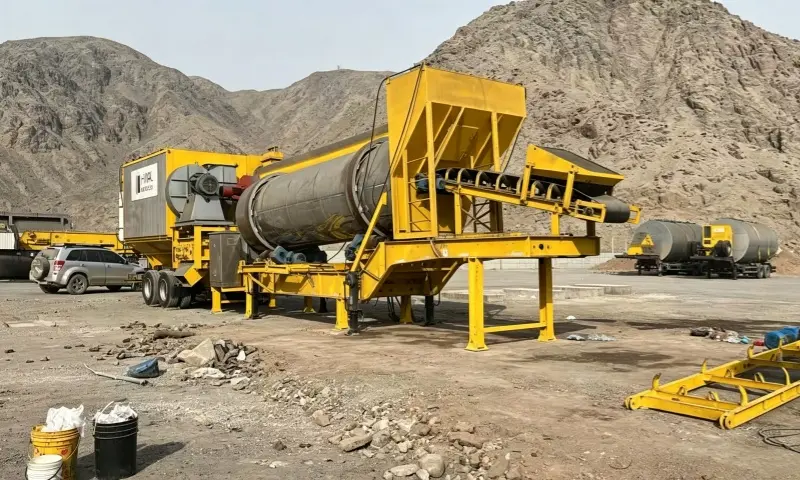
From One Trailer to 120 TPH: Inside the Super Mobile Engineering Concept
One Trailer, Highly Integrated
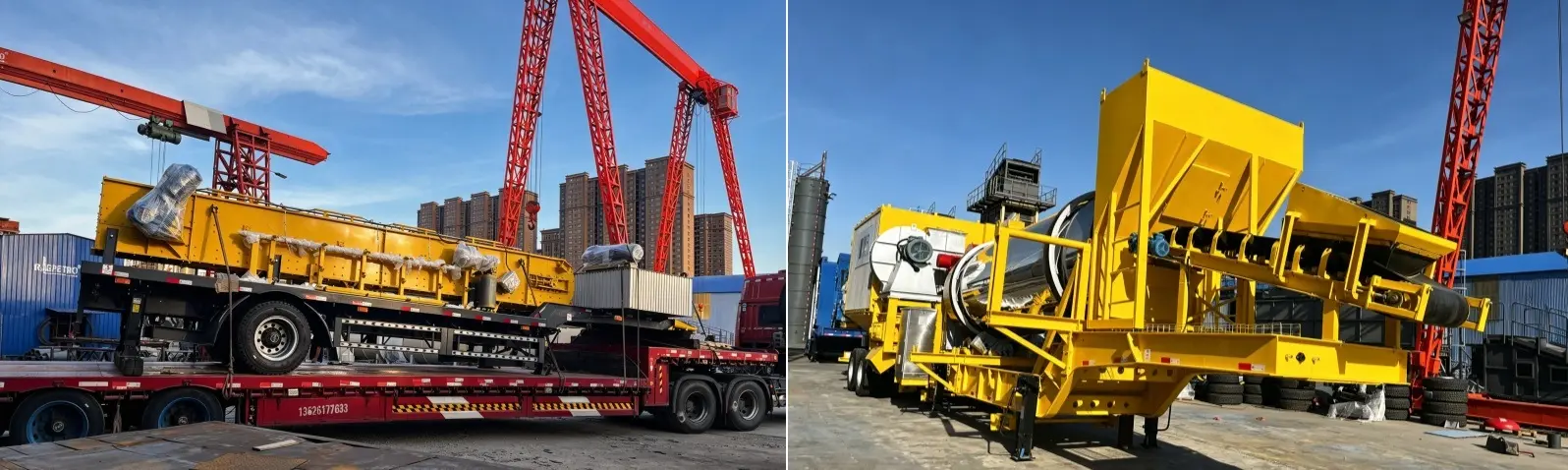
ZAP-CR super mobile asphalt mixing plant “single trailer design”, is not a simple equipment on the trailer chassis extensive transformation, but based on the real field construction scenario systematic engineering optimization. The equipment breaks the traditional multi-module split structure and integrates the six core function systems of aggregate batching, drying and mixing, bitumen supply, intelligent electronic control, material transportation and RAP regeneration into the integrated trailer structure.
The equipment strictly follows the design principle of “maximizing function integration and minimizing transition complexity”, cancels all redundant modular accessories, eliminates repeated disassembly and debugging of core production components, simplifies the equipment structure from the root, reduces the difficulty of transition, and truly realizes a trailer carrying a complete set of 120-ton asphalt production system.
Designed for Transportation—Not Just Production
Traditional asphalt mixer plants only take “production efficiency” as the only design standard, while ZOOMLINE ZAP-CR planta de asfalto móvil adopts a dual-core design system of “production efficiency + transportation efficiency”. The equipment is equipped with an integrated special trailer chassis, which adopts lightweight and high-strength structural optimization design. Under the premise of strictly ensuring stable production capacity of 120TPH and equipment operation stability, the volume and weight of the whole machine are greatly reduced.
The equipment adopts standardized highway transportation size without special transportation approval, which can directly adapt to various mountain roads, rural roads and suburban roads in Peru, completely solve the problem of cross-regional logistics coordination, greatly shorten the preparation period of equipment transfer, and perfectly adapt to the complex and changeable construction site conditions in Peru.
Less Relocation Work Means Faster Production Restart
Relying on highly integrated structure, the mobile asphalt plant has built a complete logic chain of cost reduction and efficiency enhancement:
Minimized integrated structure → greatly reduced disassembly and assembly workload → no repeated system debugging → greatly shortened transition shutdown time → rapid commissioning of new site → overall improvement of construction continuity.
According to the construction characteristics of Peru road project with multi-point dispersion and frequent transfer, the design completely solves the pain points of complicated transfer, long downtime and slow resumption of production of traditional equipment, so that the transfer of asphalt hot mix plant no longer restricts the construction progress, and improves the overall construction efficiency from the process.
Why Continuous Asphalt Mixing Technology Supports High-Output Mobile Projects
Continuous Production for Stable Asphalt Supply
ZAP-CR super mobile asphalt plant is equipped with mature continuous asphalt mixing technology, realizing uninterrupted operation of aggregate feeding, drying and heating, bitumen spraying, continuous mixing and finished product discharging. Continuous stable discharge, reduce pulse-type fluctuation between batches, stable and consistent mixture quality, compared with batch asphalt mixing plant, avoid the fluctuation of feeding rhythm caused by batch discharge, and reduce the risk of temperature fluctuation between batches.
Stabilize the production capacity of 120TPH hours, fully meet the material requirements of Peru highway upgrading, urban and rural road renovation, large-area asphalt paving, large-scale infrastructure supporting roads and other large-scale construction scenarios, continuously output high-quality asphalt mixture for the project, and ensure the consistent construction rhythm.
Bringing Production Capacity Closer to the Project
The capacity of traditional stationary asphalt mixing plants is “fixed”, while the core value of ZAP-CR super mobile asphalt plants is to realize dynamic deployment of 120-ton high-yield production capacity. A large number of remote road sections and mountainous construction sites in Peru lack fixed mixing sites. Long-distance transportation of materials is not only costly, but also causes cooling and segregation of asphalt mixtures, affecting construction quality.
The asphalt hot mix plant can flexibly enter various remote, narrow and complex construction sites, directly landing a full set of high-yield production capacity on the project site, eliminating long-distance material transportation links, not only ensuring the quality stability of asphalt finished products, but also greatly reducing logistics costs, truly realizing “where the project is, where the production capacity is”.
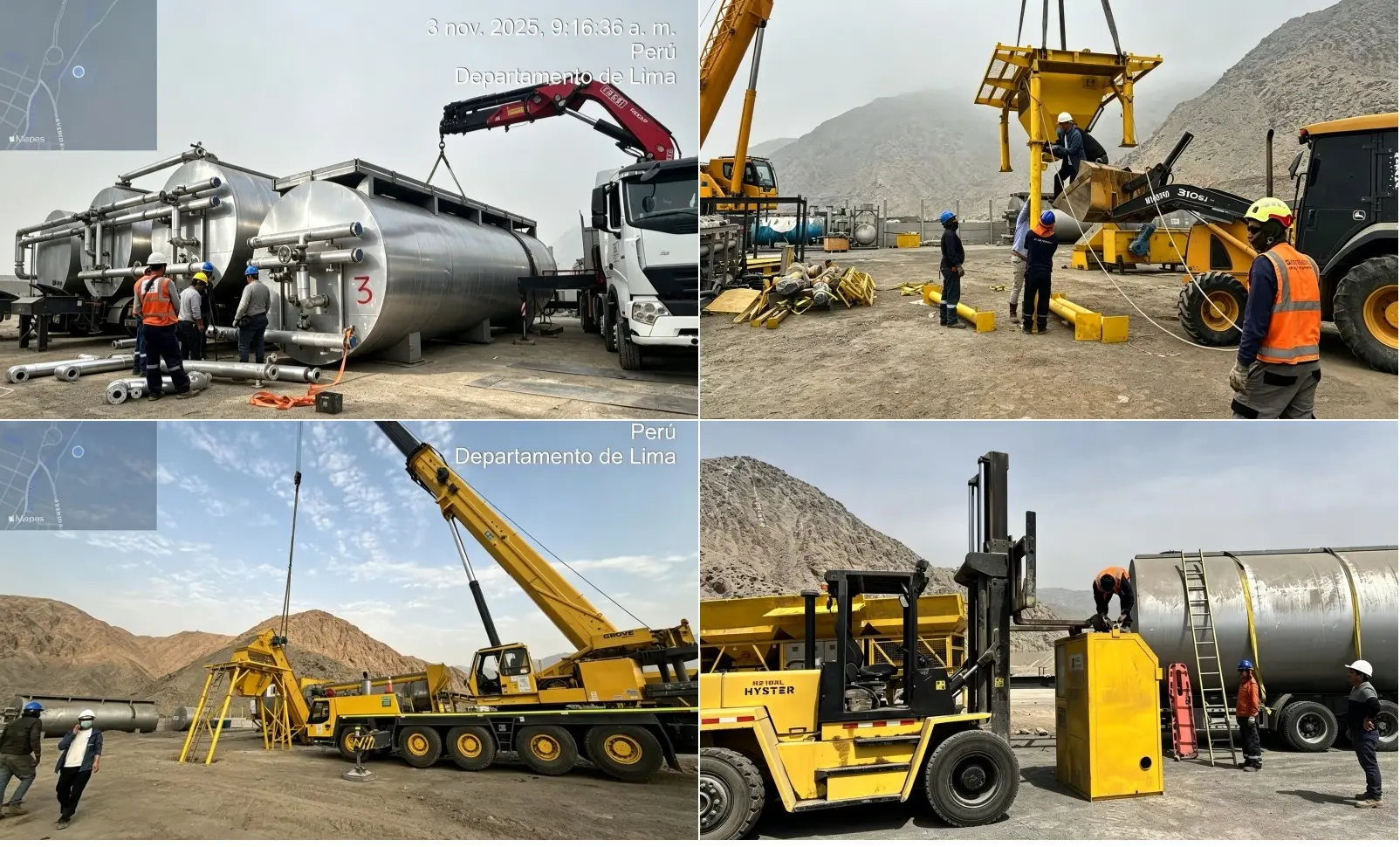
Adding High-RAP Recycling to a Super Mobile Asphalt Plant
Why RAP Is Becoming More Important for Road Contractors
RAP recycling technology has become a new trend of cost reduction and efficiency improvement in Peru RAP (waste asphalt pavement recycled material) recycling technology, which is the core solution for energy conservation and environmental protection of current road engineering. By recycling the waste asphalt mixture milled by old roads, re-putting it into use after screening, heating and recycling mixing, the consumption of new aggregates and asphalt raw materials can be effectively reduced, the comprehensive utilization rate of resources can be improved, and the procurement cost of raw materials for the project is expected to be significantly reduced. At the same time, it meets the green construction policy requirements in Peru’s infrastructure field.
The Challenge of Combining Recycling With Mobility
The conventional asphalt recycling mixing plant in the industry needs to be equipped with independent material screening, heating and recycling treatment systems. The asphalt hot mix plant with complex structure and large volume basically loses the flexible transition ability. However, most of the ordinary mobile asphalt mixing plants do not have the professional RAP regeneration function, which cannot meet the recycling needs of waste materials.
ZOOMLINE breaks through the technical bottleneck, integrates high-proportion RAP regeneration system without increasing equipment redundancy structure, without losing mobile performance and 120TPH production capacity, perfectly solves the industry problem of “conflict between regeneration function and mobility”, and enables mobile asphalt mixing plants to have high yield, flexibility and green regeneration at the same time.
The ZAP-CR Planta de asfalto súper móvil Approach: Three Capabilities in One Project Solution
Relying on core technology integration capabilities, the ZAP-CR mobile asphalt mixer plant has built three core capability systems that are scarce in the industry, forming differentiated competitive advantages:
Super mobility: integrated trailer integrated design, no need for complex disassembly, efficient transition, convenient transportation, suitable for full-scene construction site.
Continuous high yield: 120TPH stable continuous discharge, sufficient production capacity, uniform quality, suitable for large-scale road construction projects High proportion
RAP recycling: efficient use of waste asphalt materials, saving raw material costs, practicing green construction standards, improving the comprehensive income of the project
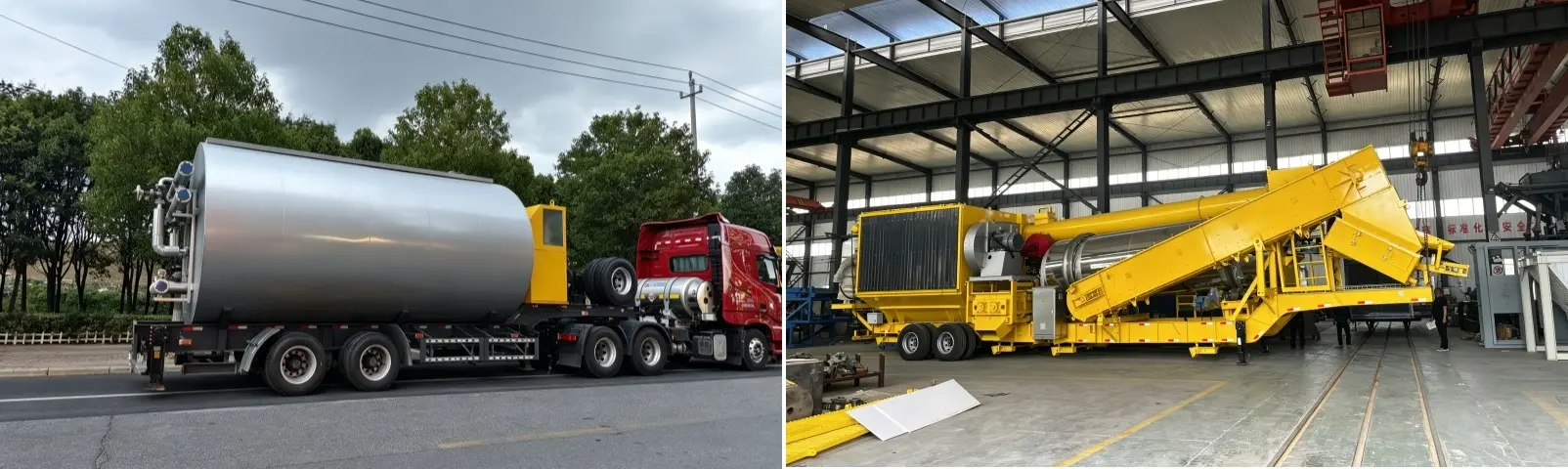
Peru Project Spotlight: The 120 TPH ZAP-CR Super Mobile Asphalt Plant
Comprender los requisitos del proyecto
This Peru road engineering project has three core requirements: production capacity, scenario and cost.️️
The overall construction scale of the project is large, and stable 120TPH asphalt production capacity is required to ensure the paving progress;
The construction sites are scattered in many mountainous and suburban sections, and asphalt plants need to be transferred with high frequency.
At the same time, the construction cost of the project shall be strictly controlled, and the recycling of waste asphalt pavement materials shall be maximized to reduce the consumption of raw materials.
Why a 120 TPH ZAP-CR Planta de asfalto móvil Solution Was Selected
After comprehensive comparison of multi-brand and multi-model equipment, the project party finally selected ZOOMLINE 120TPH ZAP-CR super mobile continuous planta mezcladora de asfalto reciclado. The core reason is that the equipment accurately matches all requirements of the project:
Stable 120TPH continuous production capacity meets the needs of large-scale construction, single trailer super mobile design solves high-frequency transition pain points, integrated RAP recycling system realizes waste material recycling and cost reduction, minimal installation and commissioning process adapts to tight project schedule, and comprehensively fits Peru complex road construction scenarios.
More Than Equipment: From Manufacturing to Project Support
High-quality equipment is the foundation for project landing, and full-process technical service is the core guarantee for efficient project promotion.
For this overseas project in Peru, ZOOMLINE provides full-life supporting services, covering one-stop services such as refined equipment production and manufacturing, strict factory quality inspection, pre-technical docking, on-site installation guidance, equipment commissioning and calibration, professional training for operators, and continuous after-sales operation and maintenance support.
It not only provides high-performance asphalt mixing plant for the project, but also solves overseas construction technical problems and operation and maintenance shortcomings with mature overseas engineering service experience to ensure long-term stable and efficient operation of equipment.
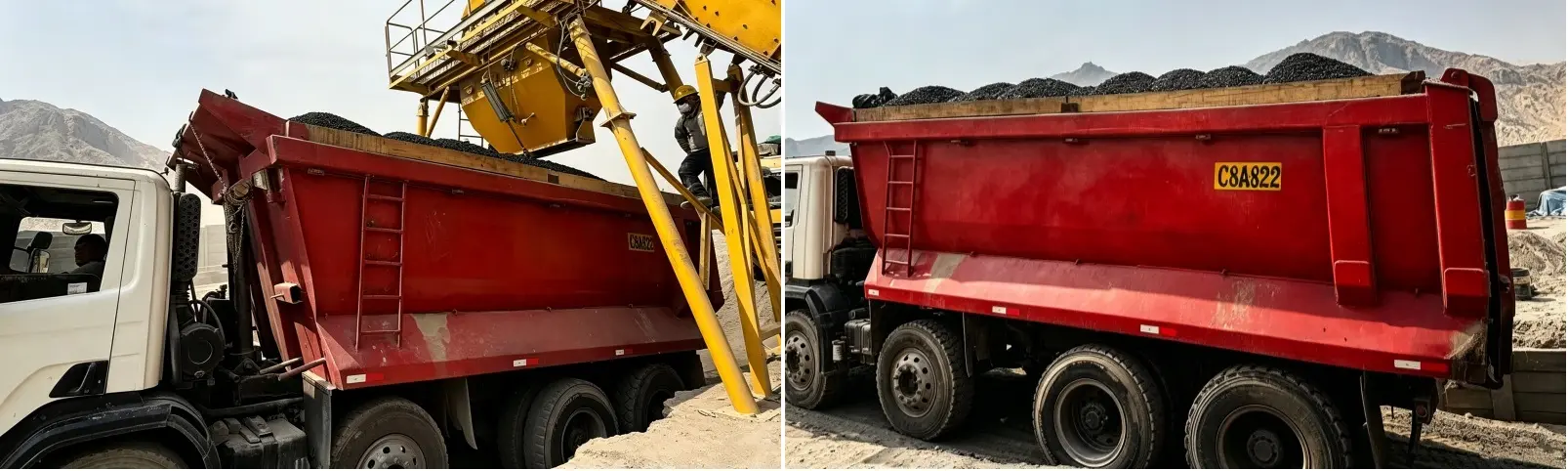
Beyond Transportation: The Real Value of Reducing Project Downtime
Mobility Is Not Just About Moving Equipment
Equipment mobility is not a simple “movable”, but directly affects the project manual configuration, logistics scheduling, construction cycle, equipment utilization, production costs and other core operational indicators. The traditional mobile asphalt hot mix plant can only realize the point migration, and cannot solve the hidden losses such as transition shutdown, repeated debugging, manual waste, etc., and the comprehensive cost of long-term construction remains high.
Faster Transitions Can Improve Overall Project Efficiency
ZAP-CR super mobile asphalt plant has built a complete efficiency logic: transition complexity is reduced → downtime is greatly shortened → equipment rapid recovery → equipment effective utilization rate is comprehensively improved.
For Peru’s multi-point, long-cycle road construction projects, shortening the interval between equipment transfer and commissioning has the same core value as improving equipment rated capacity. The effective operation time of equipment has been greatly increased, and the idle standby time and downtime have been continuously reduced, helping contractors to maximize the profit margin of the project.
Who Can Benefit From a 120 TPH Super Mobile Continuous Recycling Asphalt Plant?
ZOOMLINE 120 TPH ZAP-CR super mobile continuous recycled asphalt mixing plant, accurately adapted to Peru and Latin America multiple types of engineering scenarios and construction teams:
- Engineering contractors undertaking multi-area and multi-construction site road works;
- Infrastructure projects with frequent changes in construction sites and frequent transitions;
- Construction sites in mountainous areas, remote suburbs, complex road conditions and limited logistics;
- Road upgrading, large-area paving and other projects requiring large quantities of asphalt materials;
- Construction teams who want to improve the utilization rate of RAP waste materials and reduce the cost of raw material procurement;
- Various small and medium-sized and large-scale road infrastructure renovation and new construction projects in Peru and Latin America.
Choosing the Right Level of Mobility for Your Asphalt Project
Different road engineering projects have different requirements for equipment mobility, production capacity and function, and asphalt plant selection does not need to blindly pursue high allocation. Project capacity scale, construction cycle, transition frequency and site terrain conditions are the core reference basis for equipment selection. Only asphalt mixing plants that match the actual needs of the project can maximize cost performance and construction efficiency.
To accurately distinguish the adaptation scenarios of stationary asphalt mixing plant, ordinary mobile asphalt plant and super mobile asphalt mixing plants, please refer to previous professional articles: Plantas de asfalto móviles, fijas o supermóviles: ¿Cuál es la mejor opción para el proyecto vial de 2026?
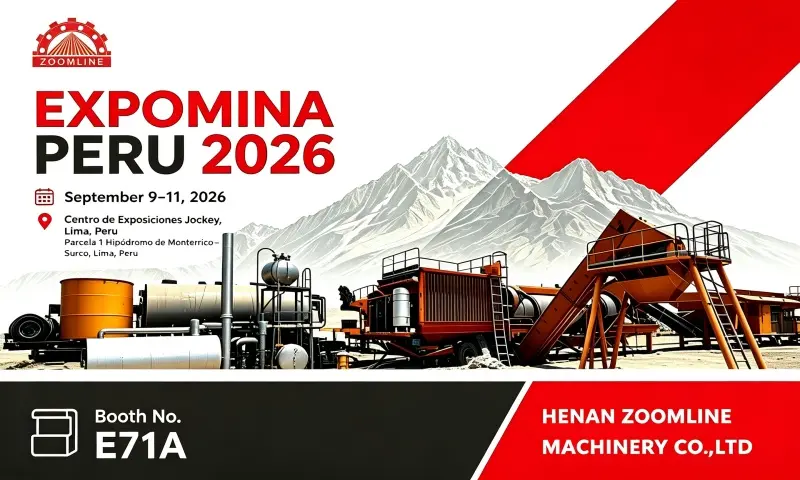
Conoce A ZOOMLINE at EXPOMINA Peru 2026
To continue to deepen the road infrastructure market in Peru and Latin America, ZOOMLINE is always committed to providing overseas contractors with high mobility, high productivity, green and energy-saving asphalt mixing and recycling overall solutions. To showcase cutting-edge equipment technology and engineering solutions up close, ZOOMLINE will be featured at EXPOMINA Peru 2026.
Exhibition time: September 9 – 11, 2026
Exhibition place: Lima Jockey Exhibition Center, Peru
Booth number: E71A
The exhibition site will comprehensively display super mobile asphalt mixing plant, continuous asphalt mixing plant, efficient RAP recycling technology, customized asphalt production complete solutions, providing one-to-one working condition adaptation consultation and scheme customization services for Latin American engineering customers.
Partners interested in laying out road projects in Peru and Latin America and seeking cost reduction and efficiency enhancement solutions for asphalt production can visit the exhibition to exchange and negotiate and customize exclusive engineering equipment solutions.
Conclusion: The Future of Asphalt Plant Mobility Is High Integration
The traditional asphalt mixing plant industry has always been limited to a single way of thinking: “capacity priority, mobility concession” or “mobility priority, capacity compromise”, and the core breakthrough of modern engineering technology, It is to achieve the trinity integration of production capacity, mobility and green recycling capabilities.
ZOOMLINE ZAP-CR super mobile continuous recycled asphalt mixing plant, with a single trailer highly integrated engineering design as the core, breaking the natural contradiction between production capacity and mobility; with continuous production technology to ensure stable and high production, to meet the needs of large-scale projects; with high proportion RAP recycling technology to achieve green cost reduction, all-round adaptation to Peru’s complex and changeable road construction scenarios.
El mobile asphalt plant equipment in the future is not a simple “wheeled mobile asphalt mix plant”, but a highly integrated, functional and scene adaptive engineering solution. For Peru’s infrastructure market with complex terrain and scattered projects, the core challenge of the industry has already escalated from “can equipment move” to “how much capacity and engineering value can mobile equipment carry”. The highly integrated super mobile device is the core trend to solve industry problems and lead infrastructure quality improvement and efficiency improvement.
Frequently Asked Questions: Peru Super Mobile Asphalt Mixing Plant Core Answers
1. What is a super mobile asphalt mixing plant?
Super Mobile Asphalt Mixing Plant is a new type of asphalt mixing plant with ultra-high integration design, and its core advantage is to simplify transportation, transfer and deployment process.Different from the traditional modular mobile equipment, it takes reducing the complexity of transfer as the core design goal. While ensuring the production capacity required by the project, it greatly reduces the workload of disassembly, assembly and commissioning, quickly resumes production, and is highly suitable for the road construction project of high-frequency transfer.
2. Can a super mobile asphalt mixing plant achieve a high production of 120TPH?
Can be achieved. Capacity and mobility are not mutually exclusive, but rather depend on the engineering integration capabilities of the equipment. ZOOMLINE enables the super mobile asphalt plant to get rid of the industry limitation of “low yield due to mobility” by optimizing and matching the continuous mixing technology with the integrated structure. The 120TPH ZAP-CR asphalt plant equipment in Peru this time is a mature case of compatibility between high production capacity and high mobility, which can stably meet the batch asphalt supply demand of large-scale road projects.
3. What is the core value of single trailer integration design for asphalt planta ¿transición?
The integrated design of single trailer simplifies the whole process of asphalt mix plant equipment transfer from the root, and greatly reduces the transportation unit, disassembly and assembly process and on-site installation workload. It can not only reduce the labor and time cost of logistics coordination and loading and unloading construction, but also greatly reduce the transition shutdown period. For the construction scenario of multi-point dispersion and high-frequency transfer in Peru, this design can effectively improve the utilization rate of equipment, reduce invalid shutdown of the project, and comprehensively improve the construction efficiency of the project.
4. Why is a continuous production process more suitable for mobile road construction projects?
The continuous mixing process can realize uninterrupted feeding, mixing and discharging of materials, with stable production rhythm and uniform discharging quality, which is perfectly suitable for long-term and large-batch asphalt paving operation. Combined with the flexible deployment advantage of super mobile, the equipment can directly land at remote and scattered construction sites, directly reach the project site with stable high production capacity, eliminate the loss of long-distance material handling, and is very suitable for Peru’s cross-regional and multi-section road upgrading and new construction projects.
5. Does the super mobile asphalt mixing plant support RAP waste asphalt recycling?
Yes, depending on device configuration and system integration technology. It is difficult for the traditional mobile asphalt plant to carry RAP recycling system, which easily leads to overstaffed equipment and loss of mobility. However, ZOOMLINE ZAP-CR series asphalt plant breaks through the technical bottleneck. On the basis of retaining super mobility and 120TPH high production capacity, it integrates a high proportion RAP regeneration system, which can efficiently recycle waste asphalt materials and help Peru’s engineering projects to reduce costs, increase efficiency and green construction.
6. What engineering scenarios does the 120TPH Super Mobile Asphalt Mixing Plant fit into?
The mobile asphalt mix plant is accurately adapted to various medium and large road infrastructure projects in Peru and Latin America, covering new construction and upgrading of expressways, renovation and maintenance of large roads, multi-point distributed road construction, infrastructure projects in remote mountainous areas, large-scale asphalt paving projects, and various road engineering projects that require RAP recycled materials and frequent trans-regional transfer.
7. What factors should the contractor consider when choosing super mobile asphalt mixing plant?
The selection shall not only focus on the mobility of asphalt plant, but also be judged in combination with the comprehensive working conditions of the project. The core considerations include: the capacity required for the project, construction period, equipment transfer frequency, construction site traffic and site conditions, production process demand, RAP recycling demand and local technical supporting service capacity. Only by selecting the type according to the needs can the value of asphalt mixing plant and the cost performance of the project be maximized.